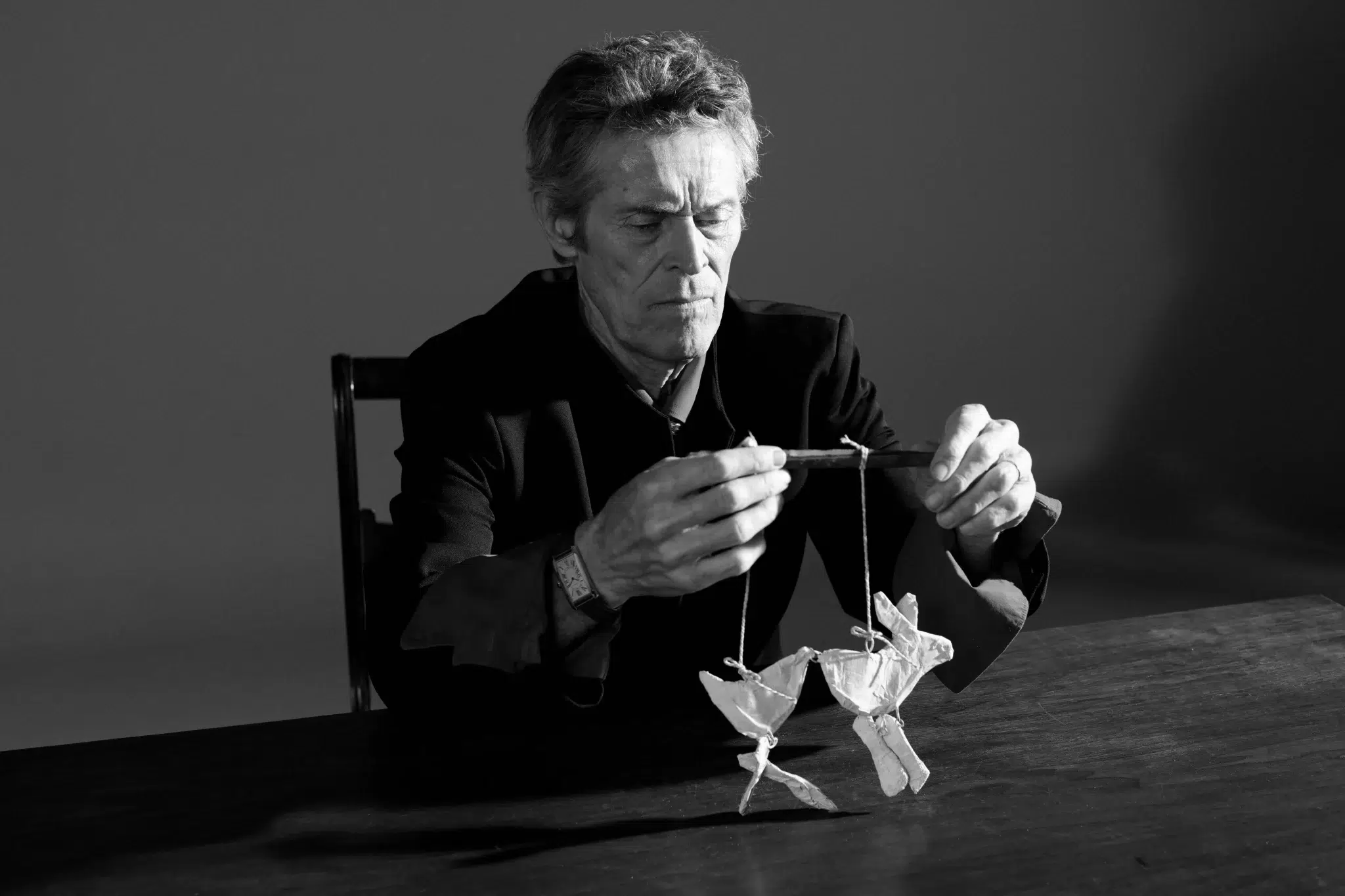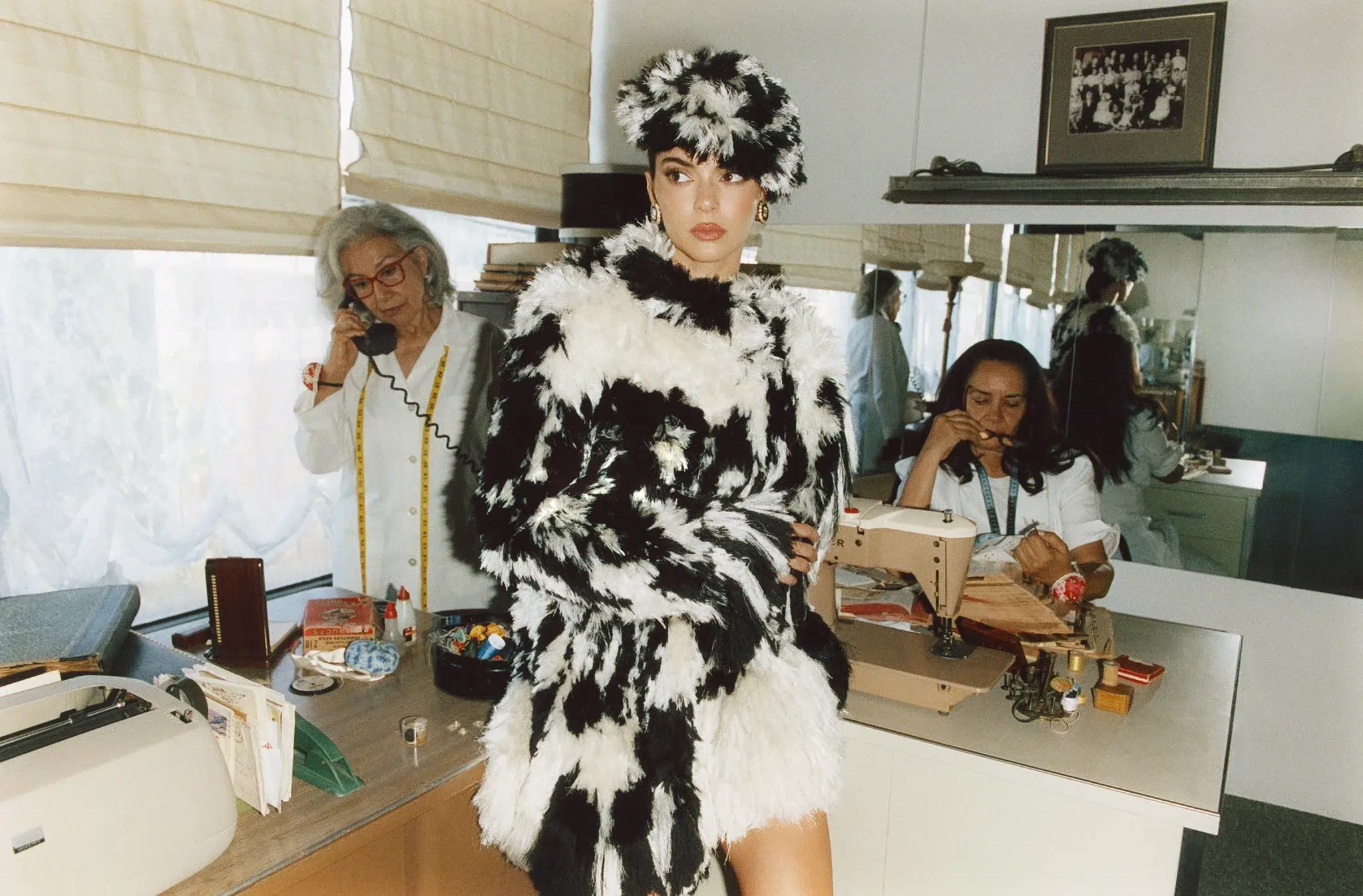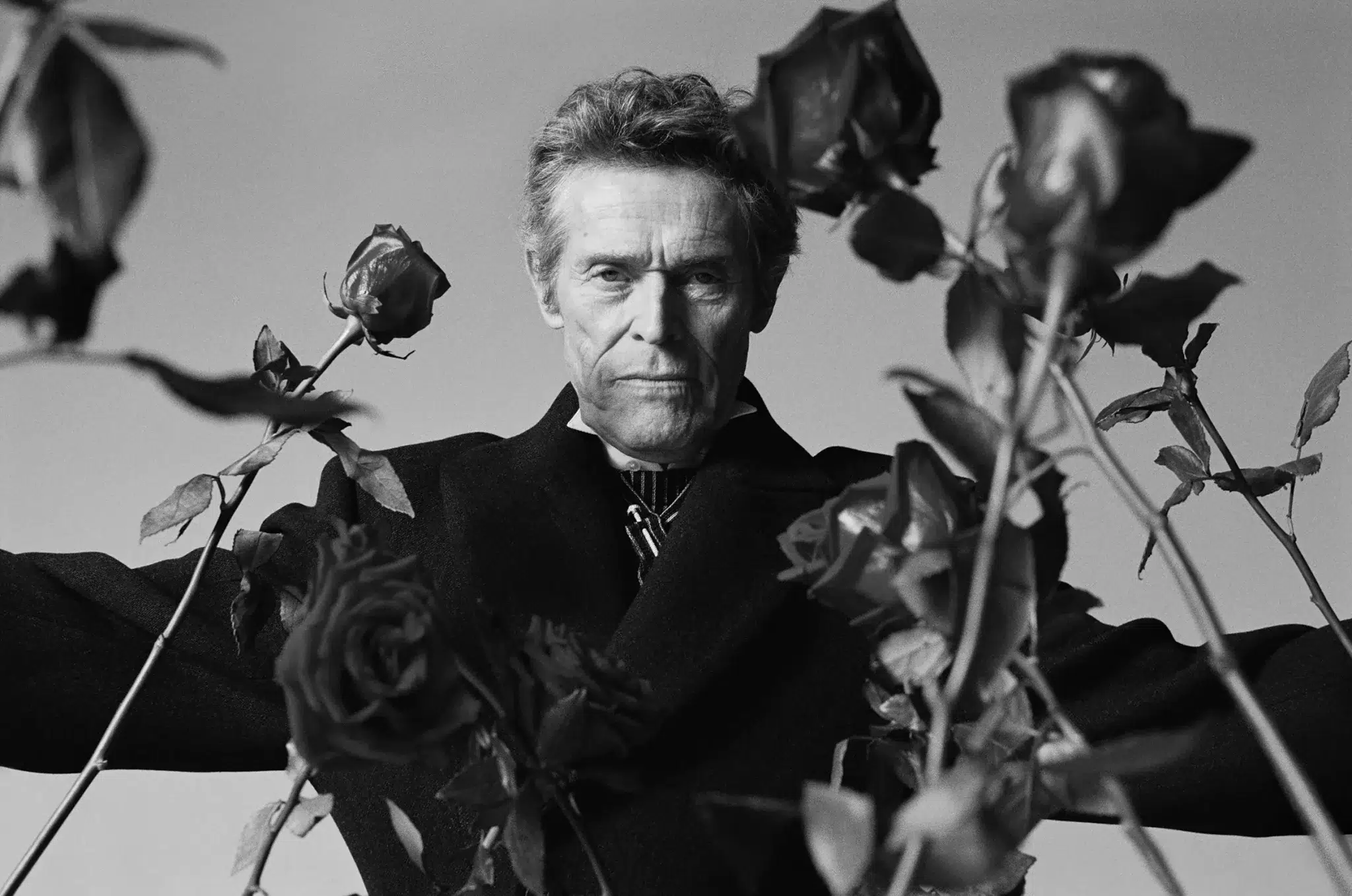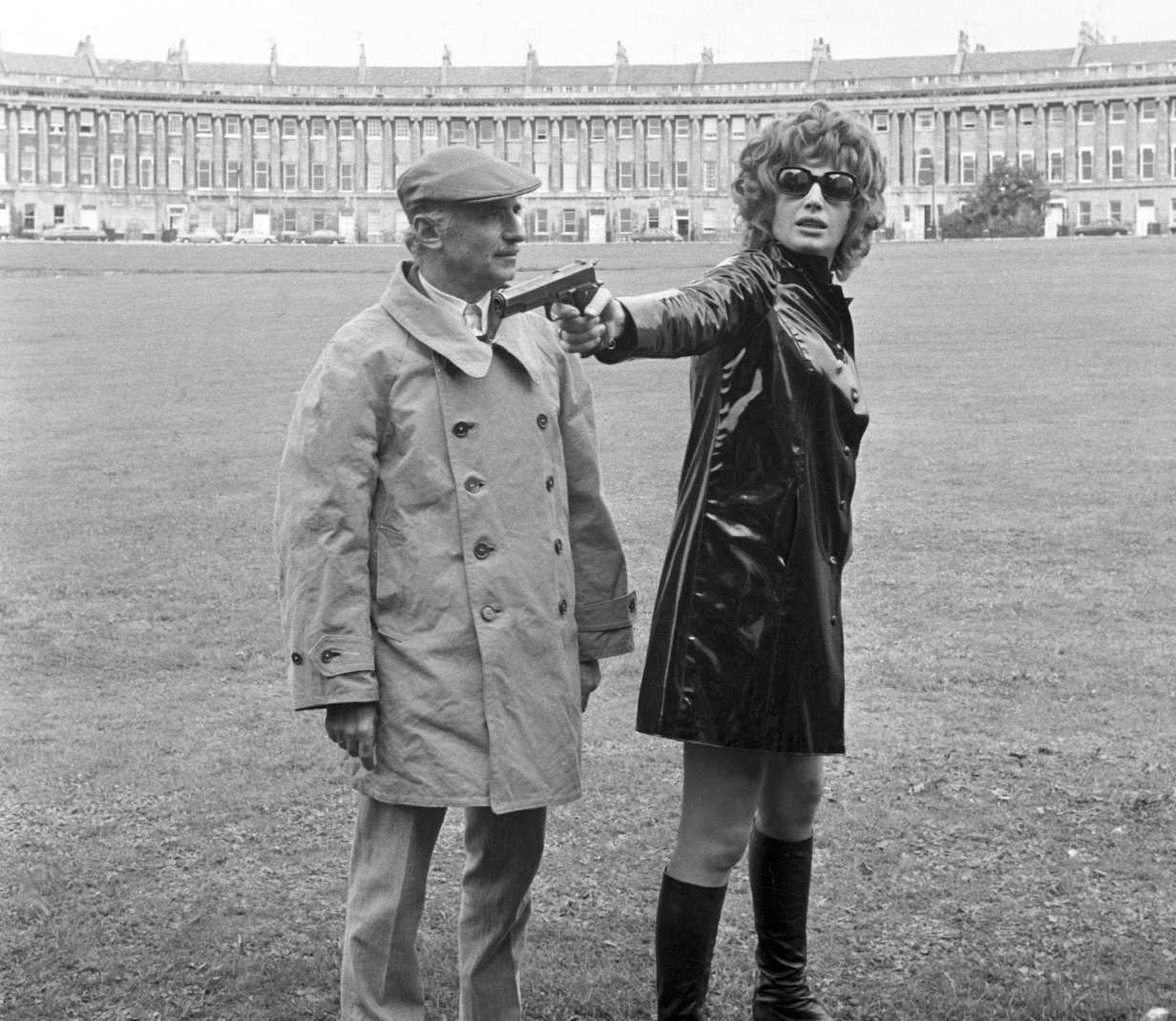


Featuring the likes of Emily Dawn Long, Studio Nicholson’s Nick Wakeman, Durga Chew-Bose and Kartik Kumra, we spoke to fashion designers, art directors, vintage dealers and turned filmmakers about the films that have shaped their eye and work.
Fashion people make for the best students of film. As the Italian designer Miuccia Prada once bestowed as sage wisdom: “Study, study, study! Watch movies. [Look at] art. Read literature. Learn that a piece of clothing serves the role of making you live better.”
There are, of course, the more explicit crossovers in the countless runway collections inspired by Wong Kar Wai’s In The Mood For Love or films costumed by fashion designers. But what Mrs. Prada is perhaps getting at is more instinctive: the films we consume give the clothes we put on each day a sense of narrative, character and aspiration. We all hope to look as cool as James Dean in a T-shirt.
Here we interviewed fashion designers, art directors, vintage dealers and filmmakers—people making our favourite clothes and images today—who’ve made the films they’ve watched (and rewatched) part of their visual language. Voracious people-watchers and cinephiles, they get how real people dress, but always through a heightened sense of reality.
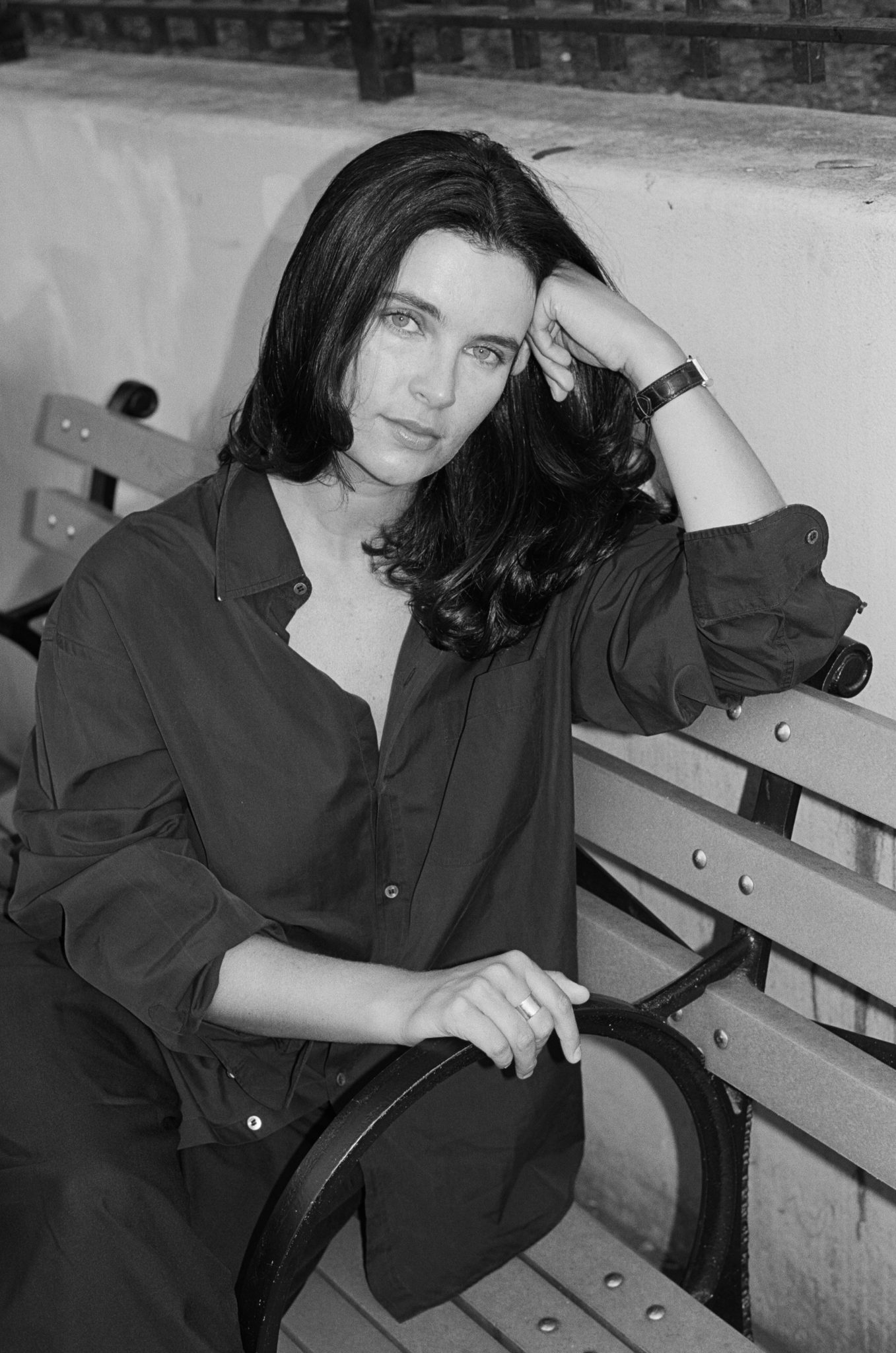
Portrait credit: Ethan O’Grady
Kathleen Sorbara is a vintage dealer and owner of Sorbara’s New York.
What was your first memorable cinema-going experience?
Blue Velvet (1986). I’d just gone through a gut-wrenching breakup in my early twenties that completely destroyed my sense of self. I don’t think I’d ever watched a David Lynch film before. They were playing Blue Velvet at Metrograph and I went by myself. I’d just moved into a shoebox apartment alone around the corner from Metrograph, and it was the beginning of a new chapter in my life. It was the first of many trips to the movie theatre alone. The haunting beauty of that film—the Roy Orbison scene, Isabella Rosselini’s beauty, Dennis Hopper’s brutal brilliance. There was a lot to digest, I was blown away. I think there’s very few experiences left in the world that demand our total presence, and a beautiful film like that, especially on the big screen, really takes you there.
If you could steal the wardrobe of any film character, who would it be?
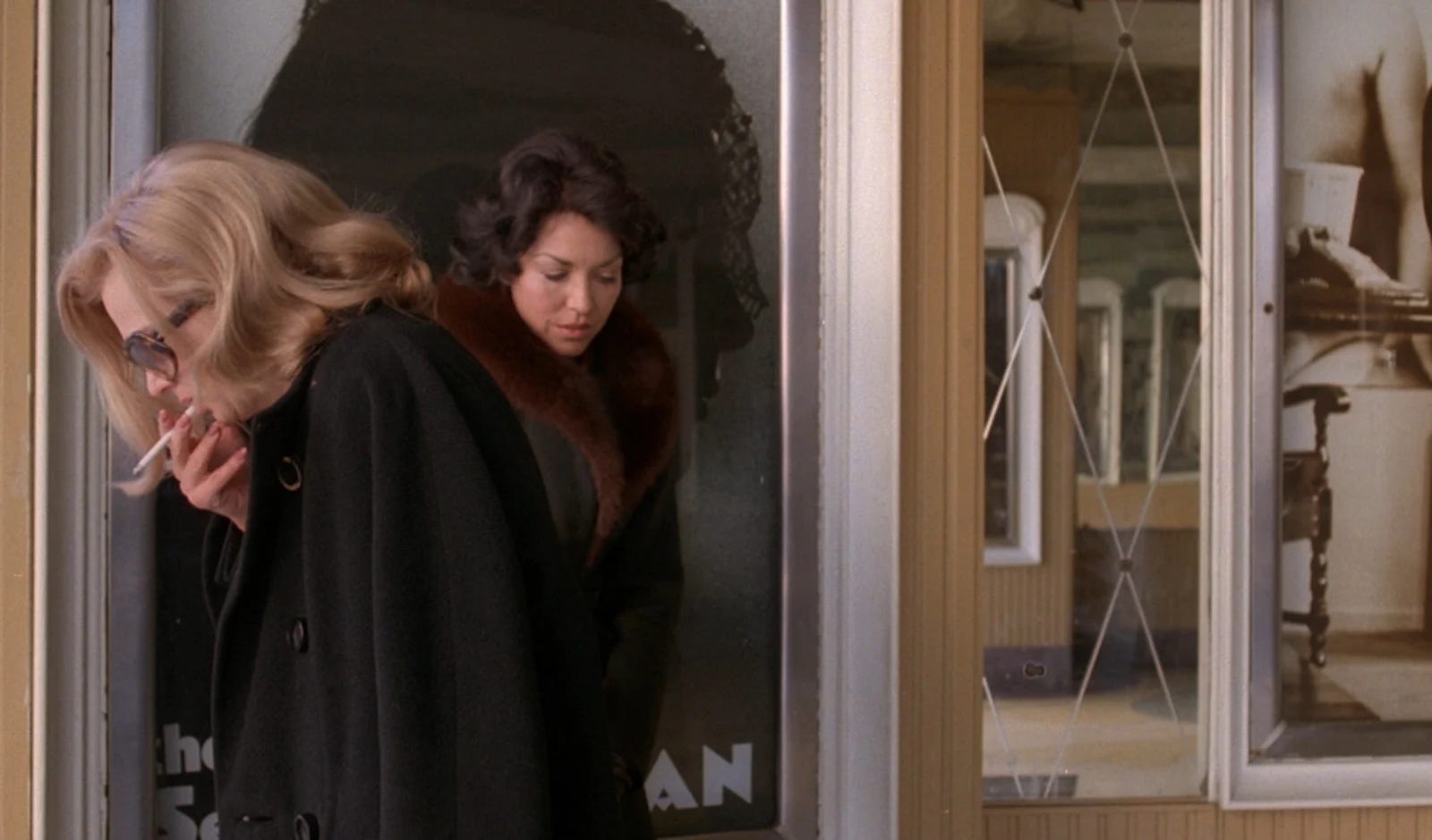
Gena Rowlands’ character in Opening Night (1977) and her massive sunglasses. These days, I see fashion being more about how someone wears something. There’s so much depth to Gena—always—but her lipstick, her sunglasses, her hair in it. I love her glamorous looks throughout the film, her headpiece, her fur coat. But especially her sunglasses.
What film best captures the city you live in—and how people dress there?
The Last Days of Disco (1998). I think the movie’s story is relevant to the struggles of New York today. There’s a new wave of people moving to the city, which I guess is a tale as old as time. I think the “yuppie wave” is hilariously and brilliantly depicted in The Last Days of Disco. Now it feels like most people just wear clothes from Amazon or some other venture capitalist bullshit, but I like to imagine that they’re actually wearing Brooks Brothers or Ralph Lauren, or dressed like any of the men in this film. Besides that, Matt Keeslar looks fucking great in an Oxford shirt. I think about his clothes throughout that movie all the time, especially when I started selling menswear. That scene where he’s at the ironing board is etched into my brain forever.

Gena Rowlands’ character in Opening Night (1977) and her massive sunglasses. These days, I see fashion being more about how someone wears something. There’s so much depth to Gena—always—but her lipstick, her sunglasses, her hair in it. I love her glamorous looks throughout the film, her headpiece, her fur coat. But especially her sunglasses.
Kathleen Sorbara on the film wardrobe she would steal
Is there a film that’s shaped your vision for Sorbara’s New York?
I watched The Lovers on the Bridge (1991) for the first time on my way back from a trip to Paris right before I opened Sorbara’s. Denis Lavant and Juliette Binoche both depict tragically beautiful characters in this film. The film reads like an opera or a ballet—so grand in its story, its flawed characters, the wardrobe, the backdrops. When I’m looking for inspiration, a work like this is what speaks the most to me. I cry every time I rewatch it.
What’s a film that taught you about the narrative power of clothes?
The Anniversary Party (2001). I started to feel the power of the film’s wardrobe when a neurotic, diet-pilled-out Jane Adams walks out from Jennifer Jason Leigh’s closet in an iconic Galliano wedding dress, hoping from that point onwards that no one gets drunk enough to spill red wine all over it. You feel the shit starting to hit the fan as Alan Cumming changes into a Boy London tank top after the cast of the film takes a dose of ecstasy pills.
Jennifer Jason Leigh and Alan Cumming co-directed this film, and as the credits roll, it’s noted that the wardrobe was “donated” by Gucci, Prada, Galliano, Calvin Klein. I wondered if the clothes just came from the actors’ own wardrobes. The film, and its wardrobe, feels bootstrapped in a refreshing way, during a time when movies were just made for the hell of it.
Portrait credit: Valentin Hennequin
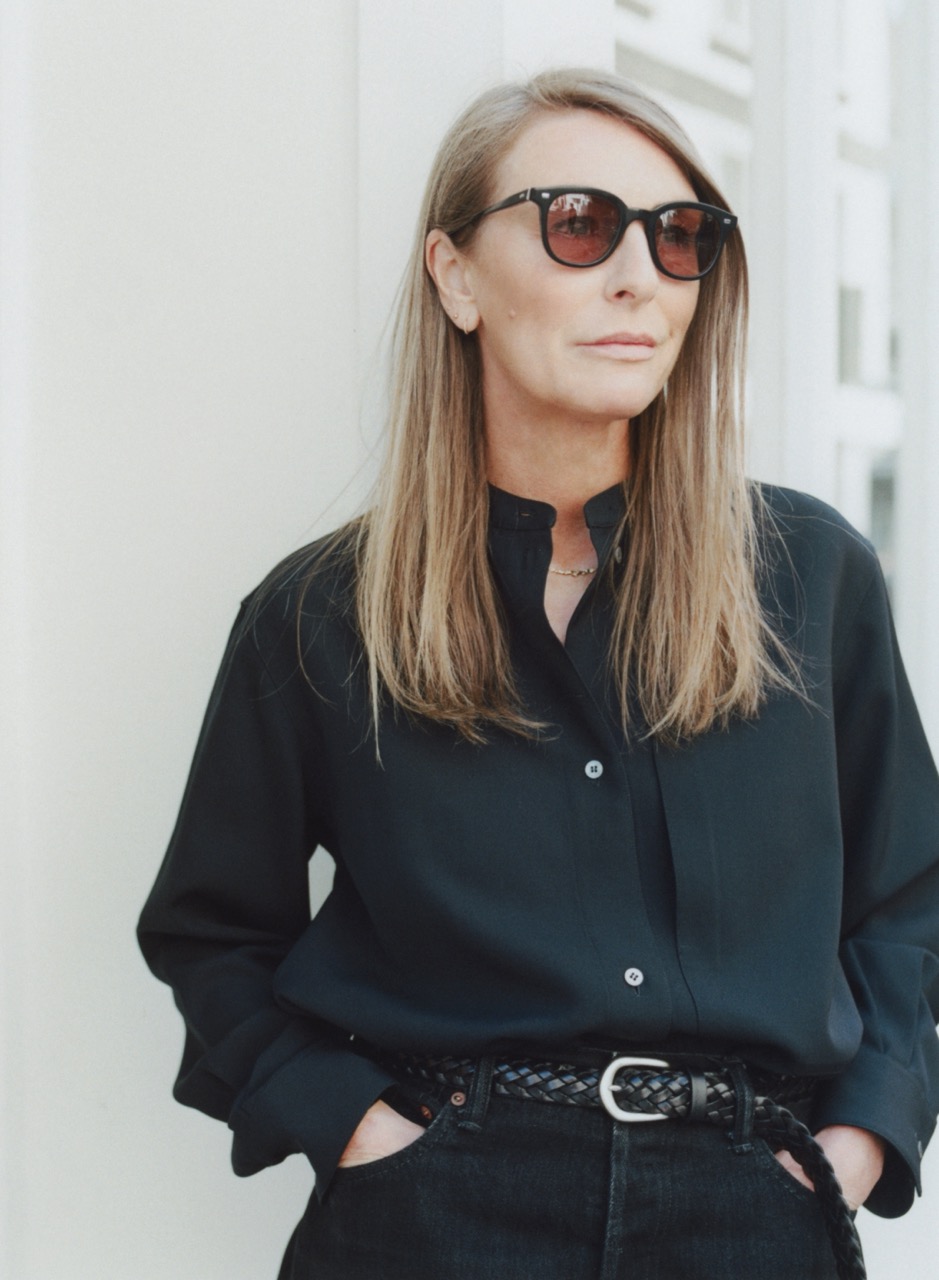
Nick Wakeman is the founder and creative director of London-based label Studio Nicholson.
What was your first memorable cinema-going experience?
I have very vivid memories of going to the local cinema with my mother. I watched Smokey and the Bandit with Mum in 1977 (I was four years old and had absolutely no business being there!) and I may have had those first feelings of oh my god, look how handsome and stylish Burt Reynolds and Sally Field are in that movie. I have adored Burt Reynolds ever since. Good looking and a complete dickhead at the same time—the best combination in any human being. I might also mention watching ABBA: The Movie around the same time, all four band members arriving in London in one of those completely glass helicopters wearing white jumpsuits is not something you forget—epic.
If you could steal the wardrobe of any film character, who would it be?
Michael Corleone in The Godfather III (1990). The cardigans, the suits, the grey shirt, the eyewear—the lot. I think Milena Canonero’s work here is exceptional.
What film best captures the city you live in—and how people dress there?
Naked by Mike Leigh (1997). I moved to London in 1993, and I lived in and around Portobello Road; so many characters in this movie resonate with that period of my life. Life was pretty raw and grimy in the mid- to late-90s, and none of us had any money.
Are there films you return to for inspiration when you start designing a collection?
Oh, yes. The Ice Storm (1997) by Ang Lee. Damage (1992) by Louis Malle. Fatal Attraction (1987) by Adrian Lyne. The Big Chill (1983) by Lawrence Kasdan. Reversal of Fortune (1990) by Barbet Schroeder.
What’s a film that taught you about the narrative power of clothes?
Probably Damage by Louis Malle. It’s so sharp. Juliet Binoche’s wardrobe is understated but so sexy, and Jeremy Irons’ look at the very end where he is wandering a street in Portugal alone is everything to me.
Portrait credit: Peter Sherno
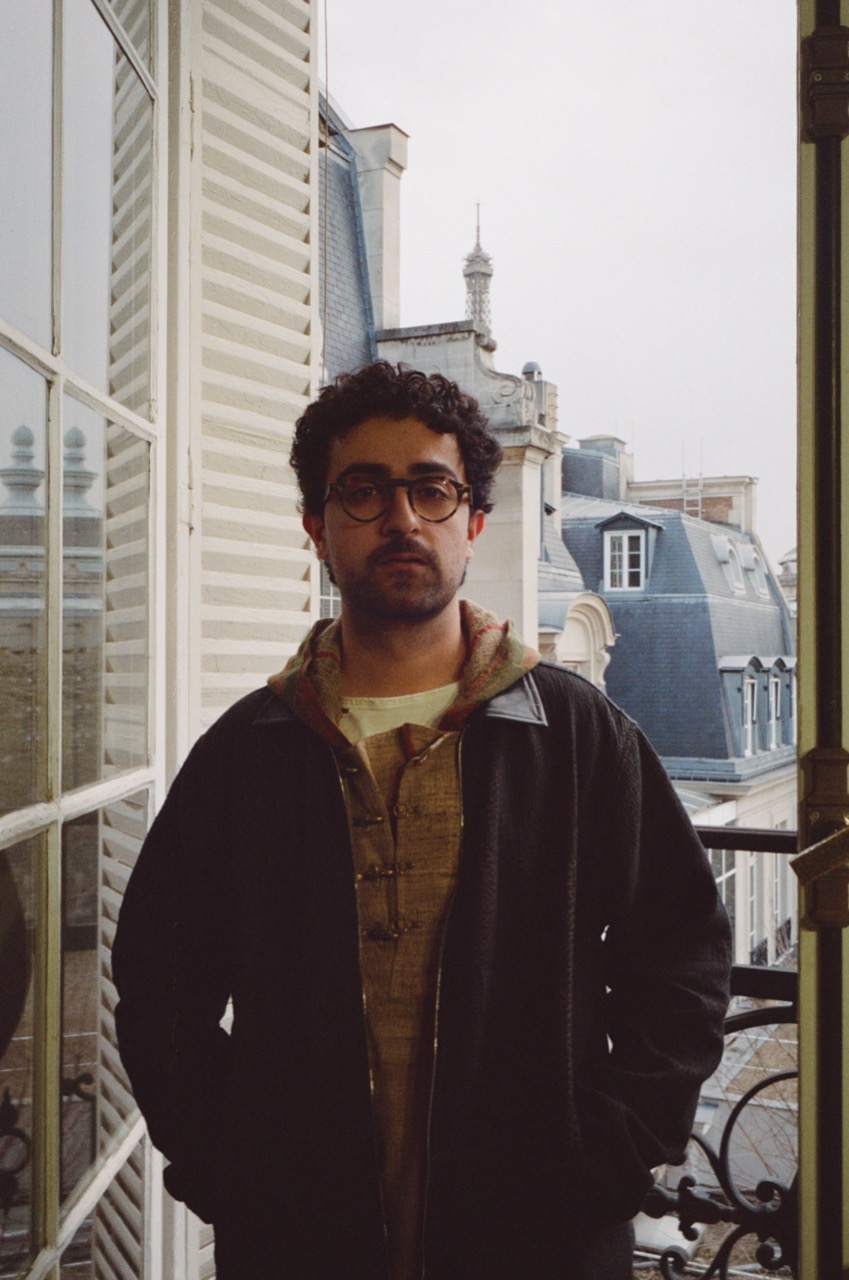
Kartik Kumra is the founder and designer of New Delhi-based menswear label Kartik Research.
What was your first memorable cinema-going experience?
I did go to the cinema a lot growing up but I’m kind of blanking on a lot of that time because it was usually children’s movies with my parents and sister or Spider-Man 2 (2004) with my friends. I remember downloading Stand by Me (1986) and it’s a film that has always stuck with me. It just doesn’t miss a beat.
I rewatched it recently and it made me remember how much I liked it the first time I saw it. When I first saw it my friend group was just the kids I grew up with and now it’s obviously been a while: you go to college, you start working, and you meet different people but people come and go and so there was something weirdly realistic about the transience of friendship during the rewatch.
If you could steal the wardrobe of any film character, who would it be?
Maybe Adrien Brody in The Darjeeling Limited (2007). There’s a tailoring mix with found beaded and rudraksh necklaces and painted Louis Vuitton luggage that feels like something I’d like to wear.
When anyone can now go into a multi-brand store to buy “good clothes”, one of the things I’m trying to engineer with our collections, ironically, is some sort of eclecticism and individuality. So the characters I’m drawn to have that imperfect but individual dressing quality. There’s an old Hindi movie called Shatranj ke Khiladi (1997), where the kings and aristocrats wear these fantastic embroidered coats. I could never wear them as is myself, but maybe there’s a way to upcycle them we could work them in.
What film best captures the city you live in—and how people dress there?
I live in Delhi, so I don’t know if there’s a good movie that depicts how people dress here right now. But there’s a hilarious movie called Delhi Belly (2011), and I think that captured the early aughts American mall brand diffusion/Indian journalist/student aesthetic well. Sort of fake Hollister meets jeans with a kurta, flip flops and an embroidered scarf if that makes sense. I saw that a lot growing up. Like really bad SuperDry and Ed Hardy T-shirts were a thing here for way too long. Tapered trousers never left either.
There’s a hilarious movie called Delhi Belly (2011), and I think that captured the early aughts American mall brand diffusion/Indian journalist/student aesthetic well. Sort of fake Hollister meets jeans with a kurta, flip flops and an embroidered scarf if that makes sense.
Are there films you return to for inspiration when you start designing a collection?
More than a single movie I keep coming back to, there’s a director who’s fits always find their way onto our mood board. Satyajit Ray just had it, man. He mixed madras check shirts with tailoring, with Kani shawls. Kashmiri shawls layered over tweed tailoring and fisherman sandals. That mix feels weirdly synergistic to our brand in some way. There’s a photo Raghu Rai took of him I have in this book, even the room he’s in had a real perspective. Honorable mention: Almost Famous (2000). One of my favourite movies of all time, I keep coming back to it and the clothes are great. There’s also a couple of fashion documentaries that I really like: Marc Jacobs & Louis Vuitton (2007) by Loïc Prigent and the Yohji [Yamamoto] doc, Notebook on Cities and Clothes (1989) by Wim Wenders.
What’s a film that taught you about the narrative power of clothes?
My favourite director is Paul Thomas Anderson and I think he finds a way to world build through clothes that isn’t as obvious as The Talented Mr. Ripley (1999), for instance.There isn’t that much literal signaling but there’s real filmmaking slickness and clothing style in Licorice Pizza (2021), Phantom Thread (2017), and Boogie Nights (1997).
Like [Adam] Sandler’s Yves Klein blue suit in Punch Drunk Love (2002) with the shoulder pads and how it doesn’t fit right; that’s still an intentional choice as it’s for protection, to cover a less composed interiority. Even Philip Seymour Hoffman’s cameo communicates his dirtbag energy in 30 seconds.
The clothes communicate the energy of the film in a sophisticated way. In The Master (2012), the costume design is great but the colour grading on the film just makes it really pop. The tailoring is mega; it’s believable and yet not obviously culty. Like I can see myself joining Scientology? You see how Joaquin Phoenix’s suits change as the movie progresses on the second watch.

Portrait credit: Huy Luong
Durga Chew-Bose is a Canadian filmmaker.
What was your first memorable cinema-going experience?
I remember seeing Mrs. Doubtfire (1993) at a theatre in a mall. It was for my birthday party and my best friend’s dog had just died. We were meant to see this movie called Iron Will (1993) but it was about a dog sled race and I remember my mother suggesting we switch films, for my friend’s sake.
The circumstances surrounding seeing Mrs. Doubtfire—new sensitivities around a change of plans, the exhilaration of Robin Williams, the movie’s family drama and the fascination with teenage siblings, all of it—has stuck with me, I guess. More recently, I was thinking about Mrs. Doubtfire because I was reading Emily LaBarge’s fantastic book, Dog Days. I won’t ruin the relationship between her book (involving a harrowing event) and Mrs. Doubtfire, but I recommend you read it.
If you could steal the wardrobe of any film character, who would it be?
Kevin Costner in Field of Dreams (1989). Juliette Binoche in Les Amants du Pont-Neuf (The Lovers on the Bridge, 1991).
What film best captures the city you live in (Montreal)—and how people dress there?
Something about the costumes in Xavier Dolan’s Matthias & Maxime (2019) feel familiar, uncomplicated and true.
Are there films you return to in your creative process?
Many, but recently, Satyajit Ray’s Charulata (1964).
What film made you realise style was its own form of narrative?
Le Bonheur by Agnès Varda (1965).
Portrait credit: Ellis Scott
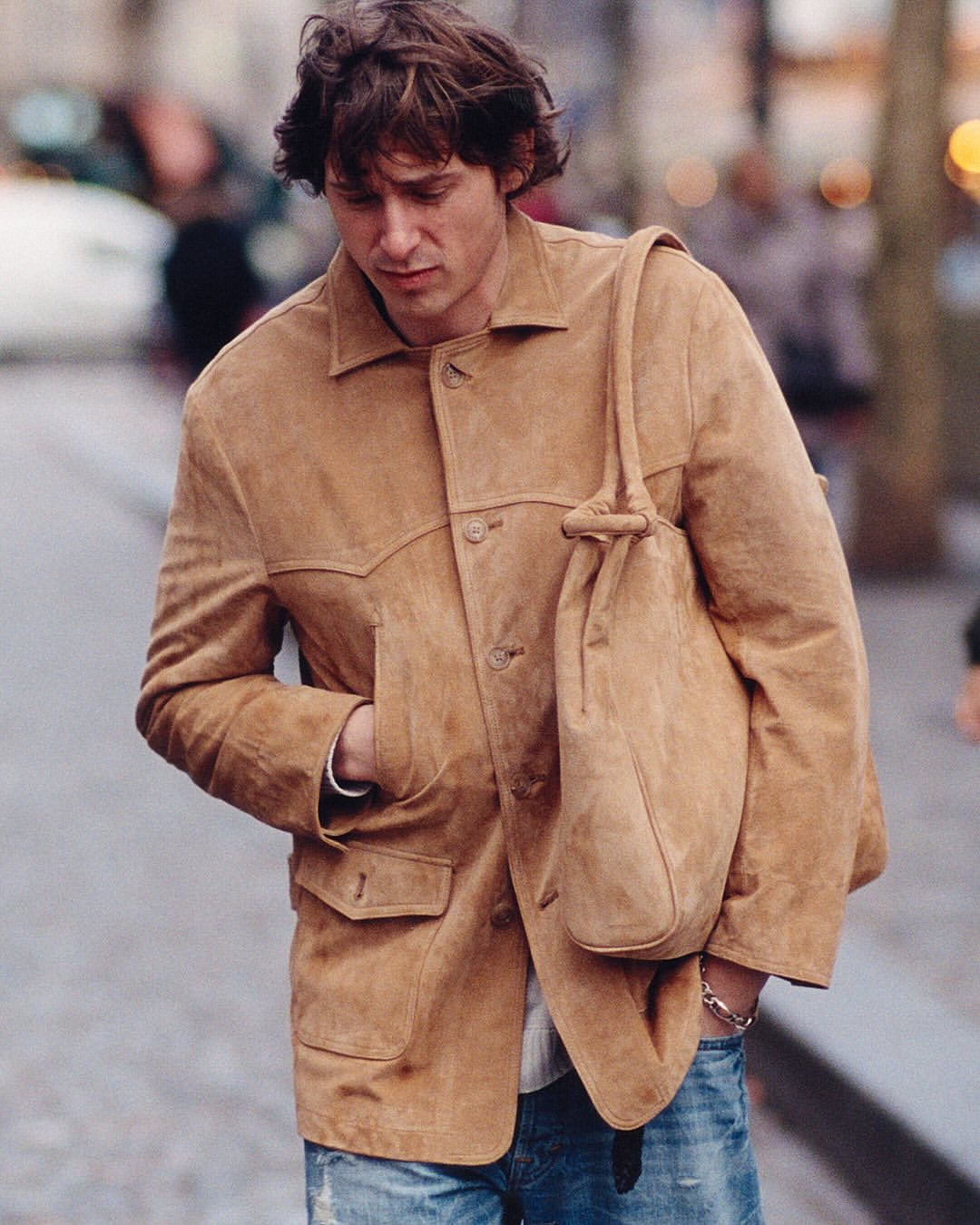
Carter Young Altman is the founder and designer of the London-based menswear brand Carter Young.
What was your first memorable cinema-going experience?
When I was about 14 I made a new friend who was much cooler than me in every way. He lived in the basement of his parents house and his room was only lit with white Christmas lights full of incense smoke and movie posters. One day he told me he had something to show me, in a clandestine elicit way. He pulled out a VHS tape of A Clockwork Orange (1971), and we sat, cross-legged on his bed, changing the way I looked at film forever.
If you could steal the wardrobe of any film character, who would it be?
It’s not really a character from a film, but I’ve always been interested in the style of directors. If I had to borrow from a wardrobe, it would be a young Leos Carax. Also, it’s not his clothing I want as much as the way he wears clothing, almost like he’s not fully sure how they were intended to be worn, but that’s what makes it so much cooler.
What film best captures the city you live in—and how people dress there?
The problem with London is that each neighborhood is so distinct. I could give an answer for each one. While it may be kind of funny, Notting Hill (1999) with Hugh Grant is probably what I think of when I think of the post-card version of London.
The idea of him being a handsome man ambling around a beautiful architectural landscape, working at an independent bookstore that’s slowly being driven to extinction, while a chance encounter draws him out of the mundane and forces a new, more active participation in life? That feels quite apt.
When I first moved here I made a friend who runs a tailor shop in Notting Hill, and let me say, he is a spiritual successor to Mr. Grant in the film, except far more charming and more capable. He dresses incredibly well: a nice jumper, a great shirt with rolled sleeves, and worn-in jeans with suede shoes. He looks incredibly handsome, but in a way that perfectly fits the neighbourhood.
When I first saw James Dean in East of Eden (1955) I noticed his all-American prep outfit. A great V-neck, a spread collar, classic, wide leg chinos. As his inner turmoil increases, so does the distressing of his outfit… The shot of him pulling off the sweater on top of the train perfectly encapsulates this. He became both a symbol of an American archetype at the time, and of its unraveling through the contrast of his clothing.
Carter Young Altman on James Dean and the narrative power of clothes
Are there films you return to for inspiration when you start designing a collection?
I like to re-watch films a lot. Recently, it’s been Eric Rohmer’s A Summer’s Tale (1996). I really love movies where almost nothing happens and you can just watch characters amble around. Rohmer’s worlds feel really lived in and warm, even if it’s just from the textures on the screen.
What’s a film that taught you about the narrative power of clothes?
Clothing tells you so much about a character without having to explain who they are. Certain archetypes have become so ubiquitous as to be conflated with personality traits; leather jackets symbolising rebellion, a padded shoulder with greed or power, and wide chinos with suburban ennui. When I first saw James Dean in East of Eden (1955) I noticed his all-American prep outfit. A great V-neck, a spread collar, classic, wide leg chinos. As his inner turmoil increases, so does the distressing of his outfit. Torn sweaters, shirt collars splayed out, dirt on everything. The shot of him pulling off the sweater on top of the train perfectly encapsulates this. He became both a symbol of an American archetype at the time, and of its unraveling through the contrast of his clothing.
Portrait credit: Joe Brennan
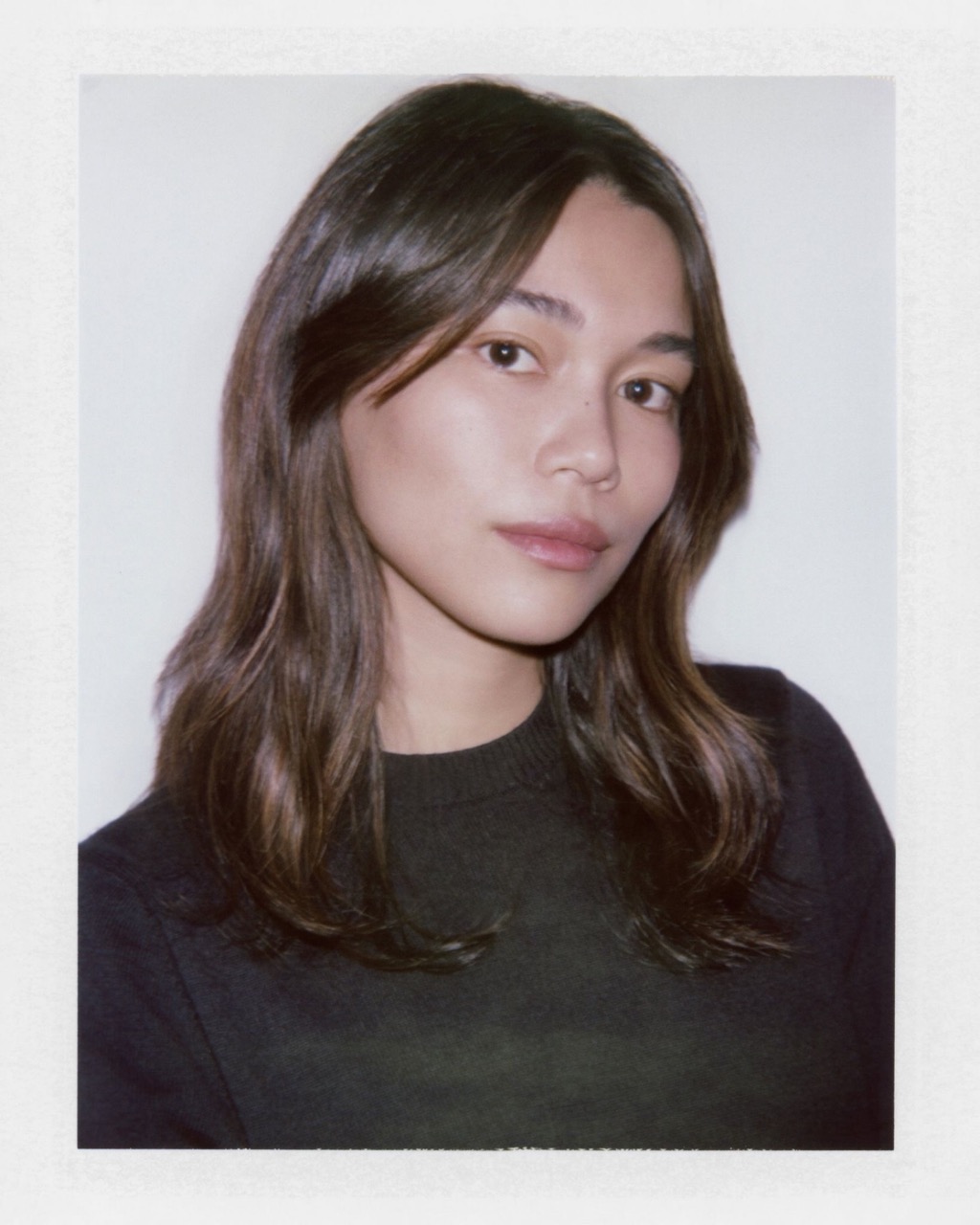
Paulina Paige Ortega is a Sydney-based design director, and co-founder and creative director of Persona magazine.
What was your first memorable cinema-going experience?
Going to the cinema to watch Disney movies with my class as a kid. I can’t even remember which ones they were in particular, but they’re sort of my earliest memories of that electric buzz around the collective experience of going to the movies—getting snacks, picking who to sit next to, the excitable post-movie chatter.
If you could steal the wardrobe of any film character, who would it be?
I’d like a mix of Lauren Hutton in American Gigolo (1980); Tilda Swinton in I Am Love (2009); Faye Dunaway in Eyes of Laura Mars (1978); Audrey Hepburn in any Audrey Hepburn movie; both Grace Kelly’s and Katharine Hepburn’s Tracey Lord wardrobes; and a dash of Lydia Tár and Meg Ryan in You’ve Got Mail (1998).
What film best captures the city you live in—and how people dress there?
I live in Sydney, so my mind naturally goes to La Piscine (1969) or A Bigger Splash (2015). Swimwear, linen shirts, a sense of ease.
What film made you realise style was its own form of narrative?
George Cukor’s work really taught me this. I love his movies and was exposed to them at such a young age, they’ve been so formative to my way of seeing. The Philadelphia Story (1940), My Fair Lady (1964), A Star Is Born (1954)—all such great examples of style driving character and plot. Wong Kar Wai’s In the Mood for Love (2000) also taught me so much about this. As did Funny Face (1957).
Is there a film that’s shaped your visual language?
I love the visual palette of Sofia Coppola, Claire Denis and Wong Kar Wai.
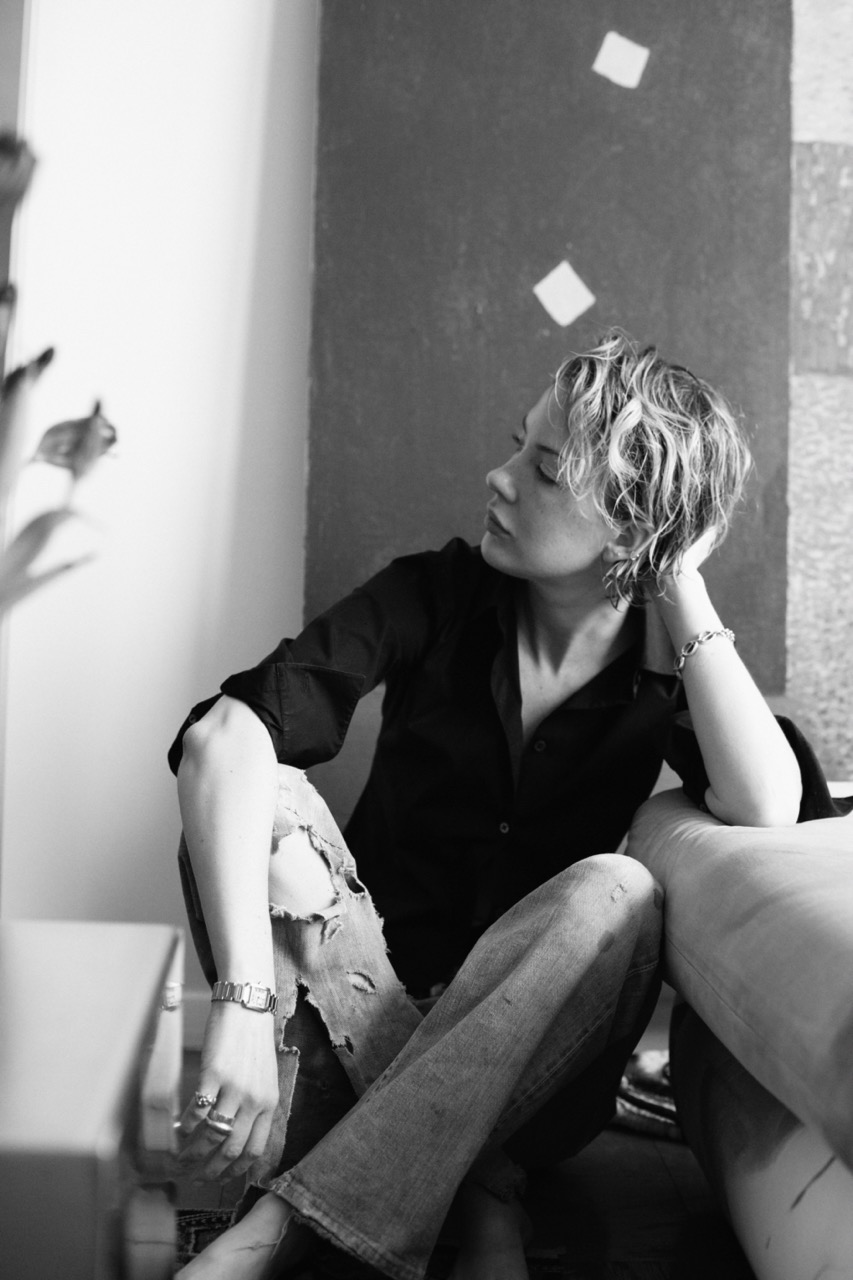
Portrait credit: Rebekah Campbell
Emily Dawn Long is the Manhattan-based designer of her eponymous label.
What was your first memorable cinema-going experience?
I was suspended in the middle of the day in fourth grade (lol) and so my dad got my brother out of school too and we went to see The Mummy (1999)!
If you could steal the wardrobe of any film character, who would it be?
Donyale Luna (aka Miss Peggy Ann Freeman) in the 1968 film Skidoo—ARE YOU KIDDING ME?
I started this thing I’m now calling ‘Morning Movies’ about 3 years ago maybe. I watch something every morning while checking emails.
What film best captures the city you live in—and how people dress there?
There is no way to name one film. But this past month I watched two films set in New York in the 1990s: Addicted to Love (1997) with Meg Ryan, which is set in SoHo, I believe. And Frankie & Johnny (1991) with Michelle Pfeiffer and Al Pacino. I’m a big fan of both the female characters’ wardrobes. Practical and lived in.
Are there films you return to when you start working on a collection?
I don’t return to films really—I just love to inhale new movies daily. I started this thing I’m now calling ‘Morning Movies’ about 3 years ago maybe. I watch something every morning while checking emails.
What film has taught you about aspirational dressing?
I mean… all costume design in all of cinema. But most recently: The Witches of Eastwick (1997).