

Our editor-in-chief presents our latest issue—a celebration of film and fashion with cover stars Willem Dafoe and Kendall Jenner.
Welcome to issue 16 of A Rabbit’s Foot.
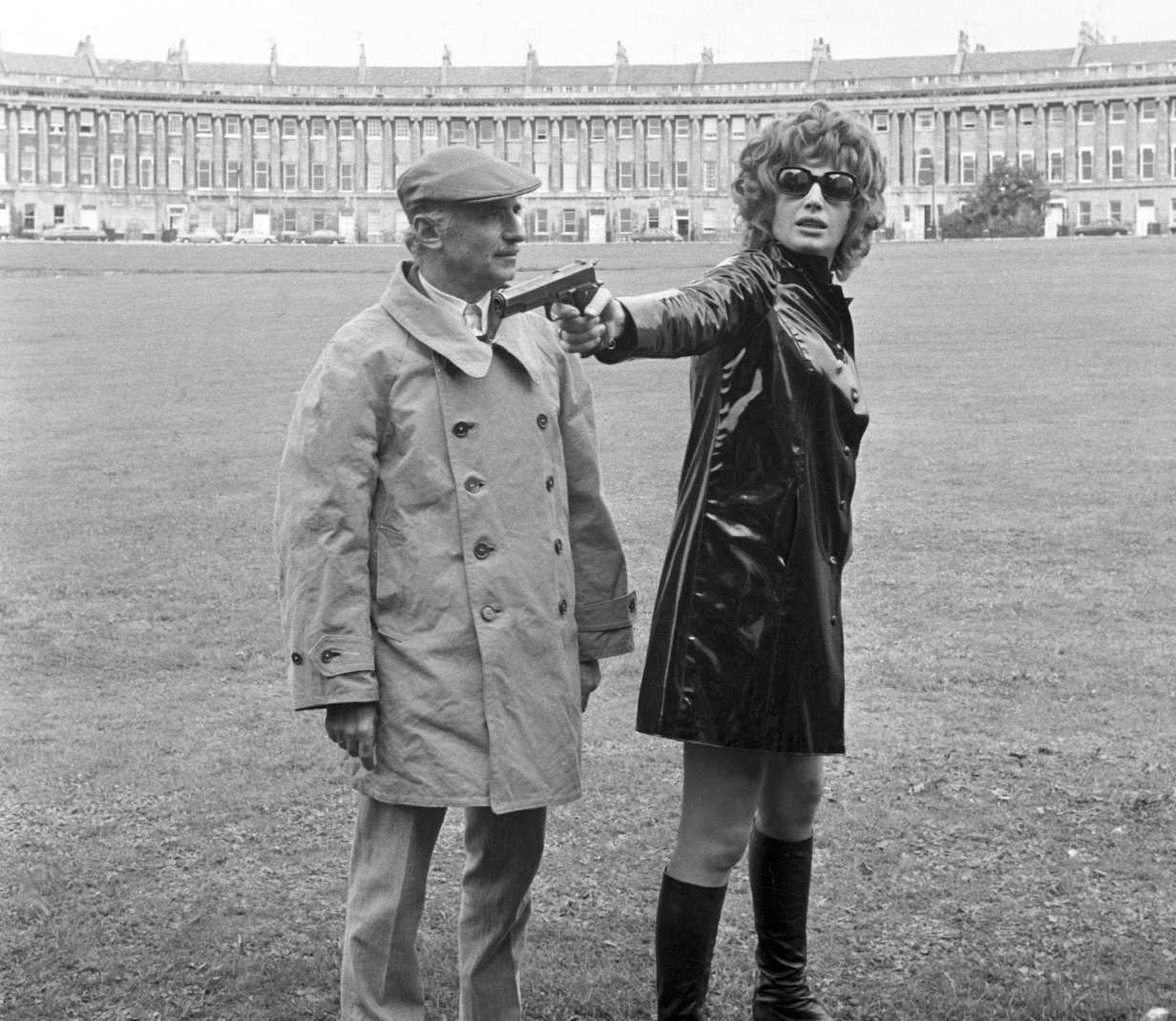
In this issue, we celebrate the impact that movies have on fashion—and that fashion has on movies. Fashion and film are in my DNA. My father, the late actor Peter Finch, was a matinee idol of the 1950s and 60s. Sure, he made some very socially powerful movies including Sunday Bloody Sunday (1971) and The Pumpkin Eater (1964), but it was the films with glamorous co-stars such as Sophia Loren, Audrey Hepburn, and Elizabeth Taylor that made him a British sex symbol. His own personal taste was covered in many magazines and he was consistently listed as “best dressed” by the Evening Standard, which, for Swinging Sixties London, was ’the’ place to be mentioned.
My father was a dashing fellow. He yearned more to be a farmer than an actor. Having spent time as a child in Australia on the family’s cattle ranches, he particularly liked a uniform of khaki shorts, safari shirts, and Clarks desert boots (I do, too). He moved to Jamaica in the 1960s and built a house in the parish of St Ann with my mother, Yolanda. Ian Fleming was a good friend of theirs, and my father made his own swim shorts for them both. (Decades ago, Chris Blackwell, the Jamaican impresario who owns Fleming’s home Goldeneye in Oracabessa, found a pair and presented them in a glass case.) My father copied the shorts from a pair he owned in the early 50s, which he had seen fishermen wearing in Positano. I copied the shorts, and ultimately the 1950s style became my inspiration for the Chucs swimwear brand and restaurant, which I started almost two decades ago.
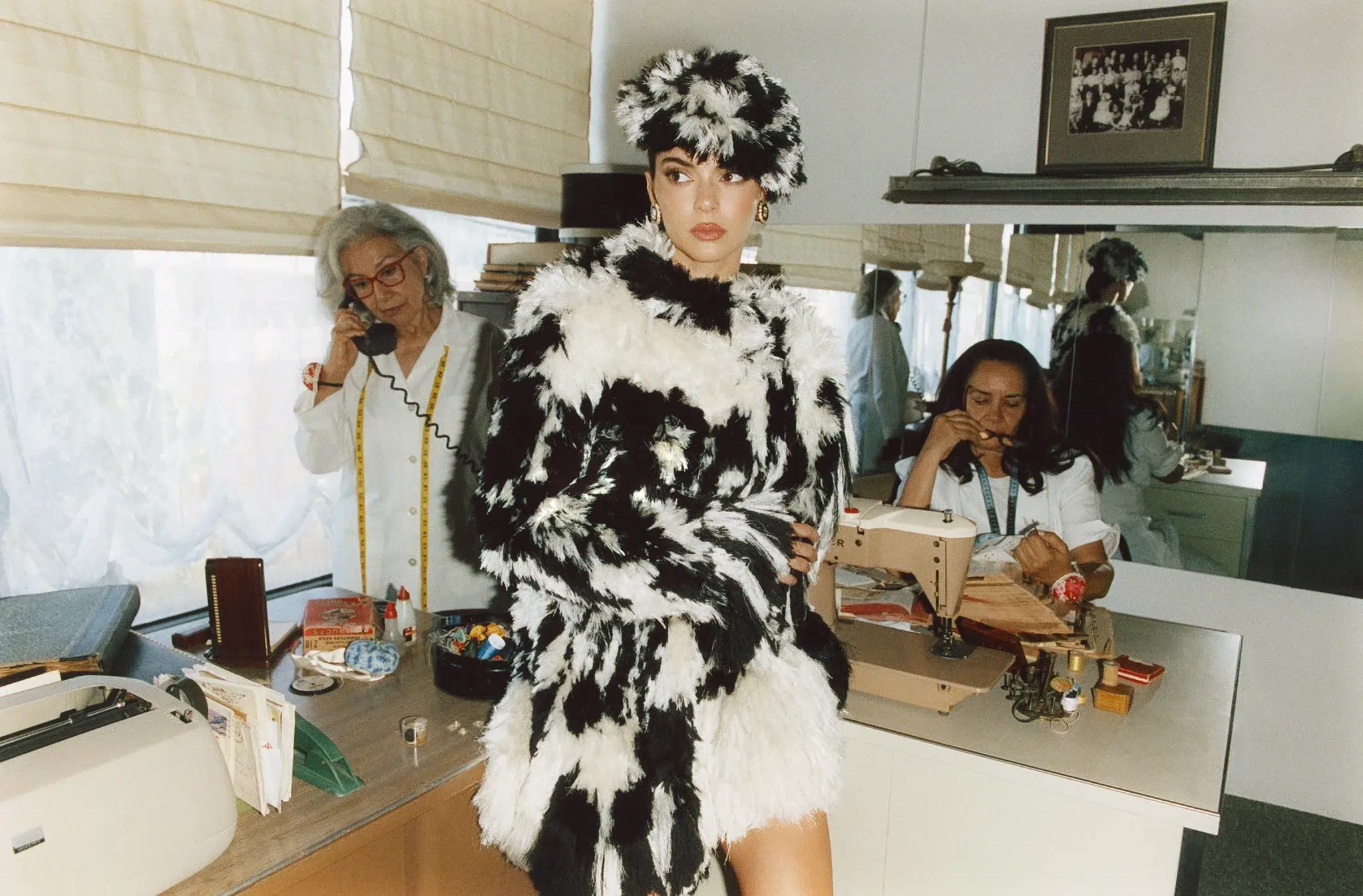
Kendall Jenner for A Rabbit’s Foot, 2026. Photographed by Rasmus Weng Karlsen. Kendall is wearing Bottega Veneta.

In this issue we explore those artists who are muses—who can move from fashion to film and are part of both worlds.
Charles Finch
London in the 1960s was truly the place to be. The war was over. The darkness still lingered but the young wanted to breathe. To dream. There are just too many examples to list of influential films of the time that combined effortless style with narrative, but I personally love the exotic cocktail—the elegant and naturalistic portrait —of Federico Fellini’s La Dolce Vita (1960). And, well, the stars of the time… they had exceptional science of style: Marcello Mastroianni and Jean Gabin among them.
When I made my second film, Where Sleeping Dogs Lie (1991), it was a chance encounter with Karl Lagerfeld that allowed me to find a look that celebrated the beauty of Sharon Stone in the movie. My collaboration with Chanel thus started 40 years ago and has continued in one form or another since then, and my fascination with the collaborative influence of film on fashion, and fashion on film, has continued all the way through my career. I foresaw (I hate to say that in a grand way) that fashion houses at some point would also become broadcasters, filmmakers, or financiers. It has happened. Saint Laurent funds really cool independent films, and other houses continue to support filmmakers—Miuccia Prada, for example, in her embracing of independent cinema, and Brunello Cucinelli, who commissioned Giuseppe Tornatore for his biopic. And the list goes on and on. At the centre of all this, of course, are the costume designers and the directors who make the films.
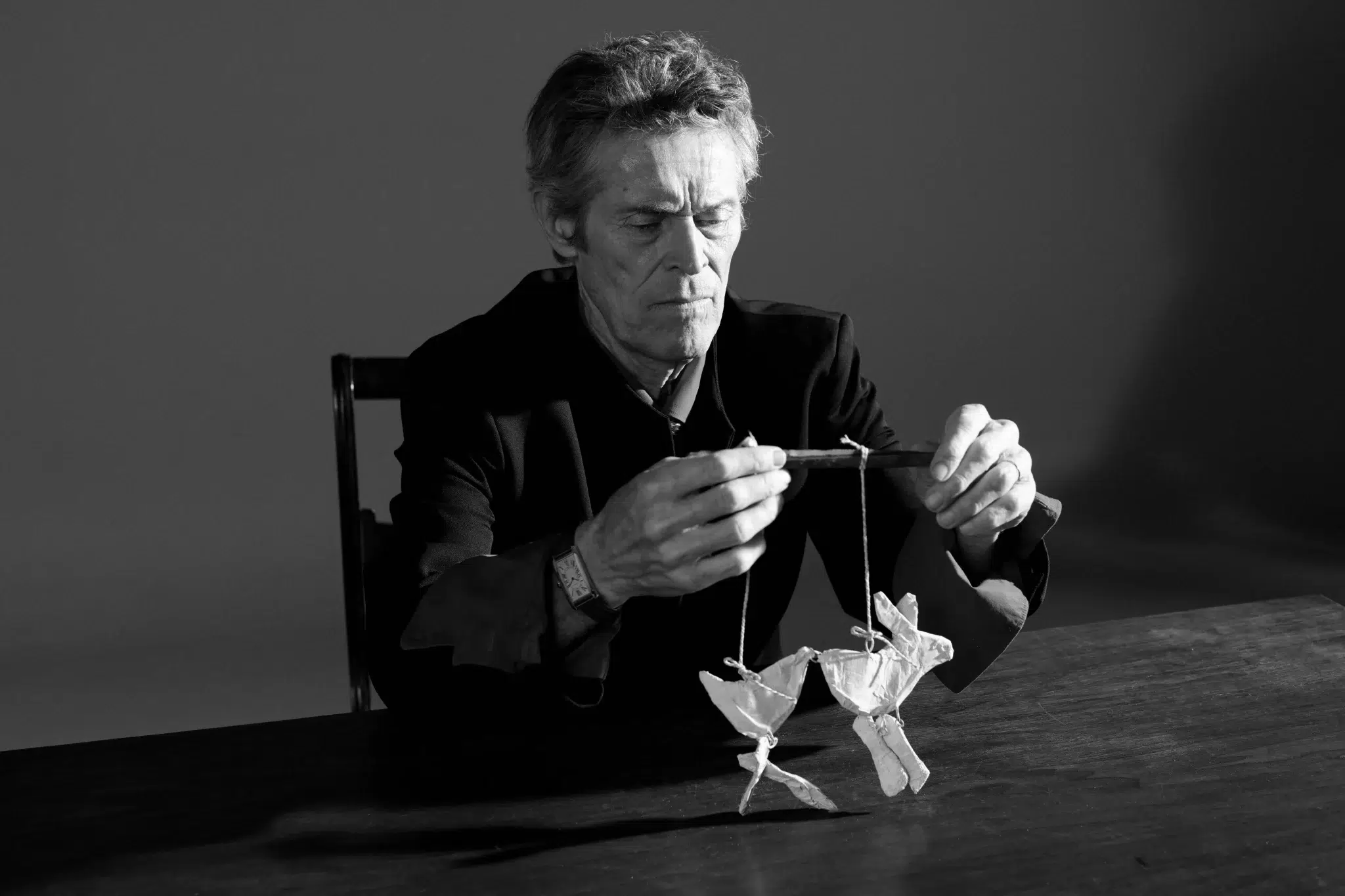
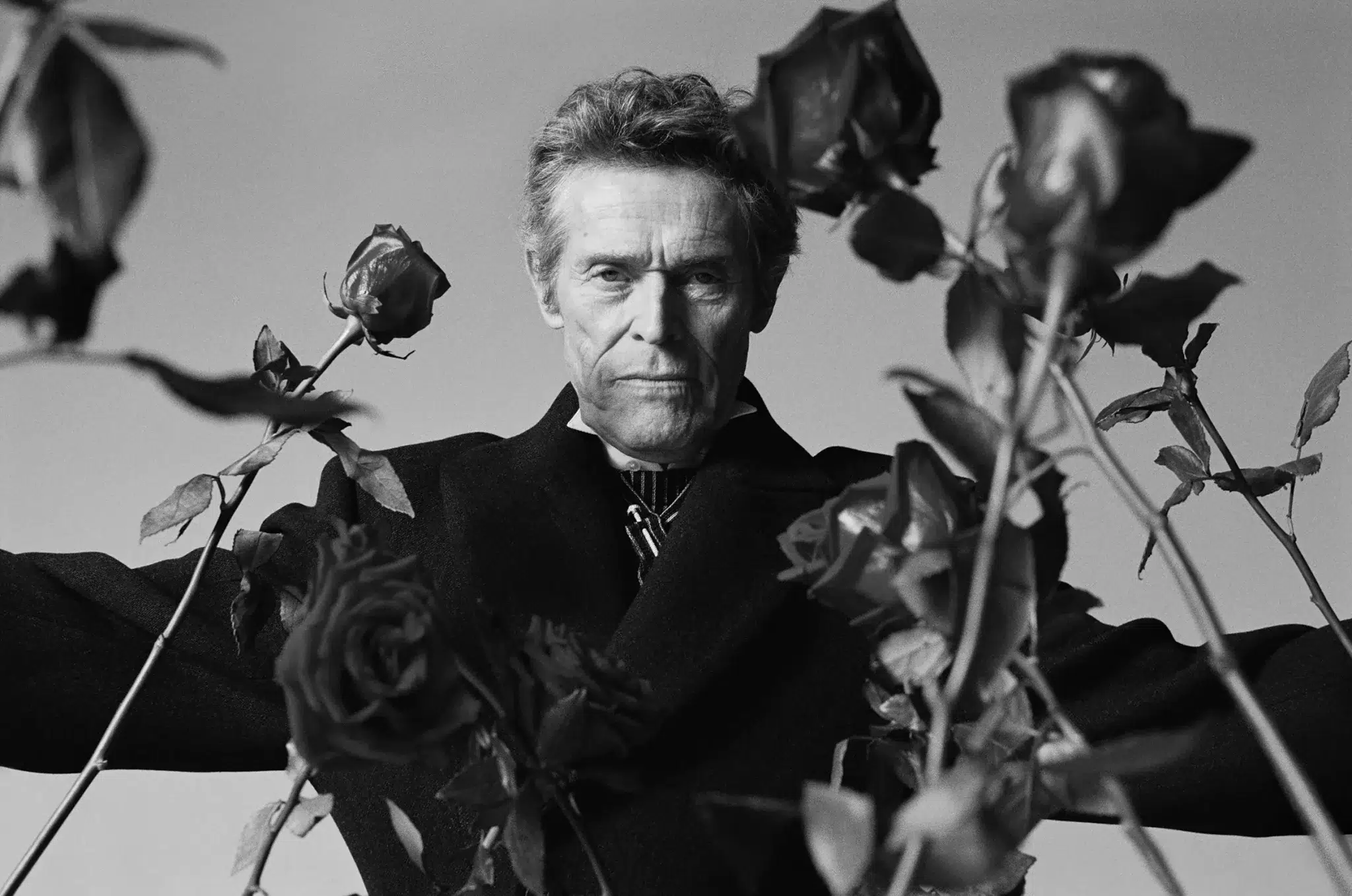
On the basis of this, in this issue we explore those artists who are muses, who can move from fashion to film and are part of both worlds. We have chosen to have two cover stars for our issue: a chameleon and a muse. Willem Dafoe, the chameleon, has been a friend for more than three decades. He is very dear to me for his wisdom and his sense of humour. He is an actor who is “locked in”, as the kids say—not focused on fluff. He is a private guy, and we are very grateful for the time he gave us in Rome and allowing Chris Cotonou to spend the day with him at his farm. The shoot was put together wonderfully by our creative director Fatima Khan and shot by Daniel Sannwald. Kendall Jenner represents a distinctly contemporary kind of cinematic muse: a young woman whose image has travelled across fashion, film, and photography. In our shoot, inspired by the great Italian actresses of the 1960s, she wears Bottega Veneta and is shot by Rasmus Weng Karlsen.
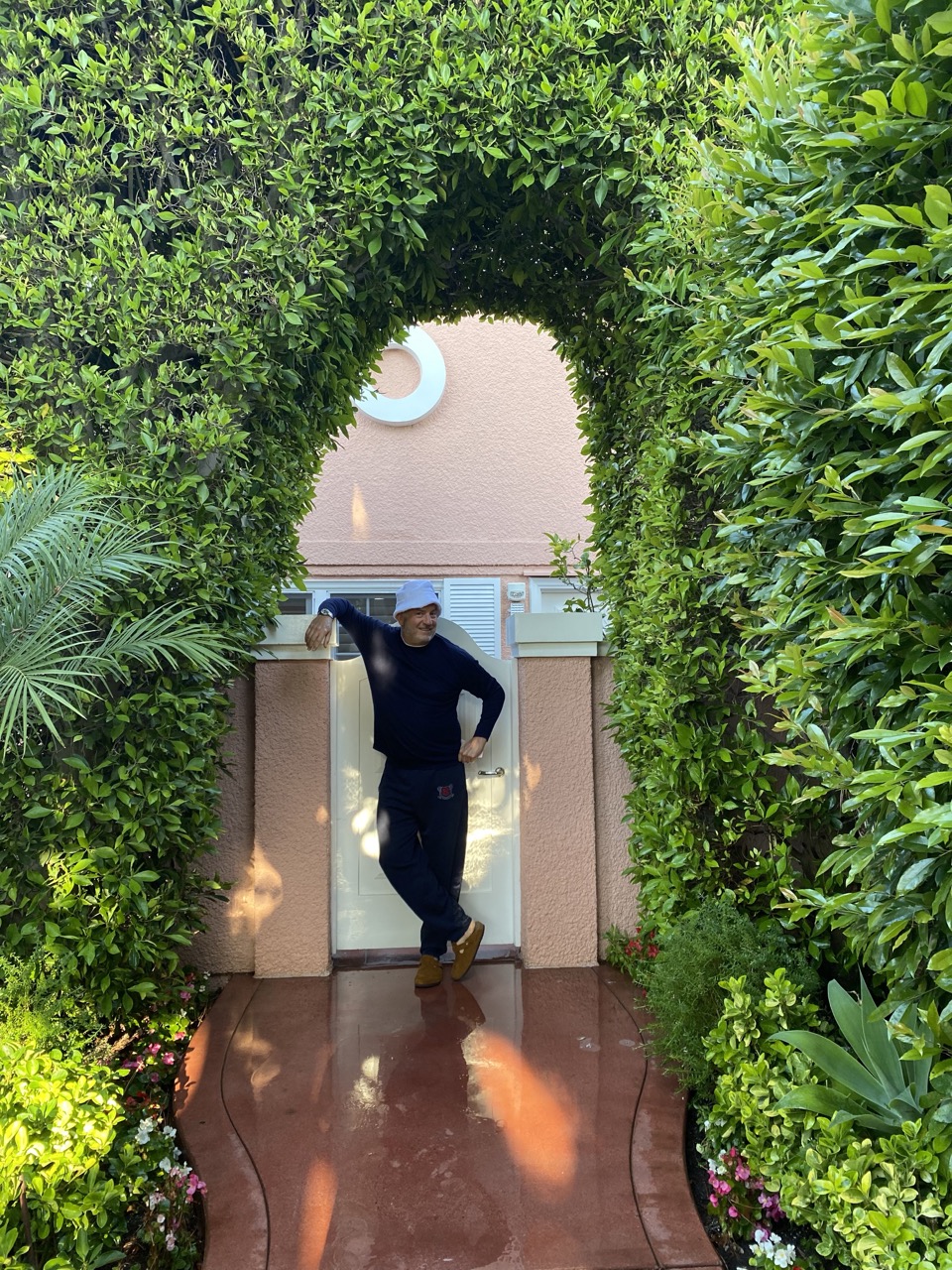
Charles Finch outside the Beverly Hills Hotel. Photo: Oona Finch.
Also in this issue is a rare interview with four-time Oscar-winning costume designer Milena Canonero, profiled by our Paris correspondent Natasha A Fraser. She gives her insight into an essential part of the movie-making process. If done well, our belief in what we see is absolute. This isn’t trickery, it’s craft. When well-costumed, the actor is able to step into the character’s life. Milena truly has the most extraordinary career. The great directors she has collaborated with include Stanley Kubrick, Francis Ford Coppola, Sydney Pollack, Sofia Coppola, Wes Anderson, and the list goes on.
Milena and I met more than three decades ago. I cooked her and Marshall, her husband, some couscous dinners and they became regulars at Damian and Annabel Harris’s house in the foothills of Hollywood. I am not sure how the Harrises met them, as Milena was already a star and we were young and broke whippersnappers. A beautiful woman inside and out, Milena whispered council to us and heralded our dreams.
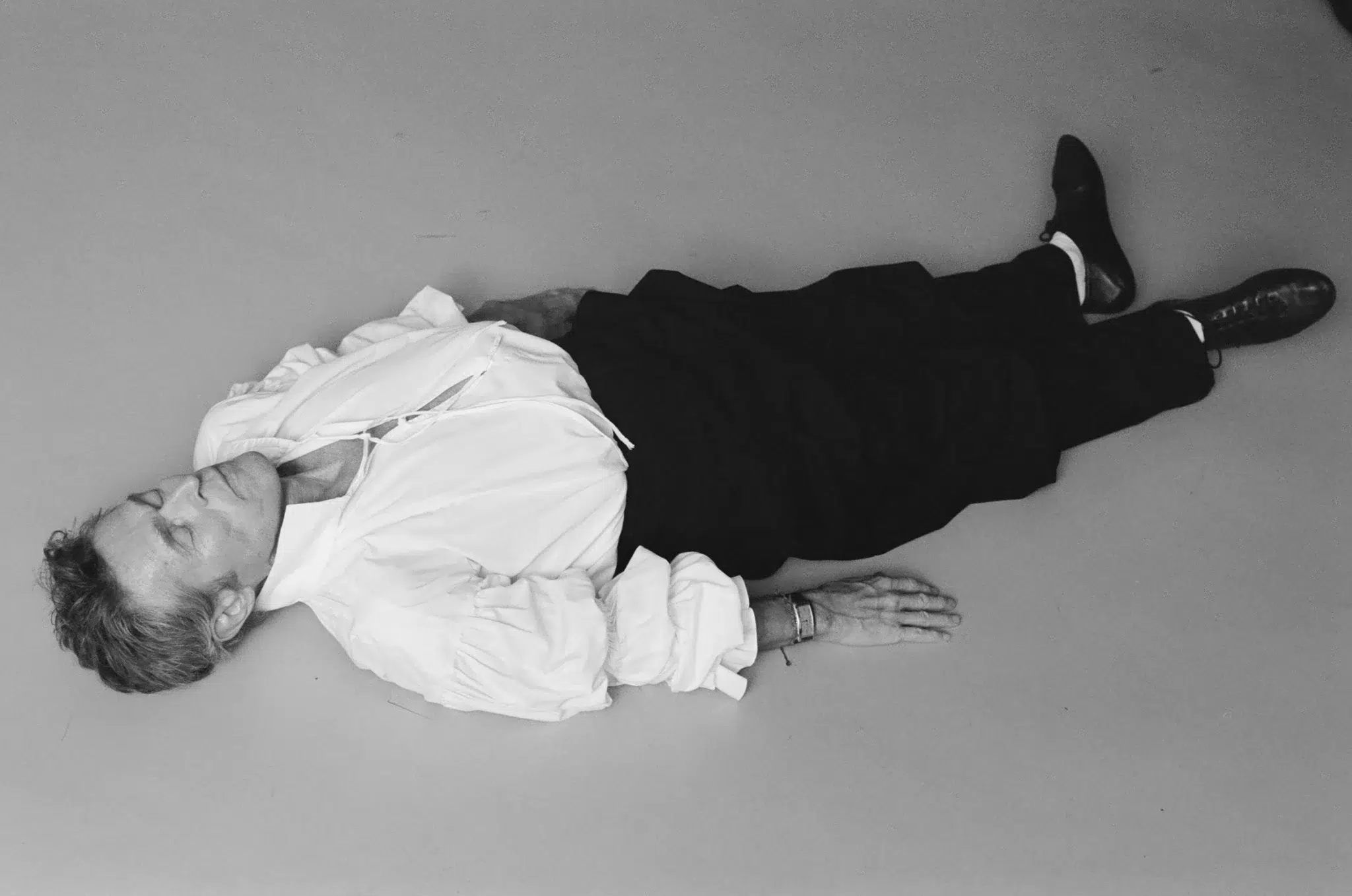
Willem Dafoe for A Rabbit’s Foot, by Daniel Sannwald, 2026. Willem wears Jacquemus Le Pantalon Tuxedo trousers with a Cartier Tank Cintrée watch.
Pedro Almodóvar—genius director and, to me, a screen colourist in the vein of David Hockney— speaks to us about the power of women on film. Danny Boyle is interviewed about his new work Ink (2026)—where he takes on London’s Fleet Street in the early Murdoch era—as it heads to Venice. Hanif Kureishi and Stephen Frears reunite to describe the making of My Beautiful Laundrette (1985), their friendship, and the fashion revolution the film caused in the 1980s.
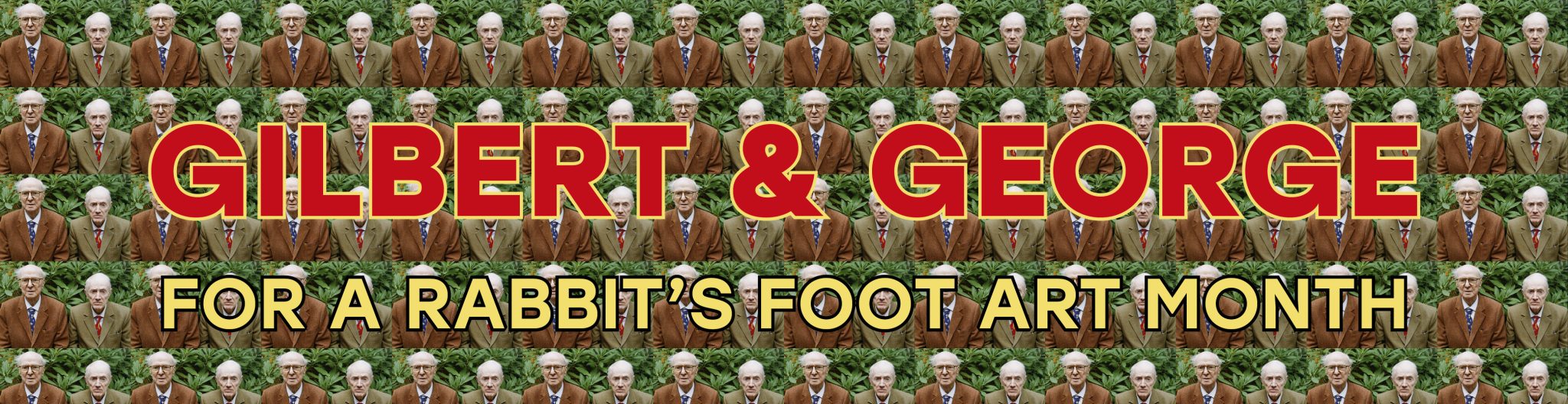
Luke Georgiades speaks to Meiko Kaji, the Japanese actor and singer who inspired Tarantino’s Kill Bill (2003–04). She made her own clothes for the cult classic Lady Snowblood (1973). There is Rosalind Jana’s oral history of the film Orlando (1992), about the film’s influence on the runway and period cinema, featuring both Sally Potter and Sandy Powell. Joseph Bullmore brings in the glamour with his piece on the rivalry of two of the world’s most powerful men: Stavros Niarchos and Aristotle Onassis. And, of course, there is more: menswear writer Eric Twardzik looks at corduroy on the camera, Charlotte Gainsbourg gives insight into her photography exhibition, and Kitty Grady interviews actress-of-the-moment Hannah Einbinder in New York. Finally, the legendary artists Gilbert and George give us a brilliant moment in London. Thank you team: Fatima, Chris, Kitty, Anna, Lauren, Luke, George, and Julie.
We baked another issue and we did it just right.