

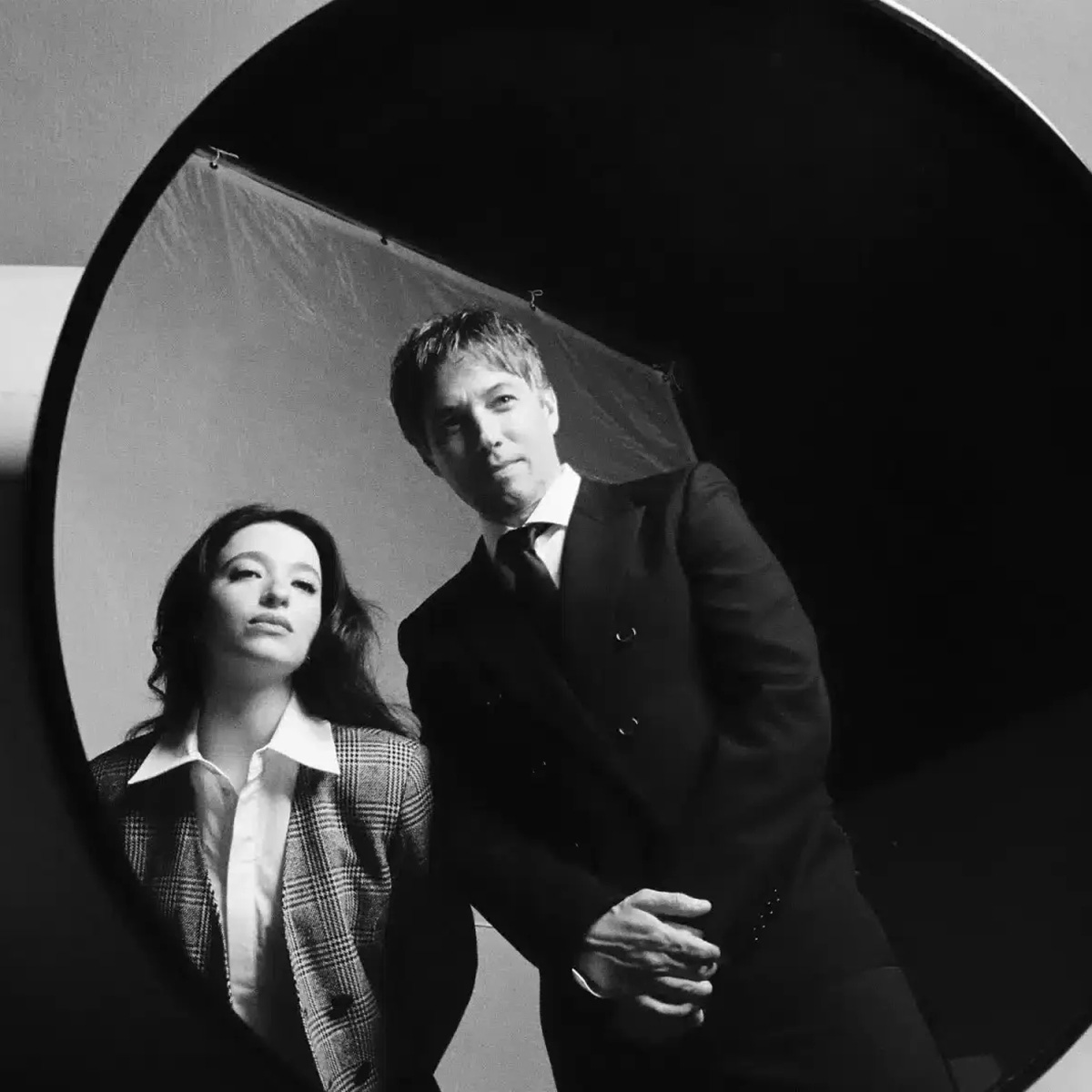
We speak to the director on his debut feature, an emotional exercise in rebellion against social inaction, systemic violence, and cinematic colonialism.
When I introduce myself to Rafael Manuel, the writer and director of Filipiñana, he immediately asks if I’m Filipino. I tell him I’m Filipino-American and have visited the Philippines twice. It’s an interaction I’m too familiar with as a Filipino—both asking and answering, figuring out if I can consider someone an ally in whatever environment I’m in.
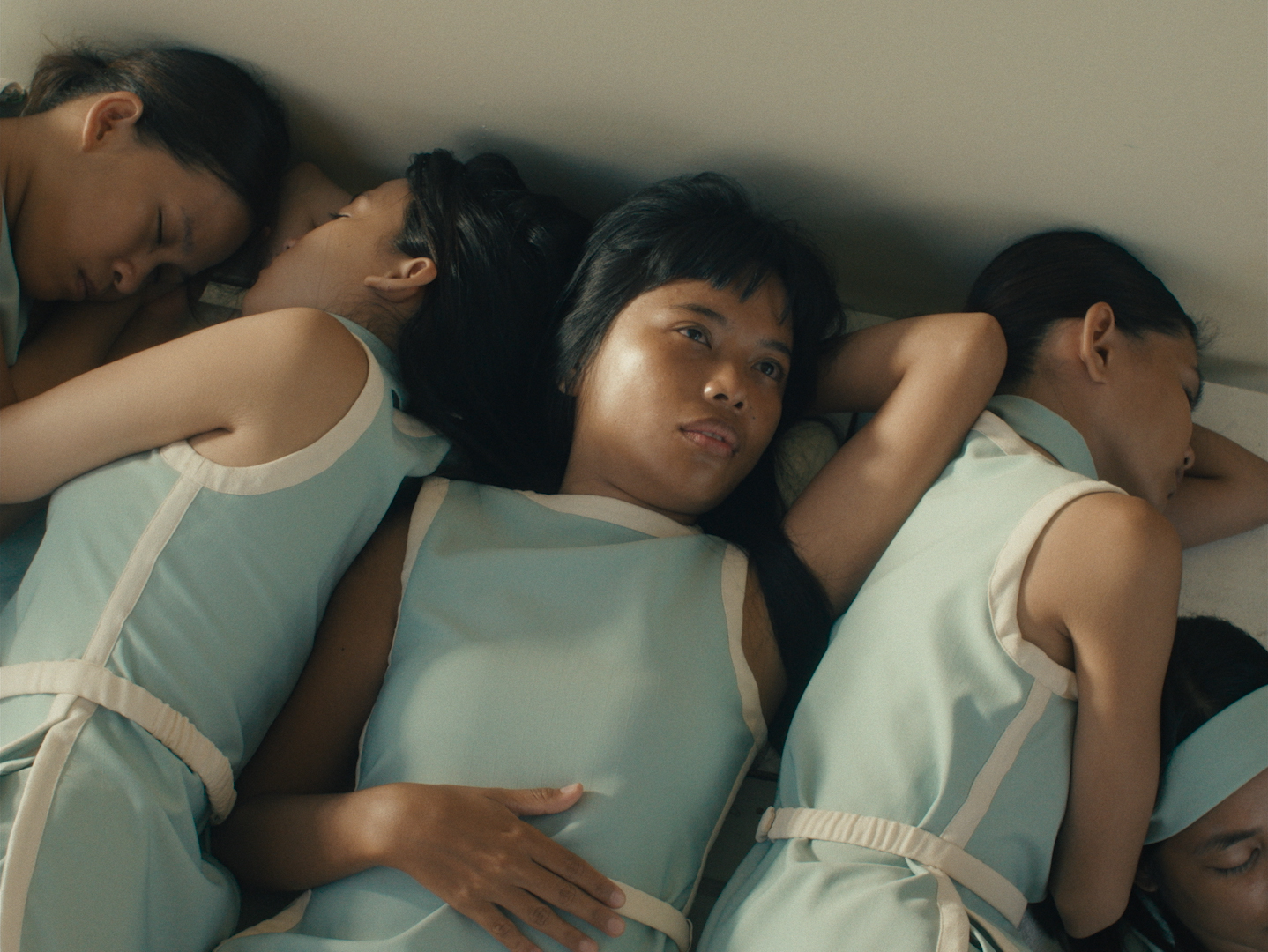
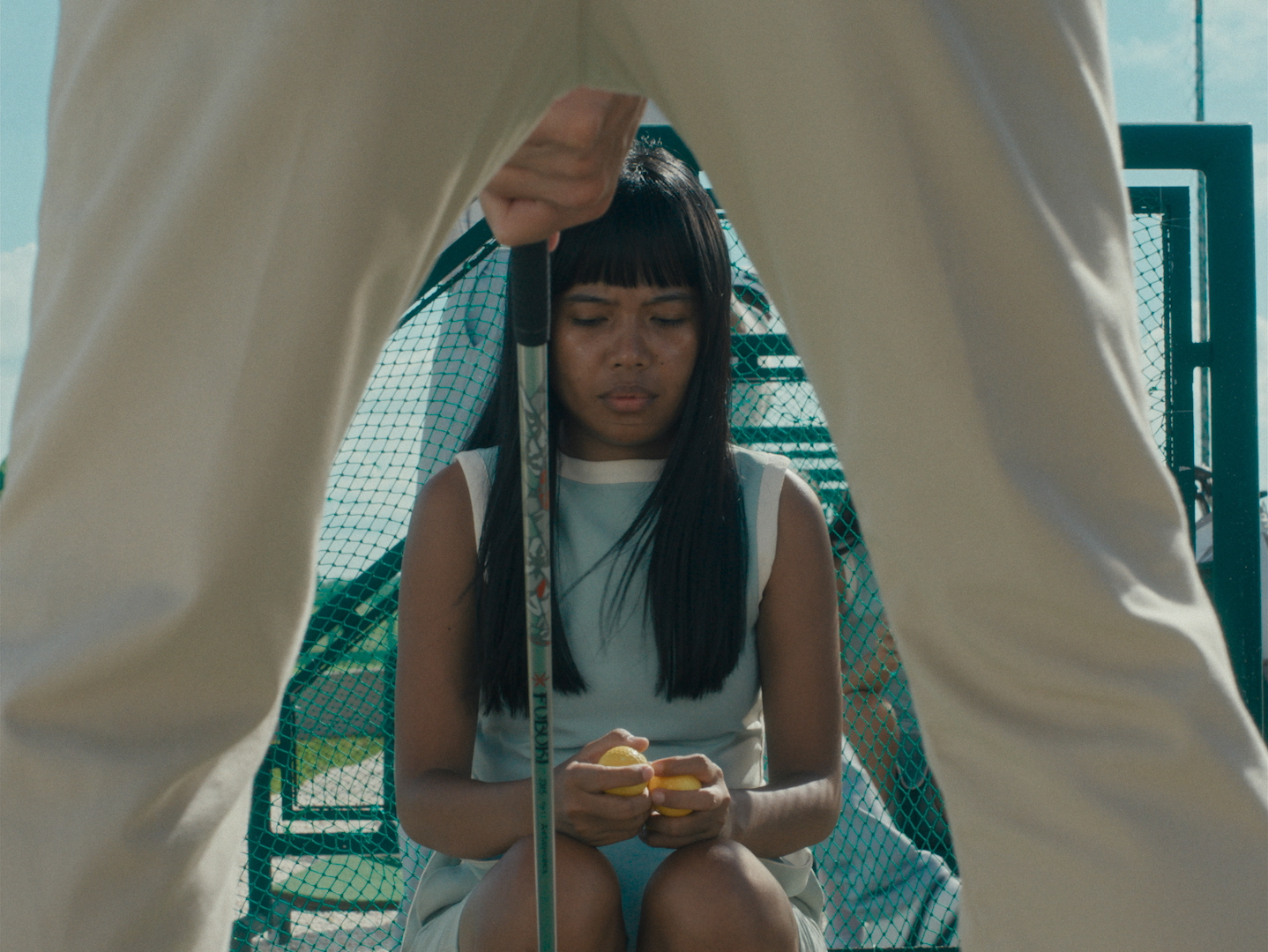
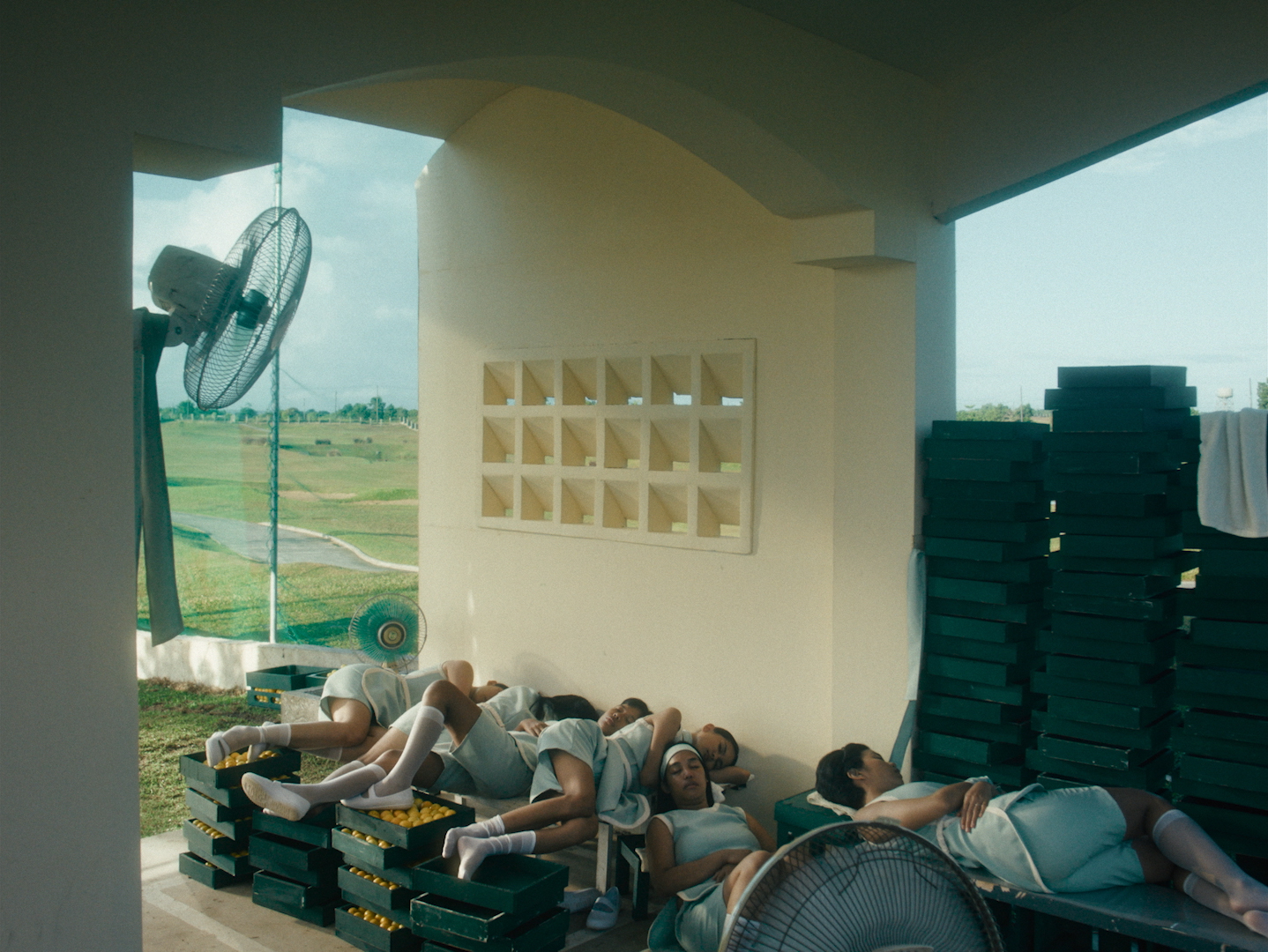
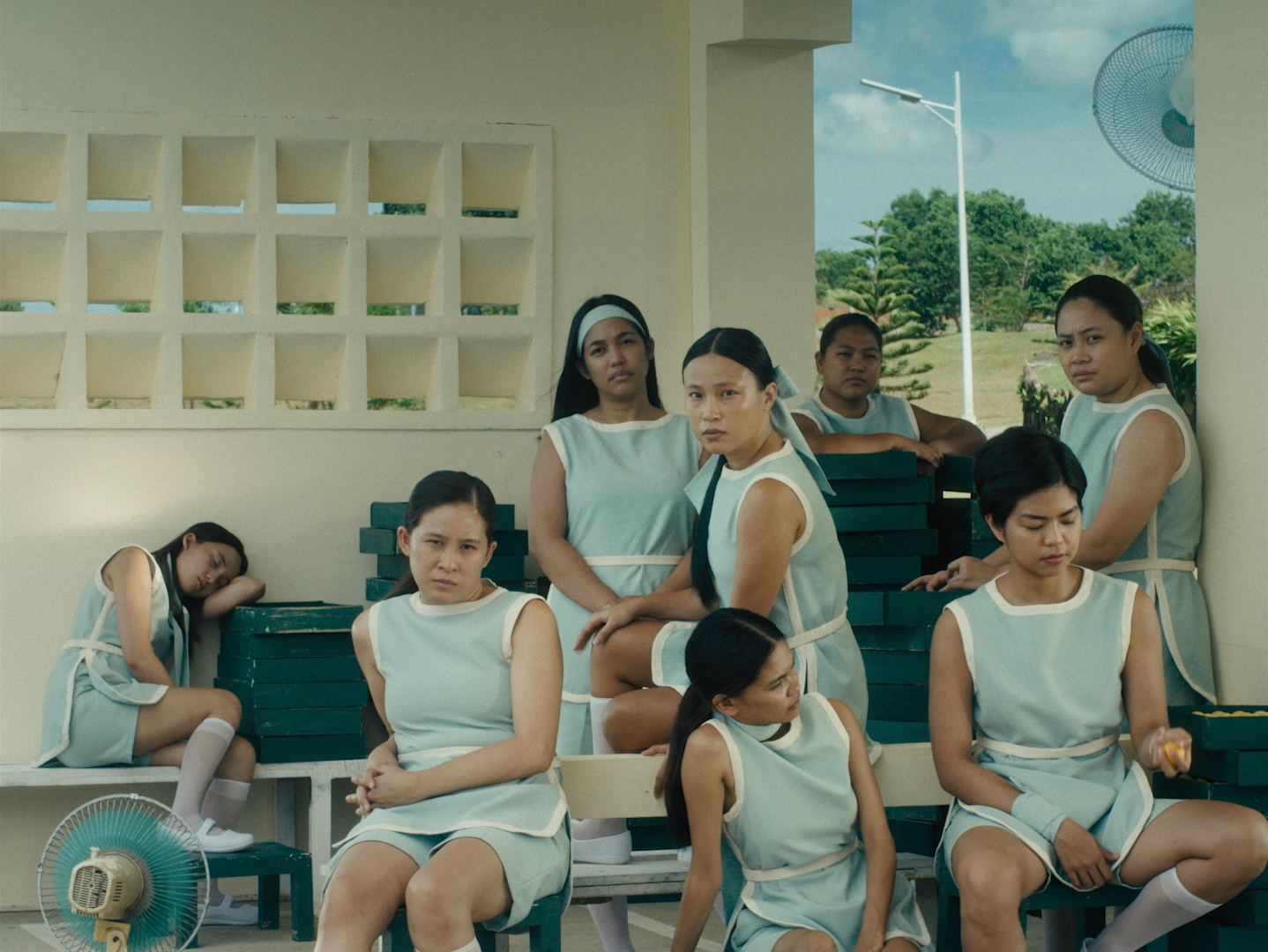
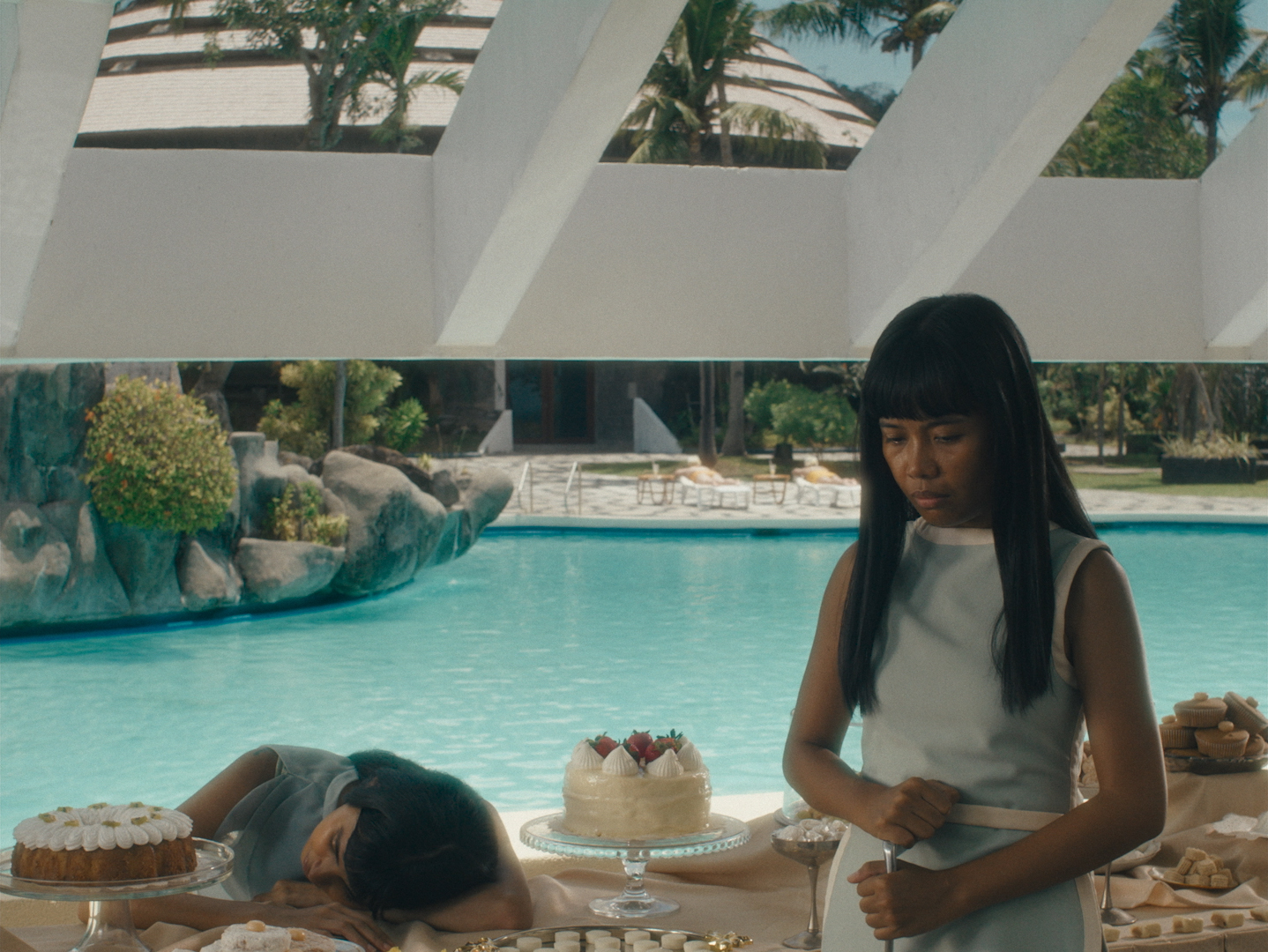
Ironically, this cultural tic shows up in Filipiñana, which follows 17-year-old tee girl Isabel (Jorrybel Agoto) as she navigates the club’s expansive, yet isolating layout and the oppressive heat of the day. She’s searching for allies in a foreign setting, but discovers that a system that prioritizes class will keep those power dynamics in place in subtle and manipulative ways.
Manuel, whose parents own a golf supply business, grew up around that world and found it ripe for satirical picking when he first wrote the script in 2018. First directing a short of the same name and winning the Silver Bear for Best Short in 2020 at the Berlin Film Festival, Manuel is now here with the long-gestating feature. Kicking off the conversation with his philosophical background and the observational nature of slow cinema, the rest becomes a crash-course lecture on how he made Filipiñana an emotional exercise in rebellion against social inaction, systemic violence, and cinematic colonialism.


Francesca Rivera: You studied philosophy and visual communications in college before studying film. Did those studies influence you towards the direction of slow cinema that you have been working in?
Rafael Manuel: For sure. My thesis was on Hannah Arendt in university. A lot of the ideas that she explores in her philosophy are so very much in this film, like the “banality of evil”: to be just a mindless participant in an objectively violent system and be complicit in violence. She was afraid that with the smooth-functioning mechanisms of consumer society, people would eventually confuse the freedom of consumer choice with actual freedom.
She talks about freedom as action and action having the power to break a cycle. Filipiñana deals so much with the themes of inaction. With my background in visual communications, I wondered: how can you take philosophical theory and give it shape, color, texture, sound even, through cinema? That’s how I tried, at least, to marry the two different backgrounds that I had.
FR: The visual style of this film is not what I would think of when I think about Filipino cinema. It’s definitely a lot of Western influences. Of all the industries to explore the specific brand of Filipino hospitality, why pick a golf course to explore these class power dynamics?
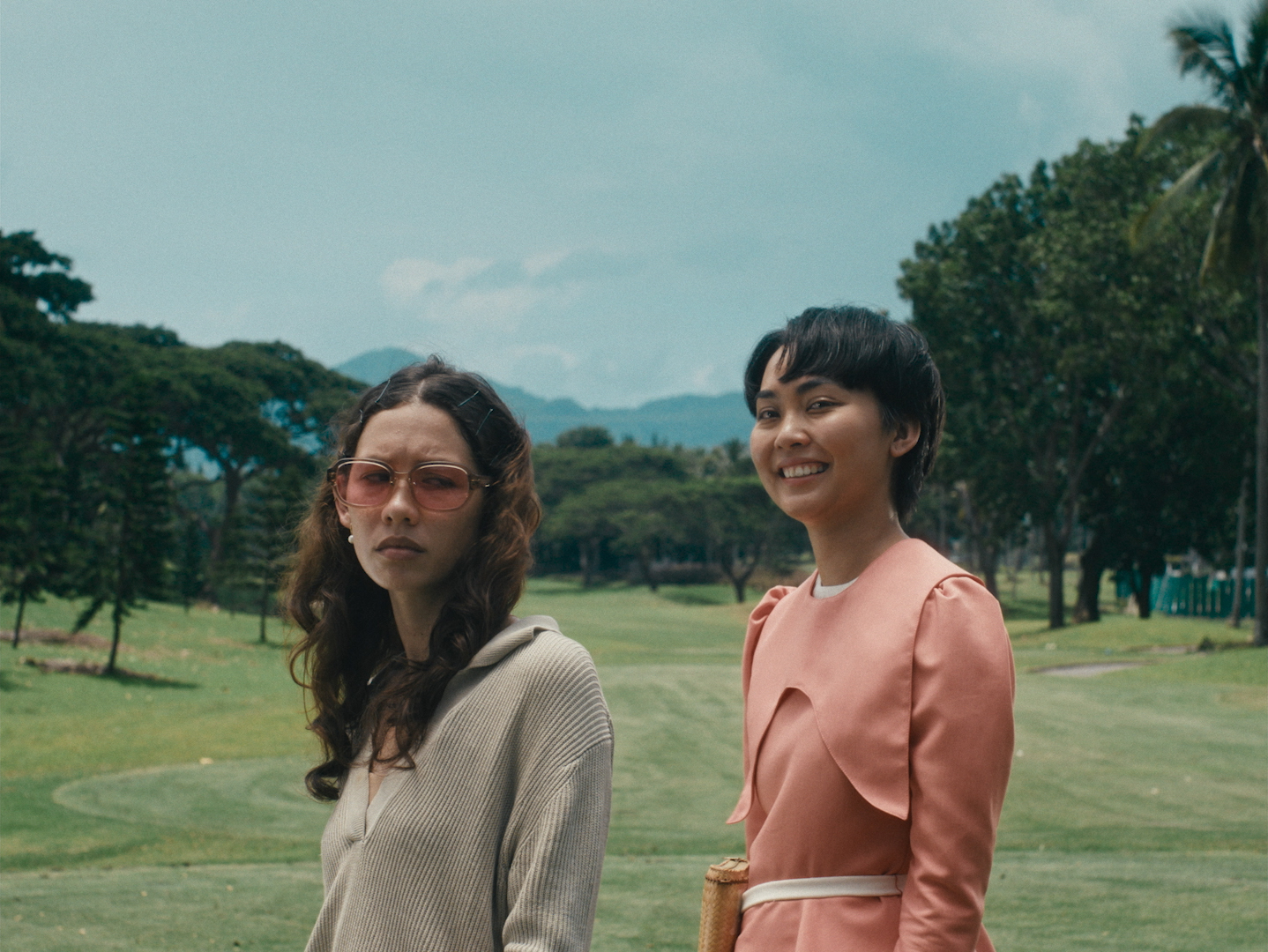
RM: While a lot of the influential visual language is Western, that’s very much part of the satire. The film has these Filipino characters in vast landscapes, moving very languidly. But that’s because of the oppressive nature of heat, the systemic violence that I’m trying to talk about as well. But their movements, no matter how minuscule, are a form of resistance. You know, they’re a form of resistance towards the colonizing aspect of the frame.
In a way, this is resistance to Orientalism coming from the West, saying that Filipino films have to look a certain way. A lot of the gatekeepers for film financing are European. They have a very certain way that they imagine the Philippines to look in cinema, just as they did back then in photography when it first came about, and in landscape painting when it first came about. So yeah, while you can say that you can see Western influences in the visual language, I feel like it’s a very Filipino film in that regard.
Also, the way that the film is structured is a resistance to Western narrative structure. With my script consultant, Franz Rodenkirk, we started thinking, “What if instead of scenes and acts, we thought about it in terms of song?” Thinking about it in terms of choruses and verses and interludes. This excited me because this actually even goes back to pre-colonial storytelling that was more oral in nature, and that extended into music, sometimes told in music as well.
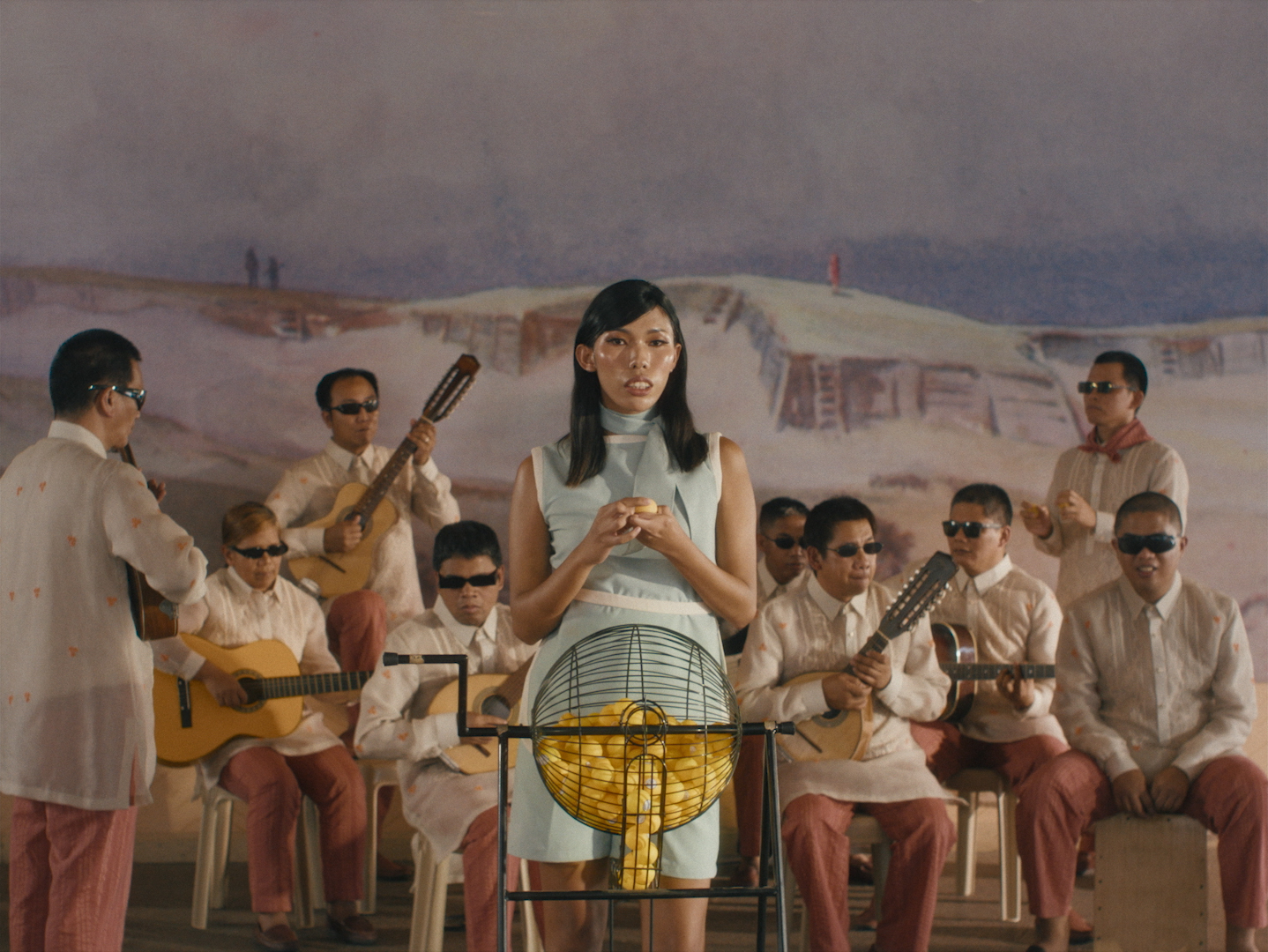


FR: The musical moments of the film really struck me; that’s a very Filipino element to this.
RM: The musicality of these little sequences of music is representative of a lot of things. Filipinos’ love for song and dance, which is in itself a form of resistance, and kind of a way of coping with the hardships of life in the Philippines. But when I’m talking about the musicality of the script, though, I’m not even really talking about these parts, because there’s a musicality even to the silence of the film. Composer John Cage talks about traffic and the sound of traffic. How if you’re trying to ignore the traffic, then it’s noise. But if you really zero in on the traffic, then you can see the musicality in traffic. That was also something that we were trying to do with the soundscape of the film: really immerse the audience in the film. I feel like this is also the danger of conventional narrative filmmaking, because when you’re just looking towards what’s next. Whereas with this, we kind of prioritize more emotional clarity, as opposed to narrative clarity. We’re really trying to carve out a space for the audience to be present.
FR: You just had the Asian premiere of the film in the Philippines. How was the reception?
RM: Yeah, I mean, I’ll let you know when I find out. It’s still rolling out, and I feel like with this kind of film, maybe it’s not something that people will react to right away. I’m just happy that it’s playing in cinemas there, and that people will get access to it. A lot of people are saying they’re seeing a lot of Wes Anderson references, especially in online comments from the Philippines. A journalist the other day asked me how I felt about it. I’m annoyed about it, but my annoyance isn’t aimed at the Filipino audiences; it’s with the distribution structure in the Philippines, and how world cinema is so inaccessible, and basically the only reference point they have of a filmmaker who uses a lot of world cinema in his films is Wes Anderson. I can’t fault them for that, and I never want to fault them for that. It’s a systemic issue.
FR: What do you hope the exposure of Filipiñana on a larger global scale means, and what do you hope that means for Filipino independent cinema going forward?
RM: I hope this hunger for consuming our own cinema continues and grows, whether it’s Filipiñana, or other Filipino films. It’s actually been a hot topic in the Philippines lately, audiences complaining about formulaic filmmaking in mainstream Philippine cinema. They only get rom-coms and things like that, right? So when you’re faced with alternative forms of filmmaking, you should support that kind of cinema, because otherwise, what you want is just Hollywood but with Filipino faces on it, which, in a way, is a form of colonialism, you know? So I guess that’s my wish and hope for Philippine audiences: that they don’t just want what the West has but with brown faces, but that they really want to champion and support original Filipino filmmaking, with all that it entails.