

The artists behind Erika Tracy’s work reveal how their own erotic practice became part of Araki’s provocative new film.
“Like art, sex is fraught with symbols,” Camille Paglia once said—something I could imagine Erika Tracy, the Madonna-Mapplethorpe figure at the centre of Gregg Araki’s new film, quoting.
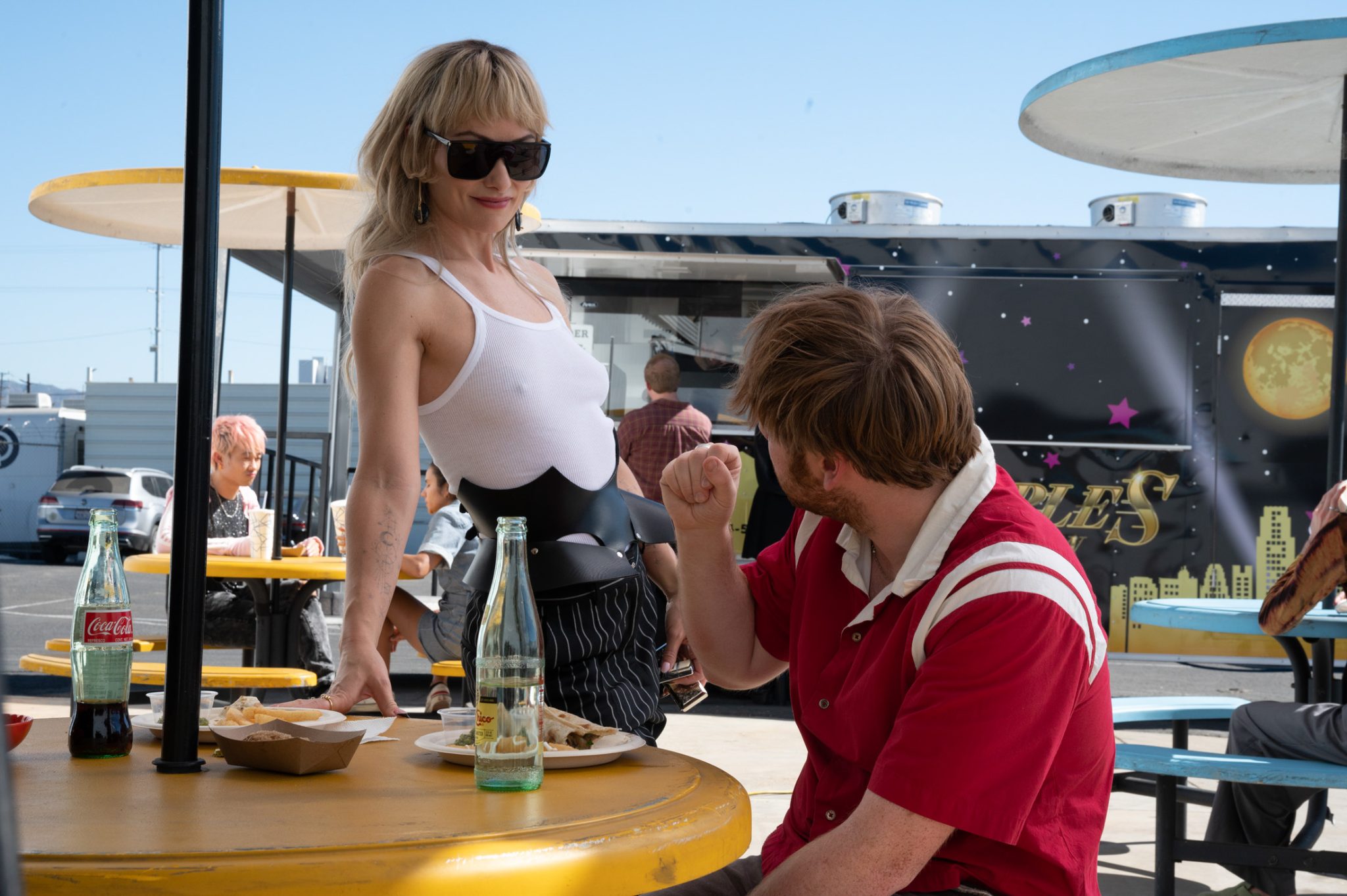
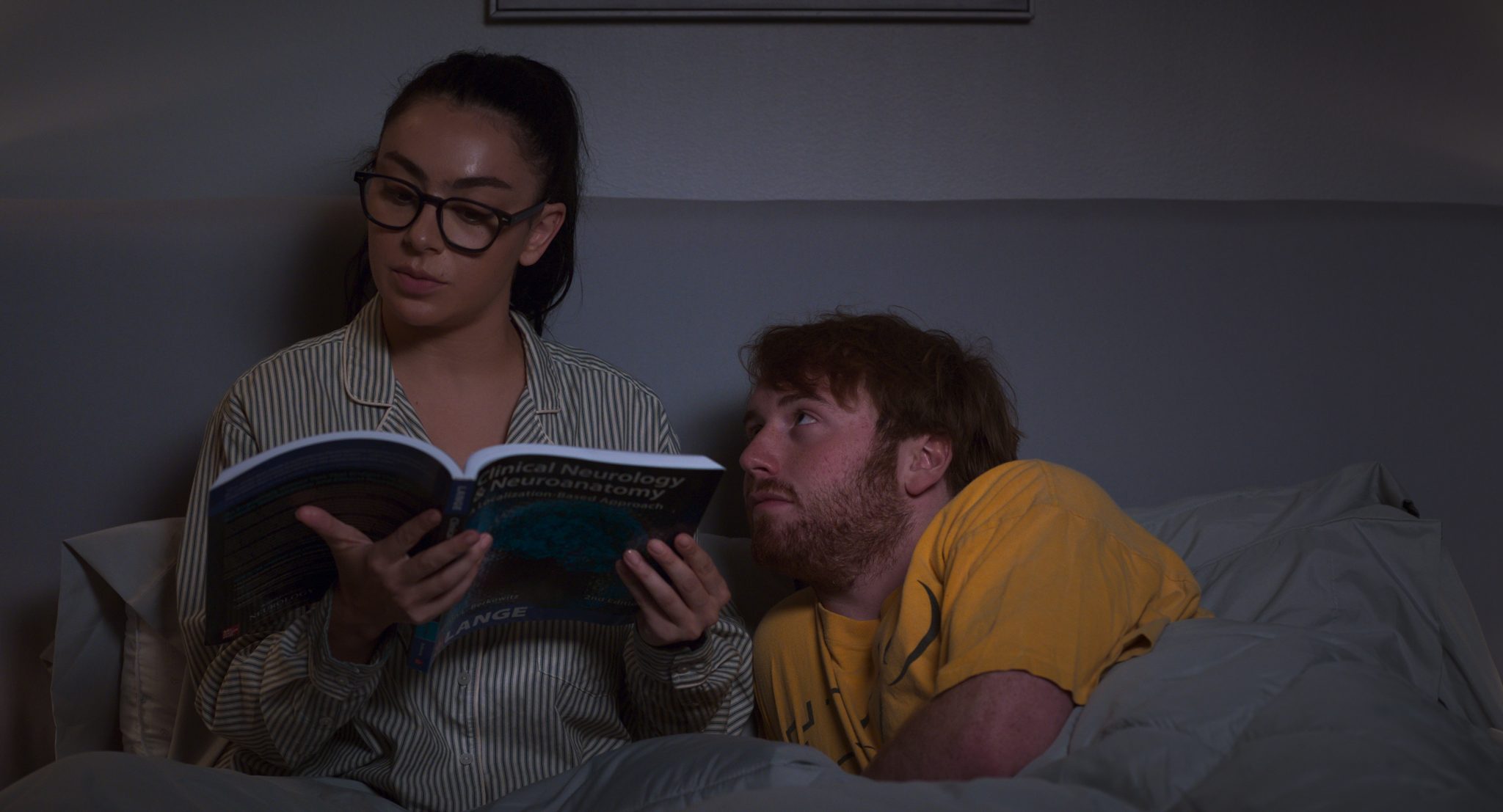
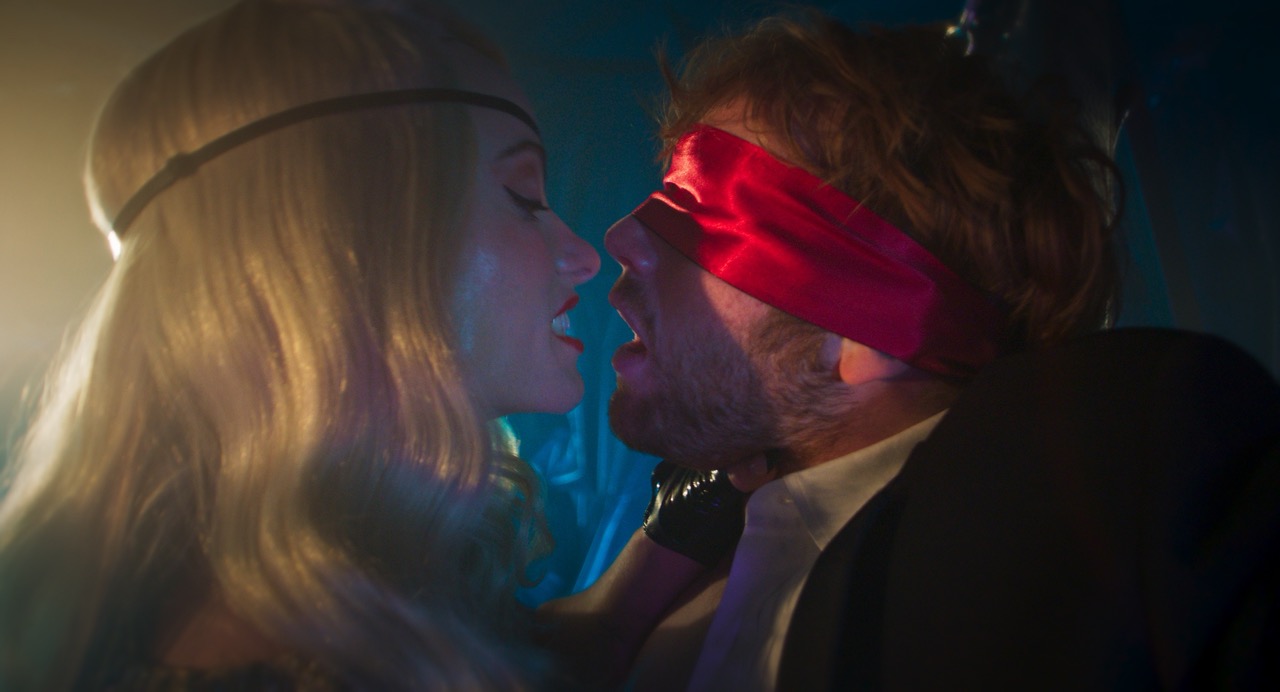
In I Want Your Sex (out Aug 28th), Erika Tracy—an established and transgressive visual artist in her 40s, played with dom-mommy abandon by Olivia Wilde—embarks on a raunchy affair with Gen Z assistant Elliot (Cooper Hoffman), triggering a comic and cartoonish chain of events: there’s an awkward bisexual threesome, an accidental death, lots of BDSM spankings, and many, many wigs. But Tracy is also a figure of the absurdity and pretentiousness of the art world at large; “art is a scam,” she says at one point, in a bid to shock.
Just like art, sex in the film, too, is portrayed as a performance piece, a commodity, status symbol, and power struggle.
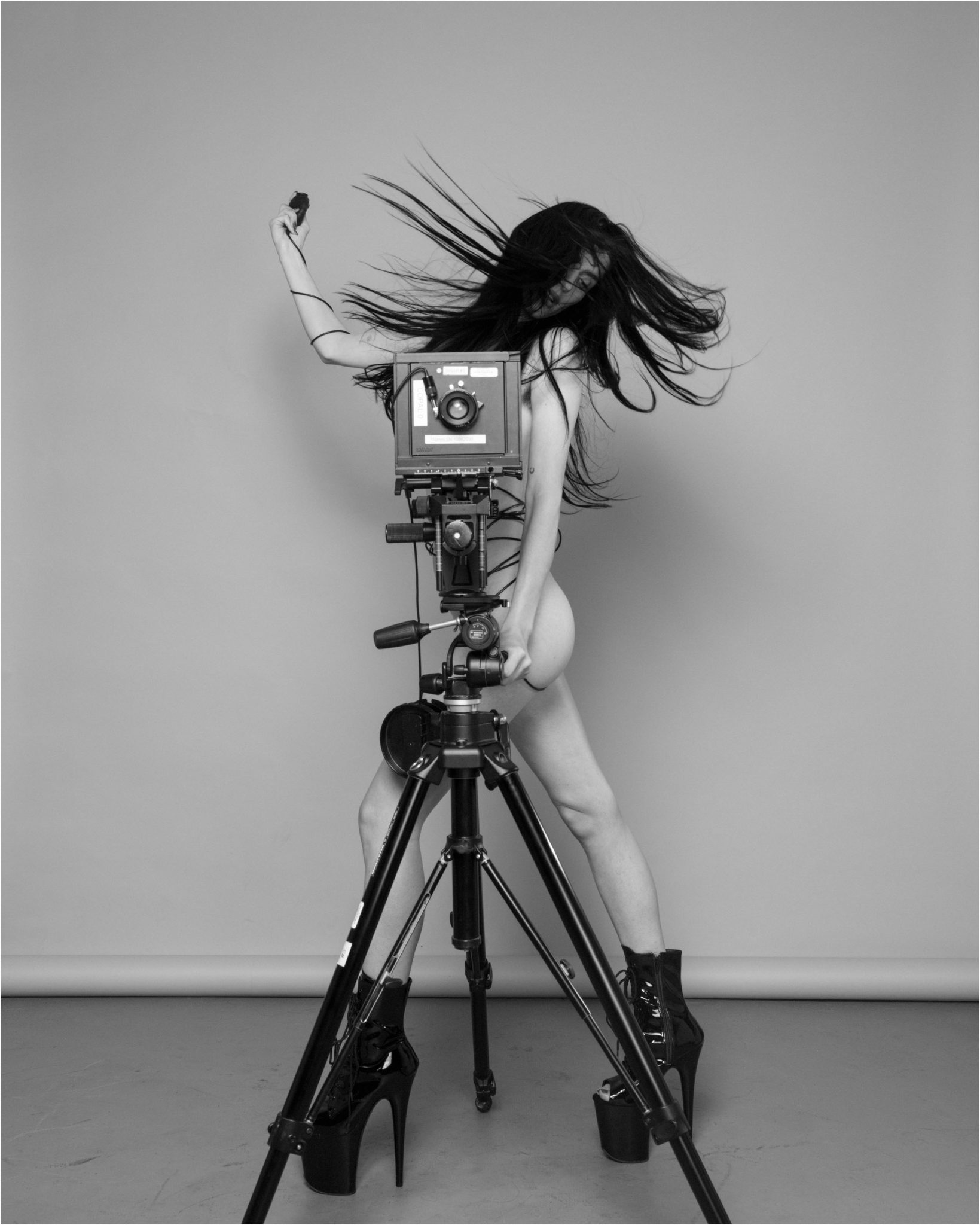
But there’s a unique twist: the work attributed to Tracy in the film is not fictional. Her photographs of nude bodies, seen in passing throughout and in her final exhibition show at the end of the film, were created by Blake Jacobsen and Meghan Sabik, two artists who also appear in the images themselves.
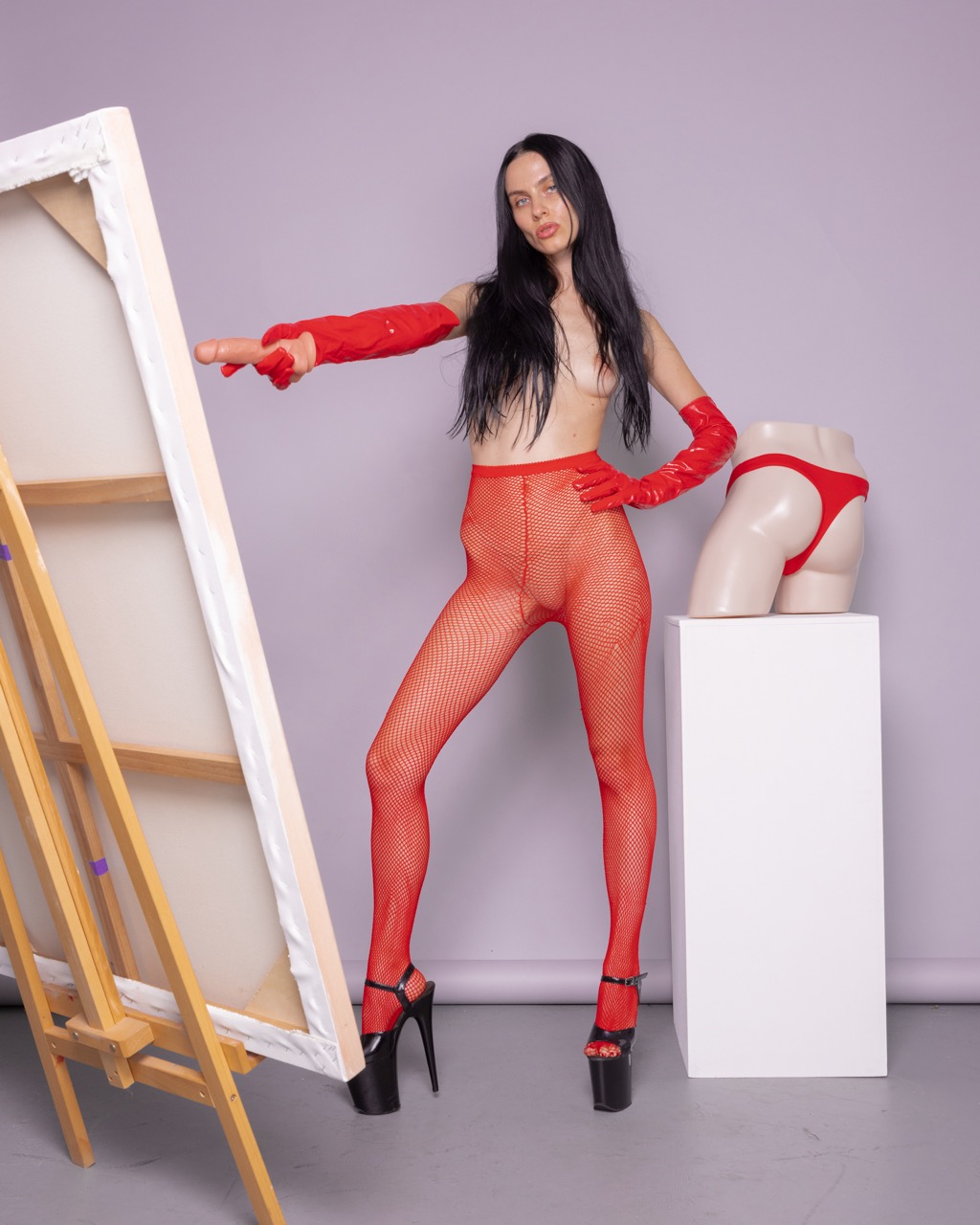
Male Painter. 2024. By Blake Jacobsen and Meghan Sabik.
“Are we actors? Are we performers? Are we art?” Meghan laughs. I’m speaking to the two over Zoom from LA about how their work came to be the mouthpiece for Erika Tracy and what it’s like seeing their work transformed for the big screen.
They’re just as modelesque as the images of them are—but mere models they’re not. They’re also the executors and brains behind the erotic art projects in which they themselves star. And now, with I Want Your Sex, they’re adding a movie credit to their portfolio (although confusion over what their credits are still reigns. “We wanted to be the muses, but that didn’t end up happening,” Blake laughs).
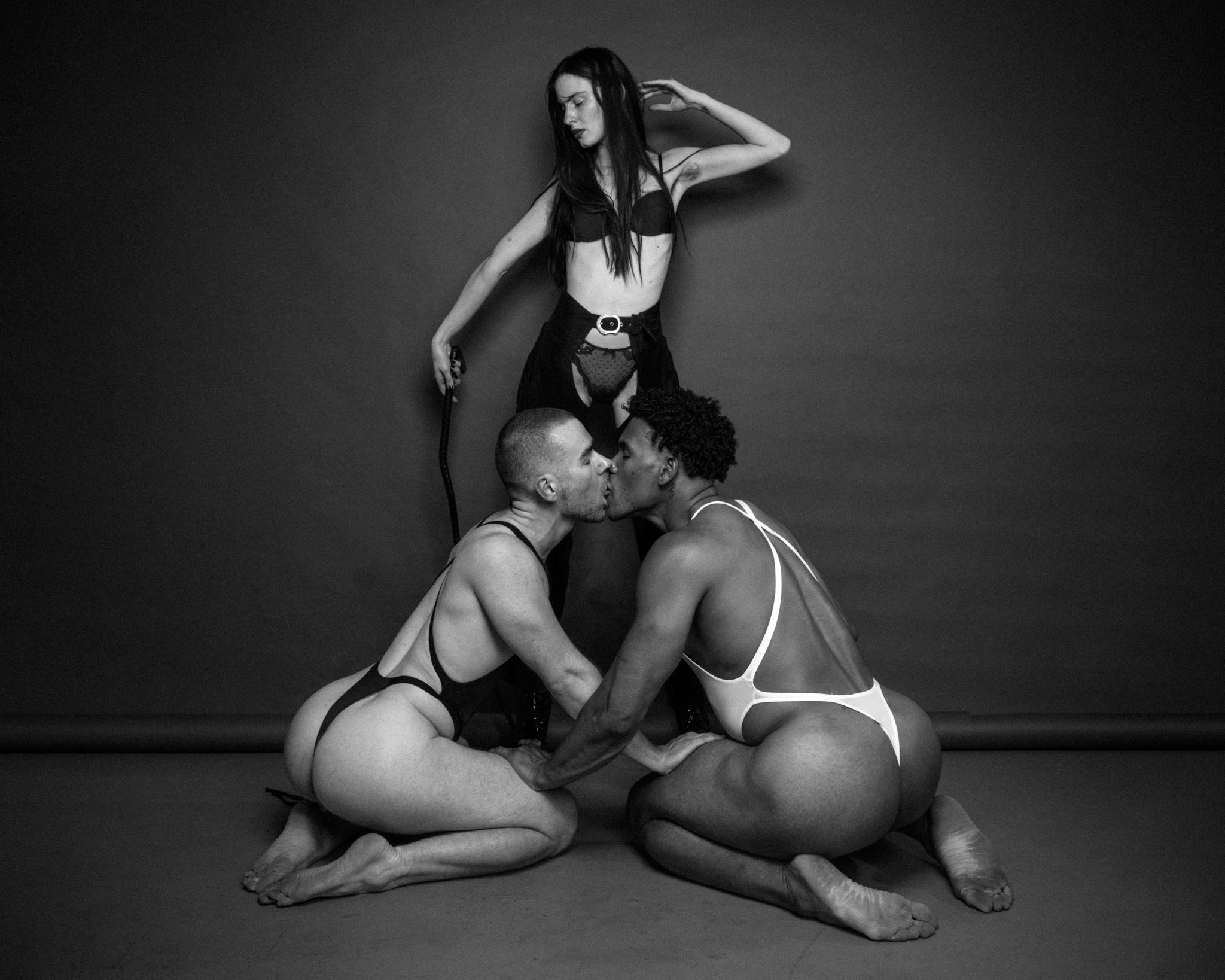
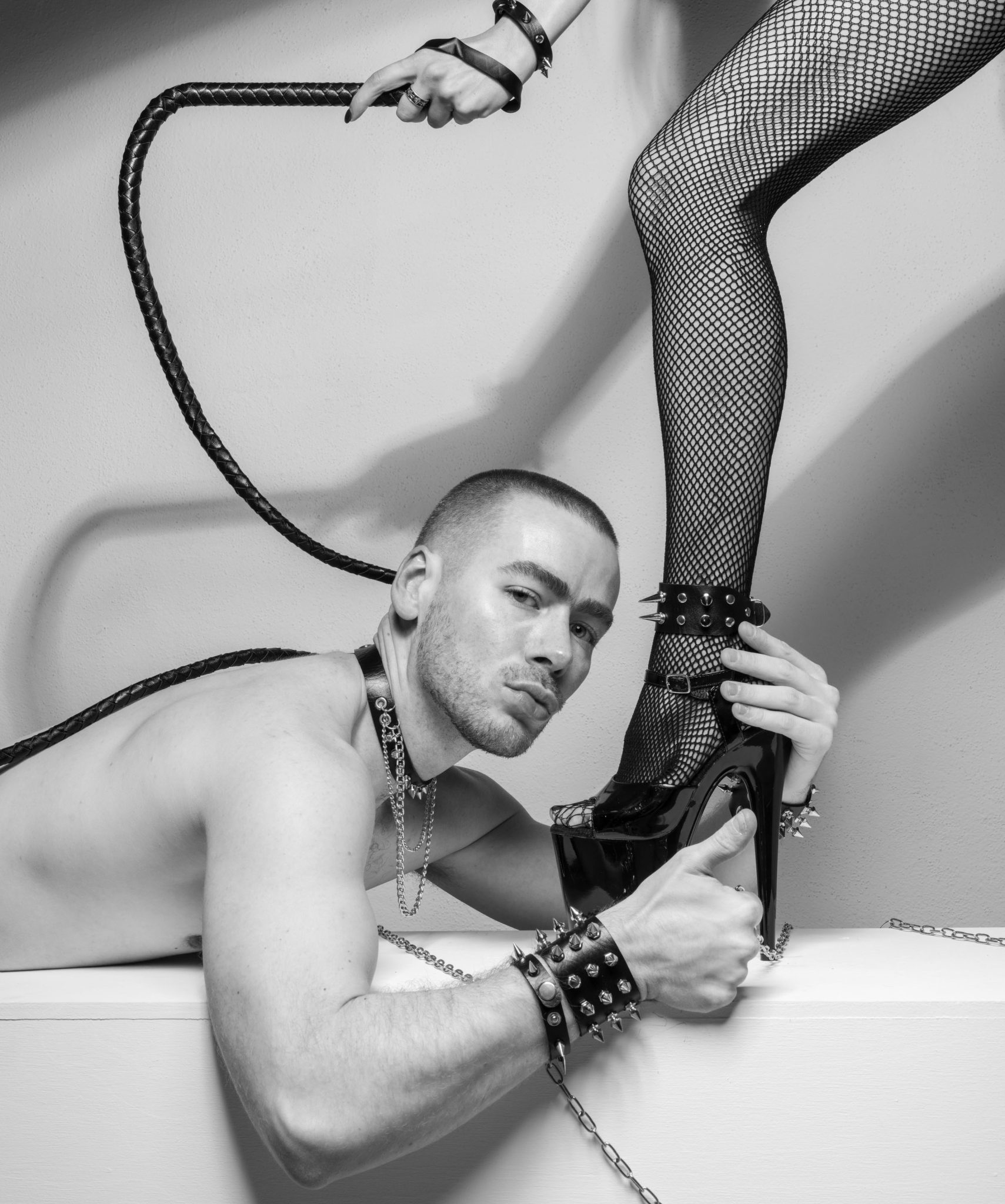
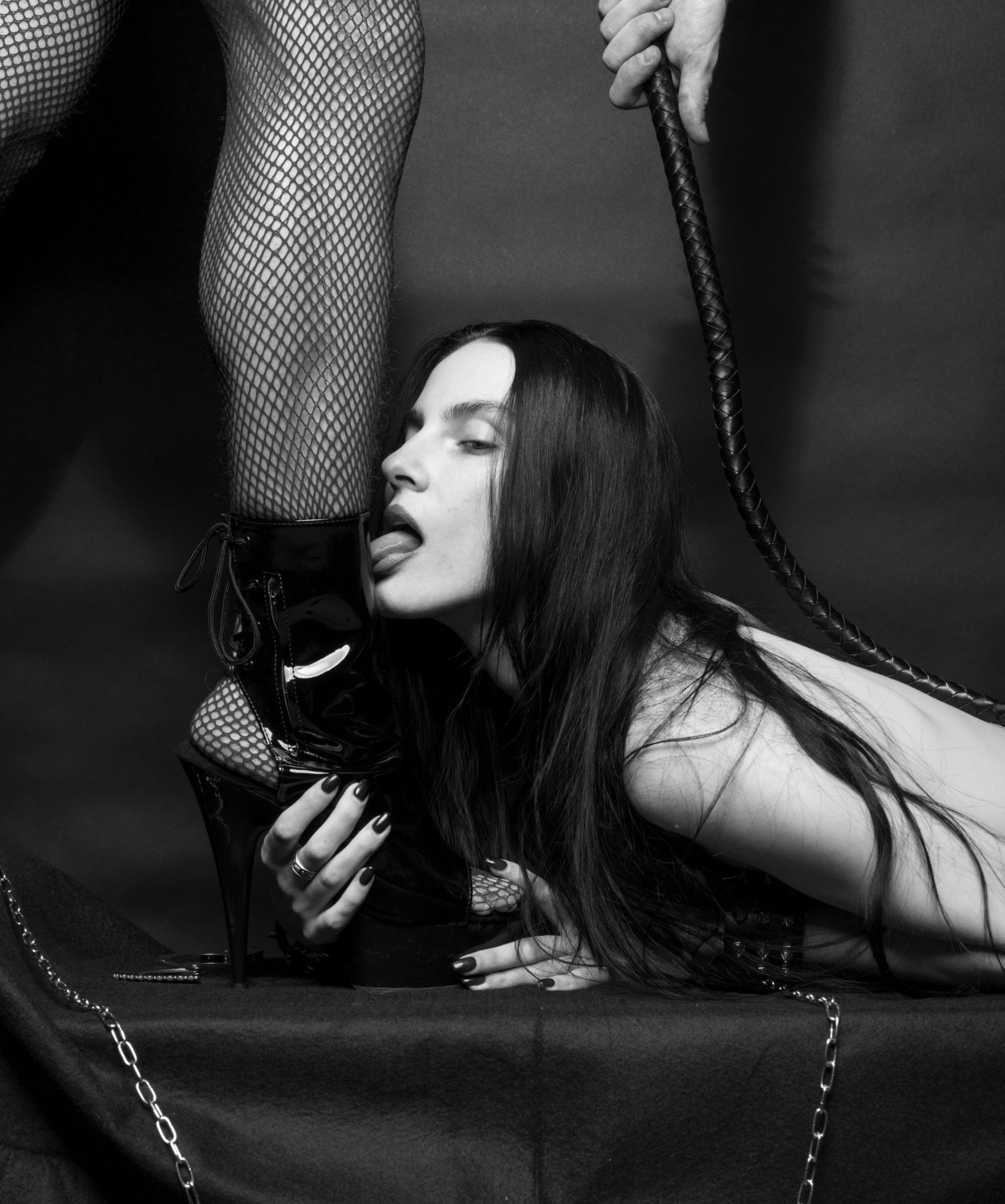
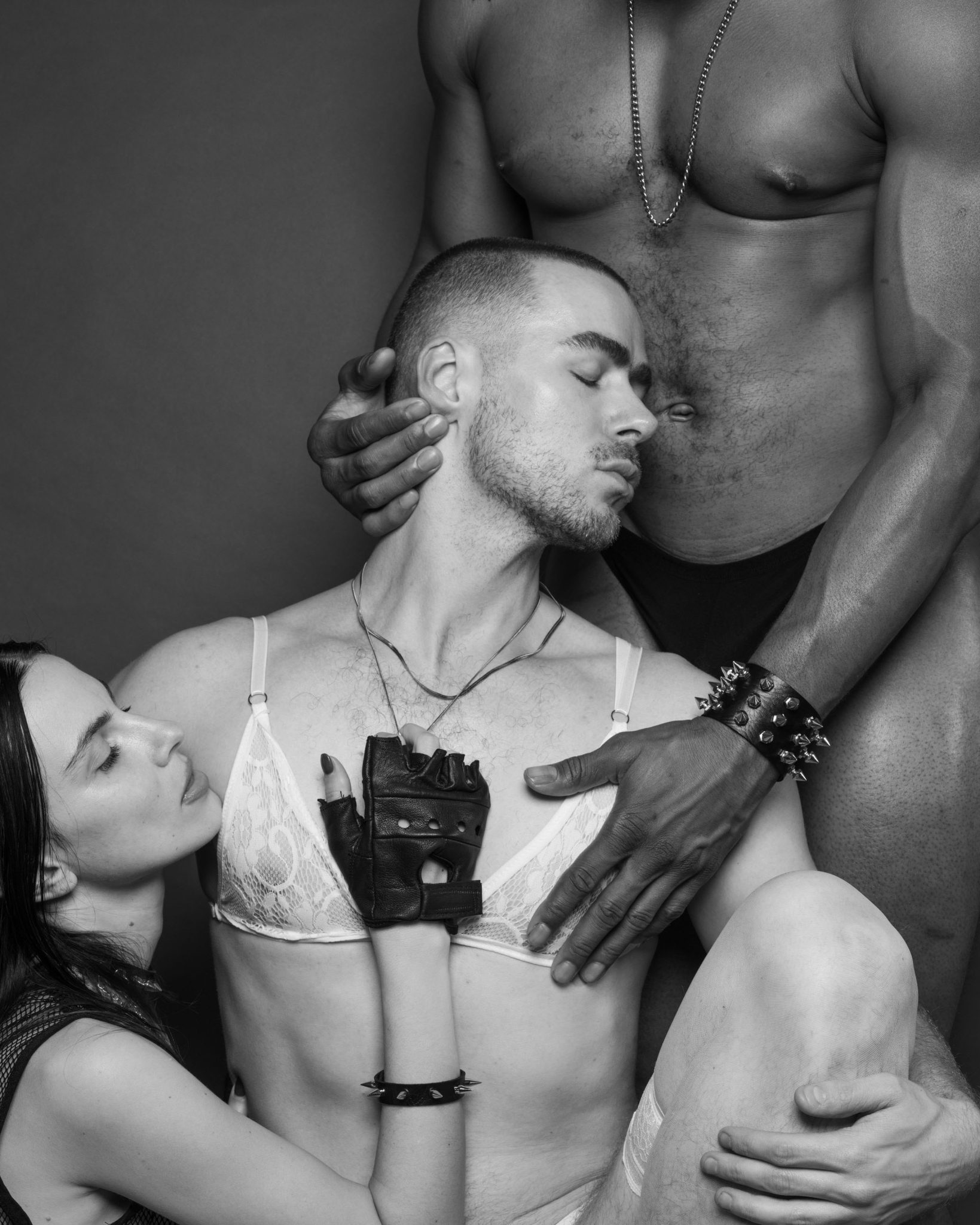
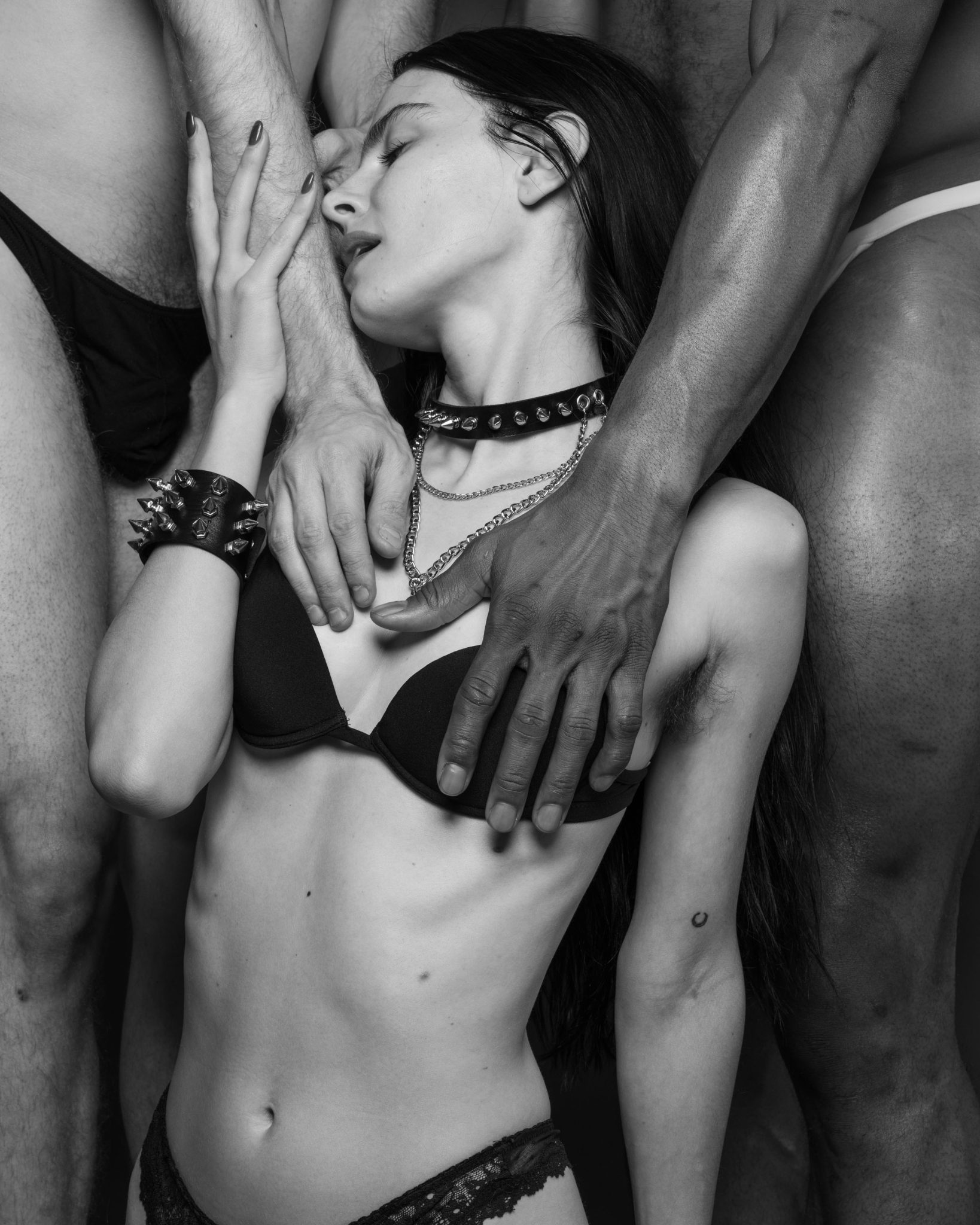


Their work comprises erotic photography, zines (Curious Couple Seeking a Third), installations (SEX Xerox), video, and even billboards—and can be seen as a potent mash-up of high and low: think editorial high-fashion spreads fused with the feminist art theory of Martha Rosler and Carolee Schneemann, presented with the aesthetics of music videos, reality TV, and the fetish world. It’s Angelyne and John Waters meets Juergen Teller. It’s very sexy, very glossy, very camp images that look like they’ve come right out of a Gregg Araki film. Just like Araki, they are most comfortable in the grey zone, where sexual identity is fluid and the distinction between power and intimacy is deliberately difficult to locate.
“We do feel really aligned with him and his humor and his criticality and his kind of ethos and spirit,” Blake says. The titles of their photographs in the series, God’s Favourite Little Marxist and Male Painter, showcase their mischievous sense of humour. “Titles are a great way, I think, to see that alignment because even our heterosexual video art pieces are, in some ways, an homage to [Araki’s] credits in his films.”
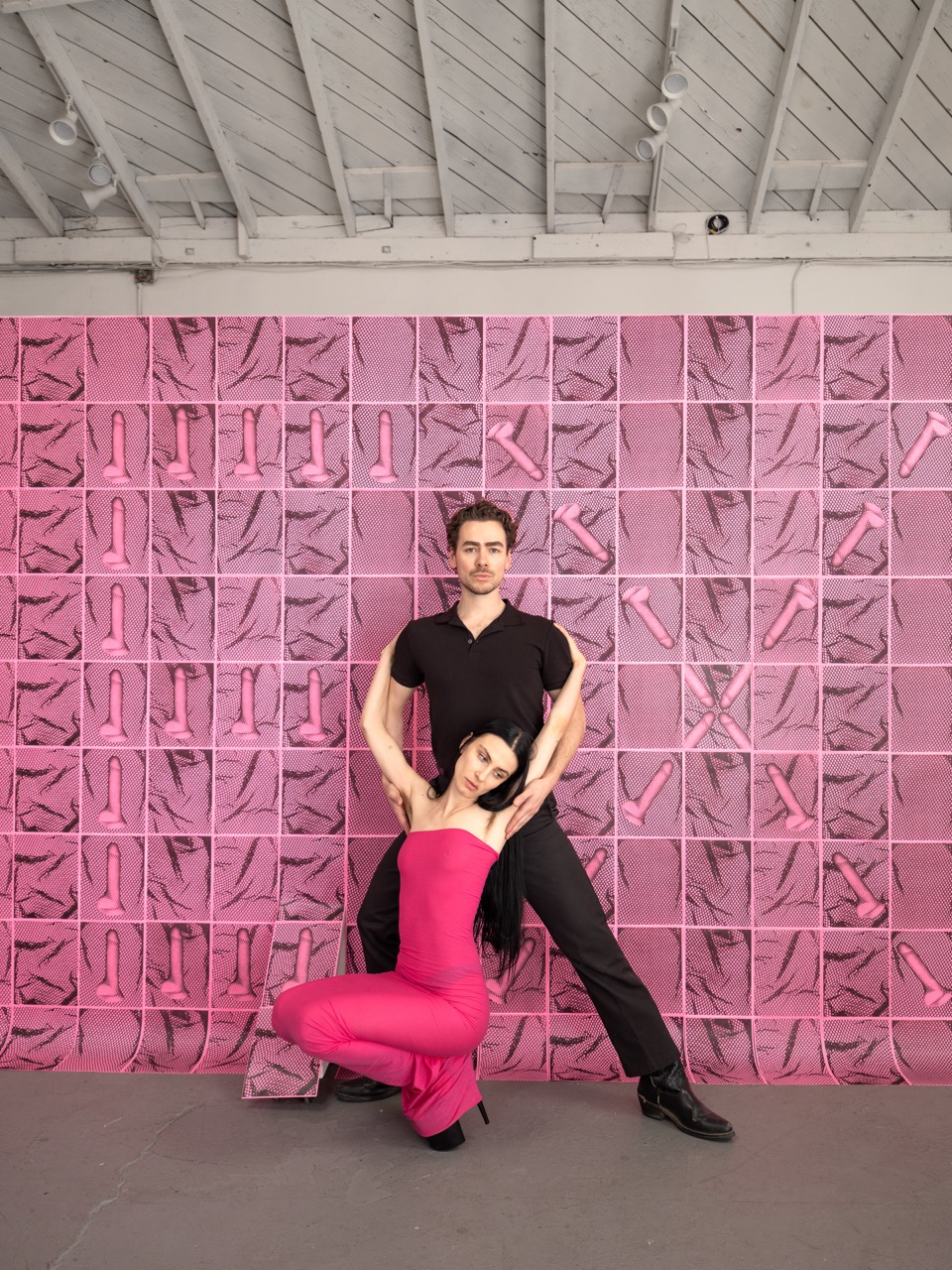
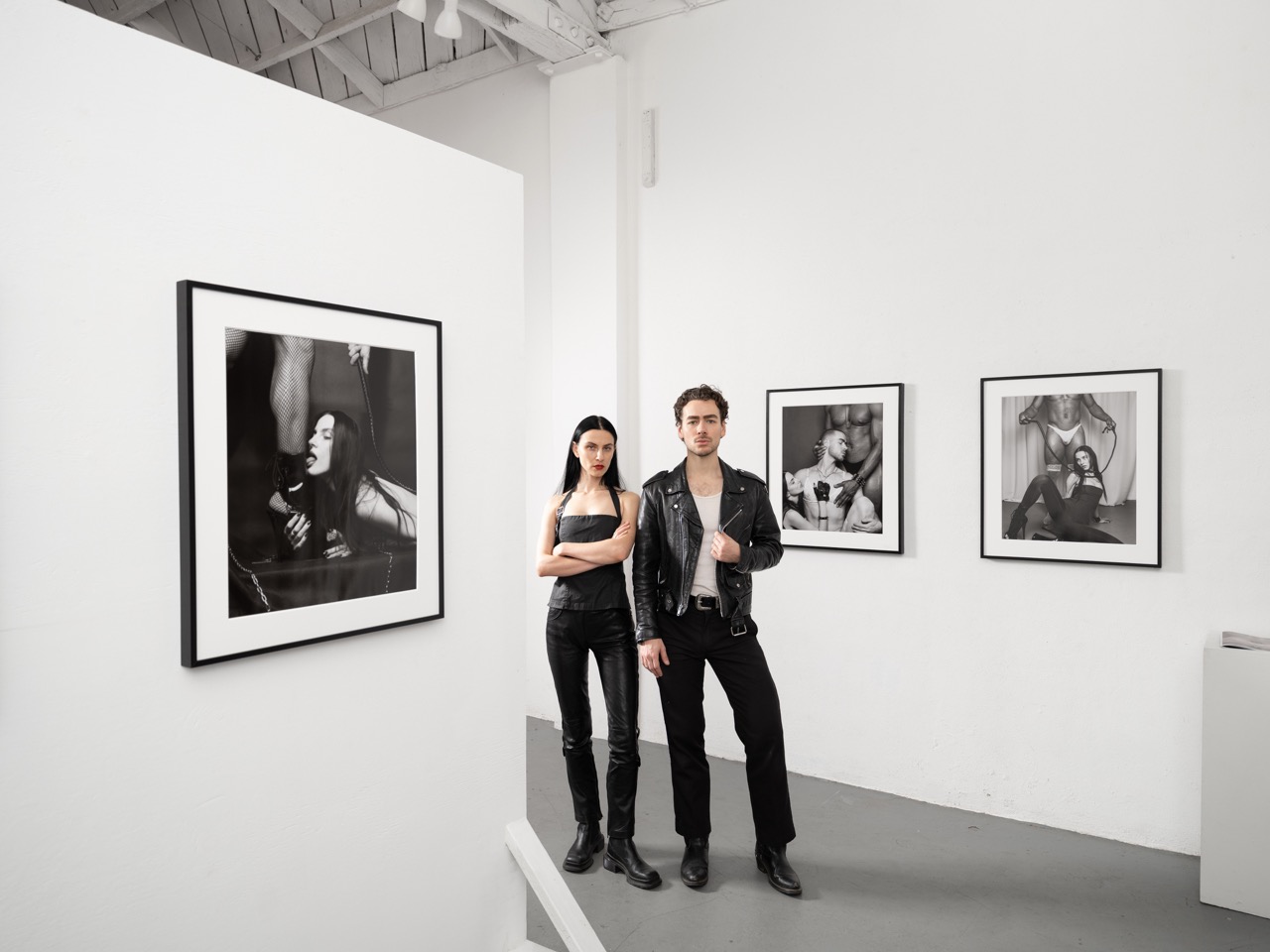
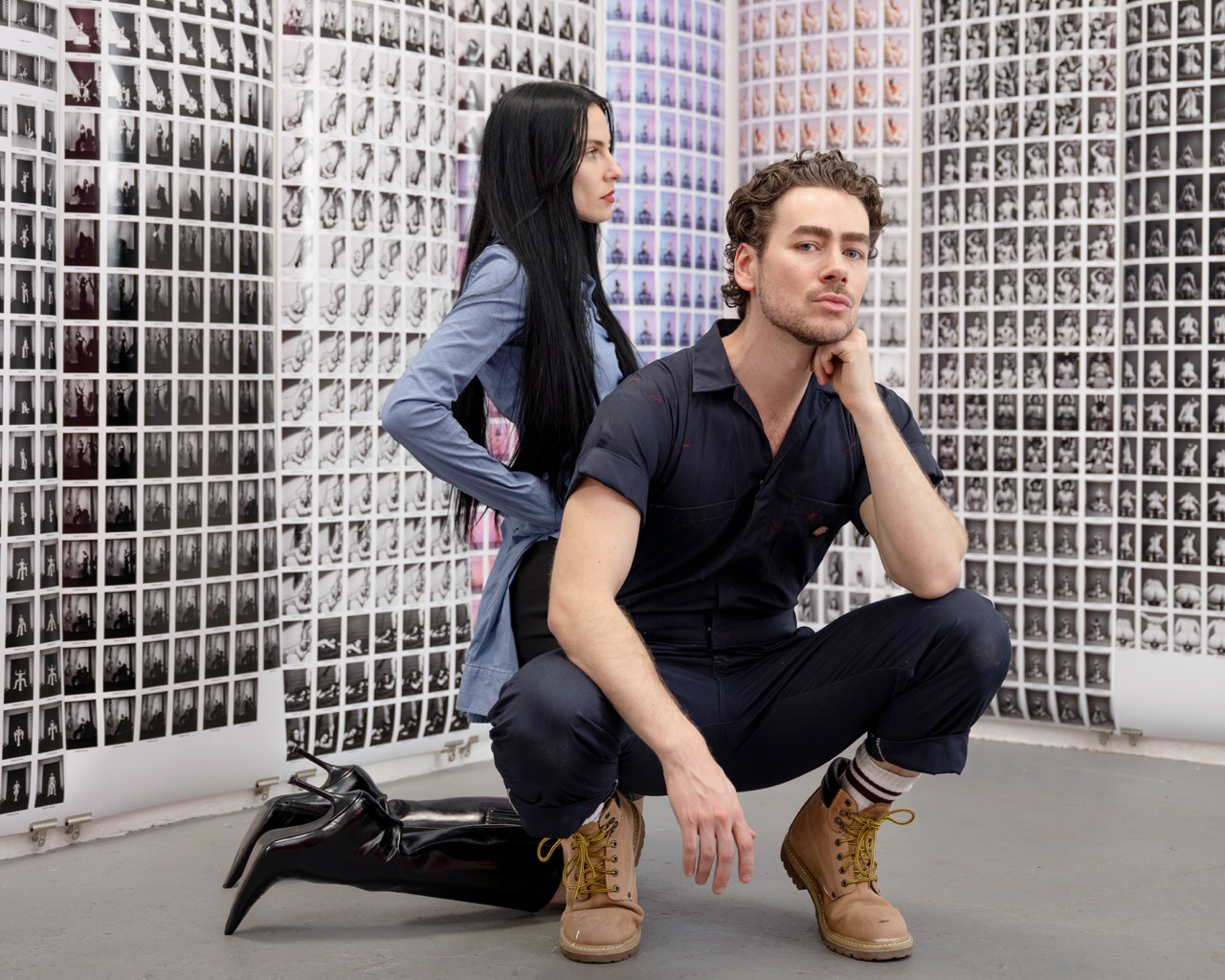
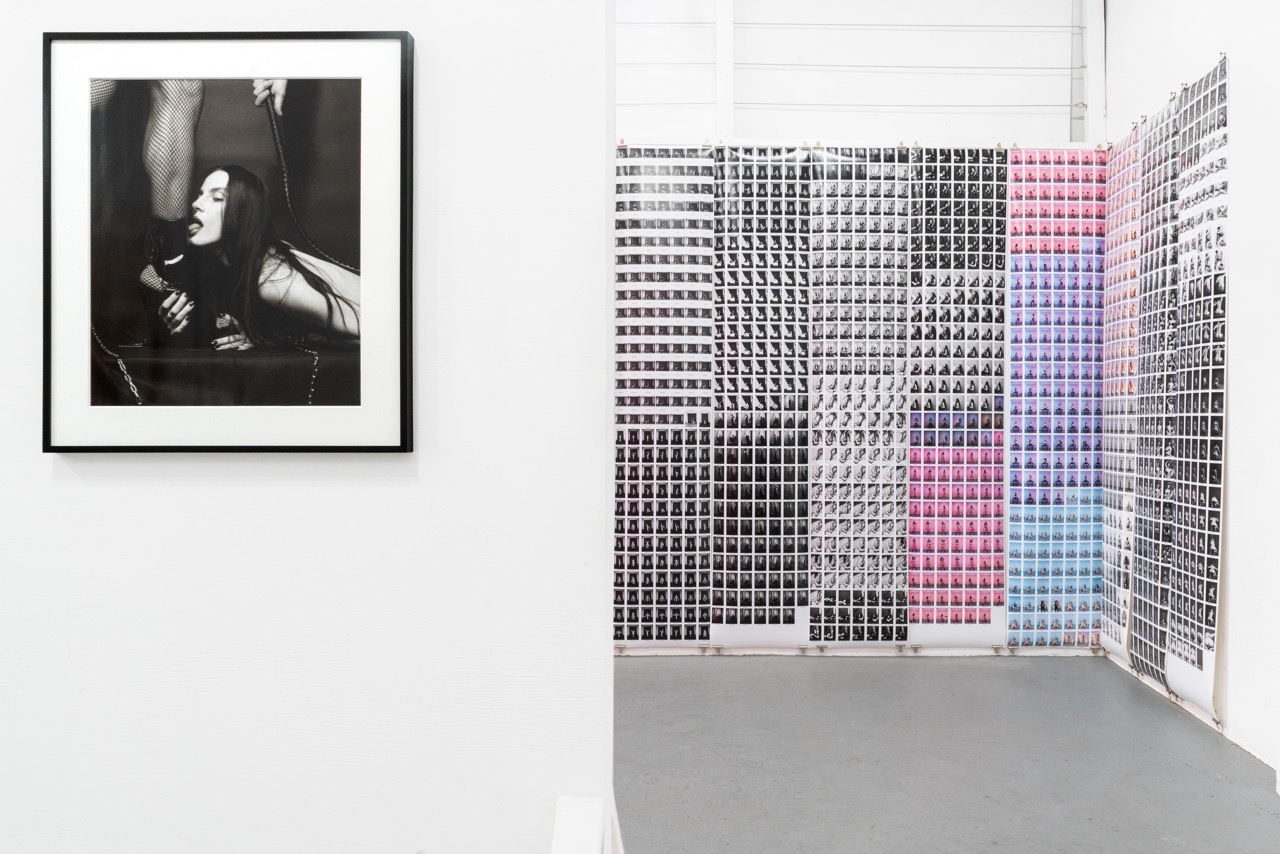
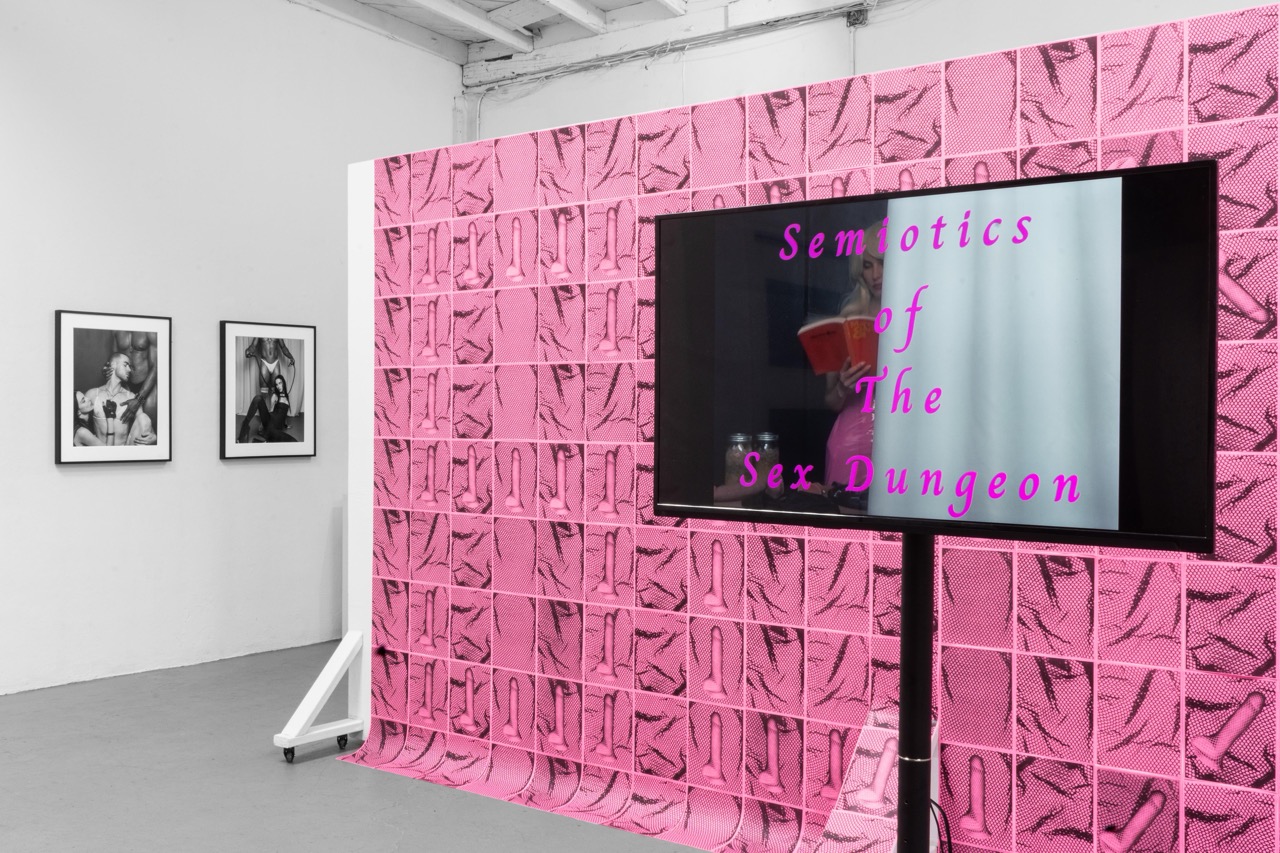
It was a dizzyingly fast process—the film was shot in 17 days—but this wasn’t an issue for the prolific pair. “We had such a vast archive to begin with, just of photos mostly that we’ve been creating for the past decade. The art consultant [Shelby Drabman, who brought the pair on board] told us that Gregg’s reaction to that was like, oh my gosh, how do we work with them? How do we involve them?” Blake tells me.
The experience also fed into their own creative process—they adapted many of their existing pieces for the film, as well as licensed their artwork as it was to Gregg. “It started to become very porous. It’s like our work started to react to the script and to the movie. They had a 10-foot screen and they needed a video for it. So we had a video piece that we were able to adapt to that format.” Their lack of preciousness is abundantly clear—they don’t take themselves too seriously. “I love that the MOMA said her show was a flop, and basically all of our work was what comprised her show.”

“Our work purports to be kind of hetero, but it’s not, and again, in many ways, it just feels so much in the spirit of Erika Tracy, whose character wasn’t really interested in labels or providing explanations for the work she was making.”
- Blake Jacobsen
Araki has called Erika Tracy a disrupter. She makes artwork out of her own sex life (one such piece is a memorable loop of her orgasm while masturbating) and treats her body and desire as artistic material. Sex is both her professional subject and her private preoccupation—at her house, she shows Elliot Alex Comfort’s The Joy of Sex (1972) manual while extolling its profound formative effect on her. The boundaries between her professional and personal relationships are constantly blurred. It’s a practice that Blake and Meghan recognised immediately.
“She felt like an artist that resembled our own practice in many ways. A bit more exaggerated, maybe, than we are, but not too much more exaggerated. And it was our reverence for this character that made us feel very invested in it because we almost felt protective over her because we were like, we get her,” Blake tells me. “Our work is in the spirit of Erika Tracy.”
Olivia Wilde even thanked Blake and Meghan on set for helping her get into character.
In the film, Erika takes on a sex-mentor role to Elliot. Something which is not wholly positive or negative, but more ambiguous. “I do feel like a major theme of the movie is that these mistakes that you make, these sort of confusing situations you get yourself into, particularly related to sex, sexuality, desire, attraction, lust—all of it—those adventures in your life are critical to your evolution as a person. So my idea for Elliot is that when he’s, like, forty-five, he’ll look back on that relationship and go, ‘That was so fucked up and crazy. I can’t believe I did that. I can’t believe that happened. But, at the same time, I’m glad it happened,’” Araki said, speaking to The New Yorker.
This nuance and resistance to categorisation is also something Blake sees in Erika Tracy. “I don’t think Erika would label herself as queer,” Blake says. “I think she would probably even maybe reject that term, you know. We’ve always worked together and used our own bodies, so a lot of people look at our work and think that there’s a romantic element there.” Their work, like Araki’s, appears one way on the surface, but is more layered upon second viewing. “Our work purports to be kind of hetero, but it’s not, and again, in many ways, it just feels so much in the spirit of Erika Tracy, whose character wasn’t really interested in labels or providing explanations for the work she was making.”
Erika’s ambiguity extends beyond sexual labels. Erika Tracy is brilliant, celebrated, but she’s also exploitative, what our cancel culture today would deem toxic. “She’s a fraught character in that way,” Blake says, but this didn’t put them off collaborating on the film. “Our work kind of was perfect for her because it almost seems sometimes like we’re exploiting ourselves, choosing to become these sexualised objects or bodies within the photos.”
Onscreen, the art world has been lampooned and parodied (The Square (2017), Velvet Buzzsaw (2019)), something not lost on the pair. “Usually, it’s difficult depicting what that reality is like, especially from an outside perspective,” Blake tells me. We all think we know the art world—black turtlenecks, trust-fund kids, Russian oligarchs—a sealed world of privilege and power. “I think part of it has to do with the art world kind of existing within this inaccessible elitist space. So when you see it portrayed, it’s always like these over-the-top kind of like satirical depictions of it.”
Were Blake and Meghan worried that their work would be presented as a satirical spoof? “We weren’t sure how everything would come together and whether we would feel further exploited by how our work was shown or whether it would feel empowering,” Blake tells me. “But part of what made us feel a sense of trust in the project was that it was Gregg, who is himself an artist and someone who understands art,” he continues, adding, “I think our own reverence for these hierarchies is also something we like playing around with.”
This tension between power and submission, control and vulnerability, lies at the core of their work—situating themselves as both objects of desire in their images and as muses within the film, complicating who is doing the looking, who is being looked at, and ultimately, who is in control. “There’s a multiplicity to the images,” Meghan says. “We get to experience our work in this mediated weird way through the film. The authorship gets blurred through that. It’s interesting because obviously we are in the images as well. We are in the videos and we are performing. Then, through the context of the film, we become muses of this fake artist. There’s this multiplicity happening.”
“I don’t think Erika would label herself as queer. I think she would probably even maybe reject that term.”
- Blake Jacobsen
As mentioned above, “Art is a scam,” Erika says to Elliot at one point, with a casual shrug. I wondered how they felt about this line, and the implication of their work expressing a shared ethos. “I feel pretty strongly aligned with most of her beliefs, including the hot takes, including the unhinged comments,” Blake says. “But it’s all with the wink of an eye. There is an element to the art market that does feel kind of like a scam. I agree with that statement.”
There’s also the elaborate hoax where Tracy fakes her own death, I say. “I thought that was smart and funny because that is true. Art does become more valuable after the artists die, and the vast majority of female artists aren’t recognized until they’re old,” Meghan responds.
The duo are both in their thirties, having met on a photoshoot for fetish brand Lipservice—Meghan the model and Blake the photographer. It was back in the 2010s heyday of Tumblr porn, indie sleaze, and before #MeToo, when social media was still finding its feet. They belong to a generation that came of age online amid a much more permissive internet age, which perhaps explains some of their affinity with Erika Tracy’s unabashed sex positivity. I Want Your Sex takes aim at what it sees as a more cautious, puritanical attitude towards sex among younger generations; in interviews, Araki has advised Gen Z to go out and get their hearts broken.
However, Blake dismisses the panic around Gen Z sexlessness. “Now I’m in a position where I’m teaching younger artists because I’m a professor as well, and I see the exact kind of phenomenon that Greg and the writers are speaking to in terms of these younger generations being more sex negative than past generations, or there being more of a puritanical-like philosophy around sex,” he continues, “but I think it’s overblown, and there’s more nuance behind it. I think the way they dealt with it in the script was meant to be kind of like lighthearted and silly—”
“But as far as eroticism and stuff, I think it’s a lot harder for erotic art to be transgressive today.”
But perhaps the joy of the film doesn’t lie in provocation, but ultimately, Araki’s joy and sincerity, which he brings to the messy, confusing thrill of getting your heart broken, discovering yourself and figuring out who you want to be.
“I was pleasantly surprised by how sincere and sweet the film was in a way. Sincere is the best word I can think of to describe it,” Meghan says to me, before I log off.
“I think we have a sincerity in our work too, although it is obviously extremely erotic, and dramatised, and dark, but there’s elements of humor and sincerity and love,” she says, sounding surprised. “Maybe it’s a little bit confusing, but I think ultimately it allows more people into our world.”
“Getting brought on to this movie was the perfect fit for us. It’s almost like we had been training for this moment,” Blake says, Meghan nodding in agreement, and you can tell they mean it, sincerely.