

The star of Hacks returns as the lead in Jane Schoenbrun’s Teenage Sex and Death at Camp Miasma, the year’s most hyped indie film. Kitty Grady meets Hannah Einbinder in New York—with an accompanying shoot at Collier Schorr’s Brooklyn studio—to discuss Gillian Anderson, unconventional love stories, and Hollywood’s political consciousness.
The day after I speak to Hannah Einbinder, she goes on the Today Show—one of America’s biggest daily talk programmes—and invites the nation to scream. Dressed in a bright red Loewe top, the actor and comedian, 31, tells an anecdote about how she saw a reiki healer in Ojai, California, who encouraged her to rechannel emotion towards her lungs, to convert feelings of sadness into the more cathartic act of yelling. At the count of three, Einbinder, a perfectly coiffed host, and a live audience, yell in unison. “It feels like I’m the only one who did it,” says Einbinder.
The interview is part of the press tour for Teenage Sex and Death at Camp Miasma, beloved auteur Jane Schoenbrun’s latest film about a young queer filmmaker called Kris (Einbinder) tasked with rebooting a cult 1980s slasher franchise. Kris heads to an abandoned summer camp, where Billy Presley (Gillian Anderson), the “final girl” in the original film, still resides. A Norma Desmond-esque recluse, she is loomed over by the spectre of Little Death, the franchise’s “monster”—a former camp kid who oscillates between genders. A psychosexual two-hander, in the film Kris’s artistic journey intertwines with a journey to explore their own sexuality with Billy. Like Schoenbrun’s previous work (I Saw the TV Glow (2024), We Are All Going the World’s Fair (2021)), the film is intricately metatextual, with Lynchian cameos, campy product placement, and fantastical cinematography, crescendoing into a maelstrom of blood, sex, and violence.
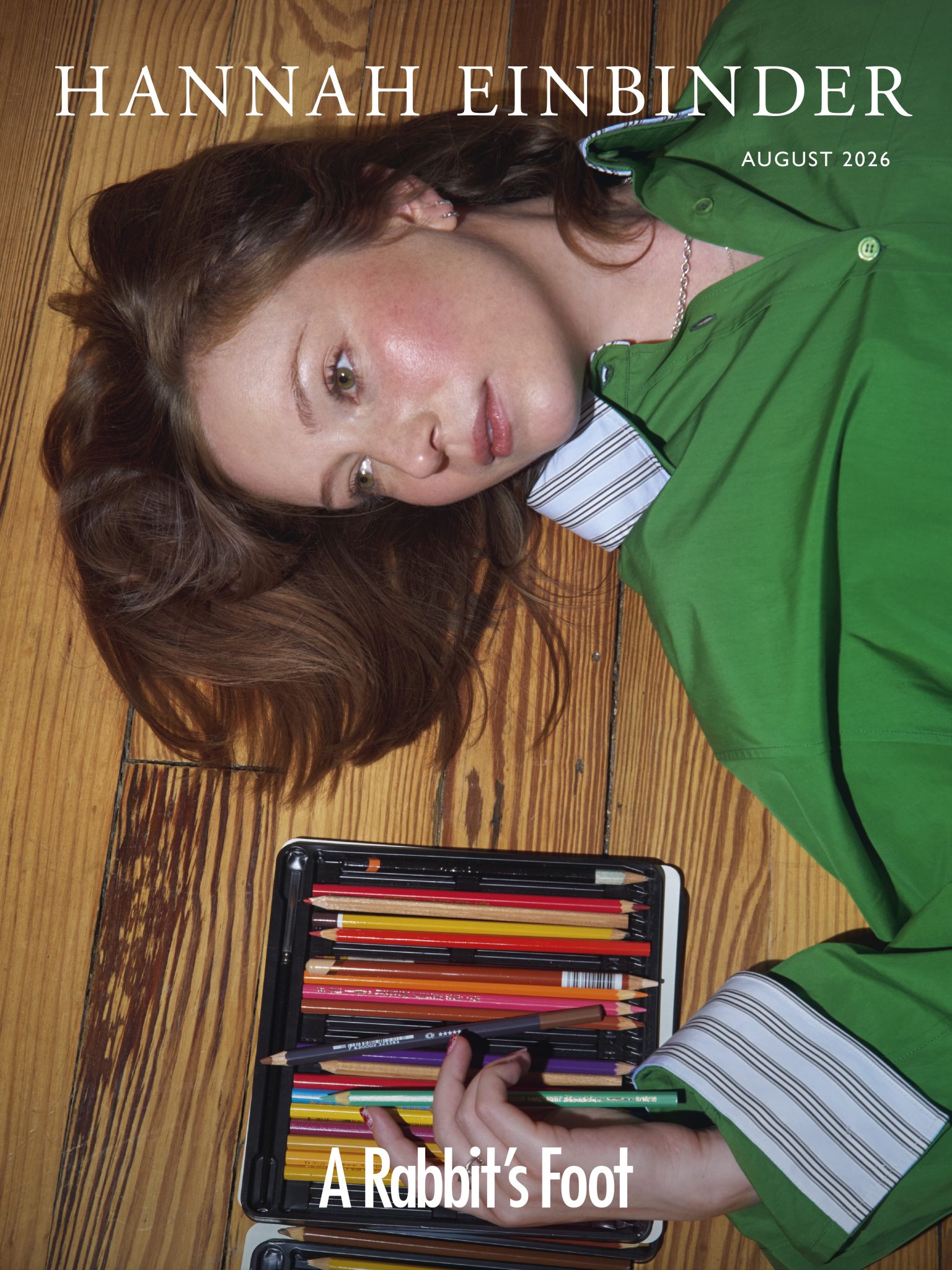
Hannah Einbinder for A Rabbit’s Foot August digital cover. Photographed by Collier Schorr. New York, 2026. Hannah is wearing LOEWE.
When Einbinder—who broke out with her role as outspoken, chaotic comedy writer Ava Daniels in HBO’s Hacks (2021–26)—walks into the hotel bar in the Lower East Side of New York on a Sunday morning, her aura is quieter than I had expected. Dressed in a slouchy baseball T-shirt and sweatpants, with a bookstore tote bag on her shoulder, Einbinder, a softly spoken Angeleno, is struggling with the humidity. “I can deal with a dry heat, but humidity? No bueno,” she quips, before congratulating me for avoiding “poisonous” American milk in my coffee order and telling me, semi-jokingly, about the quantities of microplastics an average citizen swallows each year. It’s as if she’s doing a bit: stereotypical Cali girl adrift in New York.
Her manicure, however, stands out. Her nails are streaked with varying patterns of red polish that reference the bloody film and the metal mask made up of concentric squares worn by Little Death. It’s another guise for the press tour—which saw Einbinder return from upstate New York the previous day for a screening of Camp Miasma at Schoenbrun’s hometown cinema in Westchester. Days before that too, Einbinder and Anderson got on stage at Wallis Annenberg Center for the Performing Arts in Beverly Hills for a live read of Secretary, Steven Shainberg’s 2002 adaptation of Mary Gaitskill’s BDSM novel (Einbinder played Maggie Gyllenhaal’s secretary, while Anderson took on James Spader’s lawyer). It was selected for its influence on Camp Miasma. “It’s a story about two people who think they are alone in their desire to find companionship,” says Einbinder. “Both movies act as a blueprint for self-acceptance and liberation from shame as an unconventional love story.”
Hannah Einbinder. Photographed by Collier Schorr. New York, 2026. Hannah is wearing LOEWE.
Odd-couple relationships are familiar terrain for Einbinder. In Hacks, she stars alongside Jean Smart’s Deborah Vance—a glamorous veteran comedian in Las Vegas—who Ava is enlisted to work for after getting cancelled for an inappropriate Tweet. While less Tom and Jerry than Hacks (Einbinder jokes that in Mandarin, the title has been translated to The Diva and the Strawberry), there are obvious parallels in Camp Miasma in its portrayal of an age-gap relationship. Einbinder insists this is incidental. “The thing that connects me to any work is the quality and how much I connect to the story—the age gap is an added plus,” she says. “I’m not going to my agents, ‘What’s going on with Nicole [Kidman]?’ Although I wouldn’t say no.”
Einbinder was initially intimidated by the idea of working with Anderson, 57, whose performances, from FBI Agent Dana Scully in The X-Files (1993–2018) to sex therapist Jean Milburn in Sex Education (2019–23), and Margaret Thatcher in The Crown (2016–23), she had greatly appreciated: “She’s so iconic, there’s so much mythology around her, that was a place where reality blended into the film for me.” When shooting the scene where the characters meet early on in the shoot—Billy creeps up on Kris in an abandoned cinema—Einbinder leaned in to her “parasocial” perception of Anderson. “I was still in the place of, who is this person? I didn’t know her,” says Einbinder. “Then she became a full human being. She has a pretty low-key energy so we became cool pretty fast.”
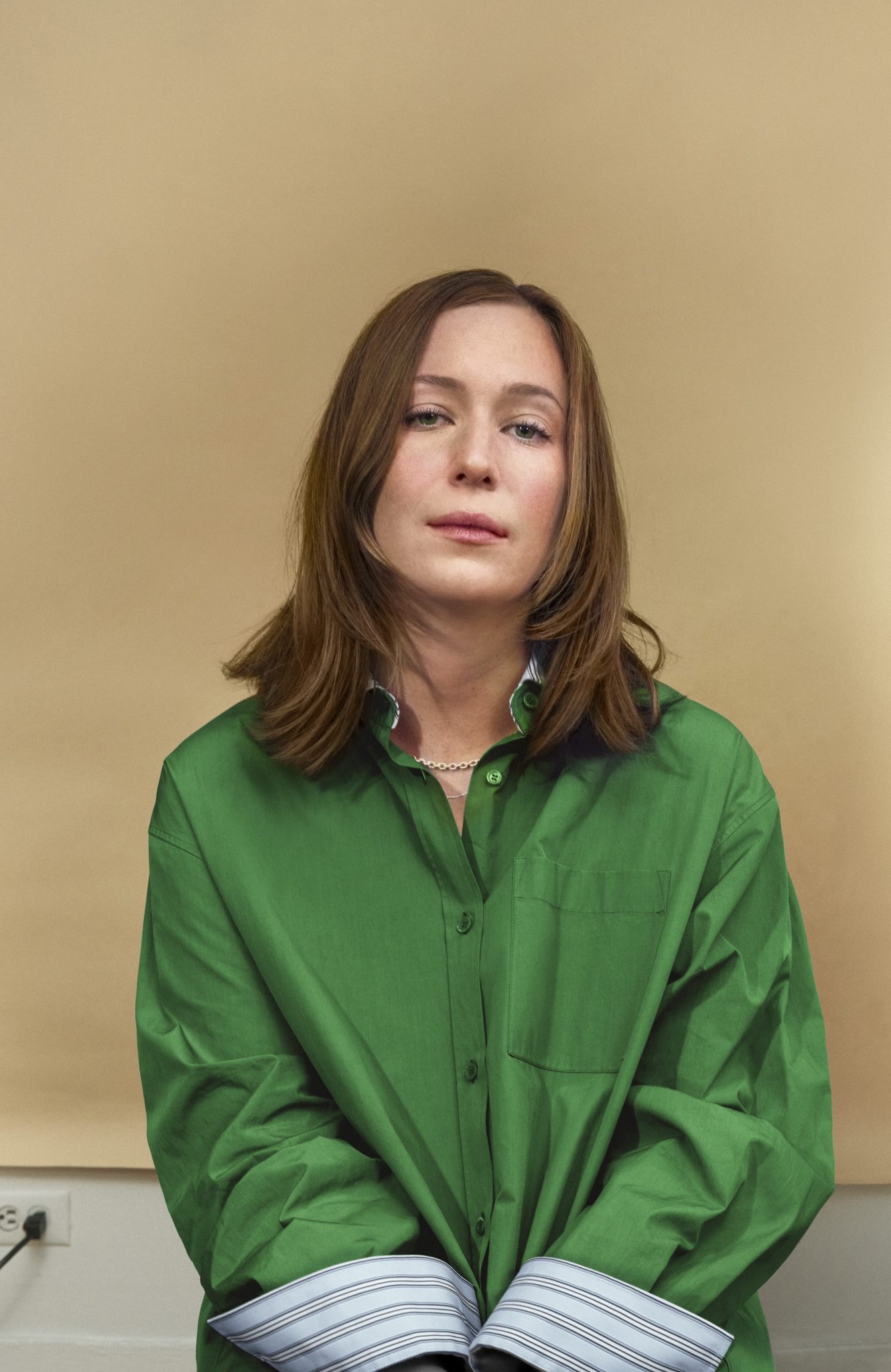
Hannah Einbinder. Photographed by Collier Schorr. New York, 2026. Hannah is wearing LOEWE.
In Camp Miasma, Kris, who is in a polyamorous relationship, is deeply uncomfortable with sex itself, and is obsessed with a particular shot of Billy’s young face at the film’s climax, which shows fear, desire, and pain all at once. For Einbinder, who identifies as bisexual, the film became a vehicle to explore her own sexuality. “I don’t mean queerness when I say sexuality,” she says. “I reflected on the way many young girls are externally sexualised before we identify with our sexuality. I was a late bloomer and I felt all this energy coming in my direction that I didn’t understand. The film has sent me on a journey of self-reflection.”
There were intense, long conversations with Schoenbrun about the personal story behind the film. (Schoenbrun, who is trans, has said that the film is inspired by their own sexuality post-transition.) The director provided Einbinder with a list of films to watch, among them Secretary, David Cronenberg’s Crash (1996), Peter Strickland’s Duke of Burgundy (2014), and Ingmar Bergman’s Persona (1966). “I like to joke that I went to the Jane Schoenbrun film academy,” says Einbinder, who added Fire of Love (2022), a documentary about a couple who go in search of erupting volcanoes, to the list. “These two dreamers who have a love revolving around this strange and dangerous thing,” she adds. “God rest their souls.”
The sequence where—avoiding spoilers—Kris recreates Billy’s expression was technically challenging. “It’s one of the most multi-layered things I had to portray, of fear, resistance, arousal, sadness, orgasm, and death. When we first met, Jane said they envisioned it to have a Gena Rowlands quality to it. I was like, OK, cool, one of the best actresses of all time, no pressure!” The first time Einbinder watched the film—which premiered at Cannes—was on a television in her bedroom with Schoenbrun and a few other friends. “I’d only really seen myself as Ava, and seeing myself in this new way was freaky,” says Einbinder. “I’ve now watched it five times and I’m like, OK, that’s Kris. I’m just watching the movie.”
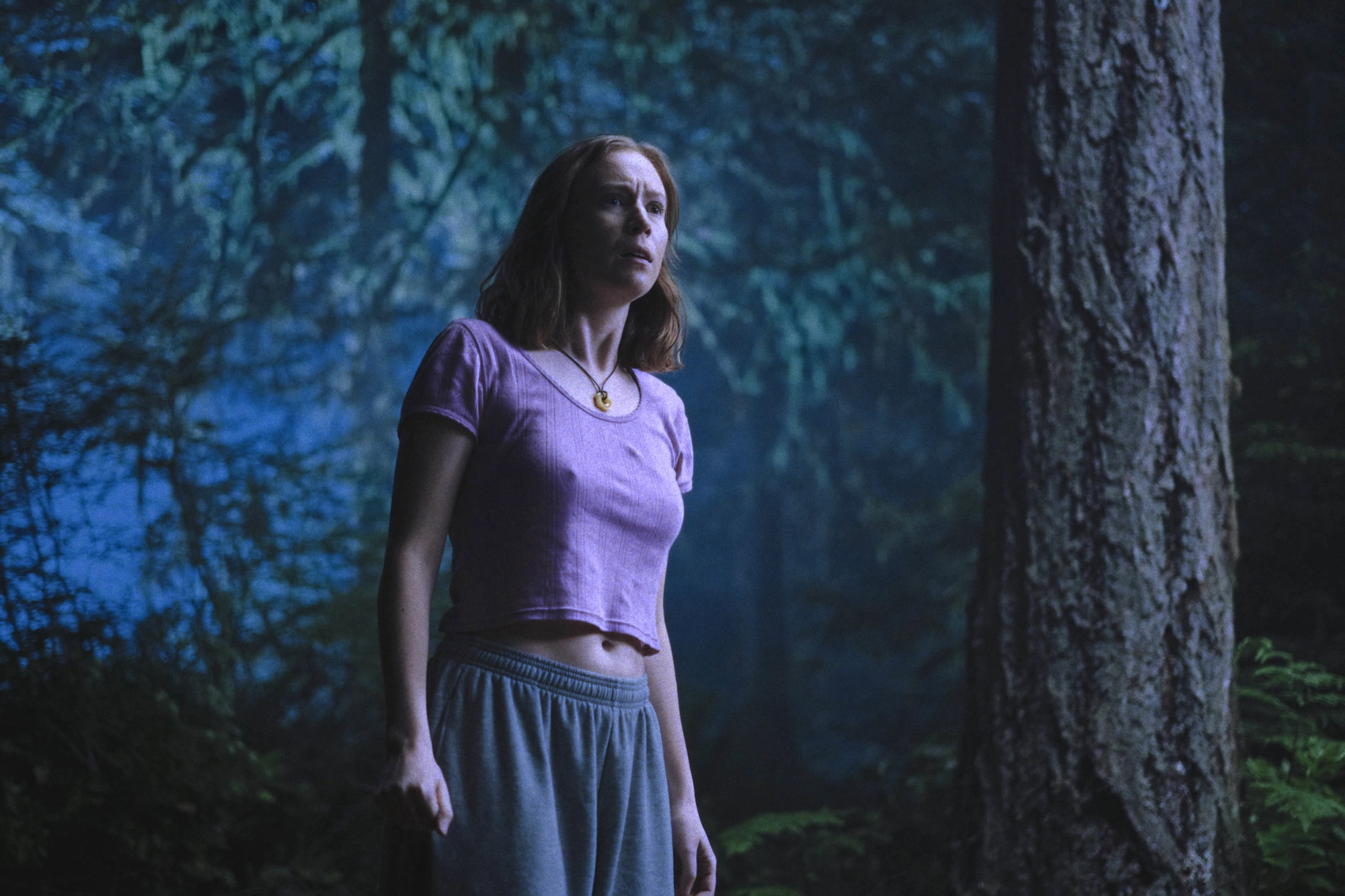
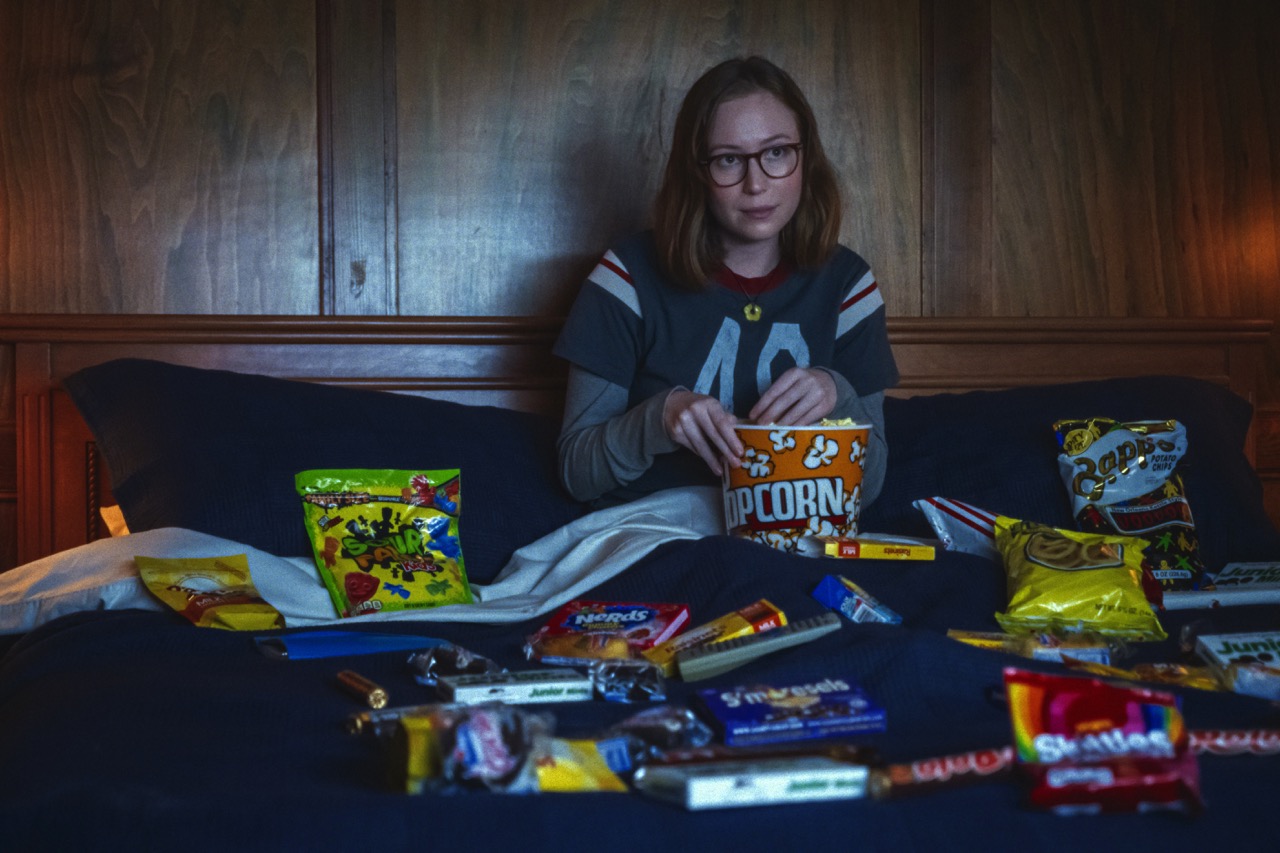
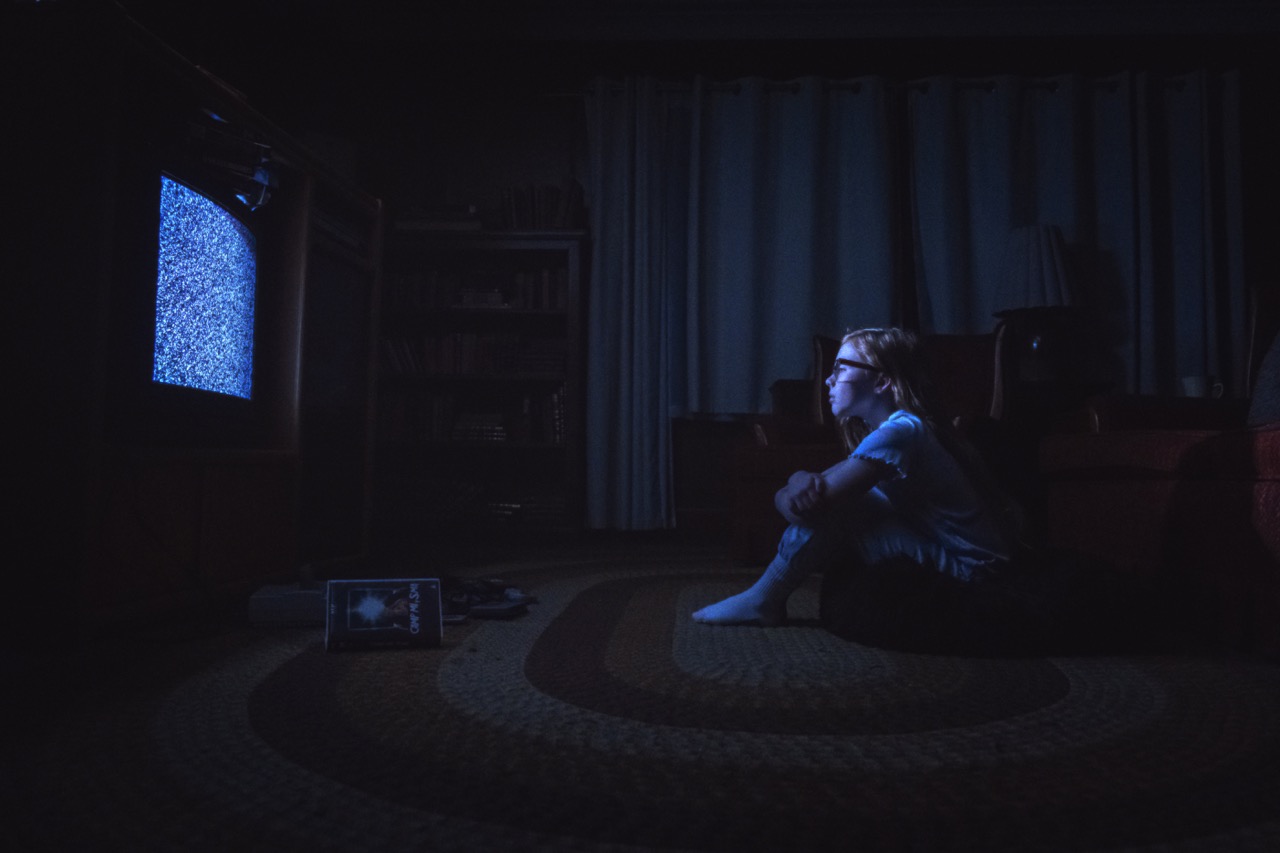
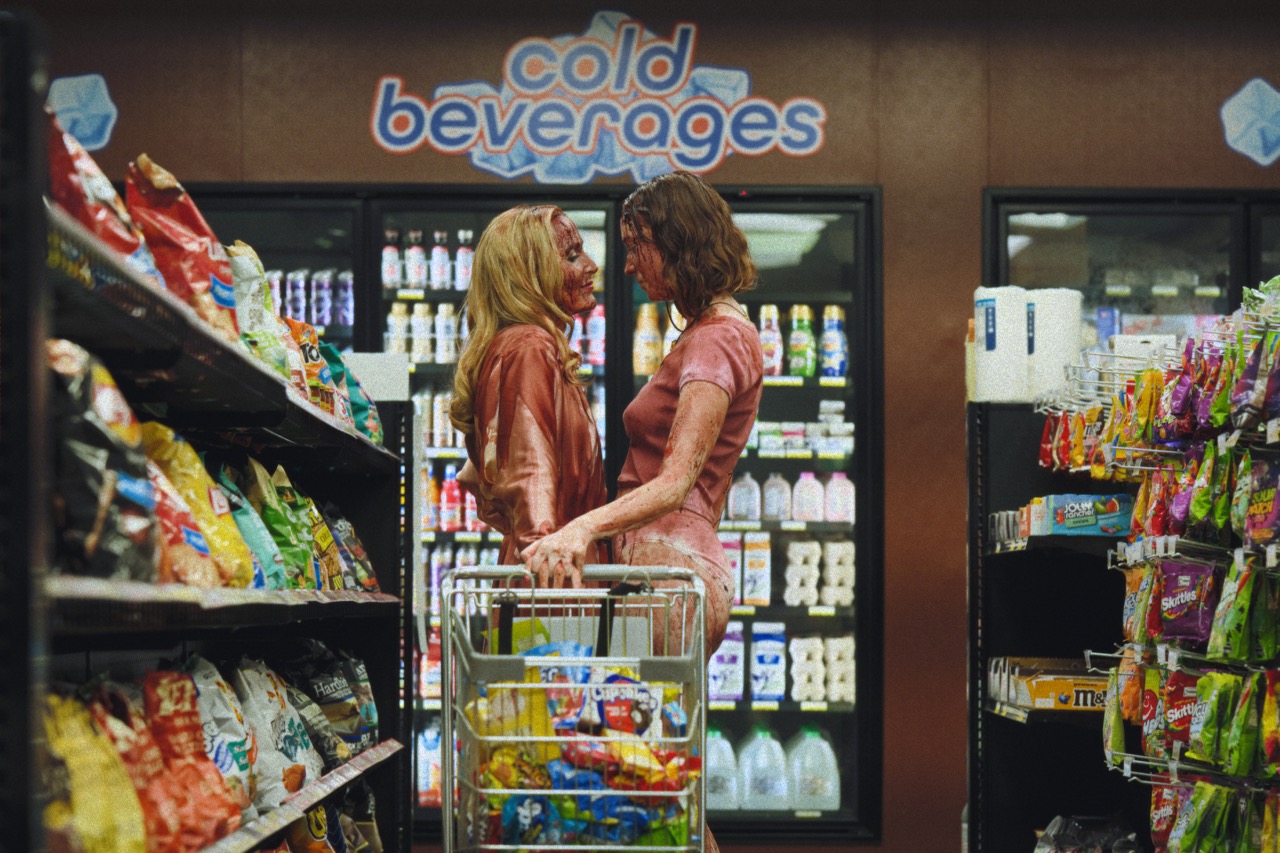
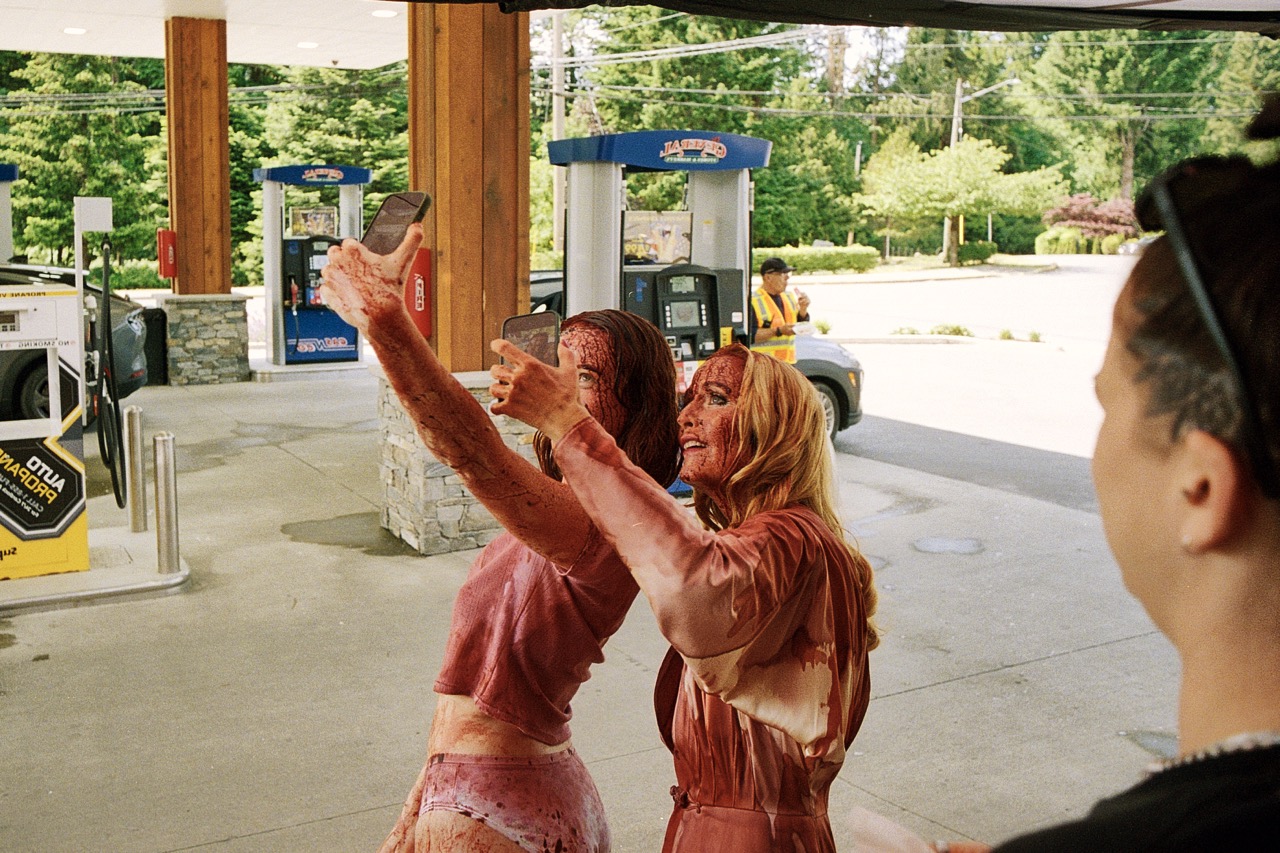


While there are more complex scenes and emotional grey areas to execute in Camp Miasma, Einbinder believes the groundwork for her acting was firmly set in Hacks. The show’s final season sees Deborah Vance, who gets a cancer diagnosis, planning to head to an assisted dying clinic in Switzerland. On an emotional farewell vacation to Paris, Ava persuades her otherwise. “Over the course of the series, Paul [Downs], Jen [Statsky], and Lucia [Aniello] gave me the opportunity to do deeper and deeper dramatic work, which made it possible for me to approach this.”
When Einbinder started in Hacks in 2021, she had less confidence. Then finding relative success on the stand-up circuit, she was cast because of the improvisations in her audition. “When I got the job, it was literally ‘Operation Don’t Get Fired’,” says Einbinder. “Coming from the stand-up world, it was all new to me. I was learning to act on the fly.” She cites Michael Caine’s 1989 book Acting in Film as her bible. “When I started, I didn’t know what a mark was [the spot where an actor must stand]. It has everything you need to know before walking on set. Michael Caine, he taught me everything I know.”
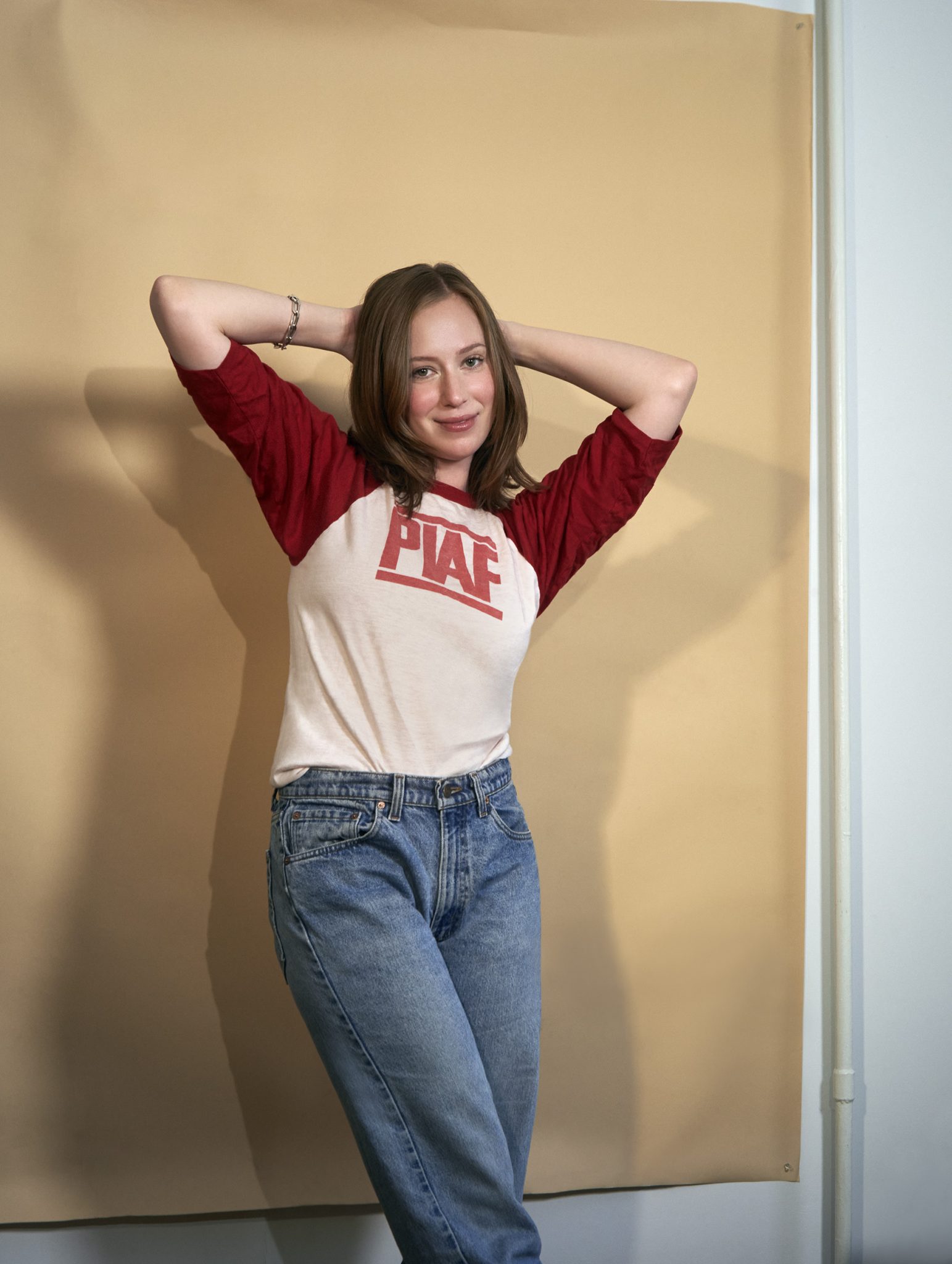
Hannah Einbinder. Photographed by Collier Schorr. New York, 2026.

“When I started, I didn’t know what a mark was. [Acting on Film (1987)], it has everything you need to know before walking on set. Michael Caine, he taught me everything I know.”
Einbinder grew up in Los Angeles in a family with strong comedy credentials—her mother, Laraine Newman, was a sketch comedian on SNL and her father, Chad Einbinder, was a comedian, actor, writer, and director who worked on projects such as Doctor Dolittle (1998) and 3rd Rock from the Sun (1996–2001). “It was a funny household,” she says. “We were all constantly trying to make each other laugh. Some people have to bring their parents good grades to be in good graces, but I just had to be funny.”
Rather than follow in the family footsteps, she enrolled at Chapman University in California and took classes in broadcast journalism after becoming obsessed with television host and comedian Bill Maher. “He’s a Republican-adjacent prick now,” says Einbinder, “but to understand the jokes he was making, I watched the news. I was on a lot of Adderall, so I’d read the newspaper cover to cover, drinking my Irish breakfast tea every morning. It was a different time in my political consciousness, when I was more capital-D Democrat and I thought that’s what I wanted to do. It didn’t even occur to me to perform until my sophomore year of college, when I joined the improv team.”
Although she has some plans to return to the stage, an immediate return to stand-up is unlikely. Her 2024 special, Everything Must Go—which muses on subjects from queer identity to climate change—was the product of seven years of work. “I’m a real slow burner,” she says. “I plant seeds, I water them, I have to wait months and months for ideas to pop up. I can’t spin gold quickly, and acting has given me that luxury, that I can take my time. So many comedians put out an amazing first special and then their next special is about how they were a celebrity, and I just find that so boring. I’m trying to talk about larger concepts. I’m working on a bit right now that is about money and capitalism; it’s not like ‘Oh, I went to the Vanity Fair Oscars party’.”
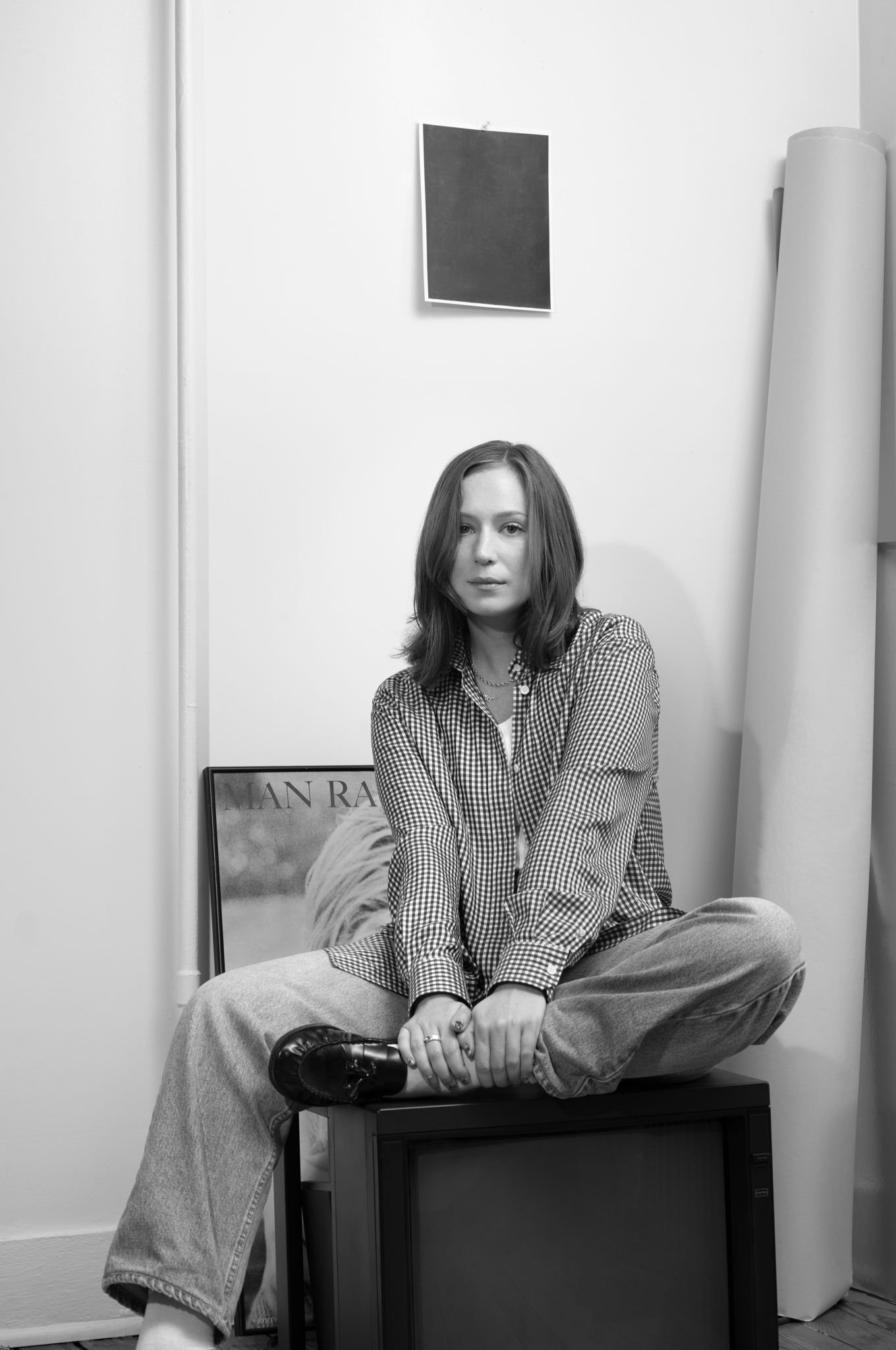
Hannah Einbinder. Photographed by Collier Schorr. New York, 2026. Hannah is wearing a LOEWE gingham shirt and vest. Jeans and shoes, Hannah’s own.
Today, Einbinder is one of the more radical voices in Hollywood—part of a list that includes Mark Ruffalo, Susan Sarandon, and Javier Bardem, who advocate for Palestine. When she took home an Emmy in 2025 for Hacks, she ended her speech announcing: “Go Birds, fuck ICE, and free Palestine.” I ask why more don’t use their platform in the same way. “We live in a culture that places an outsized importance on celebrity, so people on my side of things draw attention. I’ve seen the [professional] impact that speaking out can have,” says Einbinder, who works closely with Pal Humanity, a humanitarian organisation led by two female doctors in Gaza. “But I’ve seen the way small donations from a lot of people can impact the lives of the most vulnerable, so to me it’s a no-brainer. Why wouldn’t you, with your visibility, feel comfortable standing with marginalised folks? Why is it that the most marginalised are often the ones with the loudest voices?”
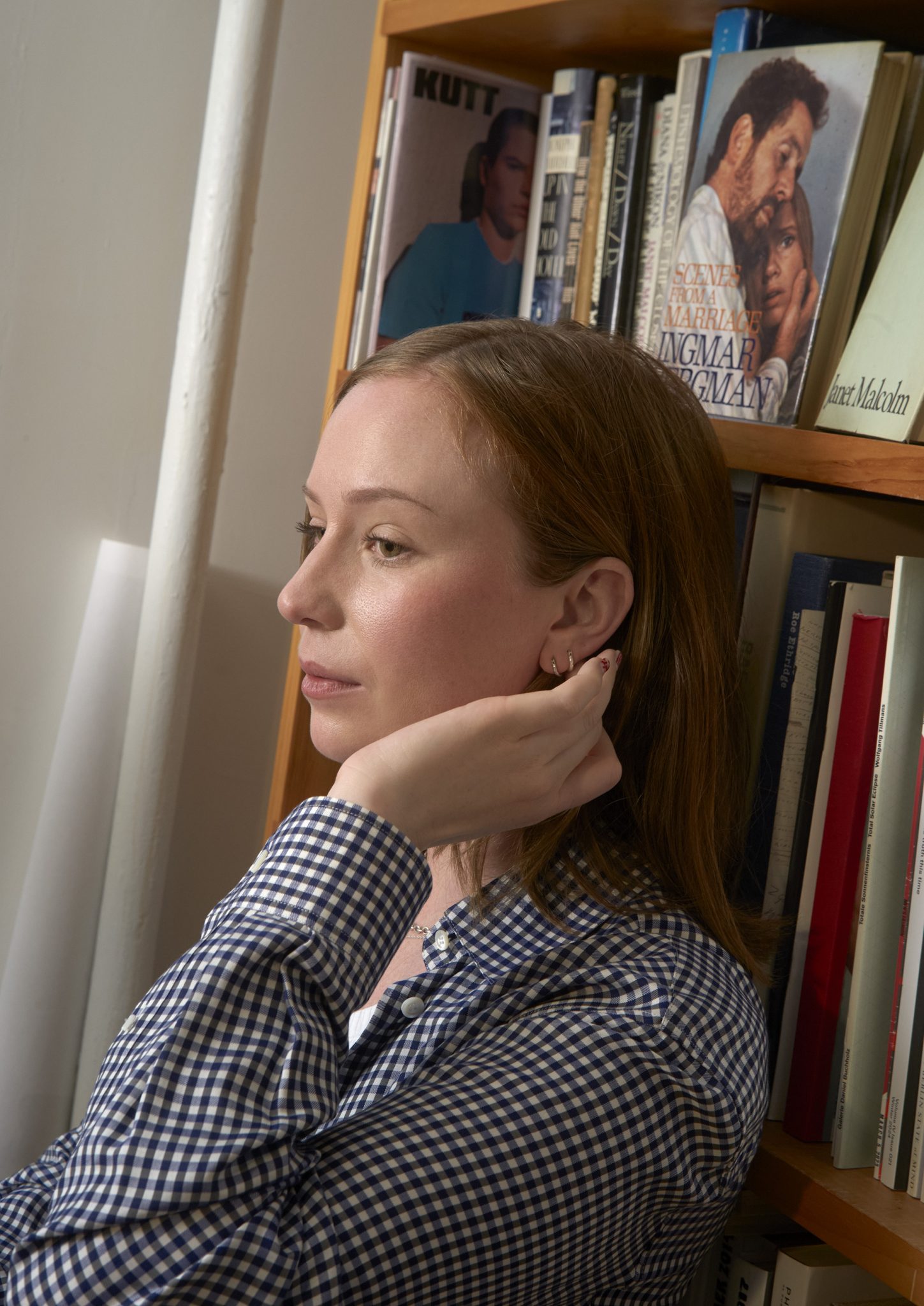
Hannah Einbinder. Photographed by Collier Schorr. New York, 2026. Hannah is wearing a LOEWE gingham shirt and vest.
As an actor, Einbinder also wants to work with loud voices. “Inshallah,” she jokes. She describes dream collaborators as Canadian filmmaker and activist Sarah Polley, as well as French auteur Coralie Fargeat. “I fucking loved The Substance (2024),” she says of Fargeat’s divisive feminist body horror. “We are living in a time that is totally oversaturated with safety in art and good art requires risk.” Would Einbinder get behind the camera herself? “I think so,” she replies coyly. “I’ve been doing this for six or seven years now, but I’ve only really had three jobs [beyond Hacks and Camp Miasma, she had a feature film role in Victoria Strouse’s Seekers of Infinite Love (2026)]. I would like to continue to get my sea legs and put in my 10,000 hours.” Einbinder starts to do some maths. On Hacks she worked 13 to 14 hours a day, for six months of the year, for six years. We pause to do the calculation. “Someone in a different profession than either of ours can figure that out,” she suggests.
Later, I calculate this would add up to at least 14,245 hours—well beyond the required 10,000. Einbinder is an actor in her stride, with more Emmy success for Hacks’s final season likely in September. “I’m going on the tits and ass circuit for that,” jokes Einbinder. “I just want to celebrate the show that has changed my life in every conceivable way, and it’s an excuse to hang out with everyone again.” For the next week, however, it’s back on the press campaign for Camp Miasma, with the New York premiere at Metrograph the following week, and, more immediately, of course, an appearance on the Today Show. We say goodbye and Einbinder leaves the bar quietly. She’s got somewhere to scream.
Photography: Collier Schorr
Photo assistant: Amelia Hammond
Stylist: Ana Tess
Make up: Molly Greenwald
Hair stylist: Jerrod Roberts
Post-production: Two Three Two Studio
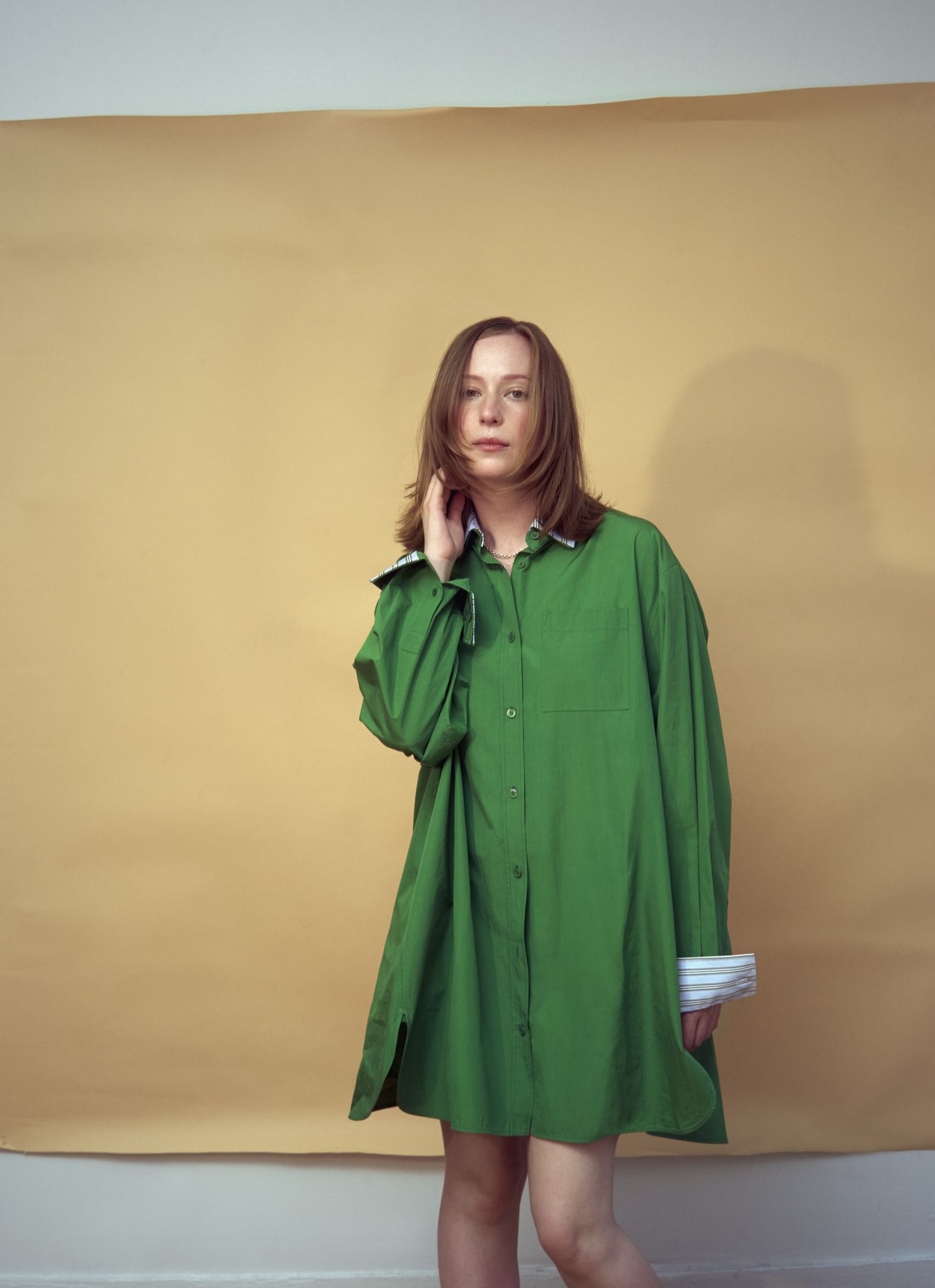
Look 1: LOEWE green shirt dress in cotton.
Look 2: LOEWE gingham shirt; jeans Hannah’s own
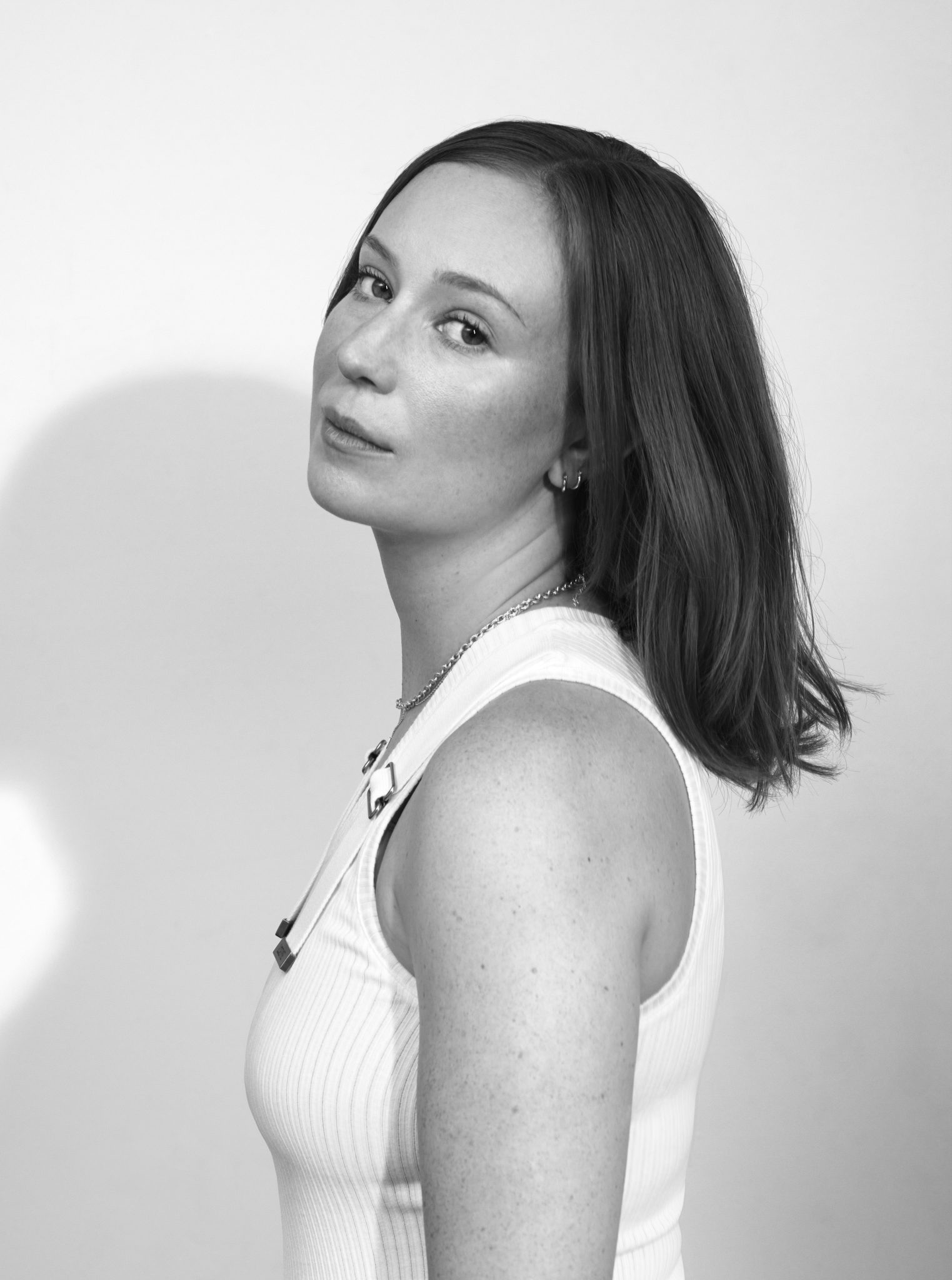
Look 3: LOEWE ribbed cotton top with engraved metal ends
Look 4: Edith Piaf graphic t-shirt from Collier’s archive; jeans Hannah’s own