


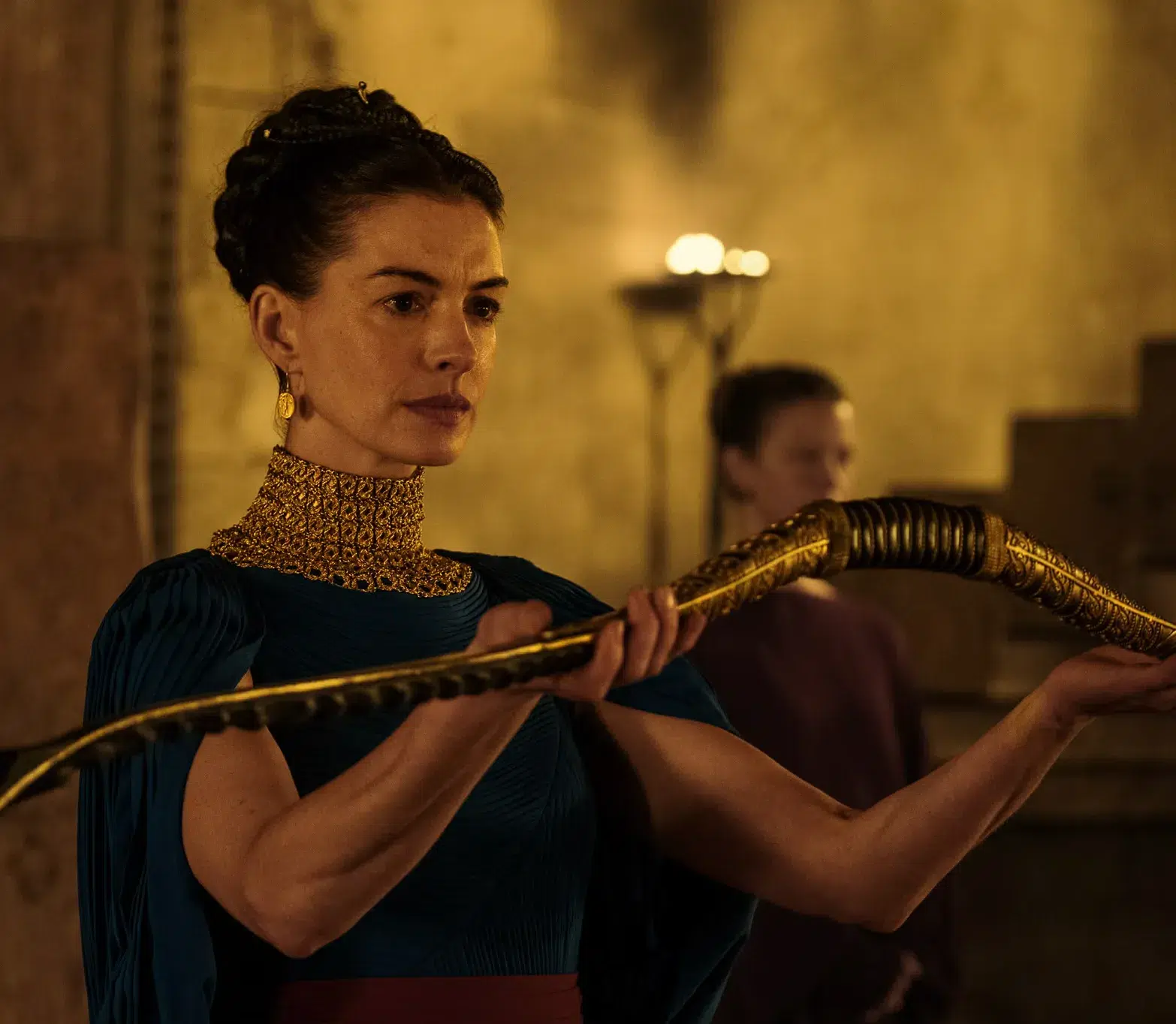
From Circe to Penelope, Christopher Nolan’s adaptation of The Odyssey has been widely praised for its refreshingly nuanced depiction of women, often overlooked in depictions of Ancient History. If you’re looking to scratch the Itacha itch further, check out these 7 books by women writers that beautifully illuminate Troy’s feminine histories.
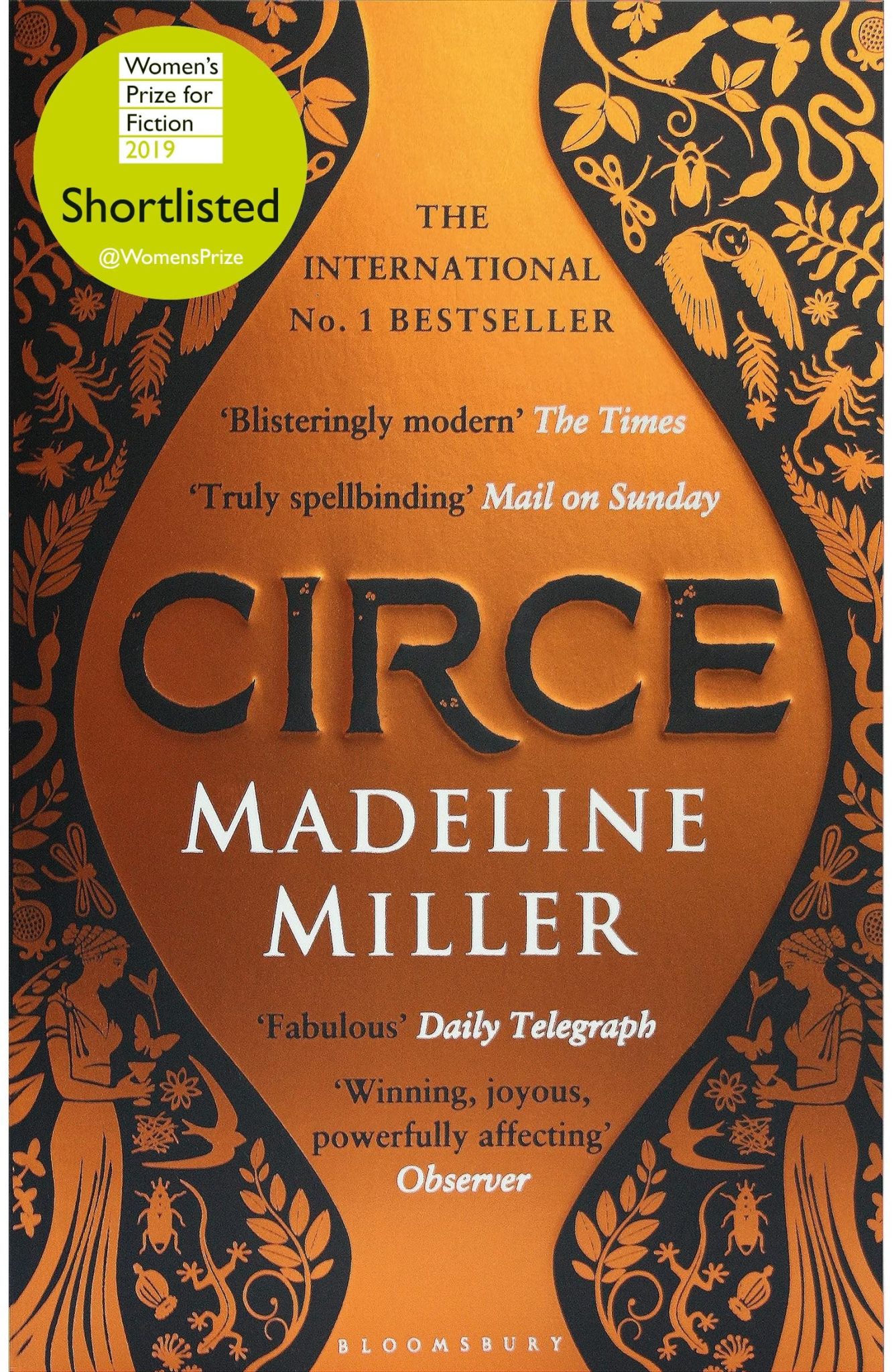
Madeline Miller – Circe (2018)
Samantha Morton deserves a supporting actress nomination for her scene-stealing turn as Circe, a witch who turns Odysseus’s soldiers into pigs. If you want more of her backstory, Madeline Miller’s Circe fleshes out Circe’s divine origins and even a love story with Homer’s hero.
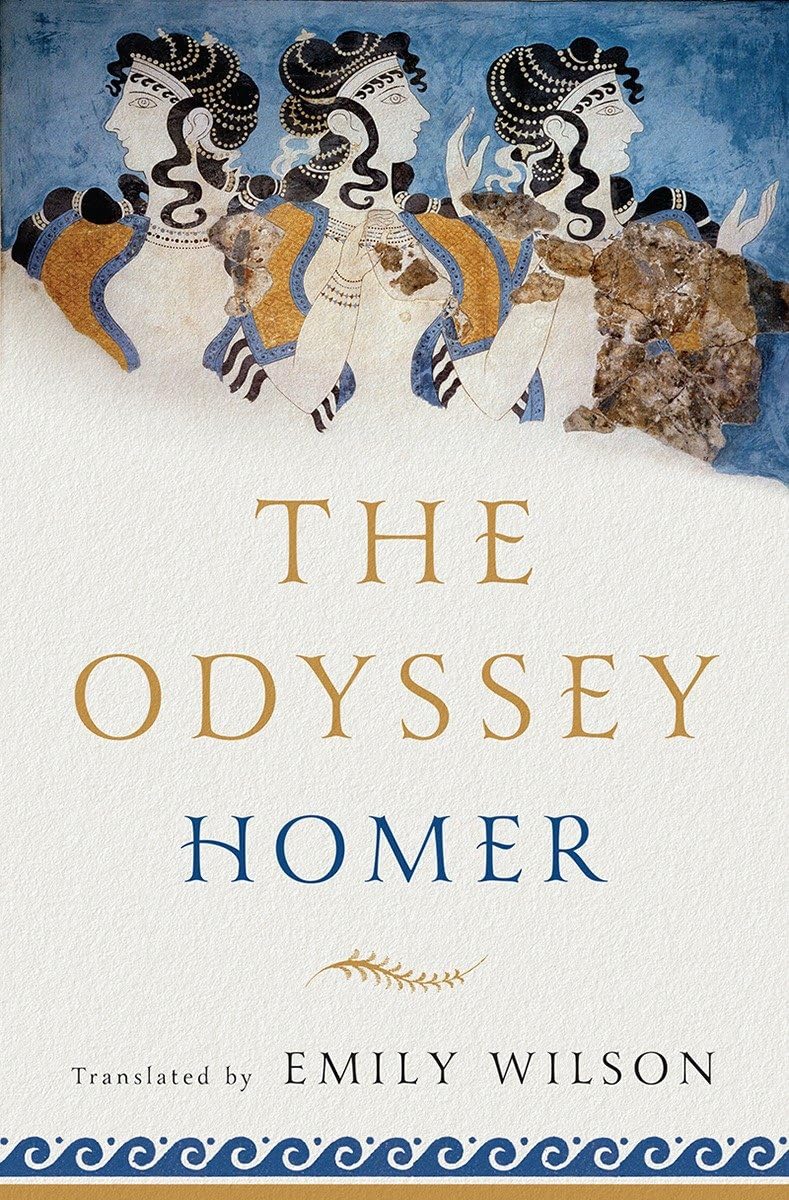
Homer — The Odyssey, translated by Emily Wilson (2017)
If you’re feeling hardcore, then may we suggest turning to the epic poem itself. Specifically, pick up a copy of Classicist Emily Wilson’s 2017 translation which reportedly inspired Christopher Nolan to take on the epic due to its striking opening line: “Tell me about a complicated man.”
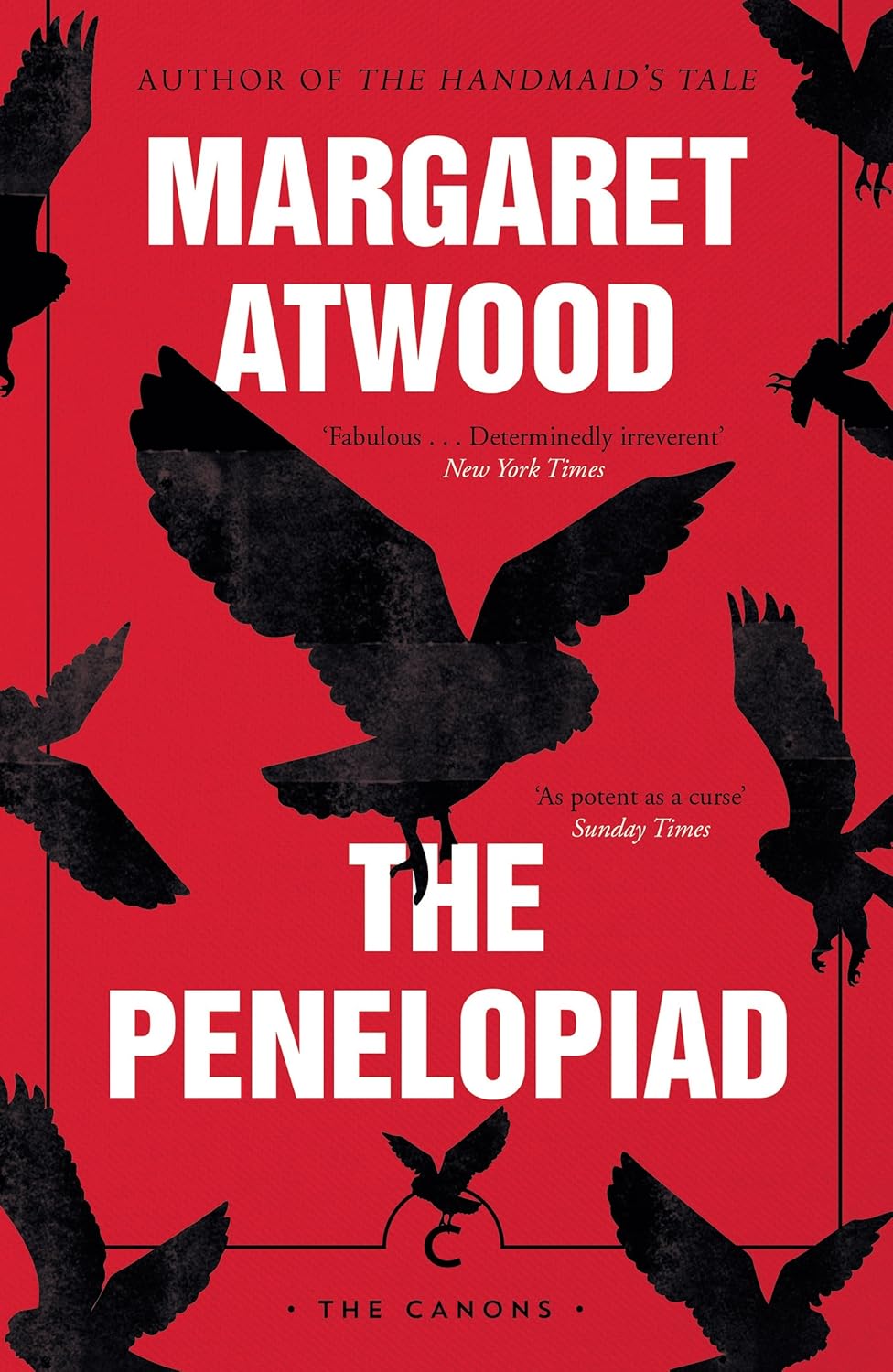
Margaret Atwood — The Penelopiad (2005)
Trust Margaret Atwood to deliver a witty but also urgent retelling of a decidedly masculine story. The Penelopiad is told from the perspective of Odysseus’ long-suffering wife Penelope, who sets the record straight from the afterlife about her 20 years of waiting in Ithaca. “I knew that the beggar was Odysseus. There was no coincidence. I set the whole thing up on purpose,” she quips.
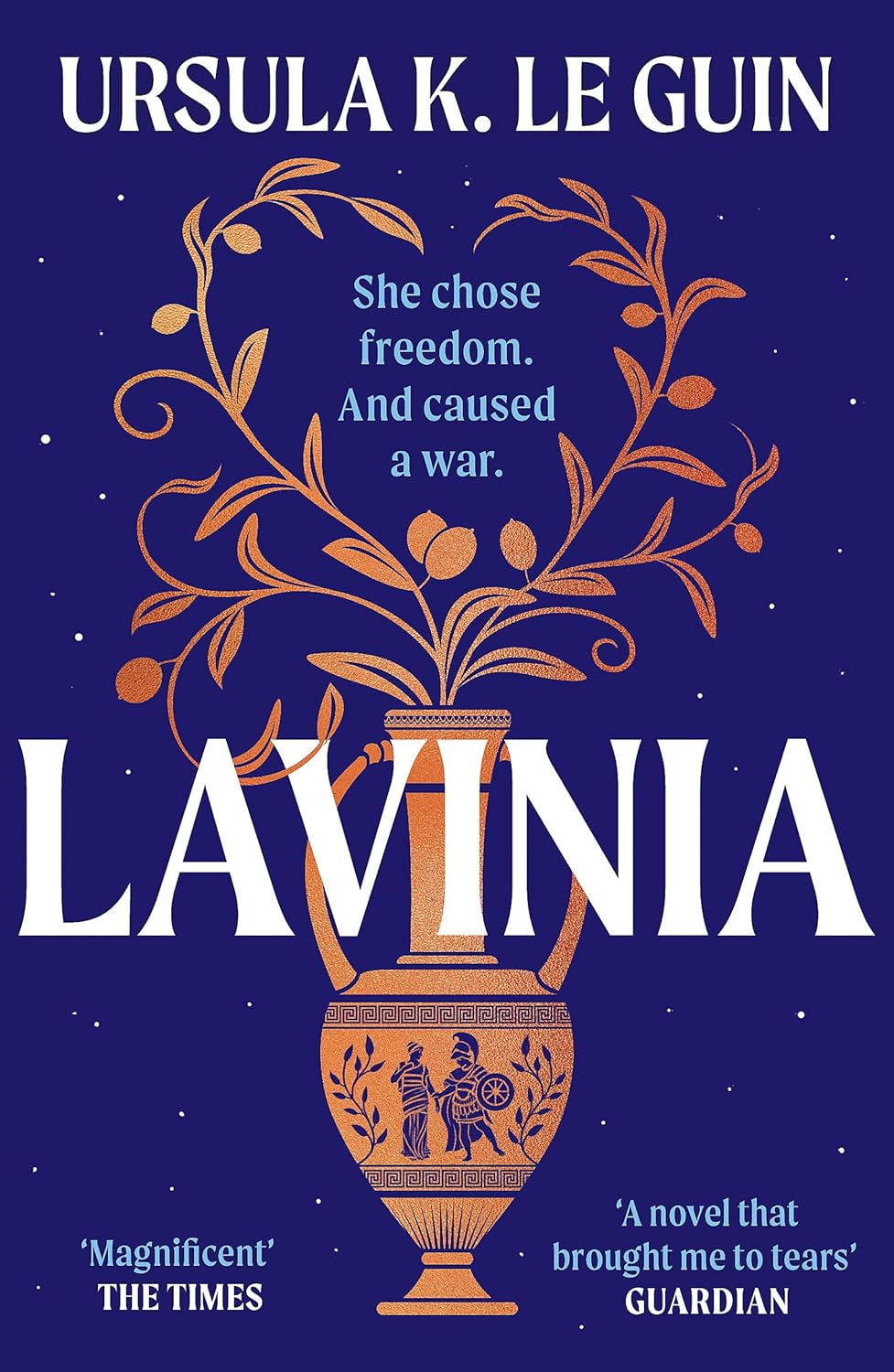
Ursula K. Le Guin — Lavinia (2008)
“Like Spartan Helen, I caused a war… I caused mine because I wouldn’t be given, wouldn’t be taken, but chose my man and my fate.” Lavinia, from Virgil’s Aeneid, is often seen as a footnote of Classical history, however Ursula K. Le Guin’s literary reimagining brings her to life with contemporary emotional depth and humour.
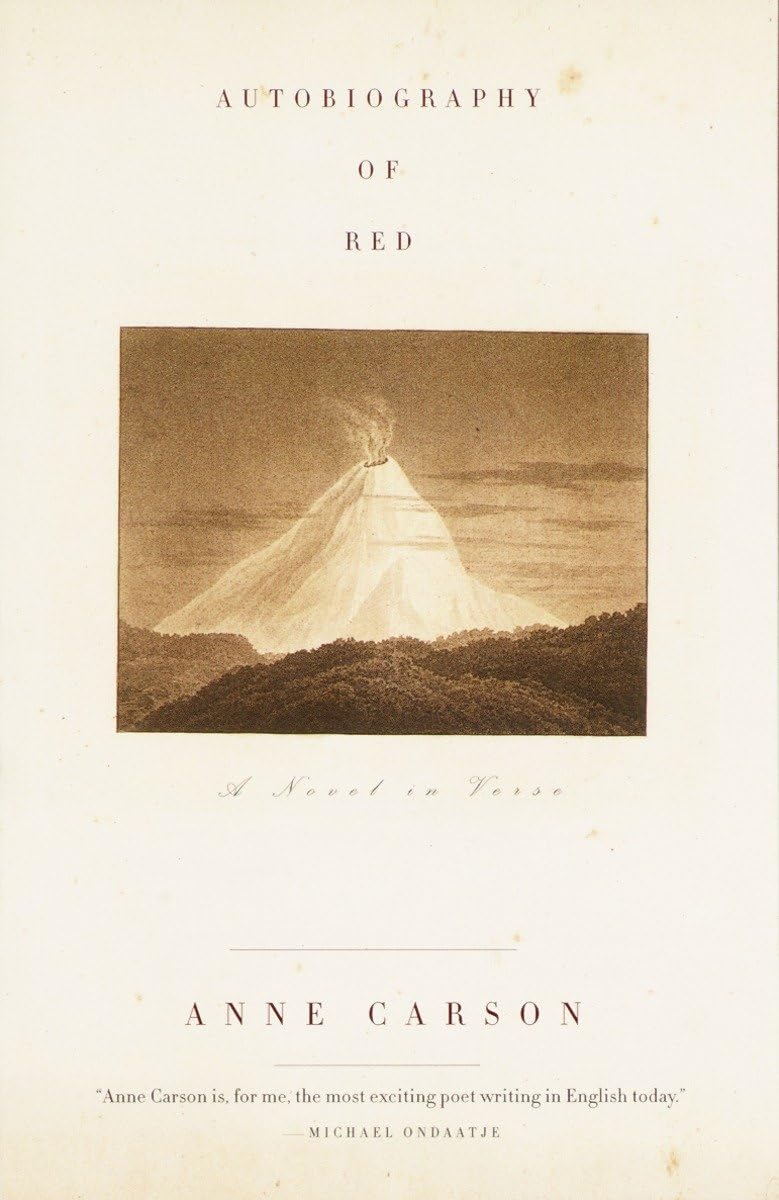
Anne Carson — Autobiography of Red (1998)
American poet Anne Carson has a deep relationship with the Greek Classics, engaging with works by Sophocles, Euripides as well as publishing graphic novel The Trojan Women: A Comic. Her standout, however, is the 1998 poem Autobiography of Red, which reimagines the Greek three-bodied monster Geyron as a forlorn queer teenager.
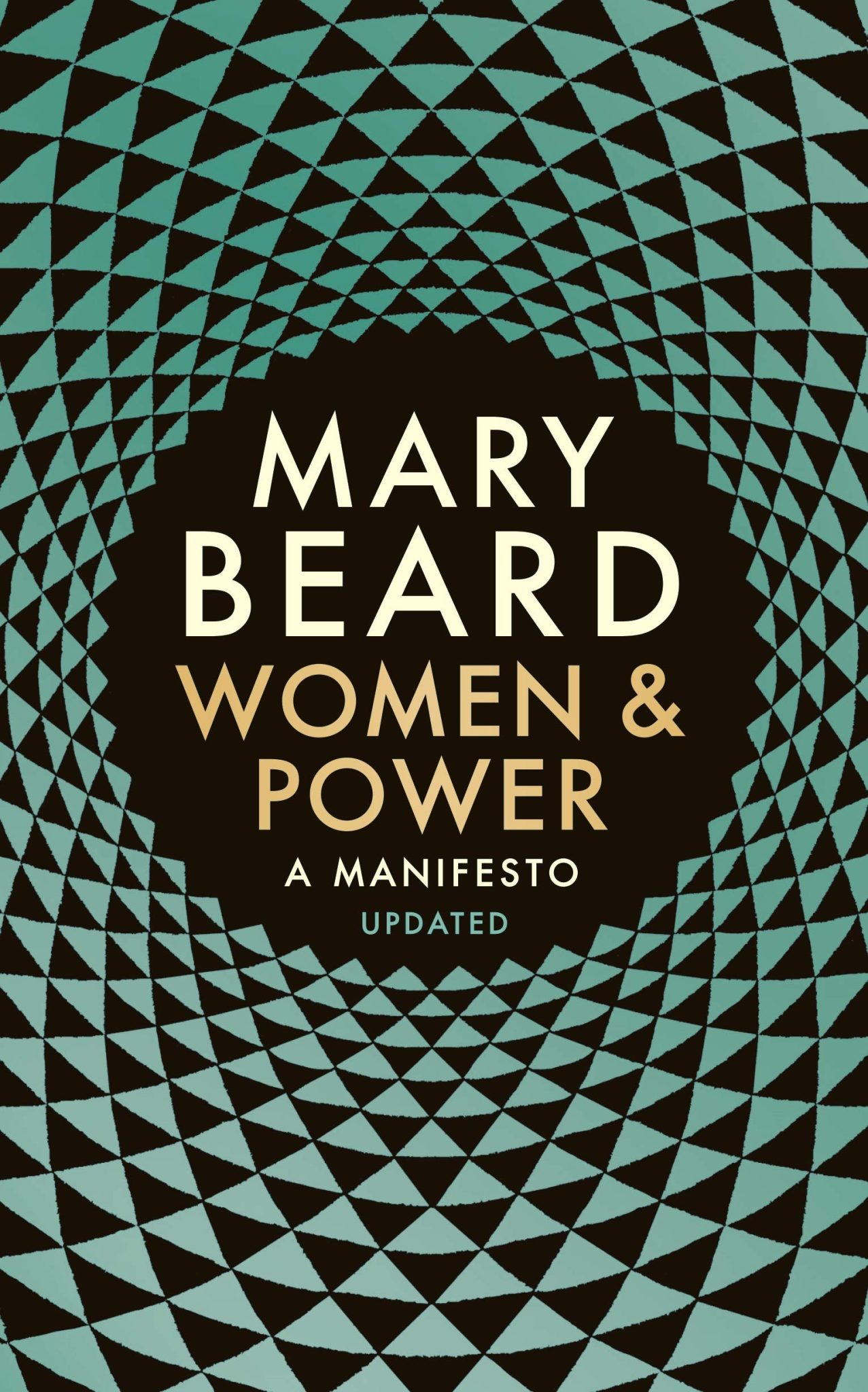
Mary Beard — Women & Power (2017)
A wider treatise on the ways in which women have been silenced, in Women & Power Mary Beard draws heavily on Homer. In particular, the Cambridge Classicist examines how Telemachus tells his mother to concentrate on domestic activities as she waits for her husband. She also notes that Book 1 of the Odyssey is the first recorded example of a man telling a woman to “shut up”.
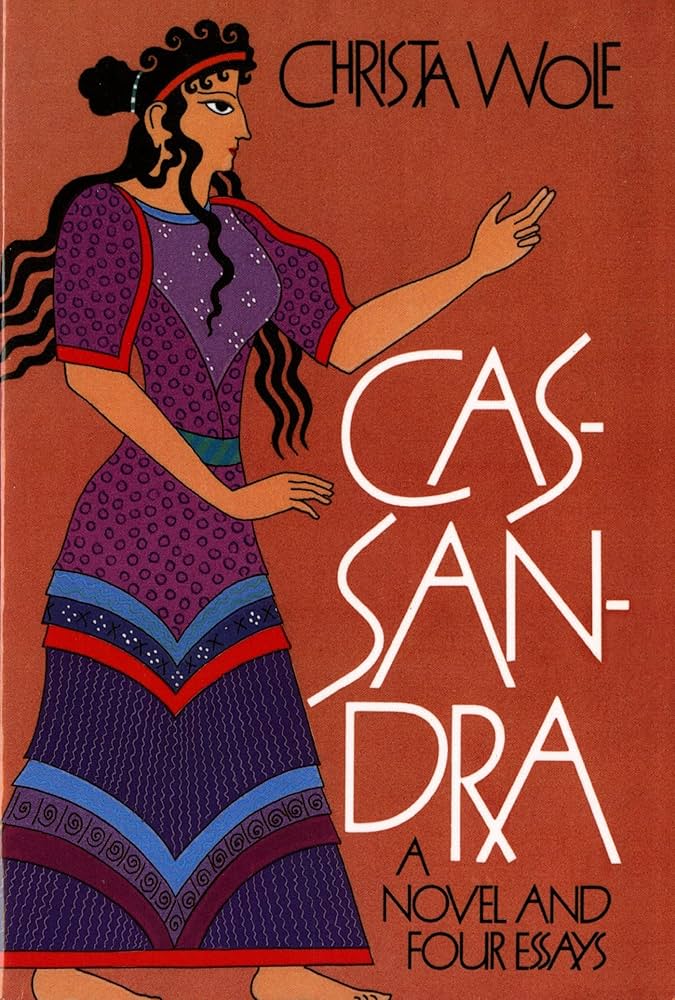
Christa Wolf — Cassandra (1983)
The award for the most silenced—and catastrophically ignored—women in (ancient) history goes to the prophetic Cassandra, who famously warned the Trojans of the soldiers hidden inside the horse. German author Christa Wolf’s Cassandra is a feminist anti-war adaptation of the epic from the doomed heroine’s persepctive.
Continue Reading