

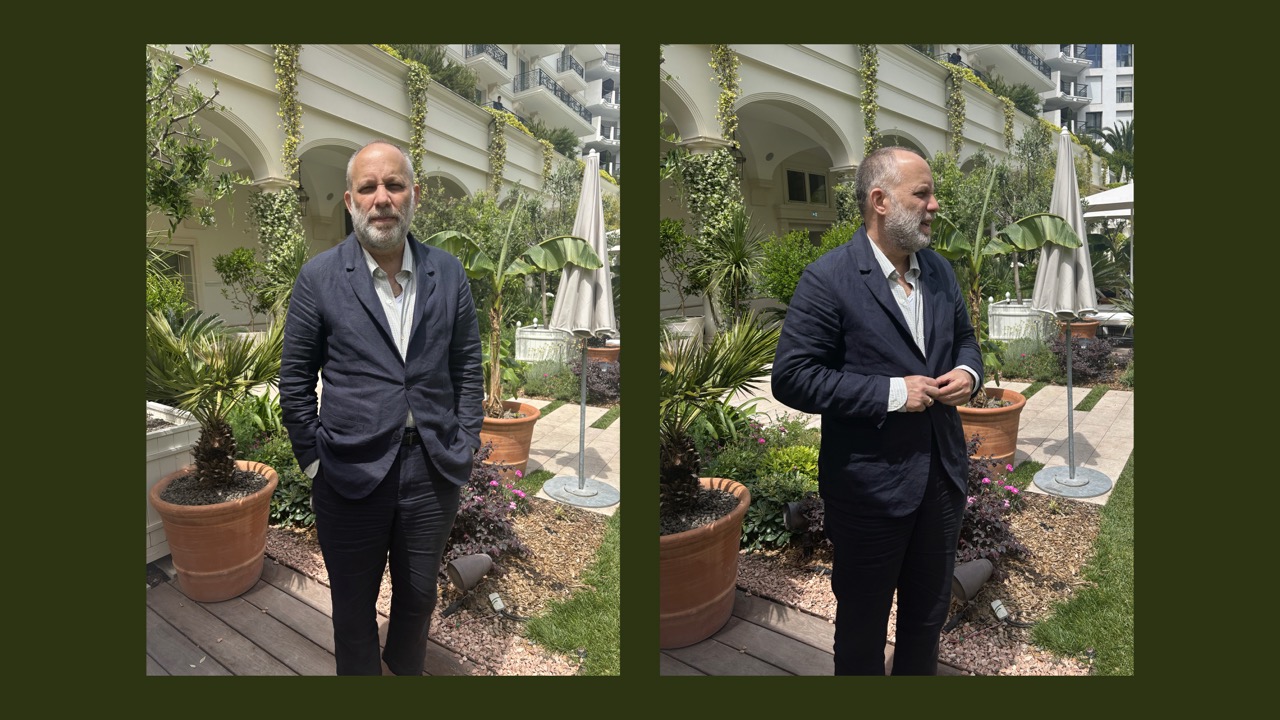
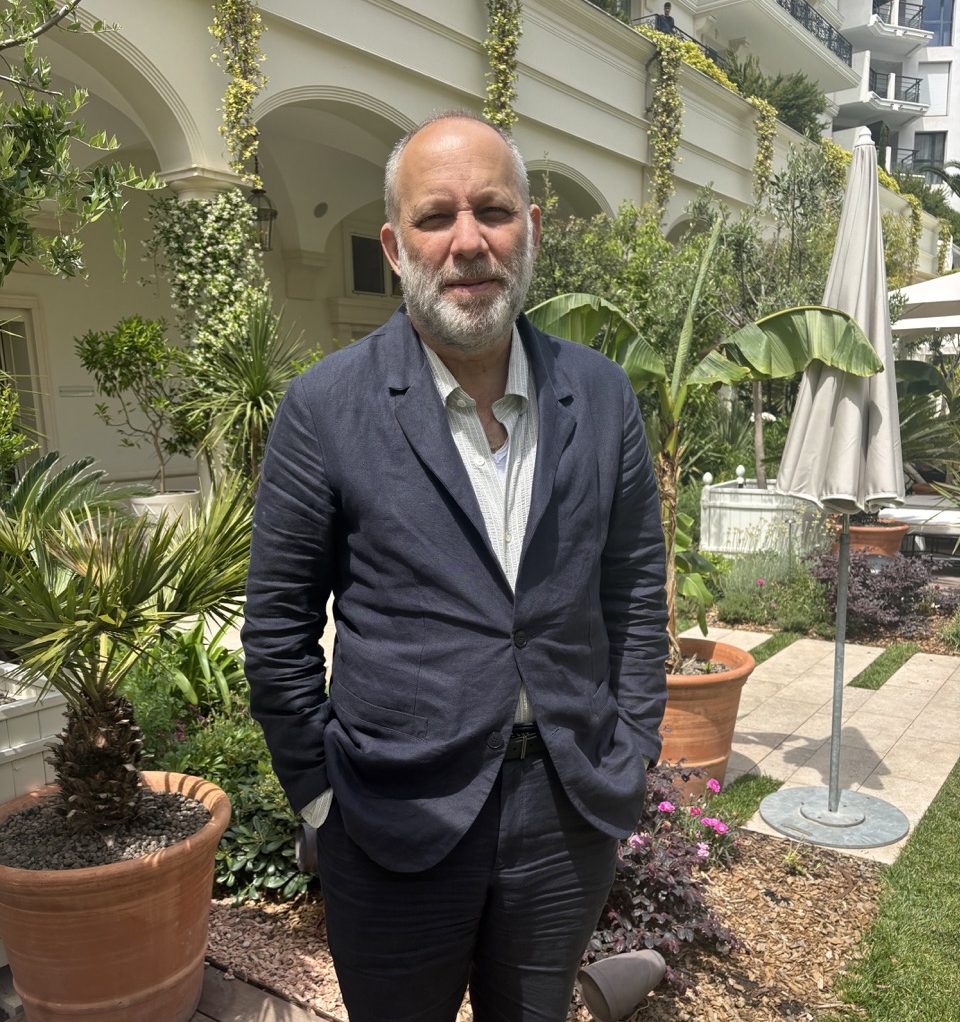
Next up in our series of quick conversations at Cannes: Ira Sachs. The director is following up his recent suite of films (Passages, Peter Hujar’s Day) with The Man I Loved, which is playing in this year’s competition. Starring Rami Malek alongside Rebecca Hall, Ebon Moss-Bachrach and Tom Sturridge, the feature follows a theatre actor living with AIDS. At the Carlton Hotel on the Croisette, we caught up with Sachs to talk about Cannes ghosts, what we can expect from The Man I Loved and his own festival picks.
How has Cannes been for you so far?
It’s been a mixture of things. It’s a market, so you’re peddling and you feel a bit like Willy Loman [in Death of a Salesman] every morning when you put on your suit and your loafers. But I’m here with a lot of really fun nice people and I have all of these layers of memory being here. I was here in around 2000 with Maggie Cheung to sell a film I made called 40 Shades of Blue and we were going door to door trying to raise money, so I can remember more desperate times.
When did you first come to Cannes with a film?
I think it was with my friend Jonathan Nossiter for a film called Mondovino and I was part of his entourage, so whatever year Mondovino was here. I’m aware of the layers of self that exist in a place like this. It’s like a Miyazaki film, we could be here with our ghosts. The Carlton in particular feels like it’s out of a movie. You could imagine [Fassbinder actress] Hannah Schygulla walking through the lobby. There’s a very old door that turns and it stops traffic, but it also stops time.
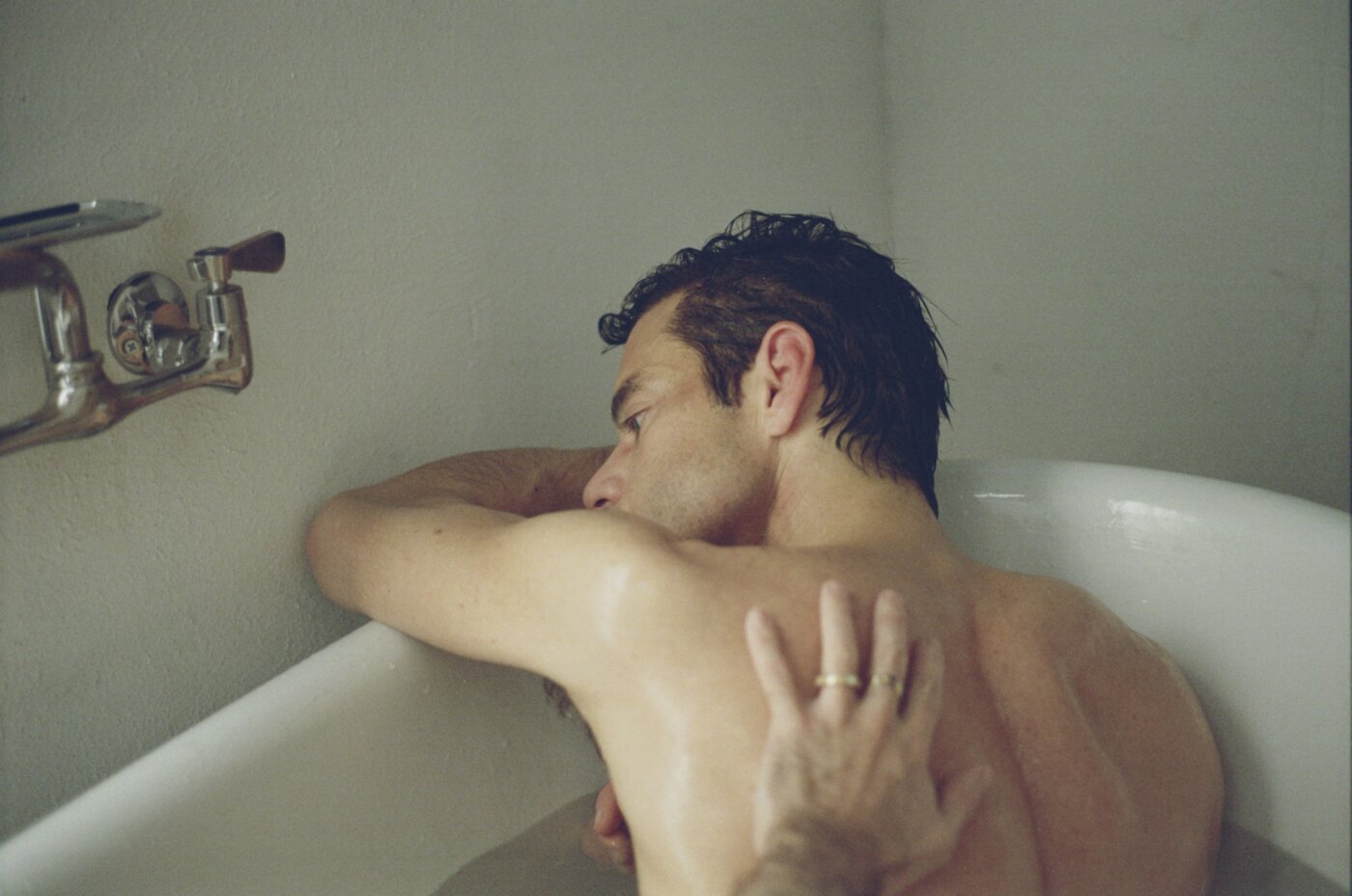
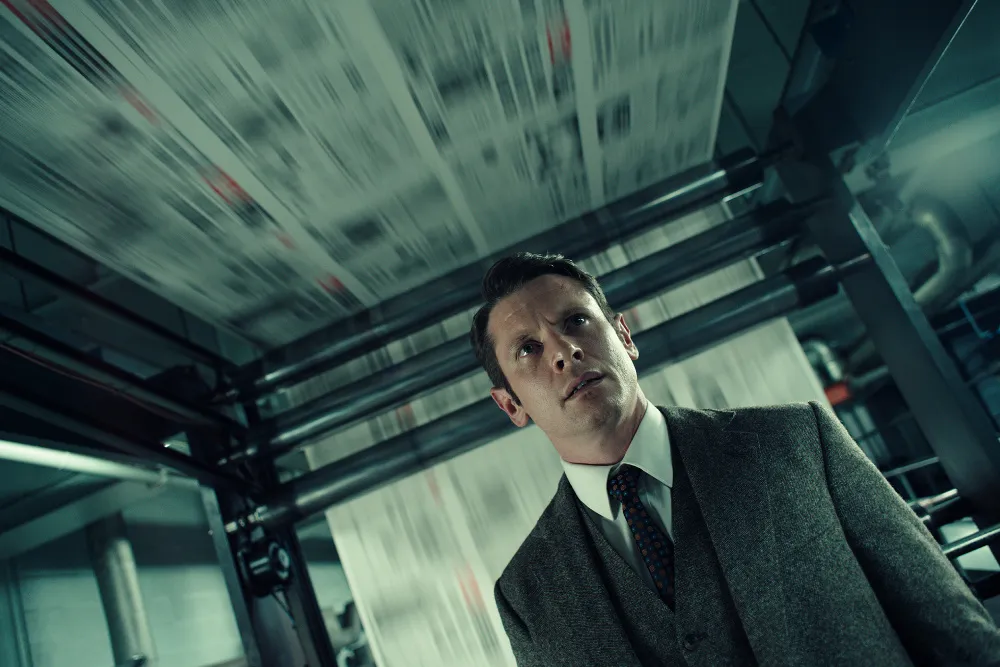
Ramy Malek in The Man I Loved, directed by Ira Sachs
How are you feeling about bringing The Man I Loved to Cannes?
I’m feeling energized and curious and I have 40 people who worked on the film, so it feels like New York is in the house. The whole crew is arriving and many of those are young people. I feel like that’s the beating heart of the film itself. Is this group of New York people making art and sharing life experiences. And it’s an opportunity for a thousand experiences beside mine. People will be lonely and they’ll be joyous and hopefully they’ll hook up and they’ll get drunk or they’ll walk home alone or they’ll feel all these different things are gonna happen that i’m not gonna have any knowledge of.
But you’re the captain of a ship in some sense.
Well, sort of, but in some way there is no captain here. It’s very different from production. Though even in production, every film I do I think about the [François Truffaut] film Day for Night, because there’s just a trail of unknown stories on the set.
And can you tell me a bit more about what we have to expect from The Man I Loved? I read it’s about the AIDS crisis?
I wouldn’t say it’s about or set at the backdrop of. I really try to avoid saying a film is about anything. Because I feel like that limits it, or it reduces it to something which it’s not. It’s set in the late 1980s in New York City and it centres on a theatre artist, a performer who is facing the end of his life and how he lives during that time. It’s really a film about living. We wrote a film that was about dying and we stopped and threw it away. And then we rewrote it. Because you can’t actively die. So for me I was trying to imagine a film filled with all the things that I would miss when I was no longer here. The question was, how full could I make this cinematic experience?

I was trying to imagine a film that was filled with all the things that I would miss when I was no longer here. The question was, how full could I make this cinematic experience?
Ira Sachs
What about the premiere itself, how does that make you feel?
I feel like I’m more curious than nervous. There was a certain point when the film worked for me that was kind of the beginning. The film is very personal to me and it expresses something that I feel very directly and emotionally. I’m sure I’ll be nervous but my kids are arriving and we’ve been talking a lot about what everybody’s going to wear. There’s a lot of sweetness. Now that I’m here I’m also reminded of how pedestrian it all is, right? There’s an aggrandizement, but at the moment it’s all very tactile.
Then there’s sort of this strange transcendence of the long applaus.
Yeah but that is meaningless. I’ve experienced that, so I know it’s just a ritual. I wish it wasn’t just a ritual because then it would actually express something. But that’s not how I hear it.
And, have you seen anything, movie-wise, that you’ve liked?
I’ve actually seen some wonderful films, which is always necessary. I really like Lisandro Alonso’s film Double Freedom. There’s one about teenagers on the island of Pompei [La Gradiva by Marine Atlan]. I really liked the Ryusuke Hamaguchi film All of a Sudden, which moved me to tears.
Continue Reading