15 minutes with Rosalie Varda: “I have sentimental memories but Cannes is the future of cinema”



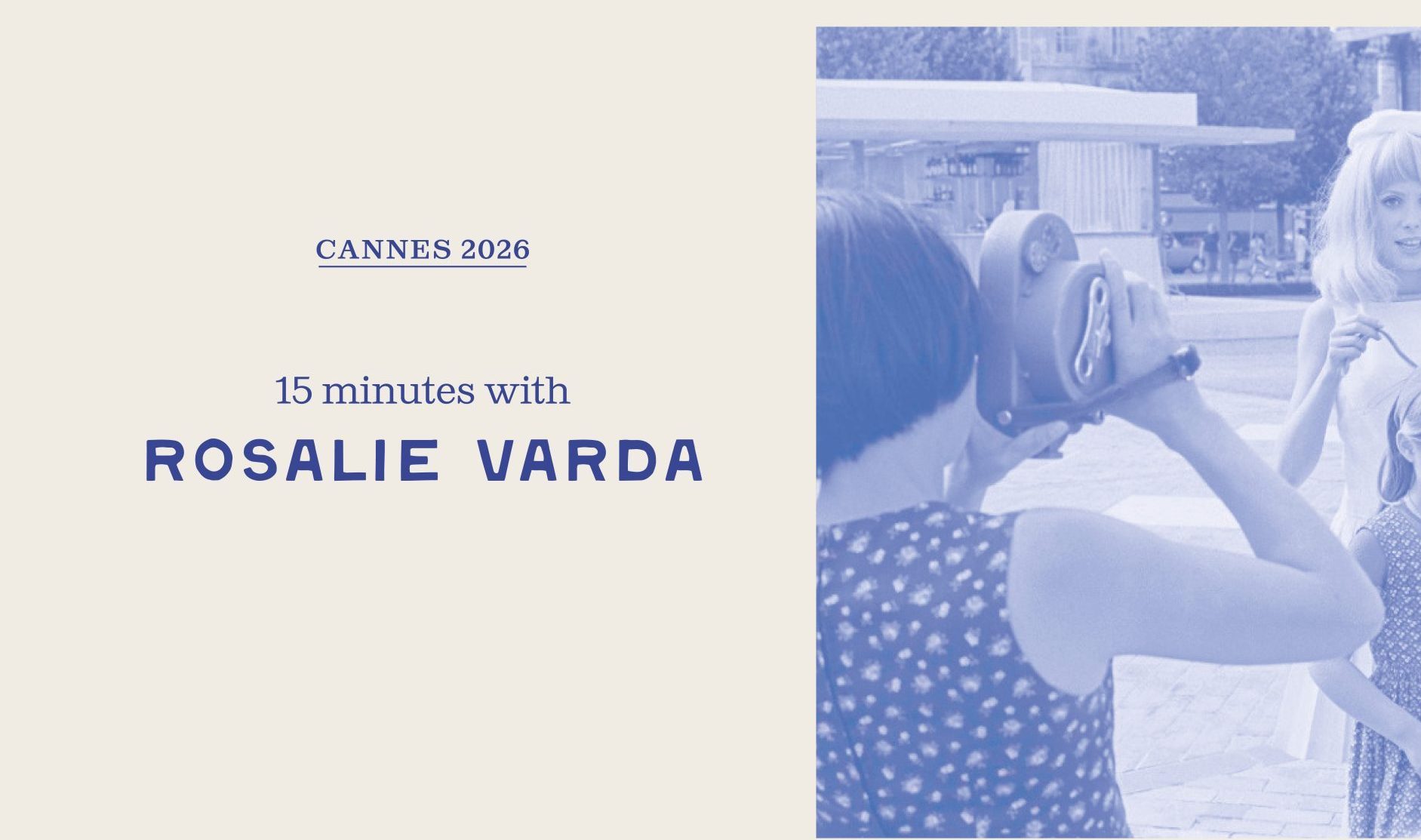
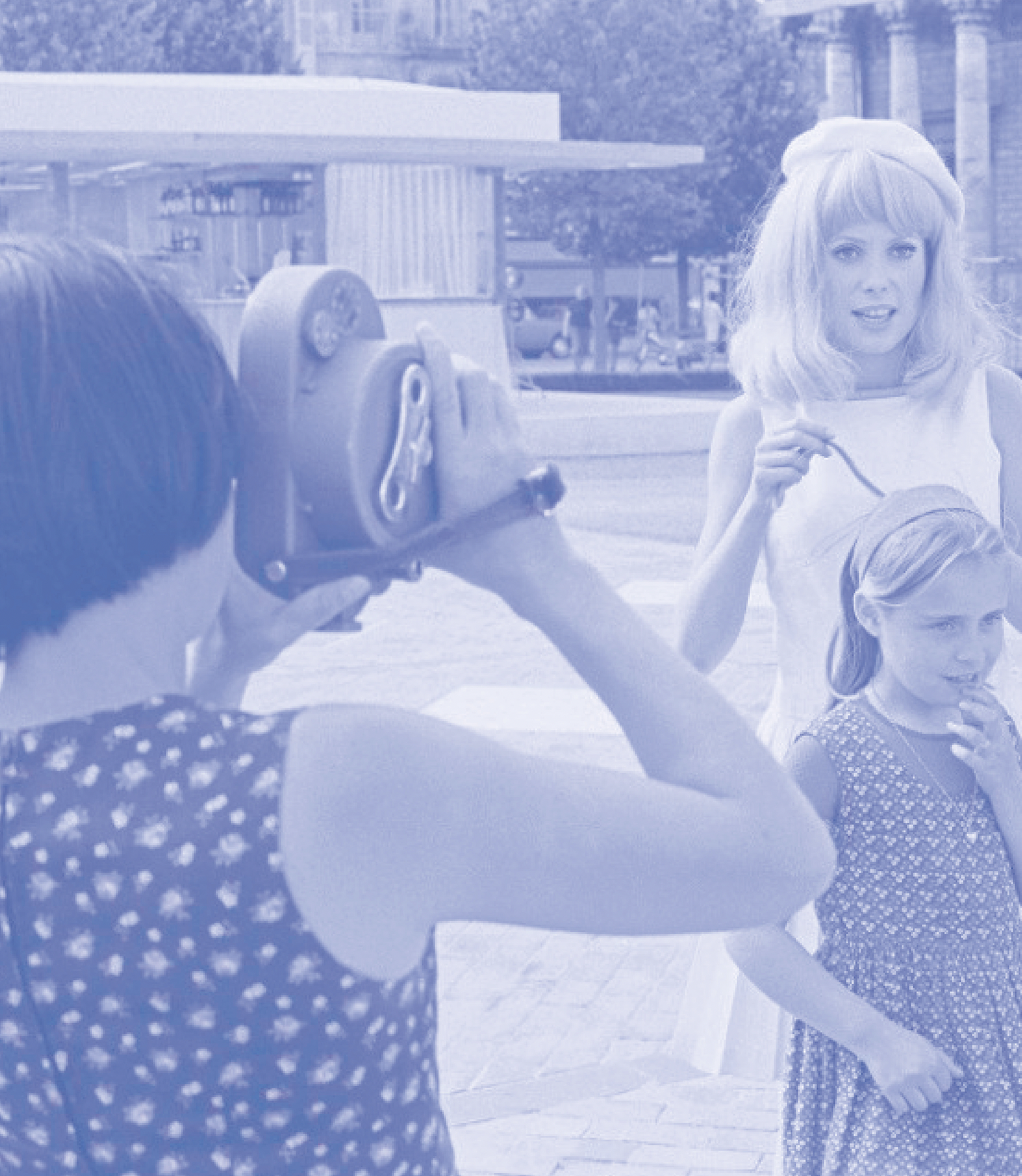
Introducing a series of quick conversations at Cannes. First up: Rosalie Varda. The producer has been coming to Cannes since 1977, first with her parents, the legendary directors Agnès Varda and Jacques Demy. She discusses her memories of the festival, where her parents liked to hang out on the Croisette and the luxury of watching three films a day.
Hi Rosalie! How has Cannes been for you so far this year?
Well, Cannes is always an extraordinary adventure every year because, first of all, it’s the biggest film festival in the world… You have the cinéphiles, the business market, the talents. And the diversity of the festival, including La Quinzaine, la CIDE, la Semaine de la Critique, and the market, is kind of extraordinary. Everybody is living on cinema, for cinema, around cinema, and talking about films.
I was listening to the press conference and, and I think, even though the world is getting crazy and it is so dramatically awful, we have to fight for culture. We have to fight for artists that are able to speak about the world, to speak about humanity, to speak about everything. In France now, there is really a very big challenge, is that we have to fight to protect— to protect— and this I really want you to write it down— to protect the CNC, le Centre National du Cinéma et de l’Image Animée. And we have to protect the audiovisual. We have to protect this because we have to protect our democracy.
When did you first come to Cannes?
I’ve been coming for a very long time, but I think it was when my father Jacques Demy was on the jury, in 1977. I was 19, and at that period there was not the big Palais like we see here. It was where the Hotel Marriott is now. And there was a bar called the Blue Bar that was next to the festival, and I used to go there with my parents.
What do you think of this year’s lineup? Because obviously people have been saying, you know, there’s less American cinema, there’s less studios, and like, what do you think? What are you excited about?
Well, it’s very difficult to make a selection. Sometimes films aren’t ready, and sometimes, for various reasons, they can’t come to Cannes. It’s always easy to criticise, and every year I hear people saying, “Oh, this year the selection is bad.” But it’s not that simple. If you look closely at the selection, you’ll see films from many different countries and a wide variety of styles. Ultimately, it reflects a particular point of view. La Semaine de la Critique represents the perspective of its committee, who choose the films. Thierry and his committee do the same, and La Quinzaine works in a similar way. You may not agree with their choices, but the important thing is to watch the films and form your own opinion.
She’s still here with the Salle Agnès Varda, I’m looking at it right now. I really thank Thierry Fremaux for doing it. She means a lot for the young generation who really find in Agnès a kind of energy to make her films, to battle and to exist as an artist. And not only as a woman, but as an artist, as a film director, as a visual artist.
You mentioned your father, Jacques Demy. What about your mother? What did the festival mean for her?
Oh, well, the festival meant a lot to her. She came in 1954 with her first film called La Pointe Courte, and she came by train with the 35mm copy of her film. Imagine, on the train! And she did a little screening in a cinema in Cannes during the film festival.
She maybe didn’t come every year, but she came often. She was on the jury [in 2005]. And she came with The Gleaners and I, I think in 2000. Yeah, she was out of competition. You can check that on your computer too. And it was very important for her because it was the shift in her filmography where afterwards she only did documentaries. And it was the first film she shot with her digital camera. And really it was important for her because it put her in front of the cinema industry again. And then, you know, she came a lot for a lot of important events, like the red carpet thing with all the film directors and actresses and talents like Cate Blanchett [a gender equality protest in 2018].
She’s still here with the Salle Agnès Varda, I’m looking at it right now. I really thank Thierry Fremaux for doing it. She means a lot for the young generation who really find in Agnès a kind of energy to make her films, to battle and to exist as an artist. And not only as a woman, but as an artist, as a film director, as a visual artist.
Do you have a most standout memory from all the times that you’ve been here?
We came here in 2017 with Agnès and JR for the screening of Faces Places. It was a very sentimental moment when we came into the Grand Théâtre Lumière and there was a standing ovation, not only for the film, but for Agnès. Because everybody knew it was her last film. She was already sick. It was so intense. And what was extraordinary is that after the screening, the applause was for the film. You see what I mean? The difference.
And the other big memory, of course, they are related to my parents, is the year when my father died in 1990. And in 1991, there was the screening out of competition of a film of Agnès called Jacquot de Nantes. And there were a lot of actresses that worked with my father on stage. That screening was kind of magic. Because this film is how Agnès explored Jacques’ childhood and to share how he really wanted to be a film director since he was 9 or 10 years old. It was very beautiful to see that on the big screen. I have very sentimental memories here. But at the same time, Cannes is the future of cinema.
Is there one film that you’re particularly excited about seeing?
No, I’ll watch many films. I really like to have my own opinion. I’m not a critic. I’m not a historian of cinema. So I like when a film gives me an emotion, whatever the emotion is, I think it’s important. And the fact to be able to watch three films a day is quite extraordinary, you know, it’s a luxury. When we see the world that is in war and, you know, fires everywhere, we have to realise the privilege where we are.