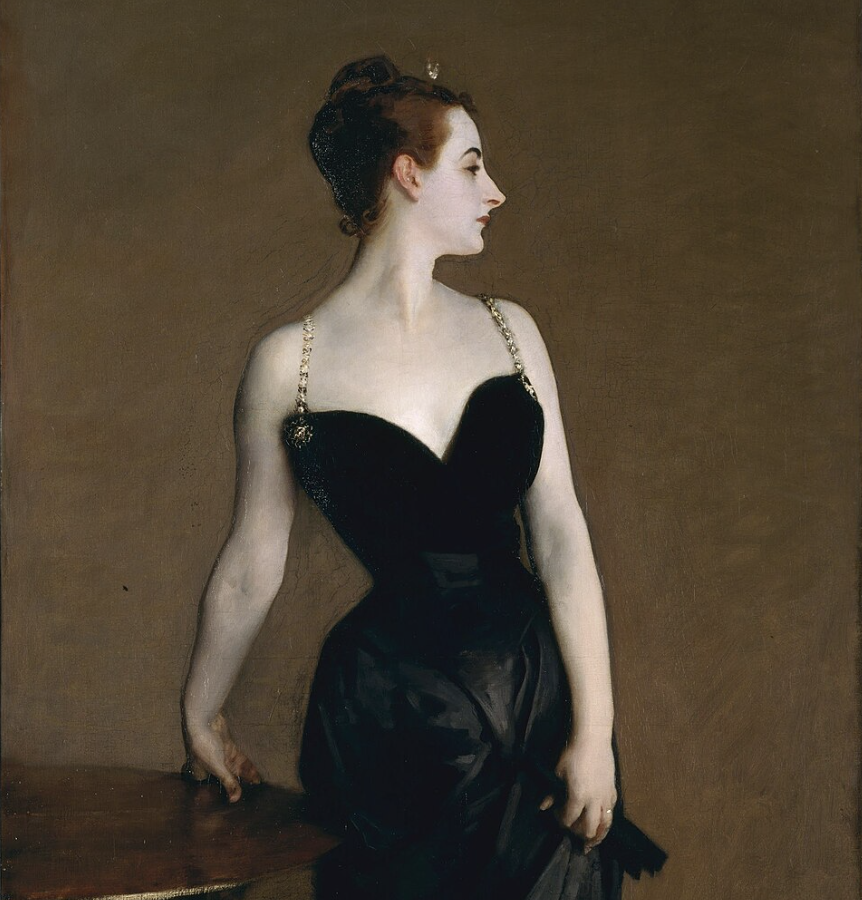
A prize jewel in the Met’s collection, John Singer Sargent’s portrait of a woman in black scandalised the public when it was revealed in 1916. As seen on the Met Gala red carpet, it still has the power to provoke.
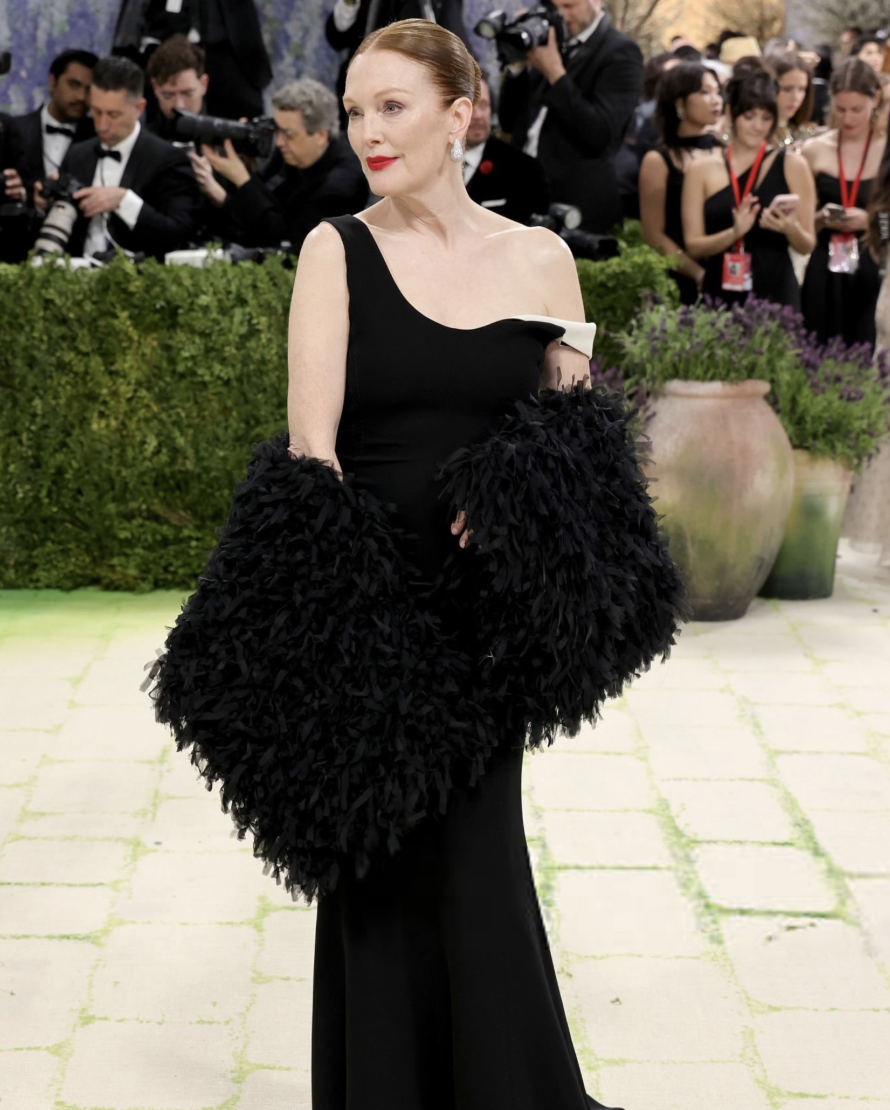
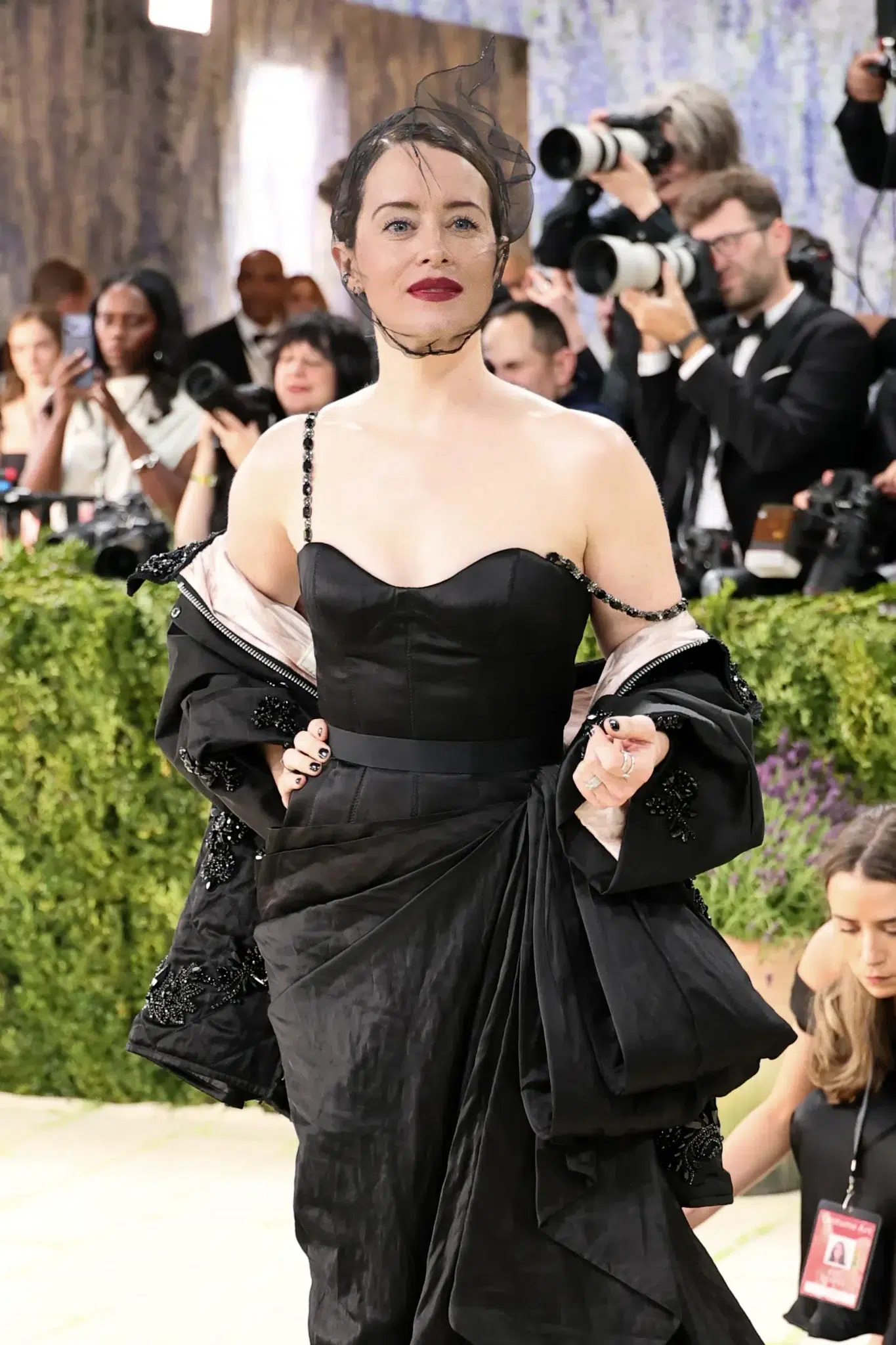
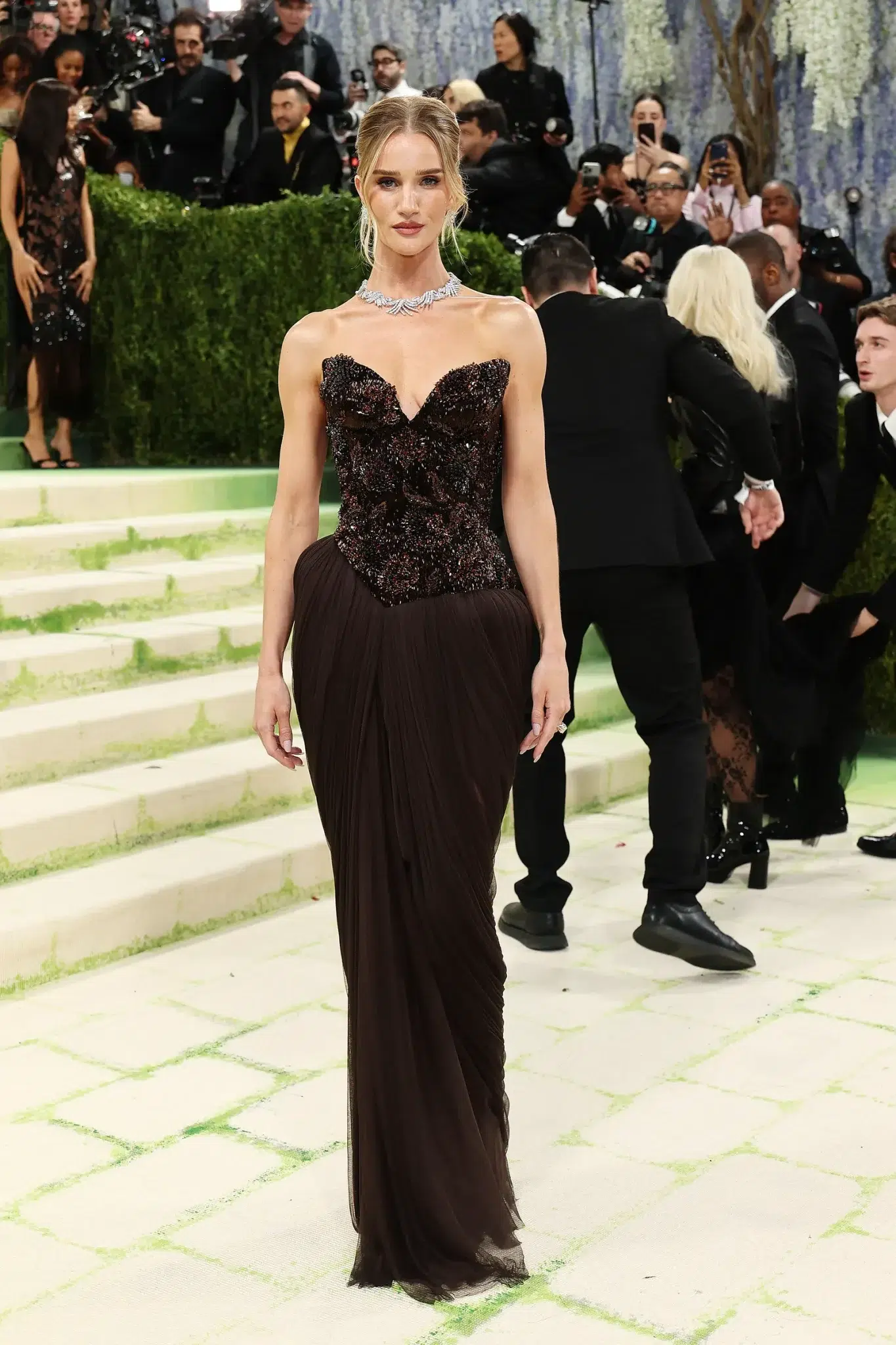
No less than four of Monday night’s Met Gala looks recreated John Singer Sargent’s Portrait of Madame X, including Lauren Sánchez Bezos, Julianne Moore, Claire Foy and Rosie Huntington-Whiteley. When first displayed in 1884, the painting was met with furour, forcing Sargent to keep it under wraps for over 30 years before eventually selling it to The Metropolitan Museum in 1916. Since then, Madame X has become a prized jewel in the Met’s crown, but even with the choice of 1.5 million works in the museum’s collection to recreate, Madame X was the belle du jour at 2026’s Met Gala.
Madame X—or Madame XXX as it was originally entitled—depicts a 24 year old Virginie Amélie Avegno Gautreau, an American-born Parisian socialite. Sargent found her “strange, weird, fantastic, curious”. Beguiled by her luminescent alabaster skin, striking features and nipped waist, he was determined to have her sit for him. It took months of persuasion for Gautreau to agree, but finally in the winter of 1883, she did.
Gautreau is said to have enhanced her violet-toned skin with different powdered concoctions, adding rogue to her ears and cheeks to further exaggerate her pale complexion. Sargent played into this contrast, painting her in a black satin dress against a rich, chocolately-brown backdrop. But the contrast in Madame X isn’t only pictorial. For centuries, the white female body had come to symbolise purity, modesty and high-social status. Sargent’s choice to flaunt Gautreau’s splendor with a plunging neckline and proud posture subverted these tropes, and nodded to her reputation as a “professional beauty” and philanderer.



The loaded portrayal of female figures goes back centuries, with women depicted more for their symbolism than humanity. Elements of Titan’s 1536 painting Girl in a Fur find their place in Sargent’s Portrait of Madame X. Against a similarly dark background, a half-naked woman clutches fur around her body, her right shoulder exposed as the fur slips. Her pearly skin is also kissed with blush. In this case however, her semi-nudity is acceptable as the work is based on the classical art pose Venus pudica (“modest Venus”), in which the goddess keeps one hand covering her breasts while the other conceals her pubic area, most famously in Botticelli’s The Birth of Venus.
Women in far more vulnerable states than Gautreau had long been painted, but were typically couched in mythology and religion. Perhaps why Madame X was met with so much outrage when unveiled at the Paris Salon was because it made no attempt at such classical allusions. Although, miniature crescent moons are encrusted onto Gautreau’s straps, a symbol tied to Diana, the Roman goddess of the hunt. A further, albeit intricate, hint to the perception that Gautreau was frequently on the prowl.
Gautreau wasn’t officially named as the subject in Madame X, but she was unmistakable. Already known amongst high-society as a promiscuous woman and infiltrator of elite circles, audiences scorned what they perceived to be her haughty poise and highly made-up face. But it was her suggestively slipped dress strap that really set things ablaze. Albert Woolf, a critic for Le Figaro, wrote at the time, “One more struggle and the lady will be free”. Back in his studio, Sargent readjusted the fallen strap. Following the scandal he fled to London, fearing his reputation in Paris was destroyed, yet for almost 150 years, Madame X has endured as the blueprint for brazen female confidence.
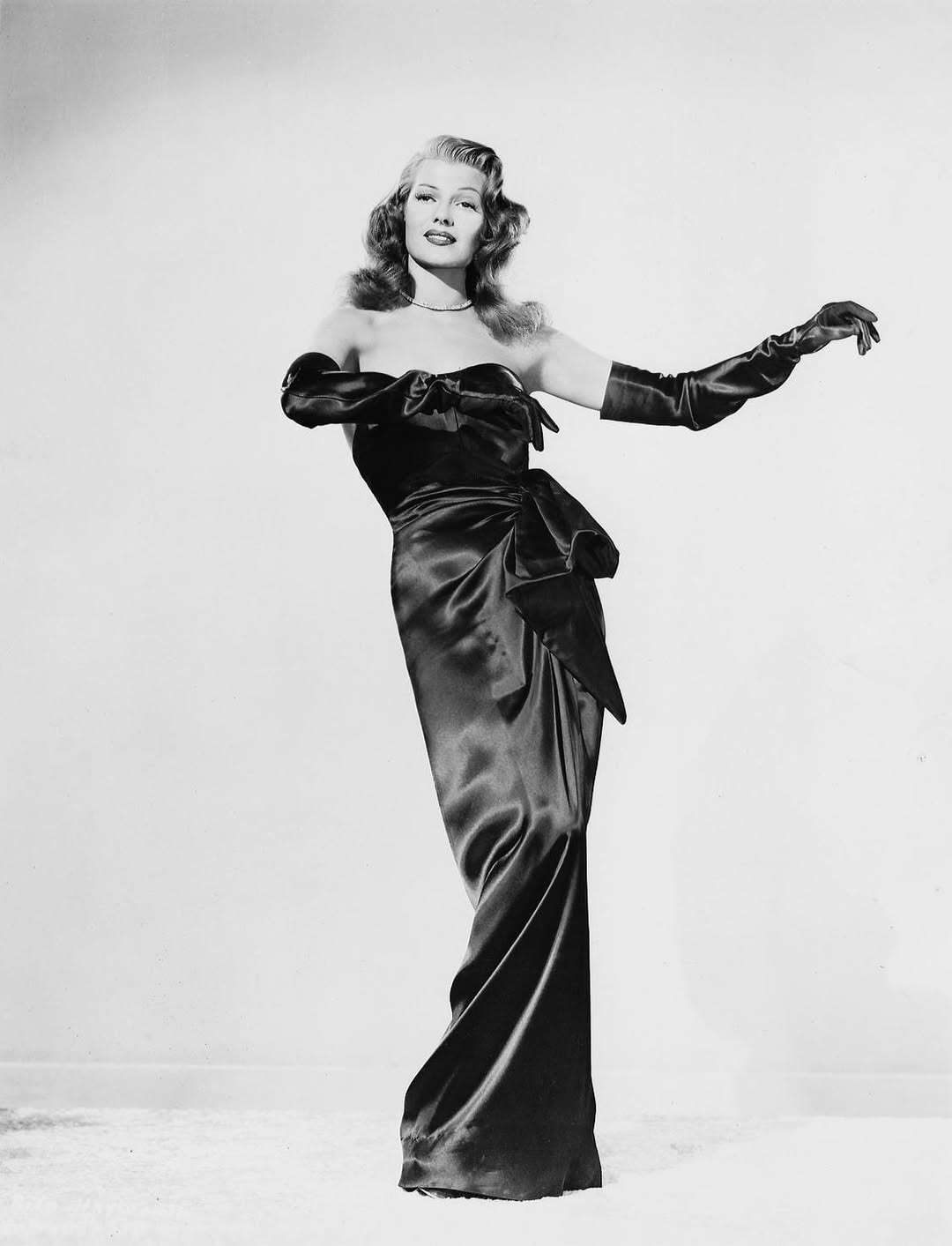
Rita Hayworth in the 1946 film noir Gilda
In the 1946 film noir Gilda, the titular femme fatale played by Rita Hayworth, wears a dark strapless gown that costume designer Jean Louis said was directly inspired by Madame X. Hayworth wears the dress while performing the big band number, “Put the Blame on Mame”, wiggling, sauntering and seductively removing her satin gloves before she throws them into the obliging crowd. It’s a befitting ensemble for a character presented as sumptuous and sensual, and one that cemented Hayworth as a Hollywood bombshell.
Stepping out a car one summer evening in 1994, Princess Diana instantly made fashion history. Her revenge dress is infamous, a calculated choice considering that very same evening Prince Charles was appearing on national television and admitting his infidelity. Of course she had to look devastating, and nothing but black, strapless and plunging would do. Diana had already owned the dress for three years but avoided wearing it, fearing it was “too daring”, but daring was exactly what she needed to look that night. Christina Stambolian who designed the dress compared Diana to the Odile, the black swan in Swan Lake. Uninterested in victimhood, Diana “chose not to play the scene like Odette, innocent in white,” Stambolian said, “She played it like Odile. She was clearly angry.” Diana’s take on Madame X was what covered the front pages the next morning, overshadowing Charles’ attempt to claim the narrative.
But perhaps Diana first channeled Mme Gautreau 13 years earlier when she made her debut royal appearance at a charity concert in 1981. Once again black and strapless, Diana’s taffeta gown by the Emanuels broke royal protocol. Speaking to her biographer Andrew Morton, Diana said, “I remember walking into my husband-to-be’s study, and him saying, ‘You’re not going in that dress, are you?’ I replied, ‘Yes, I am.’ And he said, ‘It’s black! But only people in mourning wear black!’”.
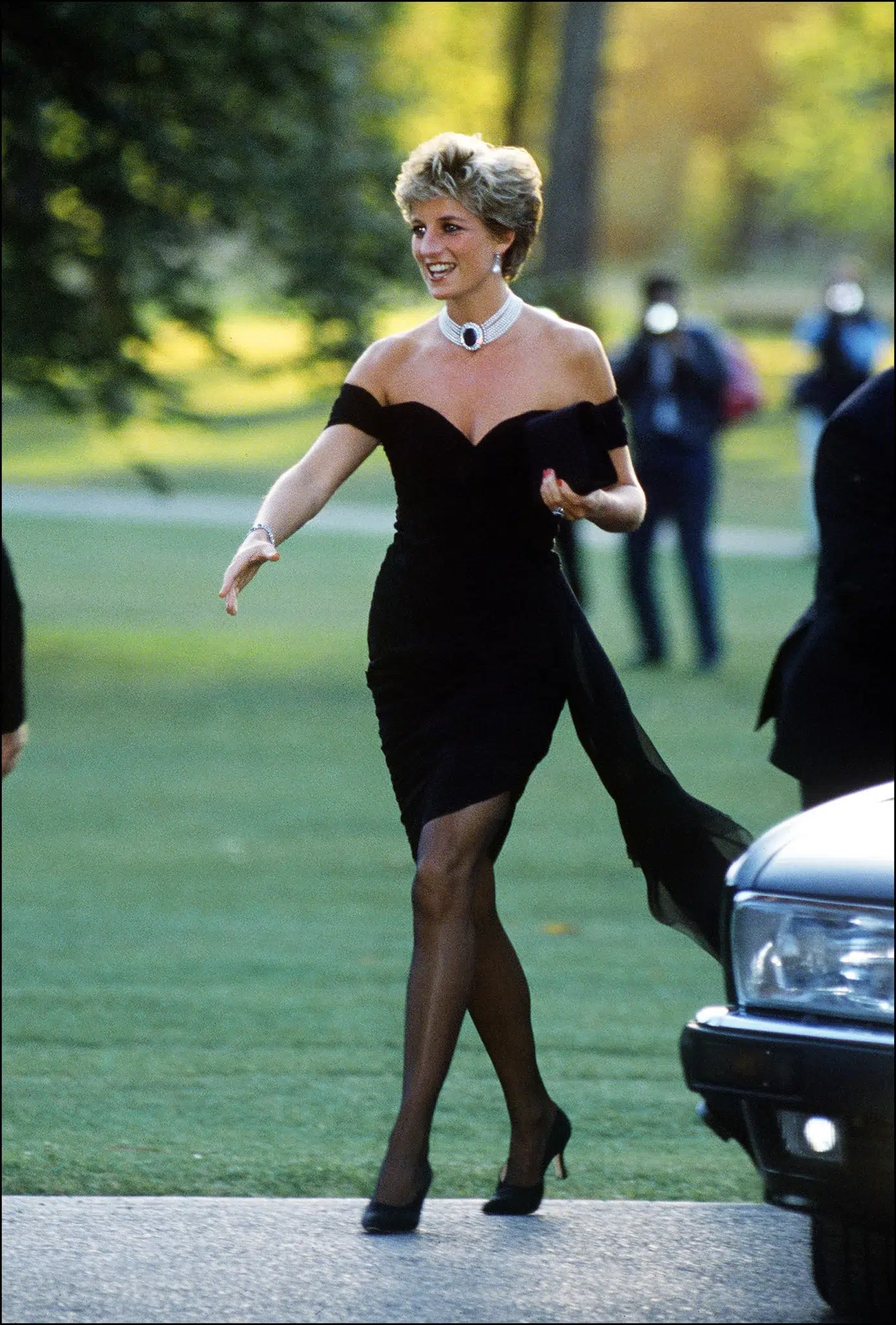
Diana in her 1994 ‘revenge dress’
Madame X has been recast in culture sporadically, culminating in this year’s Met Gala as its most concentrated celebration. For American Vogue’s June 1999 issue, photographer Steven Meisel reimagined a series of Sargent’s works starring Nicole Kidman. For Madame X, Kidman wore an Oscar de la Renta gown and almost perfectly mimicked the original painting; even her auburn hair was the same hue as Gautreau’s. In 2019, Madonna released her studio album Madame X, following her declaration on social media that Madame X was her alter-ego. Her 2021 documentary film bears the same name. And last year, Anne Hathaway was photographed by Annie Leibovitz for Vogue. As Hathway stands beside the painting in situ, Gautreau looks on with her slender, fox-like profile.
The theme of this year’s Met Gala was ‘Fashion is Art’, relating to the Costume Institute ‘Costume Art’ exhibition, so unsurprisingly many of the attendees paid homage to the museum’s collection. Chloe Malle wore a fiery orange gown inspired by Frederic Leighton’s Flaming June, Hunter Schafer dressed as Mäda Primavesi by Gustav Klimt, and there were multiple looks in Yves Klein blue.
In satin Schiaparelli, Met Gala sponsor and honorary chair Lauren Sánchez Bezos—whose billionaire husband Jeff Bezos sponsored the event this year—knowingly referenced Madame X. Cinched in tight at the waist, the silhouette mirrored Gautreau’s, with one of the bejewelled straps also worn slipped. Speaking to Vogue, Sánchez Bezos says she was drawn to how “the image represents how fashion and cultural standards can shift over time. Today, a strap is a strap, but back when Madame X was painted by Sargent, a strap was a scandal.”
With painted scarlet lips and her copper hair twisted into a chignon, Julianne Moore was the vision of Madame X in a custom Bottega Veneta silk crepe dress and organza stole. But this wasn’t Moore’s first time emulating Gautreau. For the May 2008 issue of Harper’s Bazaar, Moore was photographed by Peter Lindbergh, faithfully recreating the original painting.
Claire Foy wore a draped crush satin gown by Erdem, with a crystal-embroidered Barbour jacket shrugged off her shoulders, exaggerating the fallen strap of the original painting. “In a way, it pre-dates the idea of the exposure of the body and the overt sexuality in a dress,” said Erdem Moralıoğlu of Madame X. The look was completed with a veiled headpiece that dialed up the sultry tone Sargent so potently captured.
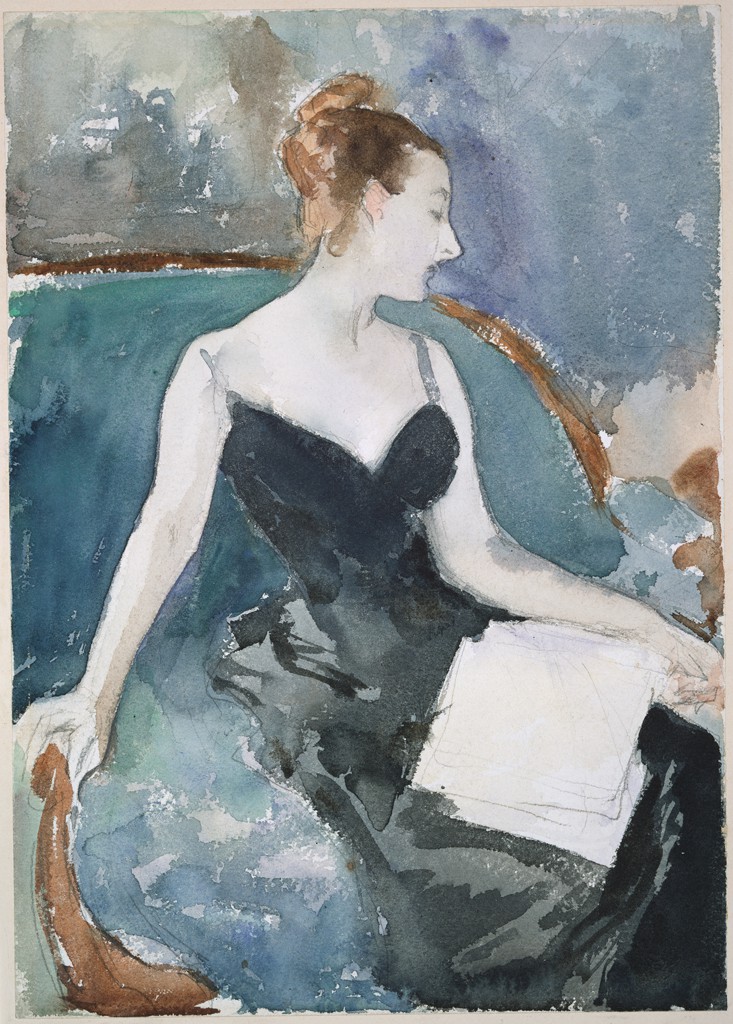
A figure study by Sargent for Madame X in watercolor and graphite, c. 1883
Although a more subtle take, Rosie Huntington-Whiteley also channeled Madame X in her Burberry look, composed of a dazzling beaded bodice and voluminous skirt. Discussing the design process with Vogue, Huntington-Whiteley said she had always found the painting “incredibly striking”, and wanted the dress to reflect its “sense of quiet confidence and sensuality”. And subtler still, Olivia Wilde in Thom Browne was very much reminiscent of Gautreau’s Gilded Age gown, but with cleaner lines and an exposed bustle. Tate McRae’s single slipped strap was also a faint ode.
The influence of art on fashion is undeniable, with whole collections often inspired by one artist or movement. But the influence of fashion on art is less discussed. Despite criticism that the theme ‘Fashion is Art’ is a bit on the nose, the sheer number of Madame X costumes at this year’s Met Gala does potently show how fashion, style or just a fallen strap fixed in oil paint can so acutely impact how art is received and its subjects are understood. The Costume Institute’s exhibition is described as, “pairing garments with artworks to reveal the inherent relationship between clothing and the body.” It would be hard to argue anything does that better than Madame X.
Art acts as a mirror to those who gaze upon it. Its meaning shifts as we do. The scandal that surrounded Sargent forced him to conceal Madame X for three decades, but in a letter discussing the sale of the painting to the Met, he wrote, “I suppose it is the best thing I have ever done.”
Continue Reading