

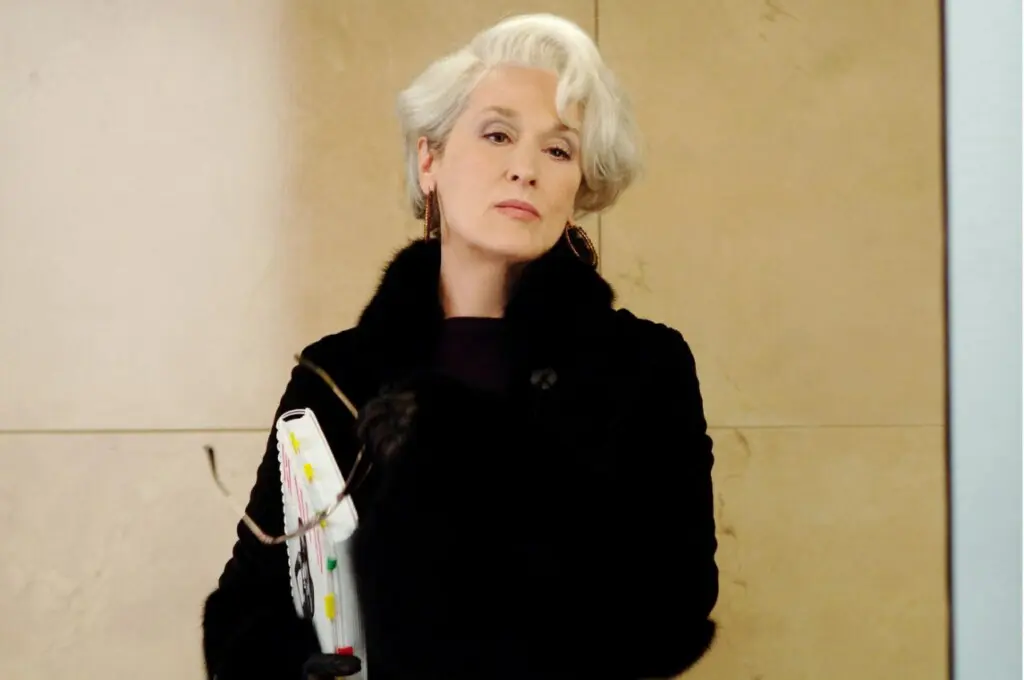
Ahead of the release of The Devil Wears Prada 2, we have mapped out the films that best capture the world of magazines: those that document it, skewer it and celebrate it.
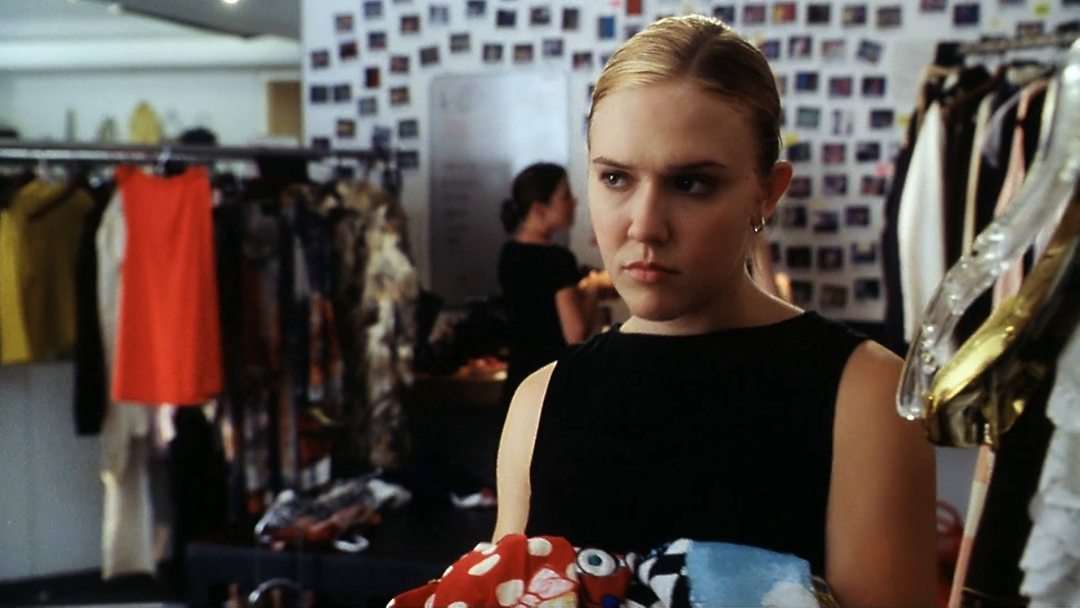
Michael Lange, Intern (2000)
The fabulous freaks of the fashion industry are satirised by Michael Lange in this comedy about life for a magazine intern at the bottom of the food chain. Based on the sink-or-swim, pay-your-dues, “get me coffee, kiss my ass” real-life experience of writers Caroline Doyle and Jill Kargman, fun and chaos follow, with two-faced editors, tantrums over coffee orders and cameos from Billy Porter, Gwyneth Paltrow and Joan Rivers, as a Polly Mellen-esque editor.
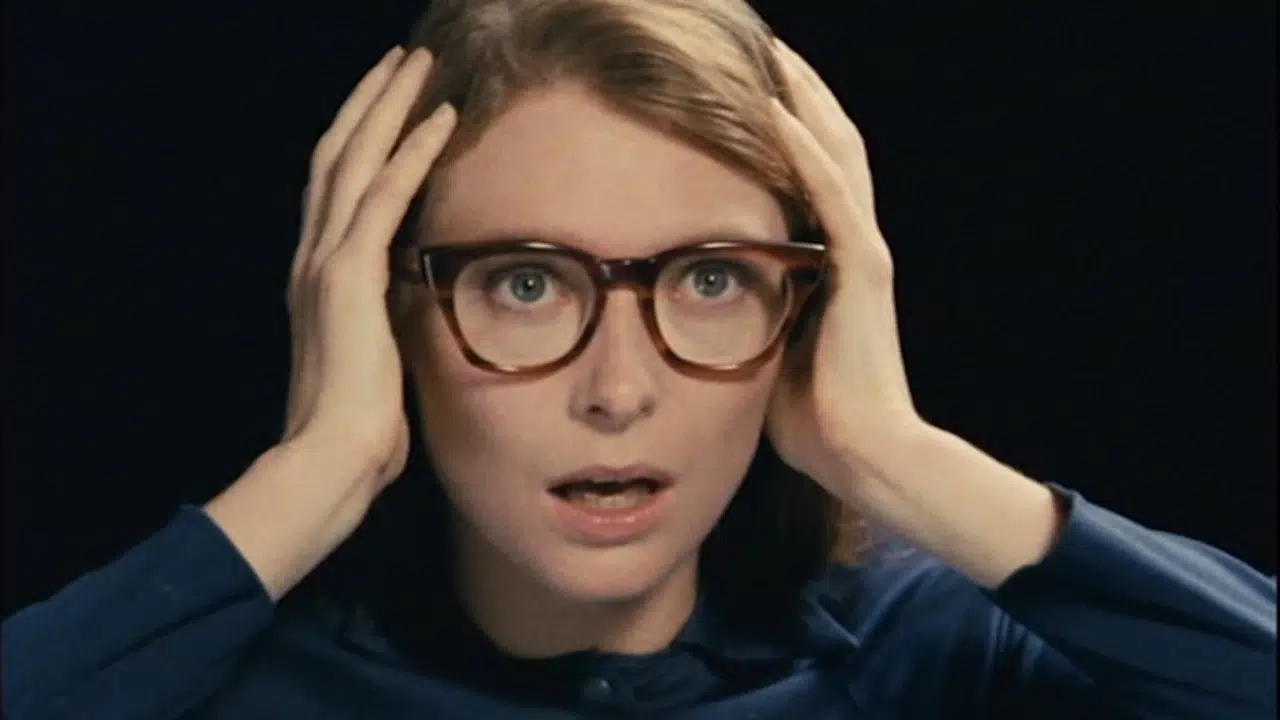
Joanna Hogg, Caprice (1986)
In this early short from Joanna Hogg, Lucky (Tilda Swinton) plays an obsessive devotee of Caprice magazine who, in a surreal turn, is swallowed into the fantastical dreamland of its pages. Adventure ensues as she flits between vignettes, including a makeover in a desert from Miss Herringbone, the leather-gloved, long-chinned editor; a Manolo Blahnik shoot in a cave; and a genie in a perfume bottle, peddling a fragrance called ‘Emilie’.
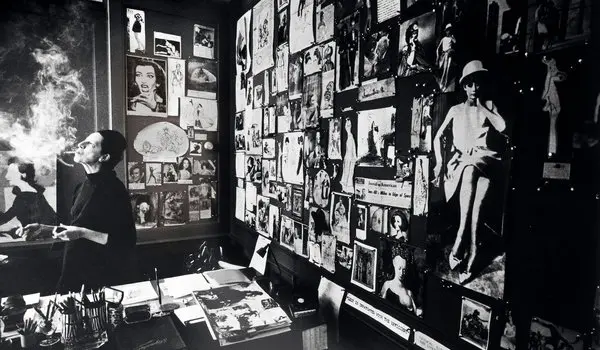
Lisa Immordino Vreeland, Diana Vreeland: The Eye Has to Travel (2012)
Few voices are as distinct as the booming drawl of legendary Vogue editor Diana Vreeland. This documentary, from her grandson’s wife Lisa Immordino Vreeland, charts her decadent reign over the industry, including her role as patron – she was the first to publish a picture of Mick Jagger – visionary and celebrity, drawing on archival footage and interviews with a glittering line up of talking heads, among them: photographer David Bailey, actor Anjelica Huston, model Penelope Tree and designer Diane Von Furstenberg.
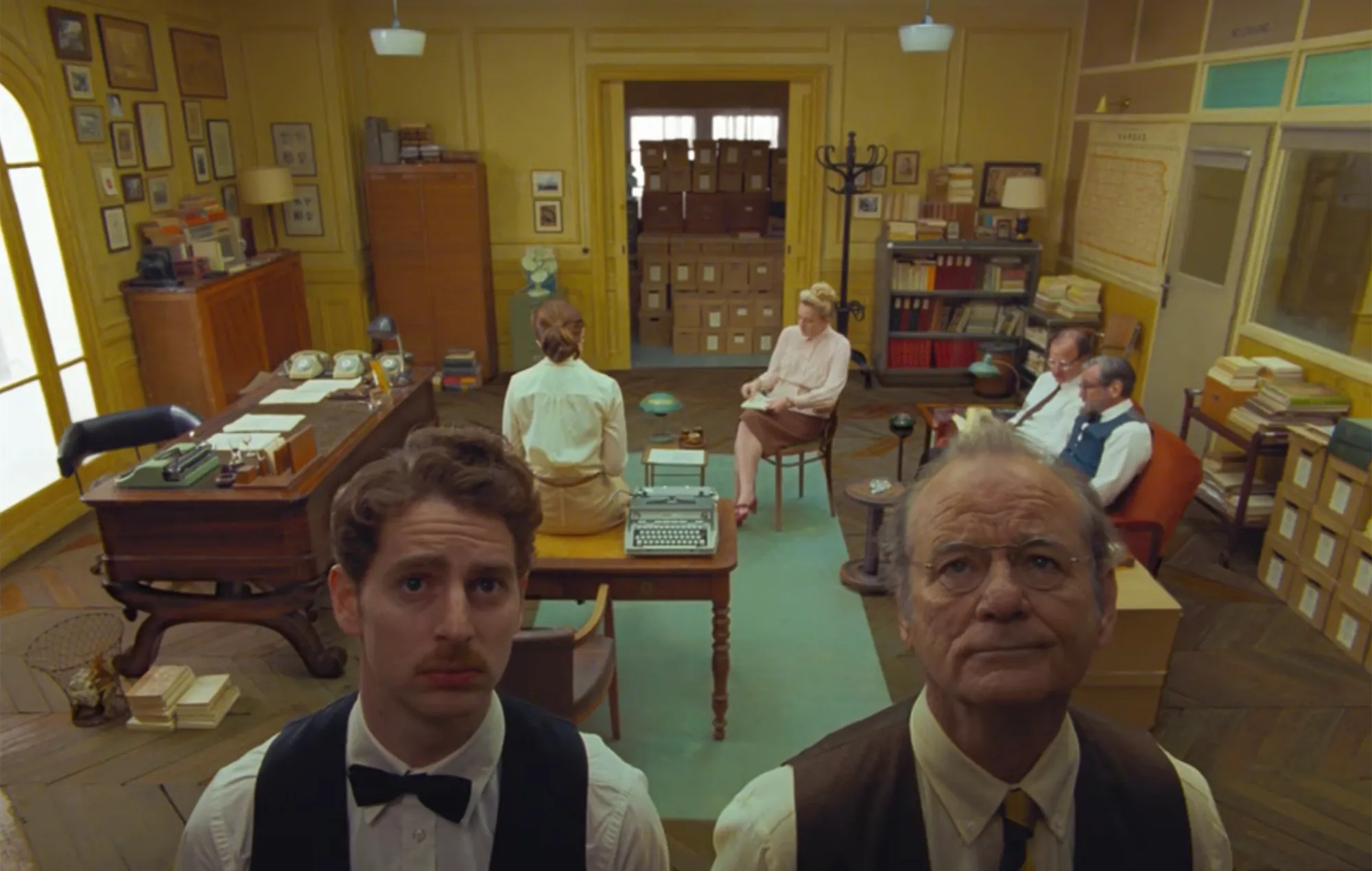
Wes Anderson, The French Dispatch (2021)
An ode to the quirks and machinations of mid-century print journalism, Wes Anderson’s The French Dispatch sees a motley crew of American expat journalists holed up in the fictional French town of Ennui-sur-Blasé, filing a final issue for the Liberty, Kansas Evening Sun – an Andersonised New Yorker – under the capricious editorship of Arthur Howitzer Jr (Bill Murray), who in turn resembles the magazine’s founding editor, Harold Ross.
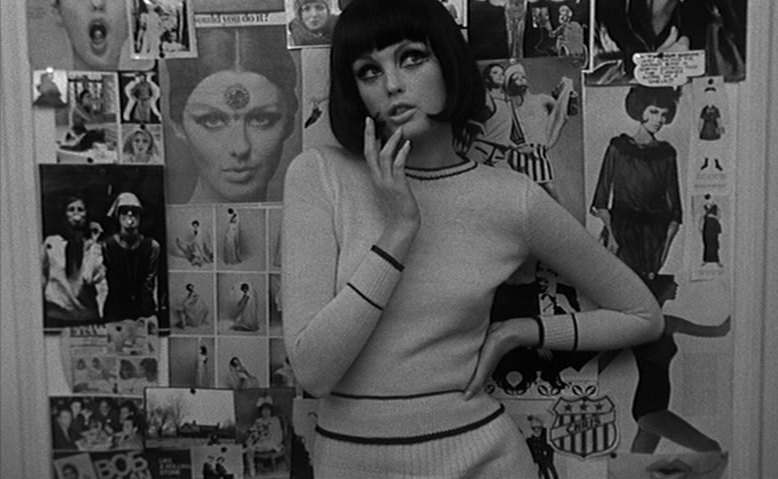
William Klein, Who are you, Polly Maggoo? (1966)
This black-and-white art-house mockumentary was the filmmaking debut of Vogue fashion photographer William Klein. In it, he spoofs the media world by zeroing in on the life of supermodel Polly Maggoo (Dorothy McGowan), a young American in Paris, who is projected on by a magazine industry uninterested in her personhood and pursued by a gaggle of lecherous men, including an obsessive not-quite Prince Charming, Prince Igor.
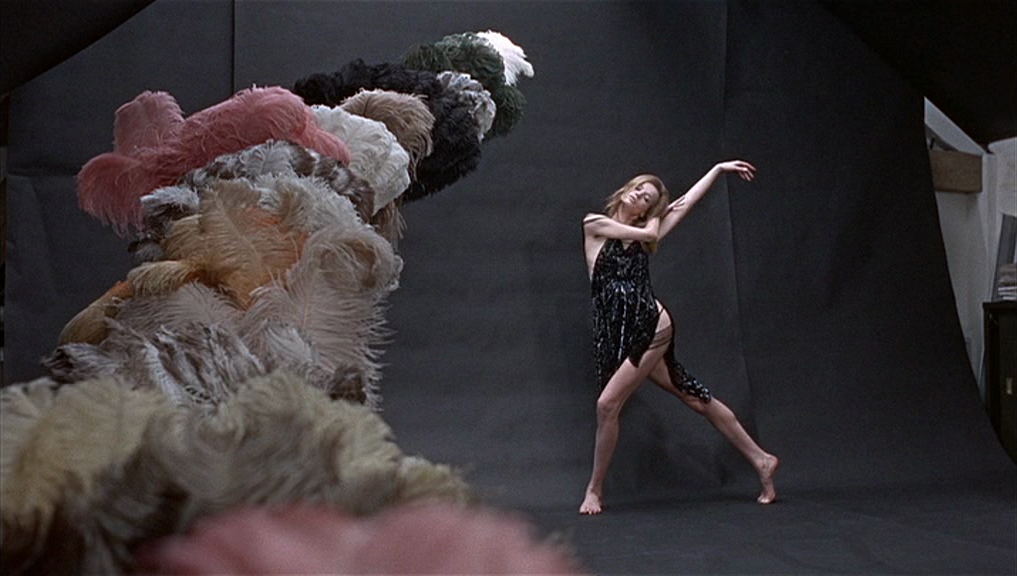
Michelangelo Antonioni, Blow-Up (1966)
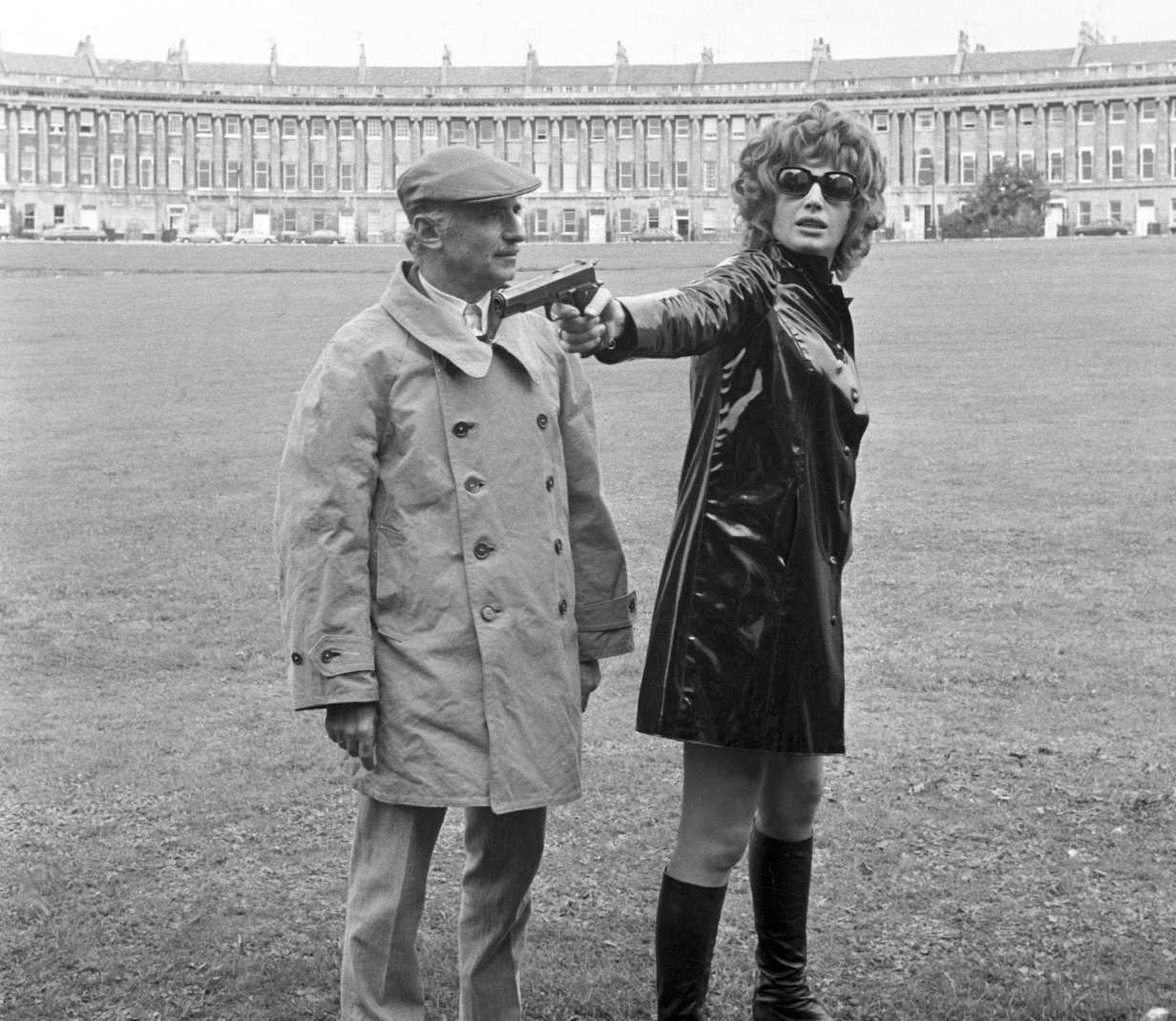
Blow-Up was the first English-language film from Italian new wave director Michelangelo Antonioni, following a hedonistic fashion photographer (David Hemmings) through the bohemian world of magazines and models in swinging London. The film turns on its heel, becoming a murder mystery, as he finds he may have unwittingly documented a murder while shooting a stranger (Vanessa Redgrave) in an illicit tryst with a lover in the park.
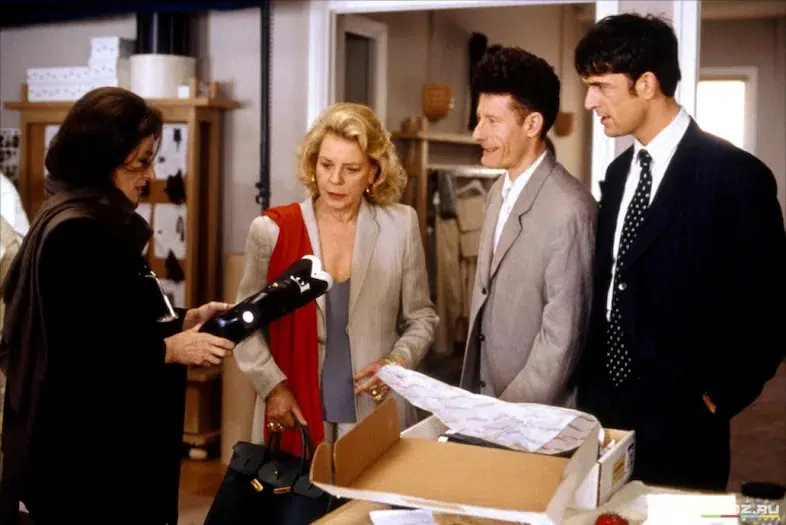
Robert Altman, Prêt-à-Porter (Ready to Wear) (1994)
Prêt-à-Porter is a madcap tableau of overlapping narratives from the creative universe of magazines – models, designers, journalists and editors who all assemble for Paris Fashion Week. Though occasionally chaotic and generally absurd, the film captures real footage of the collections shown that year, including Vivienne Westwood, Jean-Paul Gaultier and Christian Lacroix, and offers cameos from designers Issey Miyake, Thierry Mugler and Sonia Rykiel.
Christine Hall, Boss Woman (2001)
If there was ever any doubt about who The Devil Wears Prada was based on, let this BBC documentary, on the making of the February 2001 issue of Vogue, serve as final proof: within the first five minutes, Anna Wintour is spotted holding ‘the book’, inspecting a rack of clothes – à la the cerulean monologue – and firing off decisions to the exacting standards that earned her the nickname ‘Nuclear Wintour’. What follows is a snapshot of the era: The Fashion Awards, presented by a fur-clad, now-disgraced Puff Daddy, lunch with John Galliano at Dior in Paris, and, naturally, the Met Gala.