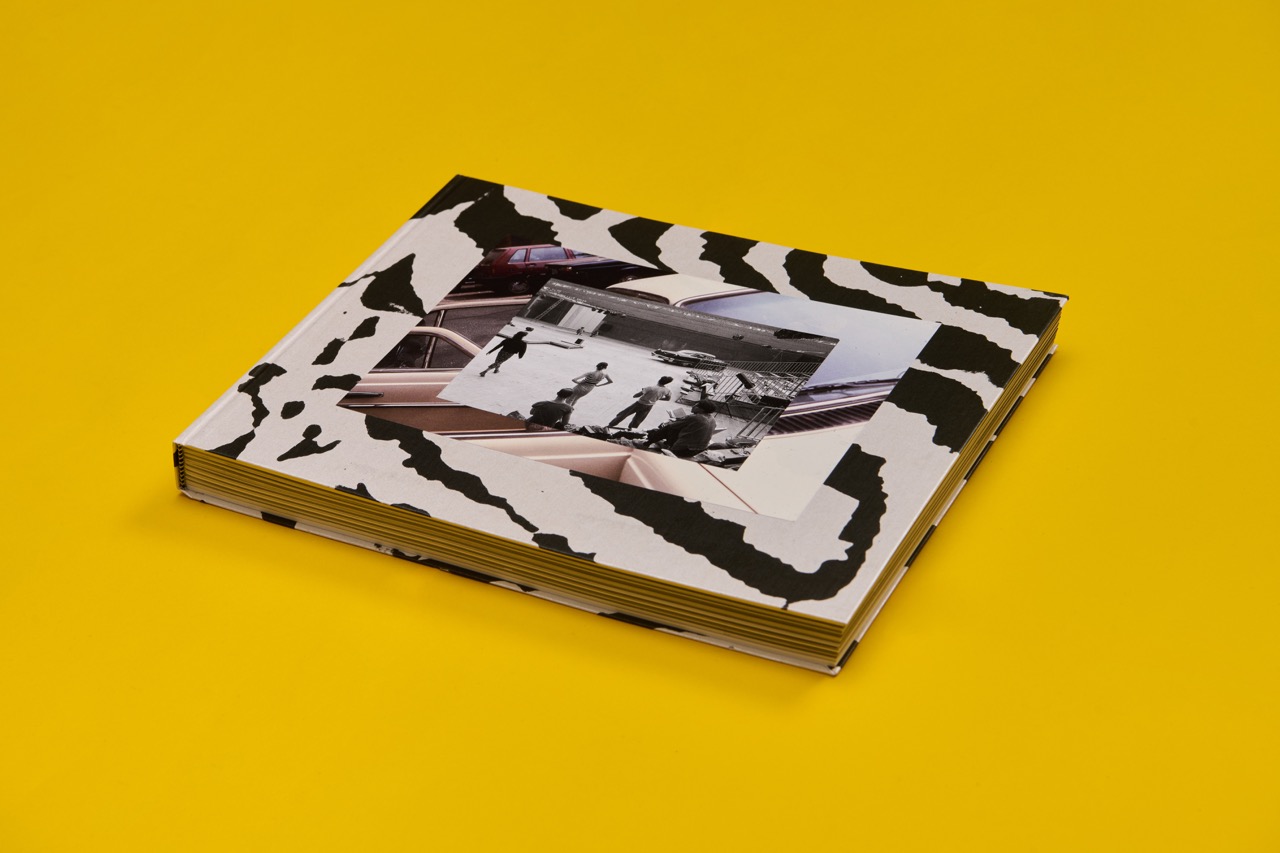
Mestiza Estudio’s new book captures the rhythms of Lolita Danse




In a new series spotlighting practitioners of physical media, A Rabbit’s Foot speak to Monica Urquio Zobel de Ayala of Mestiza Estudio about the archiving and editing process that went into creating Lolita Danse, a new book documenting the history and visual world of the radical 1980s Parisian dance collective.
Who was Lolita Danse? And how did you come across their story?
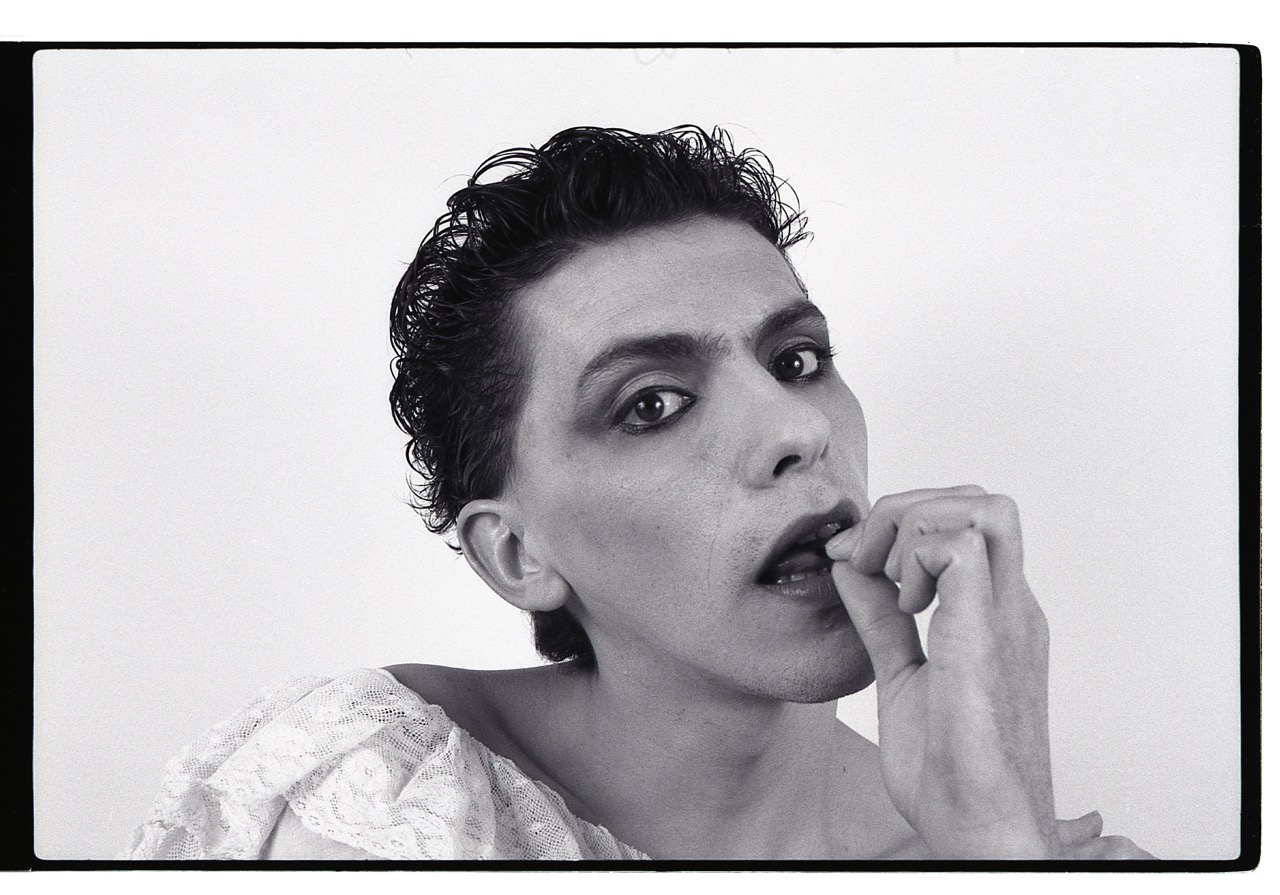
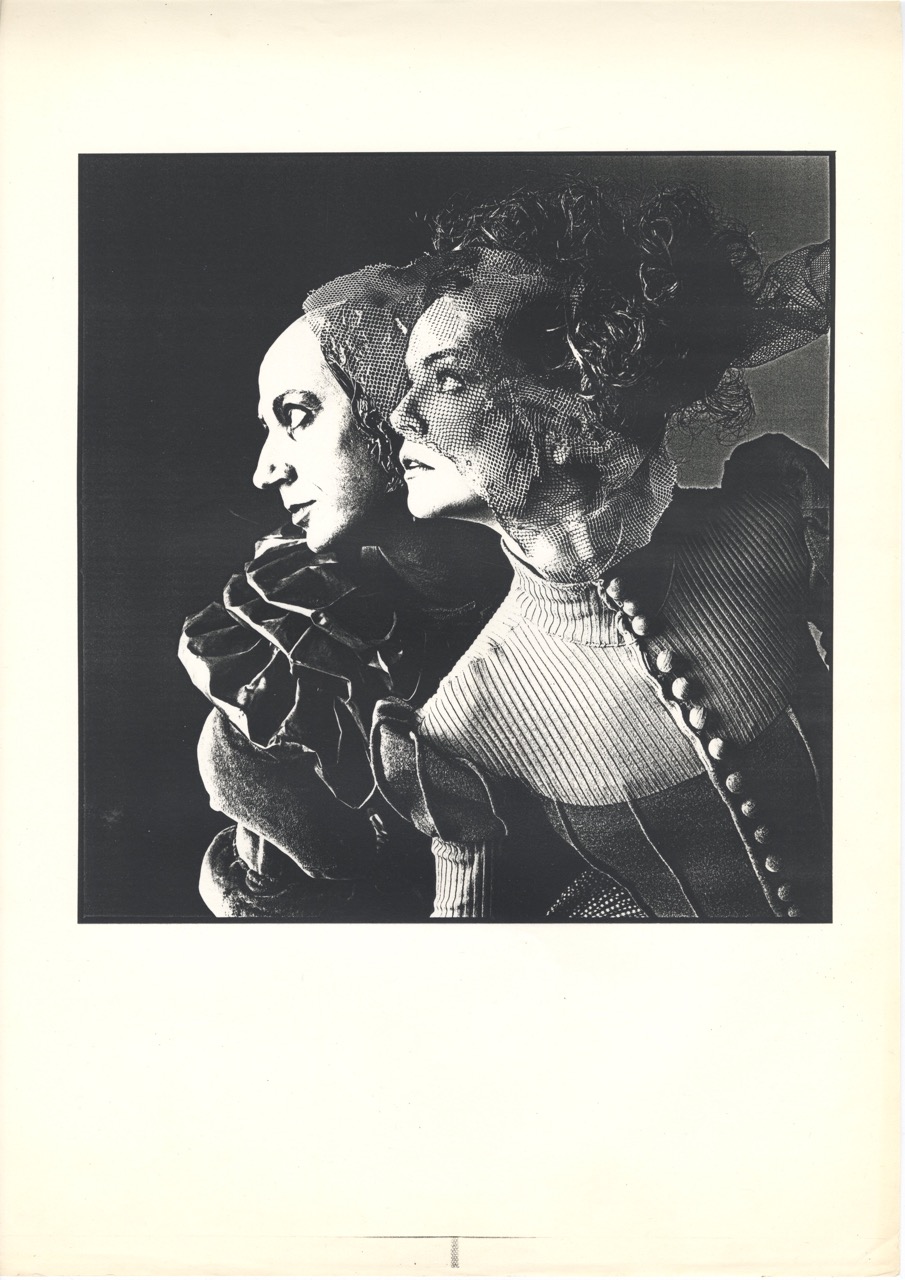
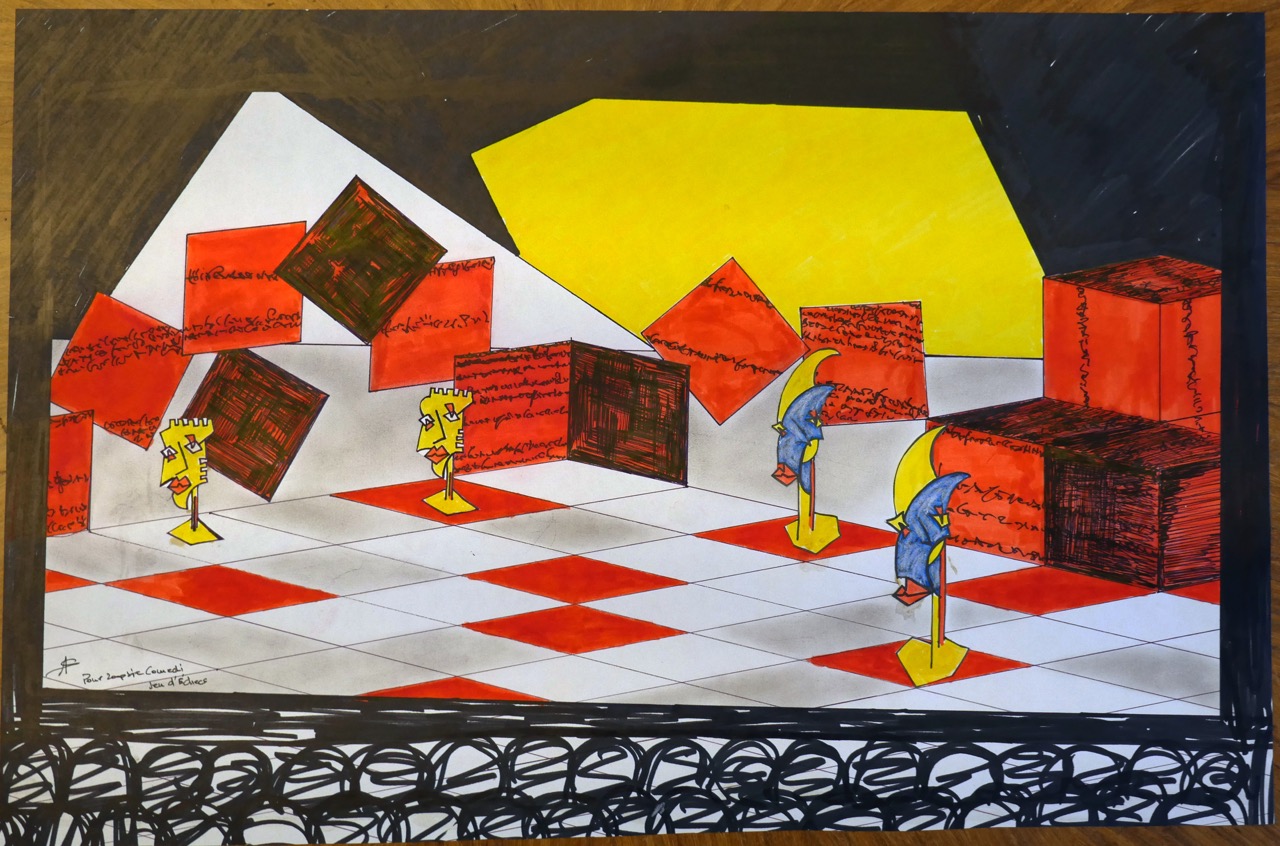
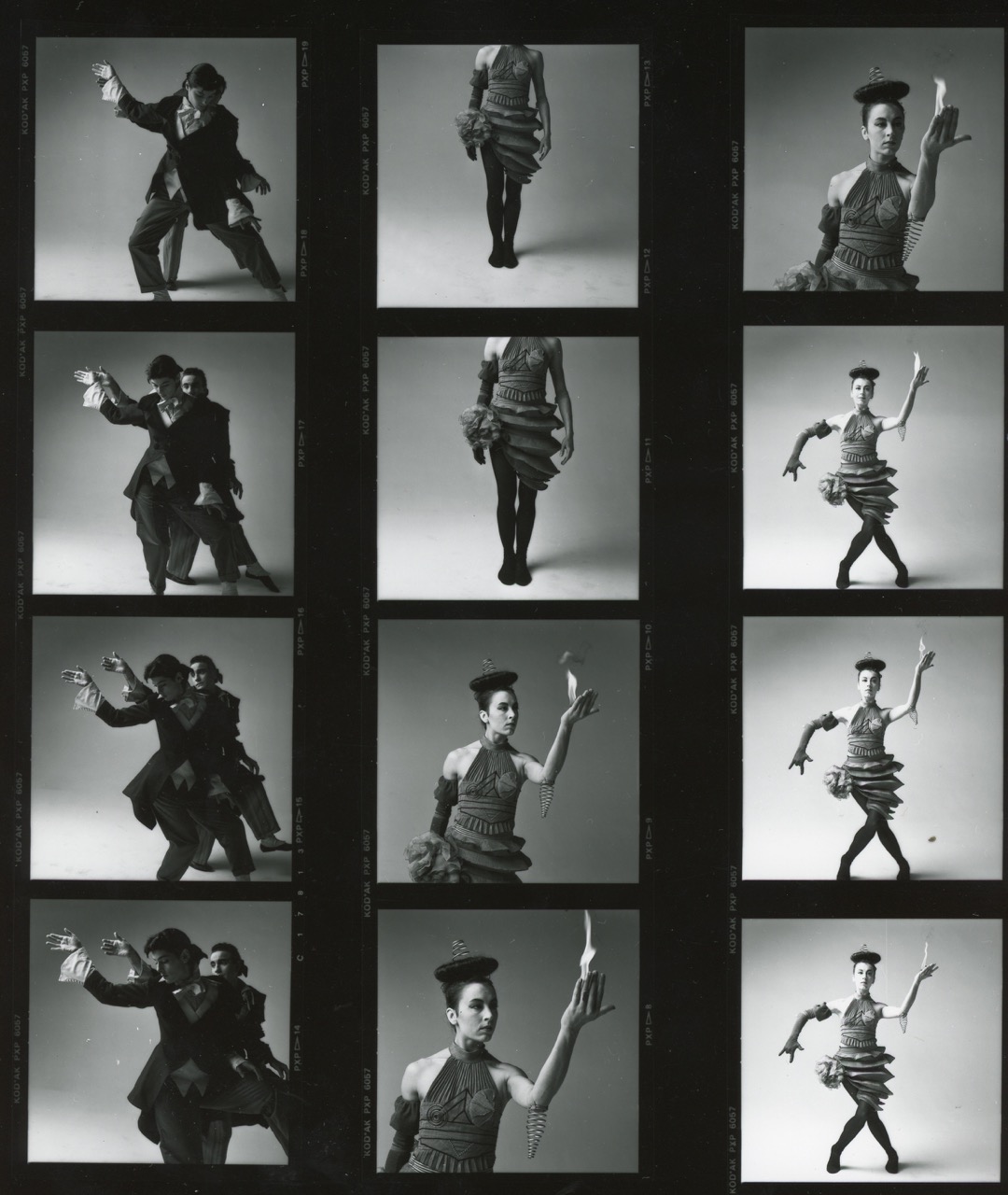
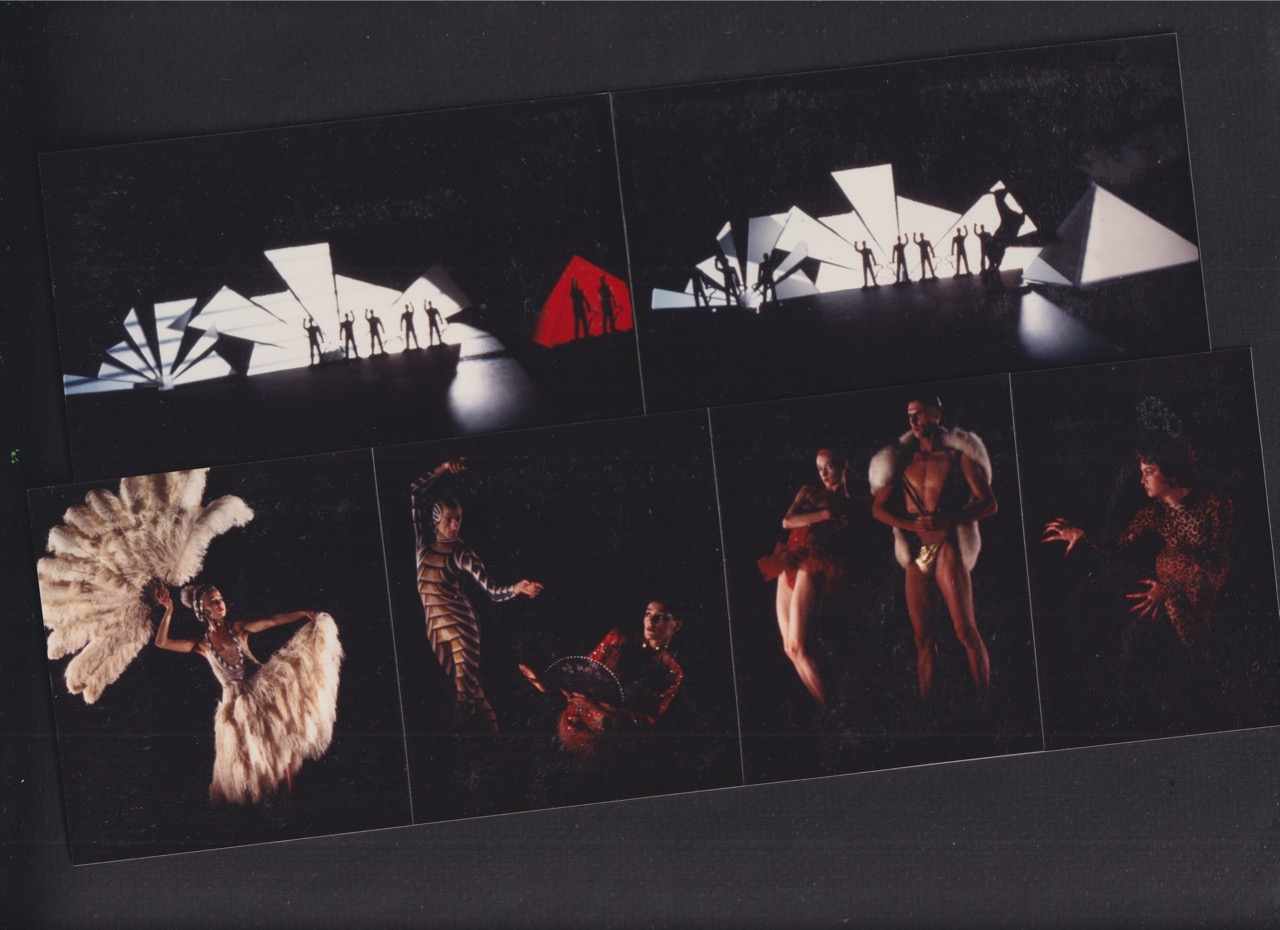
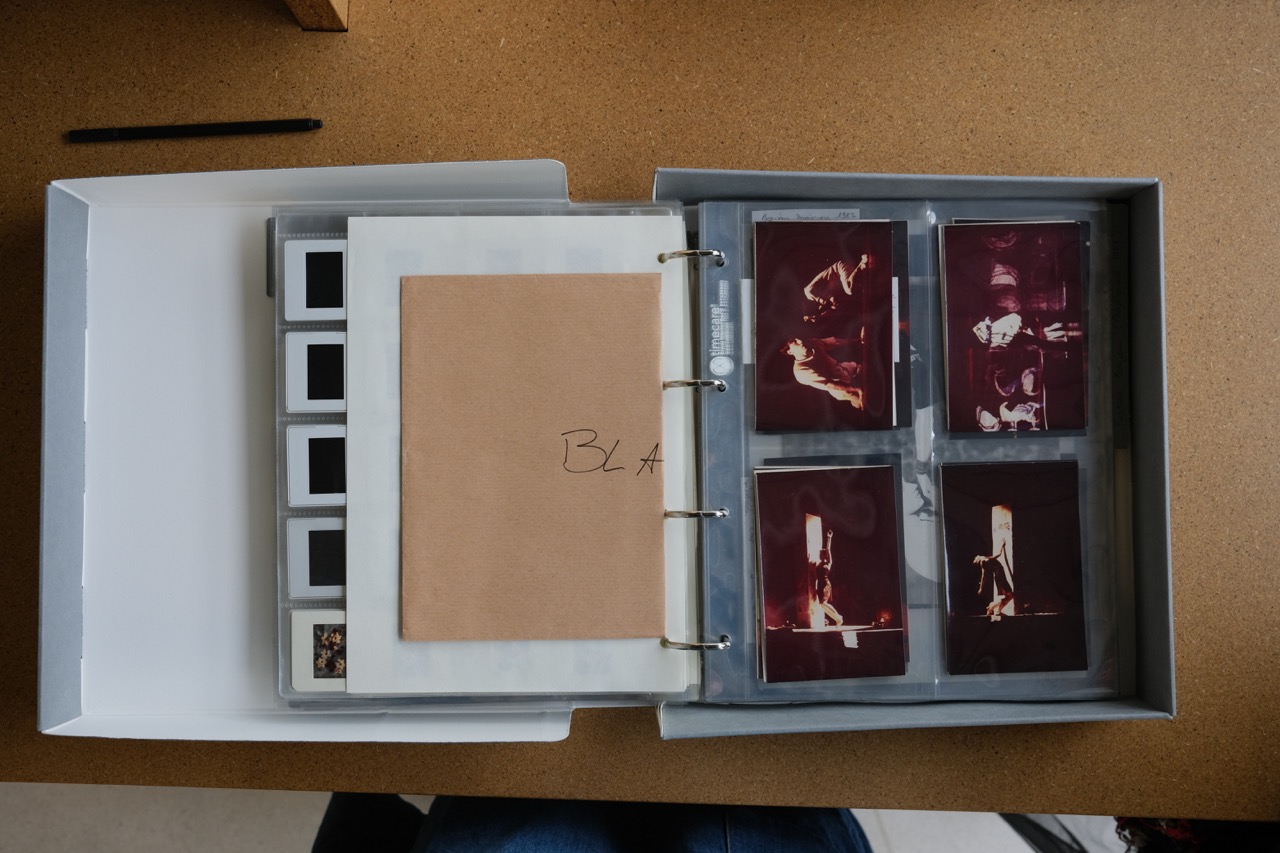
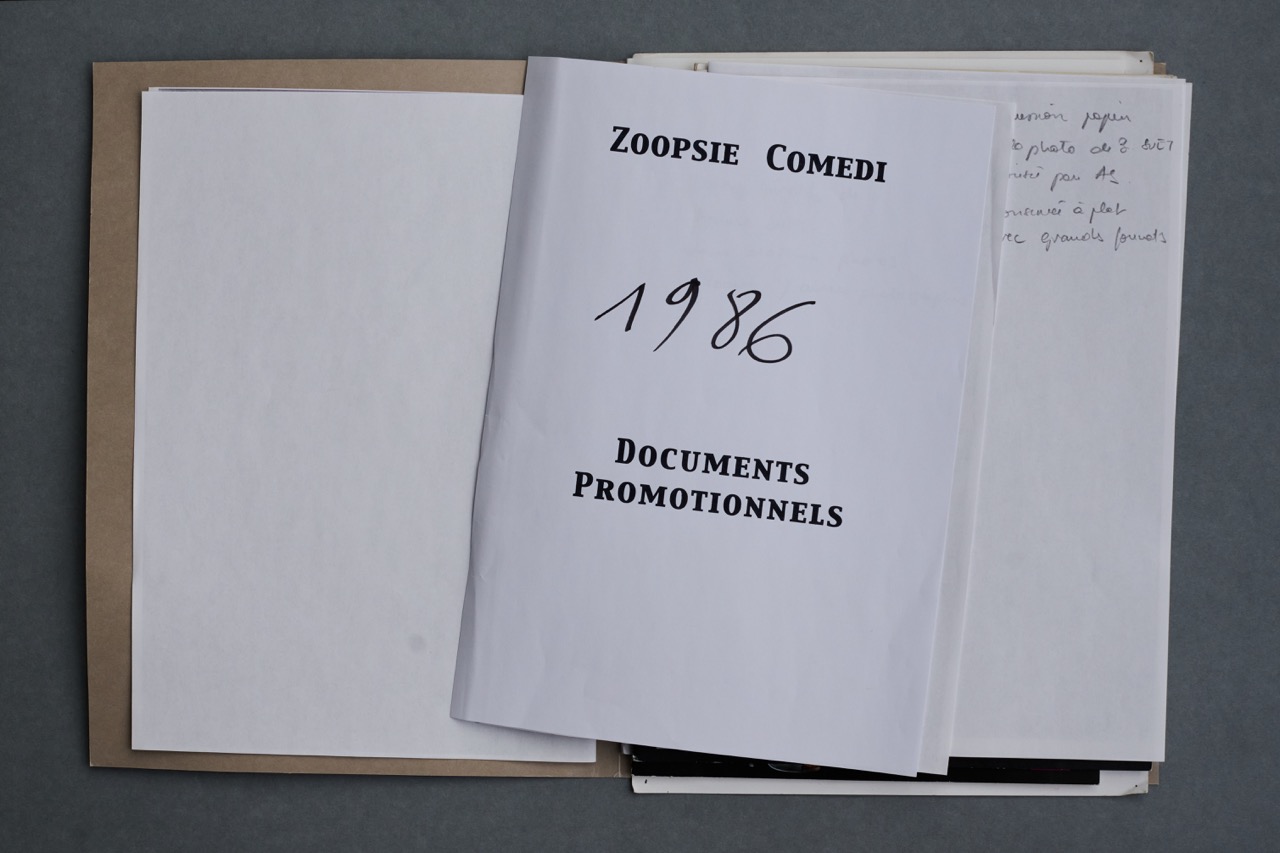
This project began with a record sleeve. In the autumn of 2023, we were invited to design artwork for a reissue of a Pray-Pax record, to be released by the Zel Zele label. Along with the music came twelve images and a short note suggesting ties to an art collective. We sensed there was something much larger behind it, so we asked for more material. The response was immediate and overwhelming, over a hundred additional photographs arrived almost instantly. That was the beginning of a much deeper exchange, and we quickly realised we were encountering something far more expansive: an archive that revealed itself generously to those curious enough to ask.
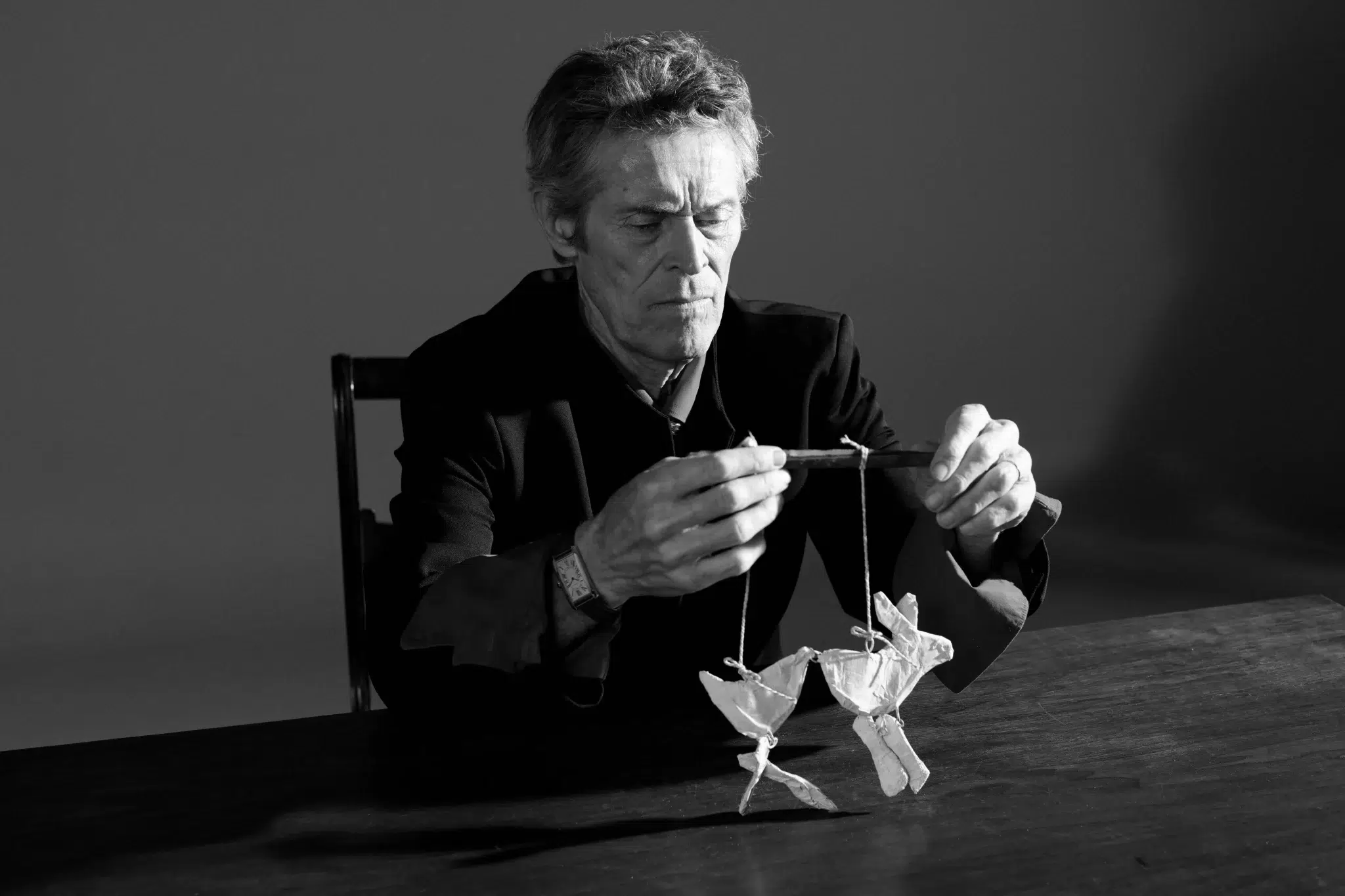
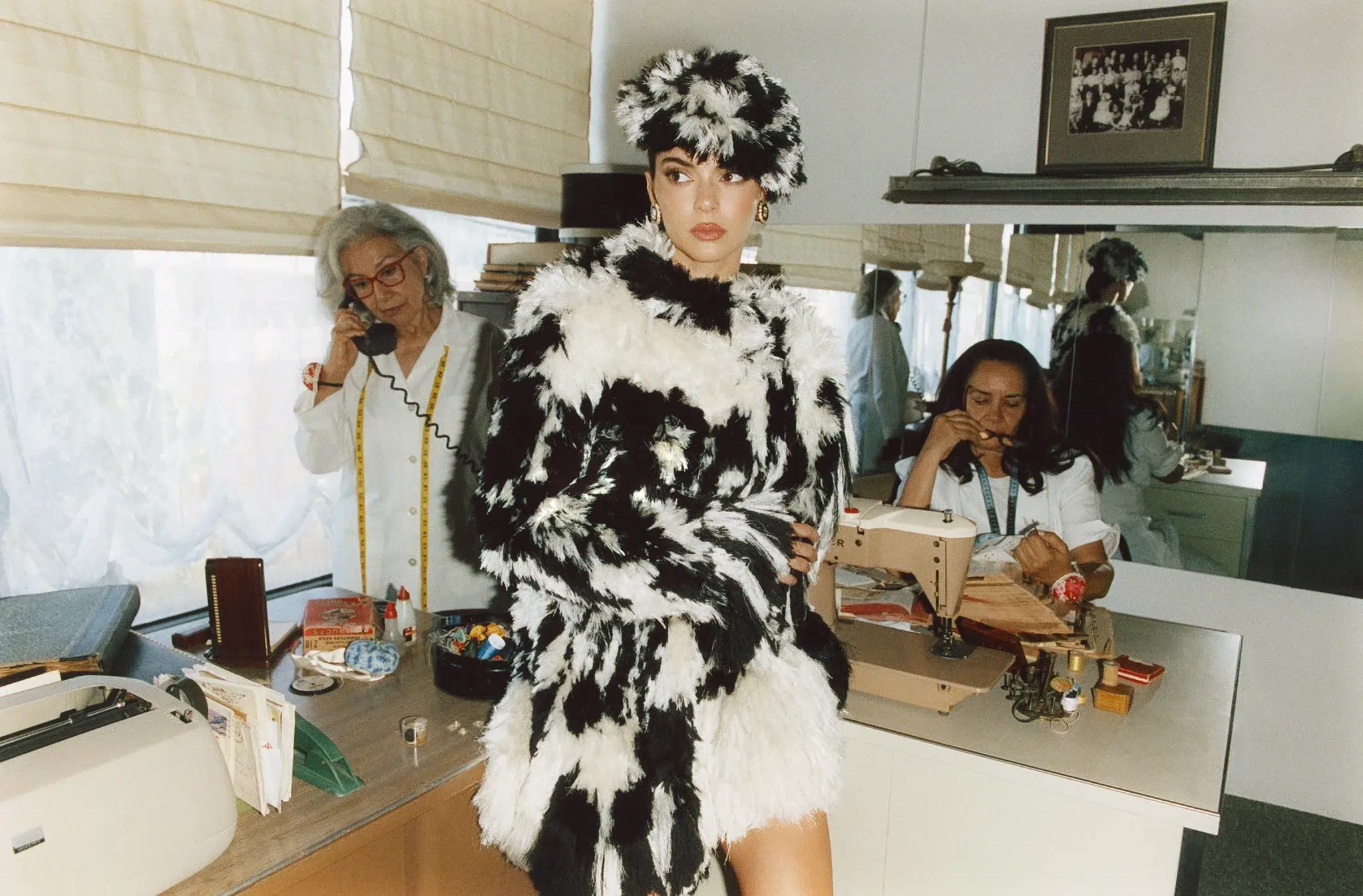
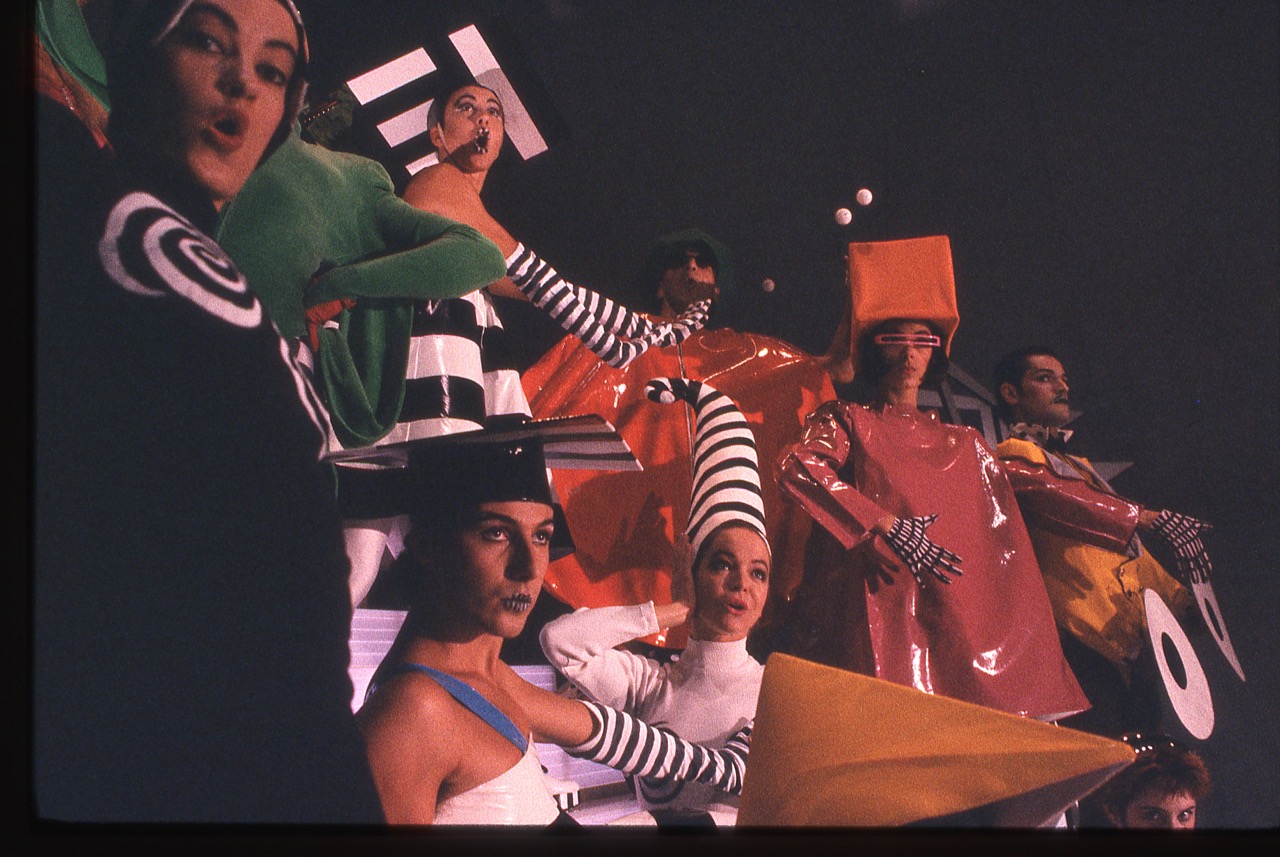
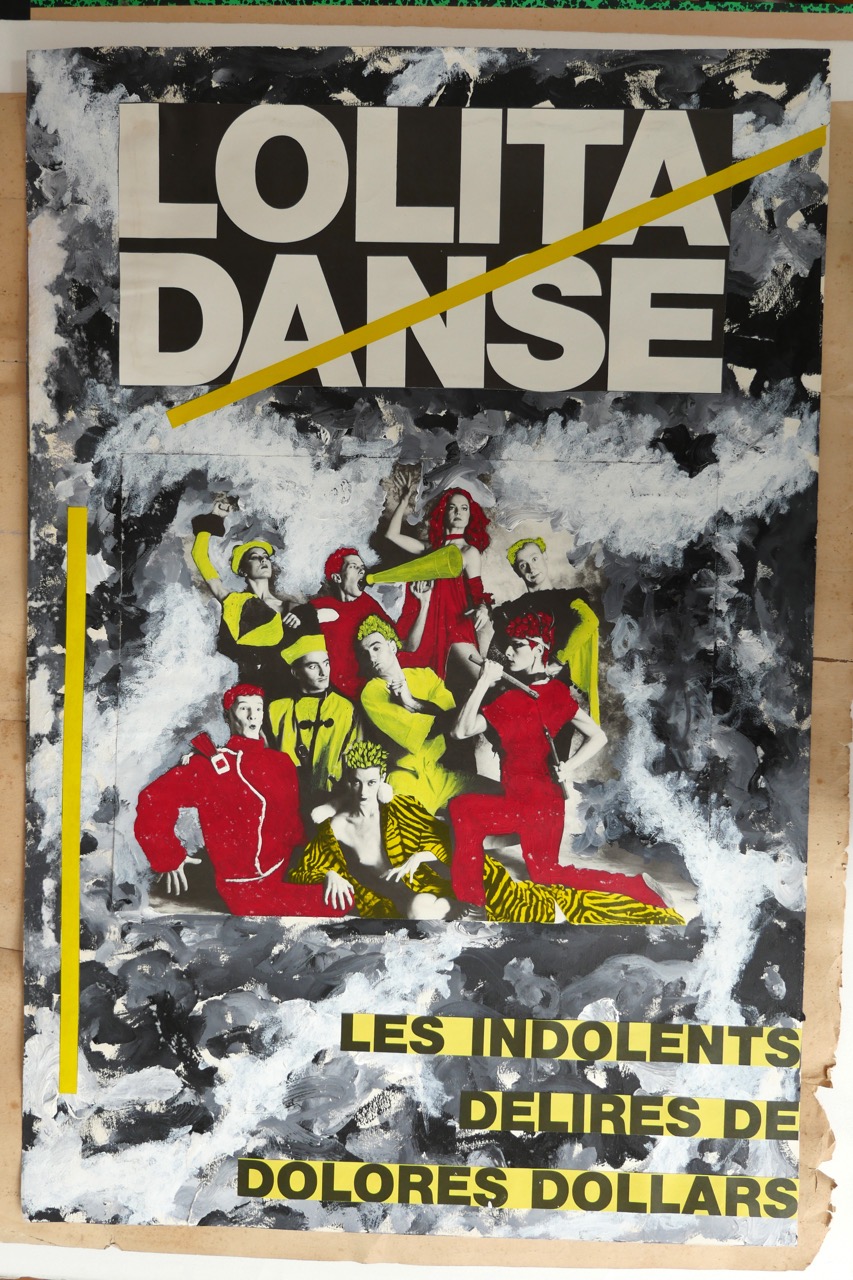
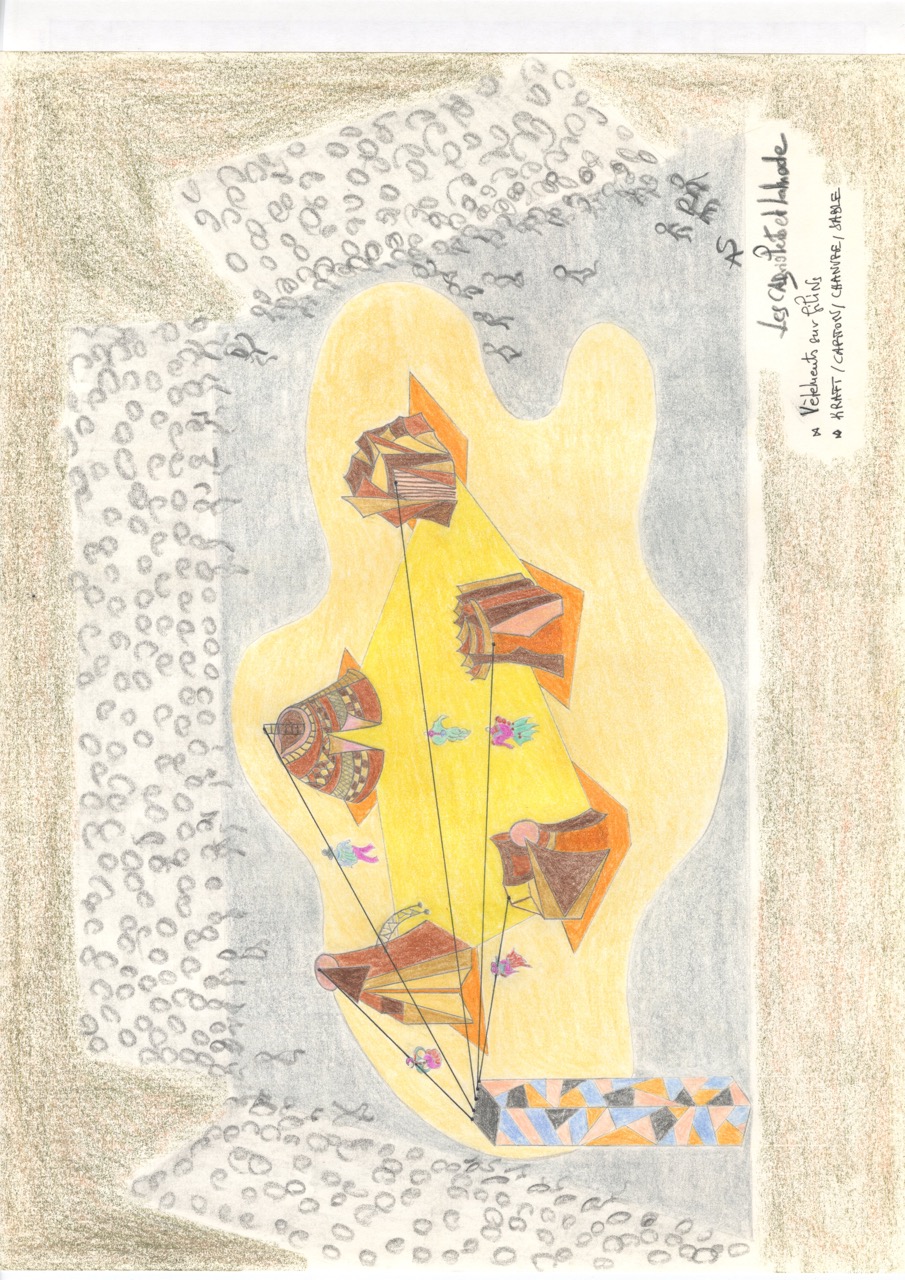
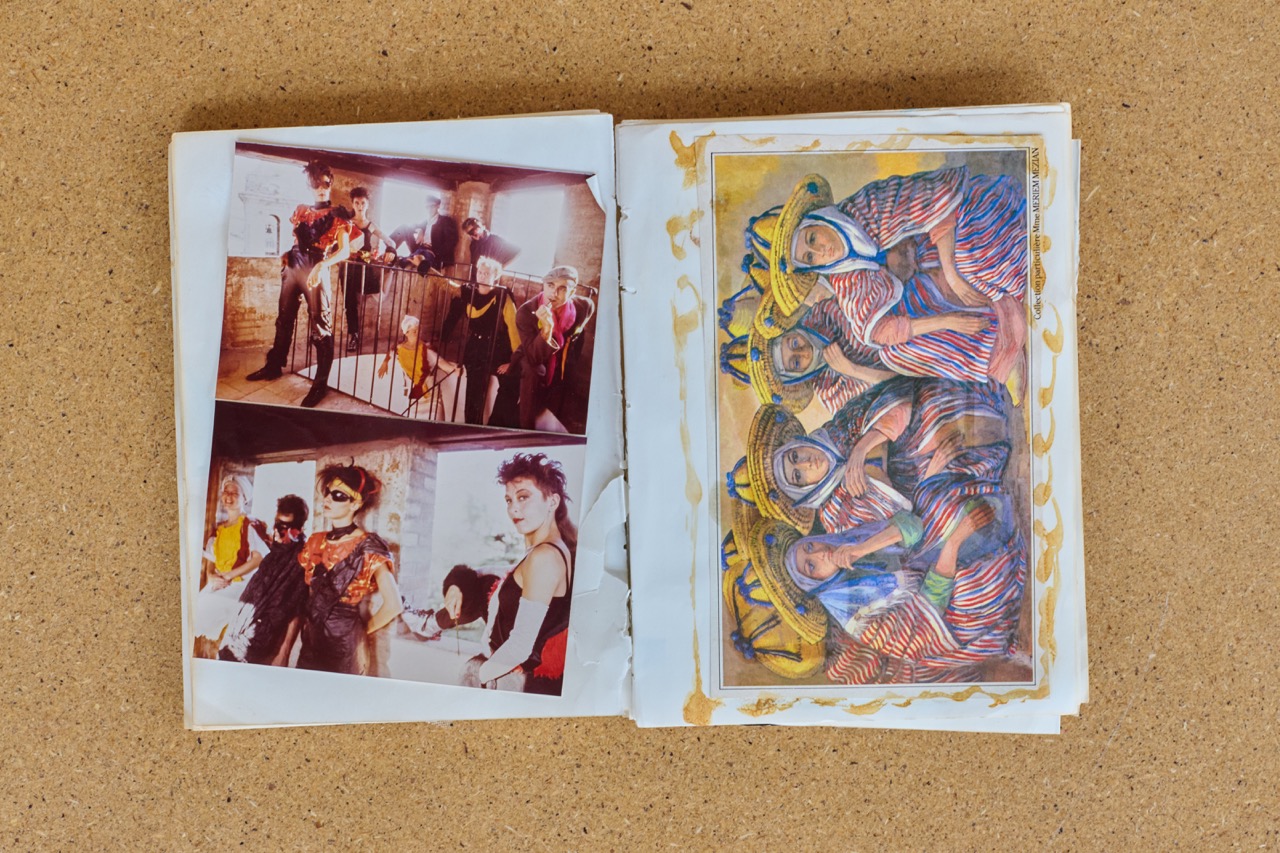
Lolita Danse was a Paris-based collective active in the 1980s. Composed of around ten artists, they resisted authorship and hierarchy, dissolving the boundaries between choreography and costume, performance and everyday life. They staged performances, documented rehearsals, filled notebooks, exchanged letters, and continuously reworked their material into new forms. The group shifted over time, but was held together by a strong sense of collective momentum, each member propelling the others forward, like a self-sustaining system built on encouragement, exchange, and creative friction.


When did you realise the project could become a book? Was there a lightbulb moment?
While working on the record artwork, it became clear that there simply wasn’t enough space to contain the richness of what we were discovering. We invited members of the collective to my home for tea, intending to have a short conversation, but it turned into a six-hour exchange. The stories, anecdotes, and reflections were incredibly vivid. It was impossible not to want to go deeper. Before they left, I floated the idea of a book. The response was a firm “no”! They told us we didn’t have the time, that the archive was too messy, too complex, and that we wouldn’t know where to begin. I took that as a challenge. It was exciting.
Can you talk about the archival process – what system did you use?
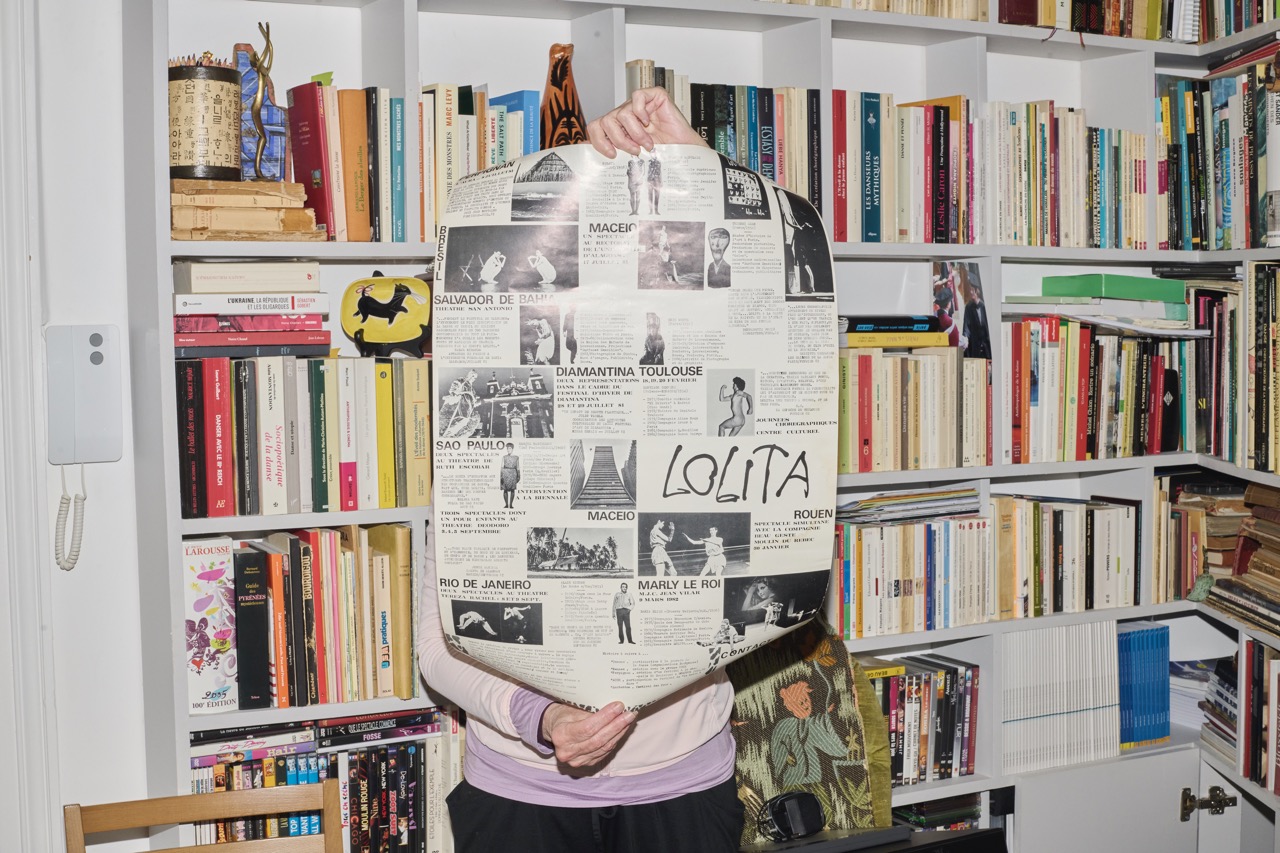
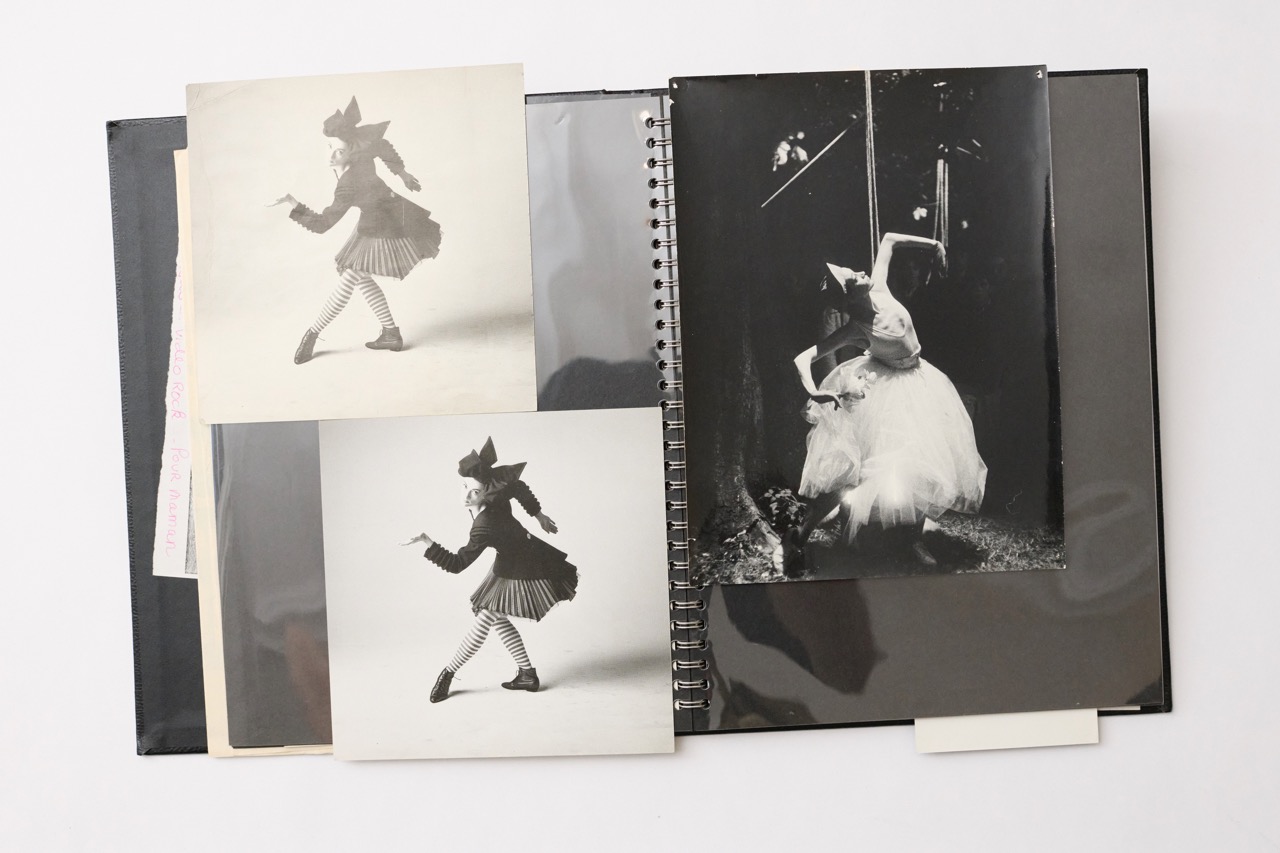
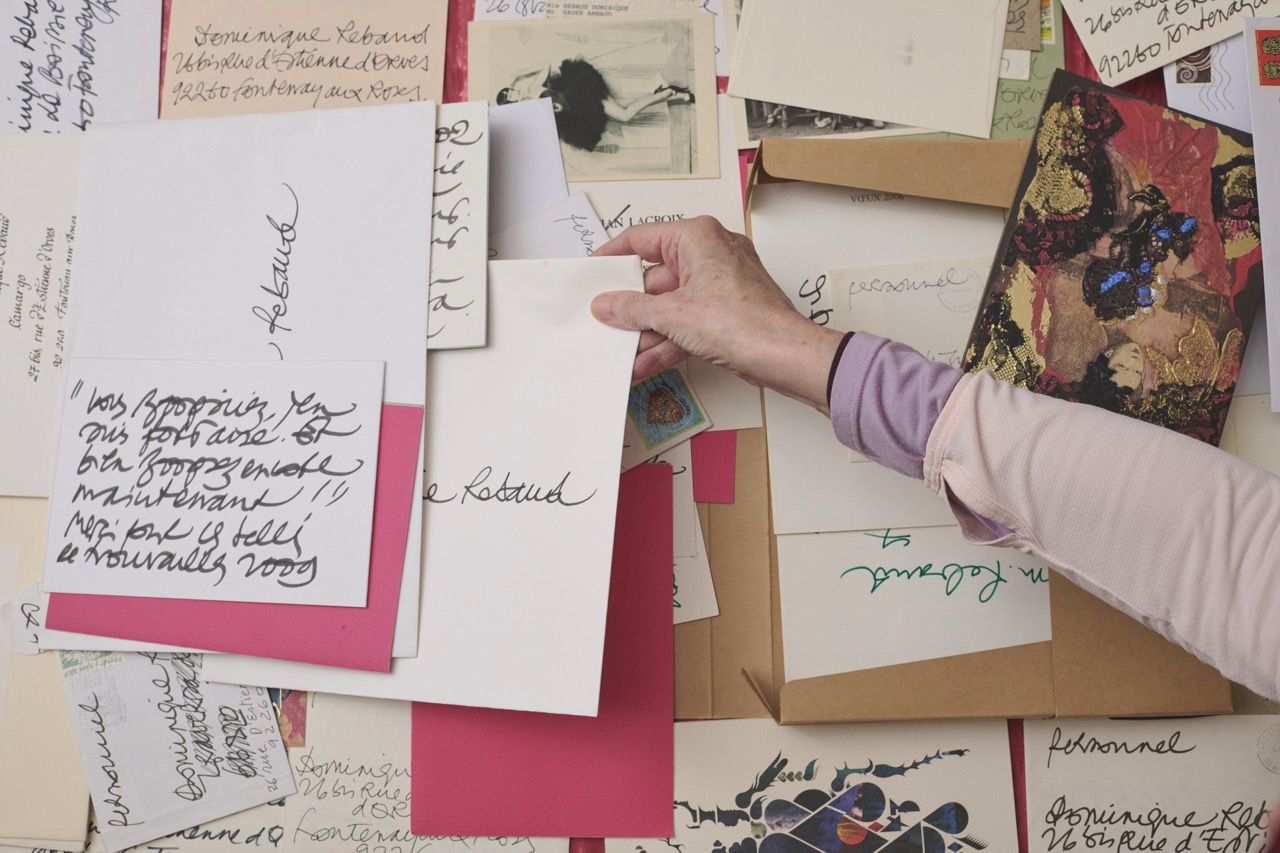
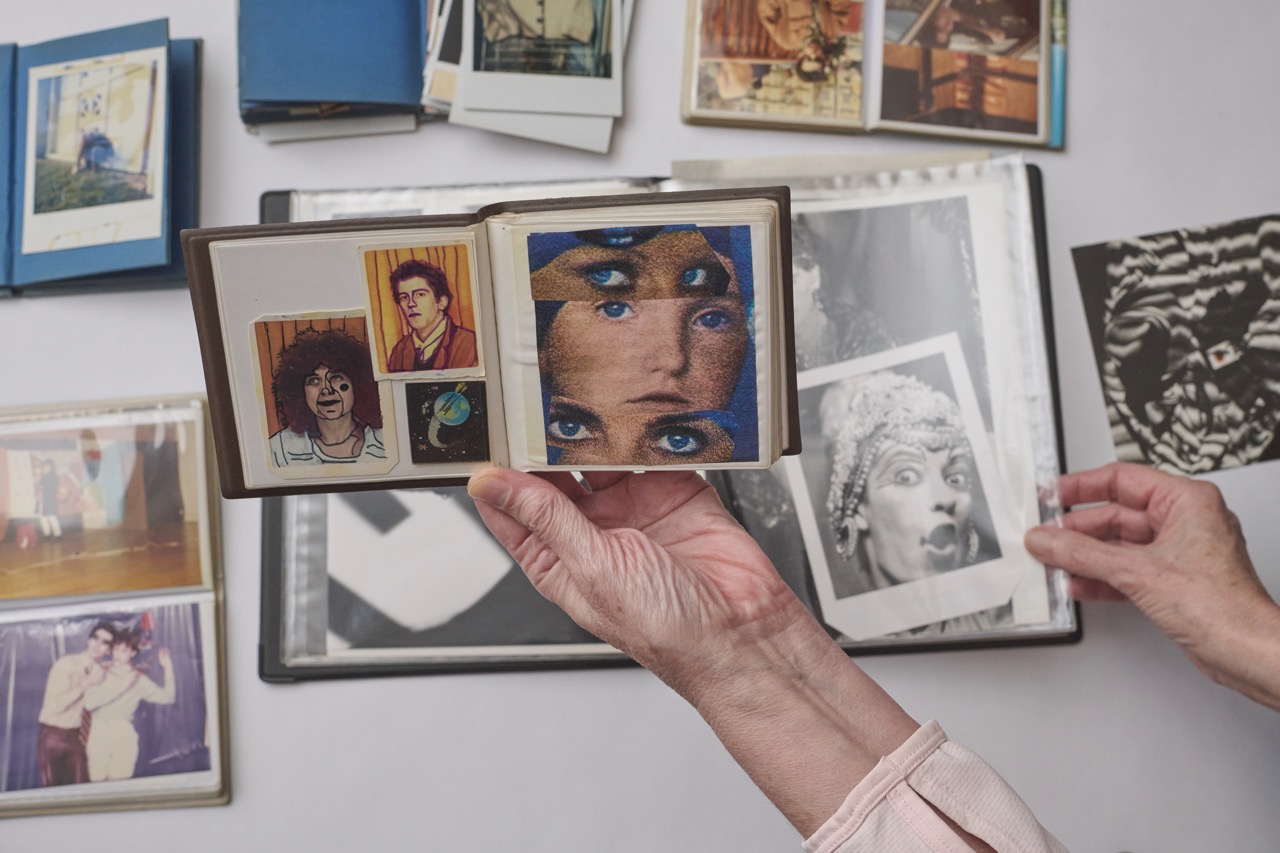
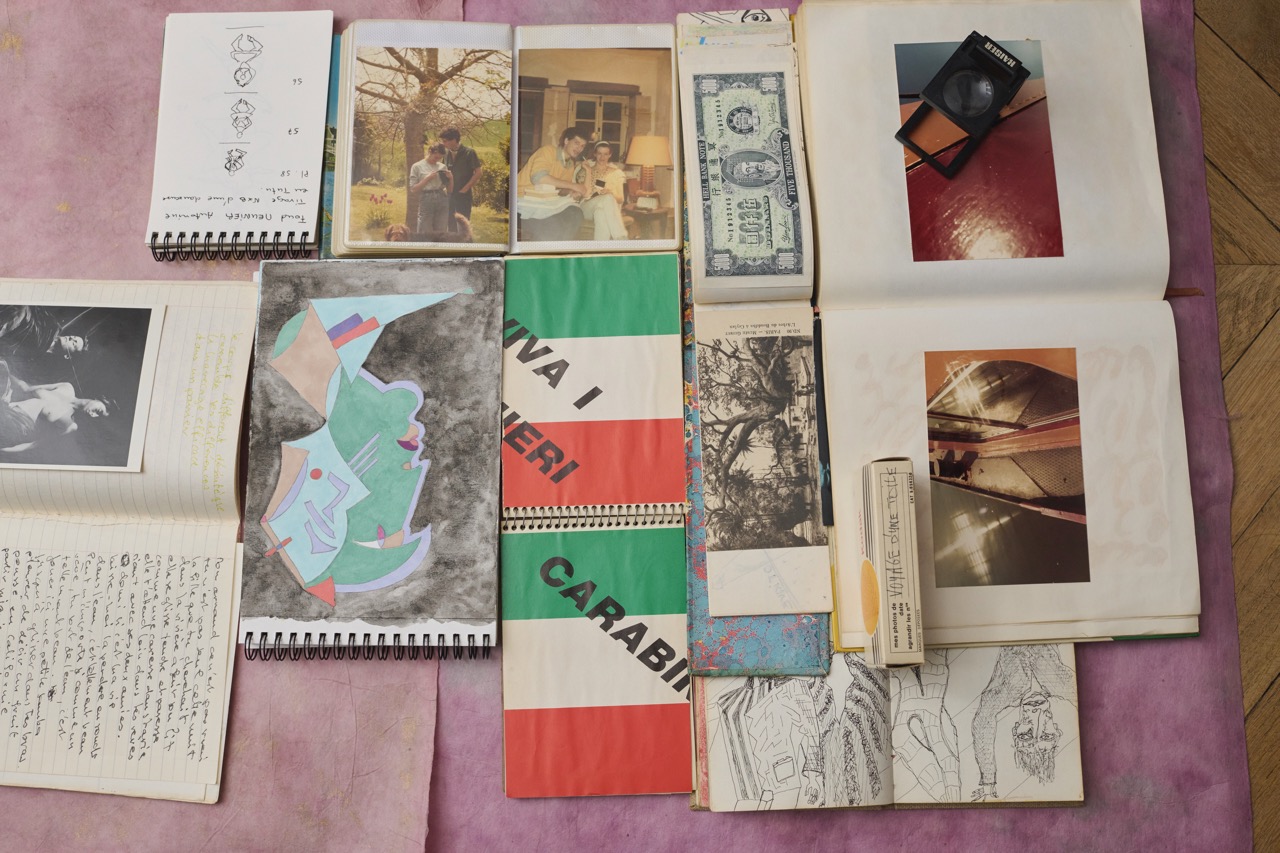
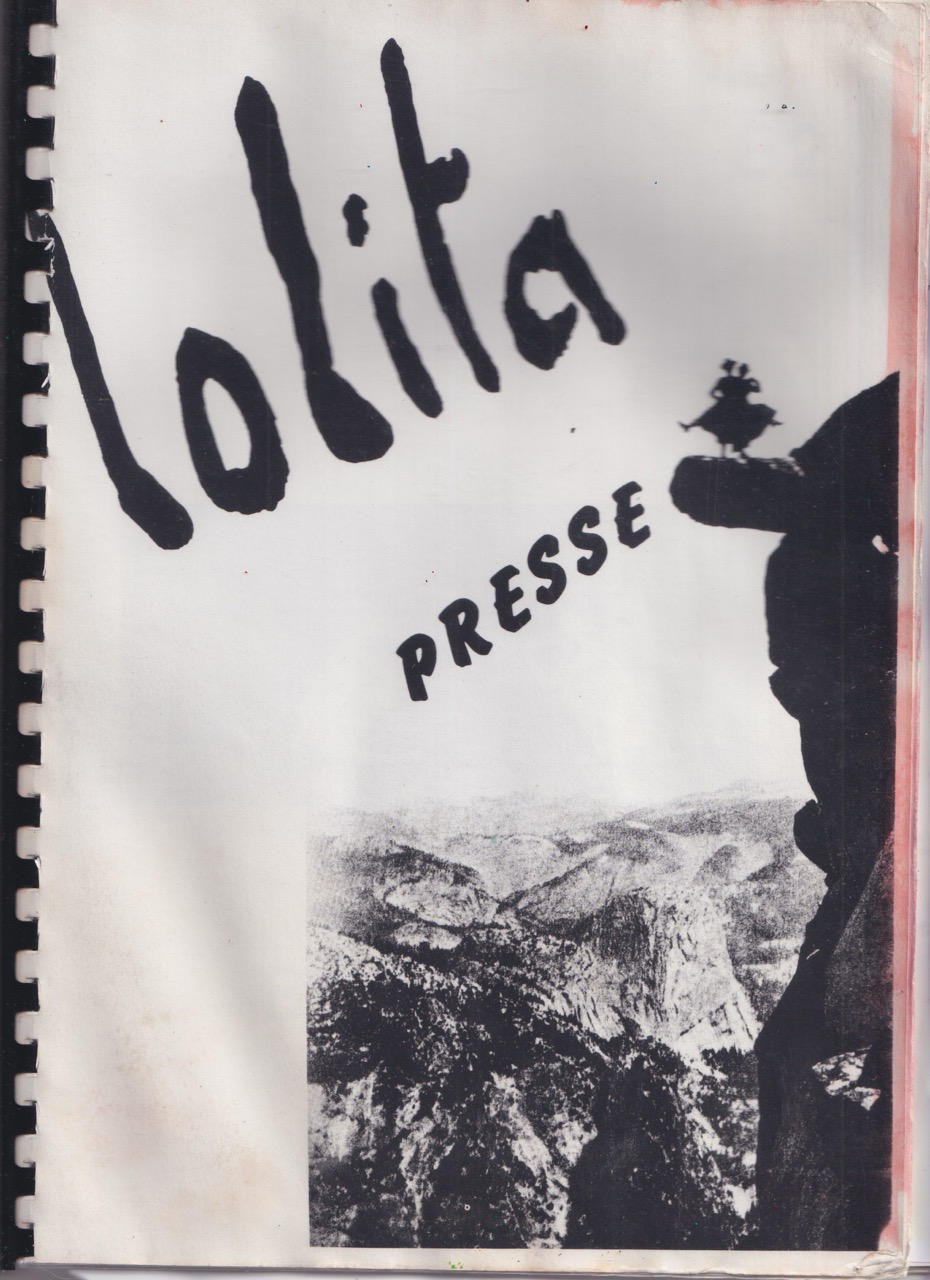
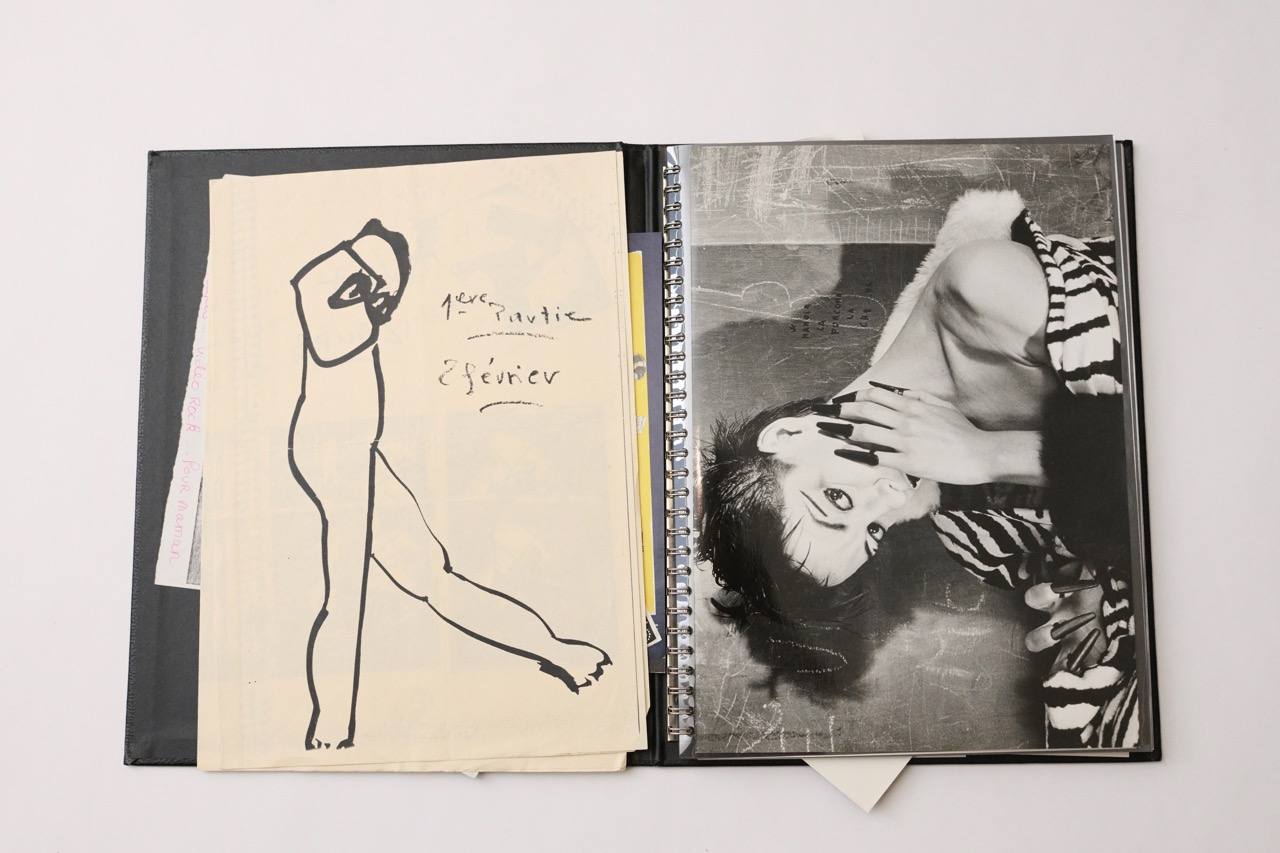
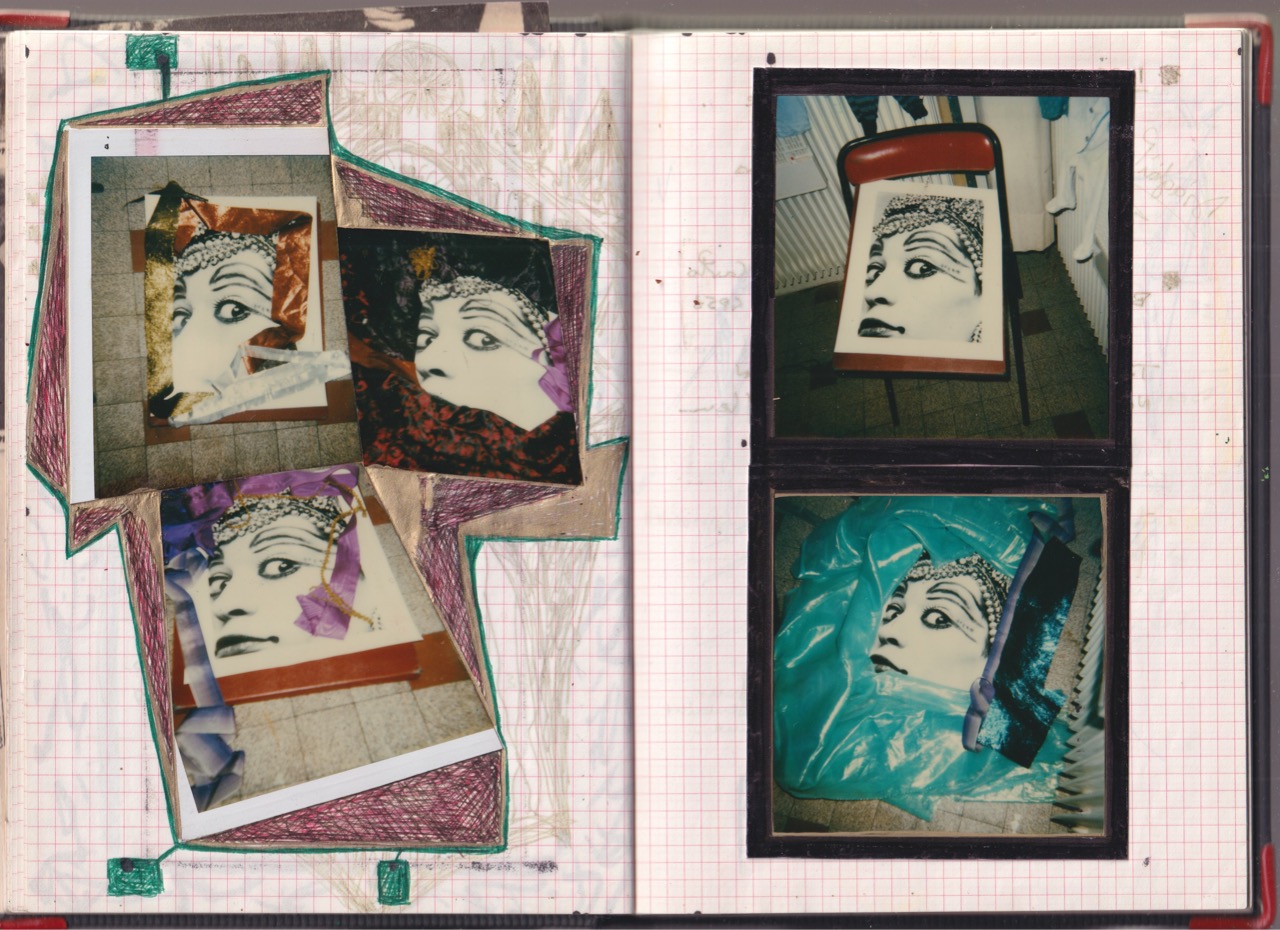
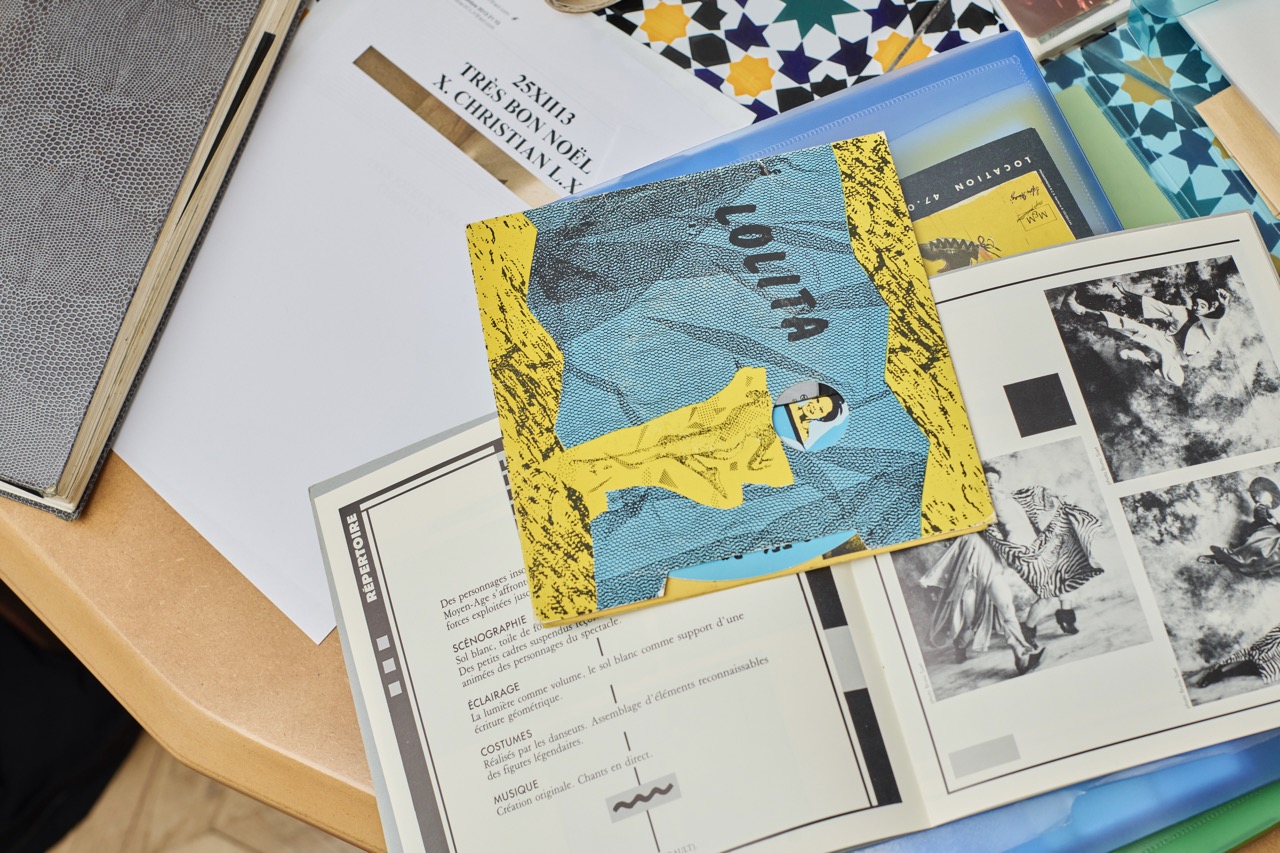
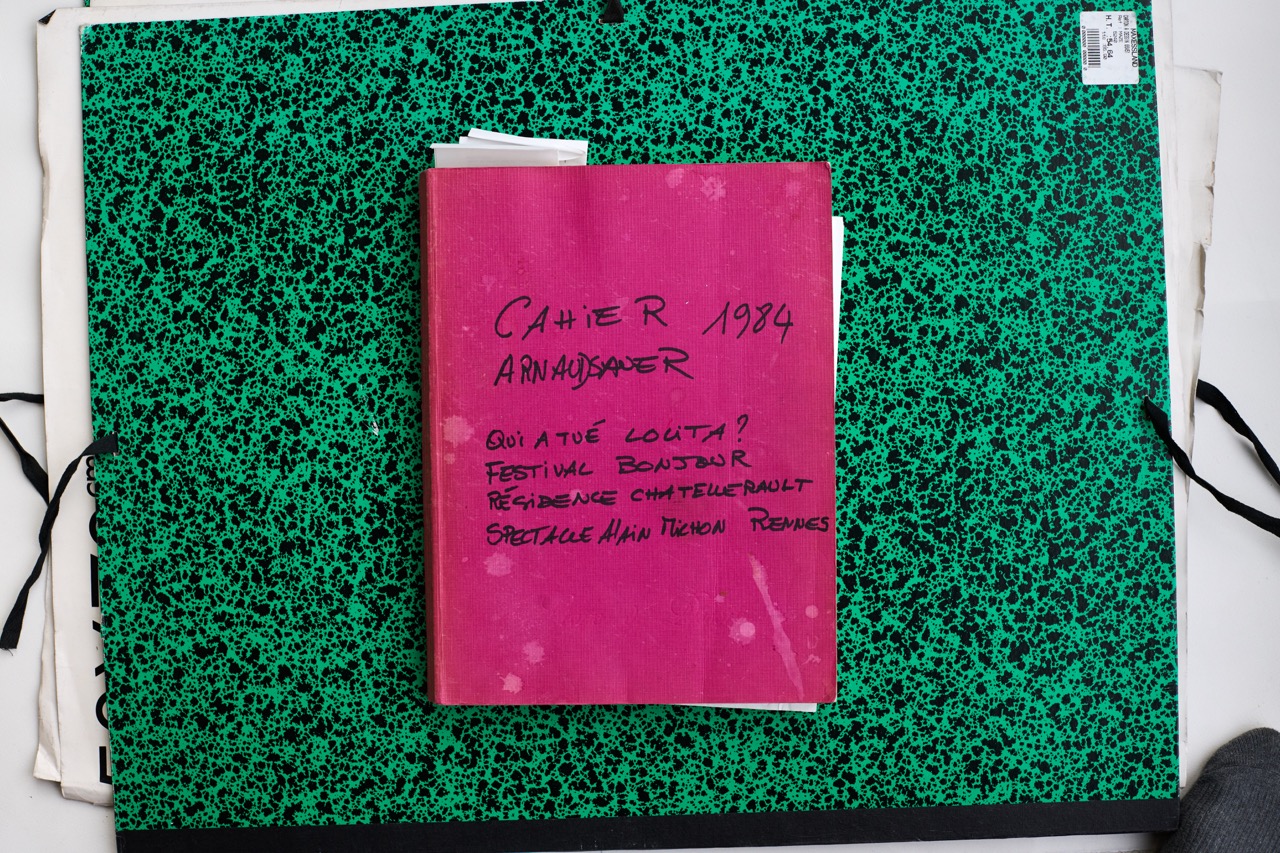
At the beginning, we sat down as a team and asked a very basic question: how do we even begin to tell this story? What stays, what goes? We’re not historians or trained archivists, we’re designers working with an immense and complex body of material. We considered multiple systems; chronological, by medium, by practice, but before applying any structure, we had to first understand what we were looking at. There were thousands of documents, and we needed to familiarise ourselves with them. The process became one of slow immersion: reviewing, sorting, cross-referencing, and gradually building our own internal logic. And just as we felt we were beginning to grasp the archive, more material would arrive from different members. At the same time, we discovered the archive at the CND, which added another layer. Our visits there were limited in time, so those moments relied heavily on instinct, quick decisions, intuitive selections.
If you were overwhelmed with material – how do you effectively make an edit, while still effectively telling the story?
It took months to find the right balance. The archive spoke to me very strongly, and my instinct was to include as much as possible. I was pretty obsessed with the whole universe! But including everything didn’t necessarily communicate the story clearly. There was a lot of trial and error. At the studio, we continuously redesigned, tested different approaches, and re-edited the material. Designers Maia and Anaïs spent hours discussing, cutting, rearranging, and experimenting. Bringing in editor Manon Lutanie was a turning point. She brought a necessary distance and helped us understand the importance of restraint, focusing on the strongest elements rather than trying to show everything. That external perspective was essential in shaping the final narrative.
Was there anything you couldn’t include, but really wish you could have?
The videos, definitely. There’s an entire moving-image dimension to the archive that we obviously couldn’t translate into the book – perhaps that points towards a future documentary. There were also hundreds of notebooks, as well as deeply personal letters: love letters, reflections, fragments of everyday life. We read so many beautiful texts that could have formed a project of their own.
And was there anything you were missing that you had to work around?
Probably a lot. But working with an archive often means working with absence as much as presence. In a way, the gaps became productive, they activated the imagination and allowed us to build connections rather than simply present a fixed, complete narrative.
“We approached the book almost as a performance. Rather than strictly referencing dance as a subject, we tried to translate its rhythm into the structure of the book—through pacing, sequencing, and visual breaks.”
What is the hardest part for you as an editor/curator/designer of this book?
The sheer volume of material was the biggest challenge. There was an overwhelming multiplicity. So many directions the story could take, so many fragments competing for attention. At times, just looking at the material and deciding where to begin felt like the hardest part.
You were working with people’s personal archives—was there an emotional or personal element to going into their homes, engaging with this material?
Absolutely. The process was deeply personal. We were trying to tell the story of ten individuals from a perspective that wasn’t our own, which came with a real sense of responsibility. The fact that most are still alive made that even more present. They were very engaged, sometimes critical, but ultimately wanted to feel truthfully represented, which aligned with our intentions. Their personal and professional lives were completely intertwined. Through letters, photographs, and objects, we began to understand their relationships, dynamics, and emotional landscapes. Entering their homes and engaging with their archives, we totally felt absorbed into their world!
Lolita is of course all about dance – how did you approach rhythm in the edit and design?
We approached the book almost as a performance. Rather than strictly referencing dance as a subject, we tried to translate its rhythm into the structure of the book—through pacing, sequencing, and visual breaks. Elements like black backgrounds, pauses, and interludes function almost like watching a show. The goal was for the book to feel like a choreography: a progression of movements, intensities, and silences. In that sense, the book becomes not just a documentation, but a performance in itself.
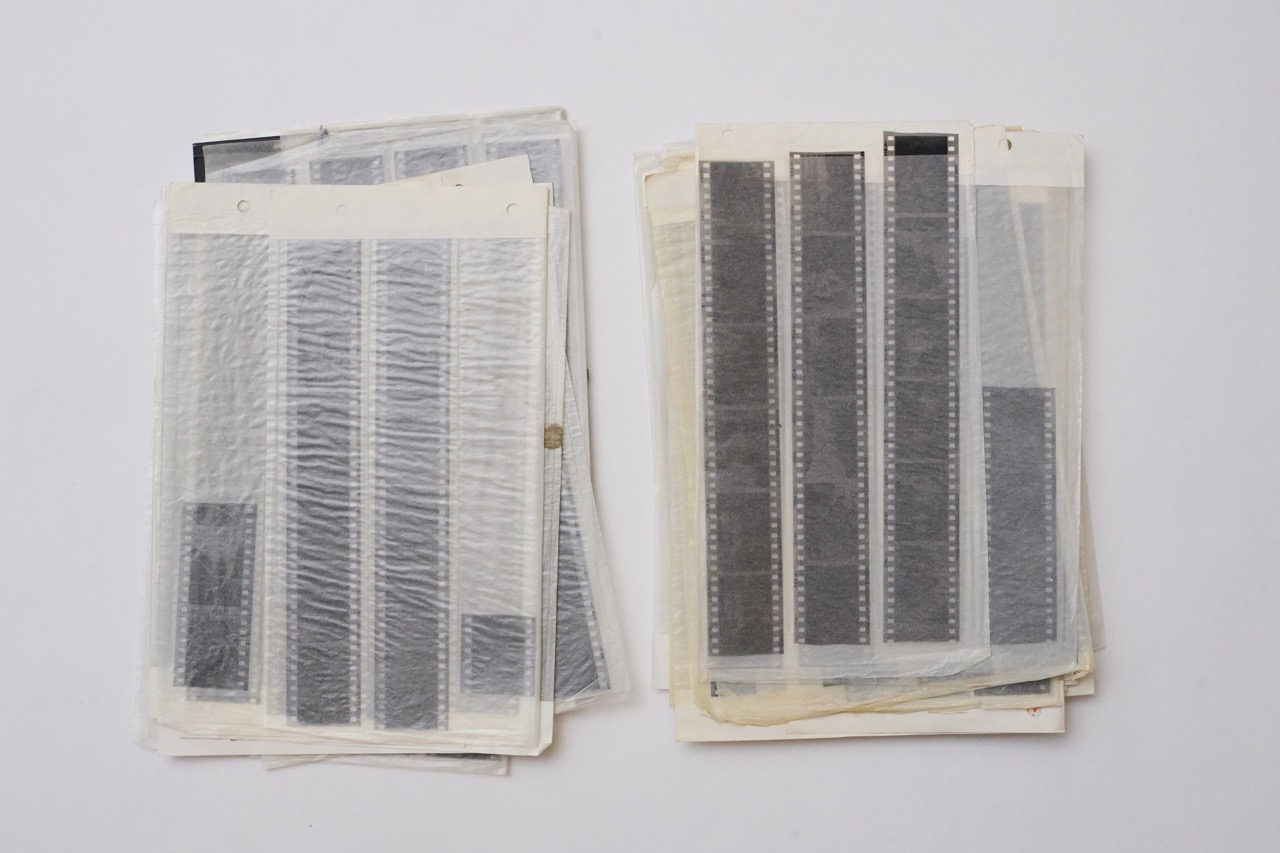
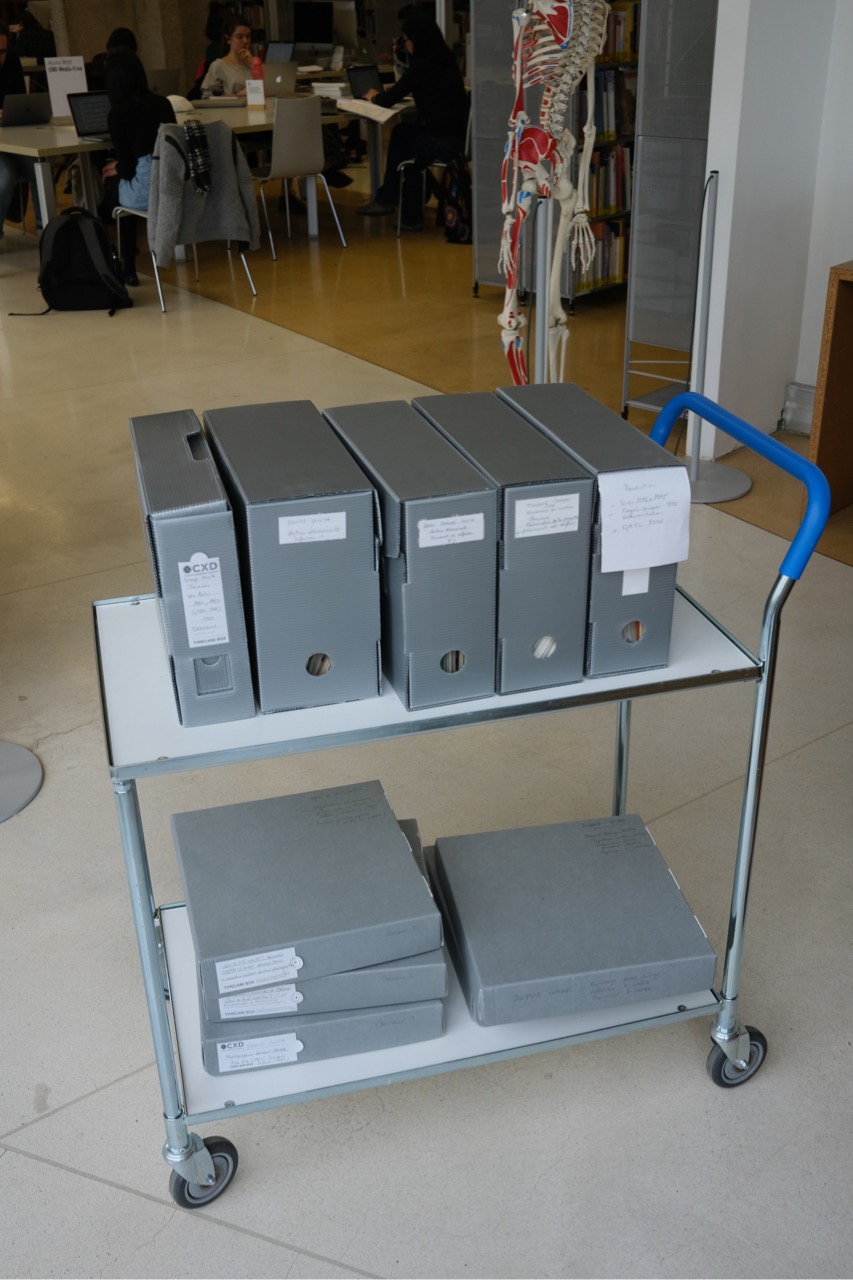
You mentioned wanting to make a book about the archiving process—do you think that might happen?
Hopefully. The process itself felt rich enough to become its own project, so it’s definitely something we’d love to explore further.
What’s something about Lolita Danse that surprised you during the making of the project?
It really felt like opening a Pandora’s box. What surprised me most was the intensity and consistency of their creative lives. Their art wasn’t separate from their daily existence. It was their daily existence. They created constantly: writing, drawing, painting, assembling, documenting, reworking etc etc. There was something incredibly moving about that rhythm of making and keeping. It also made us reflect on the nature of archives themselves. How they are always partial, always shaped by perspective. It leaves you wondering what else might have existed, and what stories remain untold.
Lolita Danse is available to order now at mestizaestudio.com/mess