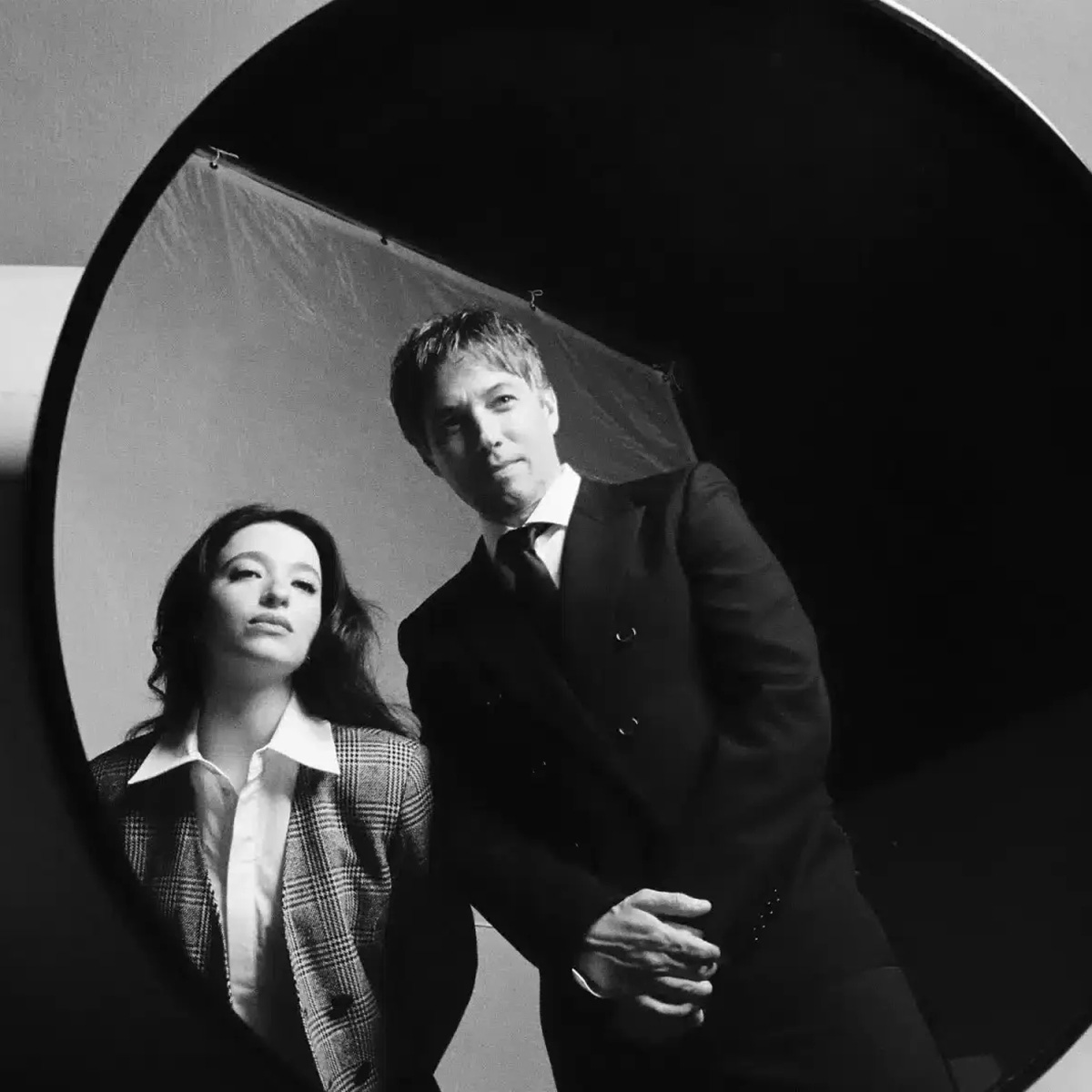
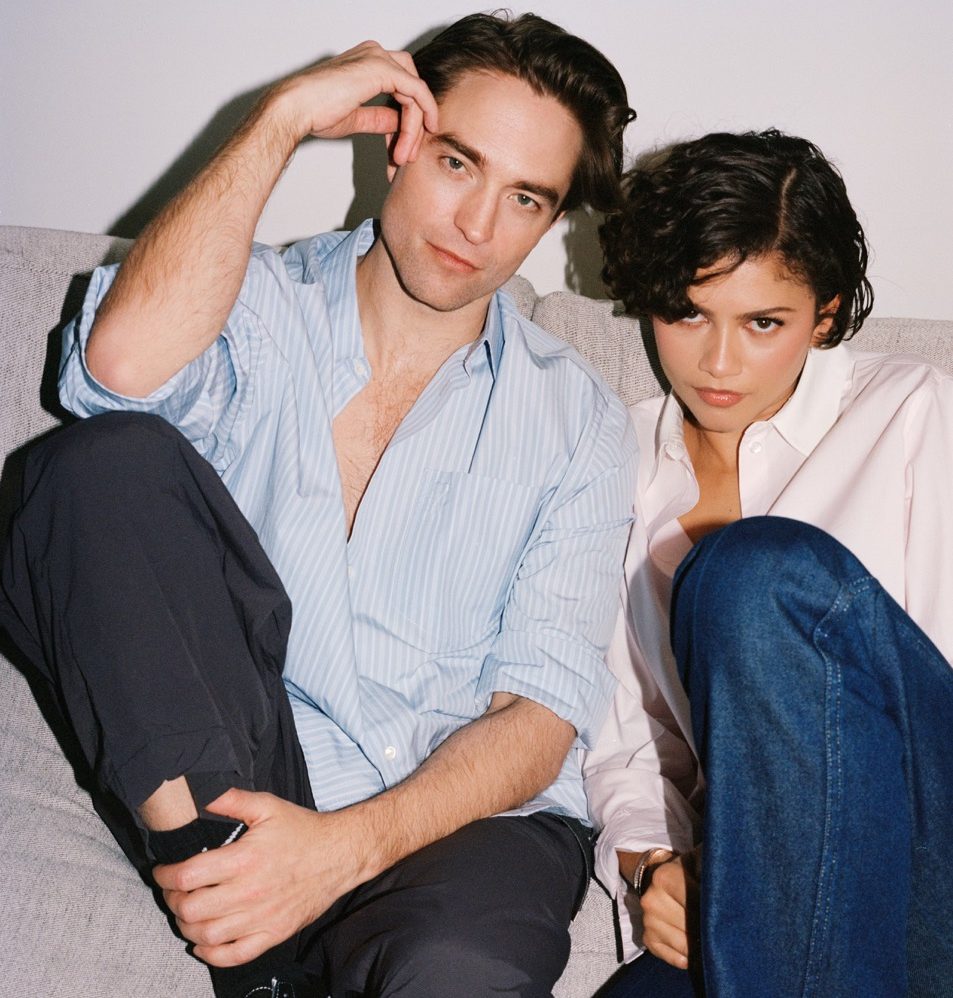
As Kristoffer Borgli’s The Drama arrives in cinema, A Rabbit’s Foot meet costume designer and regular Celine Song collaborator Katina Danabassis. She speaks to Tyler Dane Wingco about building a pitch perfect preppy style for Zendaya and Robert Pattinson, being inspired by The Secret History and the joy of a well worn t-shirt.
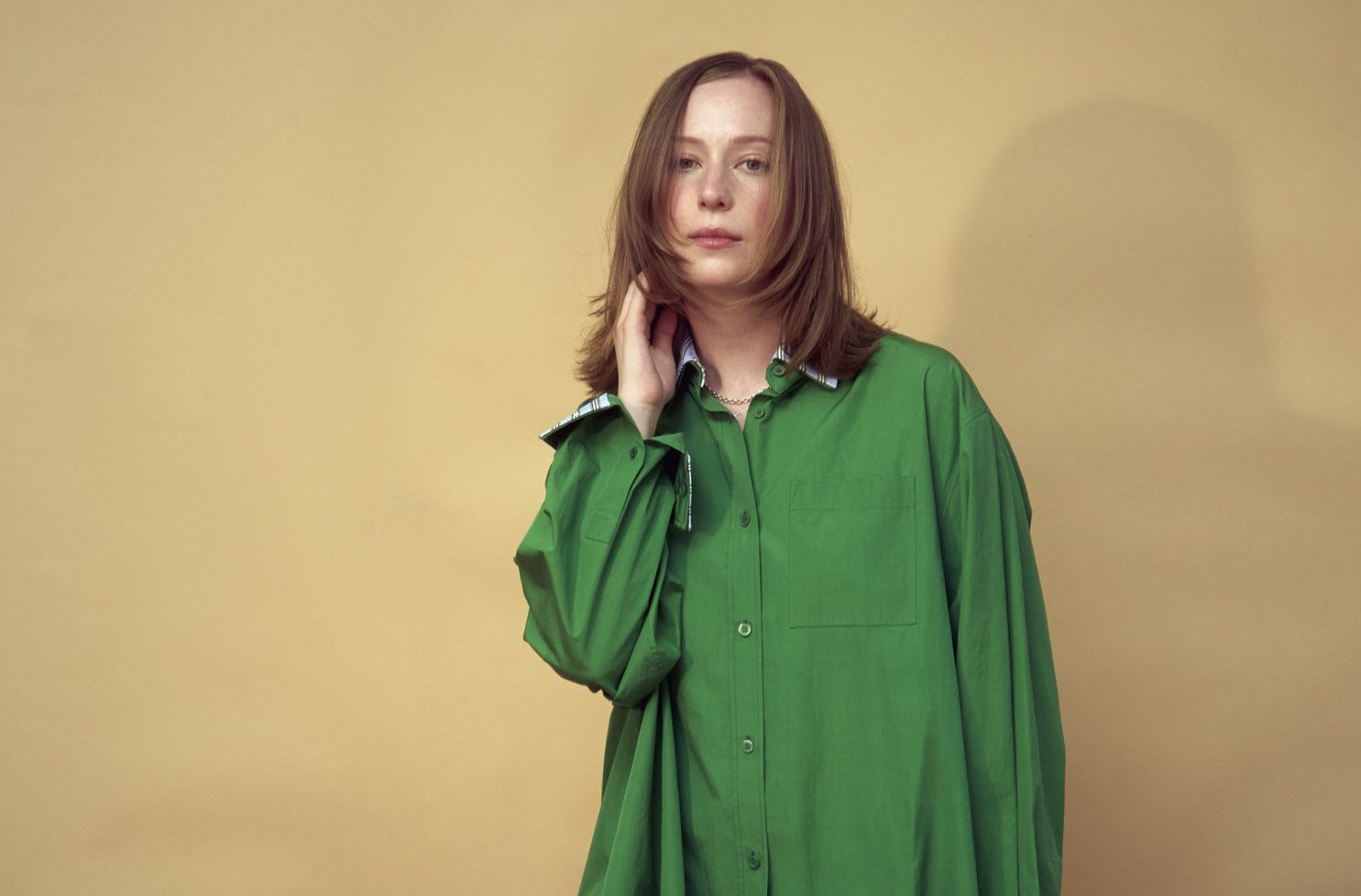
If you’ve pinned the wardrobes of Greta Lee in Past Lives (breezy, cool button-ups) or Dakota Johnson and Pedro Pascal in Materialists (made in the image as a 2025 JFK Jr. and Carolyn Bessette-Kennedy) to your moodboard, you have Katina Danabassis to thank. The work of the Saskatoon-born, Los Angeles-based costume designer isn’t concerned with what’s loud and elaborate, rather her approach is studied in the semiotics of clothing, fueled by her degree in anthropology, to elevate mundane garments into something cinematic and aspirational. With seven out of her ten credits being for A24’s biggest titles – including C’mon C’mon, Y2K, Bodies Bodies Bodies and The Curse – Danabassis has no less helped shape the indie studio’s sartorial language for gritty, contemporary storytelling. Speaking with A Rabbit’s Foot for her latest in Kristoffer Borgli’s The Drama, she discusses the minimalist Scandi-slash-slouchy Boston dark academia worn by its stars Zendaya and Robert Pattinson, how she gets clothes looking lived-in, her eye for symbolic vintage T-shirts, and more.
I want to start off by asking about how you prepared for this film. I know you like to look at old print media for inspiration. What were you looking at for The Drama?
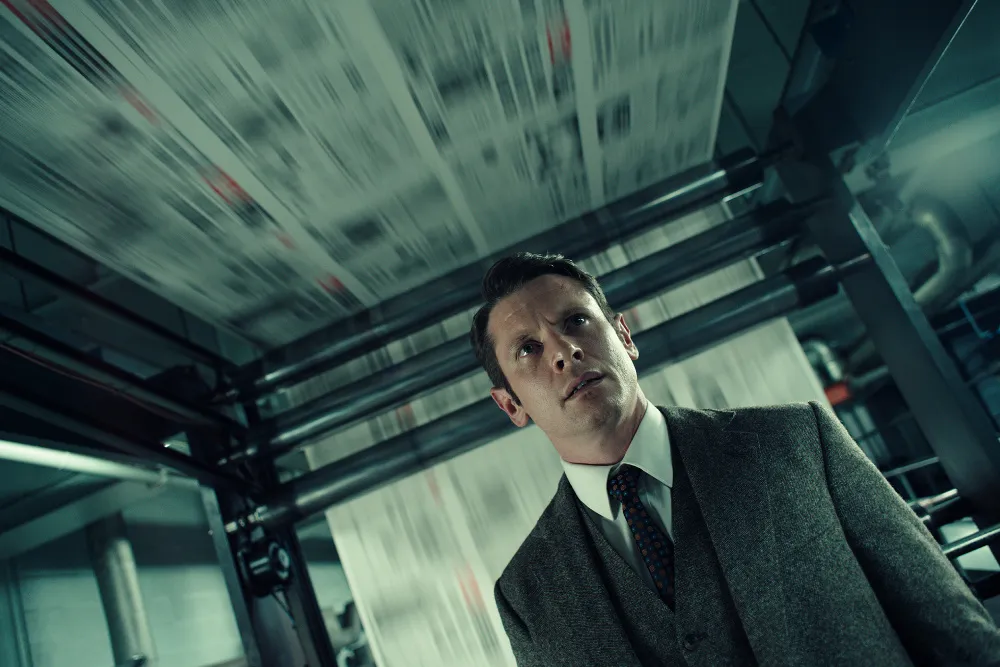
For Rob, I was looking a lot at the OG gorp-core. And then for Zendaya, it was really academic, sort of understated, but looking at that for a modern girl. There was also a whole Take Ivy [the 1965 Ivy League style bible for Japanese baby boomers] inspo for me. I was also trying to hit that note of a minimalistic Scandinavian aesthetic that Kris is also predisposed to, but keeping it natural and grounded and rooted in a Bostonian look.
How would you describe the Bostonian look? Because it has a different feel to other New England academia type movies like The Holdovers or The Social Network.
I would say that people from Boston aren’t very fashion forward or highly styled. But then the academic look isn’t centred around style and fashion. It’s highly pragmatic; it’s about: we’re trying to get to and from work by bike efficiently. And we elevated it for that aspirational [quality], but it’s very rooted in what’s real and wearable. Like [Rob] has a really nice worn-in vintage Oxford shirt that I found in a thrift store there. And dark academia is always something that I really gravitate towards. I was thinking about The Secret History by Donna Tartt a little bit when I was thinking about what they would wear: a very austere palette, and everything’s pretty neutral and practical.
Talking to Kris, the main thing was that it should be a kind of elegant academia, and that the silhouettes should never be too tight. So everything was very loose, not baggy, but relaxed.
You were borrowing clothes from brands like Hermès for Materialists, so were there any Scandinavian brands involved?
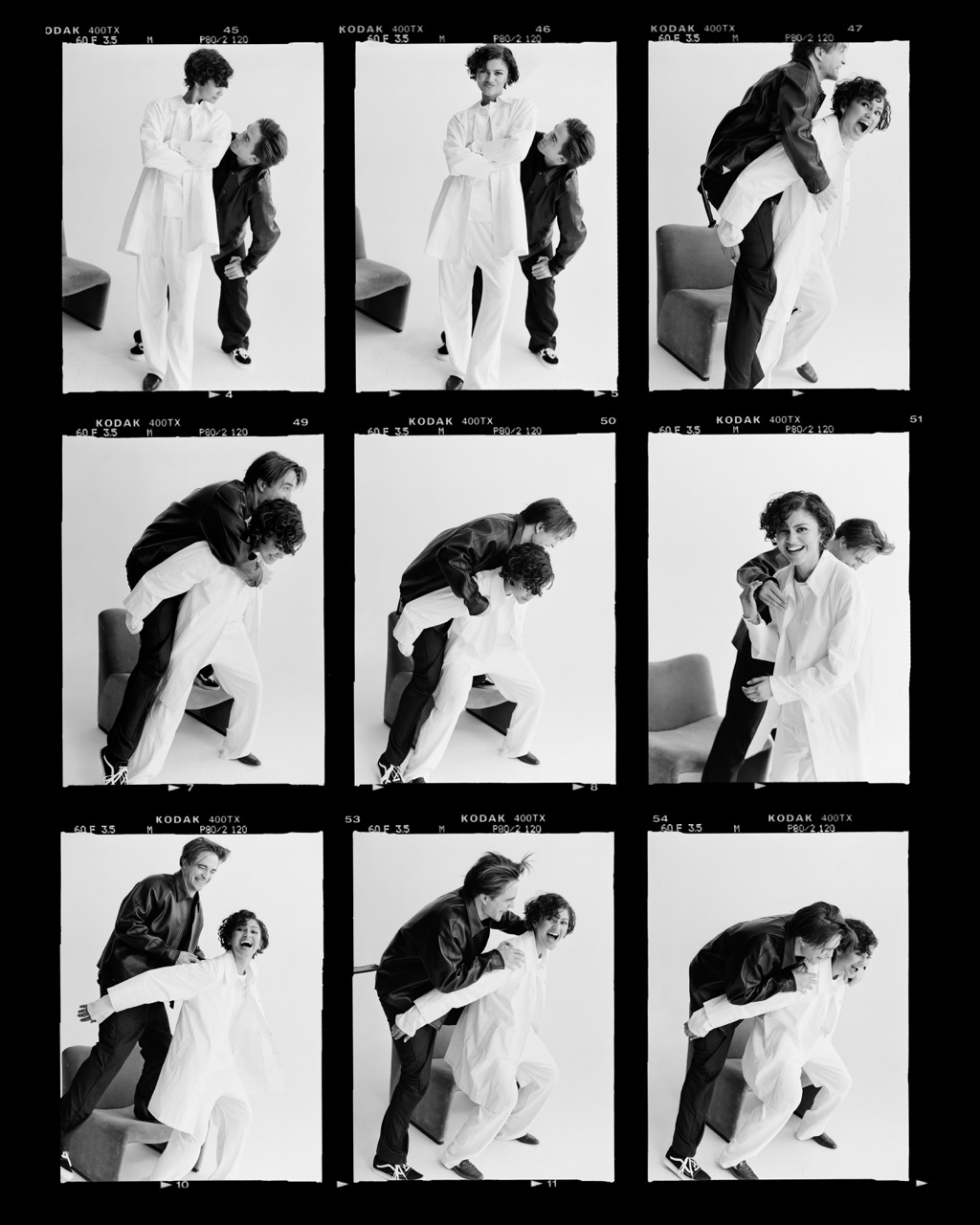
There was some Scandinavian, like we were looking at Helly Hansen. It’s funny actually, for Robert’s character [Charlie], for example, it was a little bit more like, what is the English thing? Because he is. And then Zendaya’s character Emma is American. So we had brands like YMC. I had him in Margaret Howell, which I really loved. We had paraboots for him. We used Veilance. And then there was just a lot of simple and classic vintage Gap stuff for that really academic look. And for her, similar brands actually, because it’s almost like a shared sensibility in their closet.


So you were thinking about them more as a unit rather than separately?
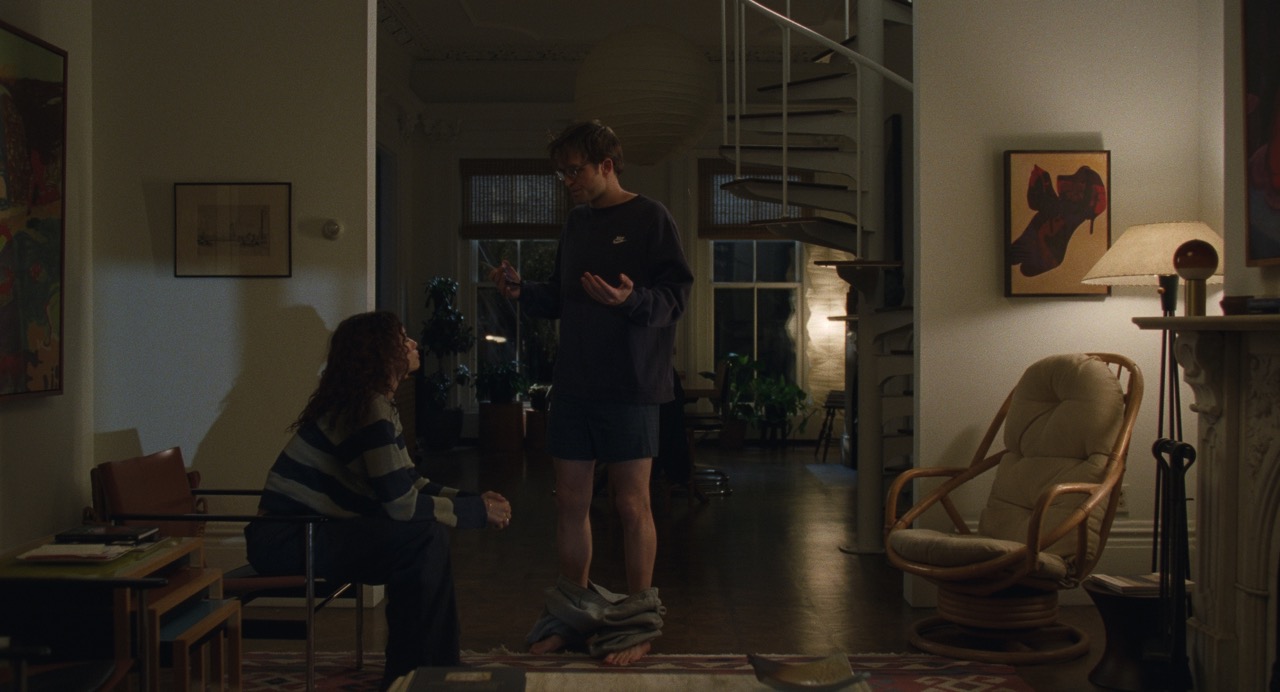
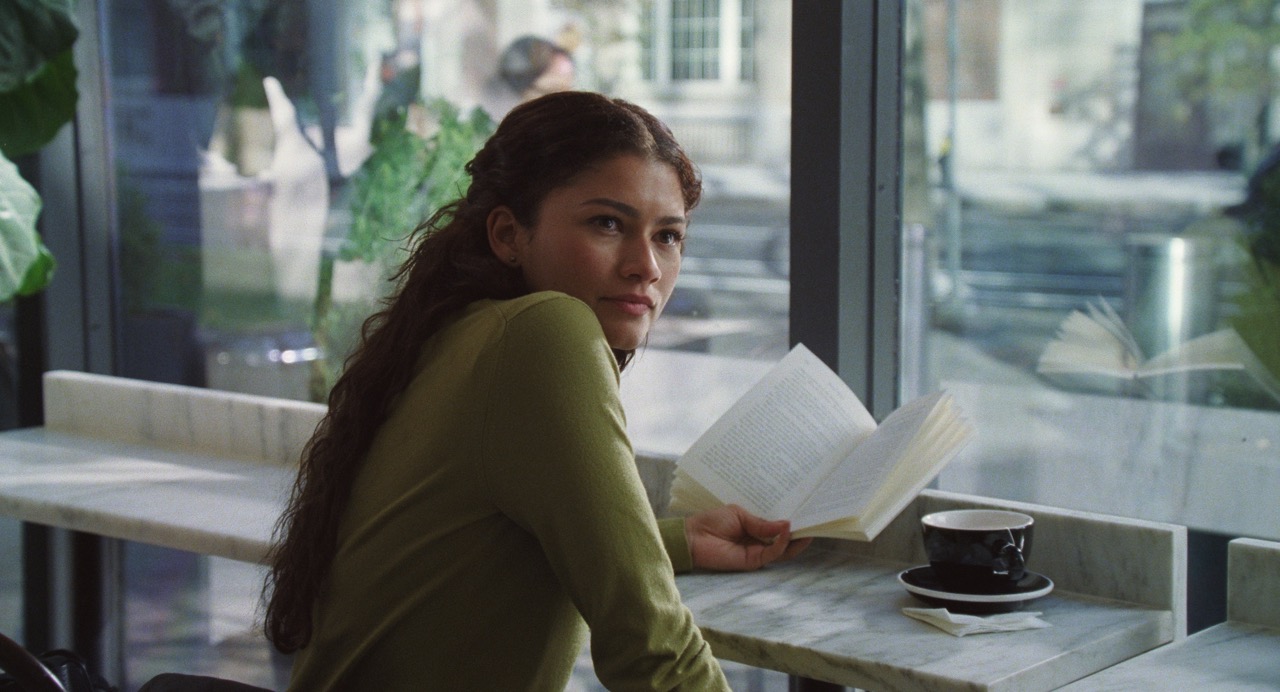
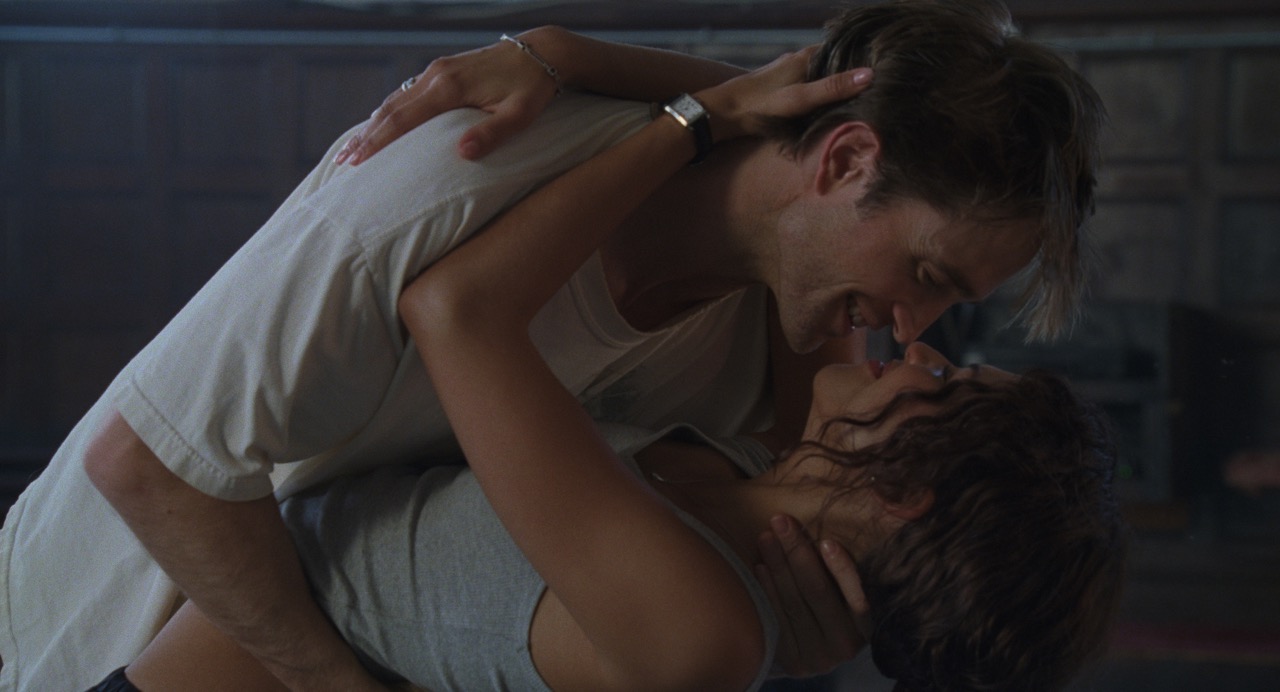
At a certain point, yes, but at the beginning, she has a little more colour to her wardrobe, like in the flashback scene [at their coffee shop meet-cute]. And then they start living together, so their style starts to reflect back to each other like looking into the mirror and seeing the same thing over and over again. So you just keep doing that [academic] theme to keep it in the same family visually. I never want the viewer to come out of the story because of the clothes.
The clothes have a really beautifully lived-in feel to them. How do you achieve that and why is that essential?
I love to make sure that everything is either worn or washed, unless it’s supposed to look new. That can be a nice way to express some sort of difference. Because it does translate on-screen; film picks up subtlety very easily. And so when the clothes are really soft and worn, it’s like the camera knows that, but the body also knows. Stiffness is also a helpful tool in storytelling, at least when it should be stiff and when it should be a little bit too tight. I do prioritise making sure that the clothes feel real and worn and lived in, and we make them age if they’re not, when it’s all appropriate.
What does that ageing process look like? Because you have to have multiples of them.
Usually the director says, ‘This can’t look new’. So you start washing it. You can wash it down and you can beat it up. Like T-shirts, for example, I’ll take multiples, I’ll wash it, stretch it, take a sandbar to it or I have an ager/dyer, who is someone that will help you achieve the look of fraying at the collar and other little things.
I want to go back to the gorp-core thing. I’ve never been to Boston, so can you explain all the GORE-TEX in the film?
So GORP stands for ‘Good Ol’ Raisins and Peanuts’, traditionally where I’m from [in Saskatoon, Canada]. And so when you’re in a city where it could rain, there’s real weather there, and if you’re biking to work and you don’t have the right jacket, then you’re going to be a little miserable. So it makes sense to wear your blazer underneath your GORE-TEX Eddie Bauer rain jacket, and you might be wearing Solomons or you might be wearing Keens to work. So that’s where it also comes in [to expand a character]: the textures of the fabrics and the brands that we use, like Gramicci, Keen, Arc’teryx, maybe he likes to run, maybe he’s a trail runner, like what are things they like to do outside of their life that we can use to draw upon for brands. That’s how I like to do it.
I have to ask about the very wedding dress, where did that come from?
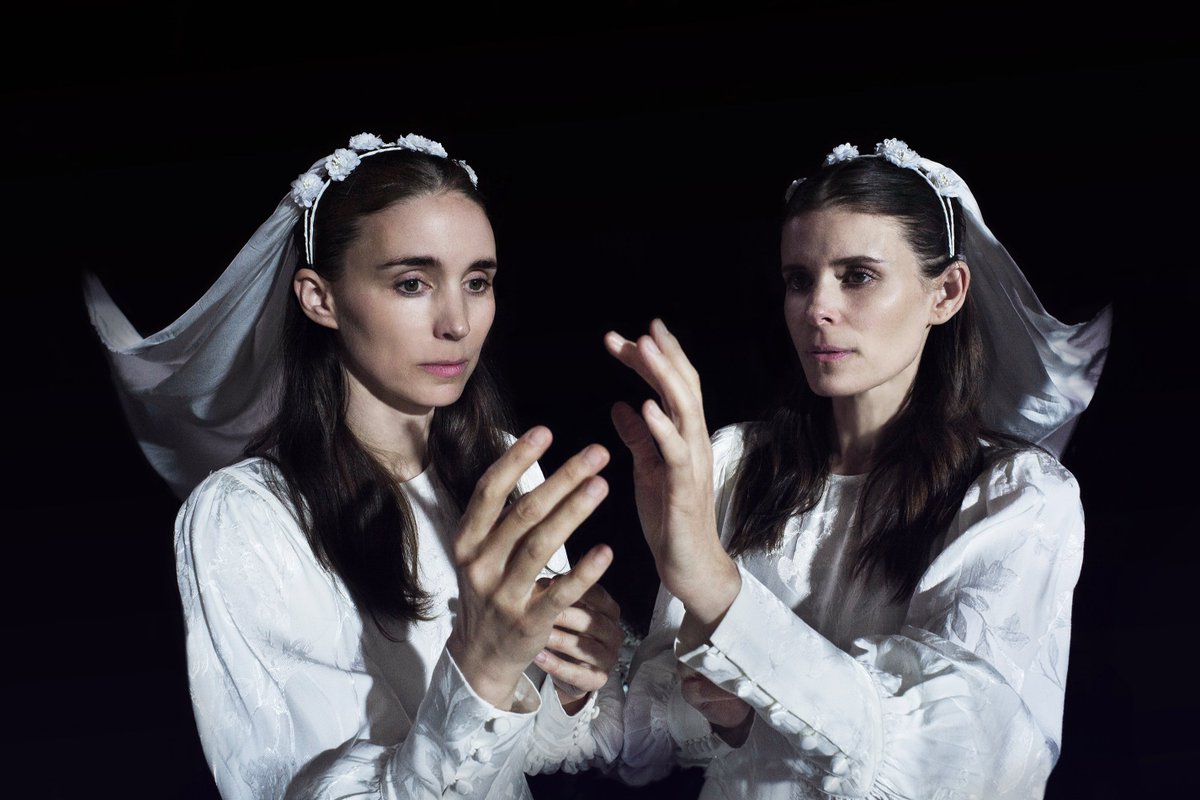
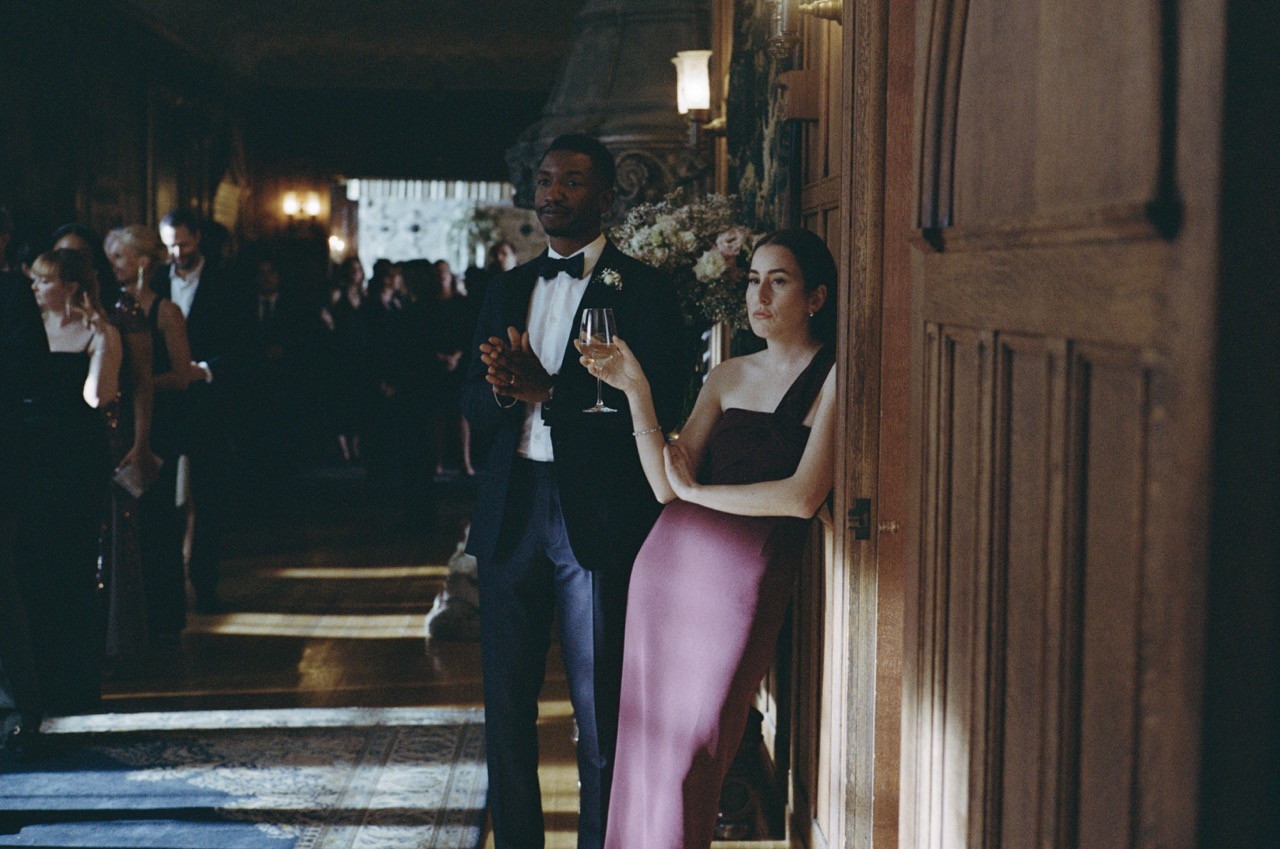
Jenny Yoo helped us out. And because we definitely needed multiples for that because it goes through the rain and wedding dresses are so white that you have to have an extra one so that you can be cleaning the other ones for long shoot days, especially because we were in that [wedding] scene for so long. We customised the little cutout side panels because Zendaya was like, ‘Oh, what if it looks sheer right there?’ And I was like, ‘Yes. Duh!’ And the fit of the wedding dress – the snatched waist with the flared skirt – is just cinematic, she looks like a cake topper of a bride. So you kind of want to play into some of those cliches when it’s when it’s right, you know?
I’d love to unpack two signatures that I’ve noticed in your work. Firstly, the vintage tees. What’s your secret to sourcing them and how do you go about picking the right one for a specific character?
Well, I love vintage tees a lot. And one of the challenges with vintage T-shirts is actually getting clearance on them. What I will do at the beginning, I’ll start my eBaying and Poshmarking or wherever for things that really speak to the character.
So, for Charlie, the guy’s an art curator at a museum. It’s kind of on the nose to be giving him some arty stuff, but it’s also not, you know? And I like really classic things that when they wear down, they just feel like they could almost pass for a very expensive cool T-shirt that a designer would have made. And so the Thinker T-shirt, we got that cleared because art clearable. And it’s generic enough that it passes, but it really worked in our favour because he wears it right before things start to get really crazy and he’s going to have to use his head and actually think about [the titular drama].
I like to imagine the things the characters would actually buy. Like, do they have like an old T-shirt from like a Museum of Boston opening from the ’80s that they found at a thrifter because it’s Boston. You know what I mean? So that’s the approach. And I just love classic art on T-shirts.
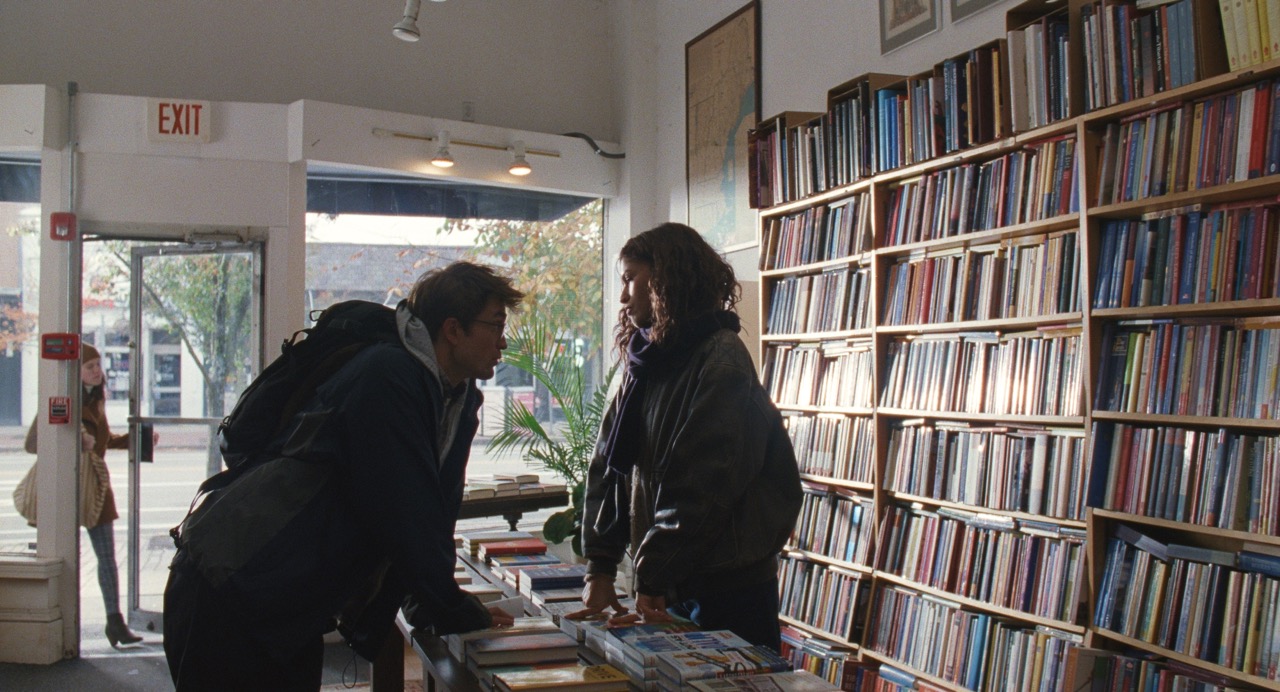

I think I’m visually drawn to a bit of chaos. I’m interested in things that are incongruent in a way that is natural and exists in the real world. That is an amazing element of style: something that feels off, but it’s right that it’s off.
Katina Danabassis
The second signature that I wanted to talk about are these sort of incongruous pairings, whether it’s throwing an orange puffer over a wedding dress in The Drama; a worn-in Carhartt jacket over a floral dress in Materialists; or a button up over a slip in Past Lives. How do these moments make themselves known to you?
I didn’t even realise that I keep doing that! [Laughs]. Well, sometimes it’s really just a happy accident, or it’s on the page. Maybe it’s not on the page and I’m like, ‘Uh, we’re going to have to throw a jacket on her because it’s raining and Zendaya’s not going to be walking outside on the road in a wedding dress and die’, you know what I mean? Because she’ll get sick, and we’re not doing that.
But also, it’s about what does and doesn’t make sense. Kris will think about it and he might have an idea. I was like, ‘She should just throw a jacket on. It’s not a big deal. She needs a jacket.’ And then he’s like, ‘Well, what about a puffer jacket.’ And then we start thinking if it’s one that she brought there because she came in her comfy clothes. Or is it one that she just steals from someone at the venue? Anything is possible. And so it kind of doesn’t matter where it came from. It just matters that it’s bright and that it’s going to actually work. We customised that jacket by adding a hood because you just never know what the weather is going to do and I want to help out my actor friends when I can.
One last question to wrap up, the ensembles I just mentioned are the last things we see their wearers in, and I feel they culminate your approach to realism. What do you hope is the lasting impression of these moments?
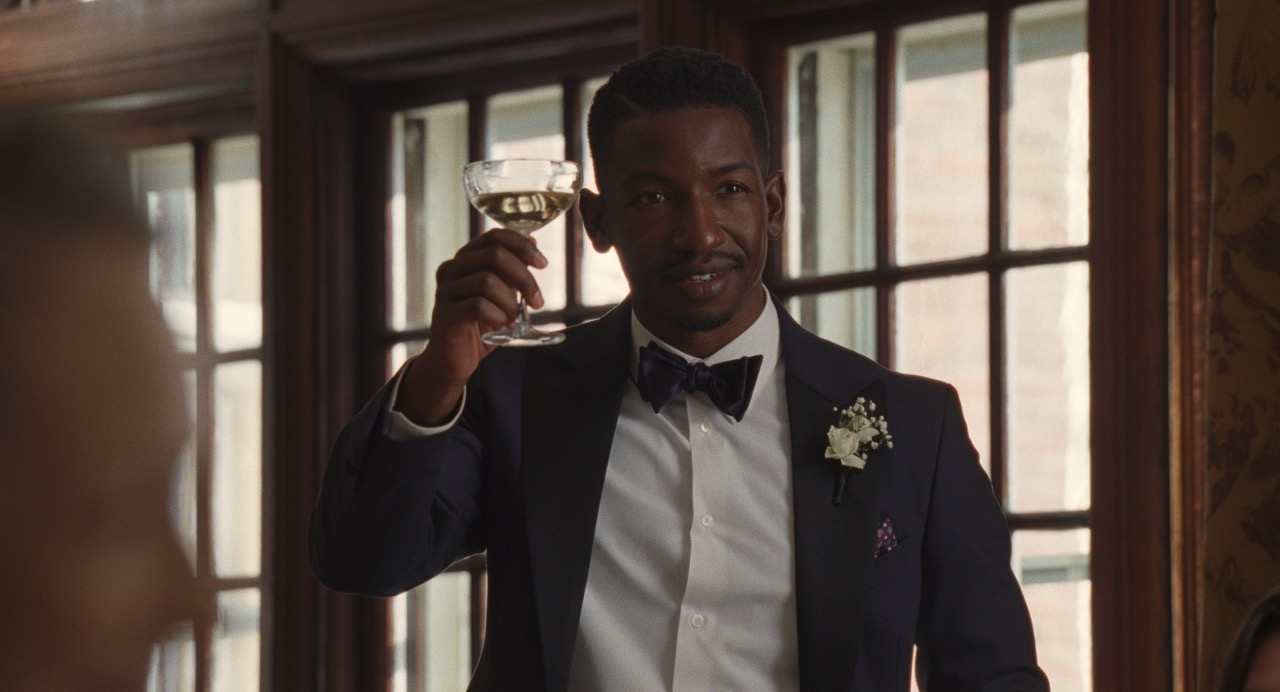
For Rob, having his windbreaker over his tux was amazing because it bookends the whole film. Like he starts in that jacket and he finishes in that jacket, so it’s like his blankie jacket that he uses as his little comfort thing. And I think I’m visually drawn to a bit of chaos. I’m interested in things that are incongruent in a way that is natural and exists in the real world. That is an amazing element of style: something that feels off, but it’s right that it’s off. That’s one thing that I hope people are left with, that offness is okay and sometimes you have to embrace it. And sometimes it’s hard to be your true authentic self, but you got to be weird.
Continue Reading