

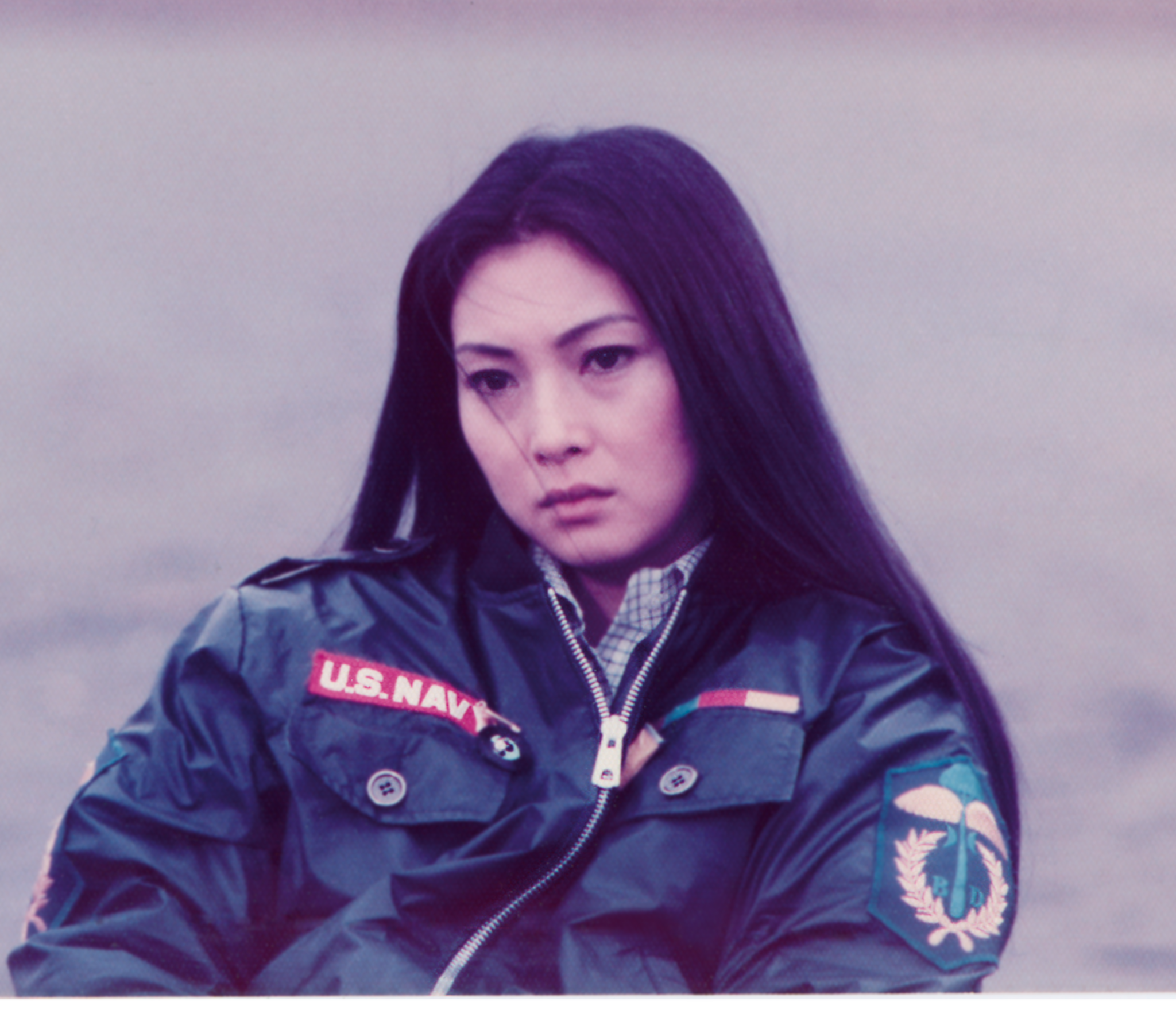
The 79 year-old Japanese actress and singer—famous for her starring roles in exploitation films like Lady Snowblood and the Female Prisoner #701: Scorpion series—dials in with A Rabbit’s Foot from New York City, where Japan Society is celebrating her career with a fantastic new retrospective.
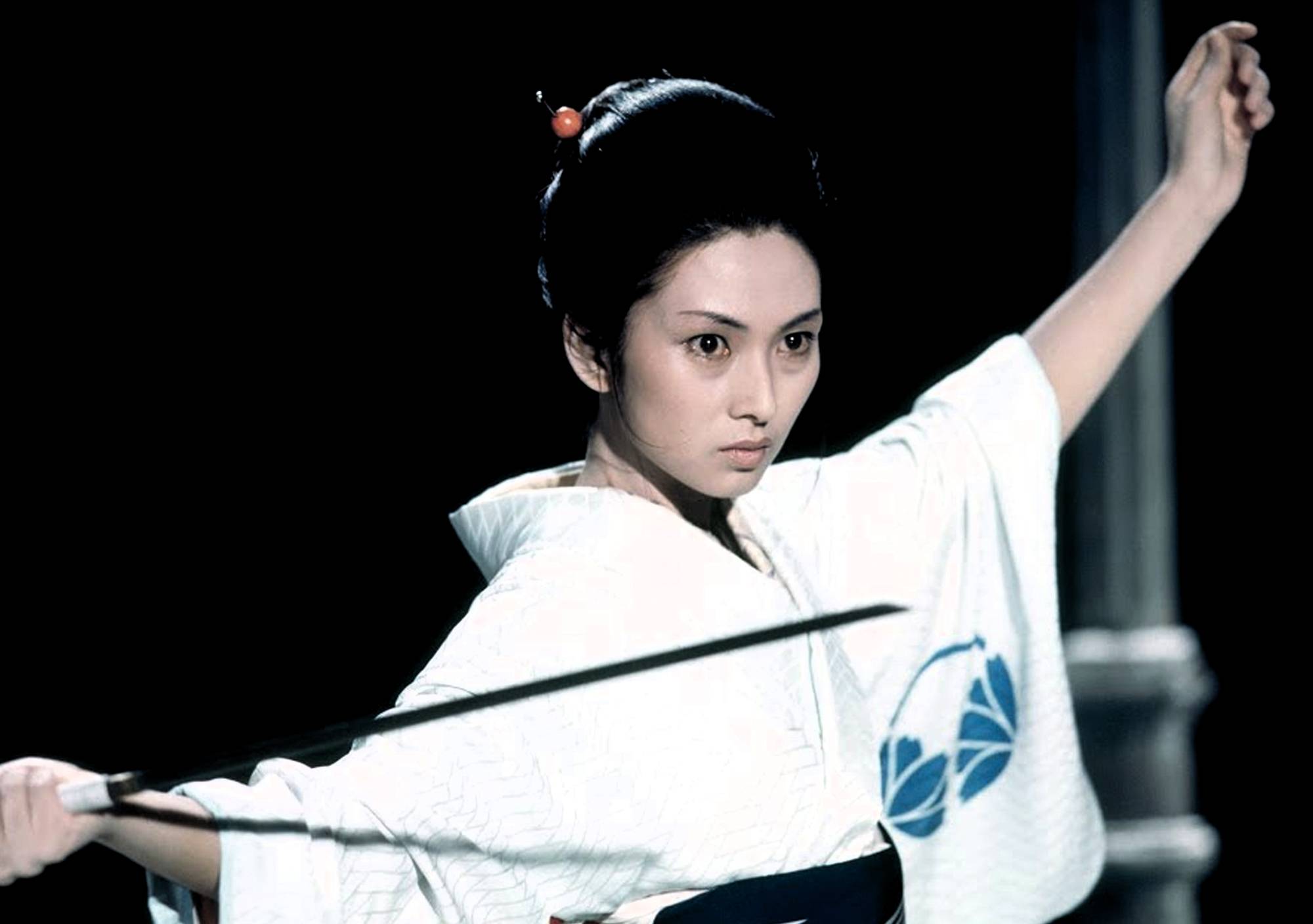
For anyone serious about exploring Japanese cinema, the magnificent work of actress and singer Meiko Kaji is inevitable. A legendary and defining force in 1970s Japanese exploitation, she cut through low-budget, fast-turnaround, radically inventive films like Lady Snowblood, Stray Cat Rock, and the Female Prisoner #701: Scorpion series with her owlish, striking glare—what Sean Baker called the “best scowl in cinema”—haunting, self-sung theme songs, and a singular command of the silent, vengeful heroine.
Most cinephiles hear Kaji’s voice long before they ever see her on screen. In 2002, American filmmaker Quentin Tarantino released Kill Bill—a gateway text for starter-cinephiles beginning to scratch the surface of the medium—and used her Lady Snowblood theme to score his own sword-slinging heroine, The Bride (Uma Thurman). A Japanese cinema fanatic himself, especially the exploitation films in which Kaji starred, Tarantino borrowed more than just her voice, lovingly ripping off the narrative and visual skeleton of Lady Snowblood and laying it directly over his film.
Though Kaji’s impact on cinema is undeniable now, her success in the industry was never guaranteed. Dialing in from New York City, where she is visiting for a dazzling career retrospective at Japan Society, she recalls the hardships and anxieties of her first years under film studio Nikkatsu.
“[The Japanese film industry in the ’70s] wasn’t a place of nurture.” she says. “There were no acting classes where you could find yourself.” When she was first scouted on the street, Kaji had zero—or, as she puts it, “minus one”—experience in acting or singing. Yet she was determined not to fail. “I would receive lots of critiques on set from the director. They could be extremely harsh…It was frustrating, but it made me want to rebel—to show them I could do it.”
Below, I talk with Kaji about her refusal to fail during those early years, and why, in the decade to come, her greatest challenge will be time itself.
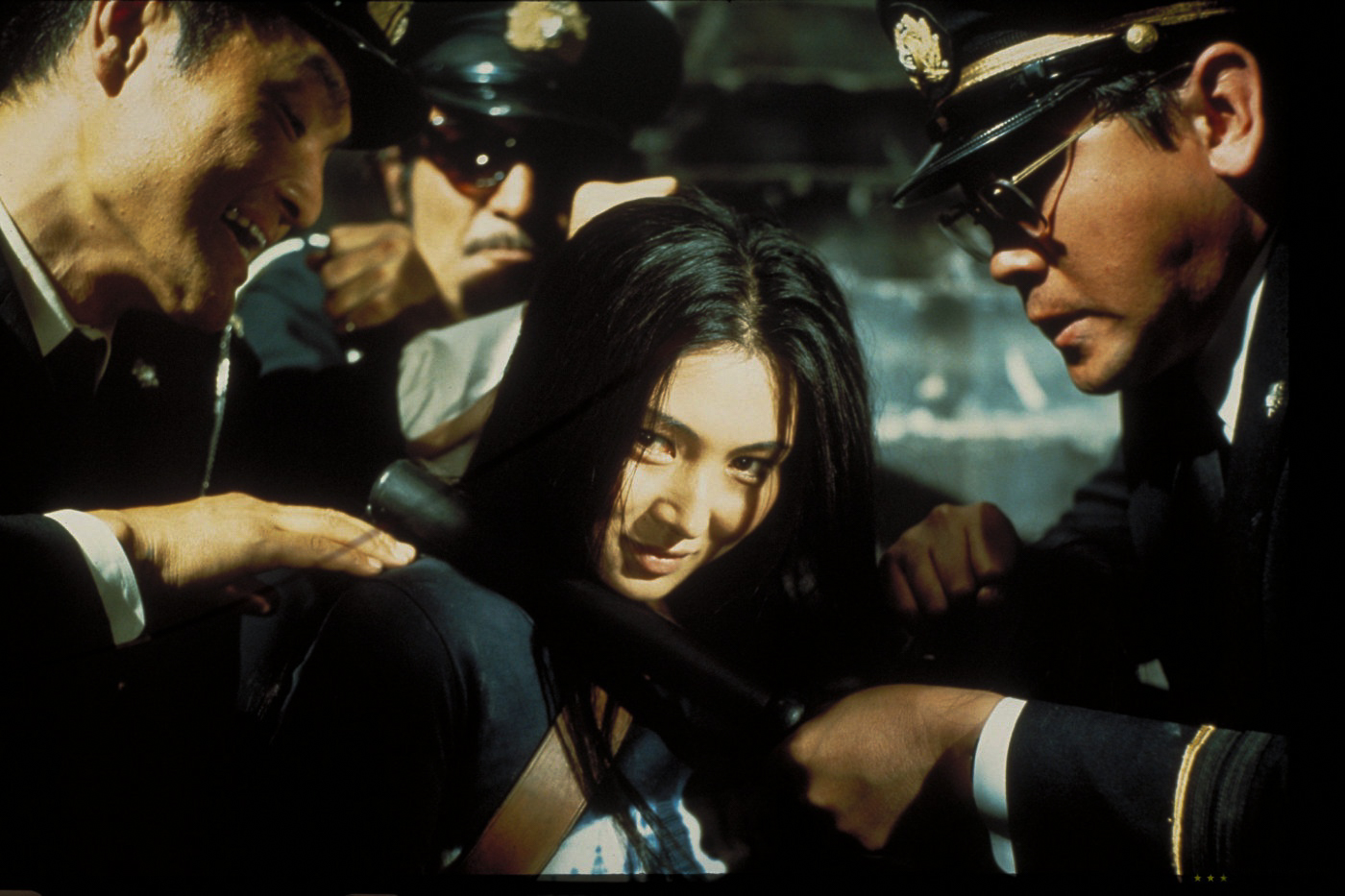
Meiko Kaji in Female Convict Scorpion: Beast Stable (1973).
Luke Georgiades: You’re able to communicate so much in silence, through even the slightest glance. Do you remember when you first became aware of the power of your face and eyes as an actor?
Meiko Kaji: It’s not something I was ever intentional about. Around the time I started acting, many people were talking about things like the power of my gaze, but they weren’t things I was intentionally doing. I believe that acting is about emoting instinctually, so whether it’s a scowl or something more gentle, I don’t like to overthink how I’m ultimately going to appear on the screen.
LG: Silence also plays a key role in one of your more recent films, Nezunoban. I was surprised to see you collaborate with an unknown director on a short film. What encouraged you to take on the role at this point in your career?
MK: I can’t believe you know that film! The casting director knew the director and brought the project to me. The director’s father-in-law had passed away, and when he went to the funeral he had noticed the very cinematic quality of a Japanese funeral, especially the act of burning incense for a single night. It’s a ritual for sending off the deceased that is very specific to Japan.
LG: How has your approach to the craft changed or stayed the same from your first feature to your latest work?
MK: It has changed 100%. When I started acting, it’s not like I had come from artistic roots. I had never been part of a drama club. I was an athlete. I was into sports—I had no interest in acting. It was when I was scouted in the street that I was thrown into a film studio. I knew absolutely nothing. I wasn’t starting from zero, I was starting from negative one. I didn’t know what I didn’t know, and that meant that I couldn’t ask questions. Now, in the 61st year of my career, it would be great to say that I actually understand what acting is fully, but the craft is so mysterious that I don’t think that I have reached that full sense of knowing just yet. As I approach this next decade of my career, I still continue to explore what it means to me, and I have no intention of stopping either.


LG: You mentioned that during your first years as an actress, you wanted to quit every day. What belief kept you pushing on during that time?
MK: I refused to fail. [Laughs]. I still refuse.
LG: Where does that hunger come from? Were you born with it, or was it taught?
MK: I came into the industry not knowing anything, and I would receive lots of critiques on set from the director. When they would criticize me it would be in harsh terms. They would say ‘why can’t you do what I’m asking’, or ‘don’t say you don’t know.’ And I would say, ‘well, I don’t know, what am I supposed to do?’. I would be very straightforward. Directors would often tell me that if I’m standing in front of a camera, that means I’m a professional. If you’re getting paid, then this is your profession, so don’t say you can’t. When I heard that, it was extremely frustrating, and it would make me want to rebel—to show them that I could do it. There’s not a lot of deep logic to why I am the way that I am. I was simply reacting to my circumstances.
LG: You’ve talked about how fast the turnaround was on the film shoots back then, often wrapping in as little as two weeks. Did that sense of urgency ultimately make you a stronger performer in the long run?
MK: I had been acting so consistently during my first year that by the end of that year I had been in seven films. It was such an extreme way of working. I wouldn’t play a heroine every time. Sometimes I would play a supporting role. Sometimes I would play a dead body at the bottom of the stairs. That’s still a film that I was in. It’s hard for me to reflect on whether that schedule actually helped me or not, because the experience itself was a complete flash.

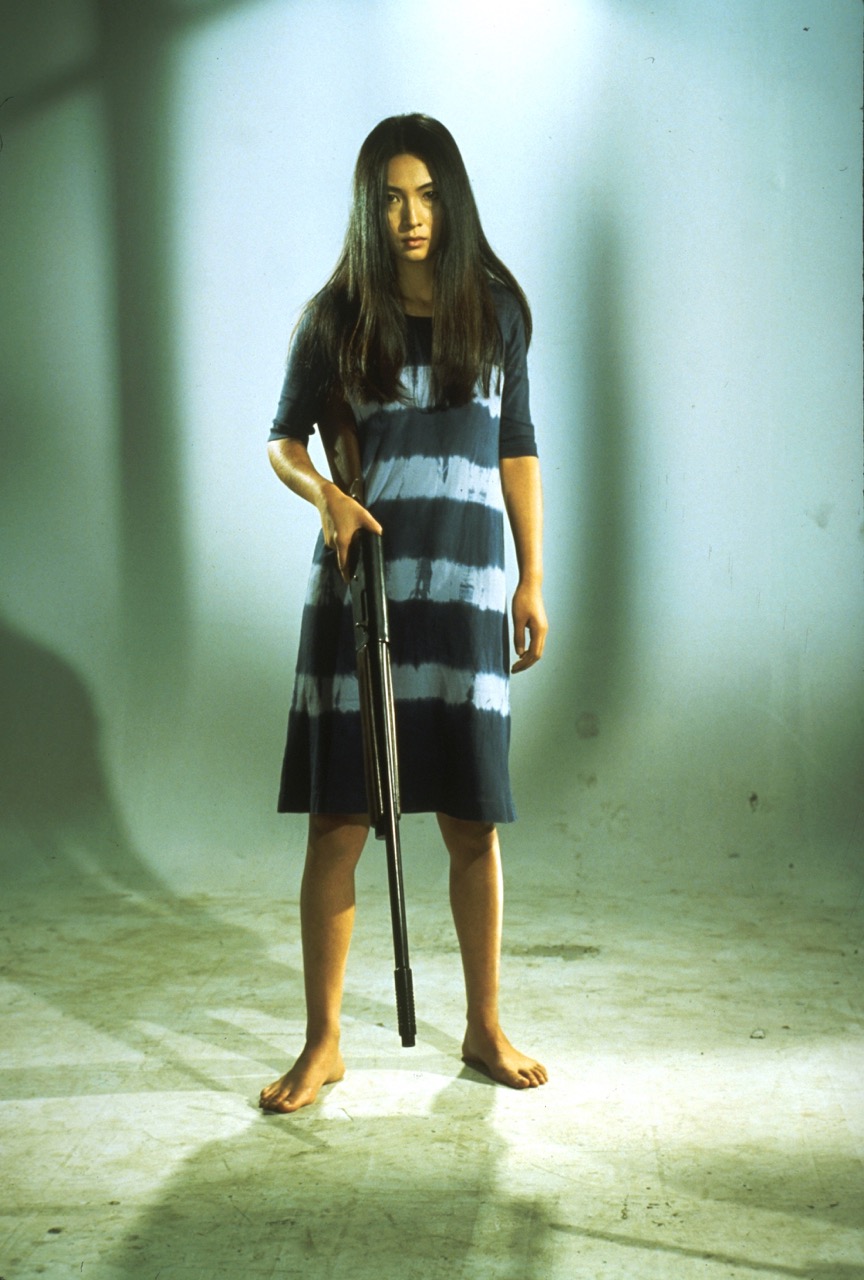
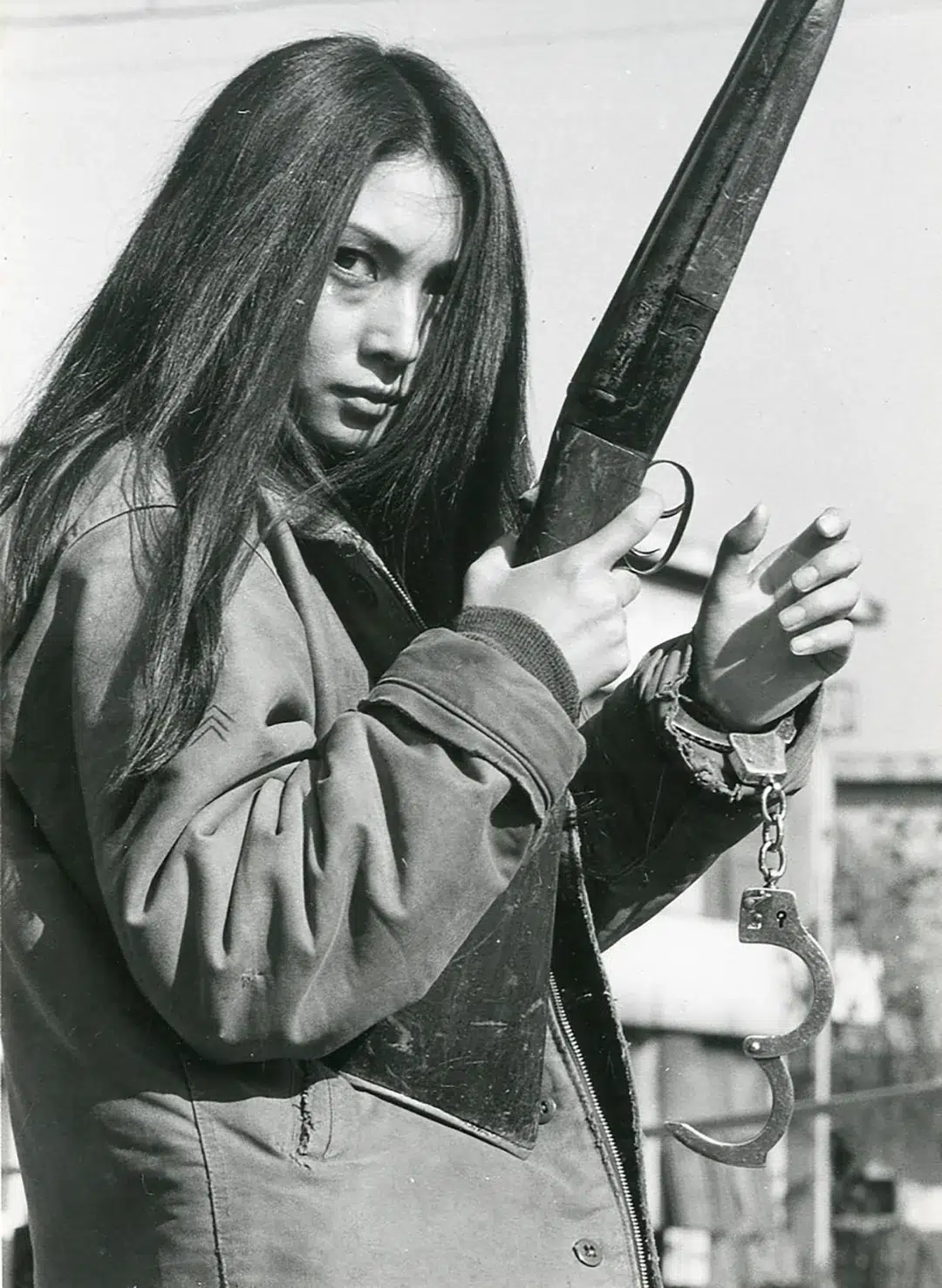
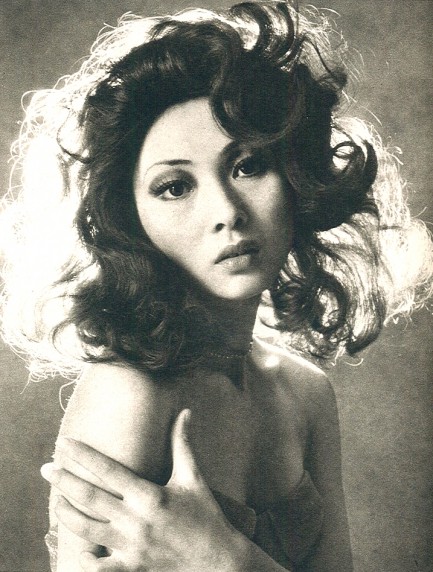
“I styled myself in almost every single one of the films I starred in. As far as my biggest contribution to the costumes, I consider the costumes in the Scorpion films to be my crowning achievement. I often thought about the colours of black and white. They are the colours I wanted to build my image around, and my supposed icon status might emerge from that choice to actually limit my colour palette.”
LG: You seemed to always be very aware of what you wanted in your career and marched by the beat of your own drum. For example, you left Nikkatsu when it leaned into Roman Porno, then distanced yourself from revenge exploitation films once you felt they became repetitive. It’s impressive to have that kind of agency so early on in your career. Were those choices driven by a refusal to be defined by what the industry expected of you, and did that independence ever come at a cost?
MK: When I first started, every actor was pigeonholed into a specific archetype or role. It wasn’t a place of nurture. There were no acting classes where you could find yourself. If you looked good, or had an interesting quality, the PR wing of the studio would make it so you were a star. It was very superficial in that sense. But I knew that being boxed in in that way would be frustrating to me because my success or failure was completely out of my control. I couldn’t be responsible for that. Playing a protagonist is incredibly difficult. Of course, it’s an honour to play the lead, but there was no guarantee of success. It was much more difficult back then than it was today. I was really struggling with that.
LG: At the end of the 70s you took a long hiatus from film, only appearing once or twice in film roles for the next couple of decades. Was that because of a lack of inspiration?
MK: Leaving Nikkatsu was a big turning point. I had been there for about six years, and the company was experiencing a period of great decline. It was also a period where many laws were established that allowed the unions to come and halt filming if we had gone overtime. I think of acting as a delicate process. Let’s say I’m in a scene that’s particularly sad, and I know I can reach that emotion with one extra cut, the union would make it that that one cut would be impossible. I knew it would be hard to bring up those emotions the following day. I also knew that if I asked to keep filming, then the union would call me a scab or a traitor. But I felt like there was a loss of passion towards the art of filmmaking, and I was fearful that things wouldn’t change if I stayed. Of course, though I had established fame, there was no guarantee of success if I left Nikkatsu. But I hoped there would be some possibility that I would be picked up by a new studio. That would still be better than being trapped in that stagnant place.
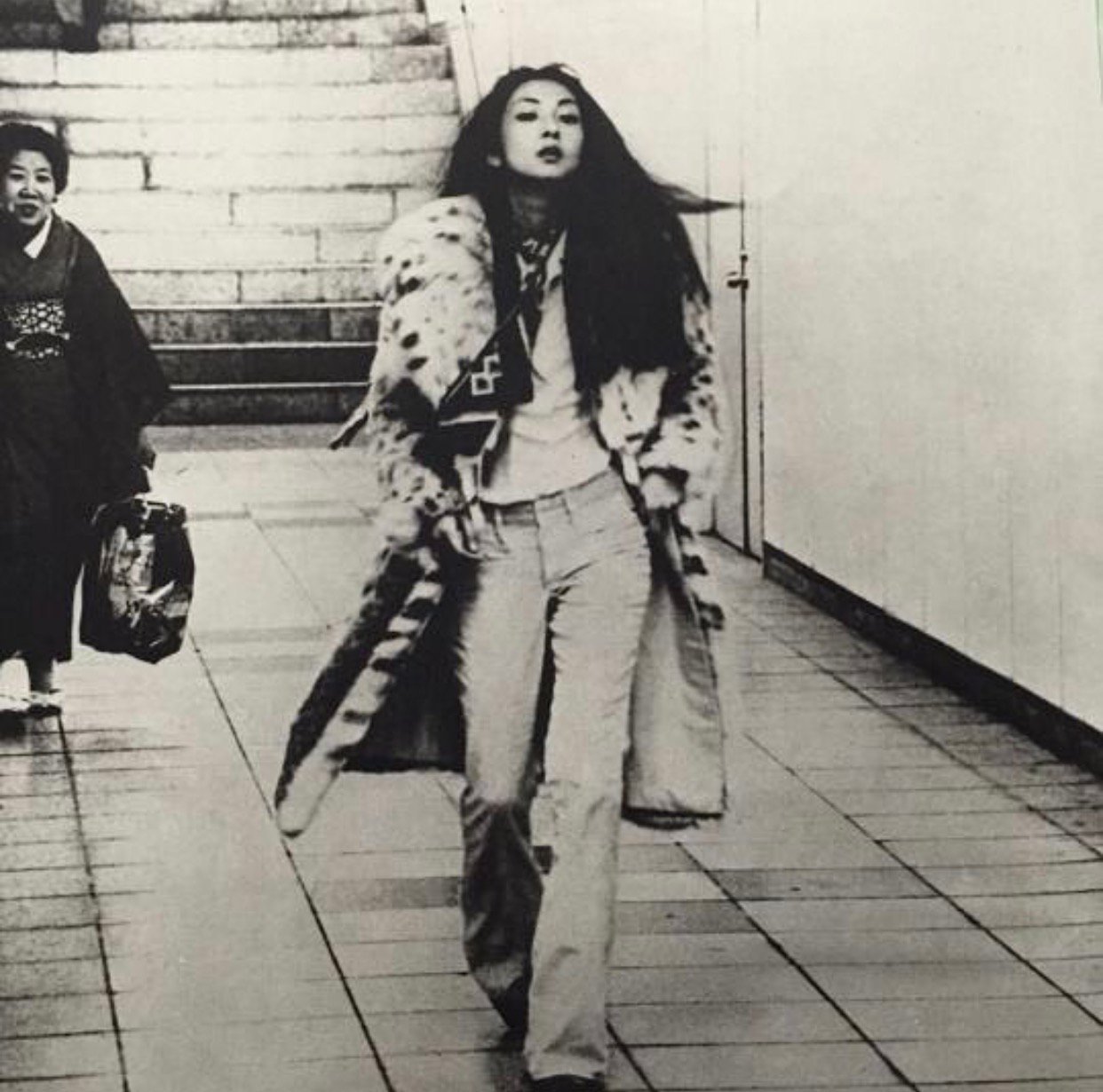
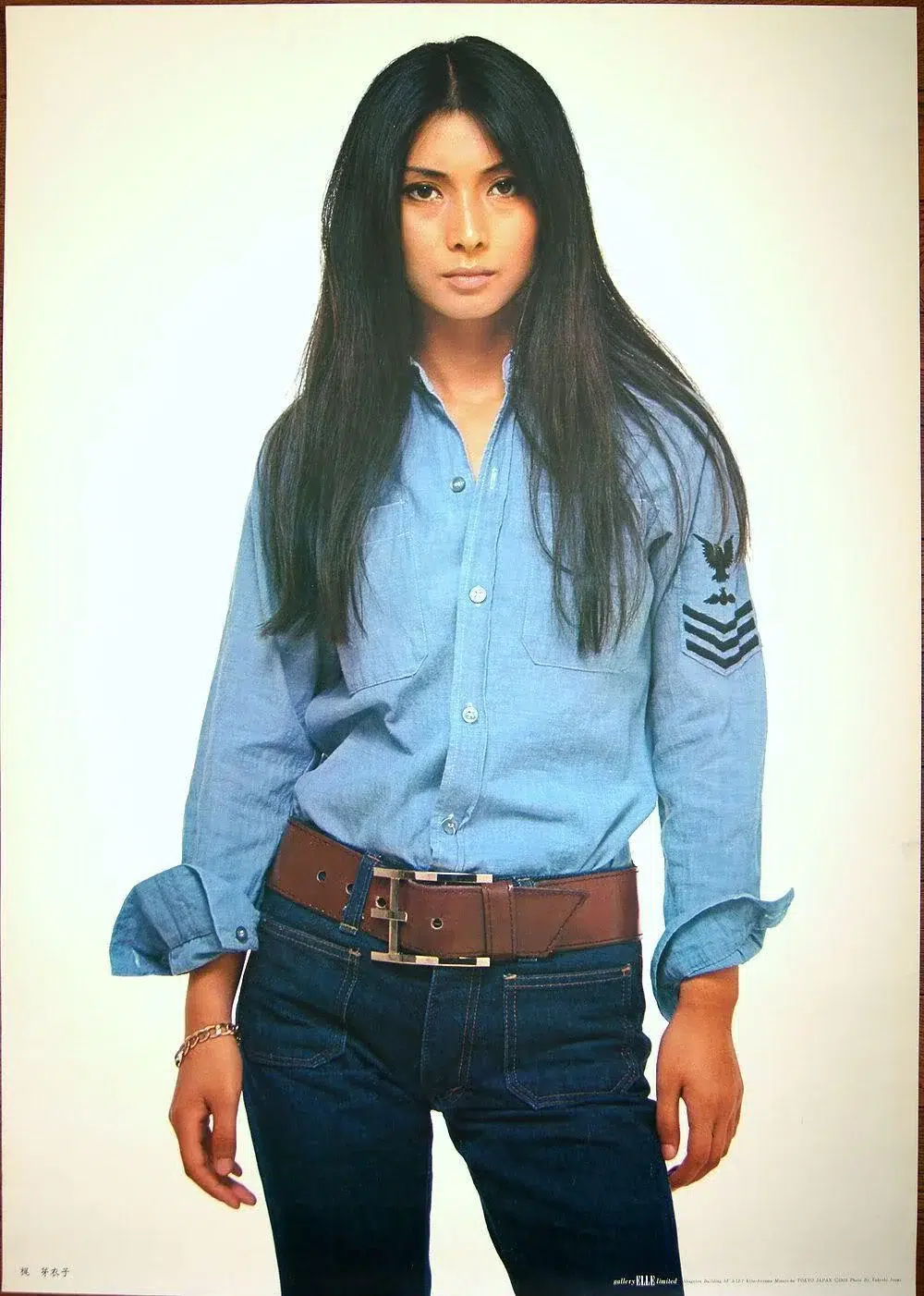
LG: As well as your acting and singing, you’ve become a fashion icon over the years. Tell me about what shaped your eye for fashion?
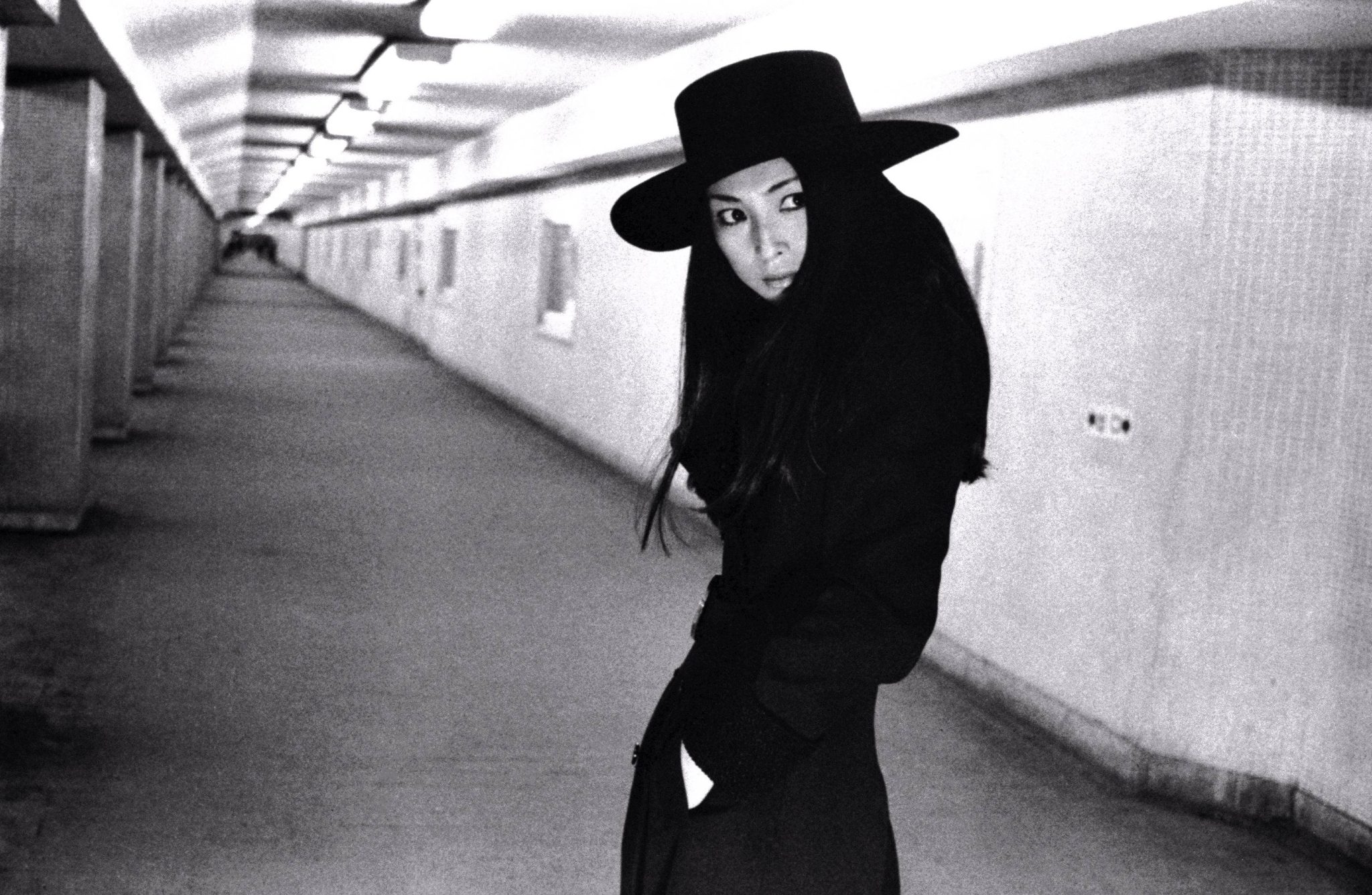
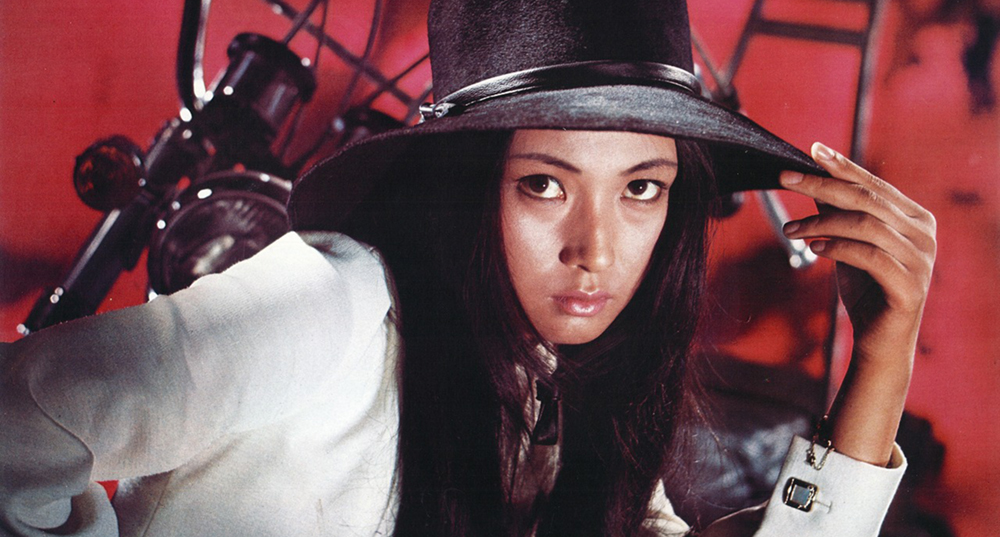
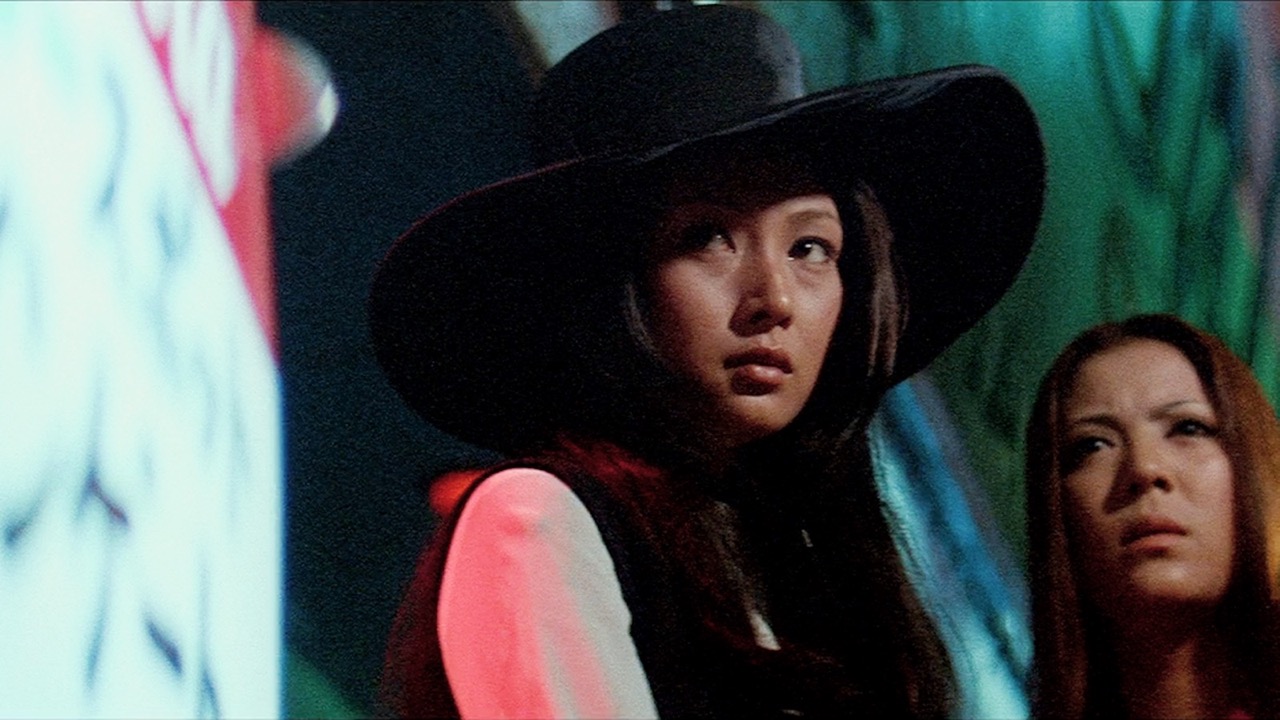
MK: I styled myself in almost every single one of the films I starred in. As far as my biggest contribution to the costumes, I consider the costumes in the Scorpion films to be my crowning achievement, as well as the large black hat in Stray Cat Rock: Sex Hunter. I often thought about the colours of black and white. They are the colours I wanted to build my image around, and my supposed icon status might emerge from that choice to actually limit my colour palette.
LG: You mentioned a new era at the beginning of our conversation, which suggests that you consider the idea of legacy. I wonder what you hope the next era will bring? Do you have any regrets throughout your career, or has everything fallen in place perfectly?
MK: I often reflect on things I haven’t accomplished for myself. When I think of that, I don’t know if this next decade will be focused on filling in those gaps. In my entire career, I have never pitched a project for myself. Everything has been offered to me, and it’s been about making choices. In that sense, I have no regrets about the choices I have made. But for the next ten years, the biggest battle will be against time itself—my age. I have been newly energised by my singing and music career. I have been performing live, and that energises me in a way that’s different from acting. I’m interested to see how my singing will reflect in the acting I do in the future.
Continue Reading