

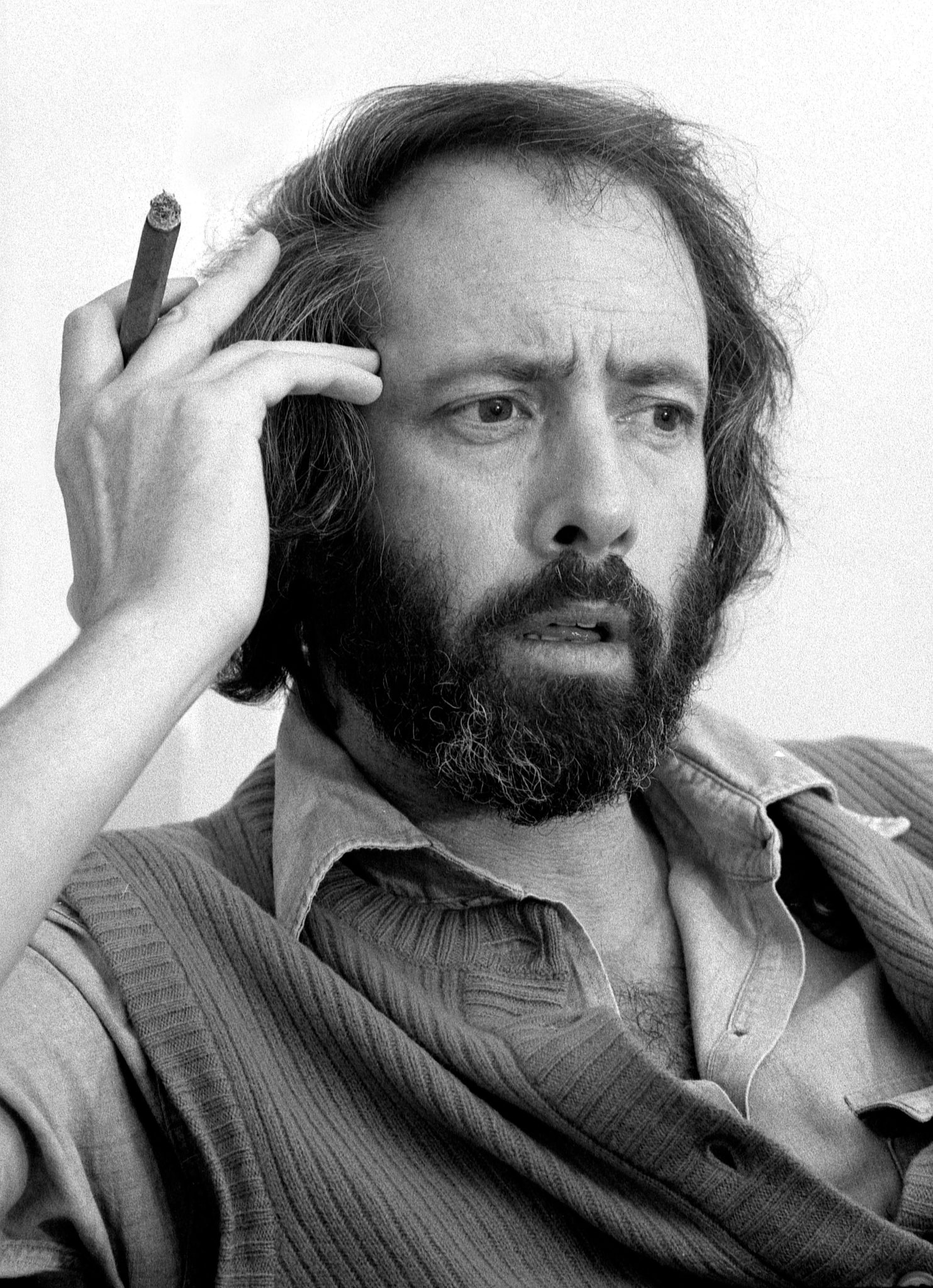
The iconic screenwriter and director, perhaps best known for his work on Roman Polanski’s 1974 Chinatown, passed away in July 2024. Chiara Barzini met the famously reclusive figure at his home in Silver Lake for what would become his final interview, published exclusively for A Rabbit’s Foot.
A few years ago, after a book presentation, a friend handed me a mysterious package. Inside was a rare volume: the original 1913 manual for the construction of the Los Angeles Aqueduct, signed by civil engineer William Mulholland himself. The cover was sturdy green cloth, woven cotton—austere and strangely alive. The moment I held it, I felt a charge, as if the book was a kind of amulet. Mulholland’s diagrams looked like a spell: meticulous rainfall charts, cross-sections of dry canyons. Title pages that read like invocations. Everything spoke about drought and somehow drought seemed to translate into a very different destiny. Canals drawn before the water existed to fill them. A garden imagined in the middle of a desert. If you mapped it carefully enough, the miracle might appear. Los Angeles as we know it today was born on that belief. Water builds and destroys empires. Without it, there is no Chinatown (1974), no swimming pool for Joe Gillis to float in at the beginning of Sunset Boulevard (1950).
There are no jungle pictures, no Westerns, no artificial lagoons on studio backlots. The entire cinematic, spiritual, and economic mythology of the city has always depended on conjuring water where there was none. Water created a mood of omnipotence. And the manual seemed to reveal that if you could bend nature, you could bend anything. I recognised that intoxication. It was the same reckless dreaming that had lured my family to Los Angeles from Rome when I was a teenager in the 1990s, a time when the city felt endless and invincible. I never once thought about water back then. Abundance was simply assumed. But holding Mulholland’s manual decades later, I began to wonder: what had been powering all that sparkle? What was humming beneath the glee? What invisible force had made that miracle feel so effortless? It was the illusion of perpetual abundance. The promise that something could be willed into existence simply because you desired it hard enough. I wanted to get to the bottom of that feeling. So I got in a car with my two best friends, Kate and Ruby, and followed the aqueduct in search for answers that would better help me understand the city’s mysterious codes. We retraced the path of water through Owens Valley and the Mojave Desert, chasing the source of the city’s confidence.
I met holy visionaries, including Sister Paula Acuña, a one-eyed mystic living on the outskirts of California City, though everything in the Mojave is an outskirt. She claimed to have witnessed Marian apparitions and handed me a poster of a flying Virgin Mary. “You’re going to need many blessings soon,” she warned. She was right. The deeper I went, the more the miracle flickered. The illusion of endless water had already begun to fracture when Mulholland approved the enlargement of the St Francis Dam to hoard more of it. The structure failed in the middle of the night in March 1928. A wall of water tore through San Francisquito Canyon, killing more than 400 people as they slept and sweeping entire ranches toward the sea. The dream had contained its own flood from the beginning. Before setting out on the trip, I had attempted what felt like another small miracle: reaching Robert Towne. His friend, the writer Gay Talese, had urged me to try and handed me a landline number, delivered with the gravity of a sacred relic. Towne was famously reclusive, older, and hadn’t given an interview in years. I had tried before and always found a dead end. Still, I dialled. An old-school answering machine picked up. I left a message, trying to sound composed, intelligent, not unhinged. I hung up absolutely certain I would never hear back. And I was right. For weeks, nothing. I drove the aqueduct. I stood in dry lake beds at the foot of the Sierras. I assumed the Towne door had closed for good. Until the very last day of my trip, when I was meant to return to Rome. The phone rang. A distant, unmistakable voice on the other end. Robert Towne. To this day, I am convinced he only called me back because I share a name with his daughter, Chiara. Fate, coincidence, nominal nepotism, I wasn’t about to question it, but suddenly I was invited to his house. I would meet him, his wife Luisa, and the other Chiara. Towne had turned Los Angeles water politics into a modern myth with Chinatown. I arrived thinking I might clarify a few historical details. Instead, he immediately began talking about the St Francis Dam, naming the rupture at the heart of the miracle. And as our conversation unfolded, it became clear that the city’s other original sin, the night in 1969 that marked its loss of innocence, was closer to him than I had ever imagined. The following excerpt takes place in his living room, at the end of my journey, where the film legend and the buried disaster finally occupied the same frame.
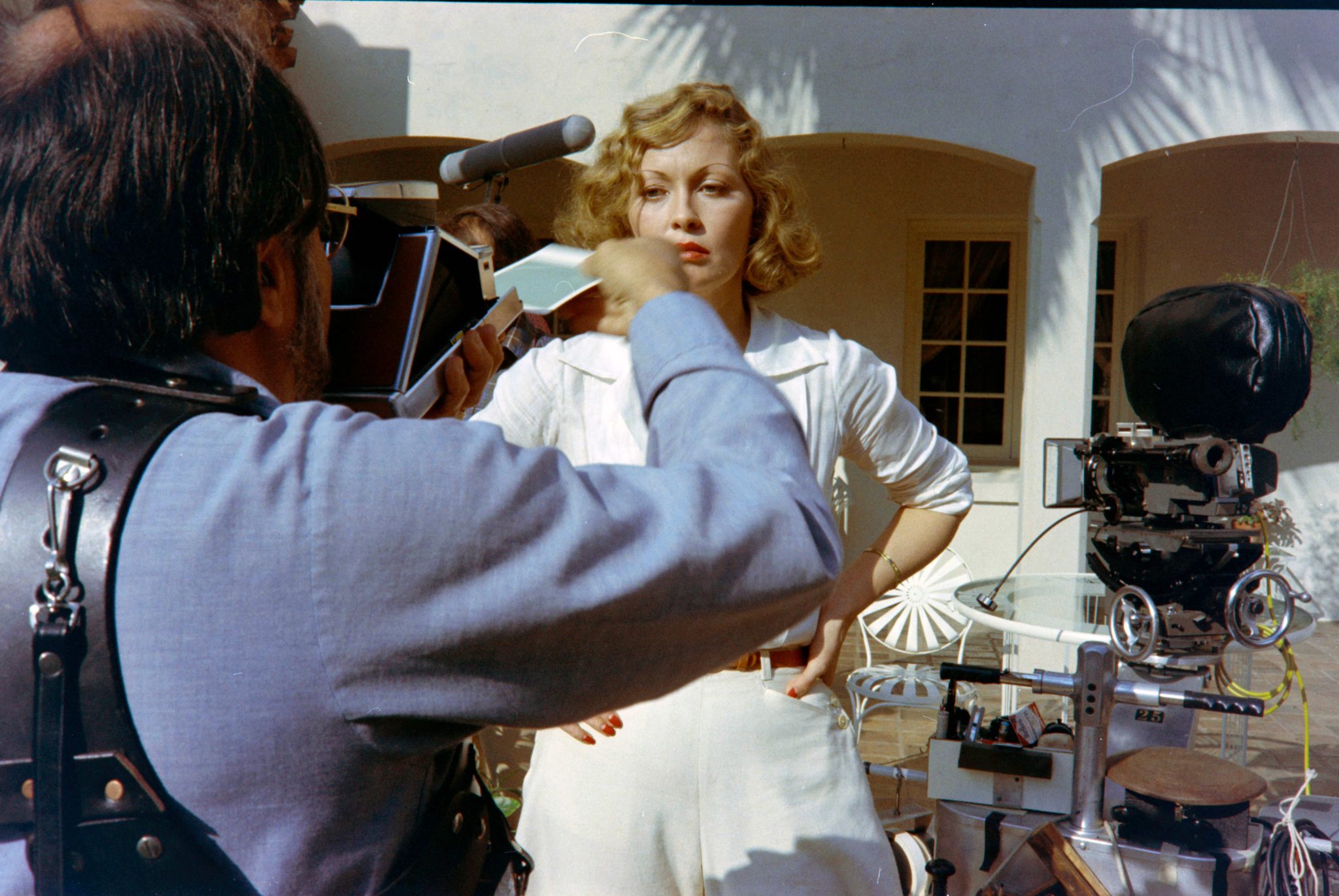
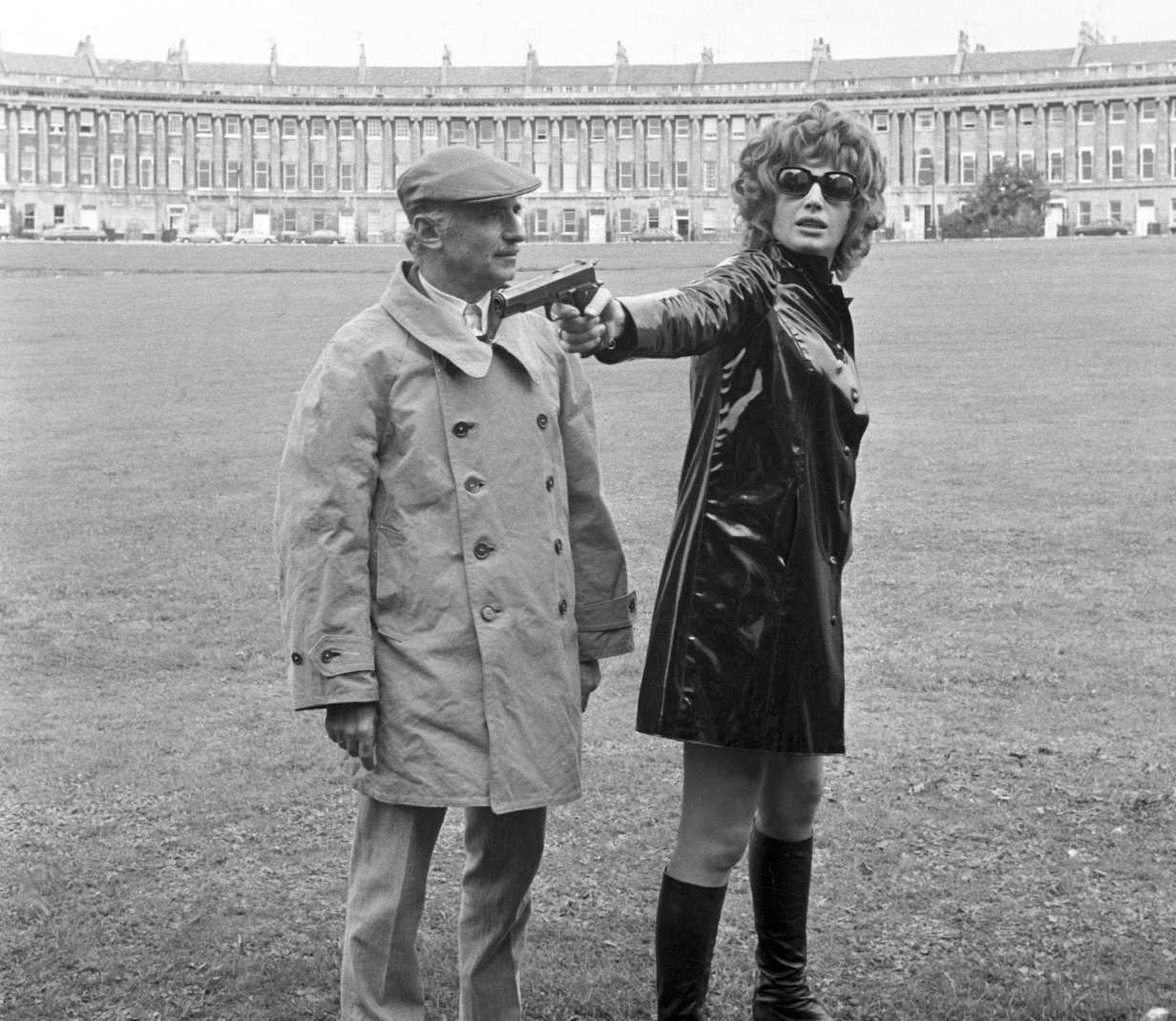
Faye Dunaway on the set of Roman Polanski’s Chinatown (1974). By David Strick.
…Robert Towne lives in a storybook-style 1920s house, perched on top of a moody hill in Silver Lake, not far from the location of one of Chinatown’s best-known scenes, the one where Jake’s in a rowboat and pretends to photograph his associate while actually snapping photos of a questionable rendezvous between Hollis and Katherine.
I am greeted by his wife, Luisa, and their daughter Chiara. They are both warm, though a bit surprised to see me. It is rare that anyone shows up for interviews these days, even rarer that Robert agrees. The maestro sits on a cream-colored paisley-pattern couch in the living room like an oracle. Behind him hangs a large framed poster of Chinatown. He’s smiling, his bright attentive eyes sparkling. At 88, he still looks radiant. He has long, pulled-back frizzy white hair—rock star looks still intact.
Luisa is off to buy food for the holiday dinner. She looks at me slightly suspiciously and asks me questions in Italian. The subtext is: are you legit or an impostor? I answer and we share a chat about the place she’s from in northern Italy. She likes speaking Italian. It takes her back home, though I can’t tell if “home” is where she wants to be. I tell her the reason I’m here is that I’ve seen Chinatown countless times, but it wasn’t until this research trip that I understood the magnitude and moral implications of the story. She smiles and begins to understand I’m not an impostor. She can leave the house freely.
Chiara, Robert and I stay on the couch. Towne has written two of my favorite films about Los Angeles: Chinatown and the 1975 comedy Shampoo. Chinatown won him the Academy Award for Best Original Screenplay, and both the film and script are taught in every film school in America. His initial interest in Los Angeles’s water has its roots in nostalgia. In 1971 he came across a copy of Carey McWilliams’s Southern California: An Island on the Land, a 1946 bible that told the whole dark story of the city’s Spanish missions, its migratory movements, its film industry and unlikely preachers.
He fell in love with a chapter titled “Water! Water! Water!” Something about McWilliams’s voice had lured him. In a 1994 companion essay to Chinatown, Towne explained: “Along with Chandler, he made me feel that he’d walked down the same streets and into the same arroyo—he smelled the eucalyptus, heard the humming of high tension wires, saw the same bleeding Madras landscapes—and so a sense of déjà-vu was underlined by a sense of jamais-vu: No writers had ever spoken as strongly to me about my home.”
He wants to show me the original edition of the book that set everything off.
“Chiara, you know where it is don’t you, sweetheart?” he says to his daughter.
She smiles and jumps up. She knows where everything is and listens to him attentively. There is tenderness and affection between them. It makes me want to cry. I’m now certain the reason I’m here is to do with the love he has for his daughter and the fact that we share a name. Chiara disappears into Robert’s office. She returns with the book and starts leafing through it.
“It says ‘Public Library, Eugene, Oregon,’” she remarks. “The last person checked it out on the 21st of April, 1970, the first was in ’67.”
She furrows her brows.
“I feel like you definitely took this, Dad. And isn’t there a scene in Chinatown where Gittes steals records from the public office?”
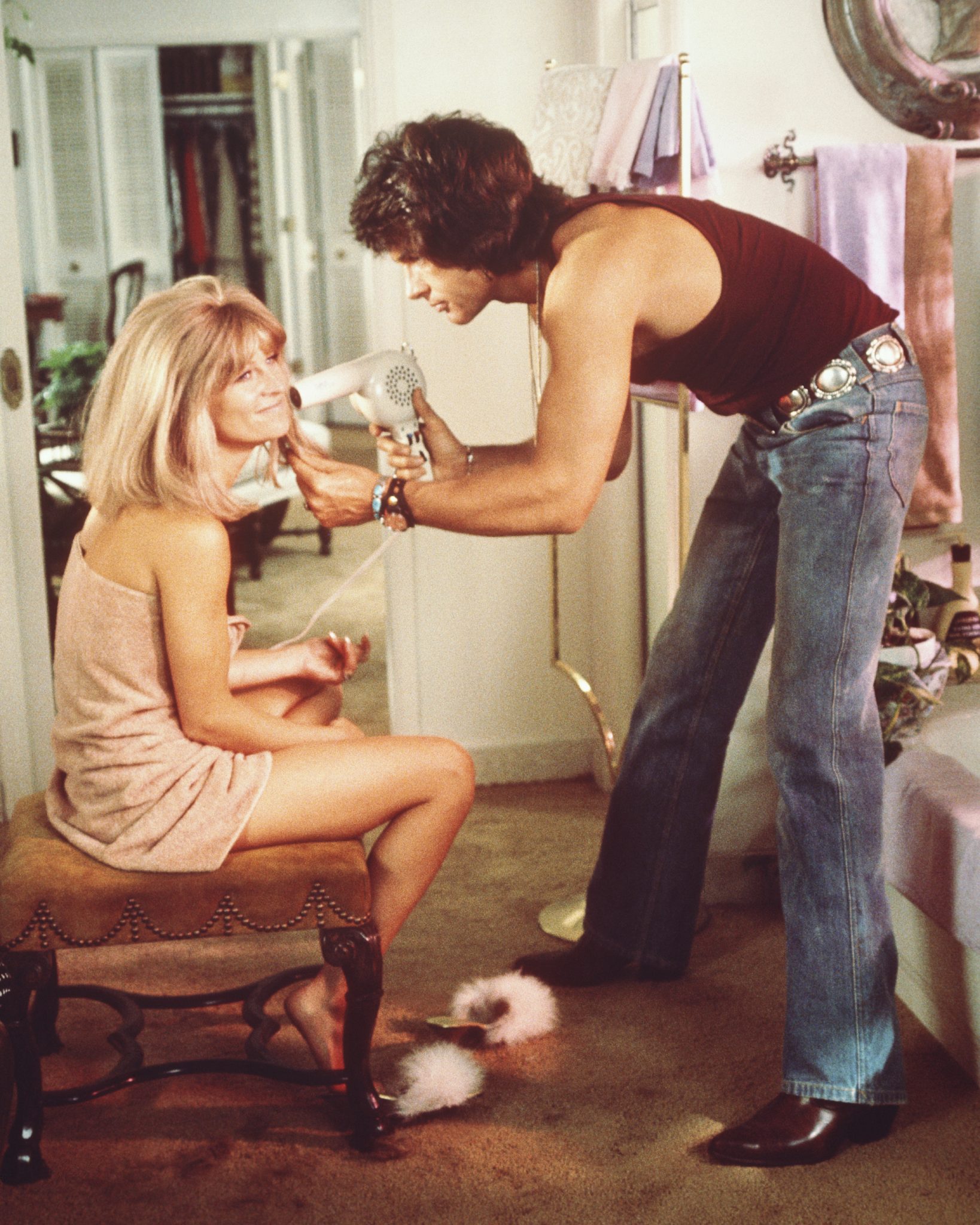
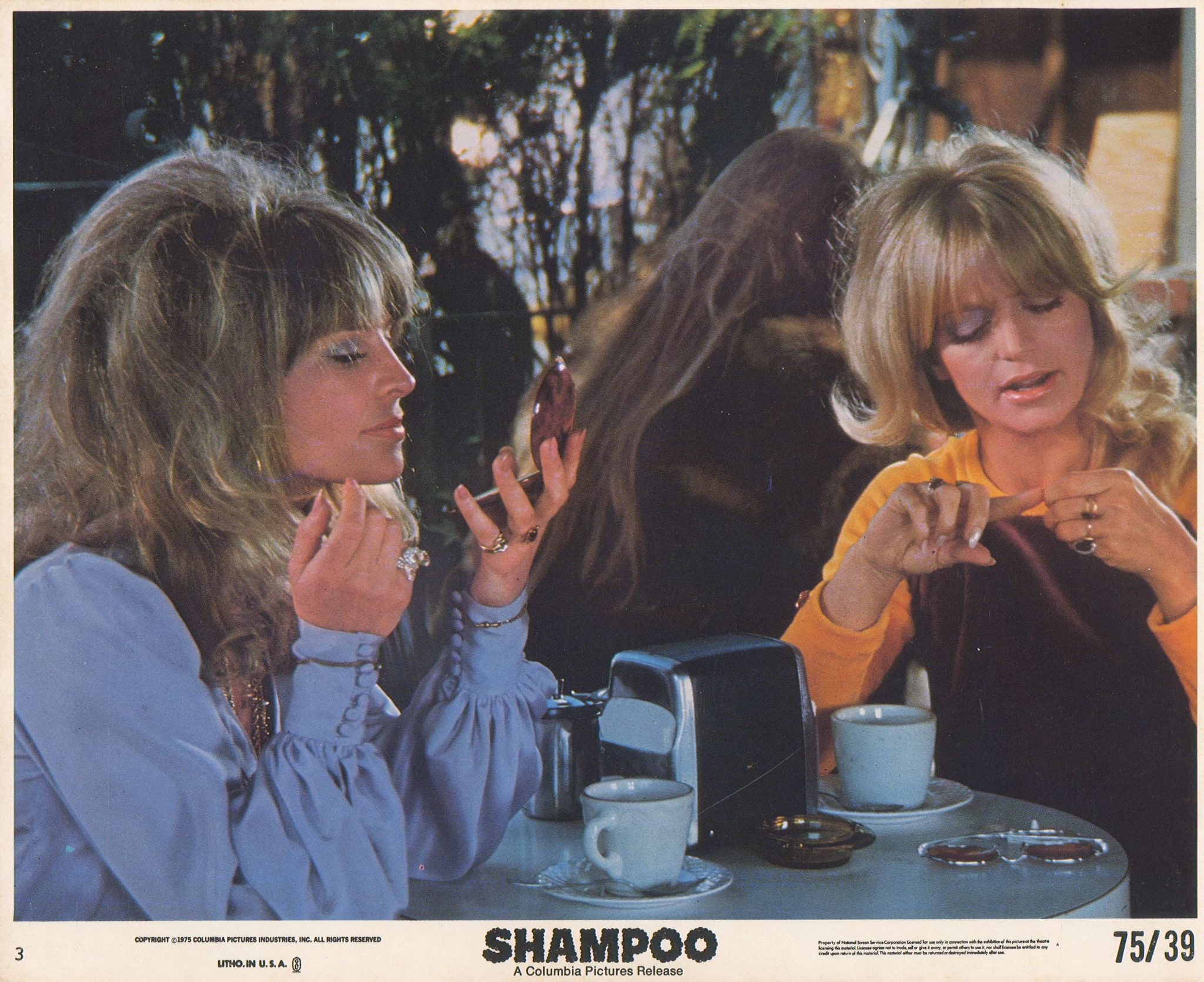
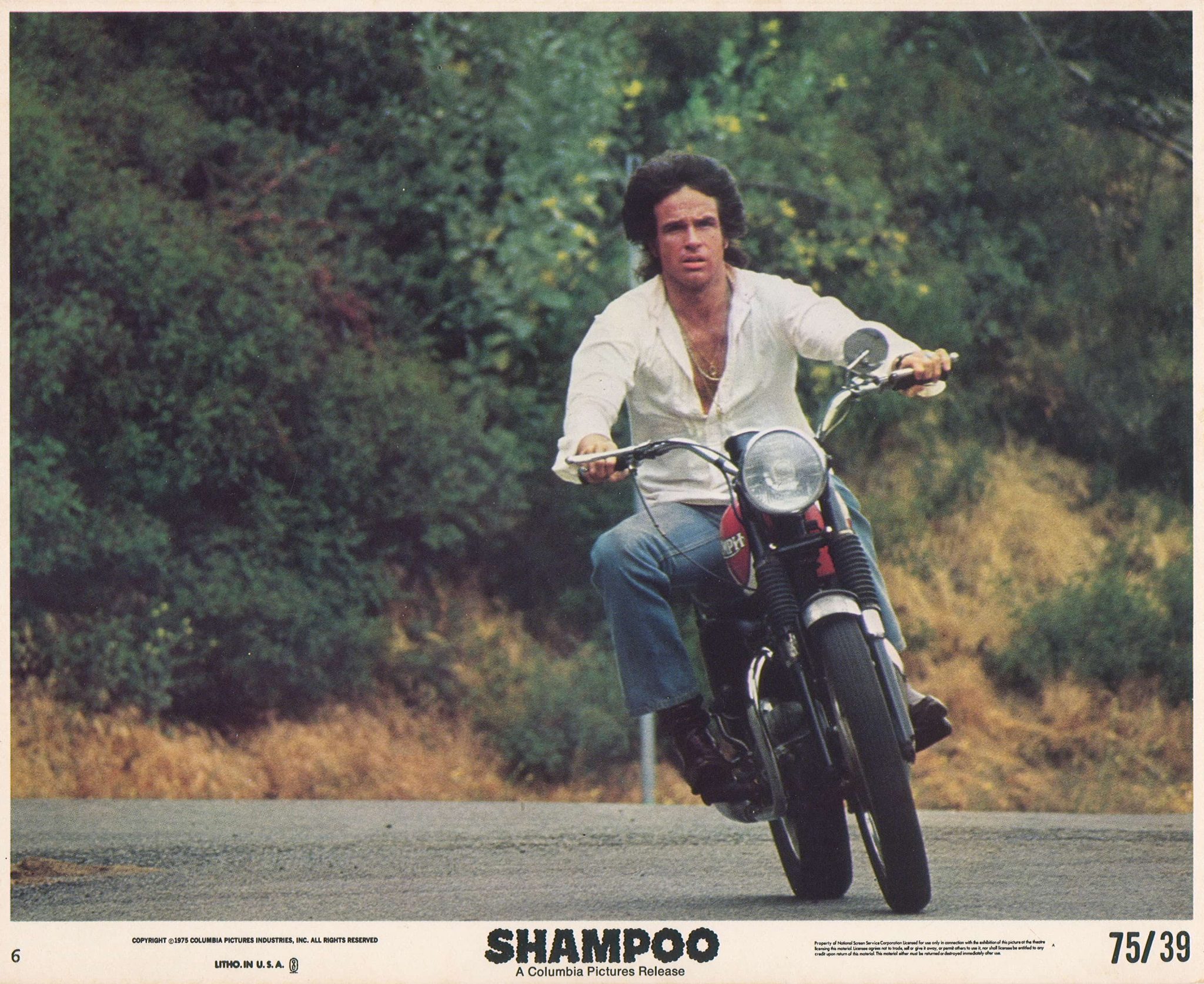
Julie Christie and Warren Beatty in Shampoo (1975), written by Towne. By Hal Ashby. Courtesy of Columbia.
Robert looks up at his daughter with a mischievous expression.
“He doesn’t steal them, honey. He borrows.”
I leaf through his book and tell him about my original copy of the aqueduct construction manual. I’ve brought a copy of the map that I want him to have. He unfolds it carefully and examines the water’s path on the page.
“This is important, you know,” he says. “Have you ever visited the disaster site of the Francis Dam? It’s like entering a time warp.”
After discovering McWilliams’s book, Towne began looking for clues to that old Los Angeles he’d been reading about. He started driving around at night, when he felt the real soul of the city come to life. He searched for the story he wanted to write in Echo Park’s lake and the old San Pedro diner Walker’s Café, places that hadn’t changed in decades. He looked for it in the bay where, he once wrote, “the streetlamps were low and yellow and the palm trees were high with scrawny fronds like broken pinwheels.”
He also visited the aqueduct and admired it. “I remember standing next to it and feeling overwhelmed by its diameter,” he says. “The thing was huge! I thought about how much water had been stolen from the farmers. There’s no nice way to put it, but that’s what happened.”
One of the reasons Robert started work on Chinatown in the early 1970s was that several films he wrote scripts for were either stalled in production or revoked by the studios for being too racy. Robert fought against censorship. Stubbornness, he explains, was fundamental to how he forged his path as a writer. He can’t even remember the number of strikes he’s been through. “One has to insist. Obstinacy is necessary when you’re trying to obtain something from the studios. At the time of Chinatown and The Last Detail I just said: ‘I’m sorry, it’s the way it’s going to be.’”
I imagine the ardor it took to talk back that way and wonder if I’ll ever find a courage like that.
“You opened the floodgates,” I say.
“Yeah, that’s right, that’s an apt metaphor.”
I want to know about the early days of working on Chinatown, that famous “ask the idea” initiation David Lynch spoke about. Robert pauses, and like Charles Foster Kane in Citizen Kane dreaming of his beloved childhood sled “Rosebud,” he responds with just one word: “Hira.”
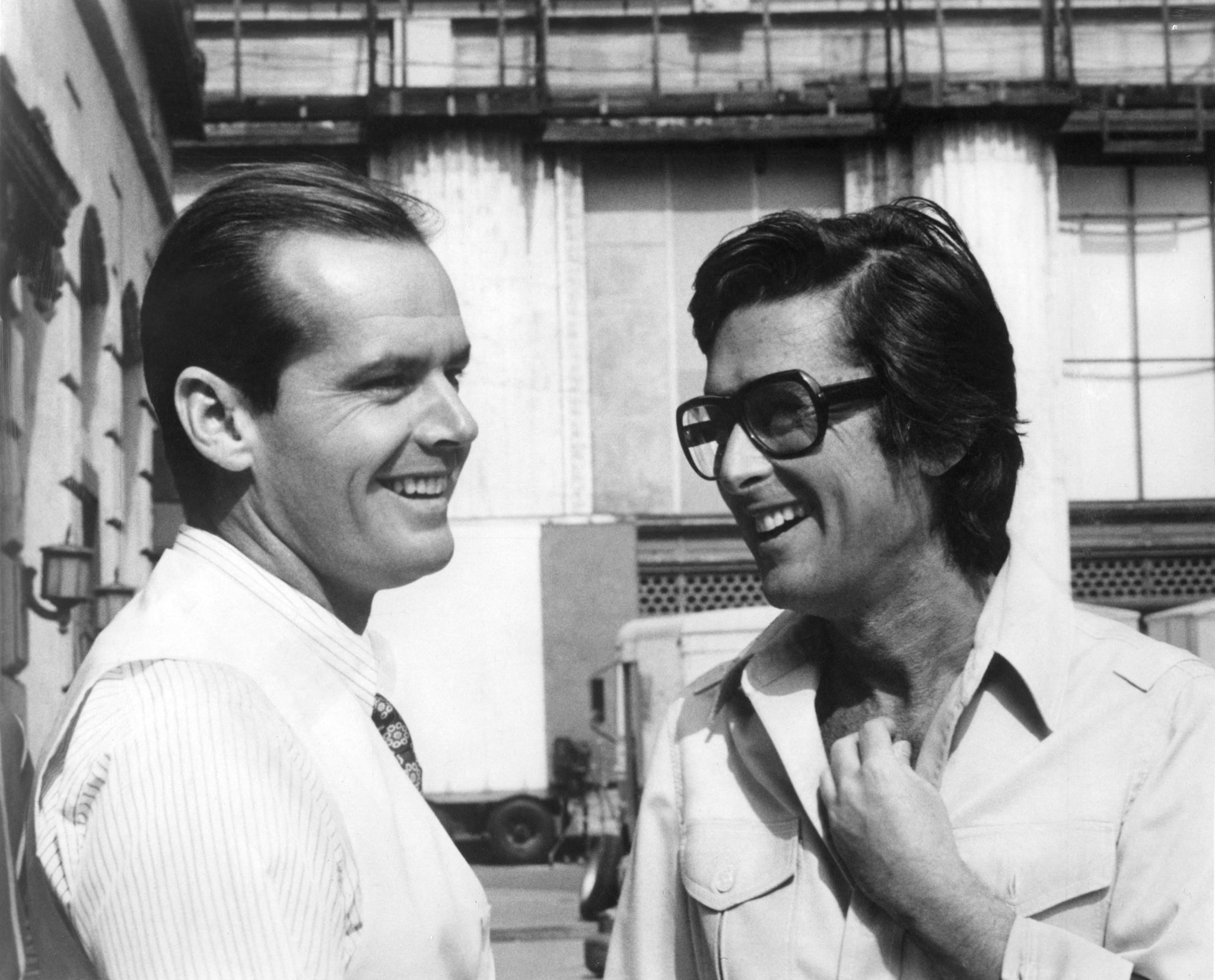
Jack Nicholson and producer Robert Evans share a moment on the set of Chinatown (1974).
Hira was a huge Hungarian sheepdog who served as his travel companion, writing partner and best friend throughout the film’s production—a free-spirited animal, full of life and glee, who chased herds of buffalo with no thought to danger. Robert took the dog to Catalina Island off the coast of Los Angeles, where he went to work on the first draft of the script in the fall of 1972.
“We got to the island on an old seaplane. It seated eight people, but I went over with just him.” He wrote in a decrepit lodge on the wild side of the island, between Cat Harbor and Isthmus Cove. Describing it, Robert pauses and stares into space, as if trying to bring back the feeling.
“The air,” he says simply. “I guess it brought me everything, it was great.”
The island’s atmosphere gave him the feeling of the city as he perceived it as a child, with the same pure scents and crisp truthfulness. He once wrote of Chinatown: “There was never a moment where some errant breeze didn’t bring me something that made me care, made me feel it was worth trying to straighten out the story, all the horrible melodramatic machinations that remove you farther from detectives and human life than any crossword puzzle.” That air that fluttered through his beloved dog’s “white mop of a coat,” as well as the mustard plants and weeds of Catalina’s wild northern shores, allowed him to envision the way things were before they were ruptured by the crime and theft of latter-day Los Angeles.
Robert invites me into his office to look at photos of his dog. Hira was instrumental in his writing process, but also served as an intermediary between Robert and Roman Polanski. “I brought him every day to our meetings. Roman didn’t like him. He got very angry when I brought him in. I mean, 30 years after Chinatown, I saw Roman in France. He was being honored with something . . . and the first thing he brought up was the dog. It was before a large audience and he just said: ‘That goddamn dog!’ He just went crazy about that animal and that dog was, you know, the love of my life, really.” Robert got the dog from a couple of Hungarian cops who worked in Chinatown. The cops told him that during their training, they had been instructed not to mess with anything in Chinatown because of the language differences. “We could never tell whether we were helping prevent a crime or helping commit one,” they said. The advice they shared with him was: “Whatever happens in Chinatown, don’t mess with it,” a concept that eventually translated into the film’s final, indelible line: “Forget it, Jake, it’s Chinatown.”
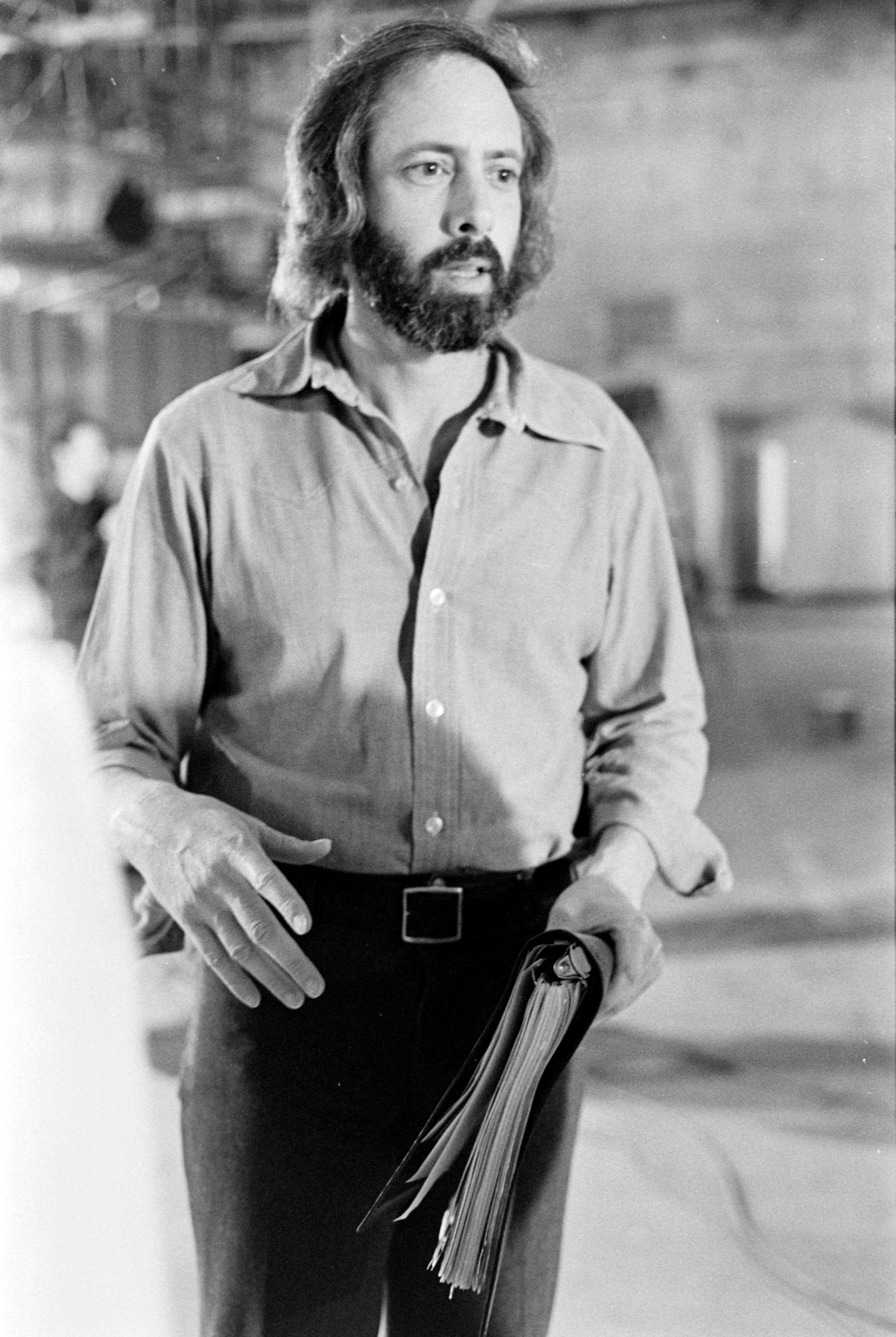


Robert became friends with Polanski long before Chinatown. “He was wonderful, a pain in the ass, but great. We would fight during the day and then go out on dates at night. We’d been friends since long before Sharon was murdered and all of that happened.”
His eyes turn sad. Over half a century has passed since that night, but just mentioning it brings a gloom to the room. Robert worked on the film in the shadow of the Manson tragedy. I’ve come to believe the city has two great stories of original sin: the water grab and the Manson murders, the moment in history when everyone began to lock the doors to their homes, Los Angeles’s definitive loss of innocence. Four days before the atrocious cult killings, Jay Sebring and Polanski’s wife Sharon Tate were at Robert’s house for dinner.
“She was such a sweet girl. Really, I loved that girl,” he says with a hard sigh. He pauses, and in the silence of the living room says: “I was invited to Benedict Canyon that night, but I didn’t go.”
My jaw drops, as does his daughter’s.
“I can’t believe you just said that,” I say. “What do you mean?”
“I mean that’s a very significant detail of your life.”
He never talked about it!” Chiara says, and then we turn quiet to take it in.
“No,” Robert continues. “I just didn’t go. I guess things would have been very different had I gone.”
“Sure, for me too,” Chiara remarks.
I hesitate to ask, but this is probably my only chance to know. “Do you remember why?”
“You know, it was just a group of friends getting together. Sharon and Jay were the only two people I knew. It wasn’t a big gathering, so …”
“Yes, but that makes it all the spookier that you were invited,” Chiara insists.
There is something about this memory that is obviously still tormenting Robert. You can detect a jolt inside him, like he’s trying to shake something off. I imagine he probably formulated and reformulated the answer to this question in his head over the years without coming up with a definitive one. Polanski had asked Robert to keep his wife company while he was out of town. He was a trusted and familiar person. The idea that he’d been assigned this task was haunting for Robert. But how could he have predicted such a horror? When Sharon and Jay went over to Robert’s for dinner just a few nights before the murders, Robert remembers Sharon going to his bathroom and weighing herself to see how much she had gained during the pregnancy. This detail is especially tormenting to him. That this sense of aliveness, of momentum and possibility and bodies expanding, could just be interrupted and erased.
“You know, I guess I was lucky.”
I’m curious to know if it had been hard to write the film after that wild and desperate moment, or if focusing on a creative act had been a way for Polanski, as a collaborator, not to dwell on his grief. “It really didn’t affect the writing of the movie. He didn’t talk about it, but it was there. After it happened, a curious thing occurred with Roman. Each time he would see somebody he hadn’t seen since before the murders, Sharon died for him all over again. The Manson killings stunned us. I remember trying to reach Jay Sebring the morning after, and it was such a shock when I found out that I would never be able to reach him again.” I wonder if his relationship with Polanski changed after that, but Robert shakes his head. “Roman’s a tough cookie,” he says. “He had survived a lot by that time, you know. He survived World War II. He was very resilient and probably still is. I think he’ll outlive us all.”
Robert and Roman worked on the film at the house of cowboy-Western actor George Montgomery. “We used the doorway to the office and wrote down the scenes that were in the script. Whatever we were doing we would pin to the doorway and then just move the pieces of paper around.” The original Post-its, I suggest. “Yes, that’s what it was.” When the film was completed, Robert could only focus on what he thought was wrong with it. “But gradually I began to see that despite all my worries, the film was there, the vision had been translated. It had its own life. I remember sitting down and thinking: Son of a bitch! I guess we did it! The feeling was quickly followed by: No! It’s a fucking mess! And then again: Wait, I guess we did it!”
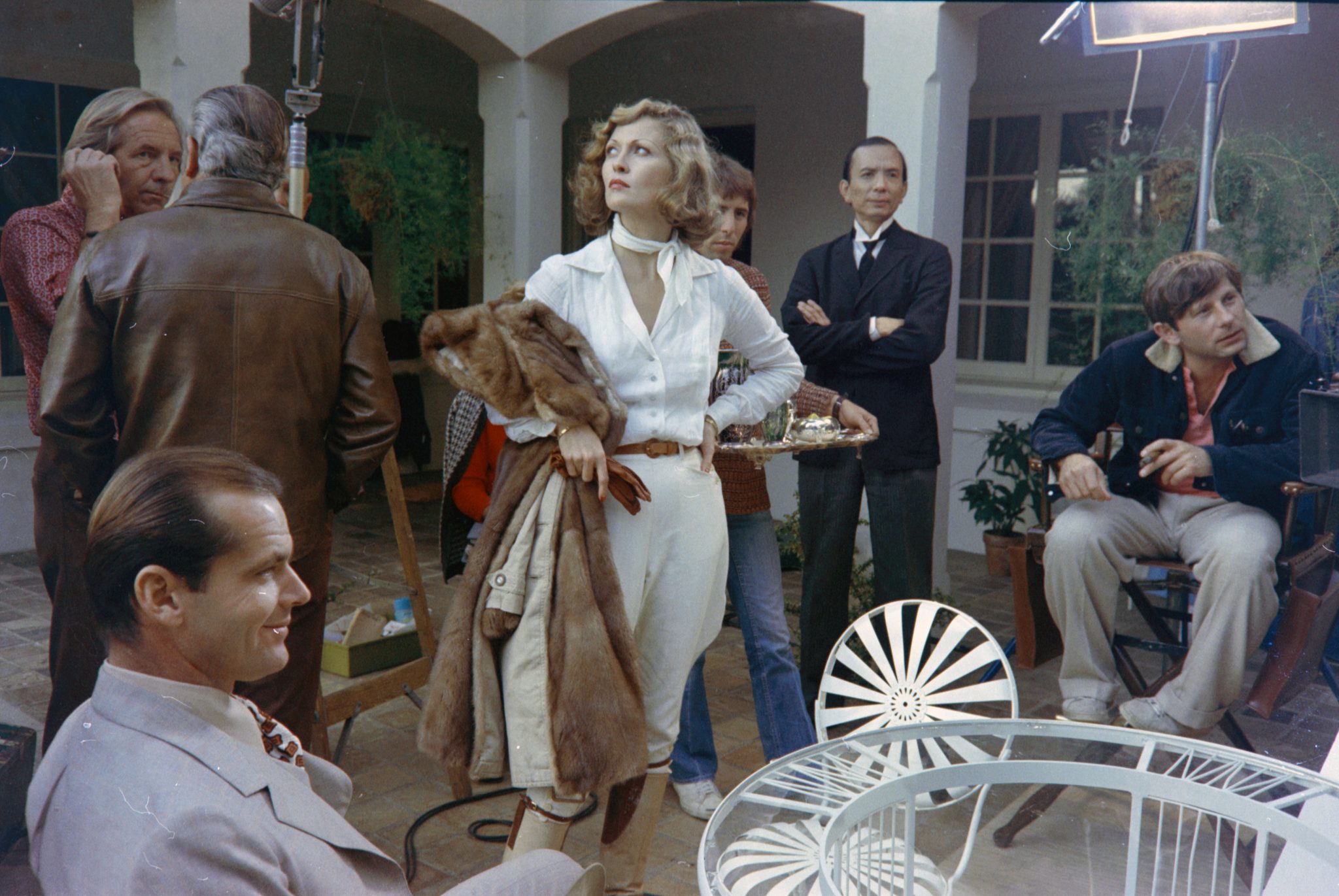
Jack Nicholson, Faye Dunaway, and James Hong prepare for filming on the set of Chinatown (1974).
Out of all the people who might have been offended by the film—I remember an article describing Catherine Mulholland’s indignant reaction to it—the LA Water Department representatives were the most triggered. I heard a story about someone from the department who had seen the film and said something akin to: “You know, that was really fake. There was never any incest involved.” Robert laughs when I tell him this. “I mean, nobody ever thought much about the Water Department until that movie. It wasn’t something that was considered potentially scandalous material. It was the fucking Water Department! And when the water arrived and Mulholland said those words, ‘There it is. Take it!’ he thought he was doing a good thing, which he was in a way. It was a meaningful sentence.”
On this trip through California, I often wondered what would have happened had Mulholland not been tempted by the alpine waters of the Owens Valley, if Los Angeles hadn’t gotten a chance to sprawl. Robert doesn’t even stop to ponder that. “I mean it’s happened. You can’t un-ring that bell. As in the history of histories: somebody is always getting fucked, you know.”
I look around the room and pause again at the Chinatown poster behind Robert. I have always loved its opiate quality. The steamy purple logo, Gittes’s pin-striped suit in the corner, his wafting cigarette smoke evoking the flow of water. Water is everywhere, but it’s subtle. I ask Robert about Jack Nicholson, and he smiles with affection and longing. “Jack still lives up on Mulholland Drive.” Nicholson has lived on that property since the year Chinatown came out, nearly 50 years ago. “It would be great to see him sometime.”
Before I leave, I take a portrait of Robert on his couch. He looks like a wild child. I see how his great curiosity keeps him alert. I sit next to him and we squeeze each other’s hands. He has seen and done it all, yet his mind is still moving fast.
“You know, I have been called a romantic,” he says with a wistful smile.
He finally tells me he’s been hard at work on a TV adaptation of Chinatown, a prequel he’s developing with David Fincher. It had been a desire for a long time. I wonder how many dreams of his have been shattered, how many scripts weren’t approved, how many times he’s found himself on the beach of disillusionment.
He shakes his head. “Oh my God, you know, rejection is kind of a way of life here. And all I can suggest is pay no attention to it. Everybody suffers rejection and you mustn’t ever think of it as a comment on you, it’s just the way people are. If you’re not known, you’re nobody, and that’s the way it is. Most of the movies I made were rejected multiple times, but I never stopped insisting. Stubbornness is necessary. I think you’ve got to believe in what you’re doing and as far as rejection goes: get used to it and try to ignore it. Just fuck it!”
Luisa returns from her Christmas shopping. The light in the living room has changed. Robert is tired. He’ll go and take a nap now. We say goodbye and promise to see each other soon. His daughter Chiara smiles. “This was good,” she says, and we hug in a way that feels familiar. It’s as if we’ve all been part of a shared history that has been going on for decades. There’s a sweetness to this nostalgic tribe.
With Robert’s “Fuck it!” stored in my heart, I feel lighter leaving his house. I’m finally off to LAX.
Writing isn’t about selling a story or figuring out plot points. It’s about creating that connective tissue between the voices in our head and the images on the screen. It’s about the opposite of what I’ve been doing with my film and the Director, desperately seeking reassurance. It’s about perseverance and tenacity, but also about letting things emerge for what they are, letting them pour out wild, like the water of the Sierras that ultimately chose paths to forge and dams to crack open.
The errant water is Robert’s “errant breeze.” “Fuck it!” is the opposite of “Take it!” but to endure Los Angeles you have to embrace both.
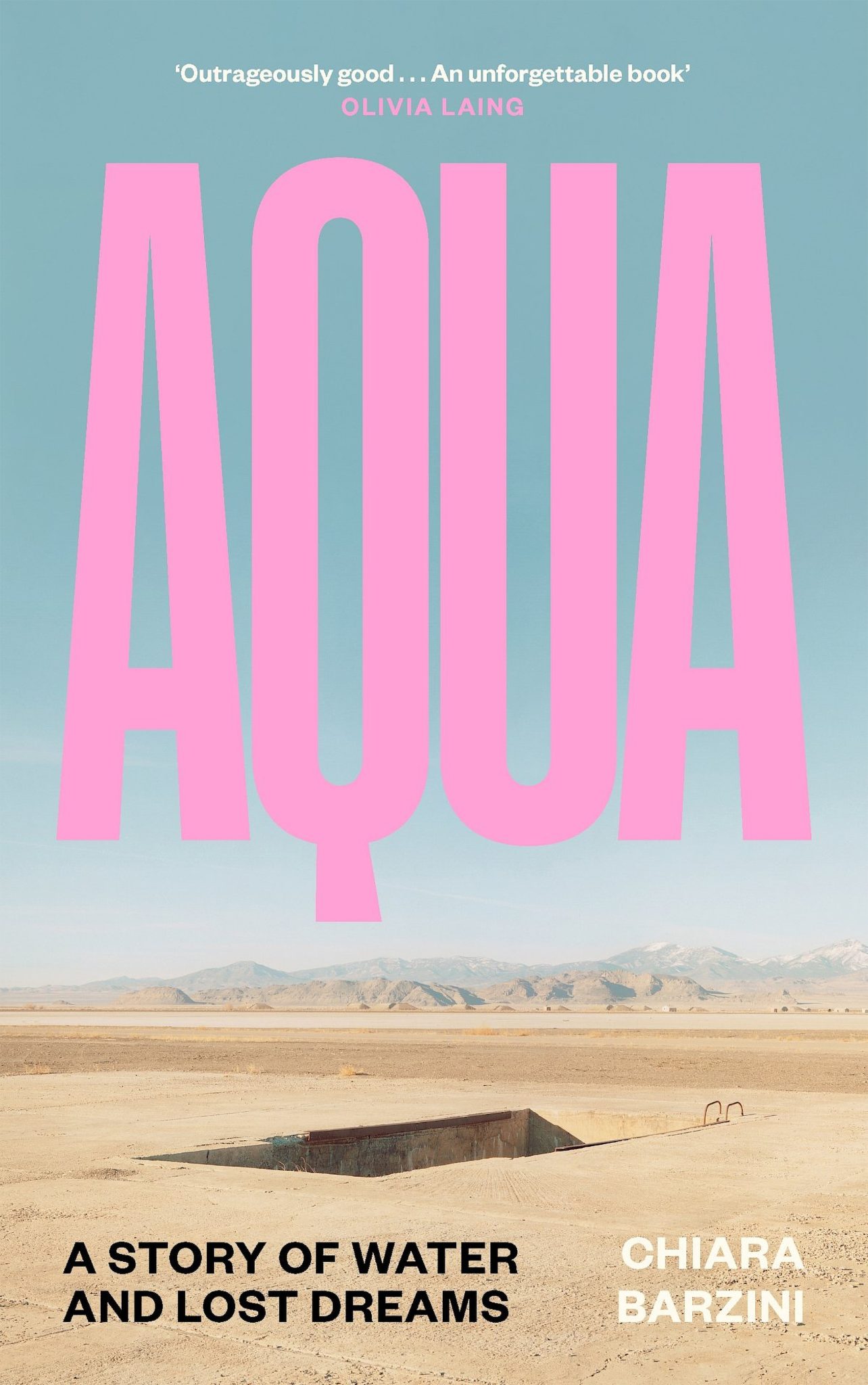
Cover of Aqua (2025) by Chiara Barzini.

Originally from Aqua. The book is out in the UK with Canongate and comes out in the US in April 2026 with Unnamed Books. It was endorsed by Francis Ford Coppola and has been nominated as Best Book by the Times Literary Supplement.