

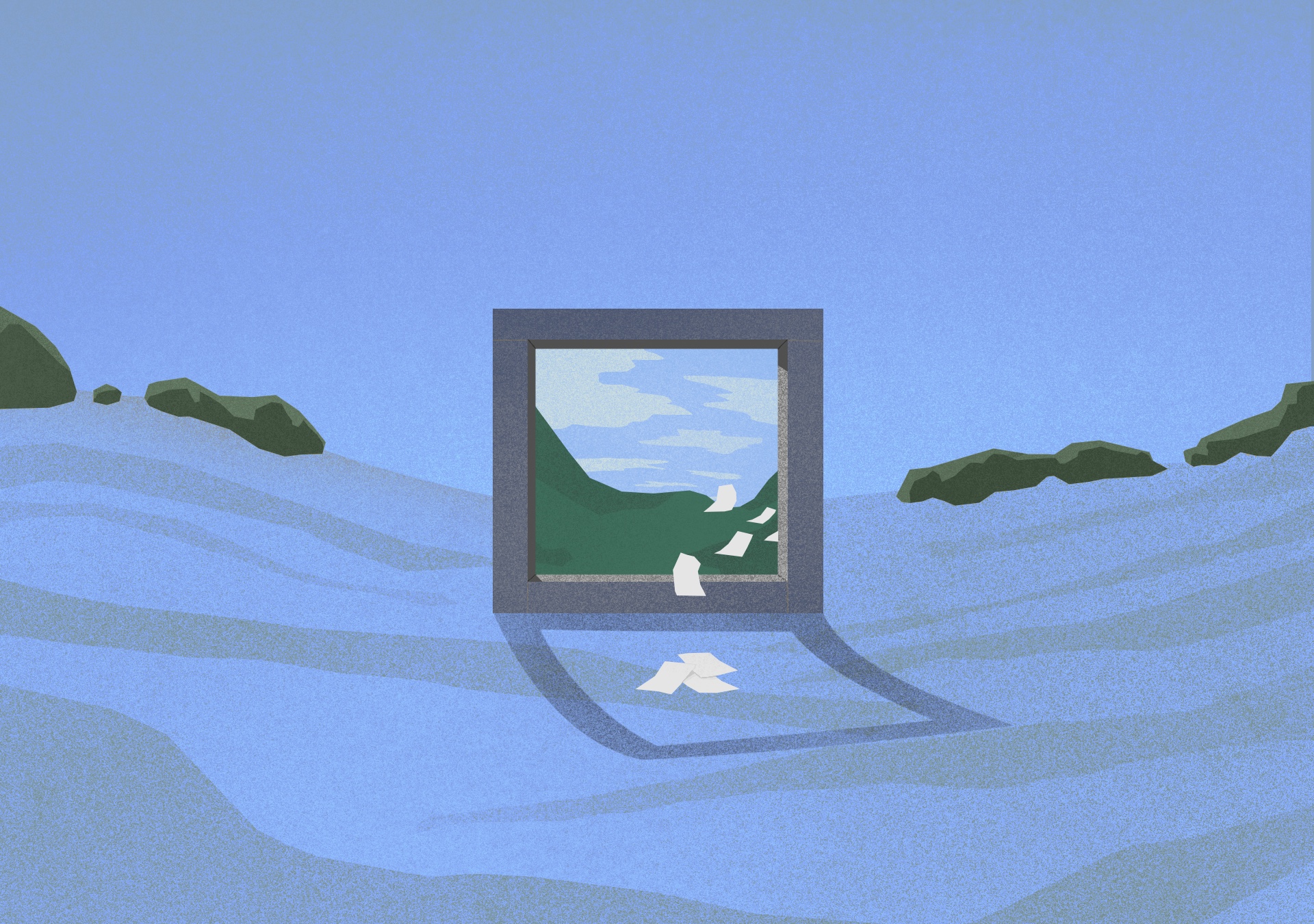
The reclusive American artist Donald Judd enters a fictionalised fax correspondence with a mysterious arts trust. What begins as a dialogue about form eventually becomes an invitation to disappear. Set between Marfa and the Black Mountains, on the Welsh border, Laura Vent’s story reimagines Judd’s death as disappearance: the culminating work for the artist.
“It does have a telephone, but no one knows the number.”
– Dan Flavin
In the summer of 1987, a fax arrived in Marfa from a small area on the border between Wales and England. A note on headed paper. It was from an arts trust no one in Marfa, or indeed New York, had ever heard of. They had been sending him these notes for years, since the mid-1970s. Quietly. Always politely. Always asking questions.
They knew about the bagpipes. About his love of Pibroch, the classical form of bagpipe music. Complex compositions that begin with one melody and evolved. A series of variations winding back, at the end, to the original tune. Pipers once played Pibroch as a lament for the dead, as a salute. To call the clan to gather. It was a heavy, hypnotic sound. Deeply serious. Much like Judd.
At times it was called Ceòl Mòr, “the big music”, to distinguish it from the lighter fare of dances, marches and reels. The piped equivalent of the Irish sean-nós, the old ways. Running deep with memory and loss. Judd loved it. He procured pipers for parties and shows. He said the sound was an idea. That it was close to how he thought. One sound. Full breath. No decoration. Just tone. The weave of the music required concentration.
In one reply, he wrote:
“I was talking with my son and I’m trying to make him understand that when you’re listening to music, it’s not a background thing, just as art is not a backdrop to other activities. I have the same respect for music as I do for art.”
The melodic variations of the Pibroch soar above a sobering, continuous drone. The melody unfurls. Drifts. Shifts. Repeats against the inescapable whirr, the bedrock of the music. Somber, inward. A meditation. Hypnotic. A form of trapping. Outspread like land.
The trust had an agenda. They wanted to engage him. They wanted him to hear the Pibau Cŵd, the Welsh pipe. Older than the Scottish kind, they said. Fewer notes. No drone. A clearer sound. Released from the drone, they said, came the possibility of freedom. Of release.
Untetheredness. A wind-blown, displaced sound. As ashes scatter on the breeze to conjoin with infinity. The melodies flowed like rivers. Currents moving toward the open sea. More limitless than landscape. One with unknown depths.
The transatlantic conversation continued. It wasn’t really about music. It was about air. About breath made into something. A kind of sculpture, but sound.
They wrote back and forth for ten years. About pipes. About form. About breath. Not general questions, he had trouble with those. Direct questions. Clear and uncomplicated. He liked the tone. They were serious. That mattered.
Then the conversations turned to the reduction of form. To time. To space that stretches without end.
Why the isolation in Texas? The illusion of infinity?
“I like emptiness,” came the reply. “If you make something hard to get to, the pilgrims come on their hands and knees…” Artistic work needed distance. To be inaccessible. Rarely approached. Seen not as spectacle, but with reverence. No distractions. Pure devotion. Then came the next question:
What is the life of the artist? Why does it matter?
“Living is the work,” he replied.
The whole thing. Not the practice, not the outcome, not the objects. The living itself. If living was the durational work, the long piece, the slow unfolding, then the practice must be reduced to breath. To presence. Simply being in air.
And what of time?
Maybe the final work is to go. To stop making. To stop explaining. To leave behind only space. Is the last and greatest act of creation to stop existing altogether? A kind of death. Or absence. Or nothing.
These questions crossed the North Atlantic again and again. Via cables. Via the fax machine’s fractured metronome.
Then came the offer. One page. One question. On headed notepaper. A single typed line:
Would you like to disappear?
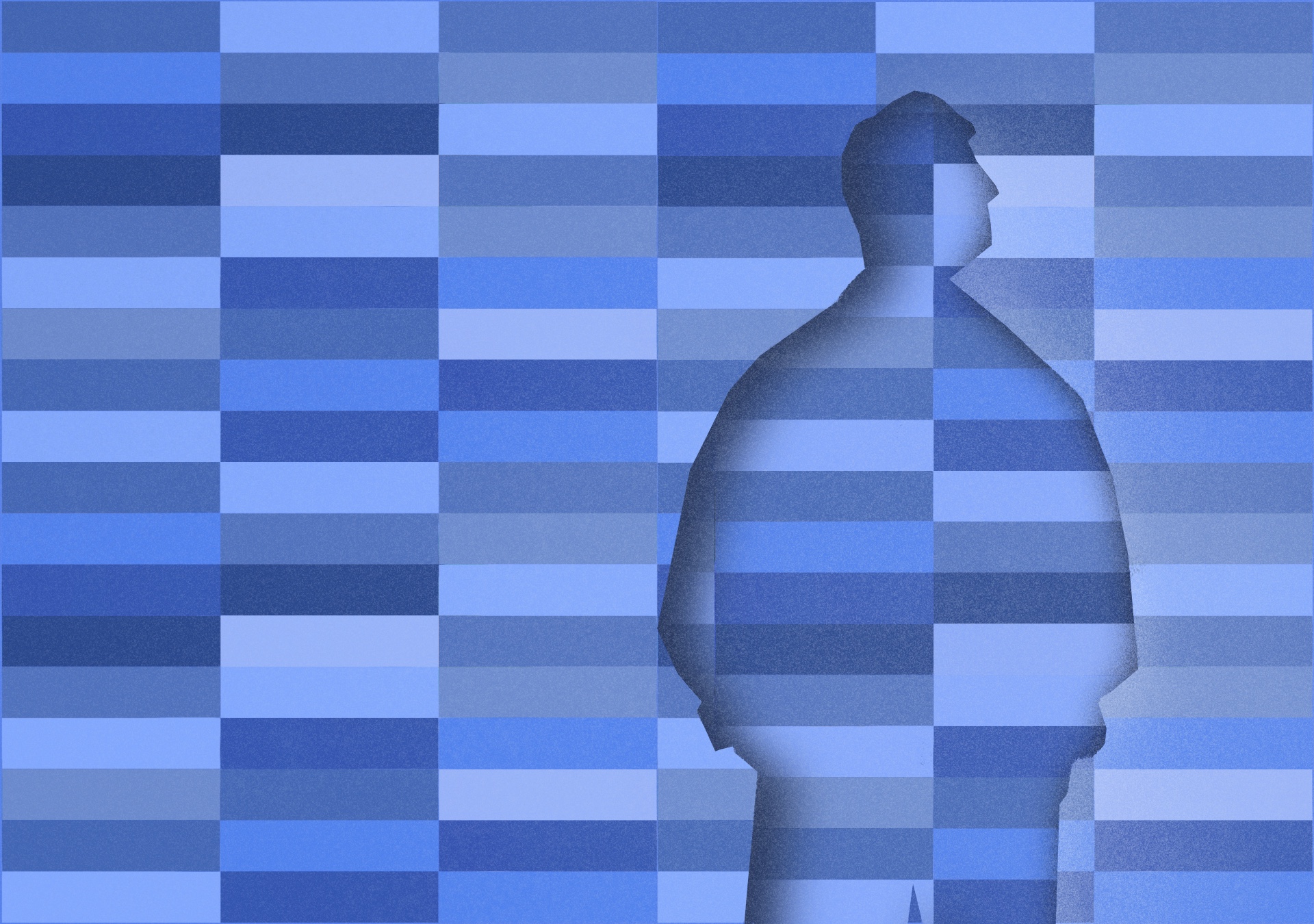

Maybe the final work is to go. To stop making. To stop explaining. To leave behind only space. Is the last and greatest act of creation to stop existing altogether? A kind of death. Or absence. Or nothing.
He laid the fax on the workbench, aligning the perforated edges with the grain of the wood. He placed his hands either side, framing it. A geometry made with the body. He stared. The request was presumptuous. Audacious in its obliqueness. He’d been holding his breath since tearing the paper from the machine. The breath left him all at once. A violent release from inside to out. Air returning to the room. A reversal of form.
Something in the space shifted. A presence had entered. His own, beside and around him now. Illegible but whole. Pure in form. His exhalation. The minimum presence needed to let space speak. If the artist exhales the self, it leaves behind only form. Not void but essence.
The invitation pressed into his thoughts. It wasn’t a commission. It wasn’t an opportunity. It was a way out. Or maybe, finally, a way in.
He had always felt everything was in the way of the work. Walls. Spaces. Audiences. Artists. He included himself in that list. It was as if the person at the other end of the fax line understood what he was trying to do. Could articulate what he himself couldn’t quite say. These notes turned the light on in the room.
The ultimate act of creative production was destruction. Get out of the goddamn way. The work should be autonomous. Uninterpreted. Unburdened by stories and mythologies. Make the world, then leave. Just objects. Just breath. A form so resolved it didn’t need anyone watching. Not even Judd.
The world would stay the same. The light would change. The object would remain. The trust had led him to this moment. This revelation. He felt overwhelmed with gratitude toward them.
Over his shoulder, the fax machine snapped into life again, spitting out another short note from the trust. This time, an address. Again, he tore the sheet from the machine. Laid it next to the first. Aligned with the grain in the wood. He lifted a pen. Pulled a chair to his desk. Moved aside a blueprint and a lukewarm cup of black coffee.
He sat. And carefully etched his reply. A list of conditions. A contract of engagement:
A retreat.
No audience.
No interpretation.
No exhibition.
A hillside.
Steel.
A death.
An object.
But do not credit me.
The object is sufficient.
He knew now. Disappearance was just another material. Death, the final triumph. He would go to the Welsh landscape. Where the hills held shape. Where the pipes had no drone. Where the work did not need to be seen to be real. A place in the hills. No studio. No materials. No questions. No press. No one watching. A place to build. Or not build.
To disappear.
Whoever was sending the notes understood something. Not about fame. Not about galleries. About space. About why Marfa had mattered. And about the only thing that could ever supersede that place, that project. If Marfa was about the potential of infinite space, this was about the potential of infinite time. It was the first time someone had offered him nothing. And he saw the value in that.
He fed his handwritten reply through the machine. Then turned his attention back to the drawing on the bench. The exchange ended.
And he left.
The leaving took eight years. A quiet erosion. A persistent, subtle dismantling of a life. The interviews continued. The appearances. No one could know, except those required for the final act.Three people. His son. The lawyer who prepared the will. The ranch worker who would witness the burial.
The correspondences of the living played on. Architectural blueprints. Steel and grey glass over railway lines in Basel. Interviews with German journalists about the future of art and architecture. For decades, this had been the only work that mattered. The genuine augmenting of space, the shaping of new realities.
Now he was composing something larger. The Gesamtkunstwerk. The total work. A final piece with no object, no spectacle. Only form.
The leaving took the form of an obituary. Protracted enough to seem plausible. It avoided spectacle. It was believable. Mundane. Inevitable. There was no crash site. No tragic sculpture twisted into legacy. Not one of Chamberlain’s violent wrecks of fame. No headlines. Just a few earnest inches in the back pages of The New York Times. A minor obituary for a major American artist. There were debts. Outstanding bills. Lingering obligations. Details that made it feel real enough. Human enough.
He expired in New York. Then was transposed, quietly, without procession, across state lines to Texas. Dust to dust.
He went to Wales. Disappeared into cloud cover somewhere over the Atlantic. Slipped free of name, of face, of noise. Took the form he had always yearned for: nameless, resolved.
That form enclosed Y Mynyddoedd Duon.
The Black Mountains.
Black was certainty.
Black was the old music or rocks and time.
The form laid itself into the folds of the landscape.Over stone. Seeped into cracks, crevices, old tunnels and mining shafts.
It pressed a negative mould into the land. a counterform to land. He became measure.
This work endured for thirty years.
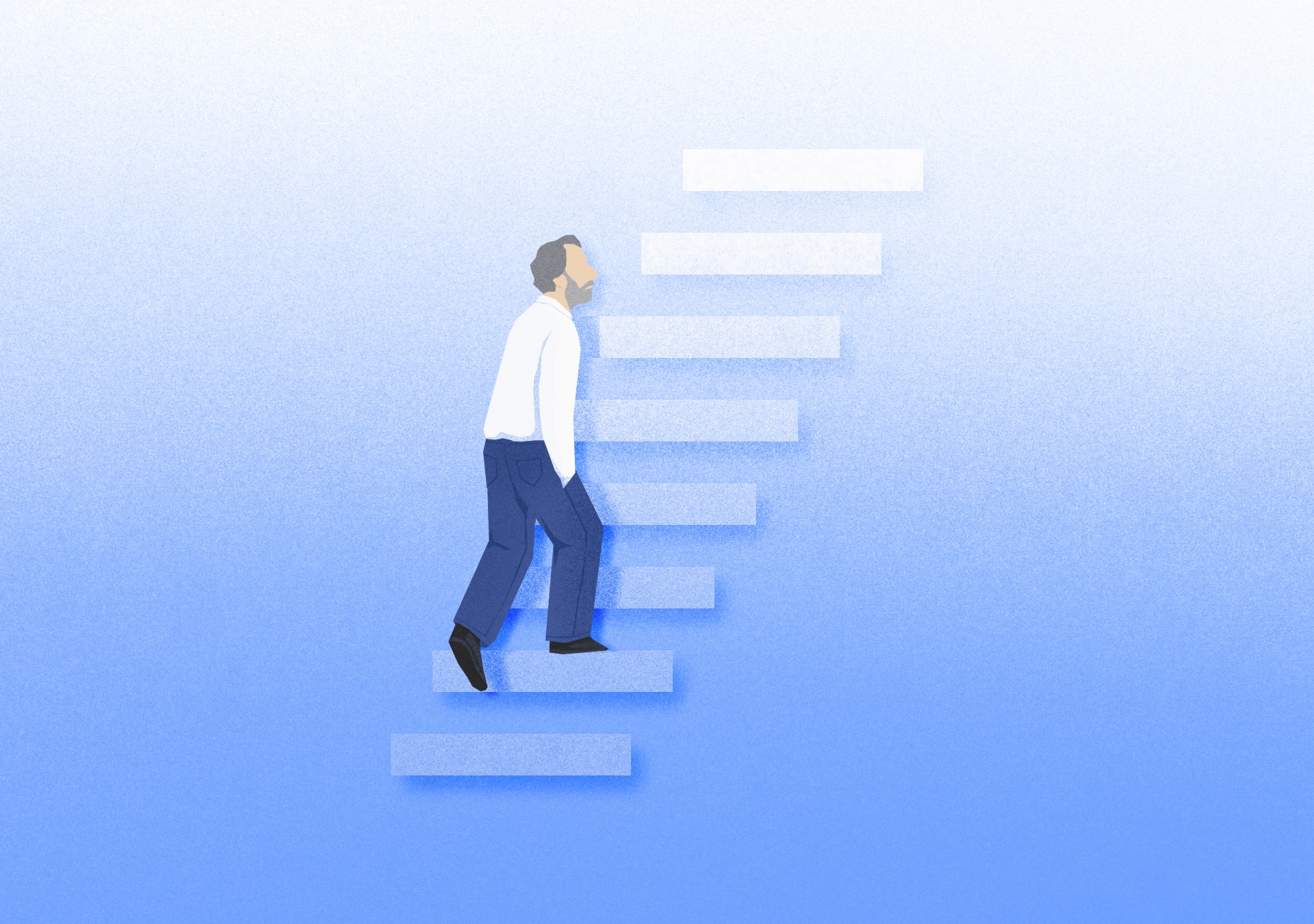
1994 – 2024.
The monolith was raised,
and promptly un-raised.
Silent among the hills.
Shifting with the light.
Dancing with the weather.
A final mark.
A single form.
Seen by few.
Dismissed as hoax.
Folded into conspiracy.
Then gone.
Swept away by the digital wave.
The culmination of a life.
Of a work.
Dispersed like breath.
No unveiling.
No catalogue raisone.
Only the land knew.
Only the mist saw.
Only the Black Mountains whispered,
Here is the thing itself.
Here is form without author.
Here is a name turned to wind.
And then,
no more.
The hills held the memory.
The silence stayed.
The work remained.
And the world moved.
Laura Vent is an artist, writer and visual researcher working at the intersection of image, archive and narrative. She is the founder of Source Material Studio, a research practice devoted to exploring how images travel across time from historical archives into contemporary culture and future mythologies.