

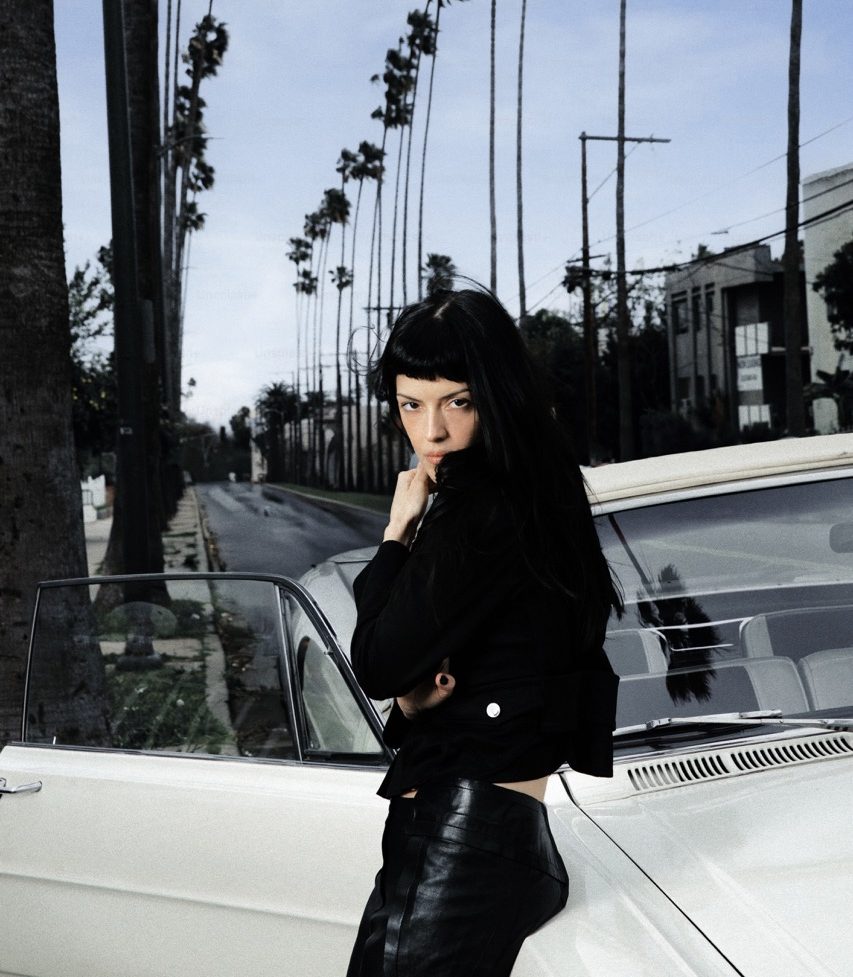
With albums such as Hable con Ella and Cinema, The Marias frontwoman María Zardoya has established herself as one of LA’s most visionary musicians, finally earning her accolades with a Grammy nomination for The Marías early this year. But there’s no time to rest on her laurels. The show must go on, she tells Chris Cotonou, even if it means creating in subversive new ways.
María Zardoya came to Los Angeles by accident. That’s what the frontwoman for the supercool Grammy-nominated band The Marías tells me: that she headed out West after earning some money from a Halloween contest and on the behest of a friend.
Serendipitous accident: Since forming The Marías in 2016 with Josh Conway, Jesse Perlman, and Edward James, Zardoya has become one of the most alluring singers of her generation, crooning meaningful, dreamy indie ballads in both English and in Spanish (she was born, after all, in Puerto Rico).
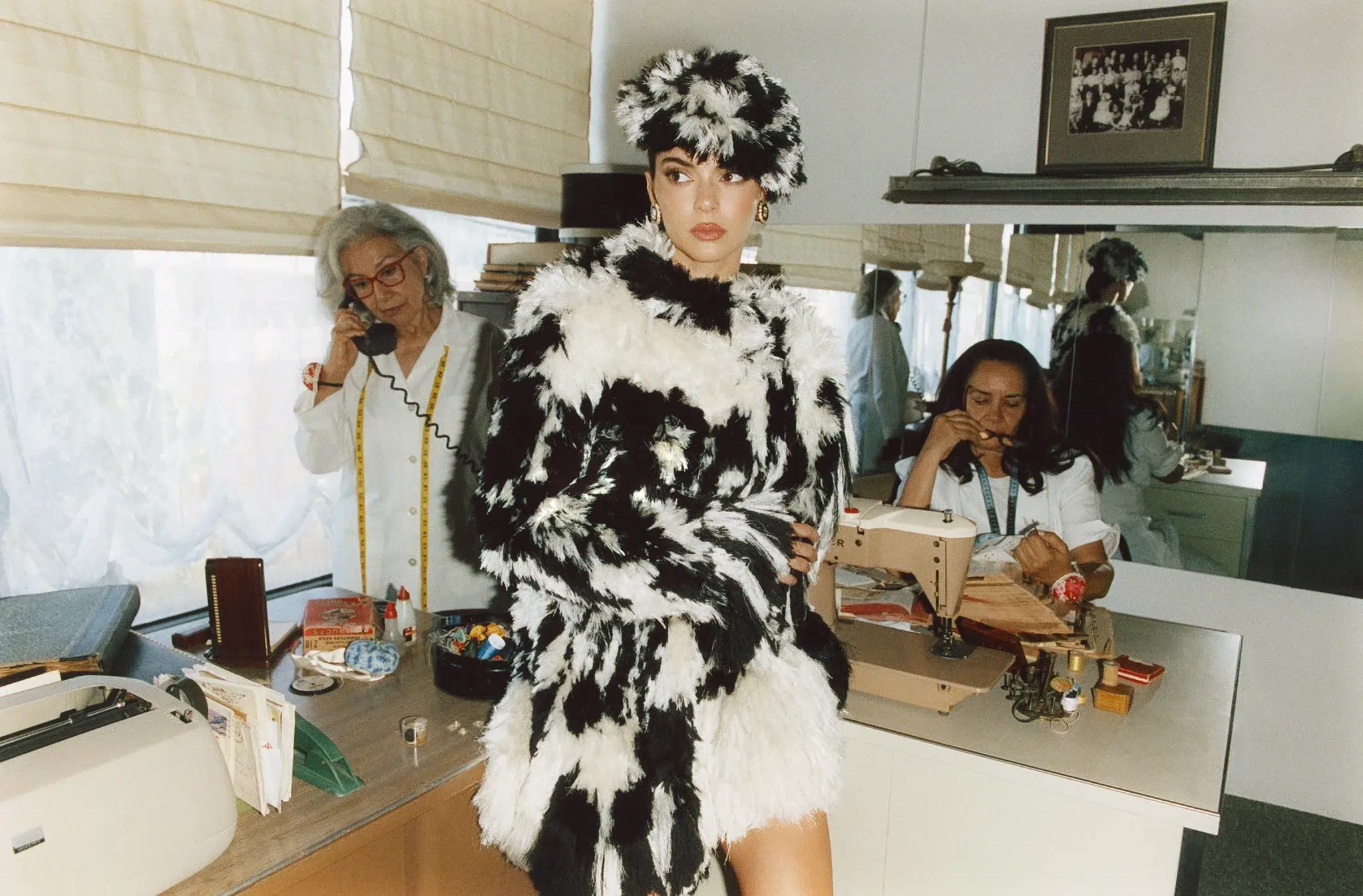
Ten years later, the band is one of the groups that most defines modern America—with millions of fans the world over. When I met Zardoya, a week after her Grammy performance, and following our striking photoshoot—which you can discover in these pages—it’s evident that so much of her success is because of her charisma and vision as a performer; but also as an obsessive “builder of worlds,” she explains. Everything is still rooted in a universe Zardoya and her bandmates created for themselves ten years ago; irrespective of all of the fame.
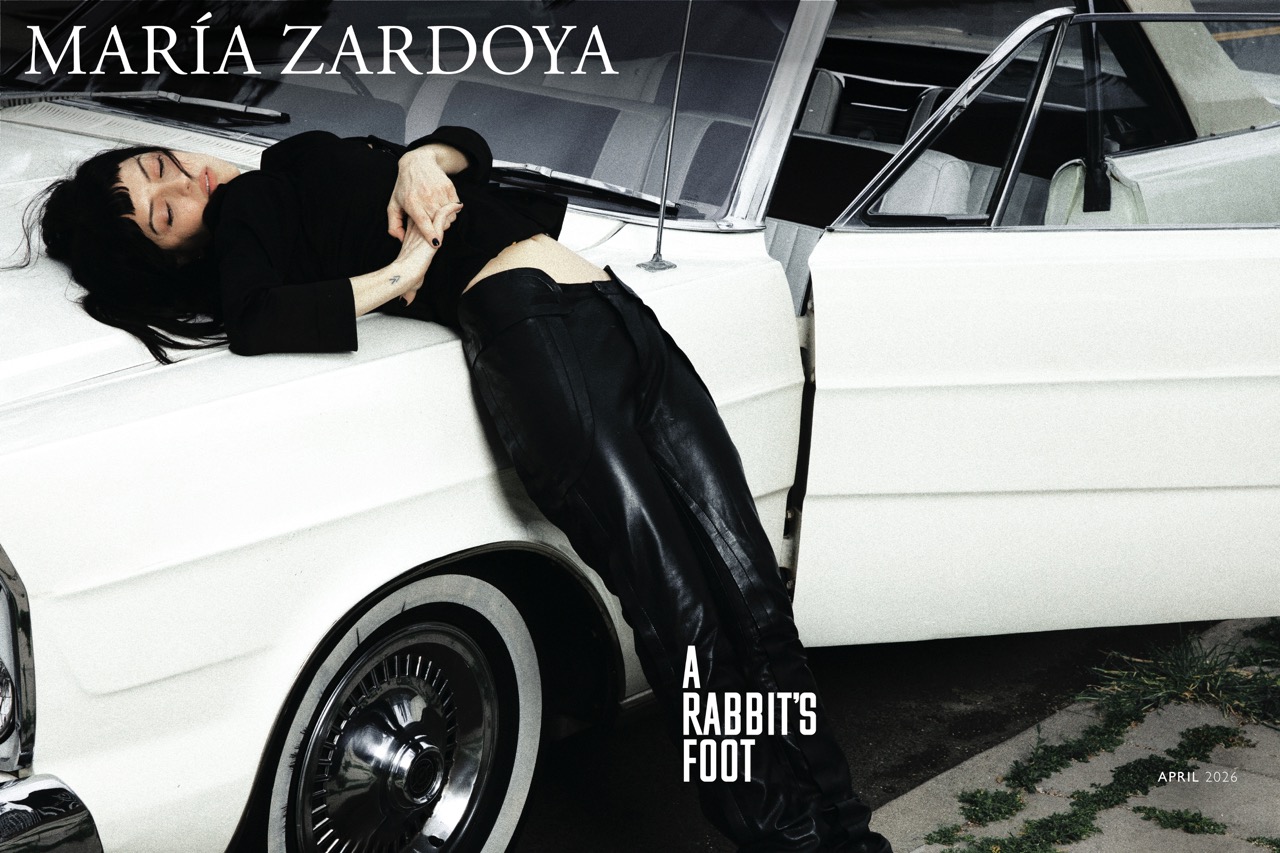
María Zardoya for A Rabbit’s Foot, April 2026
Their album Cinema (2021) should have given away just how much the movies inspire The Marías’ world. But even more recently, with nods to Three Colours: Blue (1993) on the cover of Submarine (2024) and hints at Pedro Almodóvar in song titles. What I especially like about Zardoya is her vision: every album, every show, is a chance to experiment with references and ideas, and like many of the best artists, she moves on to new ideas without much issue. Her solo project Not For Radio (2025) went on tour in January and paid homage to the Swan Lake, in part because her audience may never have had the chance to see the ballet. So why not at her show?
It’s a mission for true, real, high-culture art that makes everything Zardoya does so engaging. The following is a conversation that spanned her roots, bilingual music, Almodóvar, Bad Bunny, and California.
A Rabbit’s Foot: As a Puerto Rican and someone who’s been playing with bilingual music for a long time, what did you make of Bad Bunny’s recent performance at the Super Bowl?
María Zardoya: It felt, more than anything, like a celebration of the culture. My best friend is Puerto Rican and she was texting me, “I’m in tears. This feels like a love letter to Puerto Rico.”
Seeing him on that massive stage, especially with all the political turmoil around him being the performer, was really powerful. There were so many little references to Puerto Rican culture. Representation is extremely important in the media, and he represented Puerto Rico beautifully—also the wider Latin community with that nod at the end to all the Latin American countries. I’m really proud to know him, to collaborate with him, and to be from the little island of Puerto Rico.
ARF: How has the music industry changed around bilingual music since you started, and how do you see your place in that?
MZ: The landscape has definitely expanded. You can thank artists like Bad Bunny for bringing those sounds and that language to the mainstream. For me, it was never a strategy. I grew up bilingual and bicultural, speaking both languages and listening to music in both. The first song I wrote was in Spanish, the second in English, then another in Spanish, then English, then mixed—it was just natural.
What I discovered was how many people in the US shared that bicultural experience and gravitated toward it. A big moment was a festival in Jakarta, where people were singing every word in English and Spanish—even though Spanish isn’t their language. That really showed me music can transcend language.
ARF: You left Georgia for California at a very young age. Why California instead of, say, New York?
MZ: Honestly, one friend. She was also from Georgia, had moved to California to pursue music, and kept calling me saying, “If you want to do music, you need to be here.”
I was saving money, figuring out where I’d live. Then she called: one of her roommates had moved out. Around then I won a Halloween costume contest at the agency I worked at—five grand—so I thought, “Okay, I can do this.” I bought a car and drove to California knowing only her. That was it.
ARF: Did California—and especially Los Angeles—shape the music you made with The Marías?
MZ: I think so. All the guys in the band are born and raised in California. When I started writing with Josh [Conway], he had this psych-rock, California vibe. Our music became this mesh of his California upbringing and my bicultural, bilingual, small-town upbringing. It just worked.
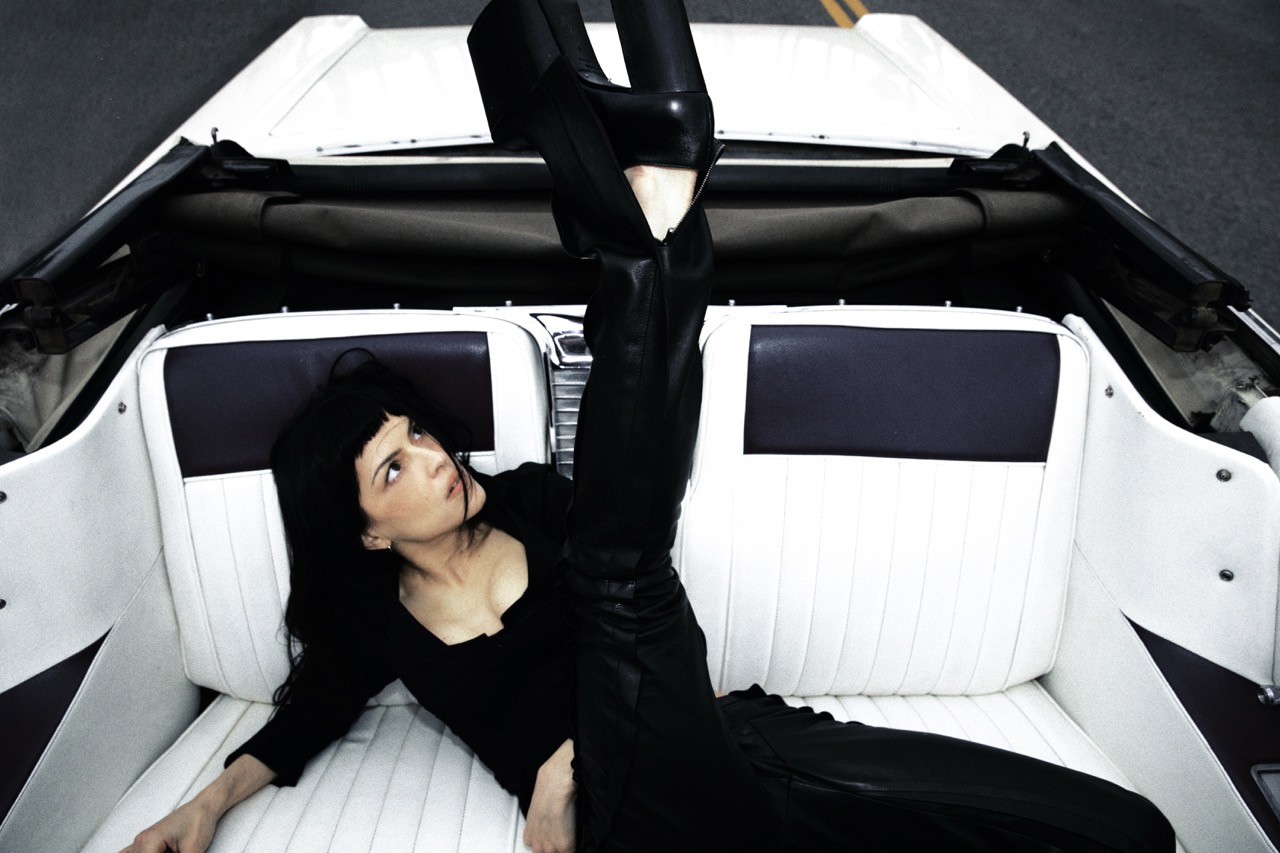
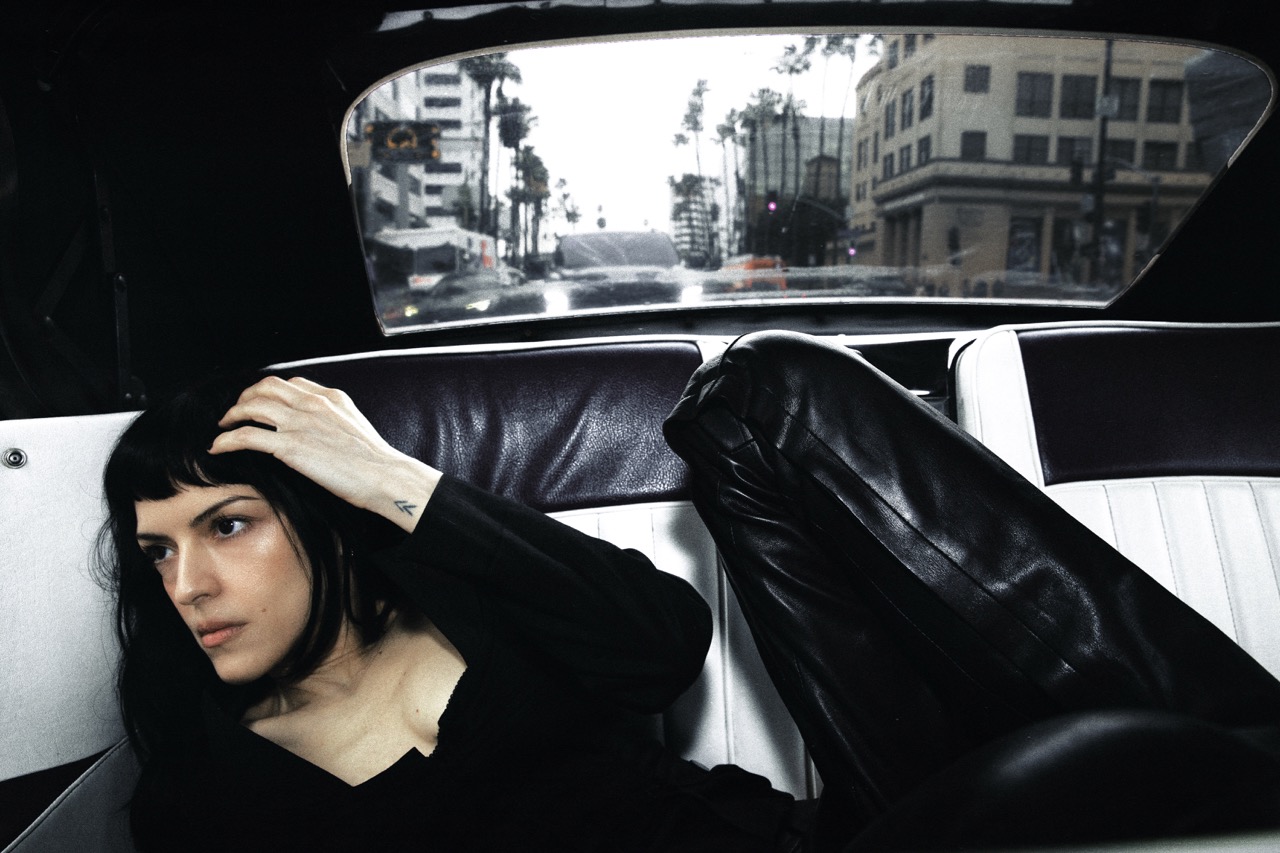
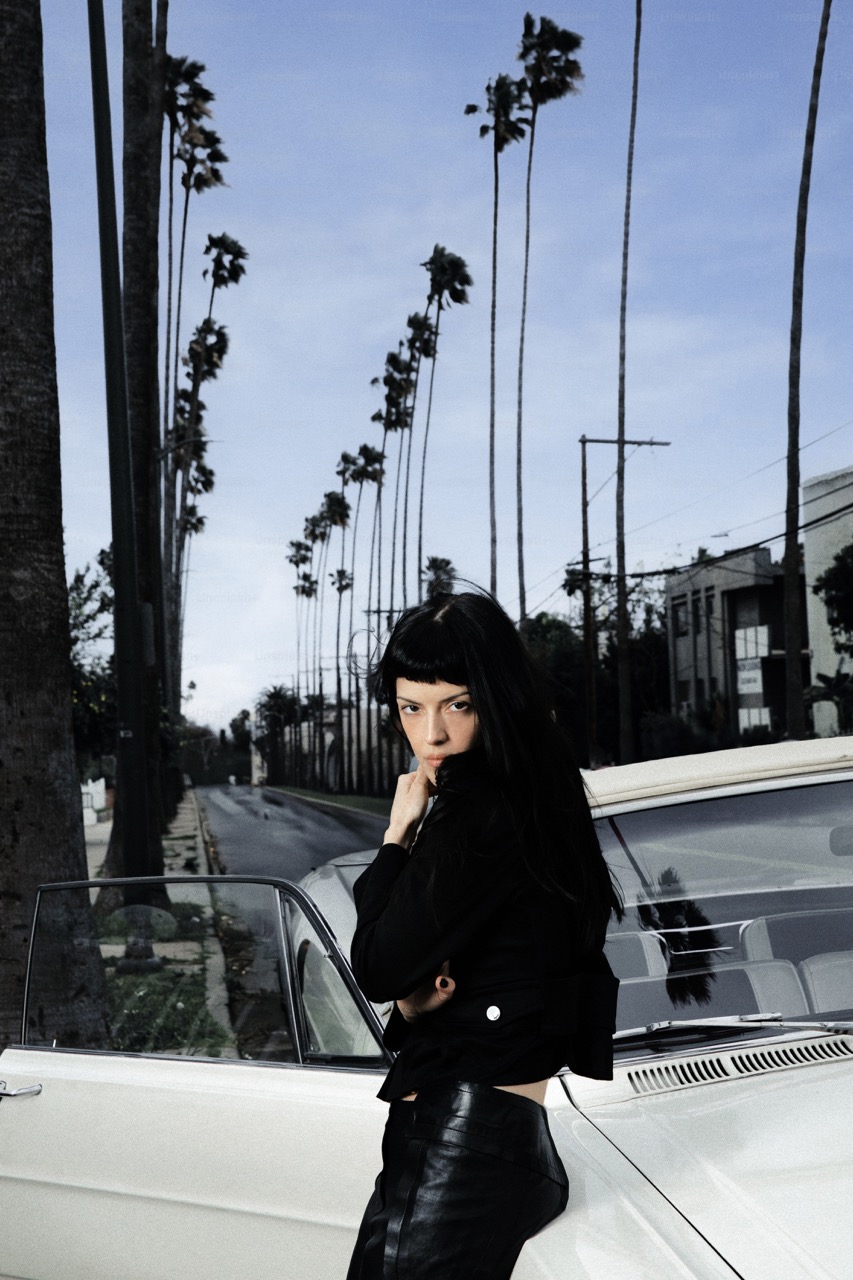


ARF: Your music feels very cinematic. What film or visual references feed into your work?
MZ: Early on I was extremely inspired by Pedro Almodóvar. He’s one of my all-time favourite directors. My dad is from Spain, so I grew up watching his films.
When we were discovering our visual identity, I watched a lot of his movies and took notes on his use of colour, especially red. If you look at our early visuals and videos, there’s always a pop of red, and that carried into the EPs and our first album, Cinema (2021). I even named two songs after Hable con ella (2002)—“Hable Con Ella” and “Talk to Her.” Later, for Submarine (2024), I was inspired by [Krzysztof] Kieślowski’s Three Colours trilogy (1993–94). He did an ode to the French flag; I wanted to do something similar for the Puerto Rican flag. So the second album is blue—Submarine—and now people are expecting the next to be white. Film is a huge part of how I think about albums and visuals.
ARF: How do you separate ideas between The Marías and your solo project, Not for Radio?
MZ: The challenge is keeping things distinct, because I spearhead the visuals for both. With The Marías, I’m also considering the guys—they have this 90s, edgy, Thom Yorke/Radiohead-inspired thing. With Not for Radio the solo project is very inspired by nature and the underworld. It’s a “green” album. For the next Marías project, the “white” one, I’m thinking more Three Colours: White (1994), Trainspotting (1996), 90s freshness. I literally see the guys as Ewan McGregor in Trainspotting—playful and edgy. So The Marías lean more into that energy; Not for Radio is more romantic and connected to nature.
ARF: You speak about albums like films—with colour, character, and arcs. Do you see them as one big story?
MZ: Yeah. From Superclean (2017) and Cinema—the red, romantic period when Josh and I were in a relationship—to Submarine, blue, which symbolises solitude and the breakup. Not for Radio is green, a rebirth for me individually, like a seed being watered and growing into myself. The next “white” album feels like a rediscovery of who we are as a band after that rupture—coming up from underwater and seeing the light. So it’s all one story, but I also get obsessively lost in each album’s visual world while I’m making it.
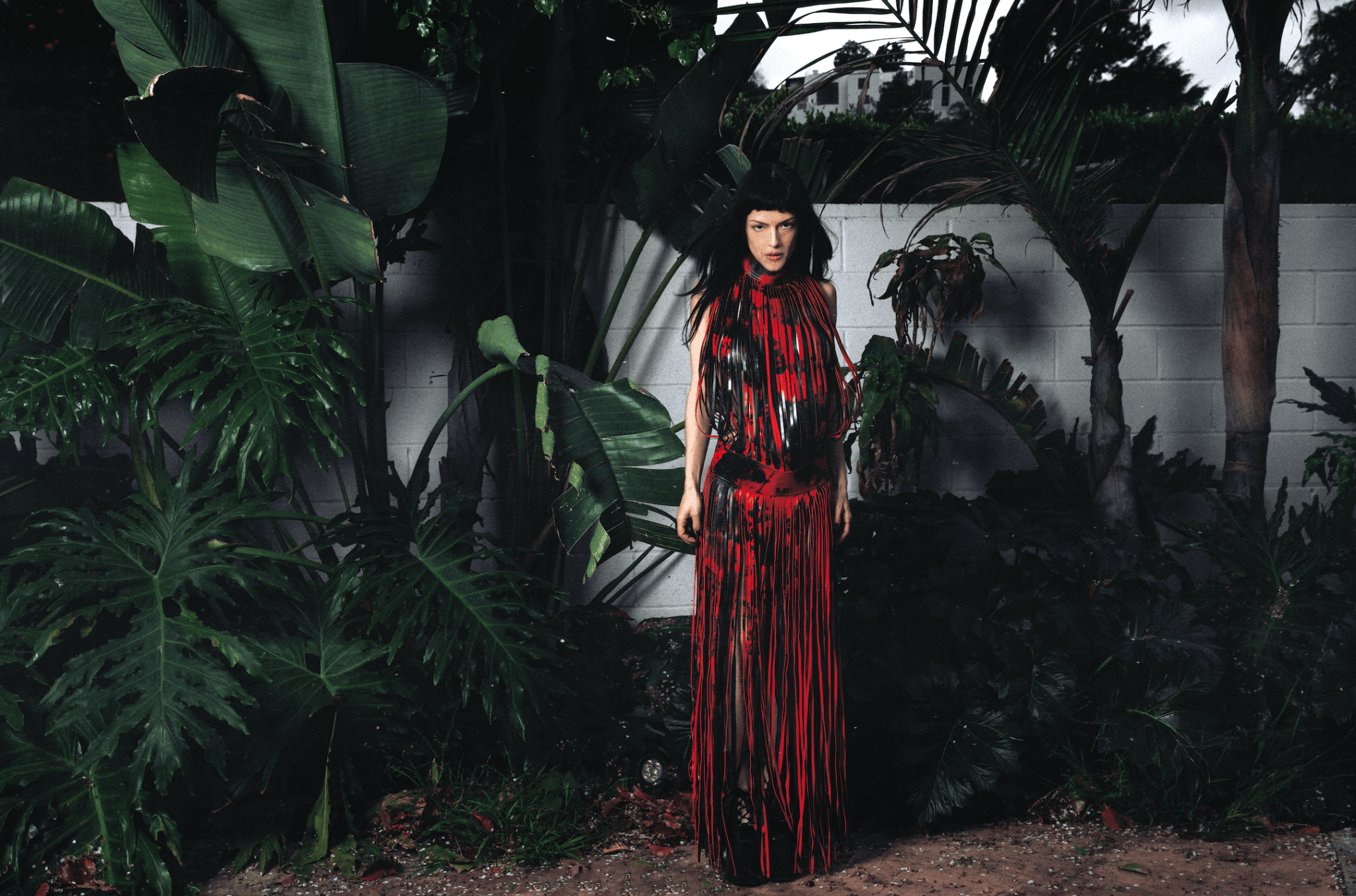
By Conor Cunningham. Maria is wearing an Alexander McQueen Spring/Summer 2026 dress

I was inspired by [Krzysztof] Kieślowski’s Three Colours trilogy (1993–94). He did an ode to the French flag; I wanted to do something similar for the Puerto Rican flag.
María Zardoya
ARF: As the band has become more visible, has your willingness to be vulnerable in your lyrics changed?
MZ: I definitely have moments of, “Did I say too much?” But those thoughts come after the song is written. The way I write is very subconscious, like free-writing or journaling, so what comes out is honest. Before releasing Not for Radio, I texted my manager, freaking out, like, “I think I was too honest—people are going to speculate.” She told me, “If you’re living in your integrity and being as honest as you can, that’s what matters.” People will make up their own stories anyway. That really grounded me.
ARF: You’ve mentioned being obsessive. What are you most particular about in the studio?
MZ: Everything. I obsess over a drum sound, the tone of a synth, tiny details in the mix. Mixing is when my brain really loops, because it feels like the last chance to get it right. I’ll suddenly hear some high-pitched thing in the snare and can’t unhear it.
But I’m learning to let go. The solo project helped because it came together so fast I didn’t have time to obsess over every detail. I just had to follow the energy.
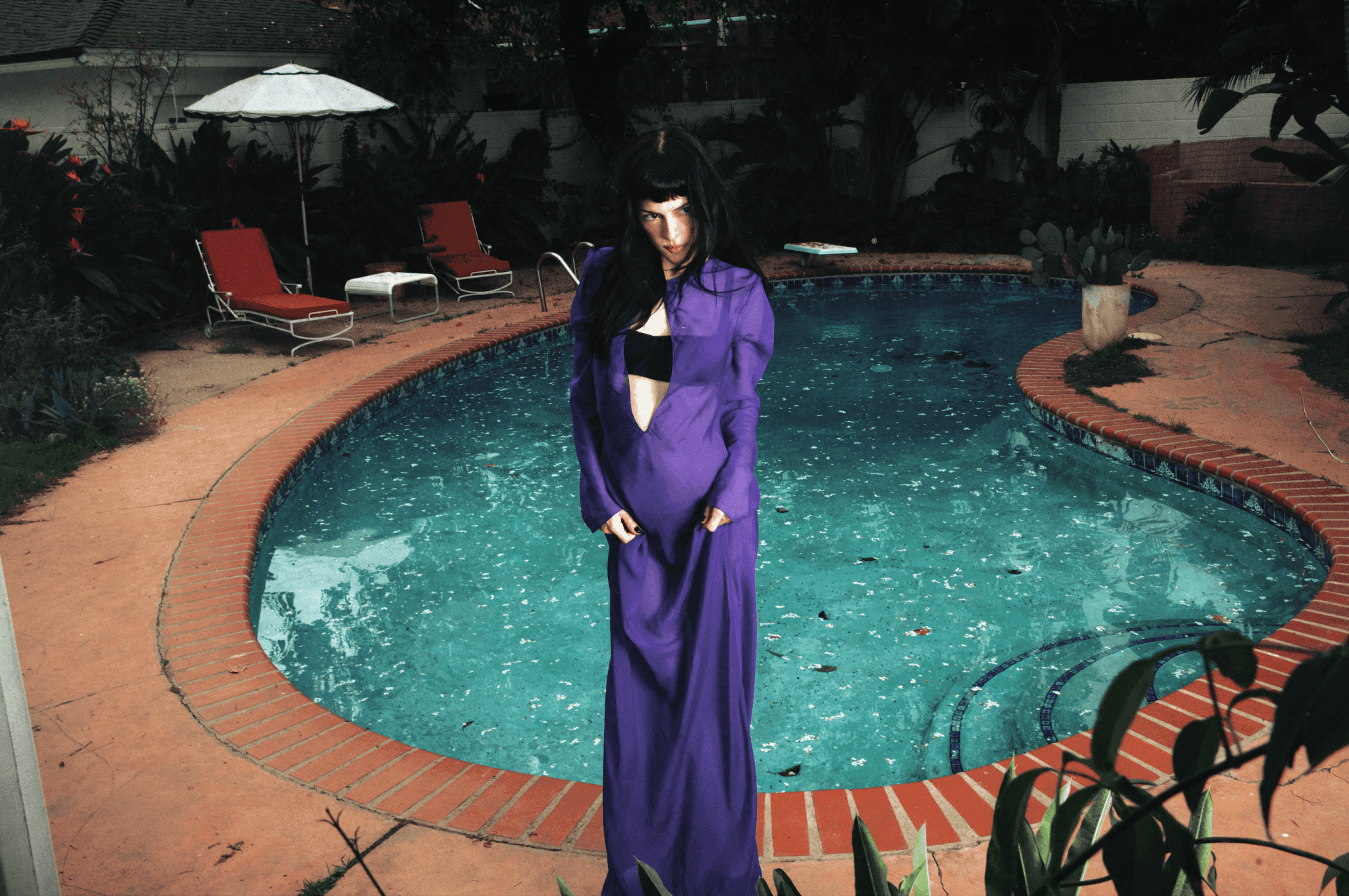
By Conor Cunningham. Dress by Colleen Allen, Araks bra and María’s own shoes
ARF: Do you have ways of leaving one project behind and moving into the next?
MZ: Being completely in the moment helps. That’s something I always encourage fans to do at shows—lose themselves in that moment.
On the Not for Radio tour, with the Swan Lake (1875–76) references, I started the show as this delicate swan, then, after the “death” of the white swan, leaned in to the grittier, darker black-swan energy. Women are conditioned to always be beautiful and delicate, but there’s a darkness and “ugliness” I wanted to show.
To move on, I leave that version of me in that moment. Now I’m in a different one. The past is what it is; the future isn’t here yet.
ARF: It feels like the more visible you get, the more you push against mainstream norms. Is that deliberate?
MZ: Yeah. As The Marías got bigger and reached a more mainstream audience—partly through things like TikTok—there was a part of me that didn’t want to go further into that; I wanted to go more inward and against the grain.
I wanted to make songs over four minutes, without obvious internet hooks; shows that weren’t just about screaming along to big drops. I wanted to invite people to put on headphones, sit under a tree, and really listen.
Calling the project Not for Radio gave me the confidence to be unconventional—to do a more theatrical production, with people sitting down, and to bring them into a different kind of world. I’m grateful the team saw that vision.
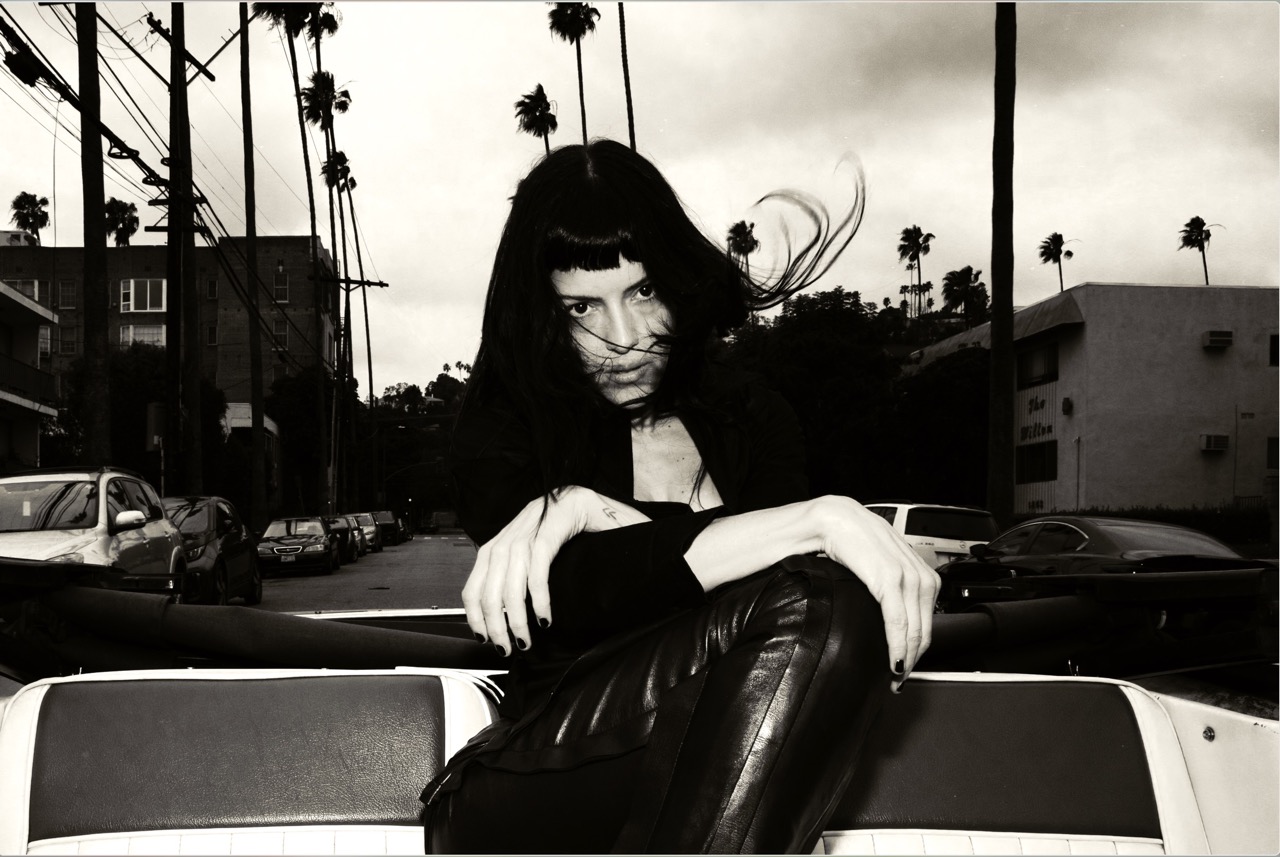
By Conor Cunningham
ARF: Where did this love of cinema start?
MZ: At home. My dad went to the store and asked for the biggest TV they had. This was pre-flatscreen, so we ended up with this giant 88-inch tube TV and surround sound in the living room, just for watching movies.
Whenever guests came over, he’d play Twister (1996) to show off the rumble. That family movie time really started it. The first film that really shook me was Alfonso Cuarón’s A Little Princess (1995). I watched it over and over. I spoke to him a few months ago about it.
I studied film in high school and college, and when I chose music, it felt like the perfect bridge: I could be a filmmaker through our videos and visuals.
ARF: It’s a bit of a random question. But I’m curious. If you could spend an evening with three people from cinema, dead or alive, who would they be?
MZ: Pedro Almodóvar, Guillermo del Toro, and Alfonso Cuarón. Having all three of them in the same room, sitting by a fire, asking each other questions—that would be the dream.
ARF: Would you ever want to direct a film yourself?
MZ: Maybe one day. I love putting worlds together visually. A couple of years ago I went down a Sofia Coppola rabbit hole after watching Marie Antoinette (2006) for the first time. I was like, “I want to make a movie like this.”
She captures femininity and the female perspective in such a beautiful way. I watched all her films, bought her book, and just flipped through the images, totally inspired. So maybe after my next Sofia Coppola rabbit hole, I’ll finally make a movie.
ARF: And your favourite Guillermo del Toro? Say Pan’s Labyrinth (2006)…
Pan’s Labyrinth, for sure. And The Shape of Water (2017)—I’ve seen that so many times. It’s so, so good.
Photographer: Conor Cunningham
Photographer Assistant: Derek Perlman
Words: Chris Cotonou
Producer: Lauren Southcott
Video: Matilda Montgomery
Video Producer: Luke Georgiades
Wardrobe Stylist: Tess Herbert
Hair Artist: Ricky Fraser
Makeup Artist: Yasmin Istanbouli
Special Thanks: Hollywood Classic Cars
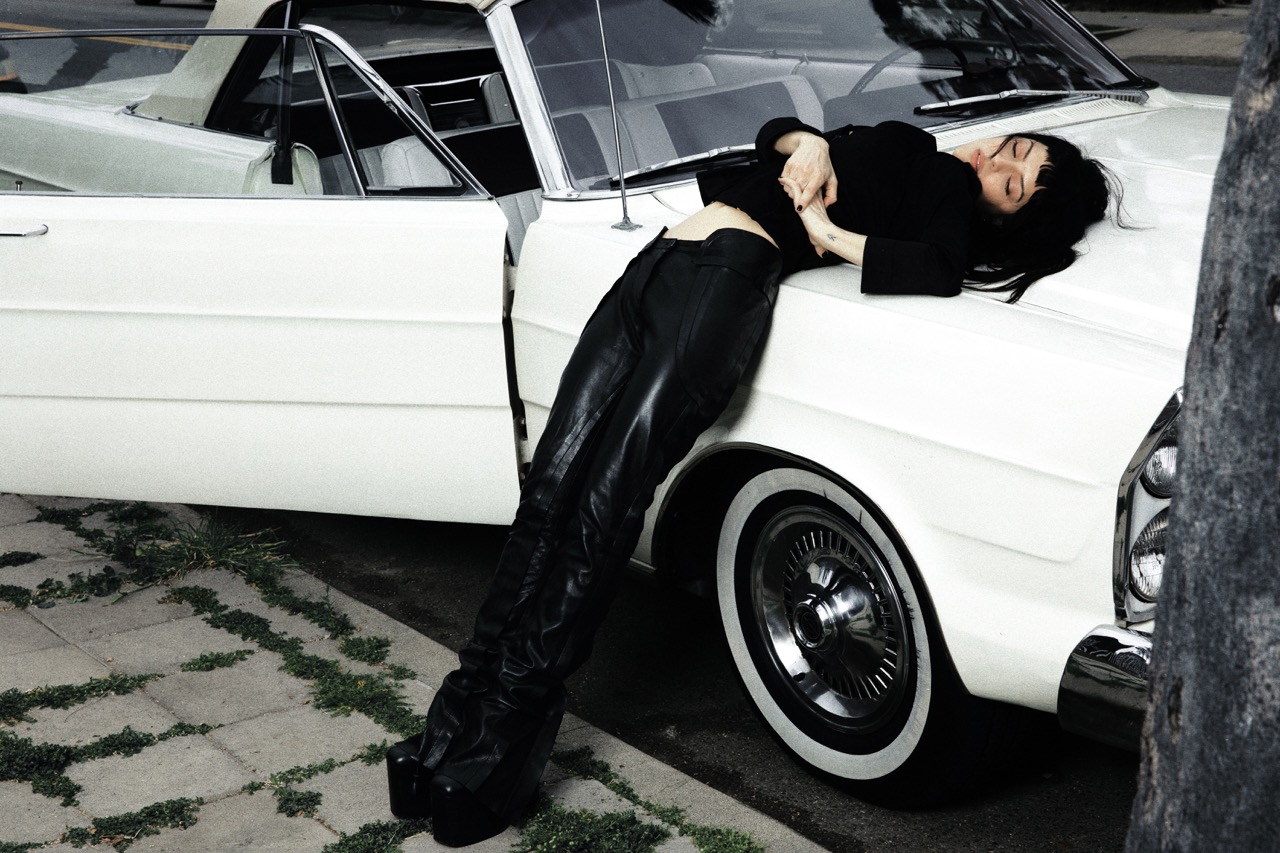
Look 1: Vintage Gucci top, vintage Burberry trousers and María’s own shoes
Look 2: Alexander McQueen dress Spring/Summer 2026
Look 3: Colleen Allen dress, Araks bra and María’s own shoes