

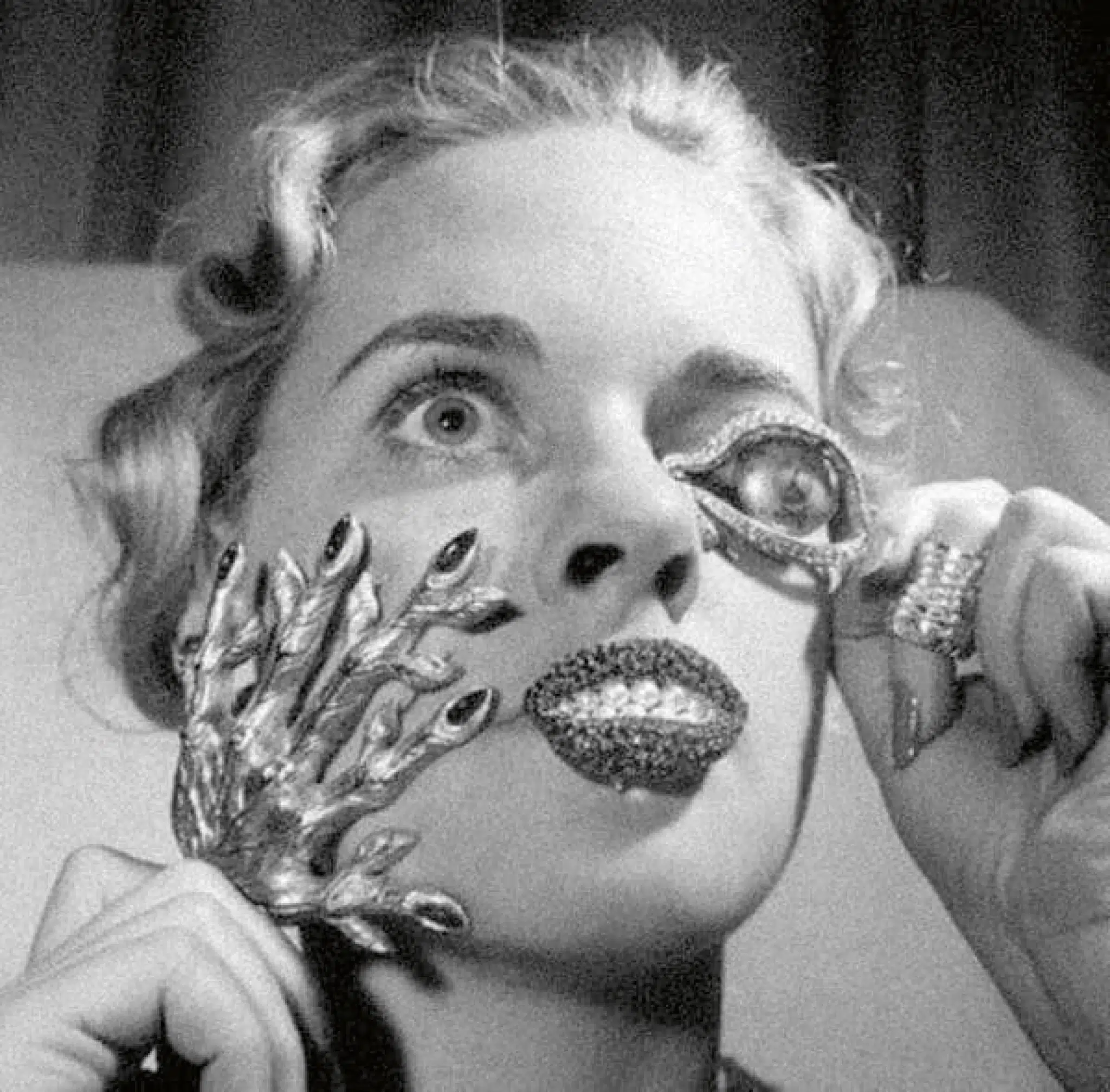
Whilst the relentless tweaking and tuning of faces seems like an affliction of contemporary celebrity, it’s anything but. Cosmetic surgery is almost as old as Hollywood itself, with stars such as Mary Pickford and Rudolph Valentino partial to the scalpel.
Awards season brings about a dearth of analysis on the actors who appear on the red carpets. What designer are they wearing? Who are they dating? Who are they feuding with? And what cosmetic work have they had done?
Plastic surgery and cosmetic work has now become part of the celebrity gossip-mill, with online content speculating about who has had what done garnering hundreds of thousands of views. Aesthetic practitioner Dr. Jonny Betteridge (@drjb.aesthetics) has amassed hundreds of thousands of views on videos on videos about everyone from Kylie Jenner to MAGA politicians in which he breaks down what procedures he believes they have had done. Similarly, a Youtube video by American plastic surgeon Dr. Gary Linkov that focussed on what surgery he thinks Brad Pitt has received sits at almost half a million views.
If this kind of speculative content is to be believed, pretty much everyone in Hollywood would have had some degree of cosmetic work done. And yet whilst anyone would be forgiven for thinking that the commonality of cosmetic work is a newer phenomenon that has seemingly increased tenfold in the last couple of decades. Whereas extreme breast augmentations, rhinoplasties and noticeable facelifts were clearly present in the 1980s and 90s (as seen in figures such as Pamela Anderson, Anna Nicole Smith, Melanie Griffith and Michael Jackson), treatments like deep-plane facelifts, subtle blepharoplasties and expertly-placed fillers have taken centre stage, making it slightly more difficult to tell who has had what (thus creating space for online content that attempts to discern this).
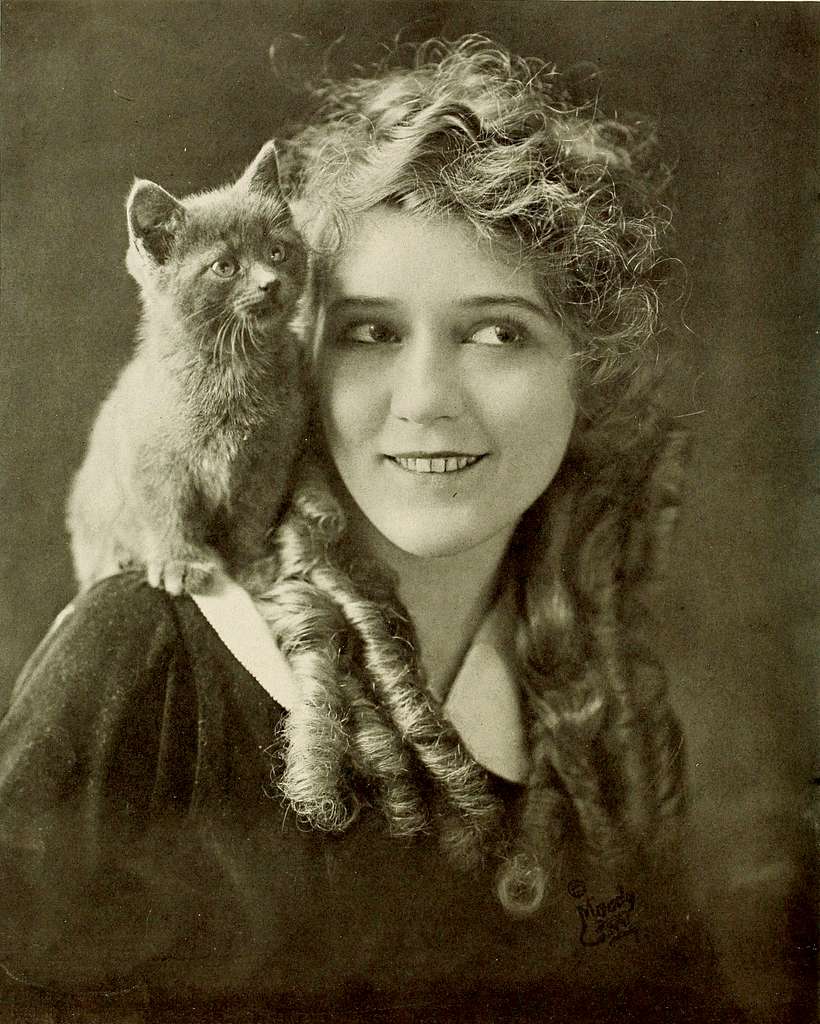
Silent film era actress Mary Pickford pictured in the 1910s.
However, plastic surgery and other forms of body modification have actually been present since Hollywood’s inception. This may come as a surprise; indeed, during discussions in which I’ve mentioned that I mainly watch films from Hollywood’s Golden era, a common refrain I hear is that ‘everyone back then was more natural’. That certainly isn’t the case.
Some of the earliest (alleged) examples of plastic surgery in Hollywood can be seen in film stars Mary Pickford (facelift), Vivienne Segal (rhinoplasty) and Rudolf Valentino (pinned ears). An article written by Harry Lang from the August 1930 edition of Photoplay magazine entitled Would you like a new nose? shows that they were not in the minority; Lang speculates that the growing field of plastic surgery had been dabbled in by around 2,000 actors and actresses living in Hollywood.
As might be expected, the plastic surgery carried out 100 years ago was slightly less developed than it is now, and so cases of botched procedures were common. Lang alludes to a ‘persistent rumour’ that an actress ‘had a tragi-comic sequel to her plastic surgery quest for beauty’. He is most likely alluding to one of the biggest silent film stars of her day, Mary Pickford, who underwent a procedure supposedly to give her pronounced dimples, but was instead given a facelift-type effect that froze her mouth into a constant, slightly painful-looking smile. In a very early case of Hollywood plastic surgery, actress Minnie Chaplin (wife of Charlie Chaplin’s brother Sydney), attempted to sue surgeon Dr. Griffith in 1914 for a nose job that she was not happy with. His counter-argument was that she had taken her bandages off too early, and the case was settled out of court.
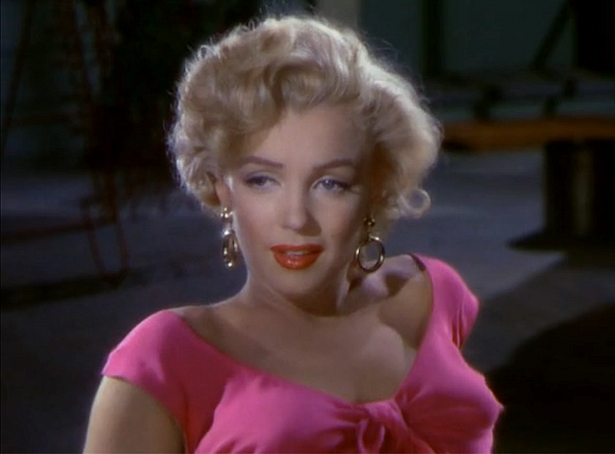
Marilyn Monroe in the 1953 noir thriller Niagara.
Marilyn Monroe burst into the cultural zeitgeist in the late ‘40s, and has stayed there ever since. There is much to Marilyn and her appeal is not limited to her looks—but they did help establish her into the hearts of the masses. In 2013, Beverly Hills auction house Julien’s sold the actress’s medical records, which stated that she had had a chin implant (made of bovine cartilage) when she was 24, as well as a slight adjustment to the tip of her nose.
Other notable cases of (alleged) plastic surgery in Golden Age Hollywood can be seen in Rita Hayworth’s visibly altered hairline, which was apparently achieved by a year of electrolysis treatment, and Joan Crawford’s altered face and breasts before her ‘comeback’ in 1953. There are also numerous rumours of men who underwent treatments, as in Dean Martin’s pre-fame rhinoplasty to reduce the width of his nose, and Clark Gable who, like Rudolf Valentino, had his ears pinned back. In Kate Buford’s 2000 biography of Burt Lancaster (Burt Lancaster: An American Life), it is alleged that he told director Bernardo Bertolucci on the set of the 1976 movie 1900 that he had undergone so many procedures that the only thing real about his face was his eyes.

Burt Lancaster told director Bernardo Bertolucci… that he had undergone so many procedures that the only thing real about his face was his eyes.
These are the examples that we do have some record or rumour about—as is the case in our current landscape of celebrity, there are probably far more that we couldn’t even guess towards. Despite beauty standards being different in this previous era, the pressure of them was clearly evident in the amount of plastic surgery that was happening behind the scenes.
Academic Dr. Charlotte Boyce, who acted as co-investigator in the recent British Academy funded project, ‘Young Women and Body Image’ and was lead investigator on Portsmouth University’s project ‘Celebrity, Citizenship and Status’, relates this pressure to the media. She points out that, by the 1930s ‘women’s magazines were full of exercise routines and diet advice aimed at achieving the desired slim physique.’ As part of this ‘Hollywood stars were celebrated for their flawless appearances’ but the time, effort and surgery it took to get these looks were ‘glossed over’. Despite Harry Lang’s 1930 Photoplay article unveiling the ‘truth’ behind Hollywood’s relationship with the surgeon’s knife, subsequent journalism on appearances, mainly the appearances of women, conveniently forgoes mention of this in order to solidify patriarchal values.
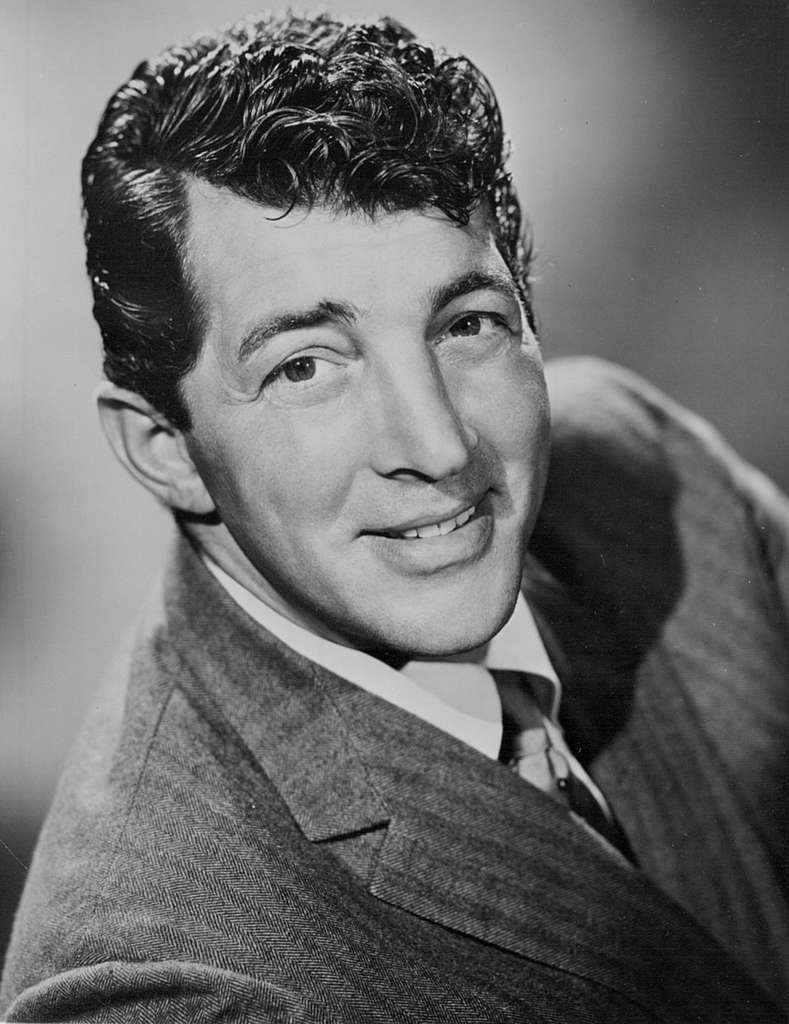
Dean Martin pictured in 1957.
In the cases of Rita Hayworth and Dean Martin, these pressures also related to whitewashing. Hayworth was born Margarita Carmen Cansino to a Spanish-Romani father and Irish-American mother, and Martin was born Dino Paul Crocetti to Italian parents. Although they were of European descent, they anglicised their names and altered their appearances alongside them to fuel a more American-appearing image that could appeal to a white audience. The alteration of Hayworth’s hairline and the reduction of Martin’s nose (apparently on the advice of his agent) are clear examples of removing any hint of ethnicity that might sabotage this appeal.
Despite plastic surgery evidently being rife since the 1910s in Hollywood, why do we still have a lingering belief that this is a newer phenomenon? It might be that we think of subtle alterations as a more modern development, which are then helpfully debunked by plastic surgeons with YouTube and Instagram accounts. Stars like Rita Hayworth and Marilyn Monroe also looked natural, and so it can be difficult to believe that similar work was being carried out in the early to mid-twentieth century. But with hard evidence like Monroe’s medical records, it seems that it was.
One major difference between now and then is that far more non-famous people are undergoing plastic surgery and receiving aesthetic treatments than they were previously, and so it is easy to believe that our contemporary celebrities are partaking in similar treatments. Sandwiched between old Hollywood and our contemporary period are the more brash and outrageous decades of the ‘80s, ‘90s and early 2000s, when plastic surgery went to obvious extremes in which looking ‘fake’ was the point. It’s easy to believe that this was where the plastic surgeon’s knife was born, rather than simply being sharpened.
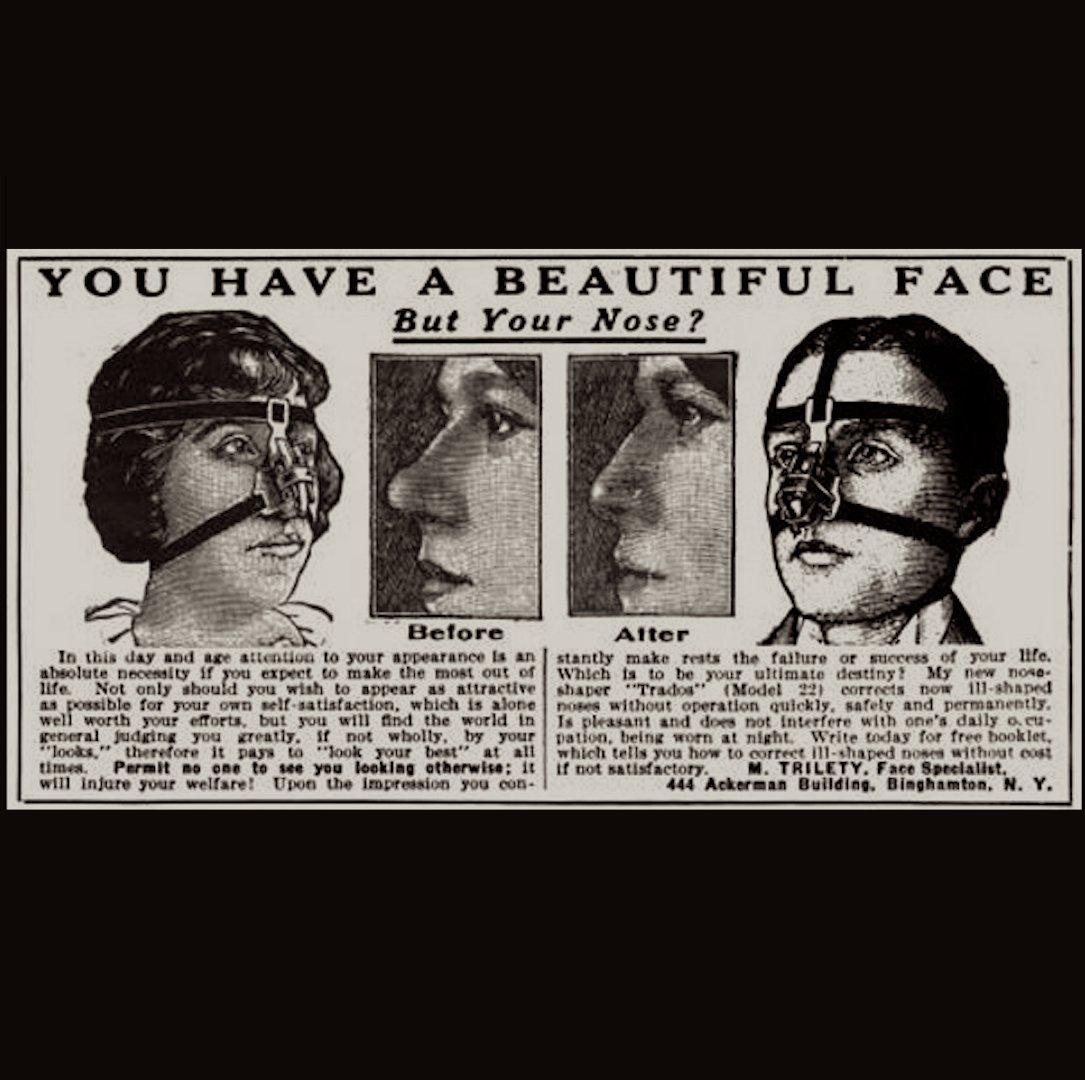
An early advert for cosmetic surgery from the 1910s
It would be pleasant to think about silent-era and old Hollywood as a past utopia as-yet untouched by rhinoplasties, breast augmentations and liposuction. Fans of specific actors and actresses can be defensive over their favourite stars, insisting that they did not have the work done that they are rumoured to—as an example, Joan Crawford’s modern fanbase disputes that she had a facelift and breast augmentation in the 1950s, with website pages dedicated to debunking the (well-founded) rumours that she did.
The reality, however, is that the same pressures that are shared by celebrities and non-celebrities now (to look younger and slimmer) were also felt acutely by Crawford and her ilk. The history of facial and body modification is long and fraught in Hollywood—much longer than we can be led to believe.