

A musical about the 18th century leader of a runaway Quaker sect sounds like an oddity. And it is, exquisitely so. The Testament of Ann Lee director Mona Fastvold explains how she built a cinematic universe to match the utopian ambitions of her on-screen heroine.
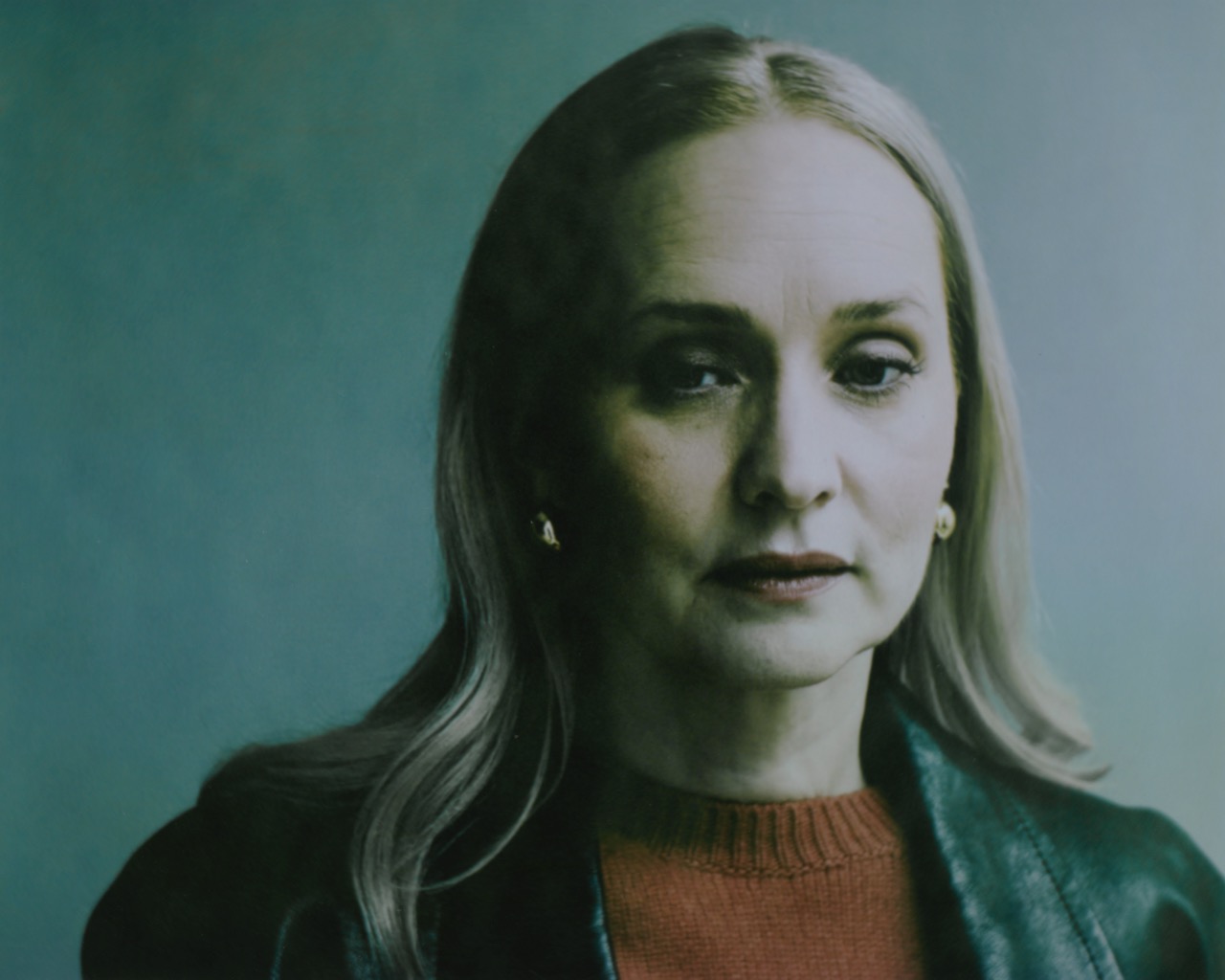
When I meet Mona Fastvold, she has just become an American citizen. The Norwegian director, now in London, describes the scene a few days earlier in New York: 130 would-be Americans from 40 different countries, and a judge, emotional in light of the country’s increasingly hostile immigration policies. “She was the granddaughter of Polish refugees who escaped the Nazis,” recalls Fastvold, with a tremble in her own voice. “She was fighting back tears speaking to us about what America was built on—which is immigrants.”
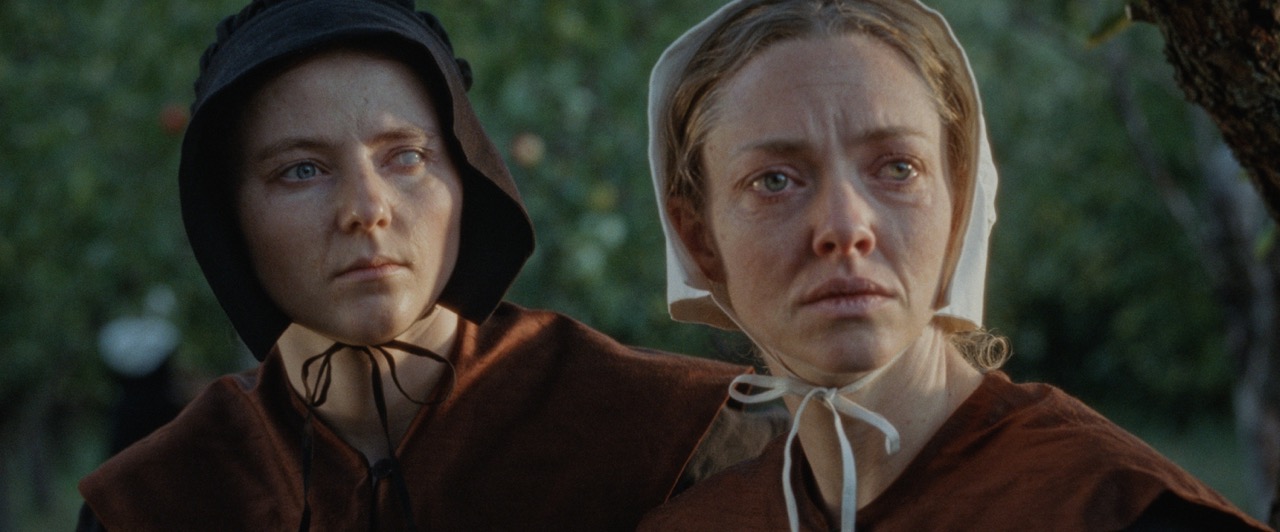
A similar urgency finds its way into The Testament of Ann Lee, Fastvold’s third film (after The Sleepwalker in 2014 and The World to Come in 2020), which we are set to discuss. Set in the 18th century, it tells the story of an illiterate woman (Amanda Seyfried) from Manchester, who, following the death of four babies in childbirth and infancy, becomes the charismatic leader of the Shakers, an ecstatic denomination of the Quakers who, rejected in England, journey to America. Whilst at their peak the Shakers had around 6,000 members, due to their strict no-sex policy, today they have—as a note at the end of the film informs us—3 members. They will always be outlived however, by their eponymous design style made with wood, tools and the grace of God.
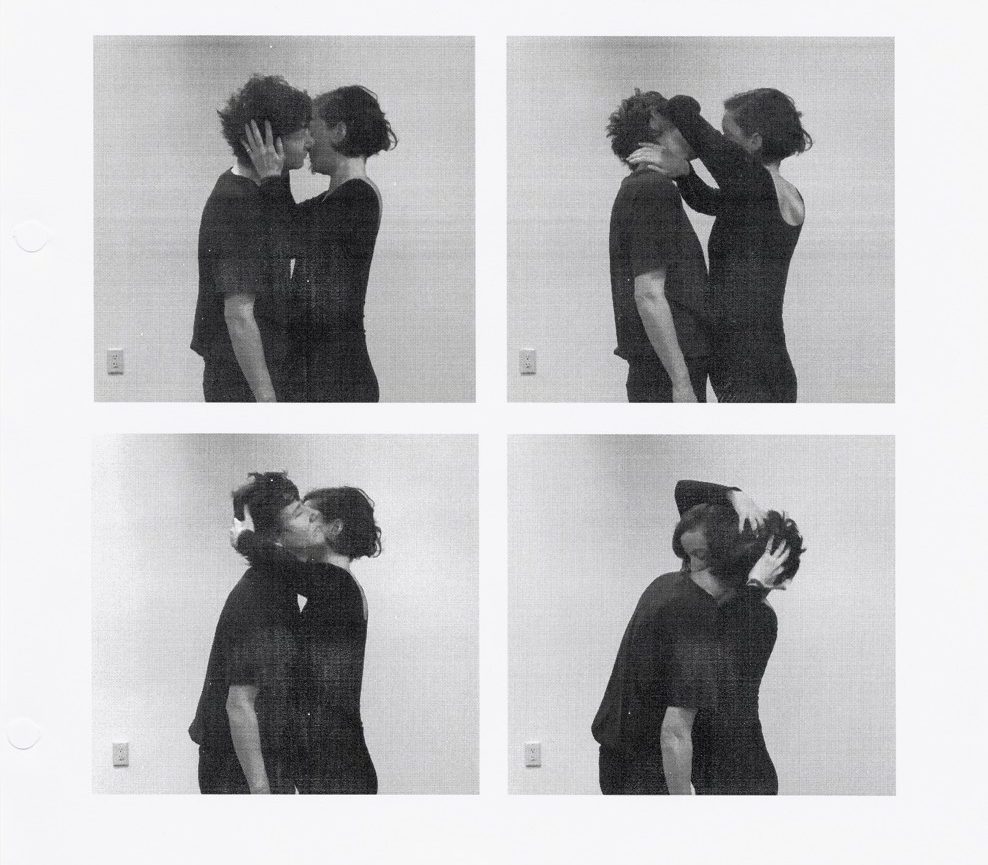
Fastvold, who has dual Norwegian citizenship, has lived in America for the past 20 years. She co-wrote the Oscar-nominated film The Brutalist, another story of immigration and architecture with the director Brady Corbet, who is also her husband. “We made this sort of male-female half of the story,” she says. Yet Ann Lee’s story stands out for its utopian qualities. Ann Lee is an abolitionist who provided support we would now describe as social services whilst her church’s ecstatic worship is enlivened by song and dance (scored by Daniel Blumberg and choreographed by Celia Rowlson-Hall). With families of the cast and crew living on set during the summer of shooting, Fastvold describes creating her own “film utopia” off-screen. This blending of family and work was inspired by her own parents, a mother who wrote novels at home and her father—a lawyer (who worked with asylum seekers) who had an office at home. “I brought that into my filmmaking,” says Fastvold.
Below, Fastvold speaks to A Rabbit’s Foot about working with Amanda Seyfried, the importance of “getting dreamy” on set, and her own process of rebuilding following a fire.


A Rabbit’s Foot
I read that you discovered the story of Ann Lee while working on The World to Come. What made you realise Ann Lee was a worthy subject?
Mona Fastvold
Everything about her story appealed to me. It was just incredibly cinematic and I thought it was wild that no one had told this story before because I thought it was such a fascinating part of American history. The legacy of the Shakers is quite grand—in terms of design. But she is overlooked. I think that’s because she led from this egoless place. It was about creating community—that’s quite common for female leaders. Therefore the footprint of what they leave behind is much less noticeable. The Shakers were the first community in America to provide social services. Women who were abused would come there for sanctuary. They would care for the elderly, adopt and care for orphans.
A Rabbit’s Foot
There are these moments in the film where you allude to things like postpartum depression, or Ann Lee being anti-slavery, or her brother’s homosexuality. Were these details you placed onto the story, or found while researching?
Mona Fastvold
No, it’s all in the story. They believed in equality for all. There were several African-American leaders in the Shaker community. They were obviously celibate and didn’t think anyone should be sexual. But there were definitely a lot of queer people in the community because it was a place where you didn’t have to have a husband or a wife. You had to confess all your sins, and they would say, oh that’s alright. Just don’t act on it. It was like therapy: I can confess all my sins and just melt away into dance for five hours.
A Rabbit’s Foot
Ann Lee is positioned between this iconic figure, with these flashes of visions and then a real, suffering person. How did you approach Ann Lee’s impenetrability versus her approachability?
Mona Fastvold
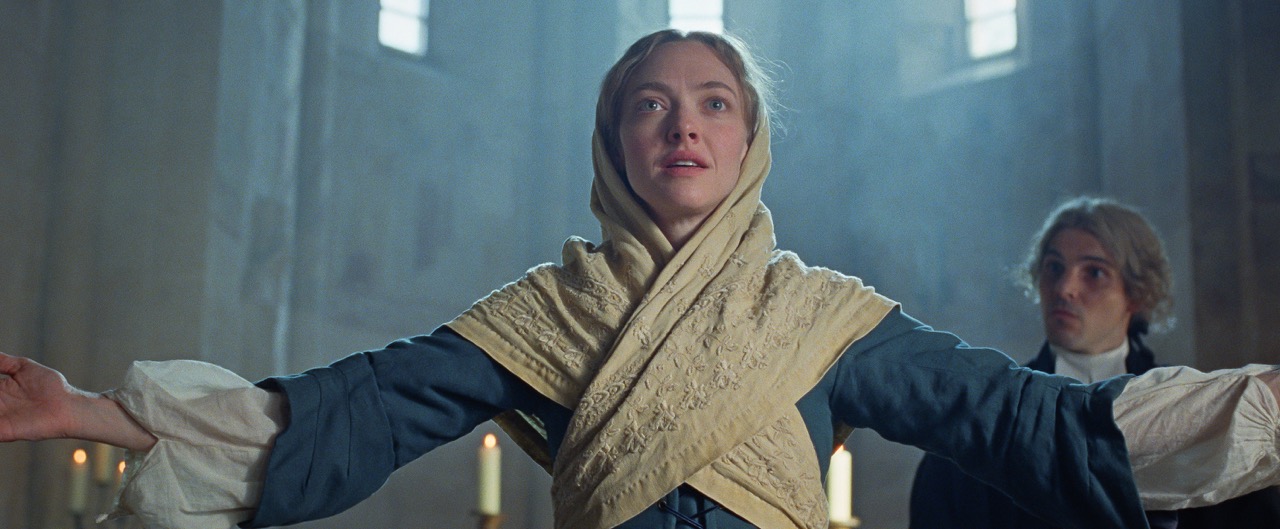
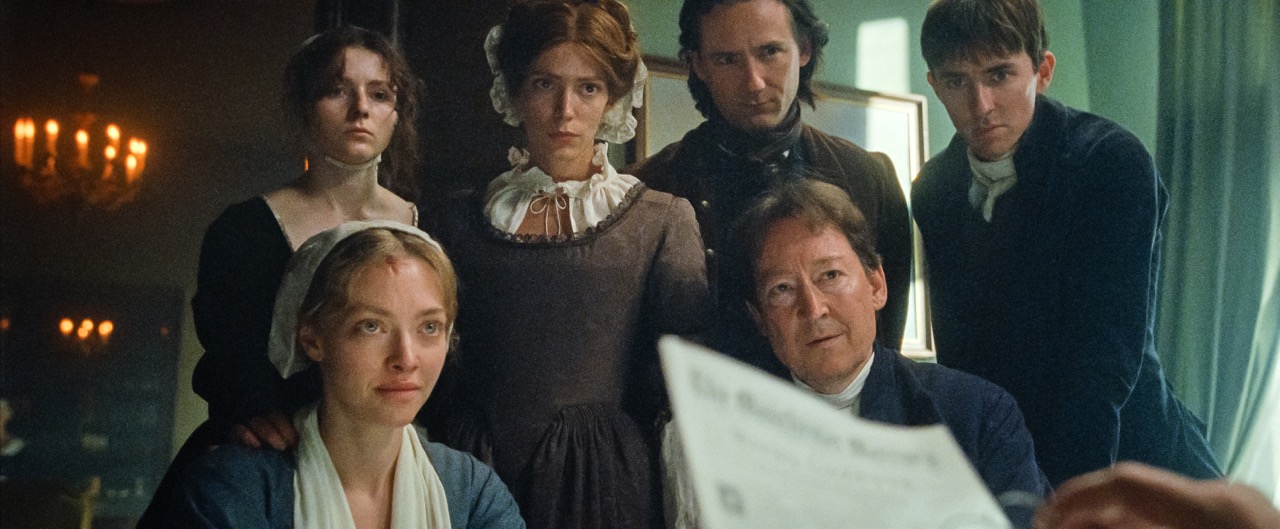
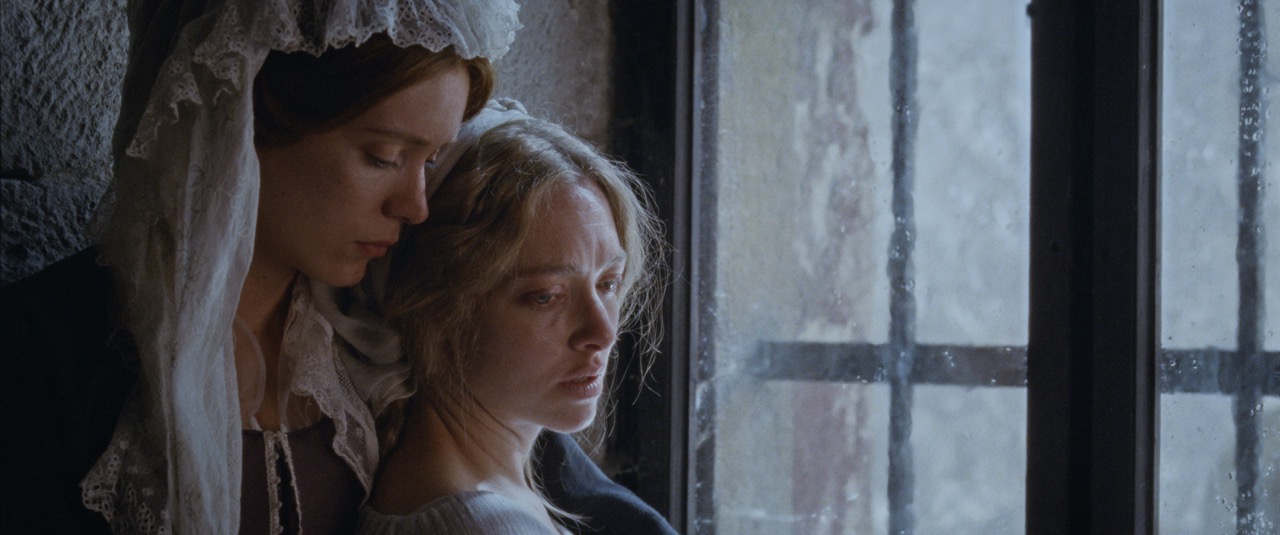
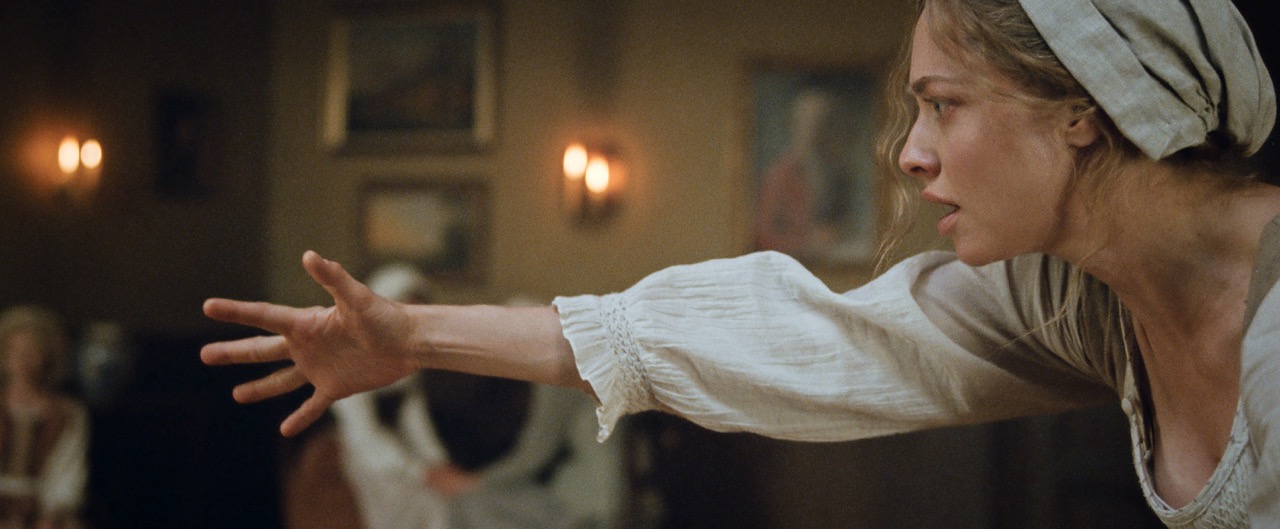
I wanted to create an icon out of her. I was inspired by religious paintings. I was thinking about how people have told the story of Jesus Christ or the Virgin Mary. I was really thinking of symbolism—even when I was doing the blocking. It felt important to be specific about her journey with her sexuality and the loss of her children. I wanted to be very intimate and direct about that. The other thing is that there are all of these conflicting stories about her. So I wanted almost this unreliable narrator who could say maybe it happened this way or maybe that. That helped to create this sort of mythical figure. But the only way I could relate to her was through the exploration of sexuality and losing all these children. It was an intuitive journey for me. The only thing I didn’t want to do was judge her. And equally I couldn’t worship her. I want the viewer to go on the same journey.
A Rabbit’s Foot
Did your feelings about her change throughout the filming and research process?
Mona Fastvold
I kept waiting for that moment that is the cliché of any religious leader where all of a sudden they do something horrible to gain more power or they start manipulating people. I was definitely sceptical towards any religious leader at the beginning of the research process. But with her it never happened. For her it wasn’t about power—only this idea of creating a utopian, impossible community, a different way of living and a different way of being a woman. This striving towards an impossible idea was something I could relate to through my own work. I’m always striving for the impossible.
A Rabbit’s Foot
I read an interview with Brady where he talks about how your home was burned down in the late 2010s. There’s an image of a burning building in Ann Lee, and in The World to Come. I was wondering about this image, and what the process of rebuilding was like for you?
Mona Fastvold
It’s in The Sleepwalker, too. It was a wild thing. It’s obviously very painful when you lose everything, but there’s a small part of it that’s quite freeing too. All of a sudden you have no earthly possessions. Sometimes you feel great nostalgia for a box of photos or something, but there’s a lightness to not having any stuff. My mother is an author and we always talked about archetypes and Greek mythology and fairy tales growing up, so the basics are the elements, this idea of the purifying of fire and destructive healing.
A Rabbit’s Foot
And of course it’s a film about a different kind of motherhood. Were you wanting to make some commentary on traditional motherhood and domesticity, burning it down perhaps?
Mona Fastvold
Ann Lee loses her children and she says, I can’t mother children in traditional ways, so I’m going to mother the entire fucking world. She says the world shall be run by mothers. The idea is that it’s a mother who is forgiving and loving and nurturing. Amanda and I talked so much about what it is to be a mother and what is a quote unquote good mother. How can you be a good mother and a good leader? But saying that actually, the world would be a better place if it was led by mothers. Not only because of equality, but it’s also about sustainability and taking care of the earth. At the Hancock Shaker Village there’s this barn designed for the ox which can air the fumes. It’s not square, but circular. So many of their inventions felt so poetic.
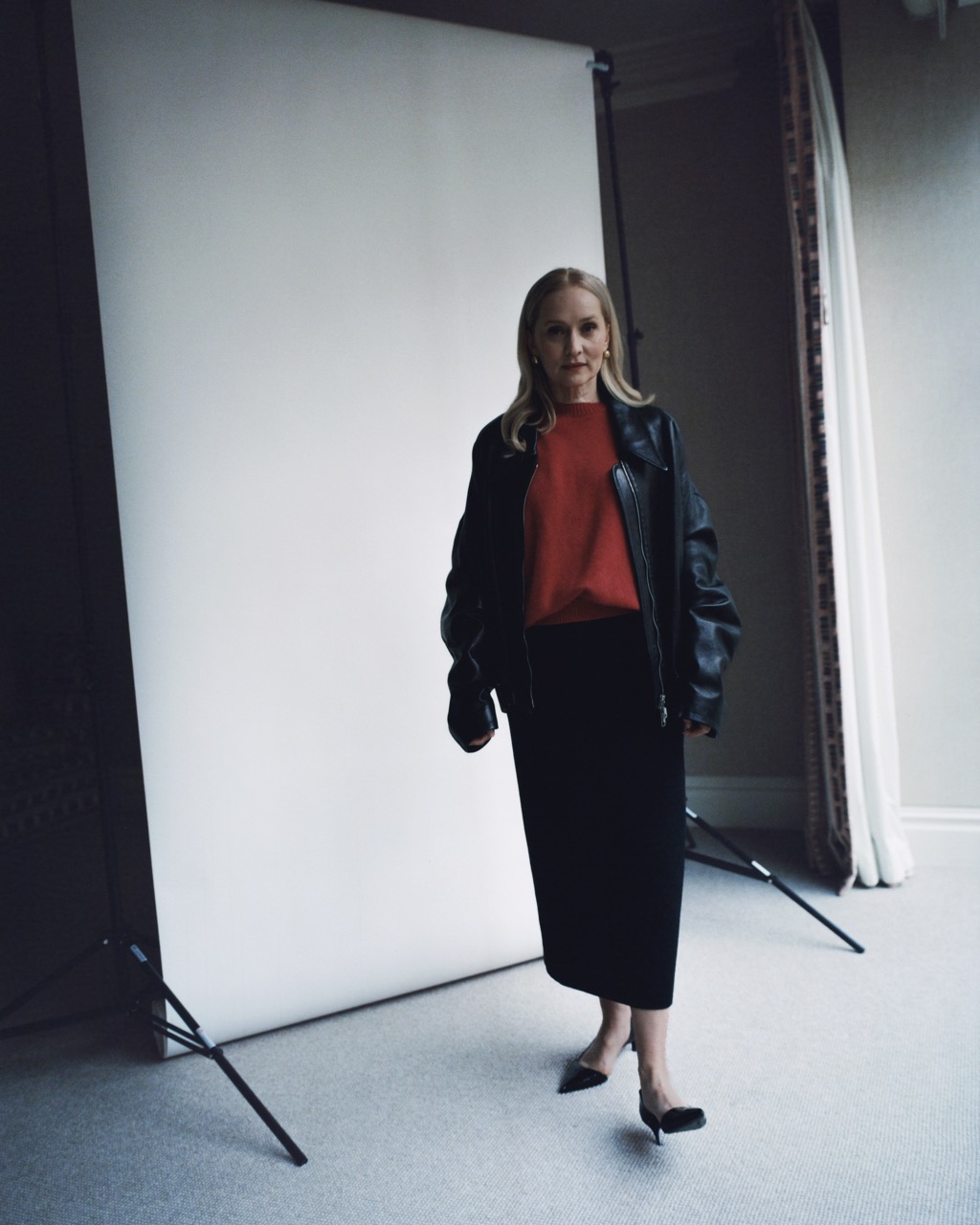
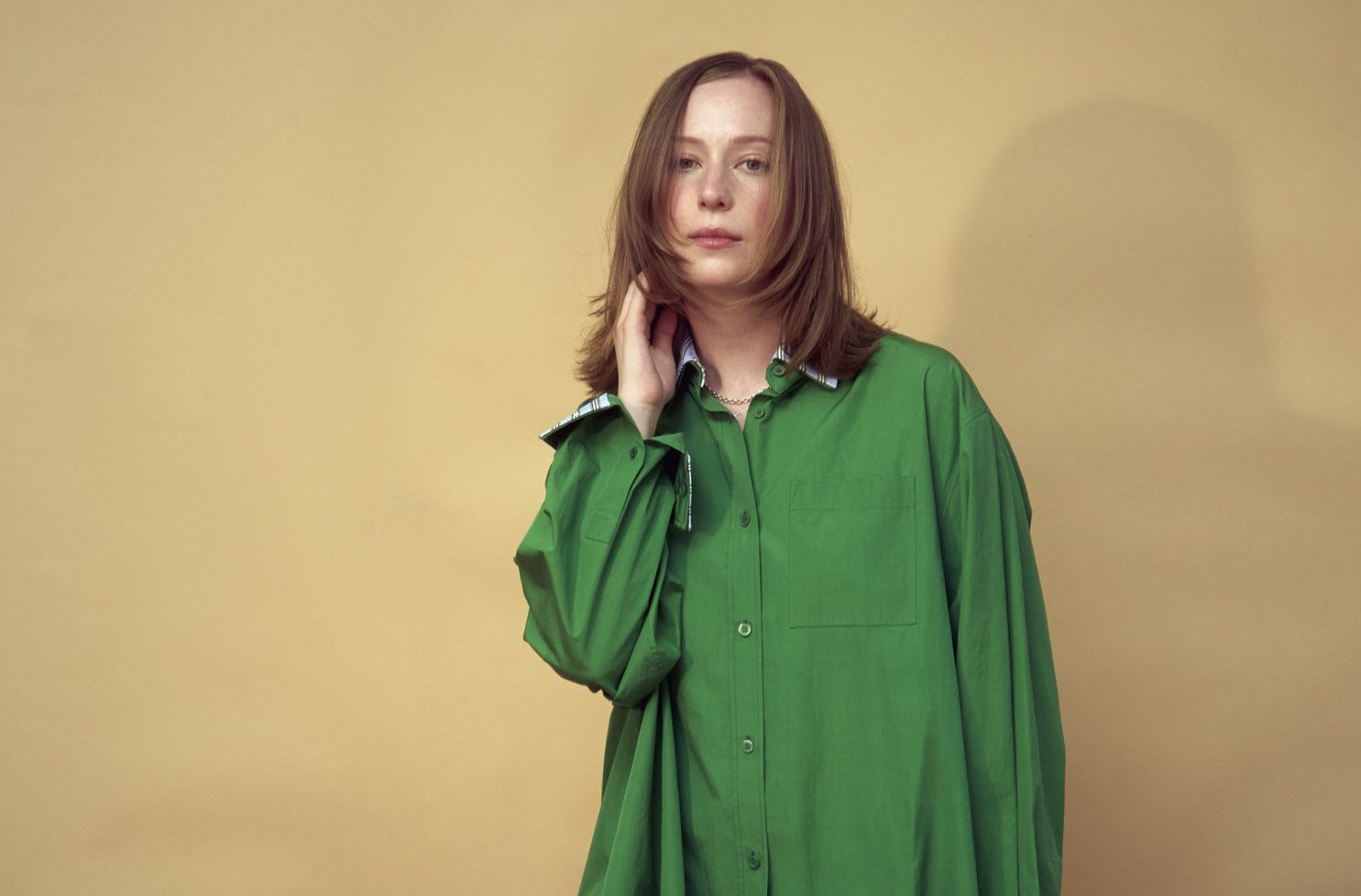
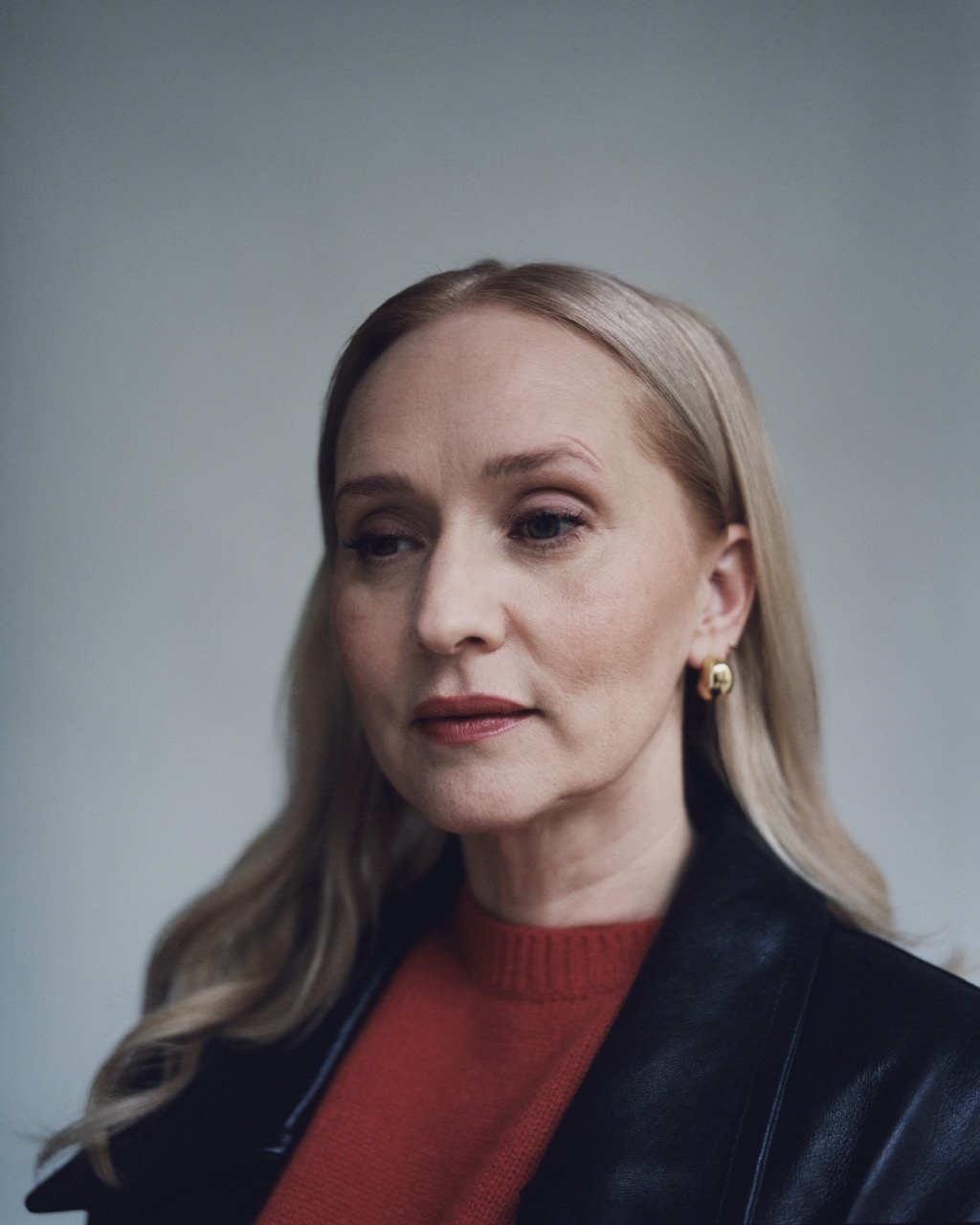
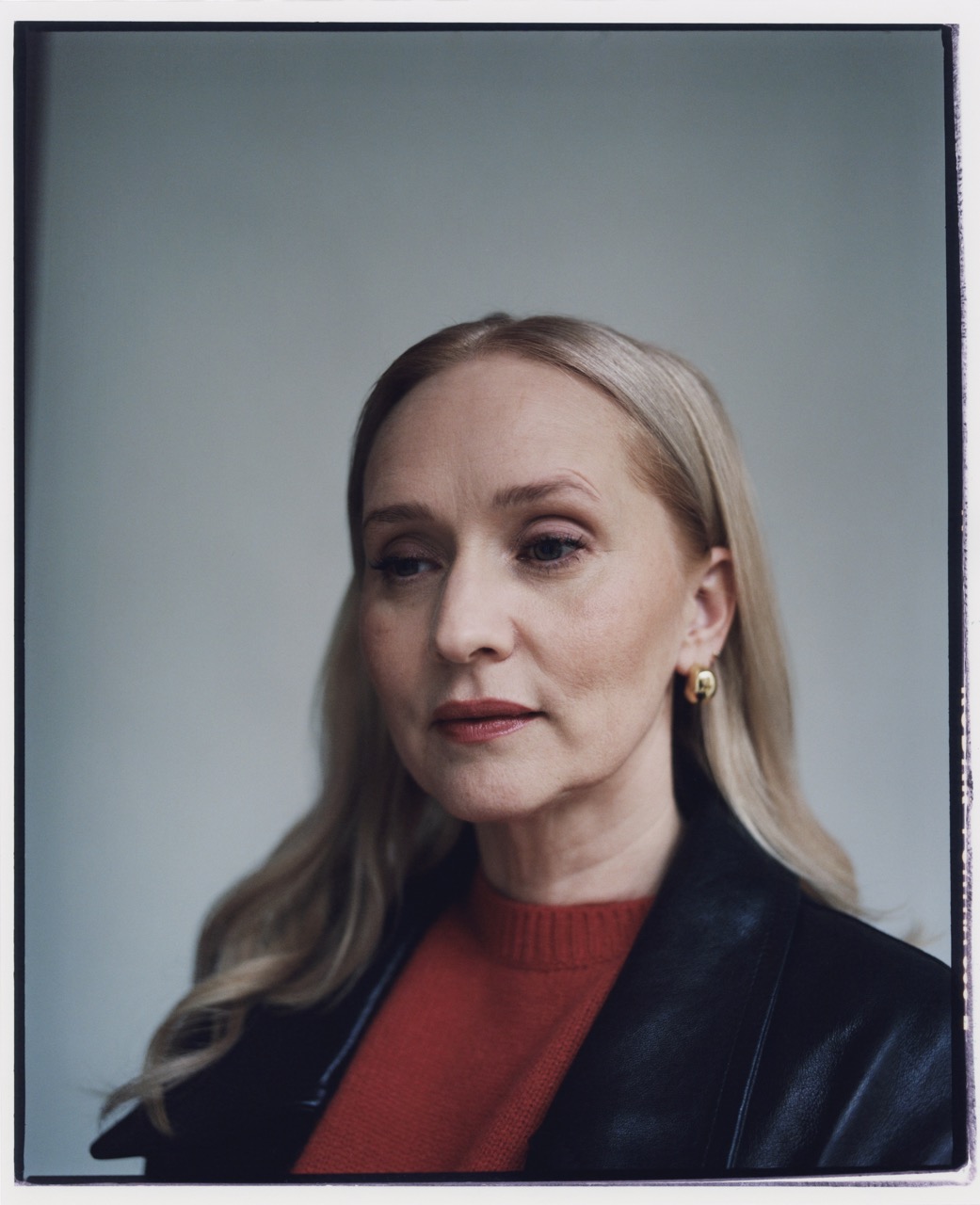
Mona Fastvold. Photo by Dominic Whisson
A Rabbit’s Foot
You and Amanda shared a house on set while filming. Did you have your kids there as well?
Mona Fastvold
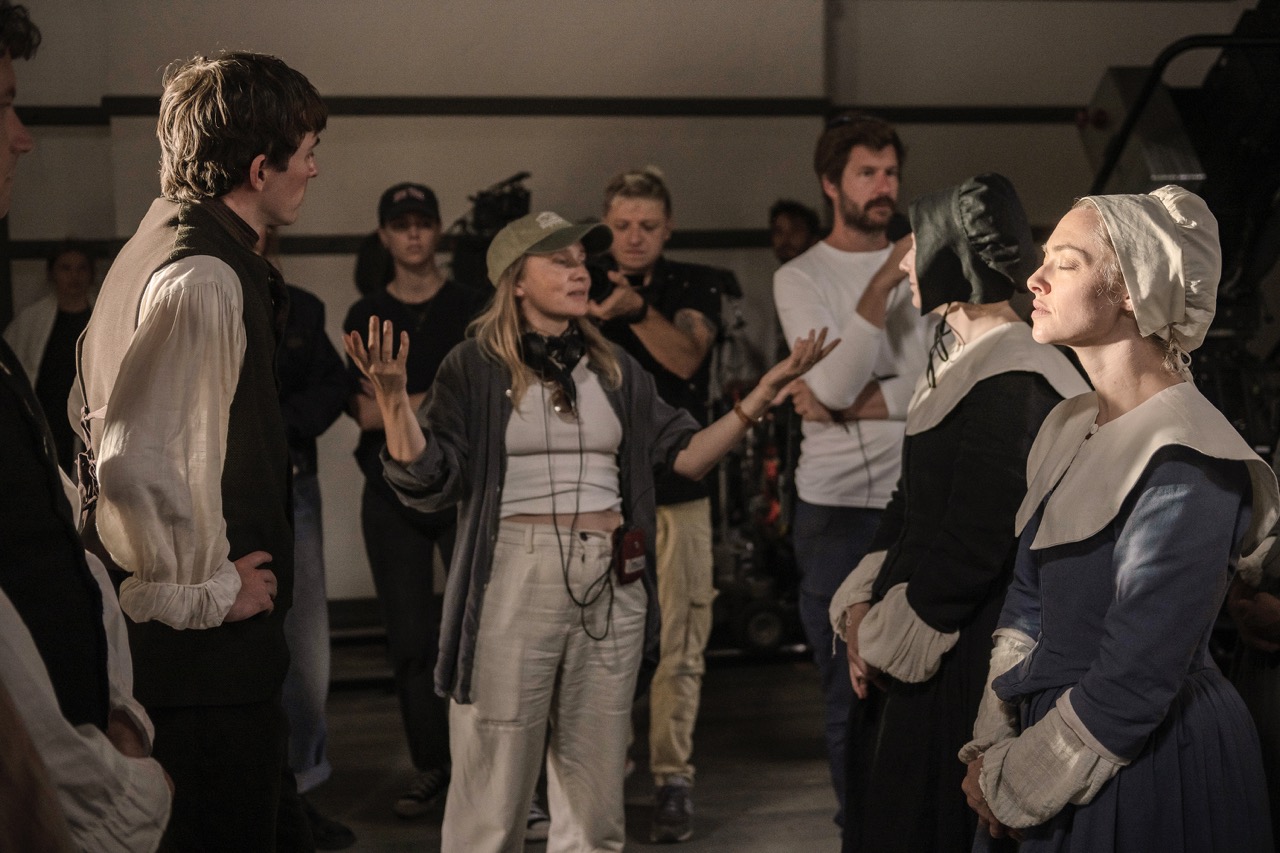
Yeah and a lot of our crew had their families on set, too. We created our own little movie utopia. We had the same sort of environment on The World to Come and on The Brutalist. It’s how Brady and I work. We are a family, we’ve always brought our kid on set. It’s the only way we get to spend time together. My mother worked at home. We were seven children running around and she got a tonne of work done by combining it with her family life. And my father is a human rights lawyer who worked with refugees and had his office at home. I brought that into my filmmaking. It was lovely, during summer all our kids would come on set and run around with the animals. Then when all of our kids left at the end Amanda and I moved in together. We definitely mothered each other. She did my laundry and I made her coffee in the morning.
A Rabbit’s Foot
I loved seeing a gnarlier version of Amanda on-screen. Were you interested in subverting her “pretty” image?
Mona Fastvold
Yes and Amanda was so ready for that. I told her, you can’t do botox for a year. She ages from 24 to 48 in the duration of the film. It’s fun to take an actor and do something different with them. [Amanda] had it all. I’d seen her do great dramatic work with me [on The Dropout] and then of course I knew she could do the dancing and the singing. Brady and I would say she’s going to be a fucked up Disney Princess. She had this grace and charisma—which you need to be a leader like that—but also this grit.

I forced a way, with this very limited budget to have time, to get dreamy. It’s a line from a documentary about Twin Peaks and David Lynch gets upset with his 1st AD because he didn’t have enough time at a location to “get dreamy”. Brady and I always joke about that. When do we have time to get dreamy?
A Rabbit’s Foot
And making this is a (sort of) musical—is it true that you had to give into your own temptation to do that?
Mona Fastvold
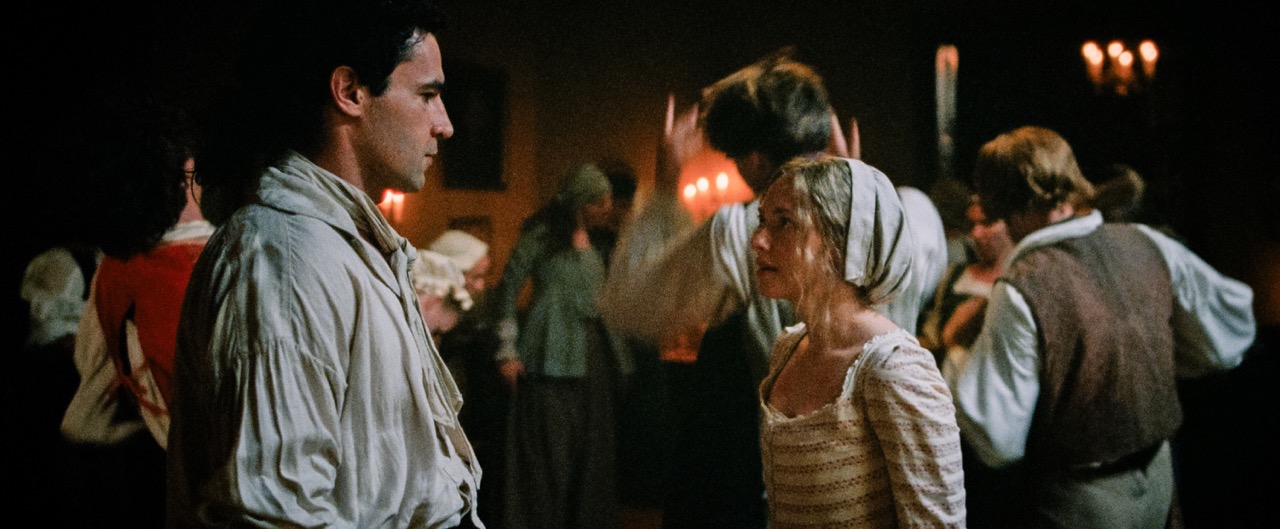
A story tells you what it needs to be. I was excited to work more with movement and dancing—my background is as a ballet dancer. And I’m working with Celia Rowlson-Hall, my choreographer who I’ve known for nearly 20 years. And Daniel Blumberg, he and I did The World to Come together—that was his first film score. We worked together in such a fun way. All of us worked together for months leading up to the shooting and a year after the shoot finished too. For me it was wonderful having these lengthy, exciting processes of exploration. It’s rare with independent films. I forced a way, with this very limited budget to have time, to get dreamy. It’s a line from a documentary about Twin Peaks and David Lynch gets upset with his 1st AD because he didn’t have enough time at a location to “get dreamy”. Brady and I always joke about that. When do we have time to get dreamy? But with [Ann Lee] it was my goal. I had pockets in my schedule to get dreamy.
A Rabbit’s Foot
There are of course strong parallels with The Brutalist in that this is a story about the founding of a design movement, and an immigration story to America. Is it true that that was unintentional?
Mona Fastvold
And they both have a chair… We thought we were writing something totally new. We didn’t think about the similarities of the stories until we were doing press every day for The Brutalist and going into the edit at night and the weekends and realised there were a lot of similarities. We made this sort of male-female half of the story. And then the new film that we finished writing for Brady that he’s shooting this summer also has a chair. I think the immigrant story is really important to me. I grew up with asylum seekers and meeting people from all over the world who came to Norway with their family and a small bag with their precious belongings. I just became an American citizen a couple of days ago. I was standing in this room with 130 immigrants from 40 countries. She was the granddaughter of Polish refugees who escaped the Nazis. Her voice was shaking with emotion, she was fighting back tears speaking to us about it. What America was built on—which is immigrants.
The Testament of Ann Lee is in cinemas now
Continue Reading