Why we love: Guillermo del Toro’s Frankenstein




Get unlimited access to all our articles for just £3.50 per month, with an introductory offer of just £1 for the first month!
SUBSCRIBEWe revisit one of our highlights of 2025 Frankenstein, an adaptation of Mary Shelley’s novel, in which Guillermo del Toro reveals himself–once again—as a true master of cinema.
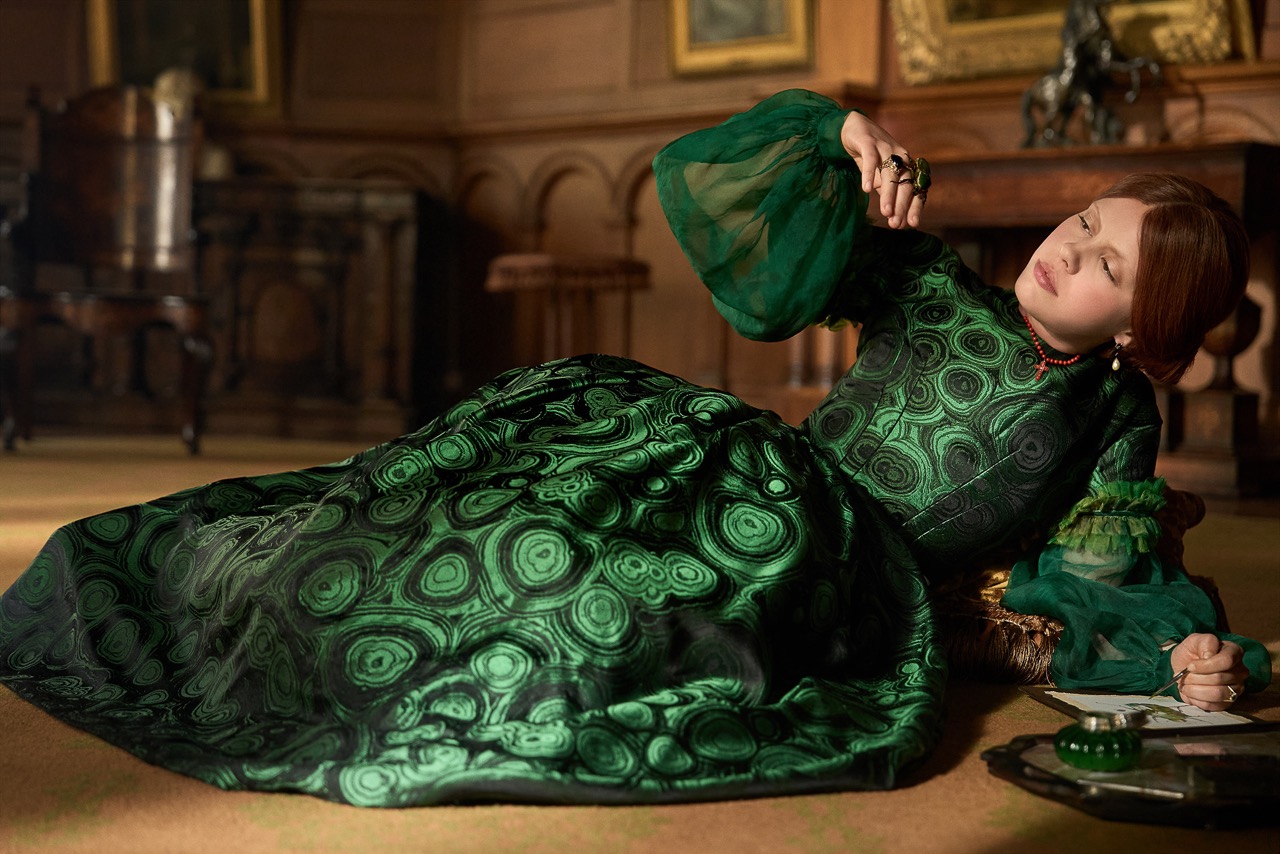
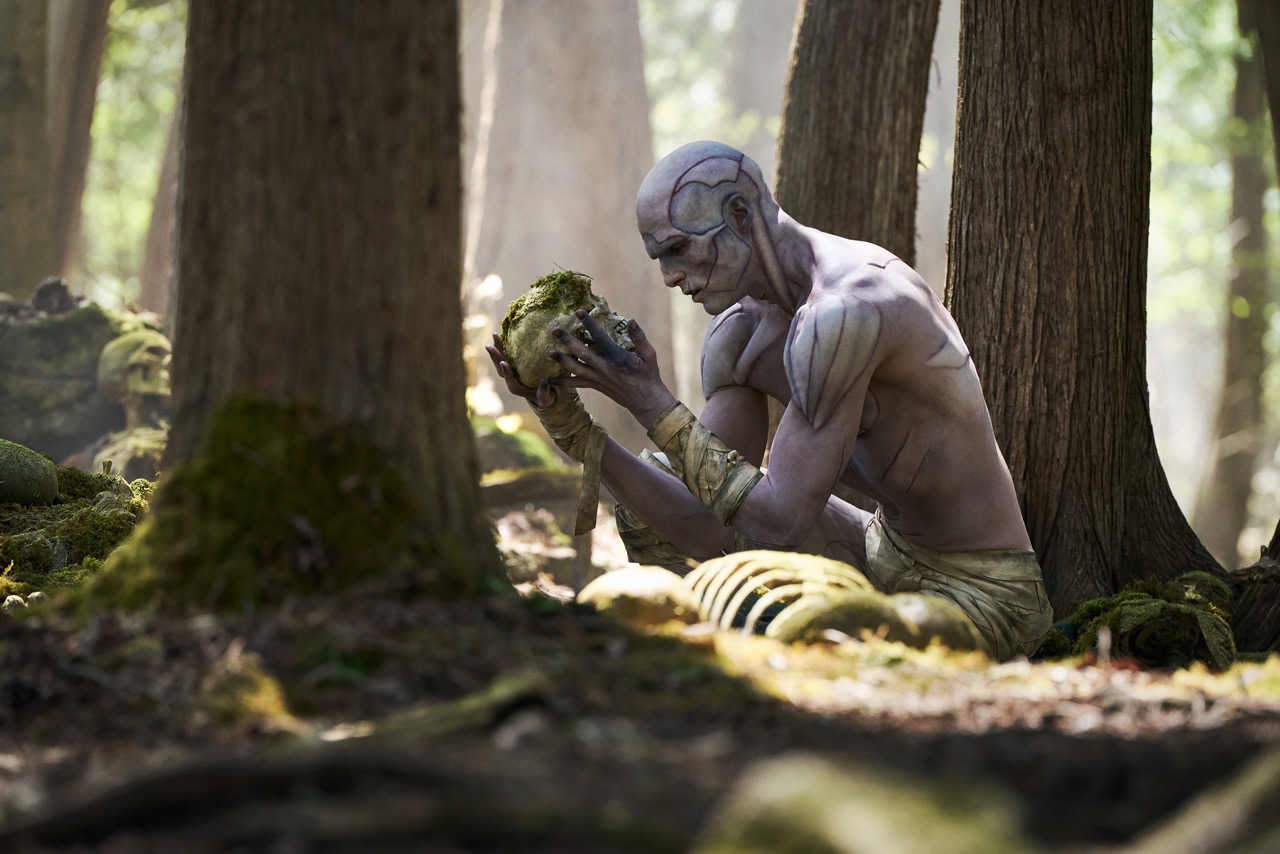
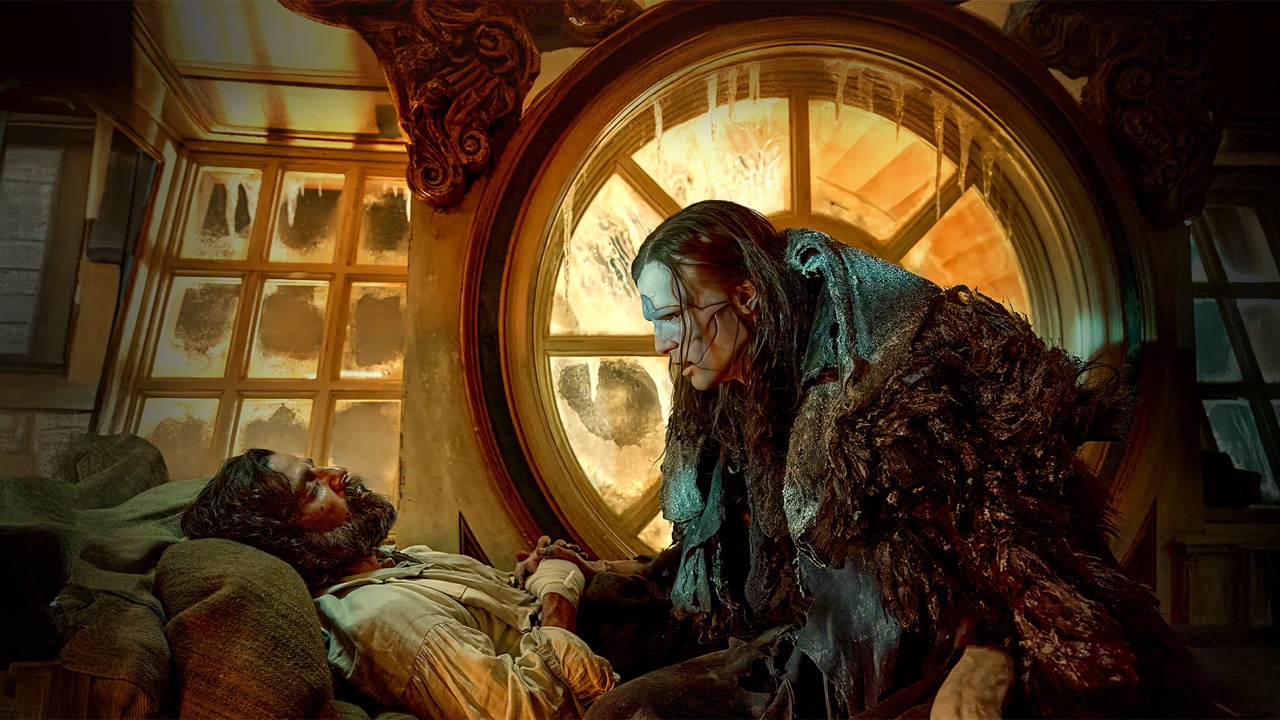
What does it mean to live out one’s dream? In 2025, audiences were able to observe this in real time, as master filmmaker Guillermo del Toro lived out his own by adapting Mary Shelley’s 1818 novel Frankenstein. Following the success of Pinocchio, Netflix agreed to greenlight the adaptation. It was a project he once claimed he would “kill to make” in 2007, and the result – eighteen years later – was a magnum opus of a proportion that would only be possible at this point of his illustrious career. There were defining performances – Jacob Elordi, Mia Goth, and Oscar Isaac at their best. The make-up and costume design impressed and frightened, and the sets, the castles and snow-capped lodges, along with the wonderful technical marvels, are an elevation of his previous gothic fairytales. Why do we love Frankenstein at A Rabbit’s Foot? Because we’re watching a filmmaker in love with the source material, expressing it in his singular vision. And besides, what is there not to love?


For Issue 13, our writer Maxime Toscan du Plantier met del Toro in Paris. “Because I’m a visual person, when I’m reading I’m imagining,” the director said. “Sometimes I imagine things not on the page; possibilities that are not there.” His version of the script deals plainly with the myth around the monster, erring from being absolutely devoted to reflecting every detail on the page. “If you think in terms of fidelity to the canon, you would be completely paralysed,” he explained. The result, then, is something even more appetising for cinephiles to savour: Guillermo del Toro’s Frankenstein. Because of the trust we have towards his vision; and because of his own sense of interconnected world-building—from Cronos to Pan’s Labyrinth and Pinocchio—we were simply excited to see what he could do with the character, on his terms.
Frankenstein is a canonical entry in the GDT Universe; his filmography is as close as it gets to a contemporary Hammer Horror series. It has even inspired a generation of creators in the same way Shelley’s story continues to do, with Toscan du Plantier’s interview explaining how manga artists in Japan now look to del Toro for their own work. “Borges found great solace in two things: to be forgotten and to die. It is very Eastern. The notion of wabi-sabi in Japanese aesthetics and philosophy says that nothing lasts and nothing is perfect. It is beautiful, and I find great consolation in this,” del Toro said. “I like imperfection and the transitory nature of our stay here. Who lasts for long? Who wants to last for long? When we talk about the immortal artists, they are very few.”
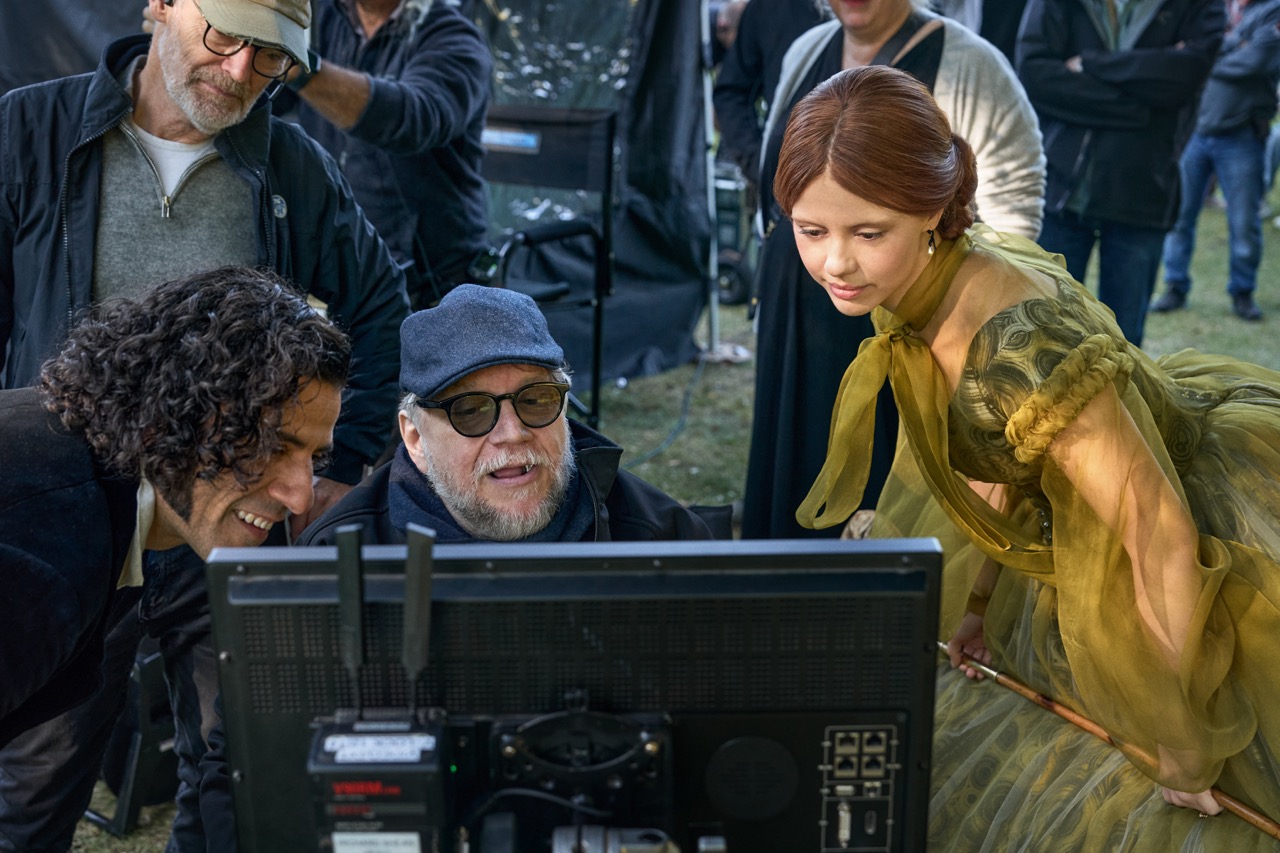
The hardest filmmaking is when the essence comes into the game. You can have craft, and you can be a master of the craft, but when the essence comes to play, those devices cannot be imitated nor be disassembled. They just work when that master touches them but it’s not a learnable skill.
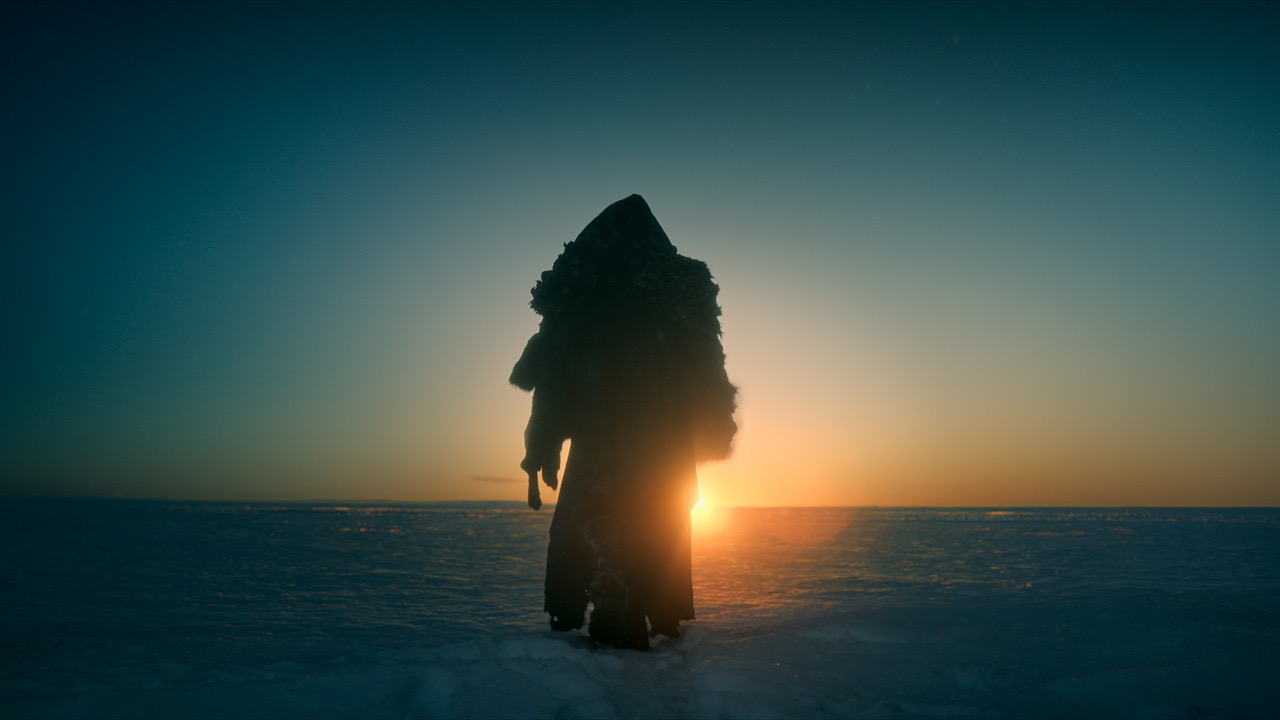
The Monster, portrayed magnetically by Jacob Elordi is also a distinctly del Toro creature—reminiscent of the wiry, looming child-eater from Pan. His performance is done with so much sincerity, that it already belongs in the highest tiers of the story’s canon, with Bride of Frankenstein – a real favourite of del Toro’s—and Christopher Lee’s. It is undoubtedly an iconic interpretation. But for his Frankenstein, del Toro considered a major theme that the others barely touch on: immortality. “What would you do if you could not die?” he says in our interview. “I cannot think of anything more horrible.” And so Frankenstein is a film that brings the character to clearer existential levels. It is a thrilling script, emotionally-driven and ambitious, but it also achieves the difficult matter of being as entertaining as it is thoughtful. That’s because we’re watching a film that has followed a filmmaker his entire career; has marked his life, his own notions of terror and death. But has come at the right time – when he is at the height of his creative powers. “Everything has been about Frankenstein,” he says finally. And for a generation of audiences who have followed his power at storytelling, Guillermo del Toro’s Frankenstein will be the one that marks them.