

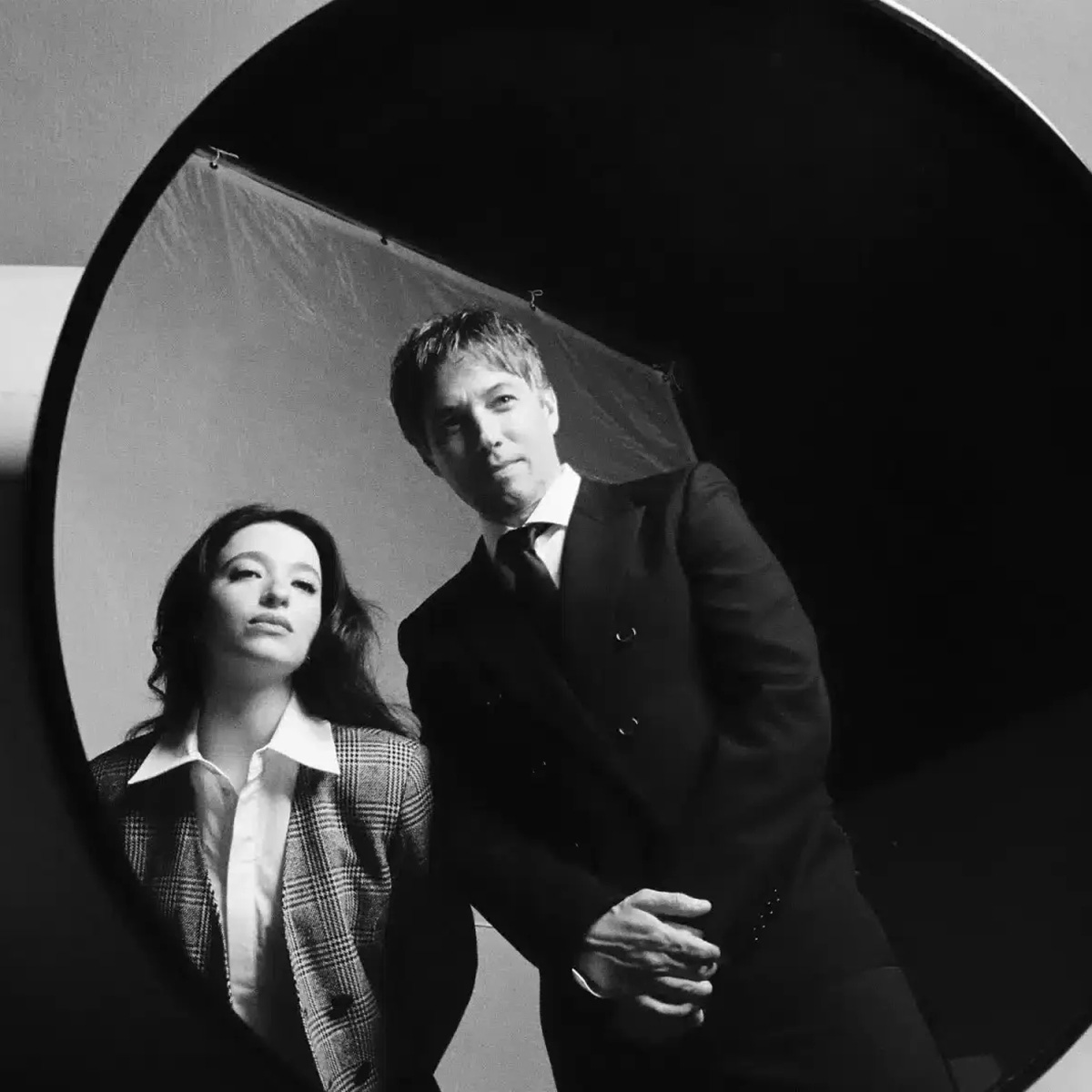

Film critic Rafa Sales Ross rounds up the under-the-radar titles from this year’s edition of Sundance.
This year marked a historic edition for the Sundance Film Festival. The wintertime American indie haven bid two pained farewells in 2026: to its iconic location in Park City and its founder and titan of cinema, Robert Redford, who died last September. Names like Ava DuVernay, Chloé Zhao, and Taika Waititi paid homage to the actor-director at the festival’s yearly gala turned tribute. “We wouldn’t be here without the love and appreciation for Robert Redford,” said an emotional Ethan Hawke, whose beautiful collaboration with Richard Linklater, Before Sunrise, premiered at Sundance in 1995.
Selection-wise, this year’s festival hosted the world premiere of Aidan Zamiri’s Charli xcx Brat Summer mockumentary The Moment, as well as Olivia Wilde’s much-speculated follow-up to the controversial Don’t Worry Darling in the Seth Rogen-starring The Invite. Wilde was also at the festival for another much-anticipated comeback, strutting the red carpet alongside Cooper Hoffman for Gregg Araki’s first directorial effort in over a decade, the Gen Z erotic comedy I Want Your Sex. Yet, the festival’s undisputed breakout was Beth de Araújo’s searing Josephine, which sees Channing Tatum and Gemma Chan struggle to parent their eight-year-old daughter after she witnesses a brutal sexual attack.
Big hitters aside, one of the great delights of Sundance is to lift the veil off the big, buzzy premieres to find the hidden gems that might not land six-digit acquisition deals but will still figure amongst some of the most interesting films of the year to come.
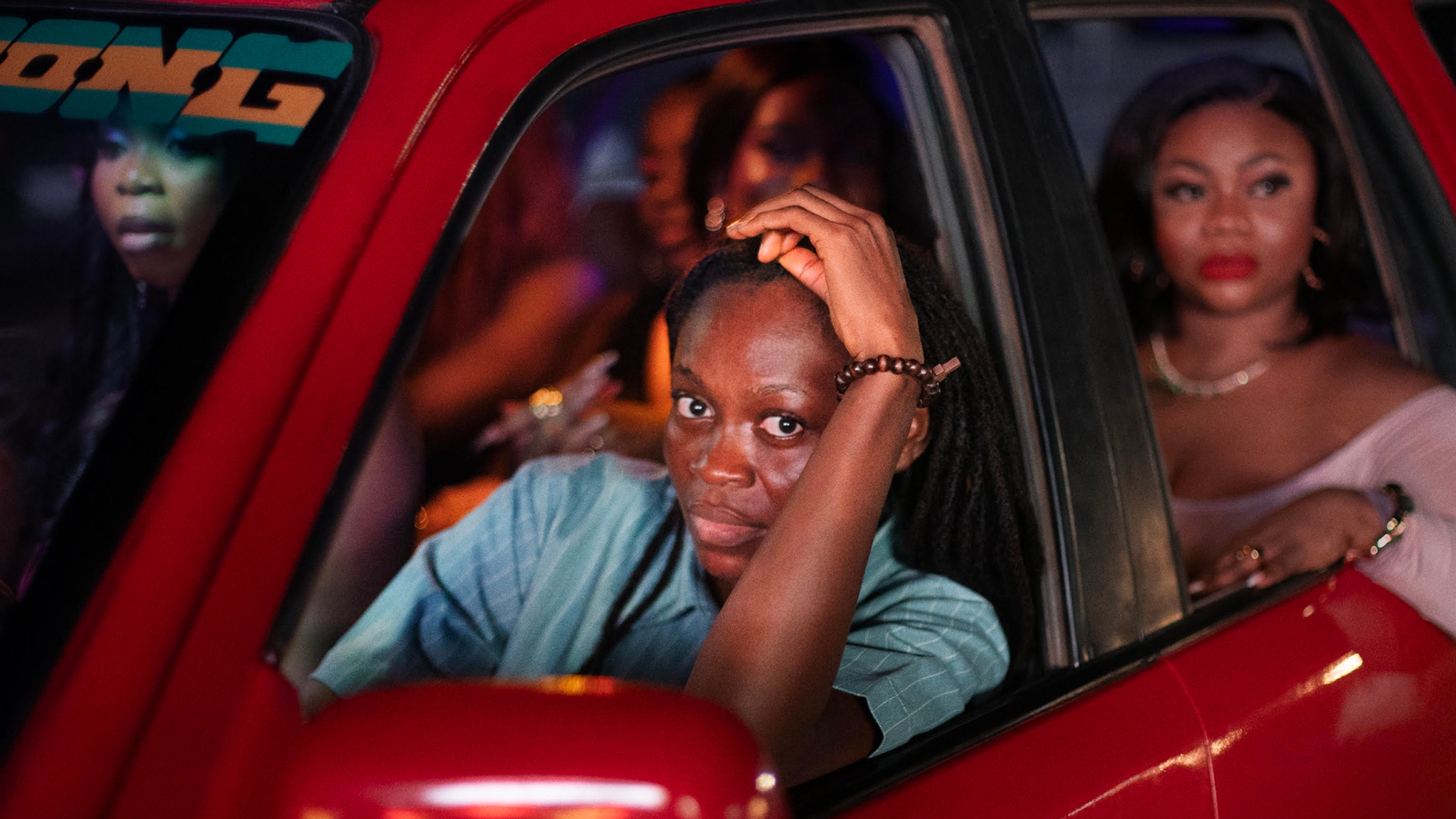
Olive Nwosu’s feature debut pulsates with energy from its very first frame as the beats of Nigerian music usher the viewer into the packed roads of a sprawling Lagos, where the titular Lady works as a taxi driver. As the sole woman rider, Lady deals with the incessant teasing of men, who question her presence and legitimacy. But it is all in the name of a dream: to move to the African mecca of Freetown, where she can build a new life on a land that stands for freedom and emancipation. When long-absent childhood friend Pinky offers her the chance to make big money driving a group of riotous sex workers, Lady grabs at the chance. Vibrating with colour and set to the contagious beats of African jazz, Lady is a searing examination of the sexist politics of class disparity and a tender, moving ode to female camaraderie. It also features the best ensemble cast of any film at this year’s festival.
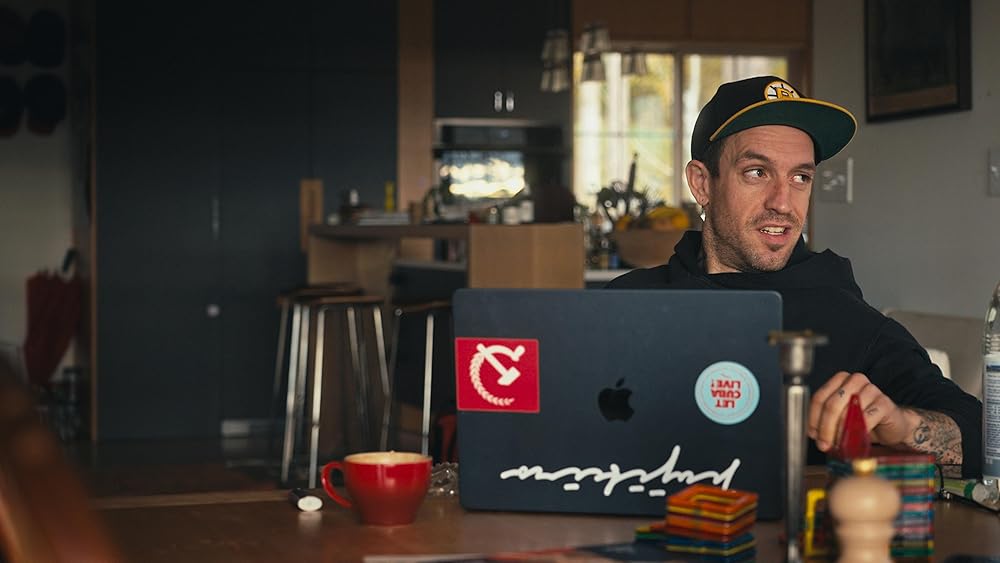
At first glance, All About the Money seems to be yet another addition to the billionaires are bad and capitalism is ruining the modern world documentary canon, but Sinéad O’Shea’s portrayal of activist and billionaire heir Fergie Chambers is a fascinating dissection of the privileges and pitfalls of inherited wealth.Chambers, who was born into one of the richest families in the United States, granted O’Shea and her team an almost unprecedented level of access for a magnate of his worth, and the Irish director makes great use of the insight. What starts as a look into a Chambers-funded Marxist-Leninist collective in Massachusetts quickly spirals into an ever-escalating look into how money at once condemns and absolves those who have it to spare.
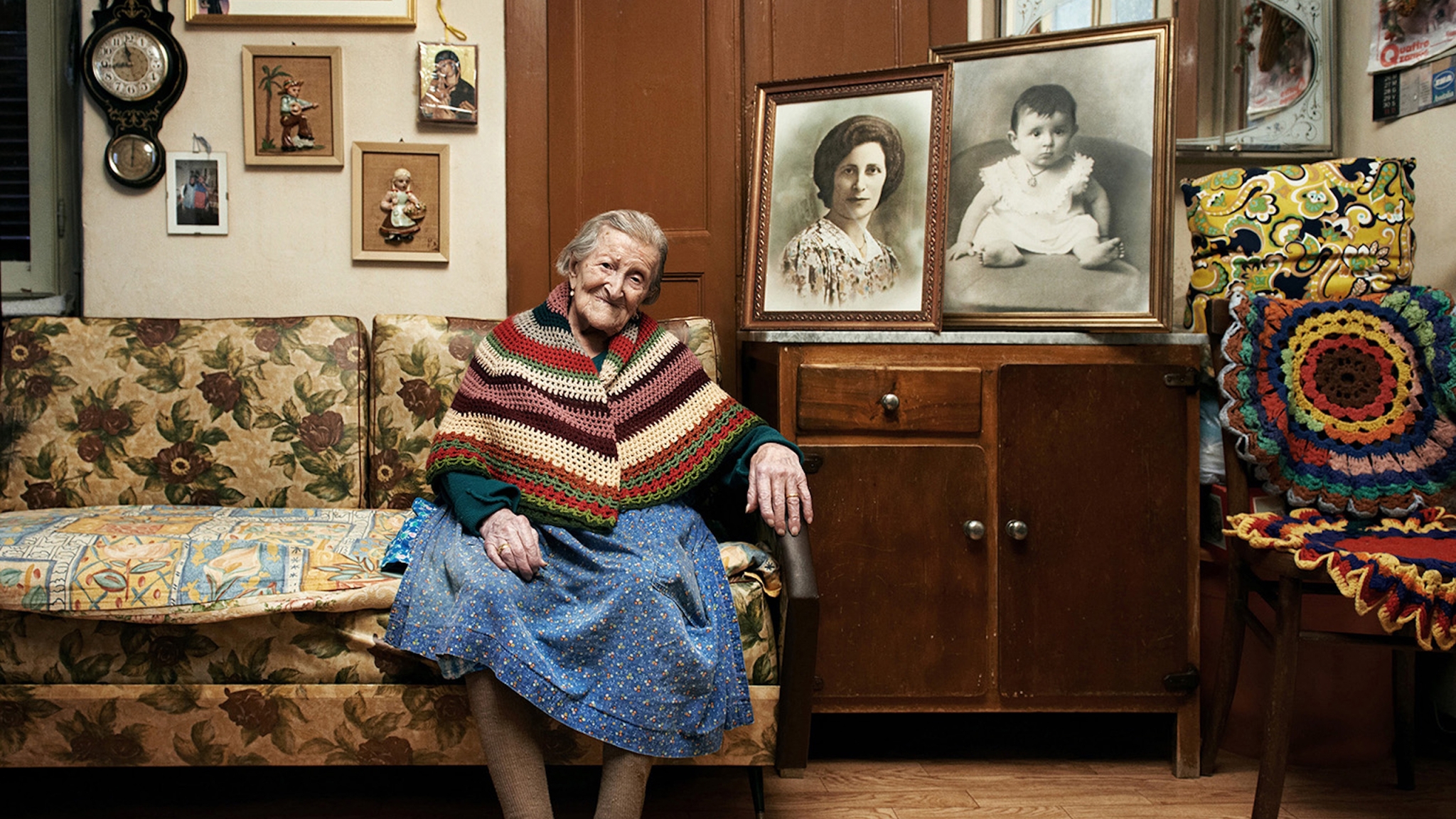
How does the Guinness World Book of Records keep track of the oldest living person in the world? And why are we as a society obsessed with this one particular stat in a book filled to the brim with whimsical, odd achievements? These questions plagued director Sam Green, who spent the last decade tracking and interviewing several record holders, from a Coke-loving woman in Japan to a witty French nun. The result is a moving patchwork of interpretations on longevity that, juxtaposed to footage of the director’s infant son growing up, makes for a deeply moving meditation on the ticking clock of life. Green hopes the film is only the first in a lifelong series chronicling the oldest people in the world, so we can all look forward to the next instalment.
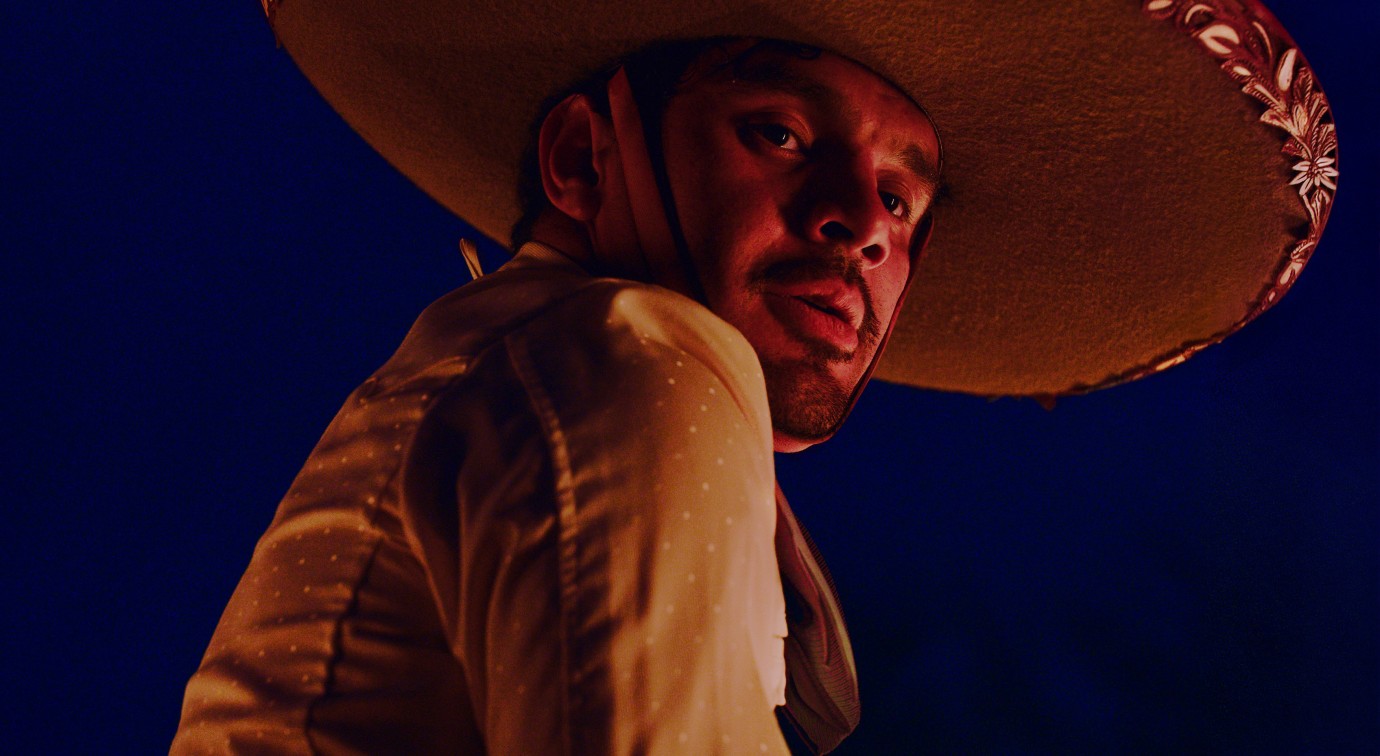
A jaripeo is a traditional rodeo intricately linked to Mexican rural culture, and prominent in the country’s central and southern parts. A communal celebration, jaripeos go beyond bull riding to encompass folkloric music, dance, and, of course, raging parties. Efraín Mojica and Rebecca Zweig’s stunning Jaripeo takes you into the heart of Michoacán’s testosterone-fuelled rodeos to examine how the indulgent nature of these traditional gatherings has fuelled a rich yet still unseen underground queer culture. Through raw, textured Super 8 footage, the filmmakers observe intimate touches, their camera quietly lingering as truncated conversations on stigma, duty, and desire reveal a fascinating ecosystem of wanting in a universe still ruled by the unspoken yet very much present ruling of performative masculinity.
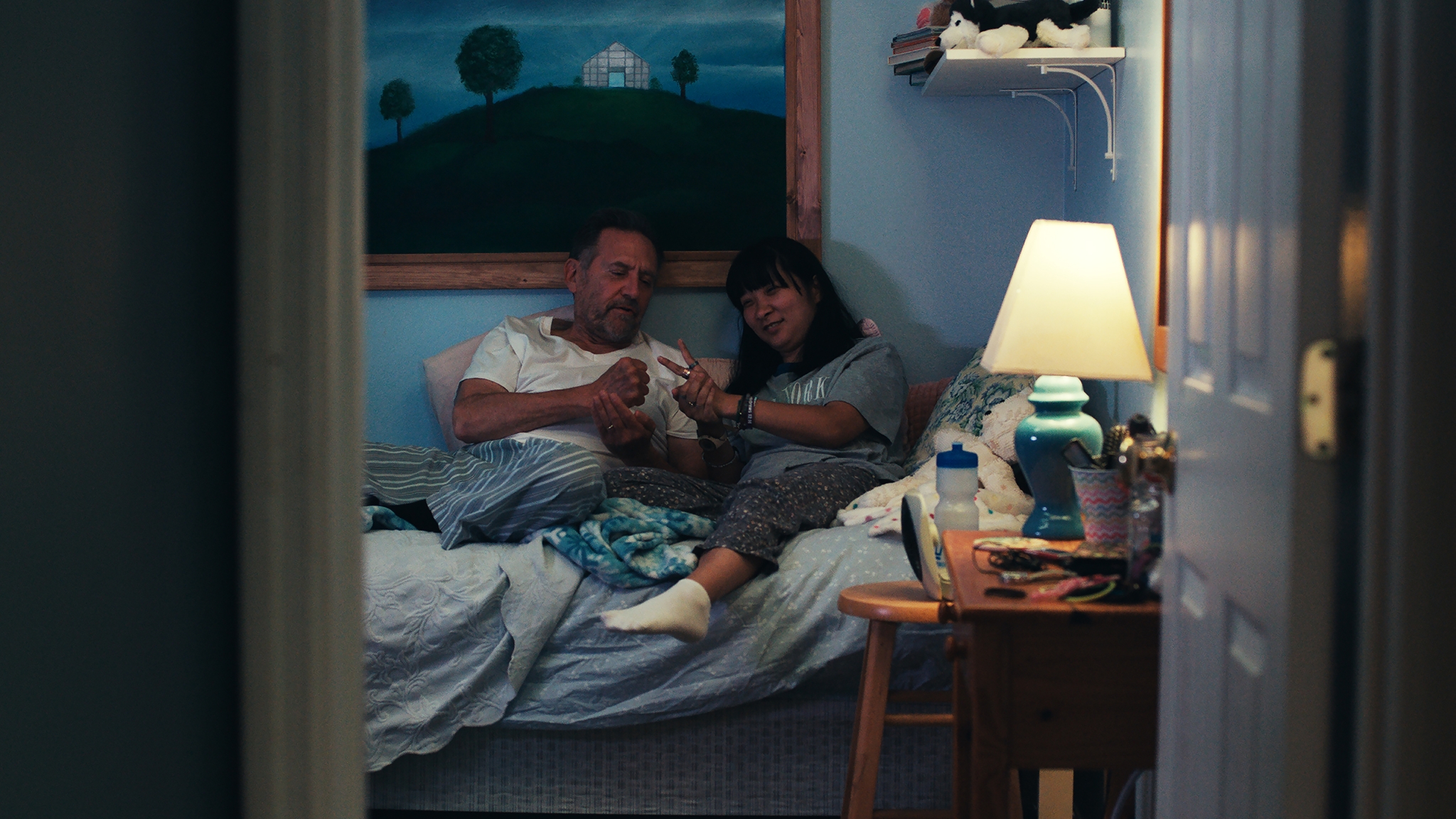
It’s a very tricky feat to keep a tight hold on tenderness while depicting painful tension. In her candid debut, Liz Sargent does just that, sensitively tackling the complex question of the future of a disabled adult child once parents age beyond caring capabilities. The drama centers on 38-year-old Anna, a Korean adoptee with a cognitive disability who lives with her elderly parents in Florida. When a heat wave brings with it a great tragedy, Anna’s carefully concocted routine is shattered, leaving her future uncertain. Starring the director’s sister Anna Sargent in a stunning central performance, Take Me Home benefits from a sharp ensemble and a deeply poignant script to pay homage to love as an active choice and the messy, imperfect roads to independence.
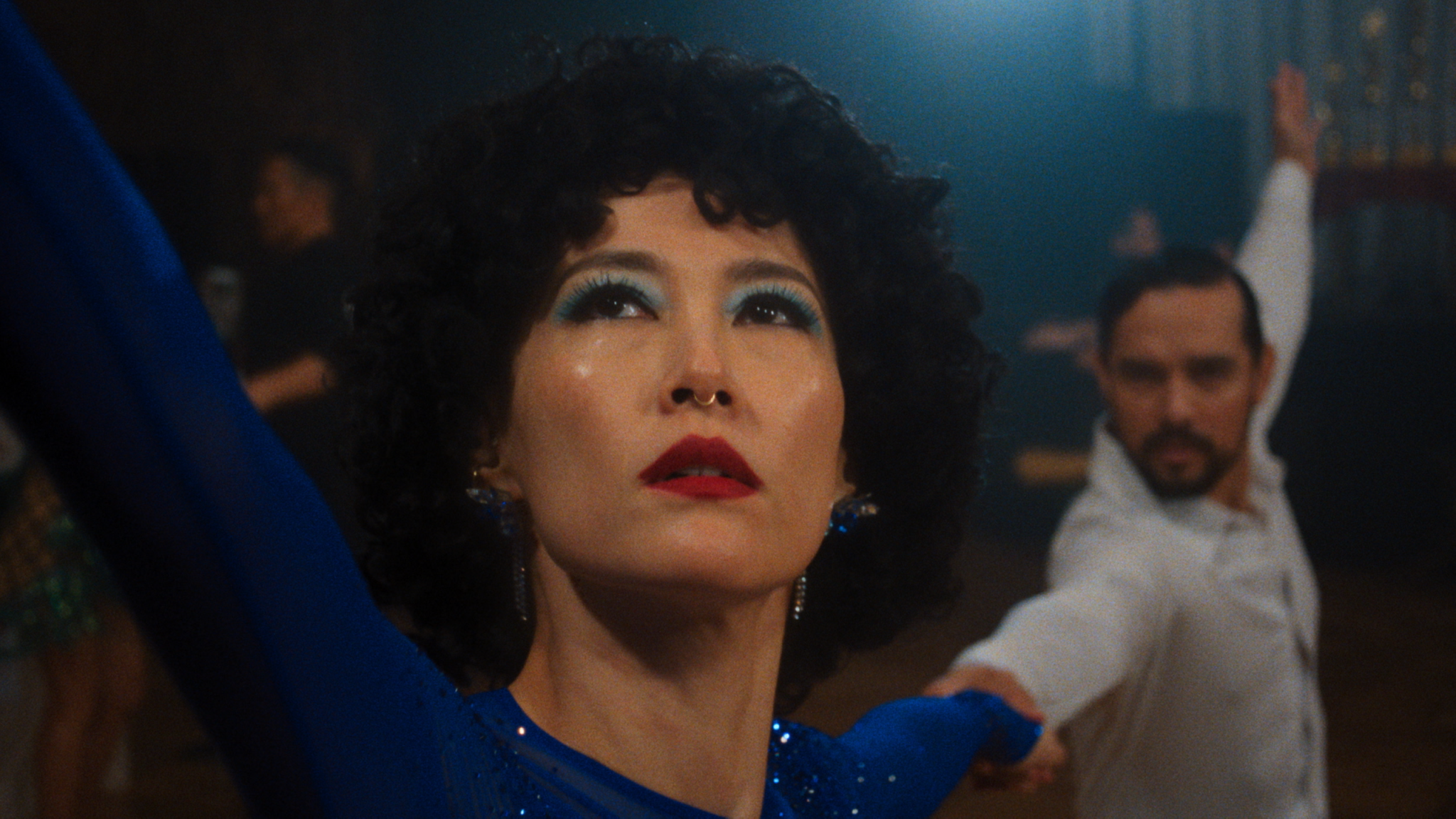
You’d be pressed to find a more charming performance at this year’s festival than Babel breakout Rinko Kikuchi in Josef Kubota Wladyka’s equally charming dance comedy. Here, the Oscar-nominated actress plays Haru, whose life is guided by two great loves: ballroom dancing and her husband Luis. When the latter dies from a heart attack while doing the former, Haru sinks into a deep grief, awakened only by the arrival of a handsome dance teacher whose door is just as open as his marriage. Ha-chan Shake Your Booty! goes Dirty Dancing meets The Thing With Feathers to build a heartwarming tale on the healing nature of desire, all with some brilliantly delivered musical numbers, a whole lot of sequins and buckets of glittery blue eyeshadow. A joy.