

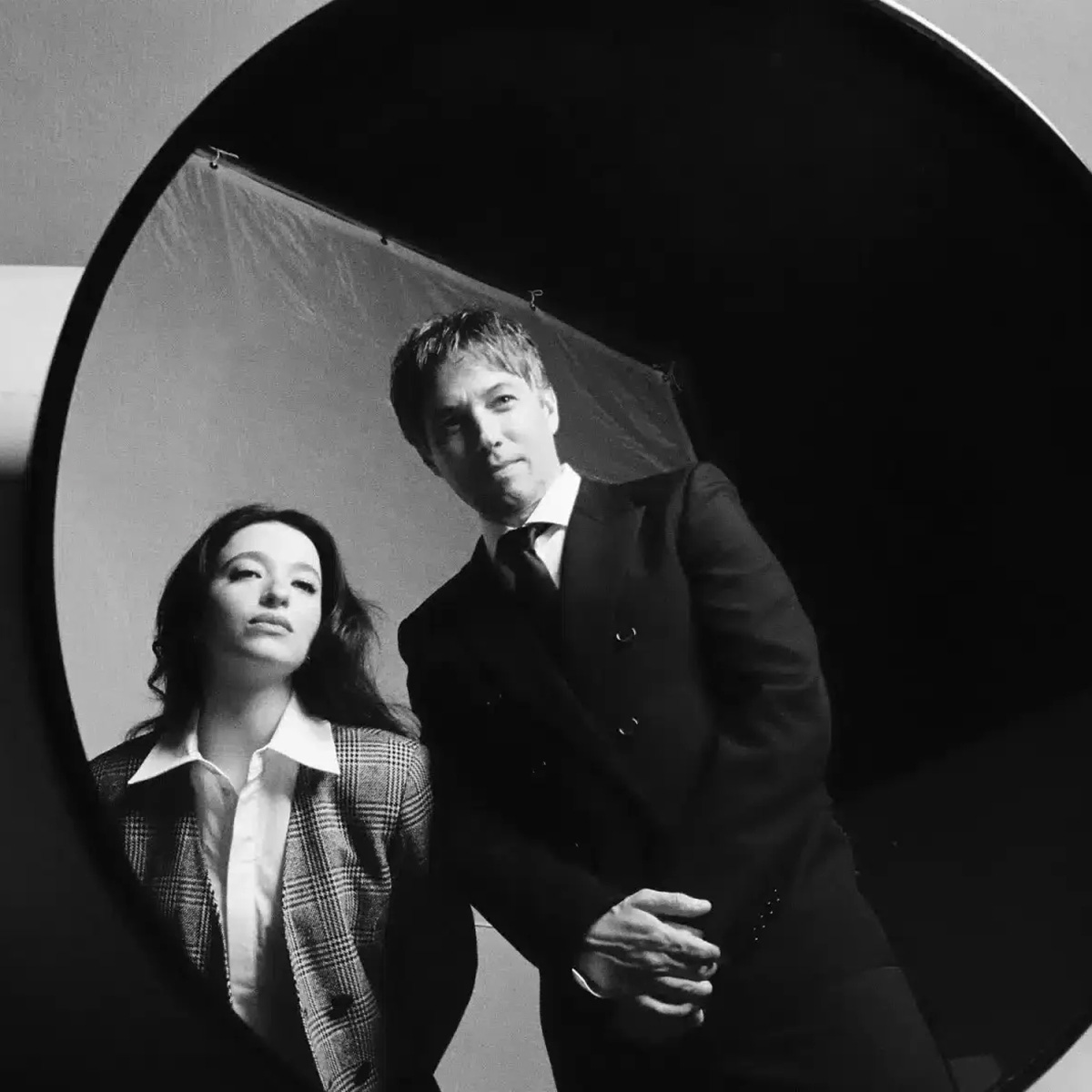
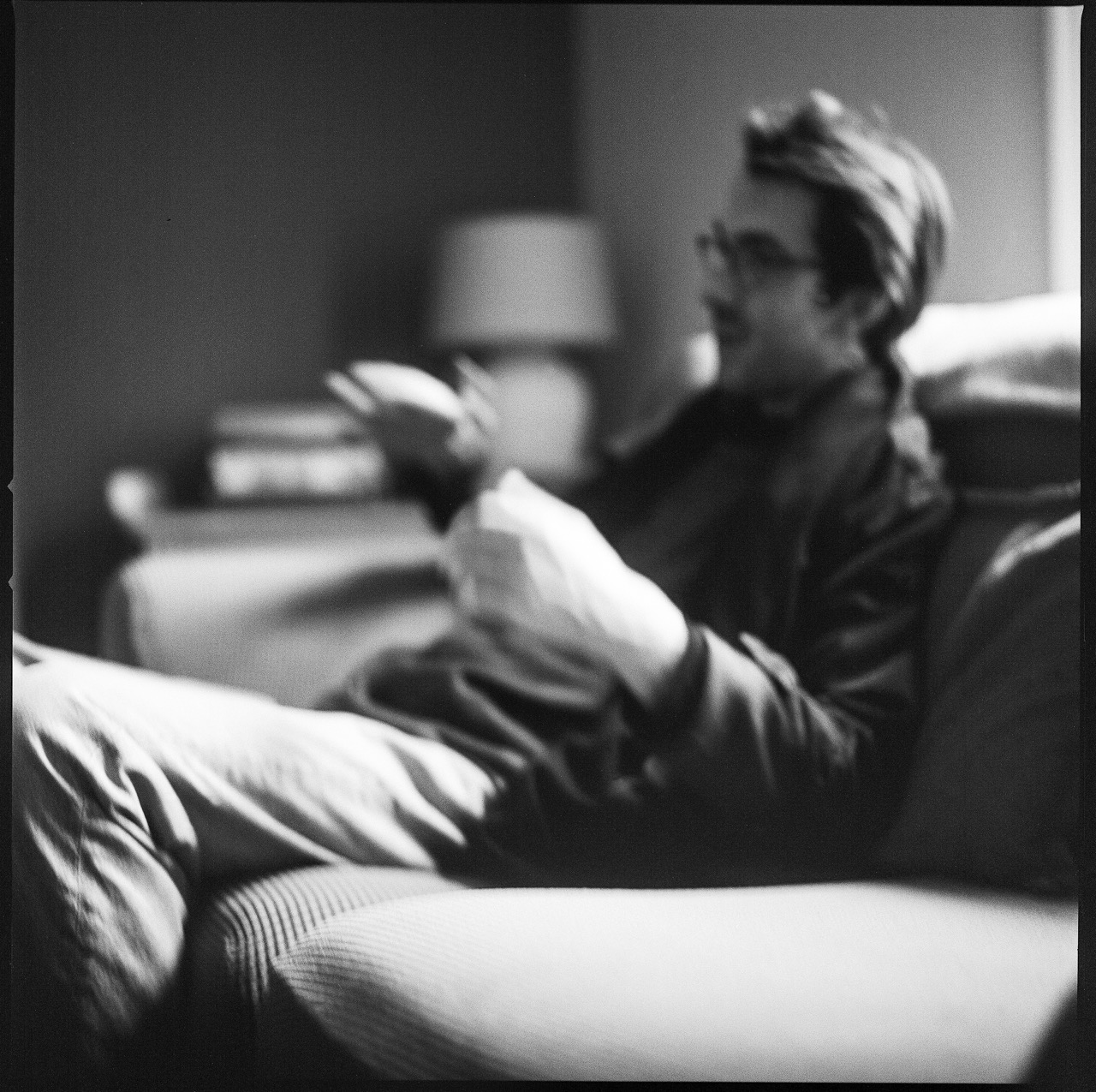
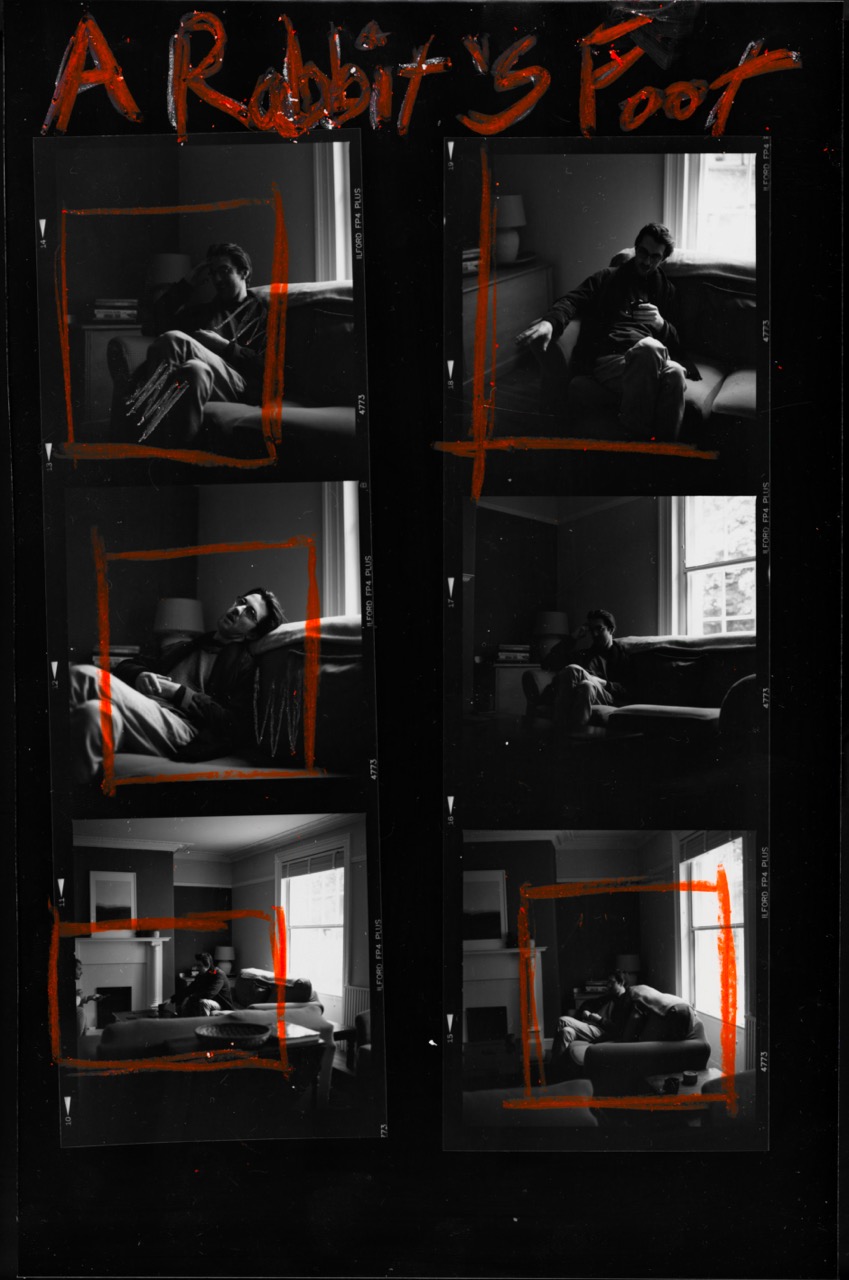
In Shropshire, A Rabbit’s Foot spent an afternoon having tea with music composer Jerskin Fendrix—whose work with Yorgos Lanthimos has more than added to the director’s own vision.
I’m seeing the future. Or something like it. It happens to be in Shrewsbury of all places. To those unfamiliar, this is a pleasant, Tudor market town in England’s green and pleasant midlands; Shropshire—A E Housman country, famous for Wilfred Owen and some of our very best wordsmiths. After driving four hours from London on a cloudy afternoon, I am waiting on a cobbled road for Jerskin Fendrix, the latest to that esteemed canon of literate Shropshiremen. I emphasise his home county because Fendrix himself does. His most recent album is titled Once Upon a Time… in Shropshire, a lyrical journey that revisits his youth and memories in the county, an ode to teenage love, discovering music, and death. “So many people died in the process of writing the album,” he says. “It was a coincidence, but one that impacted me, and my headspace, heavily.”
Fendrix is, by all accounts, a standard bearer of unconventional music. You might know Fendrix through his film work. He has become the sole musical collaborator of Yorgos Lanthimos, beginning with Poor Things (2023), continuing to Kinds of Kindness (2024), and, most recently, Bugonia (2025). His sound, which is whimsical and dark in equal parts, is peppered with his poetic songwriting on the new album. In Shrewsbury, Fendrix gave me an insight into his world (including at a packed show at St Chad’s church) and, consequently, a glimpse into the future of experimental music.
I'm restless about genre styles
When I was young, I was into emo, rap… my social group would share different genres. I don’t have the patience or the discipline to stick to one type of acoustic piano sound, so I will prepare a freestyle rap track too. And it’s not consistent, but I like how it provides different angles. I listen to a bunch of classical, but also Warren Zevon. This album is a fragmented mosaic of my youth, so it had to cover all of these sounds, which all convey unique types of emotion. But this has been a long process. Maybe I’d be more disciplined now.
This album isn't only for me
Kurt Vonnegut said that you write for one person, rather than pleasing a majority of people. Especially with this record, which is full of references and allusions, I had one person in mind. It helps with being specific and detailed, because everyone taps into that with their own specificities—but that, consequently, is a very universal feeling. It doesn’t hit when artists try to write about the state of humanity. It’s too general. Every song on the record, I can think of people I know. I can feel their sensibilities.
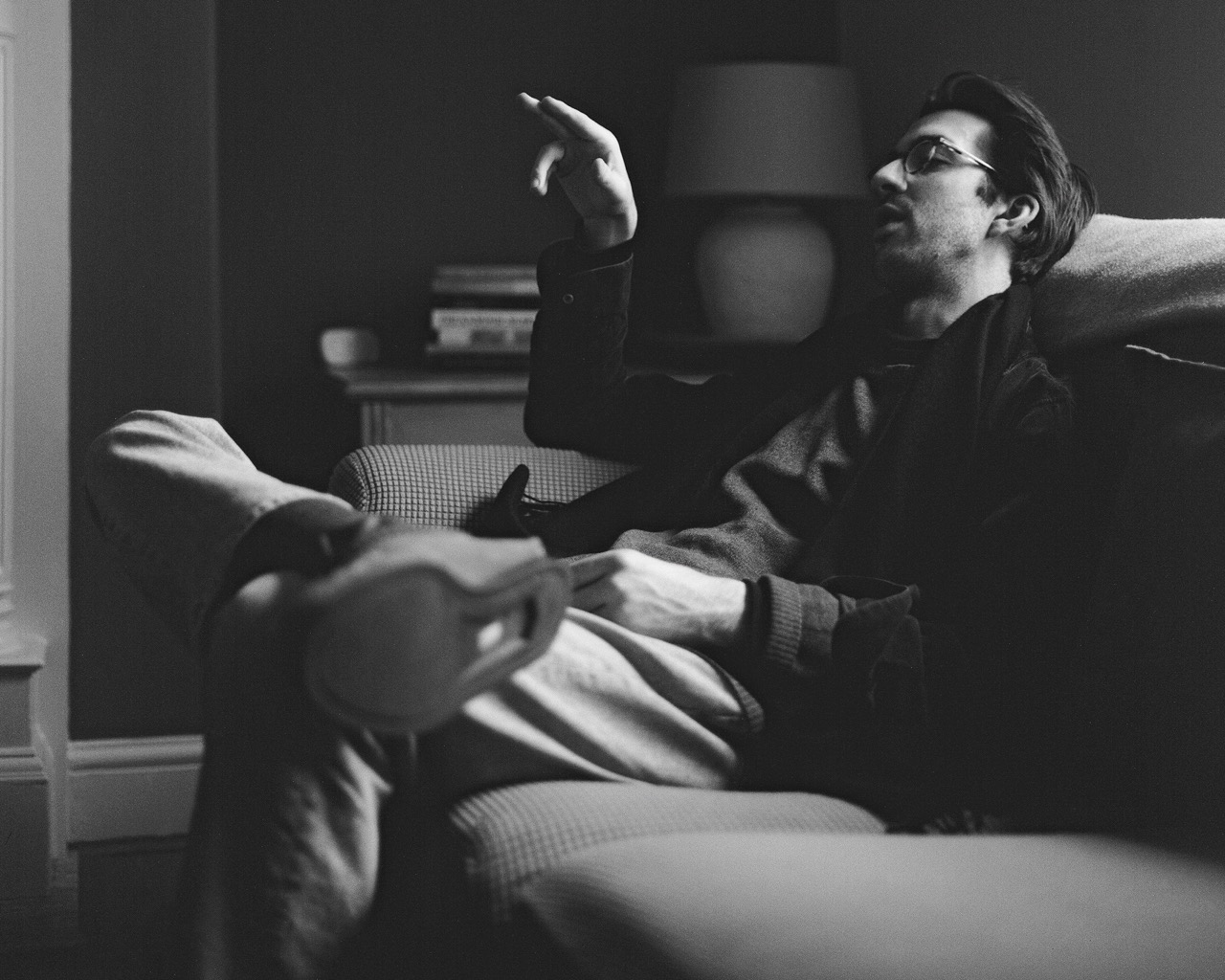
The record began with a death
It’s unpredictable to know when or why you’re going to write a song. With the record, I’ve loved where I live. It’s magical, middle-of-nowhere, bucolic… I was sensitive to that and I tried to capture it. But initially, when a friend died, I wanted to write about my youth, and then it progressed into something more panoramic. As more losses occurred, I had a desire to continue processing and looking at these other angles.
The film scores have no lyrics
It’s a great exercise in empathy, because I’m less autobiographical than my own work. I have to focus on the characters and narratives of the story, and furnish them with the right emotions. Running both Kinds of Kindness and Bugonia alongside the album was useful—it made me widen my lens, so the writing became better measured. Without writing the film scores, the album would’ve been different.
Yorgos gave me three words to write the score from
He always says four in interviews, but it wasn’t. Bees, basement, and spaceship. And I spent two-and-a-half years writing this orchestra from these words. Then I gave it to him and that’s what you hear from the film. Constraints are freeing. It sounds extreme—to write music with no lyrics, just with those three words in mind—but that’s where the lines between music and emotion are blurred.
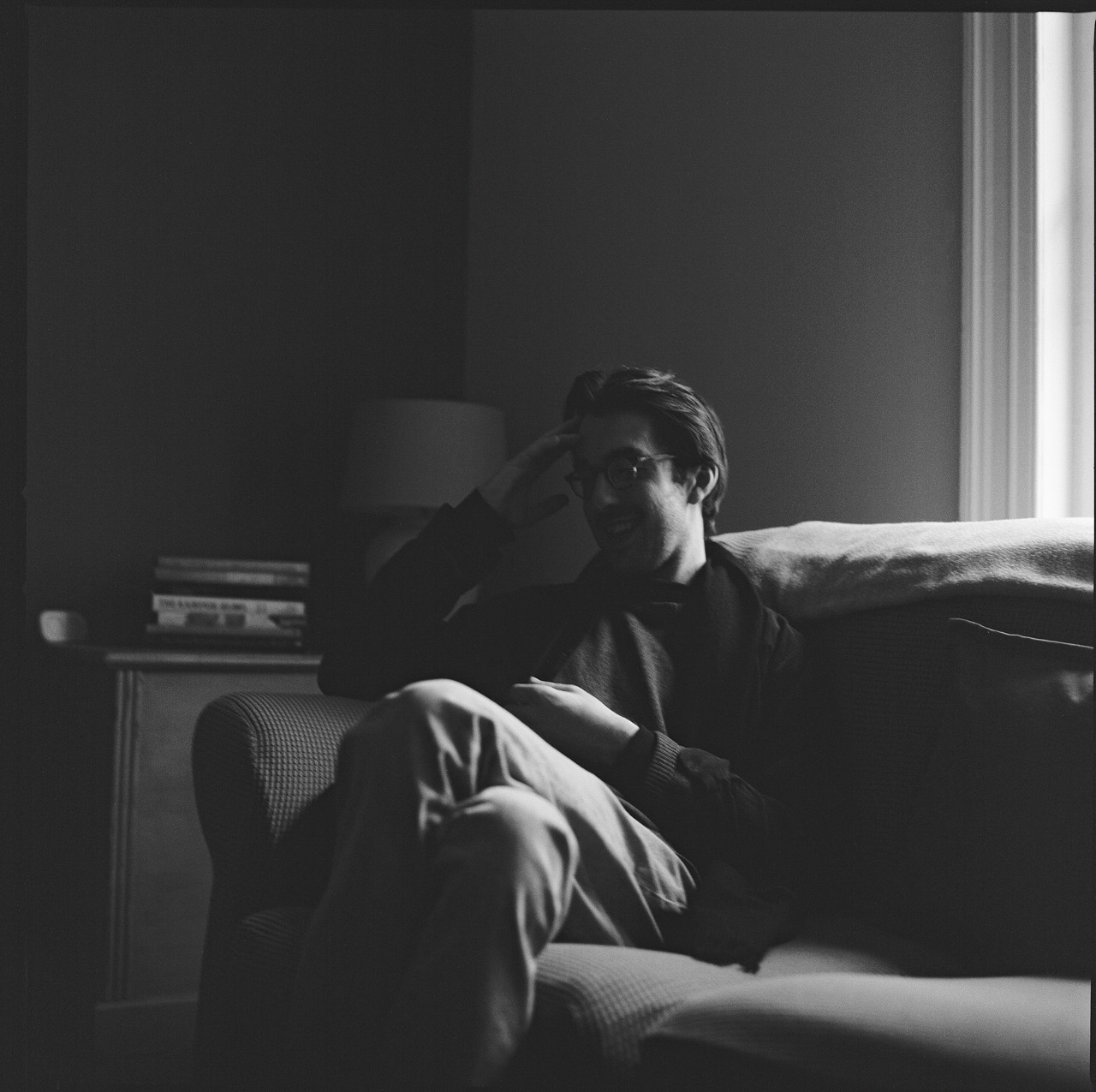
Movie soundtracks are crucial for a musician
Lots of experimental pop musicians like myself have been brought in to do soundtracks. In reality, it’s easier to make a living that way than releasing indie music. That’s the nature of the world right now. There are not many avenues where being an experimental musician alone allows you to live in a capital city, for example. As long as Yorgos desires working with me, I’ll be interested.
AI won't affect good music
The only sort of music affected right now is pastiche, where you’re asked to make a similar composition to another type of music or temp music. I’ve never been good at pastiche, not because I’m too egotistical—I’ve tried— but it’s not in my wheelhouse. Even Yorgos might say, “Let’s try to sound like this guy” and I can’t. There’s a song on my first album [Winterreise, (2020)] called Black Hair, which I specifically wanted to sound like Voodoo (2000) by D’Angelo. The fact it sounds so different should prove how bad I am about copying stuff.
But AI is a big industry
The people who do pastiche are screwed. I write weird stuff. If I work with people, I’m chiefly there to come up with an interesting or unusual idea for whatever the piece is for. That’s something AI can’t replicate—at least not yet.
References are important
Toru Takemitsu said that he’d always listen to Bach’s St Matthew Passion Chase Barely. Filmmakers always watch the same movies before starting a film. I don’t have that kind of anchor. But perhaps the closest is The Wild, the Innocent, and the E Street Shuffle (1973) by Bruce Springsteen. It’s gorgeously balanced, and never wallows—that’s musically big. As for lyrics, it’s Joanna Newsom and Bob Dylan if I’m in the lyric-writing process. Even if I miss, it’s the standard I strive for.
I’ve thought about why I chose music
I like telling stories in so many ways. I didn’t practice writing, acting, or dancing… I made music. It’s suited me enough to get across what I want to say. At this point, it’s what I’m good at. One thing about being a musician which is different compared to other artforms is that people recognise the separation between, say, a filmmaker or actor—as a personality—and their work. But with musicians, people assume that our lives are the art. That’s fucking exhausting. I don’t have a character I can live up to. I don’t care how I present myself—I just care about creating my music. Like Nina Simone—everything about her is the performance. I’m happy if a lyric makes me seem bad or stupid, as long as it’s me.