

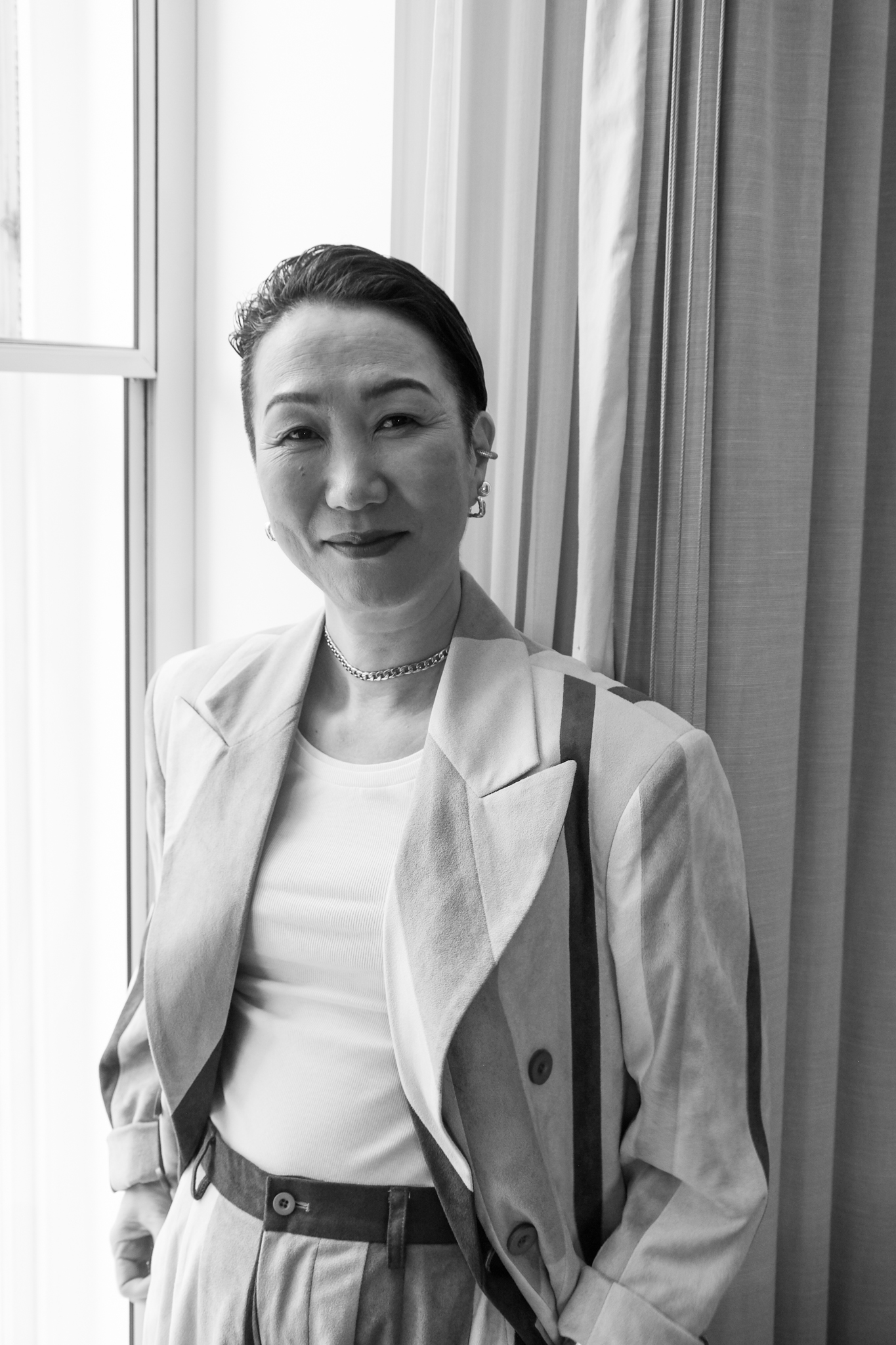
The Beef and 37 Seconds director joined us in London to discuss the fluctuating loneliness epidemic in Japan, the films of Juzo Itami, and how she and star Brendan Fraser brought small-town American values to Tokyo in her new feature Rental Family.
In Japanese filmmaker Hikari’s new film Rental Family, playing make-believe is an act of therapy. The film follows foreign expat Phillip Vanderploeg (Brendan Fraser), an amateur actor who lands a job as the “token white guy” at Rental Family, a company specialising in renting out actors to play stand-in family members (everything from spouses and friends to funeral-mourners and long-lost fathers) for their customer-base of lonely and repressed Tokyo citizens. The concept is based on a real service, with over 300 rental family agencies currently in operation in the Japanese capital alone.
“As a Japanese person, there are so many rules that a lot of people are obligated to live by,” says Hikari, in London to celebrate Rental Family‘s UK release. “We aren’t meant to share our true emotions. There’s a saying—honnae to tatamae. Honnae is a true feeling. Tatamae is a facade. We’re not meant to show true emotion in order to maintain harmony. It comes from village culture. But as people suppress more, these businesses have sprung up and become popular. And in my opinion, why not? In Japan, people with mental health issues aren’t being taken care of. The therapy system isn’t accessible to everyone. So people use the act of pretending in order to fill themselves, to fix their pasts. If that gives someone freedom, if it stops them from jumping off a cliff, then why not?”
We sat down with the filmmaker—known for her 2019 feature 37 Seconds and for directing episodes of the hit 2024 series Beef—to discuss the fluctuating loneliness epidemic in Japan, the films of Juzo Itami, and how she and star Brendan Fraser brought small-town American values to Tokyo in Rental Family.
Luke Georgiades: What made the concept of being able to “rent” a family so interesting to you in the first place?
Hikari: As unique and crazy as it sounds, there’s a loneliness epidemic in Tokyo. So many people feel isolated. We thought there was definitely a story there. I remember ten years ago there were reports of people not having children, and high suicide rates in Tokyo, so I remember thinking, ‘how are the Japanese people coping with this?’ But then I found out that this business existed, to fill the void of loneliness, almost like therapy. I was kind of relieved.
LG: I first discovered the phenomenon when I watched Werner Herzog’s documentary Family Romance LLC. I remember it leaving me feeling quite sad.
H: I saw the first 15 minutes of it, but we had already written the script, so we decided we didn’t want to see it. I didn’t want to be influenced by it. I’ve heard it leans heavier into the darker side.
LG: This film left me feeling a little more hopeful. Did your feelings about the nature of the rental family concept evolve as you were researching and writing the movie?
H: As a Japanese person, there are so many rules that a lot of people are obligated to live by. You aren’t meant to share our true emotions. There’s a saying—honnae to tatamae. Honnae is a true feeling. Tatamae is a facade. That phrase exists. We’re not meant to show true emotion in order to maintain harmony. It comes from village culture. But as people suppress more, these businesses have sprung up and become popular. And in my opinion, why not? In Japan, people with mental health issues aren’t being taken care of. The therapy system isn’t accessible to everyone. So people use the act of pretending to fill themselves—to fix their past. If that gives someone freedom, if it stops them from jumping off a cliff, then why not?
LG: Is the mental health system improving in Japan?
H: Suicide rates are dropping. Other services exist. For example, many older women who are lonely in the countryside have started going to visit single people, or those in need of a grandma, and make lunch for them. They have lunch together. It’s about human connection, whether you’ve met them before or not. It’s about finding harmony, for a moment.
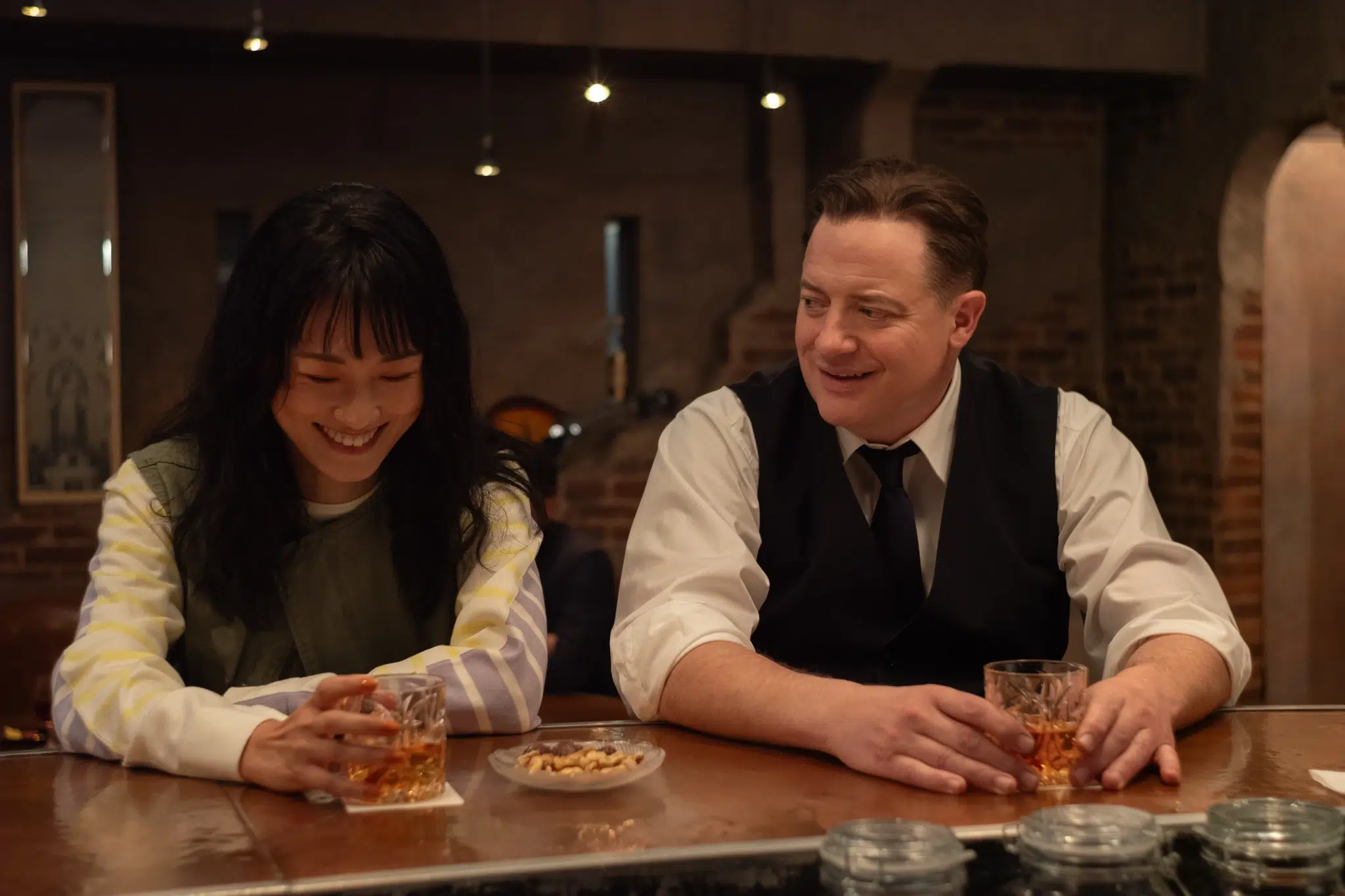
“There’s a saying—honnae to tatamae. Honnae is a true feeling. Tatamae is a facade. [In Japanese culture] we’re not meant to show true emotion in order to maintain harmony. It comes from village culture. But as people suppress more, these businesses have sprung up and become popular. And in my opinion, why not? In Japan, people with mental health issues aren’t being taken care of. The therapy system isn’t accessible to everyone. So people use the act of pretending to fill themselves—to fix their past. If that gives someone freedom, if it stops them from jumping off a cliff, then why not?”
Hikari
LG: I couldn’t help but analyse the differences and similarities between this project and Beef, which I know had a big creative hand in the directorial.
H: Beef is a comedy, but I directed every person in the show to take everything seriously, no matter how ridiculous the scenario was. The comedy comes from those moments. I took that philosophy to Rental Family. During the funeral scene, you can’t help but laugh when the guy pops his head outside the casket, but really he’s on the verge of killing himself. That’s his story. But he’s having a funeral in order to see how deeply he will be mourned. Don’t play the comedy—play it as if it’s the most important moment of your life.
LG: There’s a lot to say about what elements of Japanese culture you wanted to include in the film, but you have also lived in America for a long time. What American qualities did you want to imbue Brendan Fraser’s character with in order to tell the story?
H: When I first came to America I lived in Utah as an exchange student. That was my first experience being the only foreign person in the room. Though I didn’t speak a word of English at the time, so many people took me under their wing. They became my host family. I valued that relationship. Phillip is from Minnesota, middle-of-nowhere America, and much more “simple” than someone from London or New York or Los Angeles perhaps, because their everyday life is seemingly mundane. Those are the people I grew up with in Utah. I wanted to bring that simple human being to a place like Tokyo. Phillip is catching up with the world around him, but also he’s very open to taking it all in. He’s a person who wants to learn. The notion of wanting is so important, because otherwise we go nowhere. If you don’t want to walk or learn, then you’re going to stay stagnant. It was important to bring someone like him to Tokyo.
LG: He’s so earnest. You’re right, the protagonist being a London or New York native would change the story completely.
H: City people are used to being around people. I’m shocked at how many people are on the streets in London during Christmas time. There’s the hustle and the noise of the city. For Phillip, the noise of the city is where his existentialism lives. But him deciding to want to understand the culture opens everybody else around him up too.
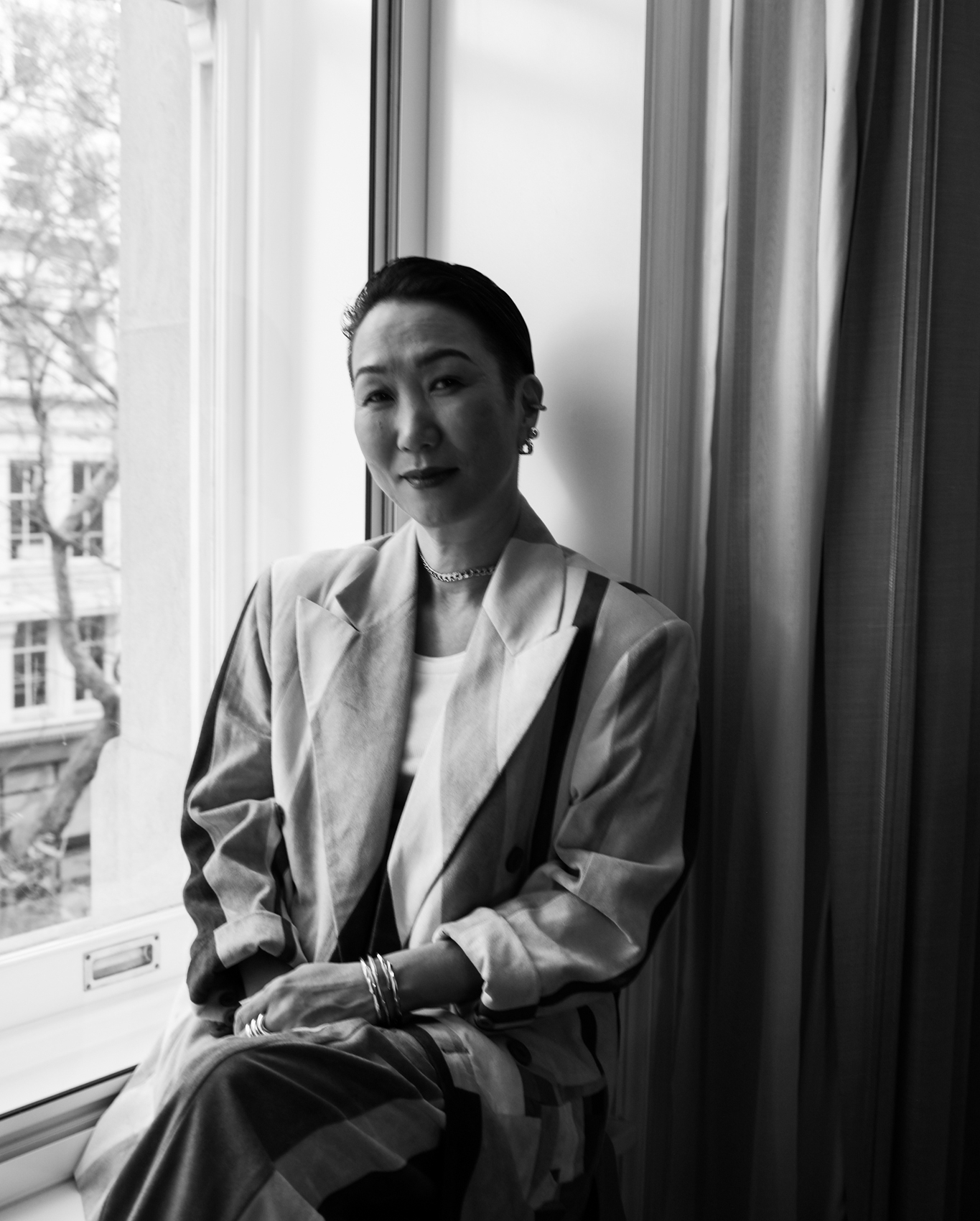
“I wanted to bring that simple human being to a place like Tokyo. Phillip (Brendan Fraser) is catching up with the world around him, but also he’s very open to taking it all in. He’s a person who wants to learn. The notion of wanting is so important, because otherwise we go nowhere. If you don’t want to walk or learn, then you’re going to stay stagnant. It was important to bring someone like him to Tokyo.”
Hikari
LG: You didn’t write the role with Brendan in mind, which is shocking to me, because he’s-
H: -he’s perfect. [Laughs]
LG: I can’t think of another actor that would have been a better fit.
H: The lead actor brings his essence to the role, and kind of shapes the movie. Brendan did that. I saw him in The Whale, and the depth of that performance is incredible. He did a Q&A afterwards, and I saw how bright and respectful he was towards the rest of his cast and crew. I felt it in my gut. Those are the qualities that Phillip needs.
LG: You mentioned that Juzo Itami is a big inspiration for you. That really made the film click for me.
H: I remember watching The Funeral as a kid, and there were these crazy sex scenes, which my mom told me not to watch, but she also didn’t care [laughs]. A Taxing Woman, Supermarket Woman, Tampopo. His stories are rollercoasters of emotion. They’re full of life. It’s tragic that he was forced to commit suicide.
LG: Yes, he was forced by the Yakuza to jump off a building.
H: Yep. They put a gun to his head and said, ‘you can either be shot in the head now or jump and maybe survive.’ It’s fucking crazy. His movies had an element of tragedy to them too. I find them very human. They contain all of life inside of them. I wanted to do that with Rental Family.
Rental Family is out now in UK cinemas.