“I’m seriously at peace”: Eva Victor on soup, the success of ‘Sorry, Baby’—and what comes next



Get unlimited access to all our articles for just £3.50 per month, with an introductory offer of just £1 for the first month!
SUBSCRIBE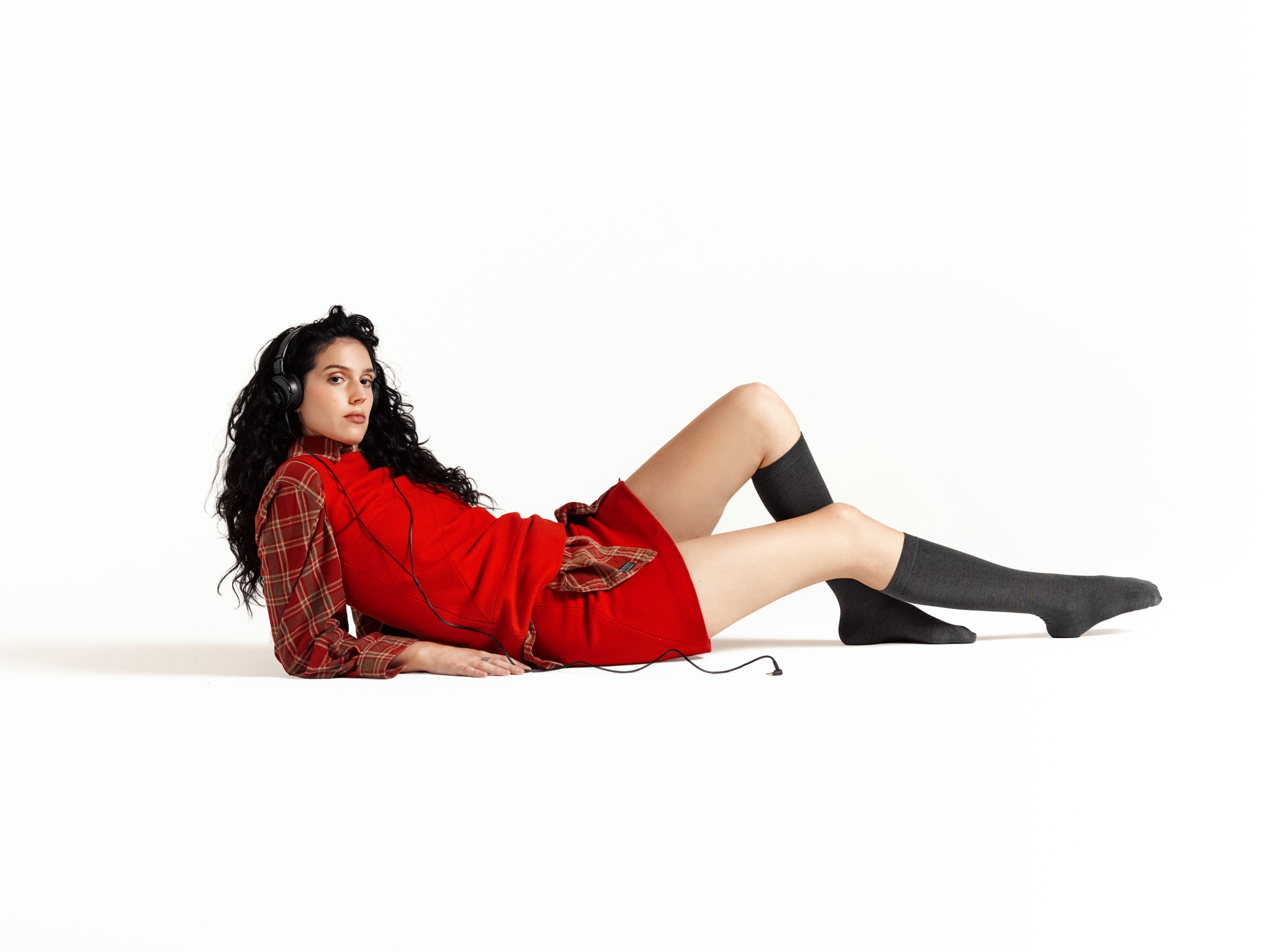
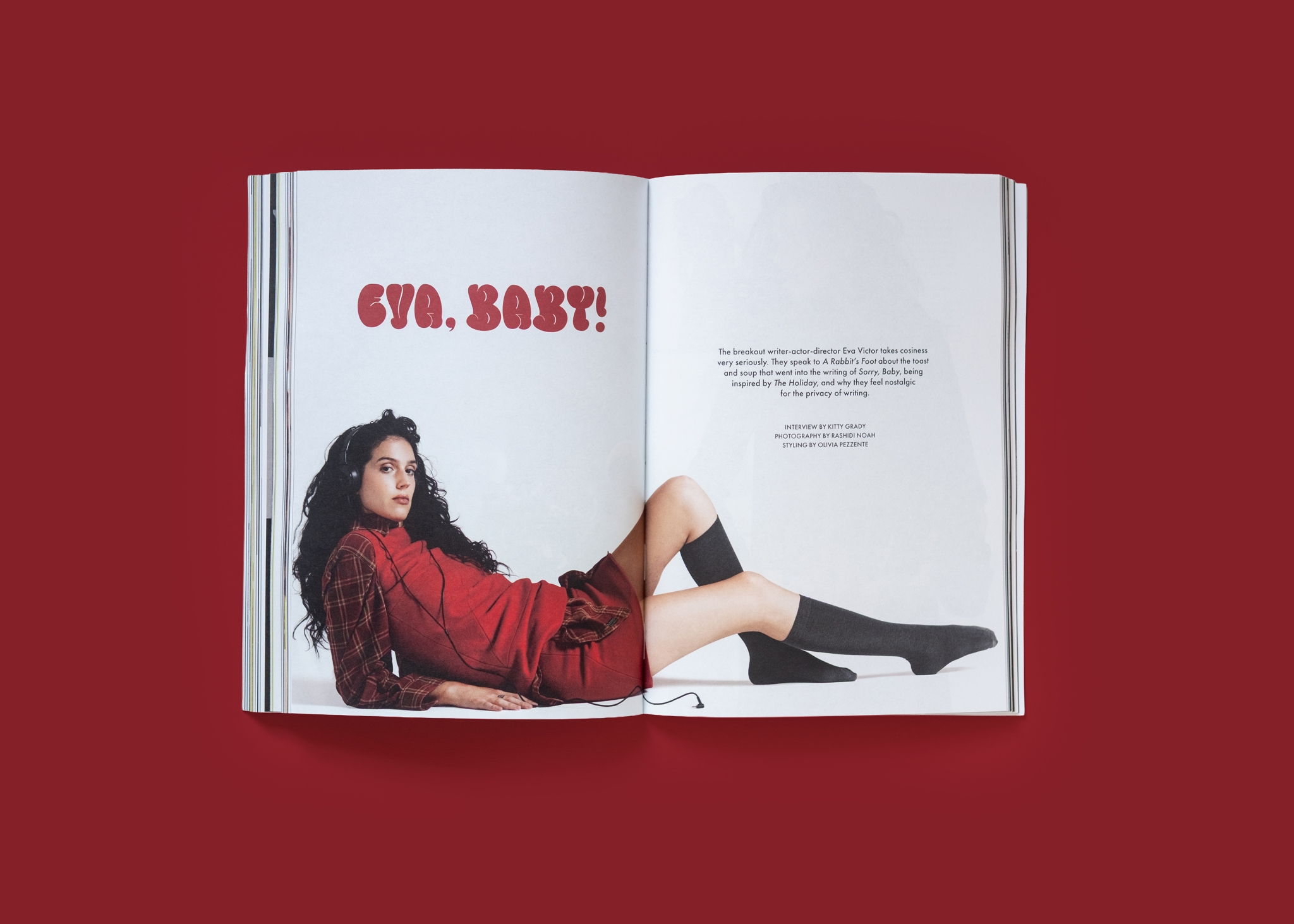
The breakout writer-actor-director Eva Victor speaks to A Rabbit’s Foot about the writing of Sorry, Baby, being inspired by The Holiday, and why they feel nostalgic for the privacy of writing.
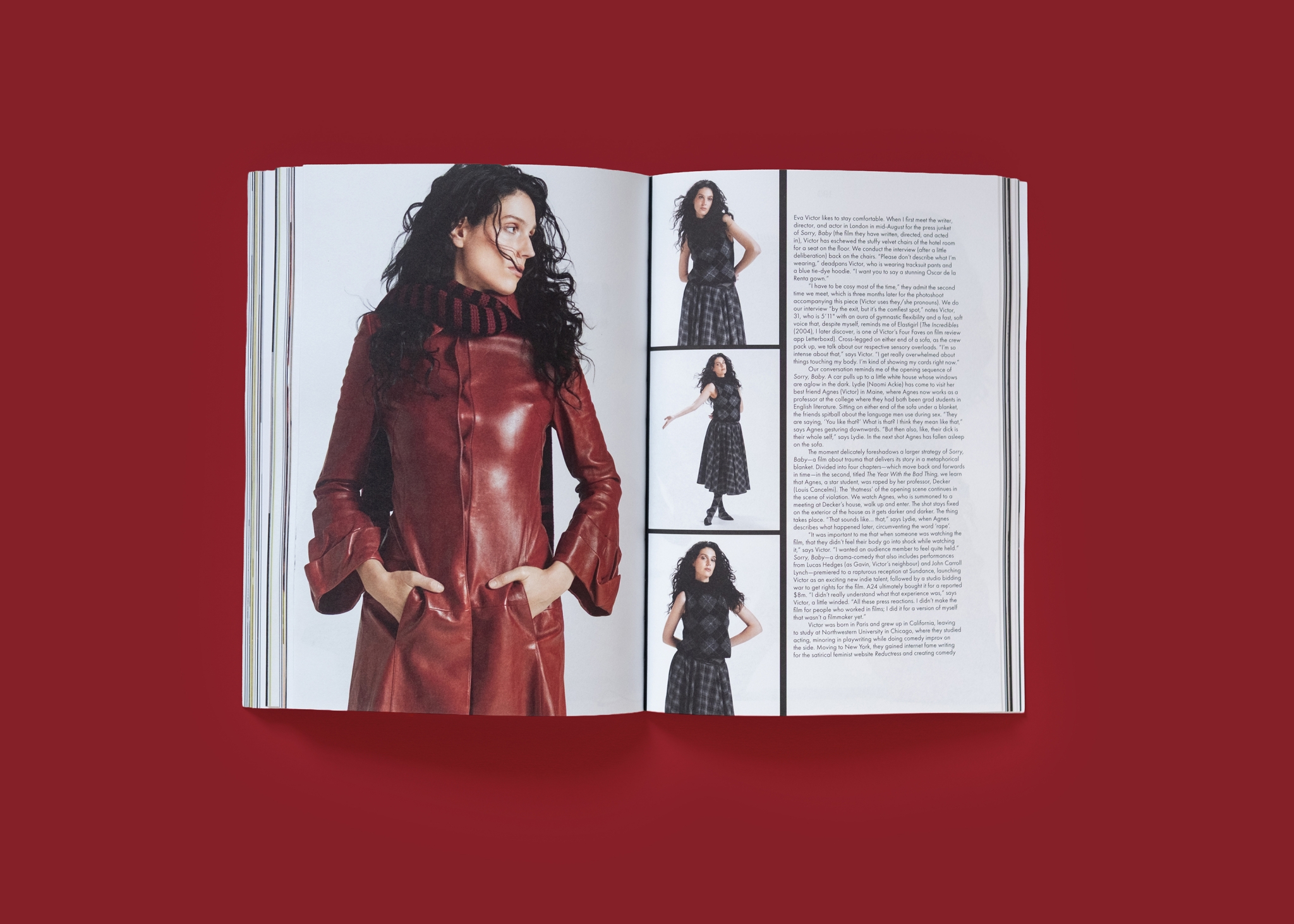
Eva Victor likes to stay comfortable. When I first meet the writer, director, and actor in London in mid-August for the press junket of Sorry, Baby (the film they have written, directed, and acted in), Victor has eschewed the stuffy velvet chairs of the hotel room for a seat on the floor. We conduct the interview (after a little deliberation) back on the chairs. “Please don’t describe what I’m wearing,” deadpans Victor, who is wearing tracksuit pants and a blue tie-dye hoodie. “I want you to say a stunning Oscar de la Renta gown.”
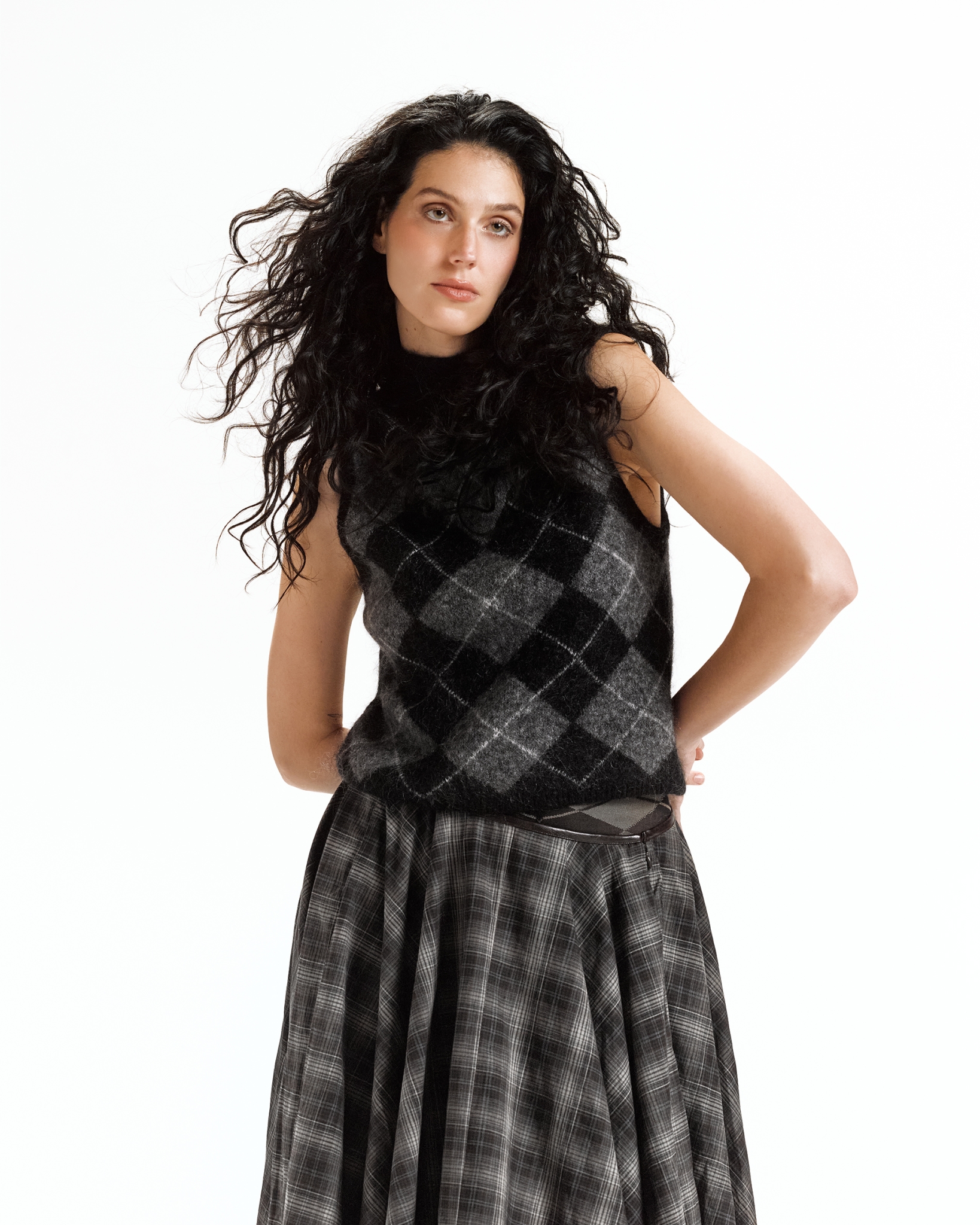
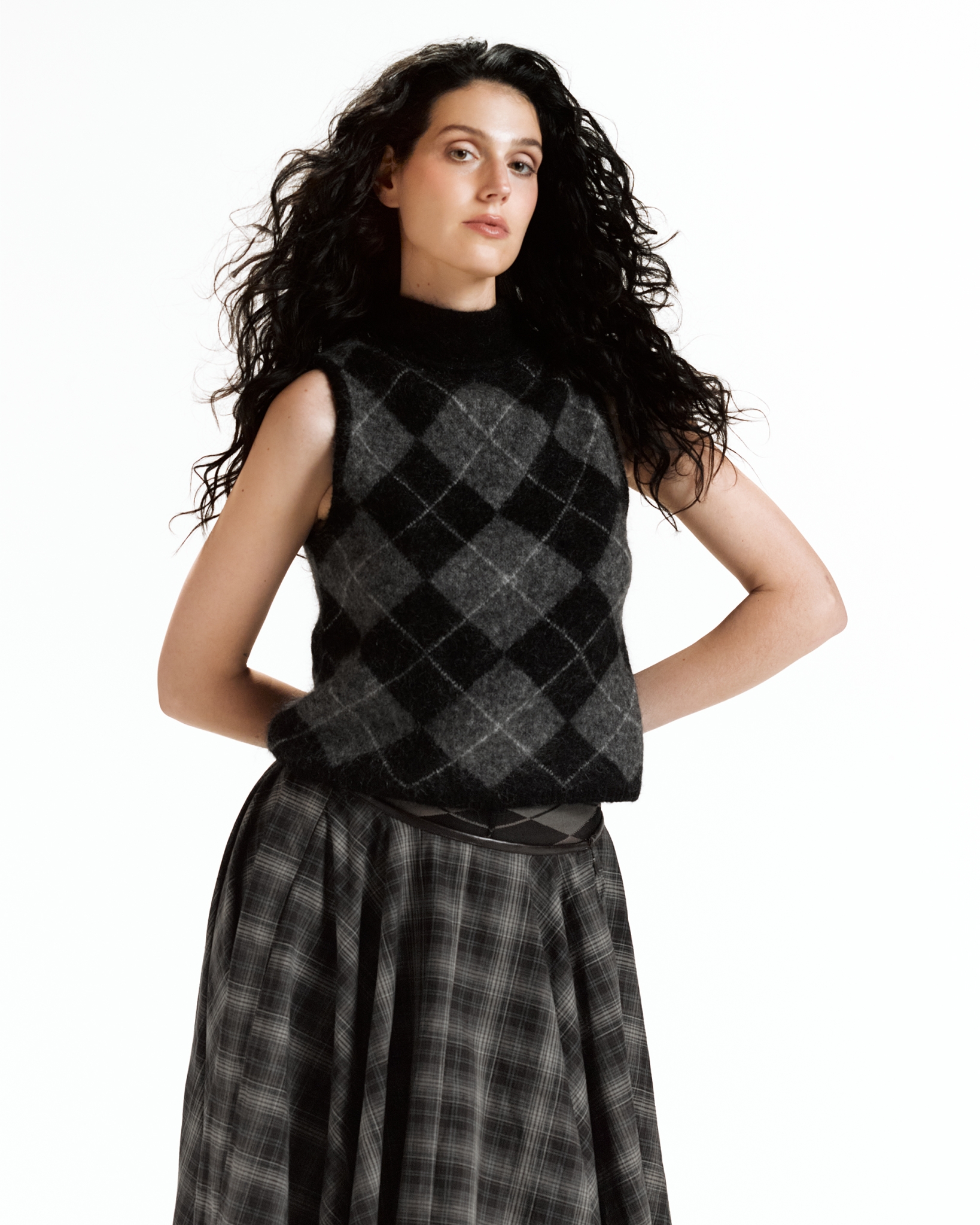
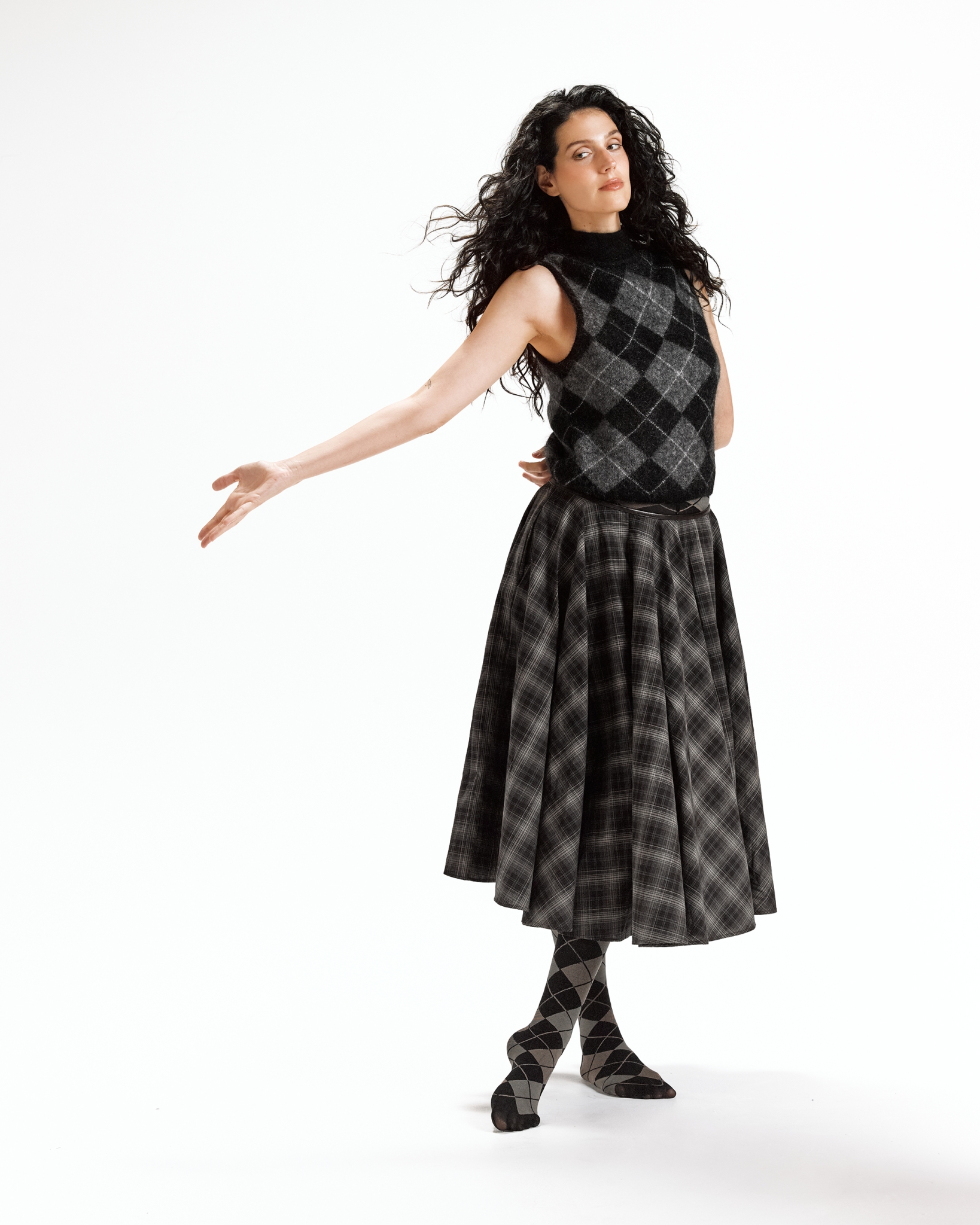
“I have to be cosy most of the time,” they admit the second time we meet, which is three months later for the photoshoot accompanying this piece (Victor uses they/she pronouns). We do our interview “by the exit, but it’s the comfiest spot,” notes Victor, 31, who is 5’11″ with an aura of gymnastic flexibility and a fast, soft voice that, despite myself, reminds me a little of Elastigirl (The Incredibles (2004), I later discover, is one of Victor’s Four Faves on film review app Letterboxd). Cross-legged on either end of a sofa, as the crew pack up, we talk about our respective sensory overloads. “I’m so intense about that,” says Victor. “I get really overwhelmed about things touching my body. I’m kind of showing my cards right now.”
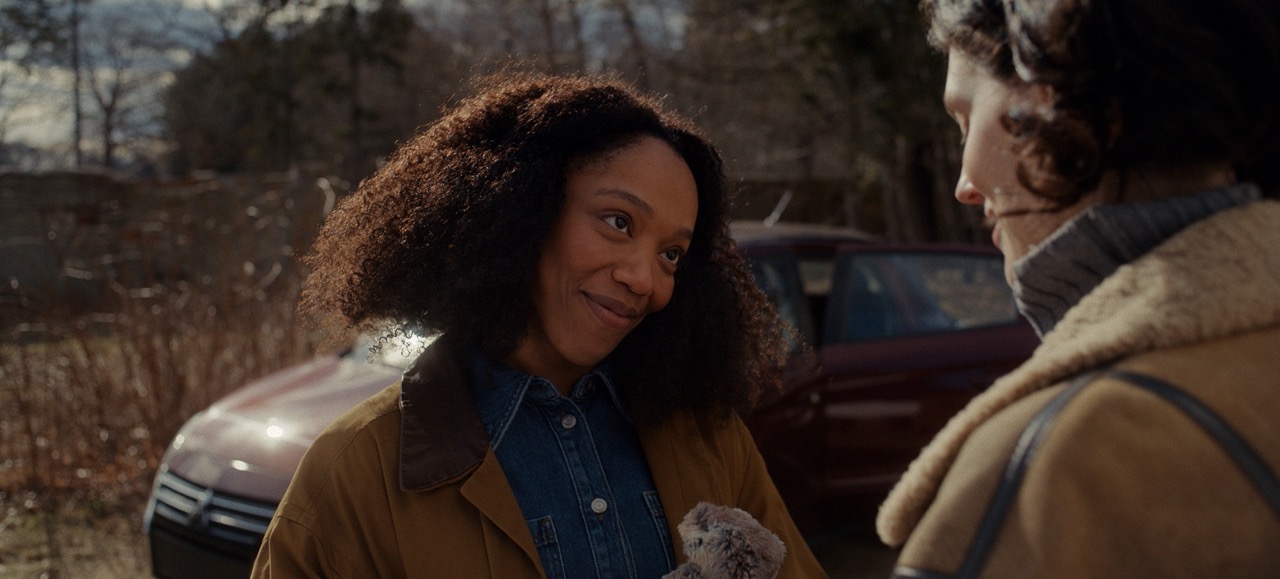
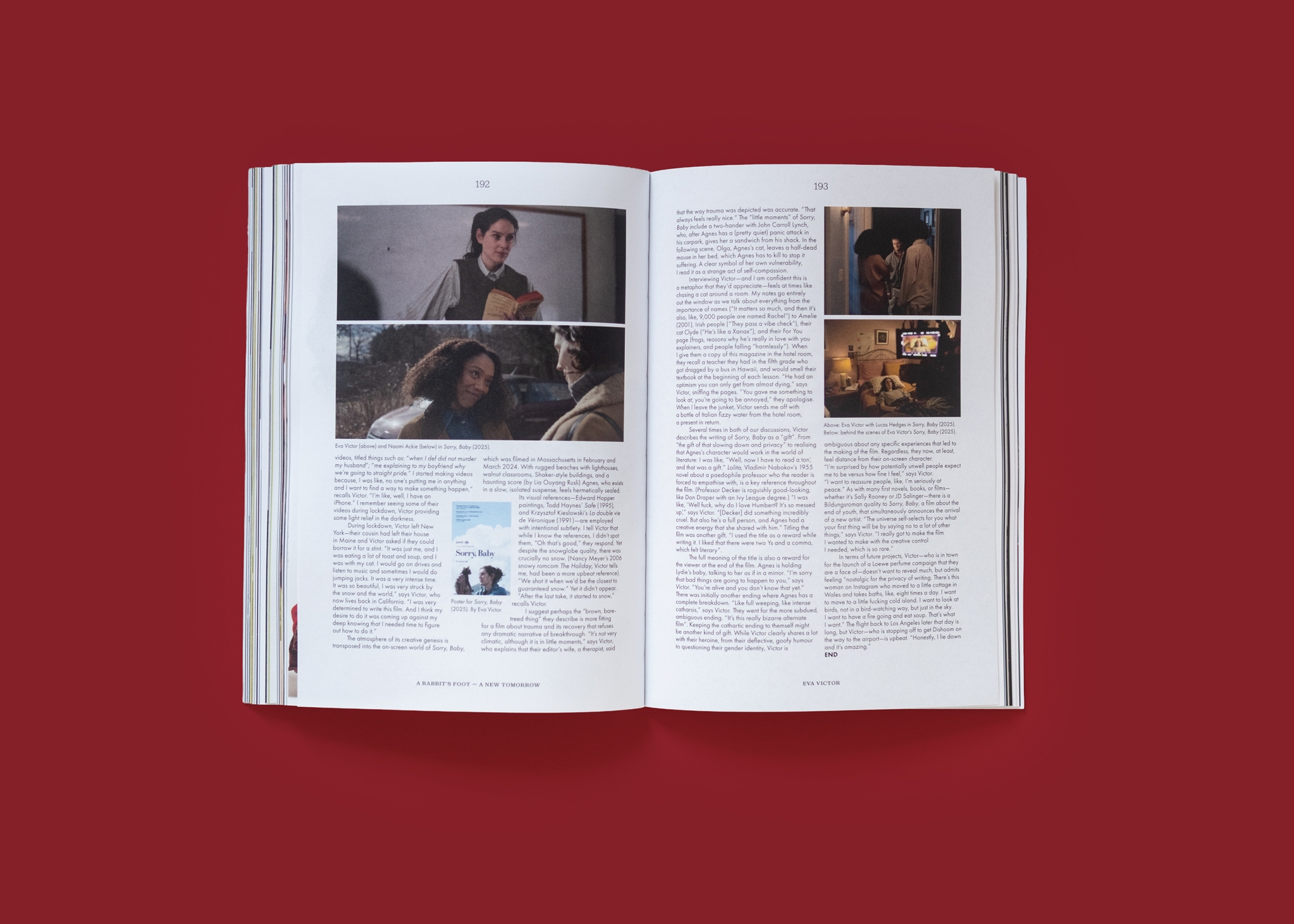
Our conversation reminds me of the opening sequence of Sorry, Baby. A car pulls up to a little white house whose windows are aglow in the dark. Lydie (Naomi Ackie) has come to visit her best friend Agnes (Victor) in Maine, where Agnes now works as a professor at the college where they had both been grad students in English literature. Sitting on either end of the sofa under a blanket, the friends spitball about the language men use during sex. “They are saying, ‘You like that?’ What is that? I think they mean like that,” says Agnes gesturing downwards. “But then also, like, their dick is their whole self,” says Lydie. In the next shot Agnes has fallen asleep on the sofa.
The moment delicately foreshadows a larger strategy of Sorry, Baby—a film about trauma that delivers its story in a metaphorical blanket. Divided into four chapters—which move back and forwards in time—in the second, titled ‘The Year With the Bad Thing’, we learn that Agnes, a star student, was raped by her professor, Decker (Louis Cancelmi). The ‘thatness’ of the opening scene continues in the scene of violation. We watch Agnes, who is summoned to a meeting at Decker’s house, walk up and enter. The shot stays fixed on the exterior of the house as it gets darker and darker. The thing takes place. “That sounds like… that,” says Lydie, when Agnes describes what happened later, circumventing the word ‘rape’.


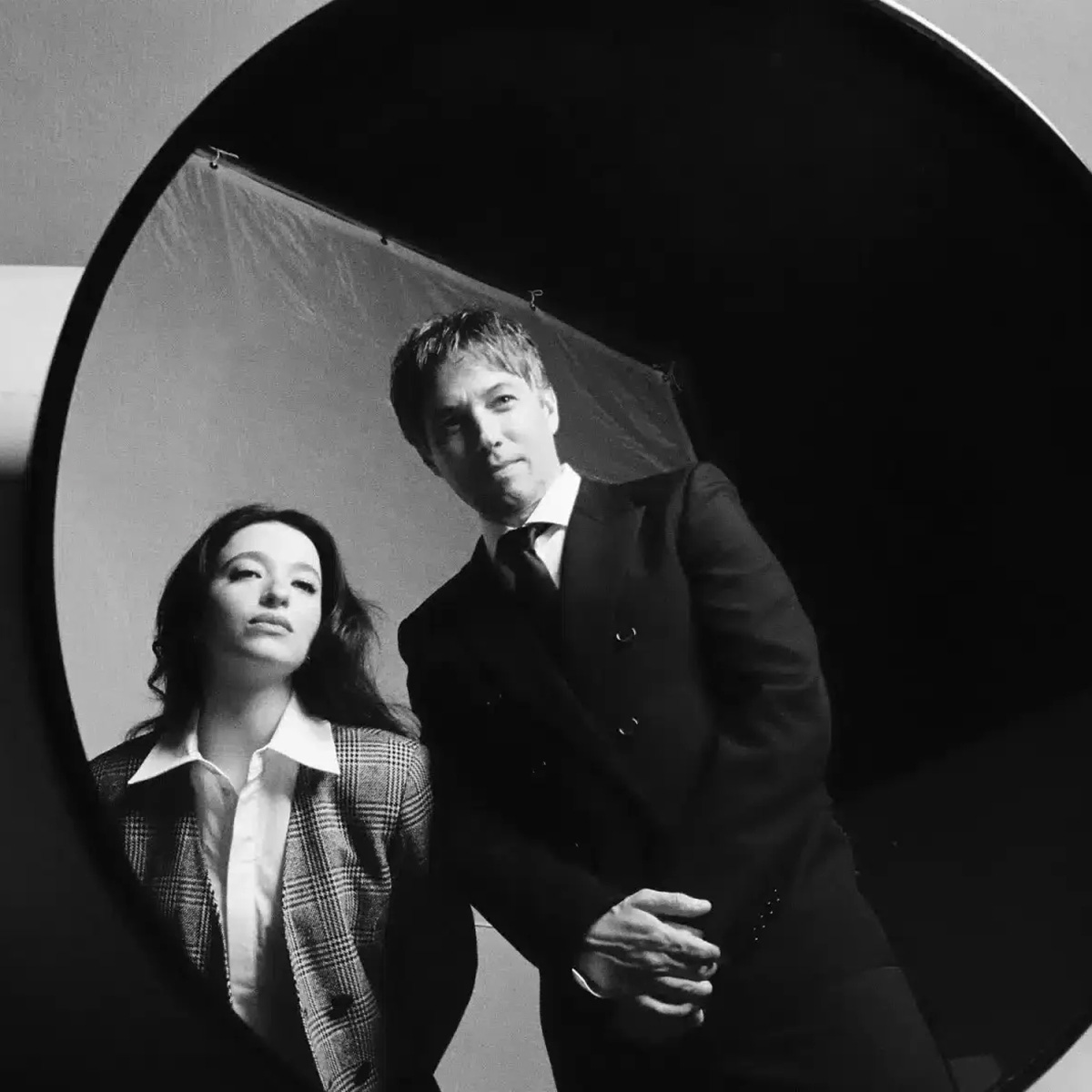
“It was important to me that when someone was watching the film, that they didn’t feel their body go into shock while watching it,” says Victor. “I wanted an audience member to feel quite held.” Sorry, Baby—a drama-comedy that also includes performances from Lucas Hedges (as Gavin, Victor’s neighbour) and John Carroll Lynch—premiered to a rapturous reception at Sundance, launching Victor as an exciting new indie talent, followed by a studio bidding war to get rights for the film. A24 ultimately bought it for a reported $8m. “I didn’t really understand what that experience was,” says Victor, a little winded. “All these press reactions. I didn’t make the film for people who worked in films; I did it for a version of myself that wasn’t a filmmaker yet.”
Victor was born in Paris and grew up in California, leaving to study at Northwestern University in Chicago, where they studied acting, minoring in playwriting while doing comedy improv on the side. Moving to New York, they gained internet fame writing for the satirical feminist website Reductress and creating comedy videos, titled things such as: “when I def did not murder my husband“; “me explaining to my boyfriend why we’re going to straight pride.“ I started making videos because, I was like, no one’s putting me in anything and I want to find a way to make something happen,” recalls Victor. “I’m like, well, I have an iPhone.” I remember seeing some of their videos during lockdown, Victor providing some light relief in the darkness.
During lockdown, Victor left New York—their cousin had left their house in Maine and Victor asked if they could borrow it for a stint. “It was just me, and I was eating a lot of toast and soup, and I was with my cat. I would go on drives and listen to music and sometimes I would do jumping jacks. It was a very intense time. It was so beautiful, I was very struck by the snow and the world,” says Victor, who now lives back in California. “I was very determined to write this film. And I think my desire to do it was coming up against my deep knowing that I needed time to figure out how to do it.”
The atmosphere of its creative genesis is transposed into the on-screen world of Sorry, Baby, which was filmed in Massachusetts in February and March 2024. With rugged beaches with lighthouses, walnut classrooms, Shaker-style buildings, and a haunting score (by Lia Ouyang Rusli) Agnes, who exists in a slow, isolated suspense, feels hermetically sealed. Its visual references—Edward Hopper paintings, Todd Haynes’ Safe (1995), and Krzysztof Kieslowski’s La double vie de Véronique (1991)—are employed with intentional subtlety. I tell Victor that while I know the references, I didn’t spot them, “Oh that’s good,” they respond. Yet despite the snowglobe quality, there was crucially no snow. (Nancy Meyer’s 2006 snowy romcom The Holiday, Victor tells me, had been a more upbeat reference). “We shot it when we’d be the closest to guaranteed snow.” Yet it didn’t appear. “After the last take, it started to snow,” recalls Victor.
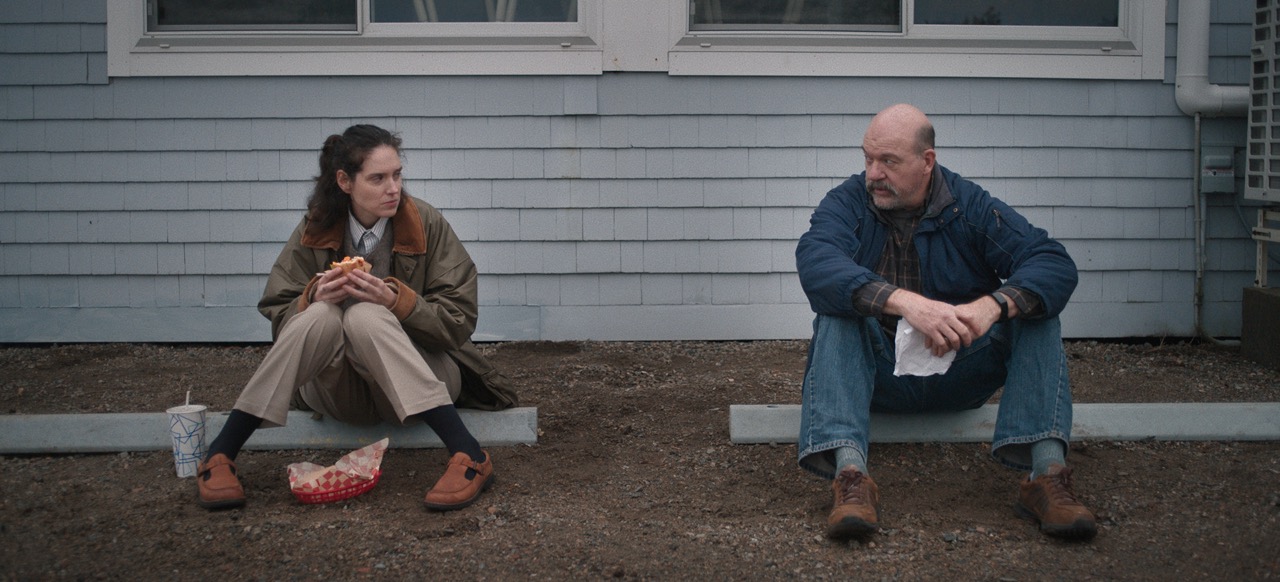
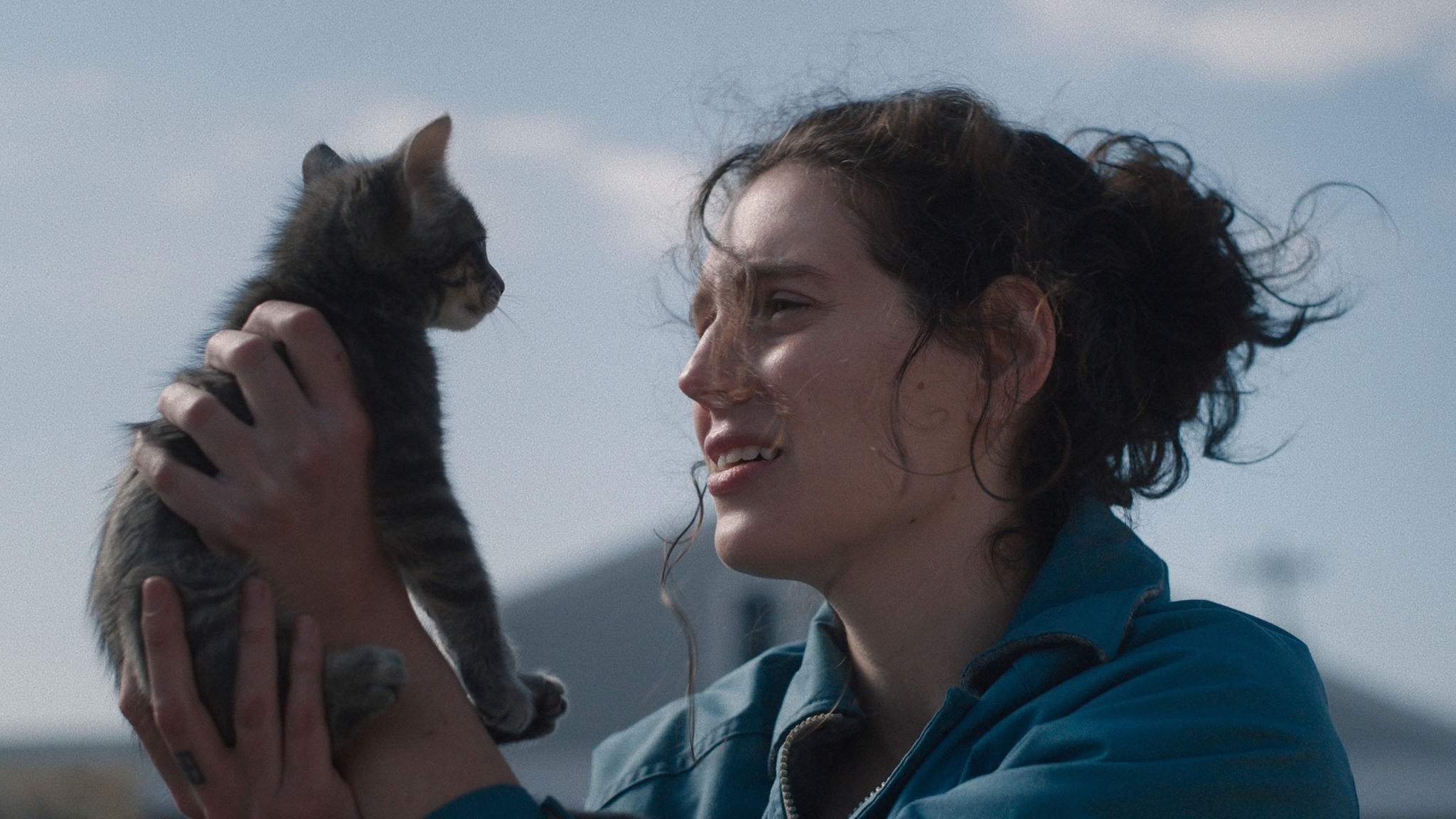
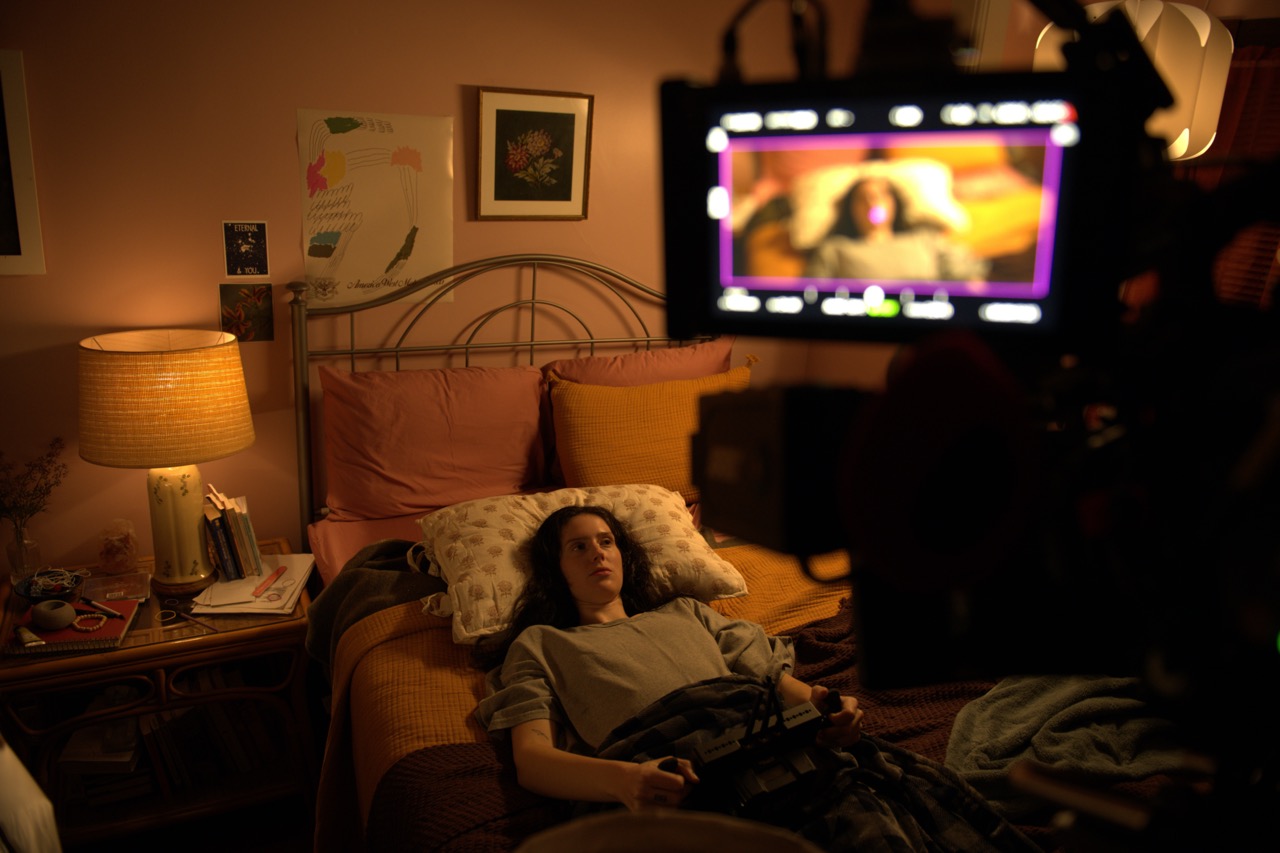
I suggest perhaps the “brown, bare-treed thing” they describe is more fitting for a film about trauma and its recovery that refuses any dramatic narrative of breakthrough. “It’s not very climatic, although it is in little moments,” says Victor, who explains that their editor’s wife, a therapist, said that the way trauma was depicted was accurate. “That always feels really nice.” The “little moments” of Sorry, Baby include a two-hander with John Carroll Lynch, who, after Agnes has a (pretty quiet) panic attack in his carpark, gives her a sandwich from his shack. In the following scene, Olga, Agnes’s cat, leaves a half-dead mouse in her bed, which Agnes has to kill to stop it suffering. A clear symbol of her own vulnerability, I read it as a strange act of self-compassion.
Interviewing Victor—and I am confident this is a metaphor that they’d appreciate—feels at times like chasing a cat around a room. My notes go entirely out the window as we talk about everything from the importance of names (“It matters so much, and then it’s also, like, 9,000 people are named Rachel”) to Amélie (2001), Irish people (“They pass a vibe check”), their cat Clyde (“He’s like a Xanax”), and their For You page (frogs, reasons why he’s really in love with you explainers, and people falling “harmlessly”). When I give them a copy of this magazine in the hotel room, they recall a teacher they had in the fifth grade who got dragged by a bus in Hawaii, and would smell their textbook at the beginning of each lesson. “He had an optimism you can only get from almost dying,” says Victor, sniffing the pages. “You gave me something to look at; you’re going to be annoyed,” they apologise. When I leave the junket, Victor sends me off with a bottle of Italian fizzy water from the hotel room, a present in return.
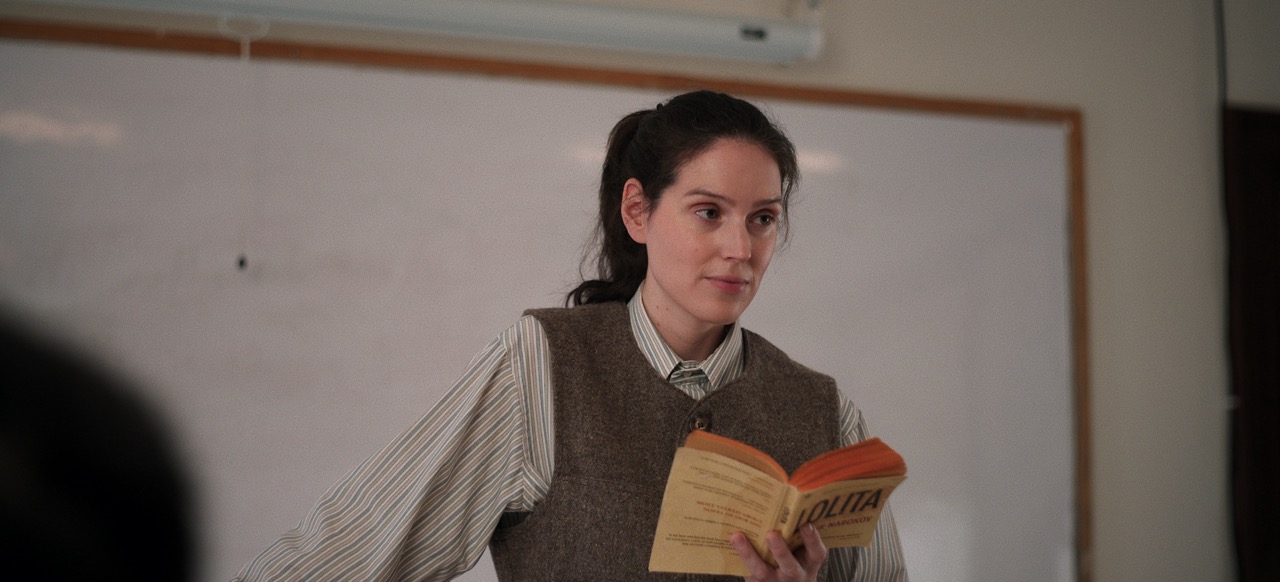
Several times in both of our discussions, Victor describes the writing of Sorry, Baby as a “gift”. From “the gift of that slowing down and privacy” to realising that Agnes’s character would work in the world of literature: I was like, ”Well, now I have to read a ton’, and that was a gift.” Lolita, Vladimir Nabokov’s 1955 novel about a paedophile professor who the reader is forced to empathise with, is a key reference throughout the film. (Professor Decker is roguishly good-looking, like Don Draper with an Ivy League degree.) “I was like, ‘Well fuck, why do I love Humbert? It’s so messed up’,” says Victor. “[Decker] did something incredibly cruel. But also he’s a full person, and Agnes had a creative energy that she shared with him.” Titling the film was another gift. “I used the title as a reward while writing it. I liked that there were two Ys and a comma, which felt literary”.
The full meaning of the title is also a reward for the viewer at the end of the film. Agnes is holding Lydie’s baby, talking to her as if in a mirror. “I’m sorry that bad things are going to happen to you,” says Victor. “You’re alive and you don’t know that yet.” There was initially another ending where Agnes has a complete breakdown. “Like full weeping, like intense catharsis,” says Victor. They went for the more subdued, ambiguous ending. “It’s this really bizarre alternate film”. Keeping the cathartic ending to themself might be another kind of gift. While Victor clearly shares a lot with their heroine, from their deflective, goofy humour to questioning their gender identity, Victor is ambiguous about any specific experiences that led to the making of the film. Regardless, they now, at least, feel distance from their on-screen character. “I’m surprised by how potentially unwell people expect me to be versus how fine I feel,” says Victor.
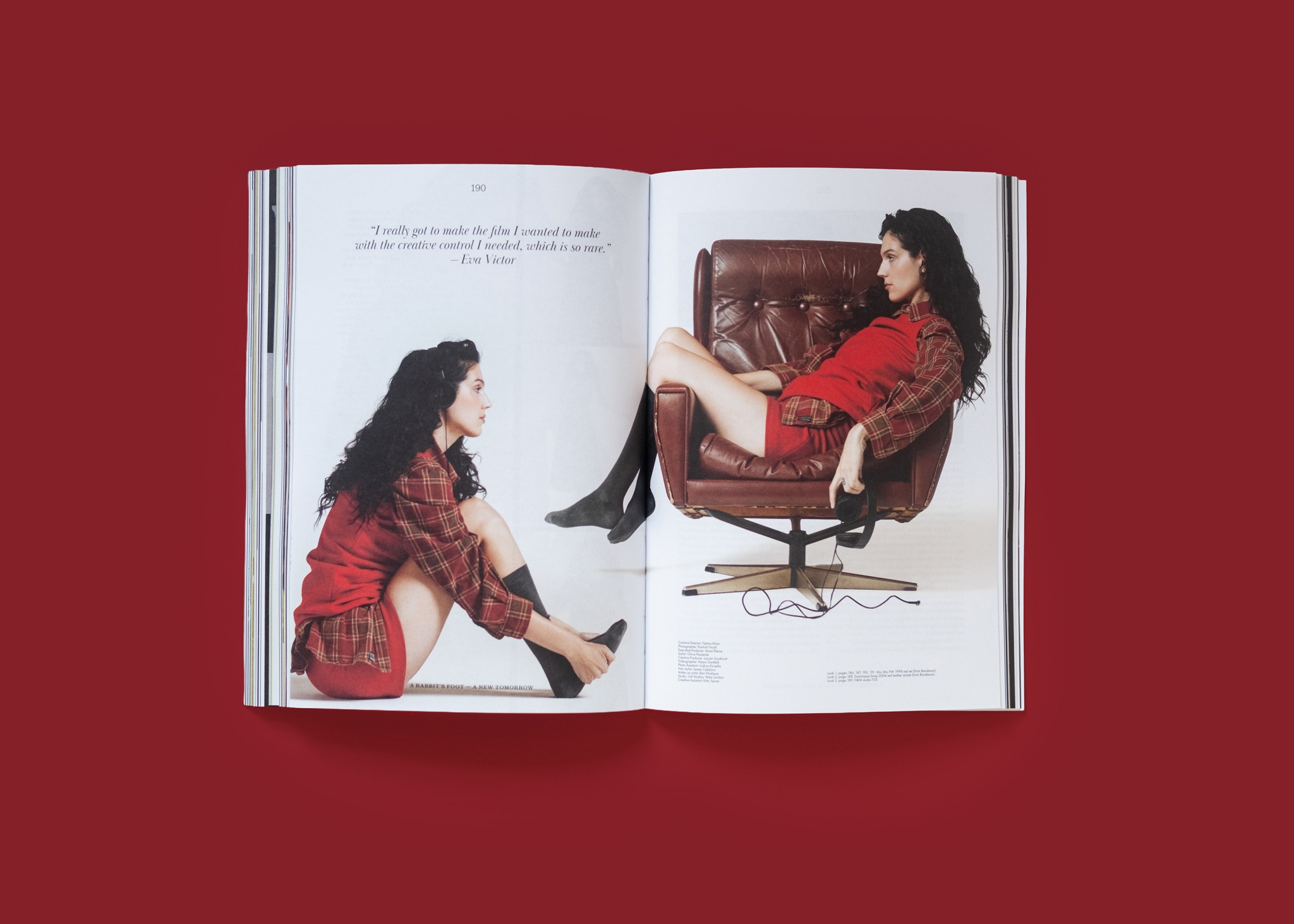
“I’m surprised by how potentially unwell people expect me to be versus how fine I feel. I want to reassure people, like, I’m seriously at peace.”
“I want to reassure people, like, I’m seriously at peace.” As with many first novels, books, or films— whether it’s Sally Rooney or JD Salinger—there is a Bildungsroman quality to Sorry, Baby, a film about the end of youth, that simultaneously announces the arrival of a new artist. “The universe self-selects for you what your first thing will be by saying no to a lot of other things,” says Victor. “I really got to make the film I wanted to make with the creative control I needed, which is so rare.”
In terms of future projects, Victor—who is in town for the launch of a Loewe perfume campaign that they are a face of—doesn’t want to reveal much, but admits feeling “nostalgic for the privacy of writing. There’s this woman on Instagram who moved to a little cottage in Wales and takes baths, like, eight times a day. I want to move to a little fucking cold island. I want to look at birds, not in a bird-watching way, but just in the sky. I want to have a fire going and eat soup. That’s what I want.” The flight back to Los Angeles later that day is long, but Victor—who is stopping off to get Dishoom on the way to the airport—is upbeat. “Honestly, I lie down and it’s amazing.”
Creative Director: Fatima Khan
Photographer: Rashidi Noah
Executive Producer: Anna Pierce
Stylist: Olivia Pezzente
Creative Producer: Lauren Southcott
Videographer: Katya Ganfeld
Photo Assistant: Joshua Kinsella
Hair stylist: James Catalano
Make-up artist: Bari Khalique
Creative Assistant: Kitty Spicer
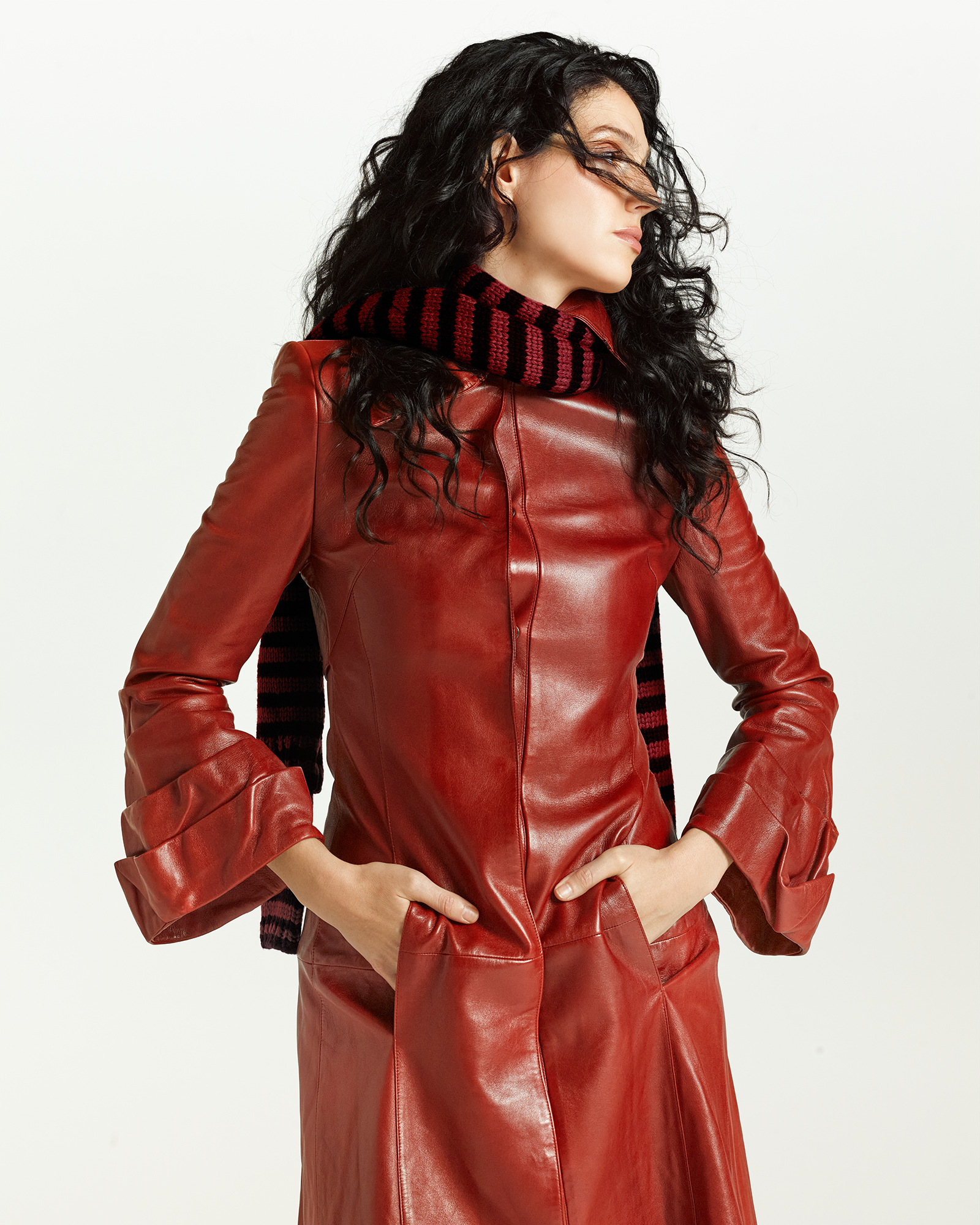
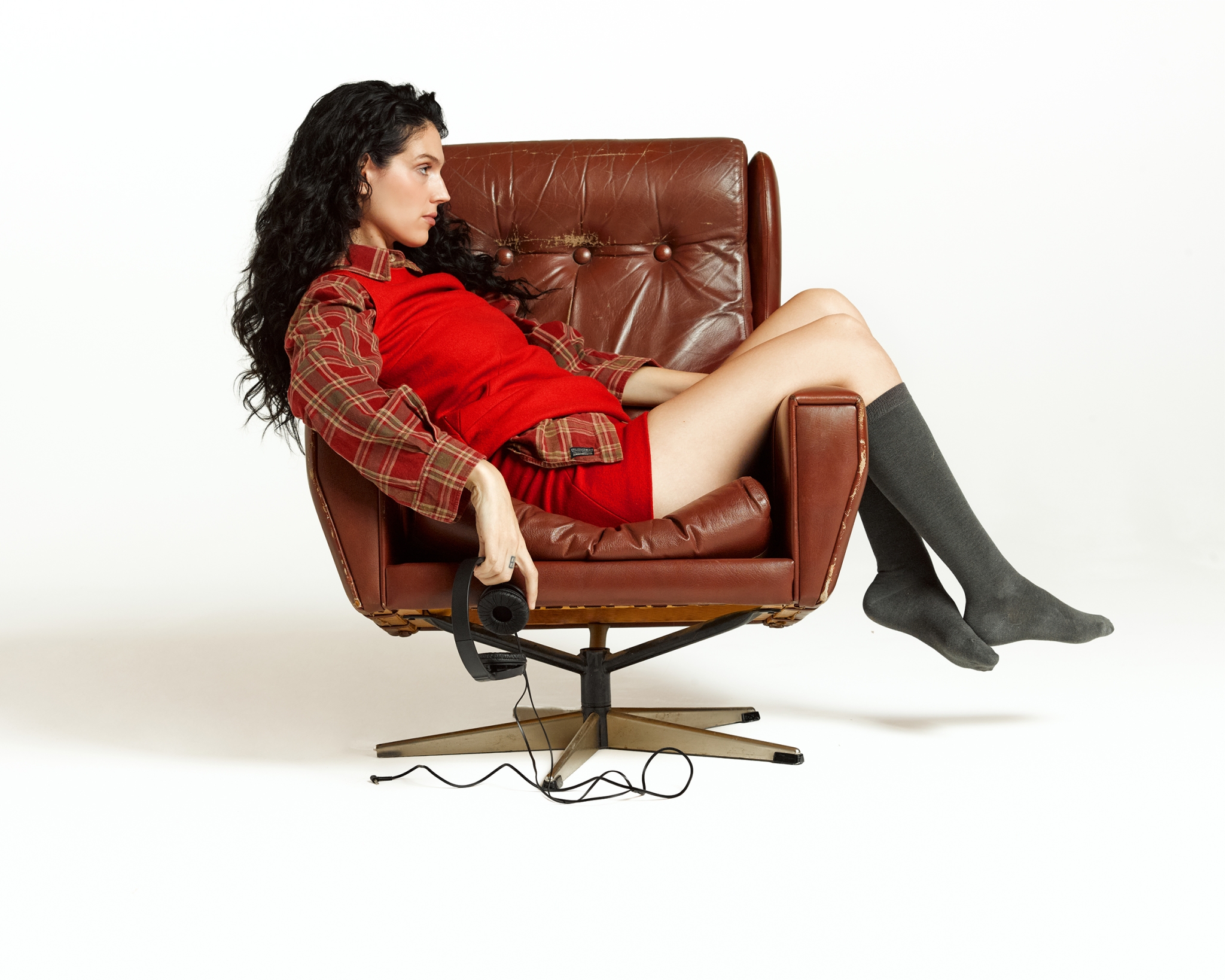
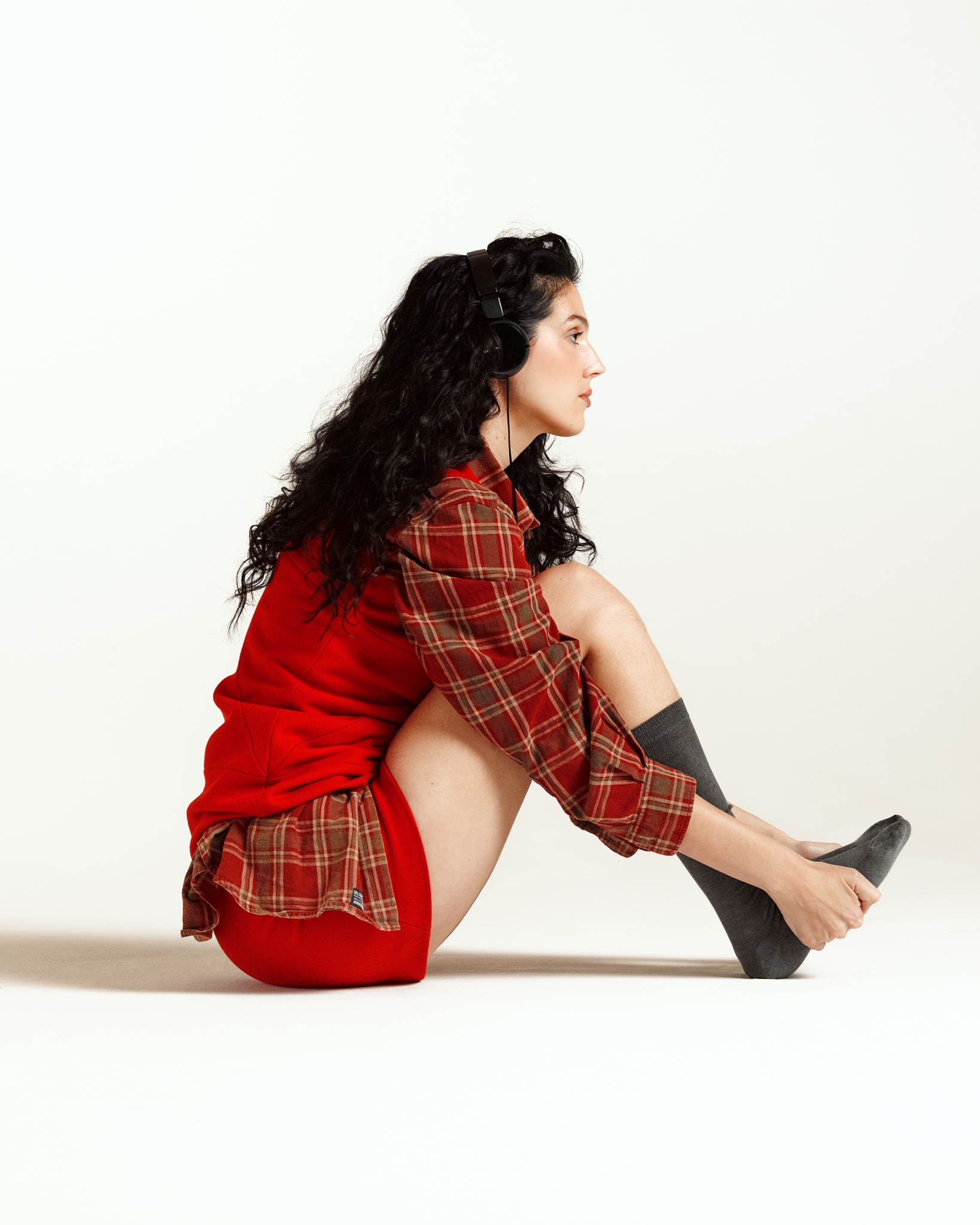
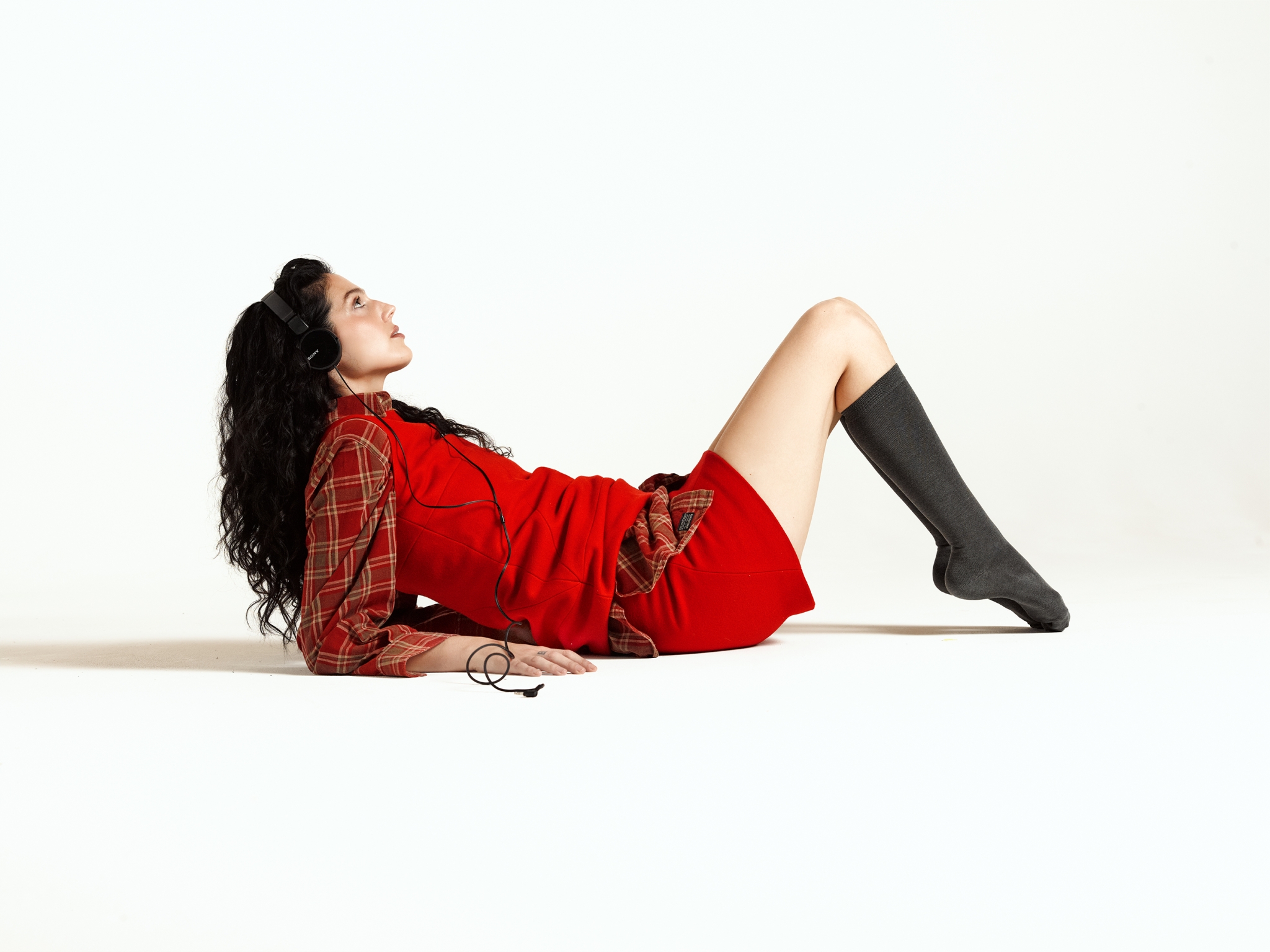
Look 1: Miu Miu FW 1998 red set (from Baraboux).
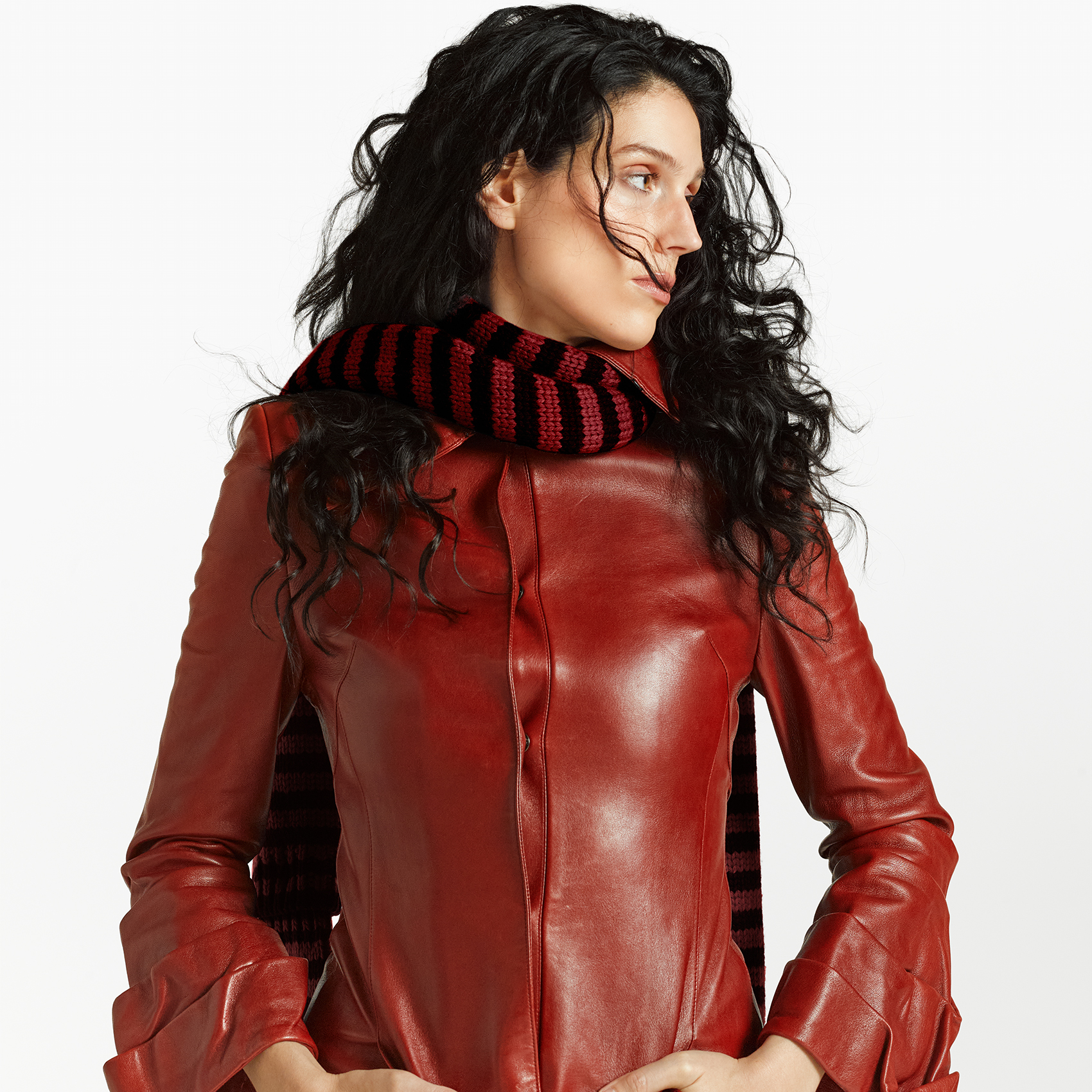
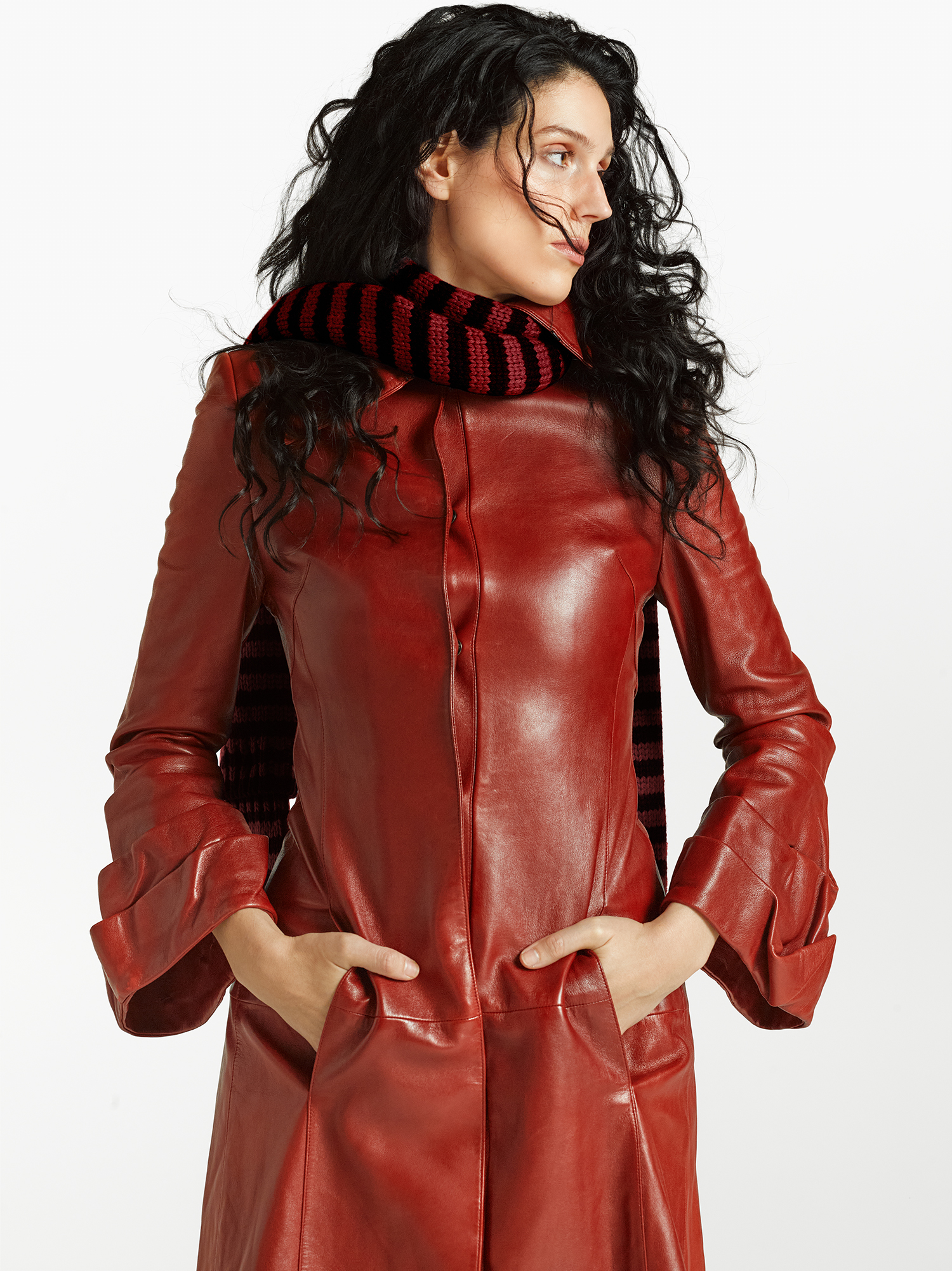
Look 2: Dominique Sirop 2004 red leather jacket (from Baraboux).
Look 3: H&M studio F25.