

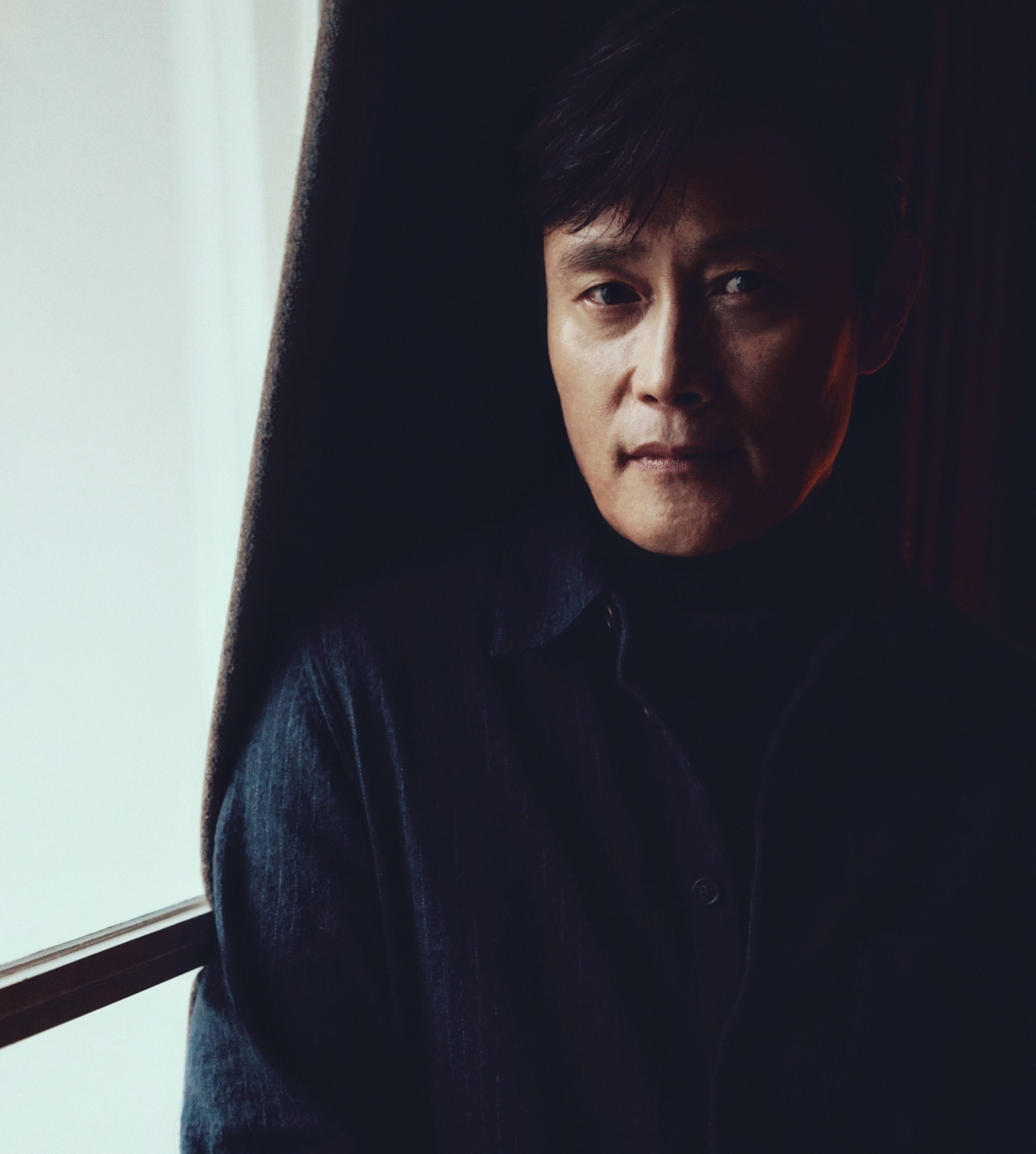
He’s conquered Hollywood, Netflix, and the Korean New Wave. Now, with No Other Choice, the 55 year-old actor proves he still knows how to deliver a career best.
Since debuting on South Korean cinema screens in 1995, Lee Byung Hun has spent the past three decades ripping through the bloodstream of Korean cinema—and he isn’t showing any signs of slowing down yet.
Finding his breakthrough role as a young South-Korean soldier in Park Chan-wook’s Joint Security Area in 2000, Byung Hun quickly found museship with director Kim Jee-woon, together releasing some of the most entertaining and enduring genre films that new-wave Korean cinema has to offer, such as brutal revenge thriller I Saw The Devil (2010), sleek action flick A Bittersweet Life (2005), the outrageously funny ‘kimchi-western’ The Good, the Bad, the Weird (2008), and period spy thriller The Age of Shadows (2016). He would soon catch the eye of Hollywood, going on to appear alongside international heavy hitters Denzel Washington (in Antoine Fuqua’s The Magnificent Seven (2016)), Arnold Schwarzenegger (in Terminator Genisys (2015)), Dwayne Johnson (GI Joe: Retaliation (2013)) and Bruce Willis (in the Red franchise (2010-2013)).
Even as streaming services emerged and sent shockwaves through the film landscape—shifting audience interest from the big screen to the bingeable, at-home viewing experience—Byung Hun has continued to ride the wave. He starred in Netflix’s global phenomenon Squid Game (2021-2025), and, most recently, the animated musical KPop Demon Hunters (2025), which has shattered records as the platform’s biggest hit to date. As I write this, its original soundtrack—a meticulously crafted lineup of K-pop bangers—sits comfortably atop the US Billboard 200, with lead single Golden at number 1 and three more tracks joining in the top 10. “I have mixed feelings about this,” Byung Hun admits, joining A Rabbit’s Foot for a conversation at London’s Rosewood Hotel. “The power of streaming means that shows like Squid Game and KPop Demon Hunters, thanks to those services, receive a lot of love, but the flipside of those services is that they contribute to the fall of cinema… In the far future, when we look back, we’ll be able to say that it caused a huge revolution, whether for good or bad.”
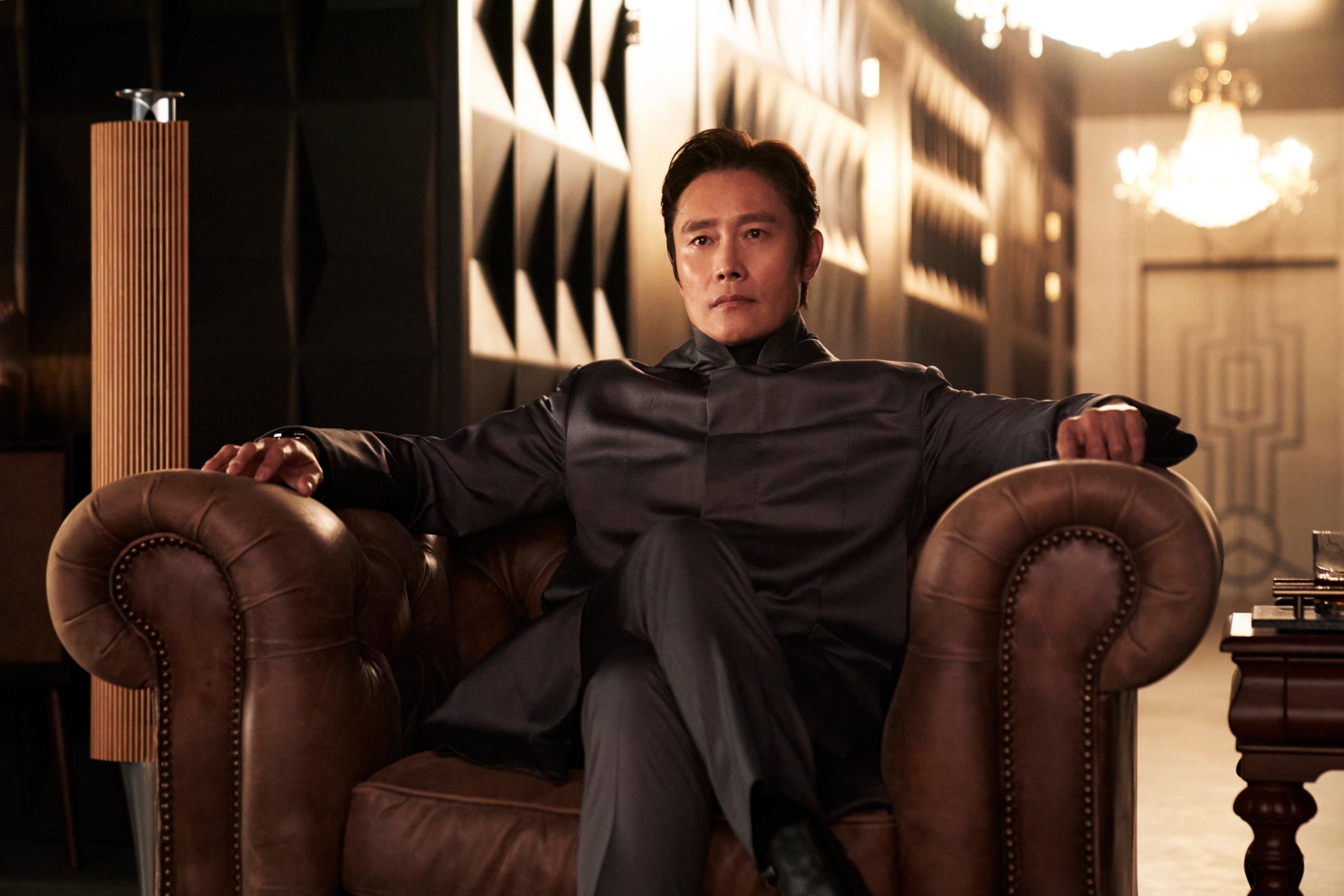
In No Other Choice (2025)—a jet-black satire that sees the actor finally reunite with director Park Chan-wook—Byung Hun proves that even after a career spent conquering everything from Hollywood to Netflix and the Korean new wave, he still knows how to deliver a career best. In the film, Byung Hun plays family man and corporate striver You Man-soo, who, after being fired from his cushy job at a paper factory, resorts to murder in order to secure an upcoming position at another plant. Blending sharp physical comedy with a surprisingly sad sincerity, Byung Hun embodies a man desperate to prove his worth to the very society that both created and discarded him. “In my eyes,” he says, “this is as tragic as a character gets.”
We sat down with Byung Hun to discuss accidentally paying homage to Charlie Chaplin in No Other Choice, his perspective on the success of Squid Game and K Pop: Demon Hunters, and how the passing of time has made him a better actor.
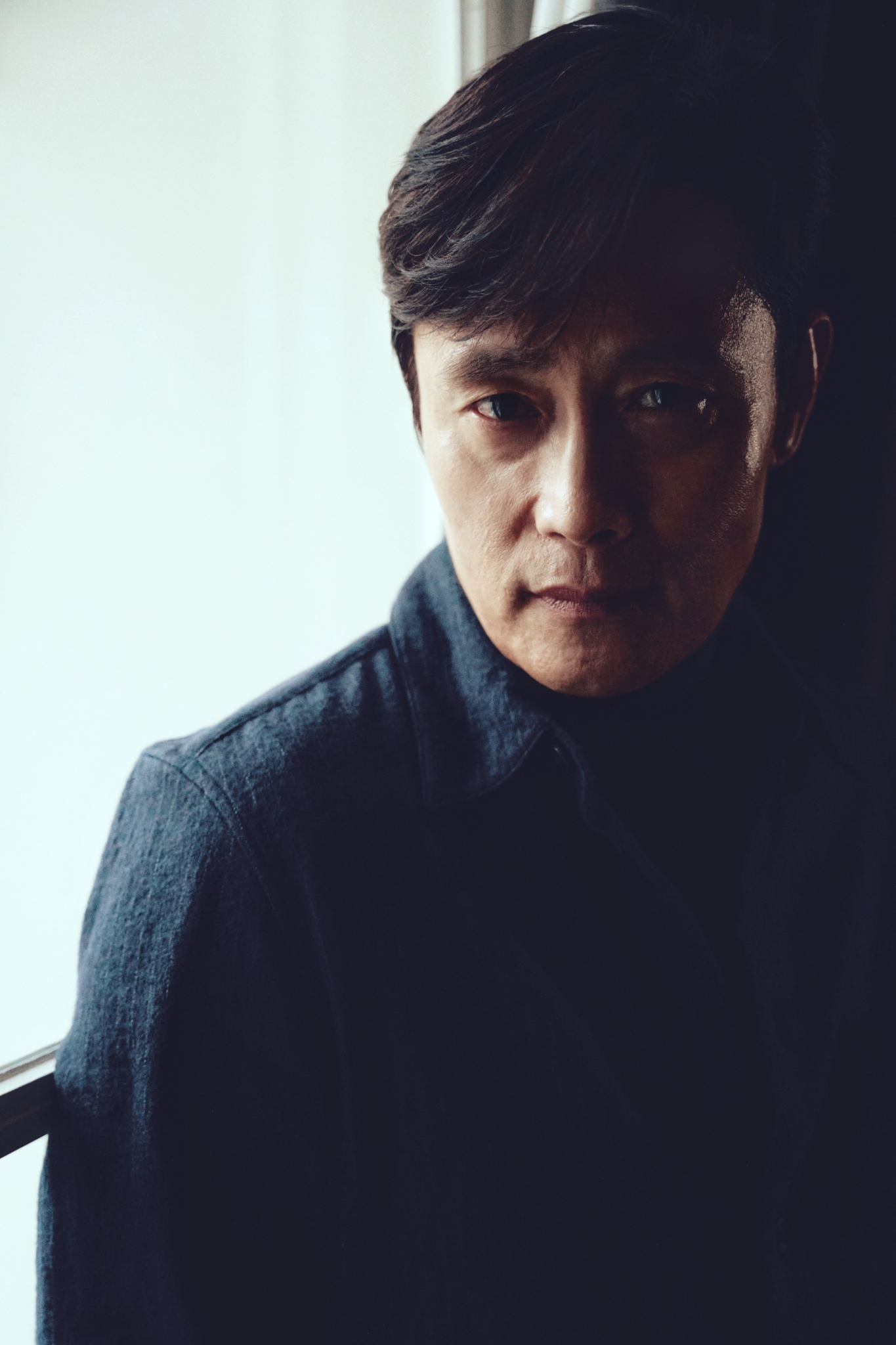
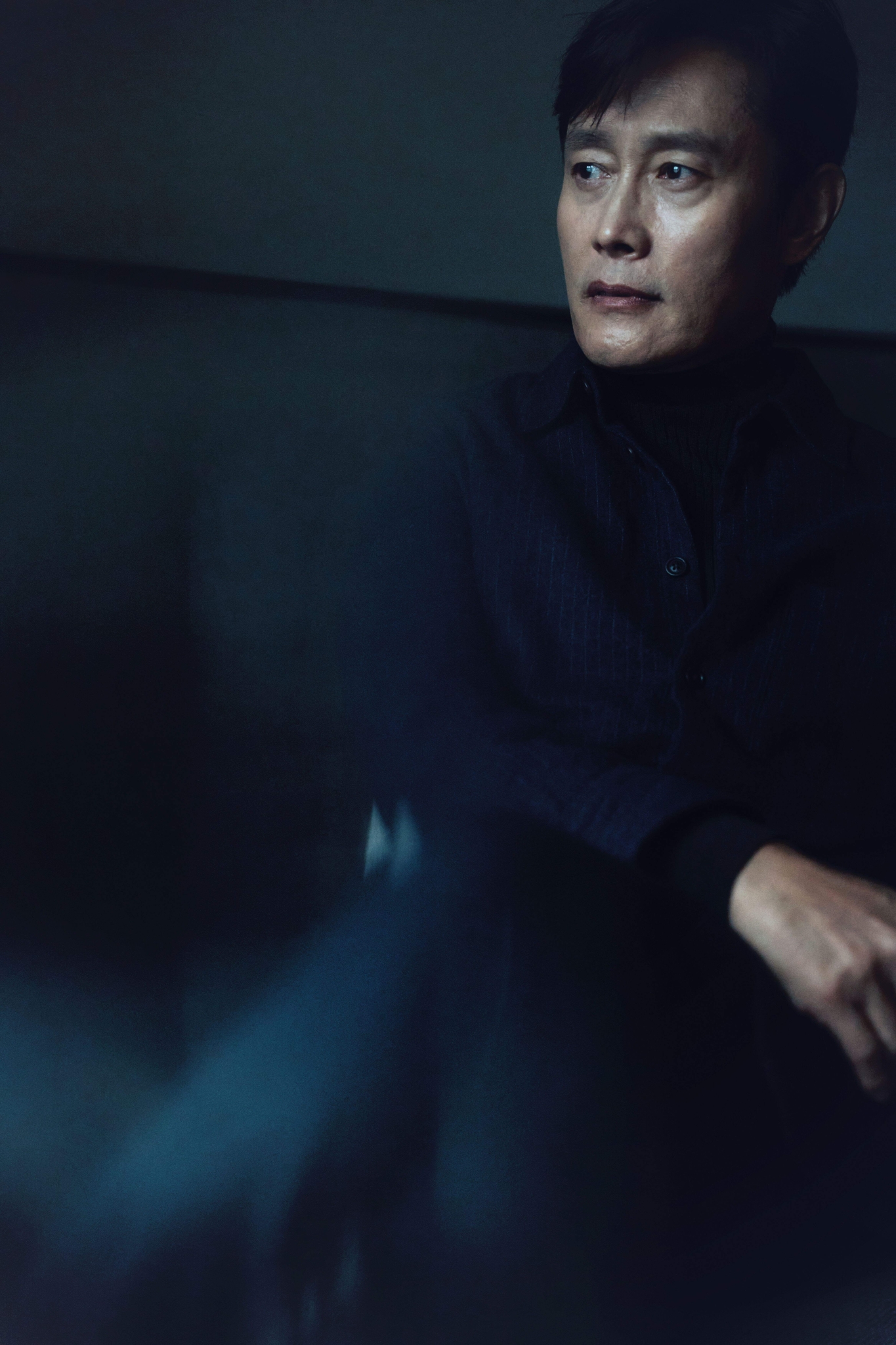
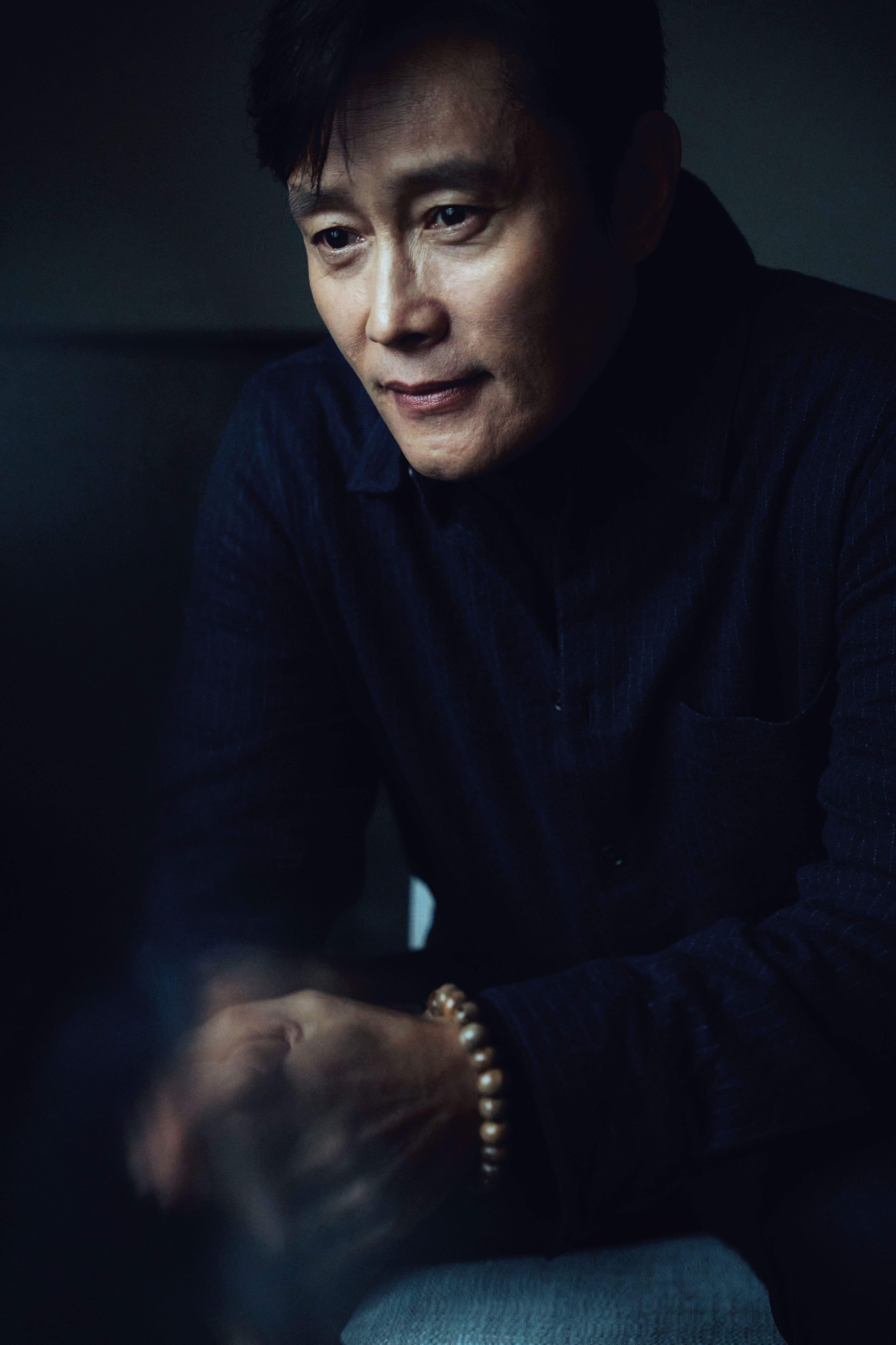


On No Other Choice as a comedy:
Director Park, while he was preparing this film, never once mentioned slapstick comedy. And never did I imagine, while acting in the film, that the character would end up appearing comedic. However, when we shared the film at Venice for the first time, the word ‘slapstick’ kept appearing in journalists’ reviews. I thought, “Oh? Is that what I did?” All I thought I was doing was moving in a way that was appropriate to the situation that I was in while I was acting. The movie certainly has funny moments within it, but when acting, the minute you have the intention of making the scene more funny or entertaining, that’s when you lose the audience and end up going against your own intentions. I was cautious of that during filming. What was really interesting to me is that audiences were comparing the film to Charlie Chaplin’s Modern Times (1936). I thought the scene where Man-soo is wandering around the factory, not sure where to go, really makes people think of Chaplin in that film. Maybe it was also his moustache that did it.
On the tragedy of You Man-soo:
The Man-soo I read in the script is someone who loves his family very much and wants to protect them fiercely. He loves his profession as well. I think that’s very similar to me. To me, acting is a specialist job. If I couldn’t act, then what else would I do? How would I support and feed my family? If I couldn’t work like Man-soo, then I think I would experience much of the same emotions that he’s experiencing in the film. Even still, having lost his job, how could he resort to killing other people? The audience, as they follow his journey and identify with him, at a point they depart from him and no longer sympathise with him. However, for me, I have to wear the character throughout the entire film, so I could never abandon him or refuse my sympathy. Man-soo is heading towards a huge tragedy as the film approaches its end. The first and final scenes are quite circular, opening and closing with him going to work. But by the end, although it looks like a norm has been restored, we know that everyone’s souls have been eaten away and broken down by the journey Man-soo has been on. He never knows when he’ll be abandoned, and has anxiety about this. As the film ends and he leaves the factory corridor, the lights go off behind him one by one, as if the AI itself is kicking him out of the workplace. In my eyes, this is as tragic as a character gets.
“The power of streaming means that projects like Squid Game and KPop Demon Hunters receive a lot of love, but the flipside of those services is that they contribute to the fall of cinema.”
Lee Byung Hun
On love in No Other Choice:
That’s Man-soo. There’s a line of dialogue in the movie which establishes the fact that he married his wife despite her being a divorcee and having had a child with somebody else. He has a huge love for his wife, for his children, for his home, which his father had lost and that he had reclaimed, and for his work. He is overflowing with love and his wife loves him back—however, there’s a scene after the final murder where she embraces him and says something to the effect of, “Why do you have to live so hard?” while holding back her tears. Many audience members interpreted that as her forgiving him and accepting everything that has happened. For me, I interpreted that scene as despite everything that he’s done to protect his family, he has ended up being excluded from them. That scene, for me, was a sad romance.
On the Korean new wave and beyond:
Looking at the history of the Korean film industry as someone who has really experienced its rise, and seeing how K-content has come a long way internationally, I see how from the outside it looks like it has been a massive success. But on the inside of it, I’ve experienced very difficult times. Looking at the Korean new wave and the maturation of the Korean film industry, being able to be a part of that as a working member was awe-striking to me at times, and at other times very precarious and anxiety-provoking.
Currently, the content that we make is loved all over the world and receives a lot of attention, which I’m very proud of, but cinema in Korea is going through one of its most challenging times. So I have mixed feelings about this. The power of streaming means that shows like Squid Game and KPop Demon Hunters, thanks to those services, receive a lot of love, but the flipside of those services is that they contribute to the fall of cinema. Streaming services are new and so it’s hard to find a word to define it as we live through it, but in the far-future, when we look back, we’ll be able to say that it caused a huge revolution, whether for good or bad.
On evolving as an actor:
In acting, as time passes, you can only portray a deeper and wider array of emotions and experiences. This is different from many other occupations. Even without continued training, the passing of time teaches you how to approach the craft with more layers, with more depth. For me, time has been a great teacher of wisdom, and therefore acting.