With ‘Felicità’, Luca Guadagnino & Alessio Bolzoni venerate Luigi Ghirri’s vision of rural Italy



Get unlimited access to all our articles for just £3.50 per month, with an introductory offer of just £1 for the first month!
SUBSCRIBE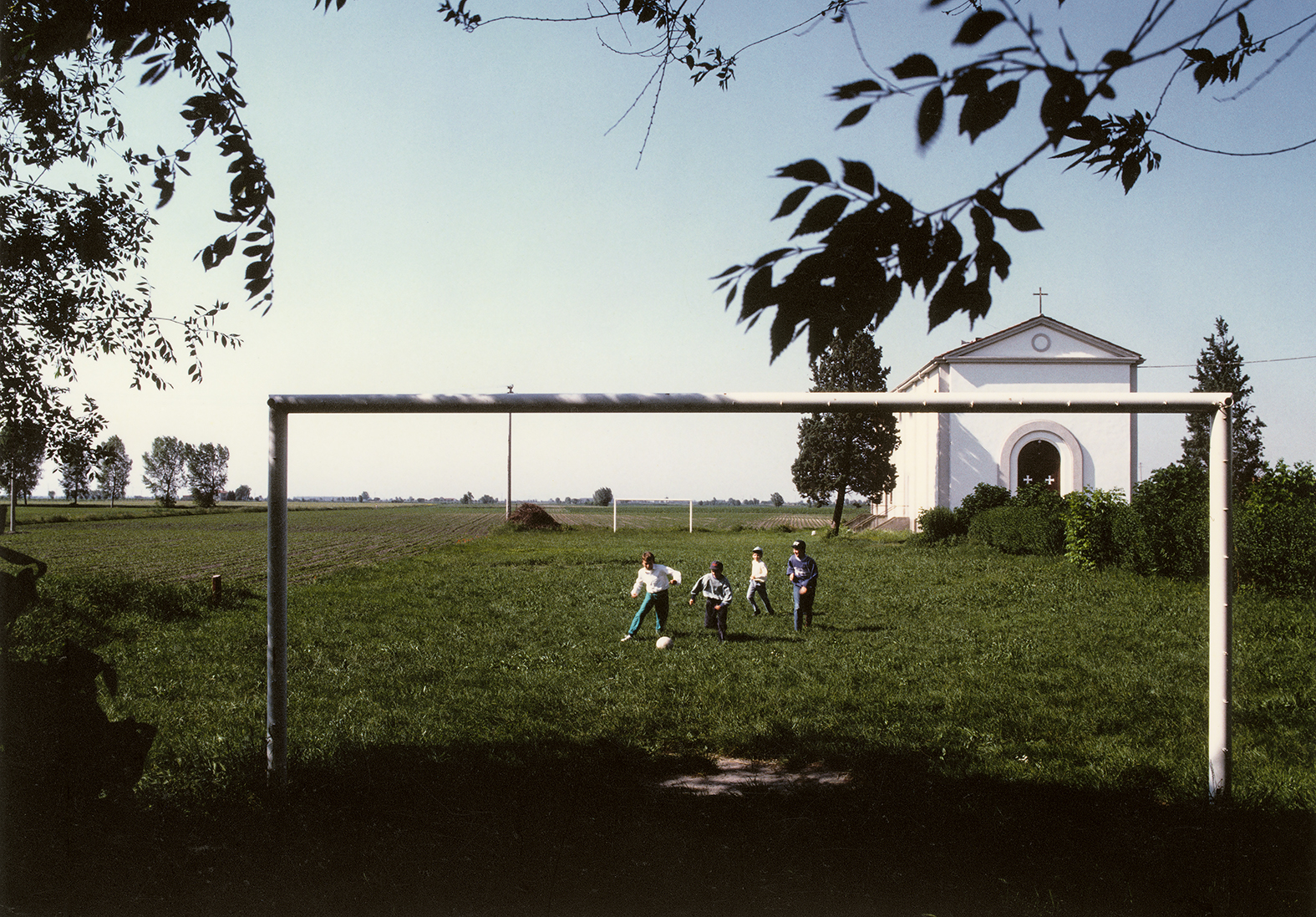
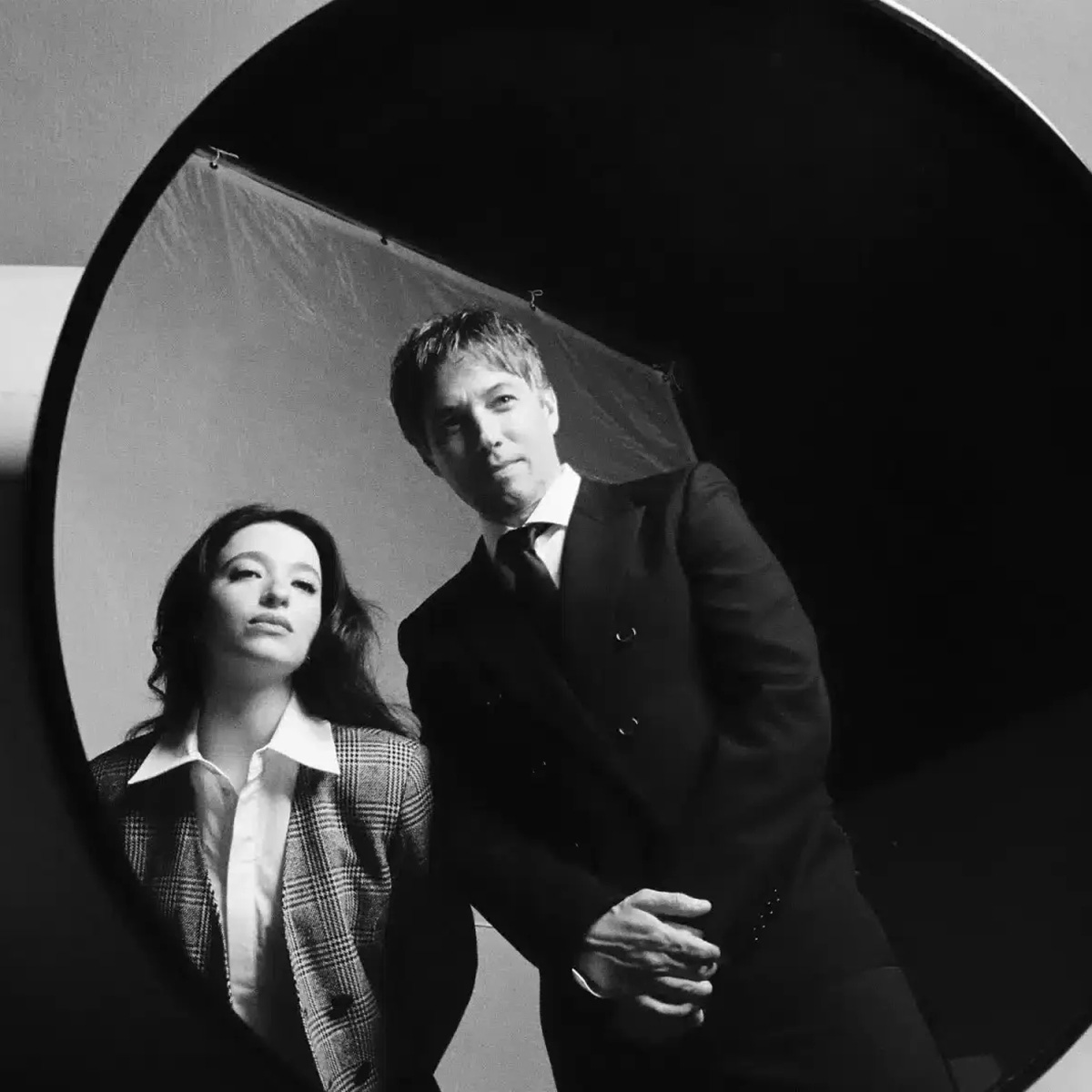
Director Luca Guadagnino and the artist Alessio Bolzoni have collaborated on an exhibition and book—published by MACK—of unseen images and writings by the celebrated Italian photographer Luigi Ghirri. Here we publish an exclusive essay by Ghirri, ‘House, Bridge, Gate’, in which he muses on Italian photography’s dichotomy between town and country.
Casa, Ponte, Cancello
House, Bridge, Gate
‘Maybe we’re here only to say: house, bridge, well, gate, jug, olive tree, window – at most, pillar, tower?’ In these words of Rainer Maria Rilke, all the constitutional elements of a place, of a landscape, are summed up in a simple, almost elementary fashion, like a child’s drawing. But in these words there is also hidden a poetic insight, in terms of describing or remembering place; everything else, the things which are not evoked, seems bereft of importance, as if they have been deliberately overlooked, to show us that, in the end, this is all we really need to inhabit a place.
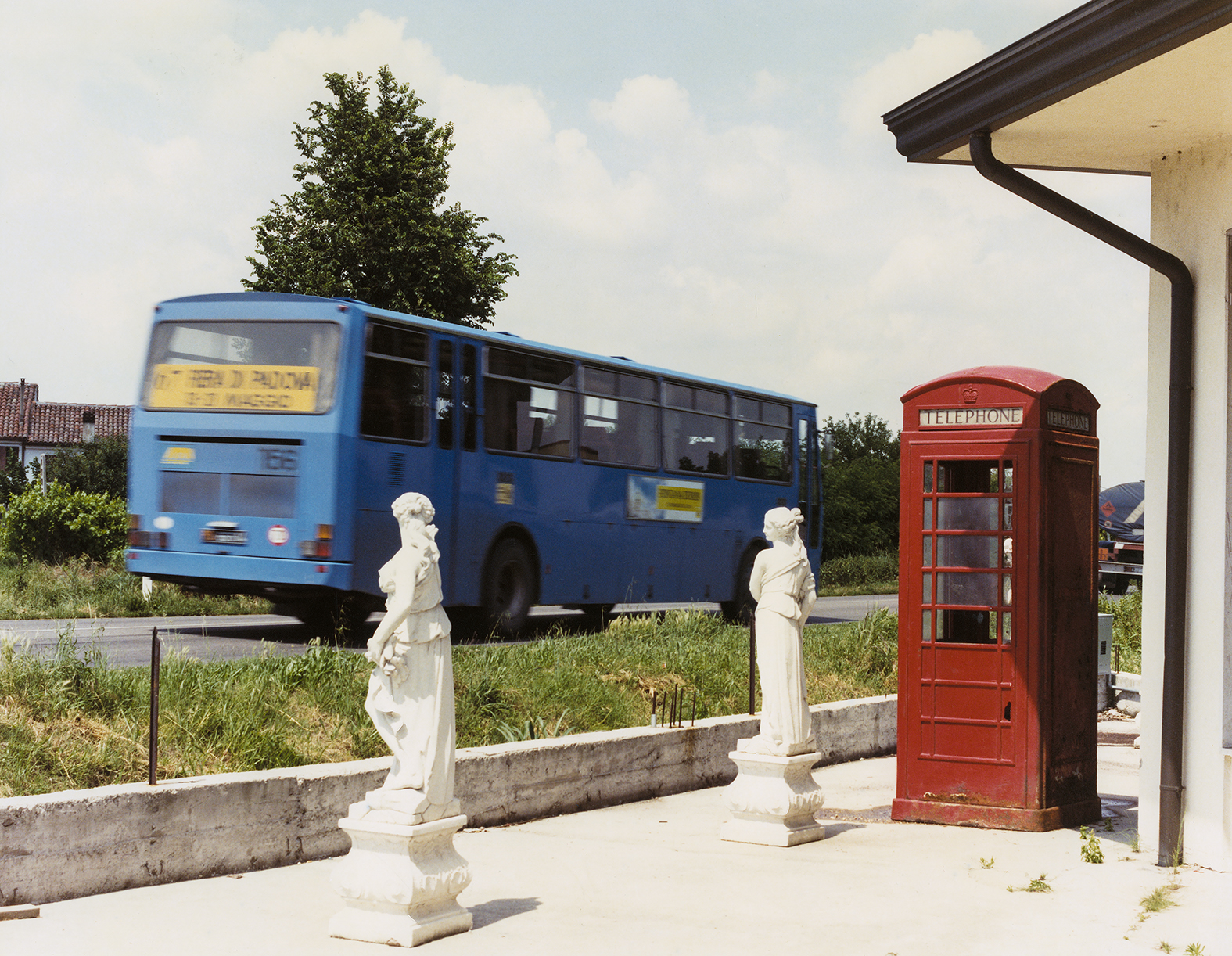
I believe that many of the images that concern the countryside are constructed, and used, according to this scheme, like a kind of classification to relate to a place. But ultimately, this kind of representation is no longer of any importance or interest, as if it belonged to an obsolete aesthetic world. There is a representational void that marks the Italian countryside as a forgotten, non-existent territory – and perhaps it should be read through this lens of irrelevance. It is a landscape used as a backdrop for the collective memory, whether for happy recollections, or those of deprivation and poverty – an old world which no longer evokes anything for the citizens of modernity. And what if we were no longer able to describe this world? Or if the only possibility left was to represent the void itself? In fact, apart from a select few, most images are monstrous clichés; there are no contemporary images of the world of agriculture, and no attention is paid to the modern landscape or environmental landscape.
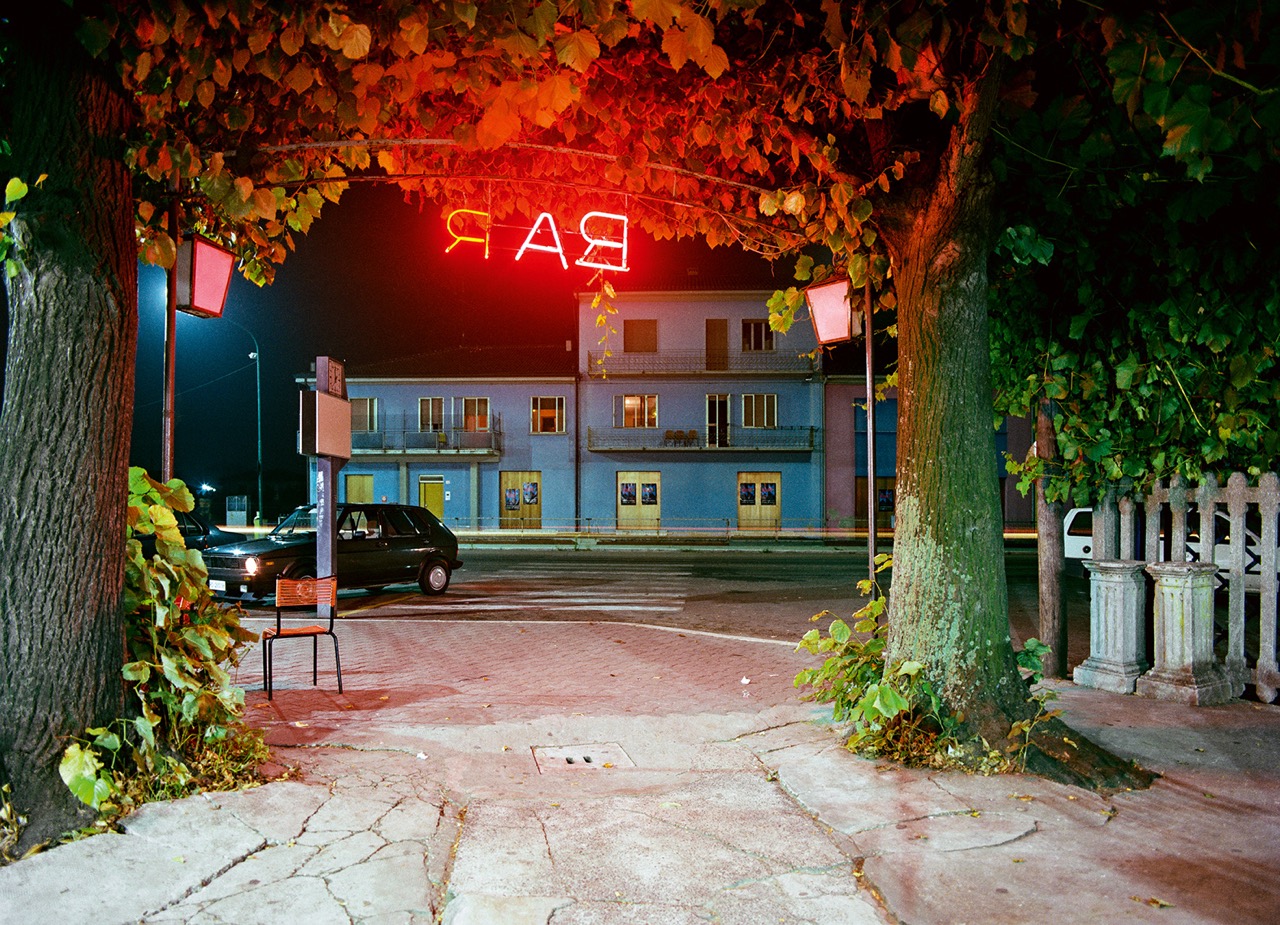
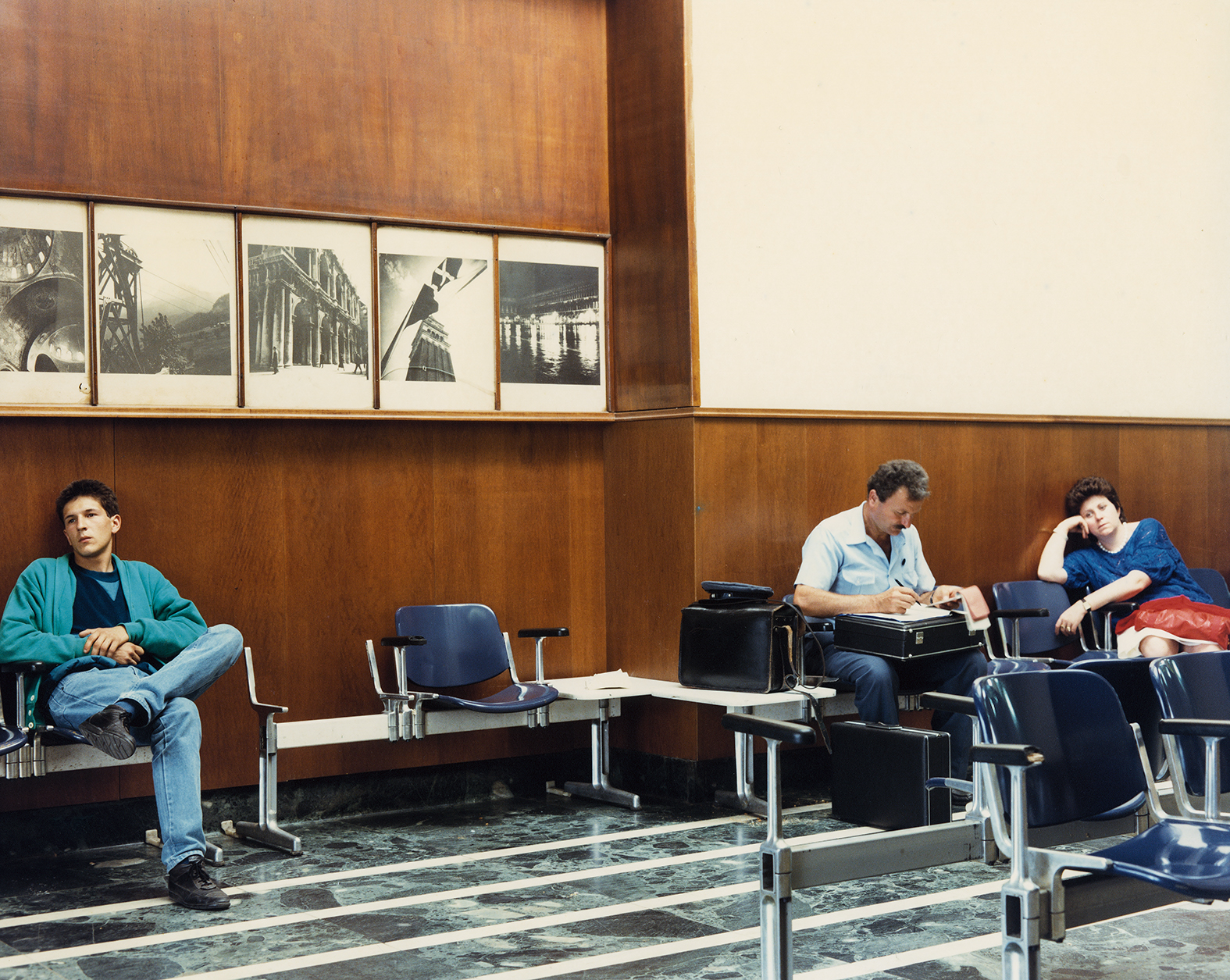
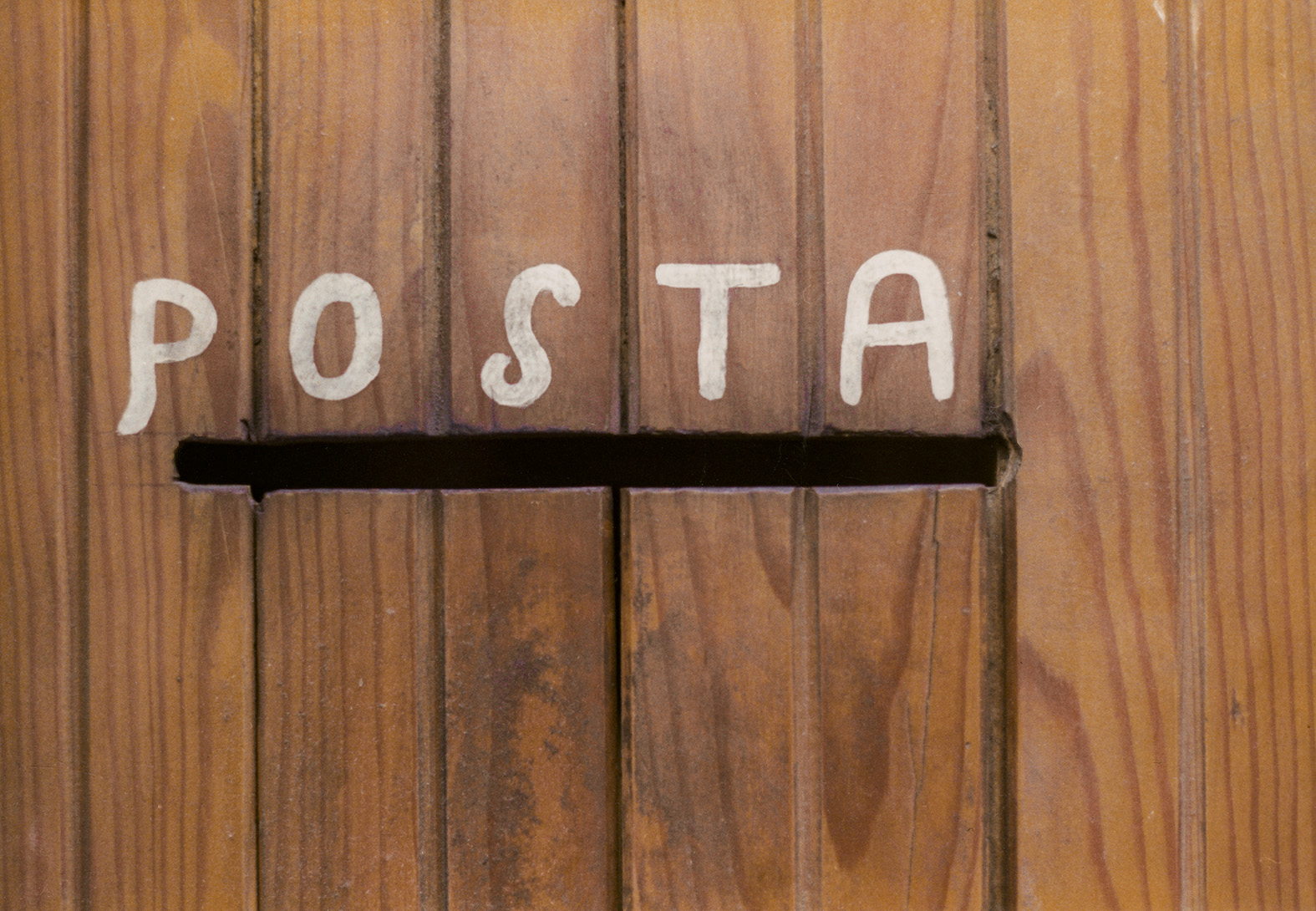


You could argue that we have photographs of tractors trawling up the Tuscan hills against a background of fourteenth century steeples, and that we have images of field irrigation and modern, orderly vineyards, that we have images of farmers working the fields, and just a little further on, right behind them, industrial chimney stacks.
And yet, all this does is underline the ‘inevitable contrast between the old and new worlds’ which, along with the geometry of the new countryside, the monochrome patchwork of fields, is nothing more than synthetic texture: an exercise in graphic art and amateur sociology. The point I’m trying to make is that photography of the Italian countryside makes no attempt to address the underlying structure of life and work, and therefore, in response to the transforming landscape, it is merely a form of photography that’s endlessly in search of imagery that might reassemble, piece by piece, a primordial landscape; or, as mentioned above, the images become crude symbols of the contrast between the tranquility of the fields and a threatening, disturbing industrial development – ultimately confirming the stereotype of a place, obtained through the stereotype of photography itself.
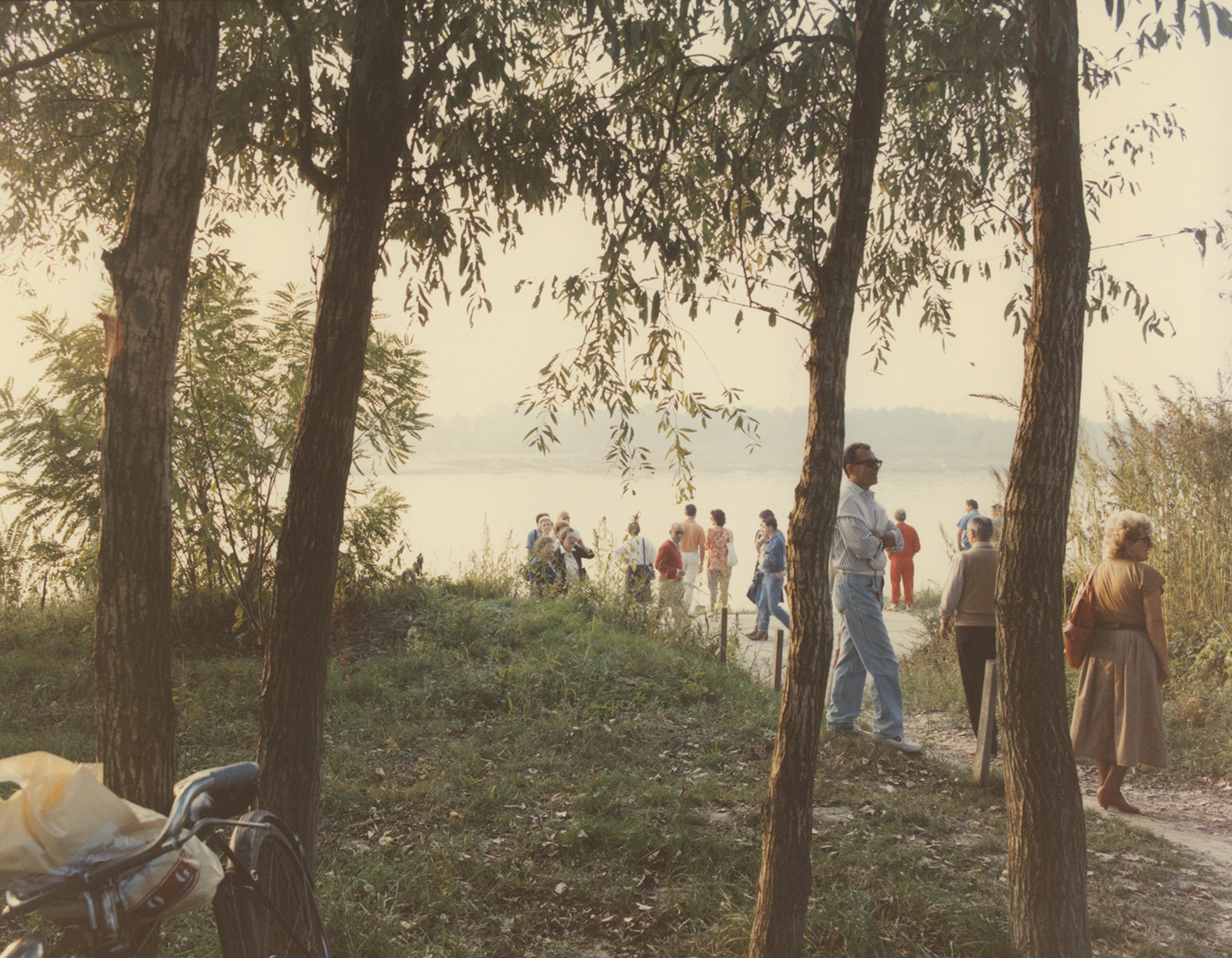
Luigi Ghirri, Verso la foce, 1988–89, from Luigi Ghirri Felicità by Alessio Bolzoni & Luca Guadagnino (MACK, 2026). Courtesy of the Estate of Luigi Ghirri and MACK.
There is a representational void that marks the Italian countryside as a forgotten, non-existent territory – and perhaps it should be read through this lens of irrelevance. It is a landscape used as a backdrop for the collective memory, whether for happy recollections, or those of deprivation and poverty – an old world which no longer evokes anything for the citizens of modernity.
This impasse we have reached, this inability to draw new figures or to find new formulae, also belongs to other languages, and reveals an incapacity to come to terms with the world – as if we have been contaminated by metropolitan aesthetics, and are no longer able to appreciate other landscapes. This is the debt we must pay to modernity – to live in a world where our ability to know, see, and hear is ordained by the universe of information, rather than by relationships and reflections on our way of living. When Marshall McLuhan, in his media theories, alluded to the ‘global village’, I began to think that distances would be reduced, differences dissolved – even the dichotomies between aesthetic worlds and cultures. I don’t mean this as a trivialisation or a reduction of the world, but rather a perception and expression that might reach beyond the barriers of cultural geography. I thought it was the beginning of a new way of relating to the world, stepping beyond the trappings of categories and filters. Ultimately, these separations – these spatial contrasts between town, countryside, city, village, as between different ethnic groups – are nothing but the leftovers of a larger and deeper problem, which remains the fundamental concern of every kind of representation, tale, or image:
From my village I see as much as you could see of the universe from Earth. So my village is as big as any other land, for I am the size of what I see… Fernando Pessoa
Terre in vista! [Land ahoy!], Bologna 1989
Luigi Ghirri, Felicità is at Thomas Dane Gallery, London, from 23 January to 9 May 2026. Luigi Ghirri Felicità by Alessio Bolzoni & Luca Guadagnino is published by MACK.