Who are the future stars of classical music?



Get unlimited access to all our articles for just £3.50 per month, with an introductory offer of just £1 for the first month!
SUBSCRIBEHerbert Music founder Daria Challah introduces five of the most exciting musicians working in classical music today.
A new generation is here.
A new generation of composers are bringing new and exciting ideas into the world of classical music, transforming it into one of the most exciting genres to discover today.
The old guard resists. They cling onto their wigged men—no coughing please, no clapping, breathing please very quietly, preferably only in the breaks—and, through their self-suffocation, they have stifled the perception of this music.
But classical music is alive. It’s music that wants to make you feel; it’s music that gives you space—to think, to dance. It can challenge you, soothe you, engulf you. Its tapestry is textured and laced with stories and voices that influenced its creation over 200 years ago—and voices that continue to influence its existence and will influence its future.

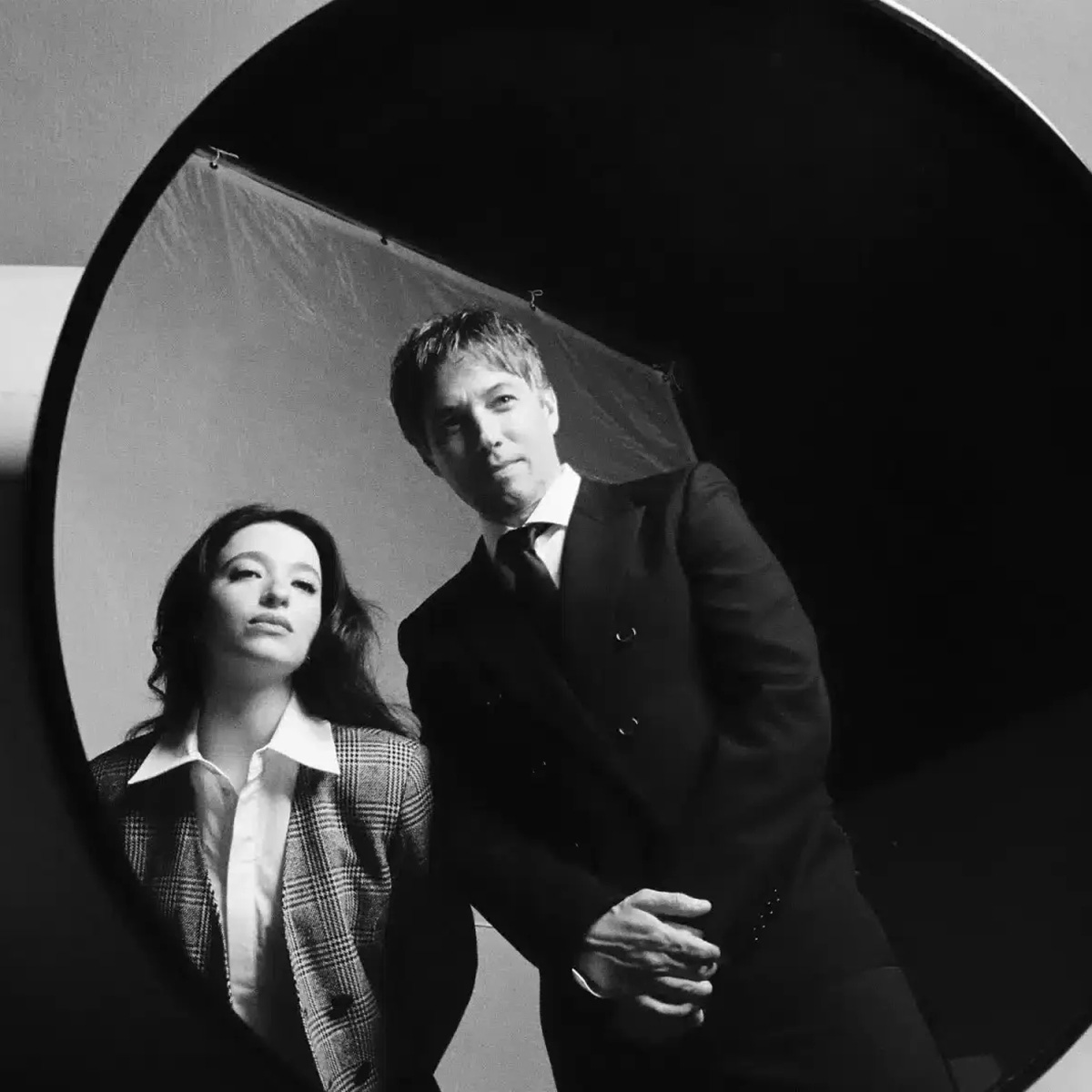
Daria Challah, 2025. By Sequoia Ziff.
This idea of classical music is what drove me to start Herbert Music, a social media channel dedicated to the discovery of classical music, its history, and its newest voices. My work has also shown me the vast ways in which artists have continued to engage with this music—from sampling in 1990s hip-hop to forming core sounds of well-loved artists such as Sigur Rós, Devonté Hynes, and Laufey (to name only a few).
And now its colours, intentions, and ways of being are best expressed through its emerging voices. Here are some of them.
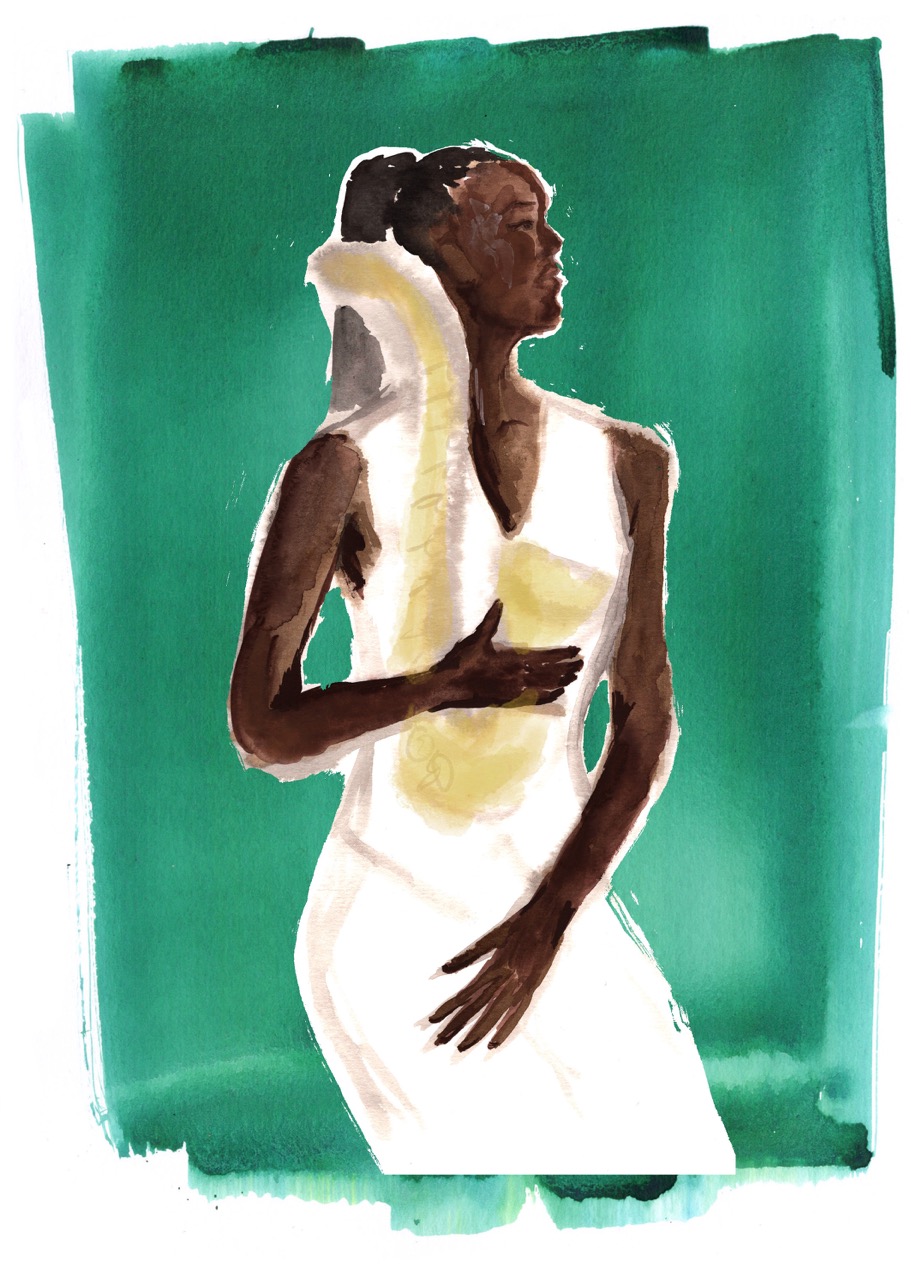
British composer and saxophonist Cassie Kinoshi builds stories into classical music that have never existed before. But because she, herself, builds them triumphantly and proudly, it feels as though they were always there. Her work celebrates cultures and peoples whose stories are part of our collective identity. She is the founder of Seed, a 10-piece jazz ensemble that integrates the sounds of West African and Caribbean music, representing Kinoshi’s heritage and also the sounds that make up contemporary British culture.
I came across Kinoshi through her piece If She Could Dance Naked Under Palm Trees (2025), a two-minute symphony that was commissioned by the London Symphony Orchestra. This piece was inspired by the Nina Simone song Images (1966), which takes its text from the 1926 poem No Images by Harlem Renaissance writer William Waring Cuney. Before turning to jazz, Nina Simone wanted to be a concert pianist. She studied at the Juilliard School of Music but was then denied admission to Curtis Institute of Music because of racial prejudice. But baroque and classical music never left her way of playing, or composing for that matter. Cuney’s poem explores racial tensions in America, speaking to the dominance of Western European beauty standards and their consequent effect on the self-image and self-acceptance of Black women. He references the lack of representational imagery while creating his own and in it a call to these women to celebrate themselves.
Kinoshi’s symphony does the same. In many ways, it could be seen as a space created for this self-celebration and acceptance. The sound is full and rich. Brass instruments take a big role and the colours of the orchestra feel fanned out, which allows a sense of space for the listener and a promise of something better. Kinosh’s music is deeply evocative and important. Even though she may have released less classical music than many on the list, in this two-and-a-half minutes of music, Kinoshi sets herself up to be one of its most exciting new voices.
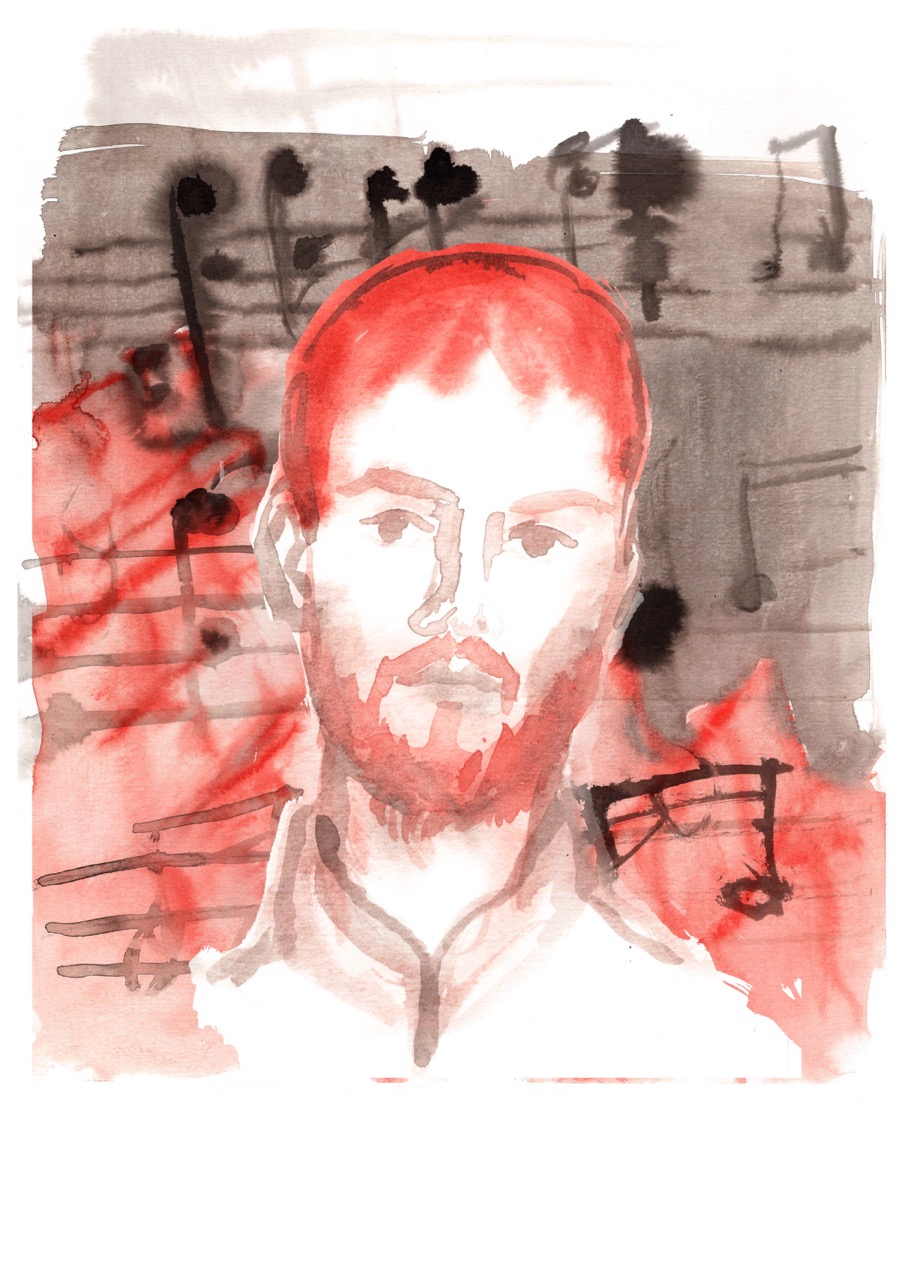
British composer Oliver Leith might be the most enigmatic on the list but it’s hard to tell whether or not that’s his intention. Leith is probably best known for his opera Last Days, which debuted at the Royal Opera House in 2022 and will be returning for a reprisal this December. The conceptual work tells the story of Kurt Cobain, as inspired by filmmaker Gus Van Sant’s fictional account of the end of the musician’s life in Last Days (2005).
Leith transforms opera into something that bears the signs of mainstream cultural relevance—its subject matter, its length (90 minutes) and its costumes, provided by Balenciaga, as well as a good portion of controversy led by the Cobain estate. I only came across Leith much later through a recorded version of a piece from the opera called Non Voglio Mai Vedere Il Sole Tramontare. It is a soaring, brave, sometimes uncomfortable piece of music featuring Caroline Polachek’s piercing vocals.
It was also featured as part of an album called Metamorphosis (2024) by 12 Ensemble—an innovative, artist-led London orchestra that champions new music and collaboration, whose energy and projects also deserve a special mention here. This Metamorphosis groups together music by Richard Strauss and young British composers, all bound together by a theme of transformation. Leith is unselfconsciously driving important changes in both the live expression and recording of classical works, and I have a feeling his best is yet to come.
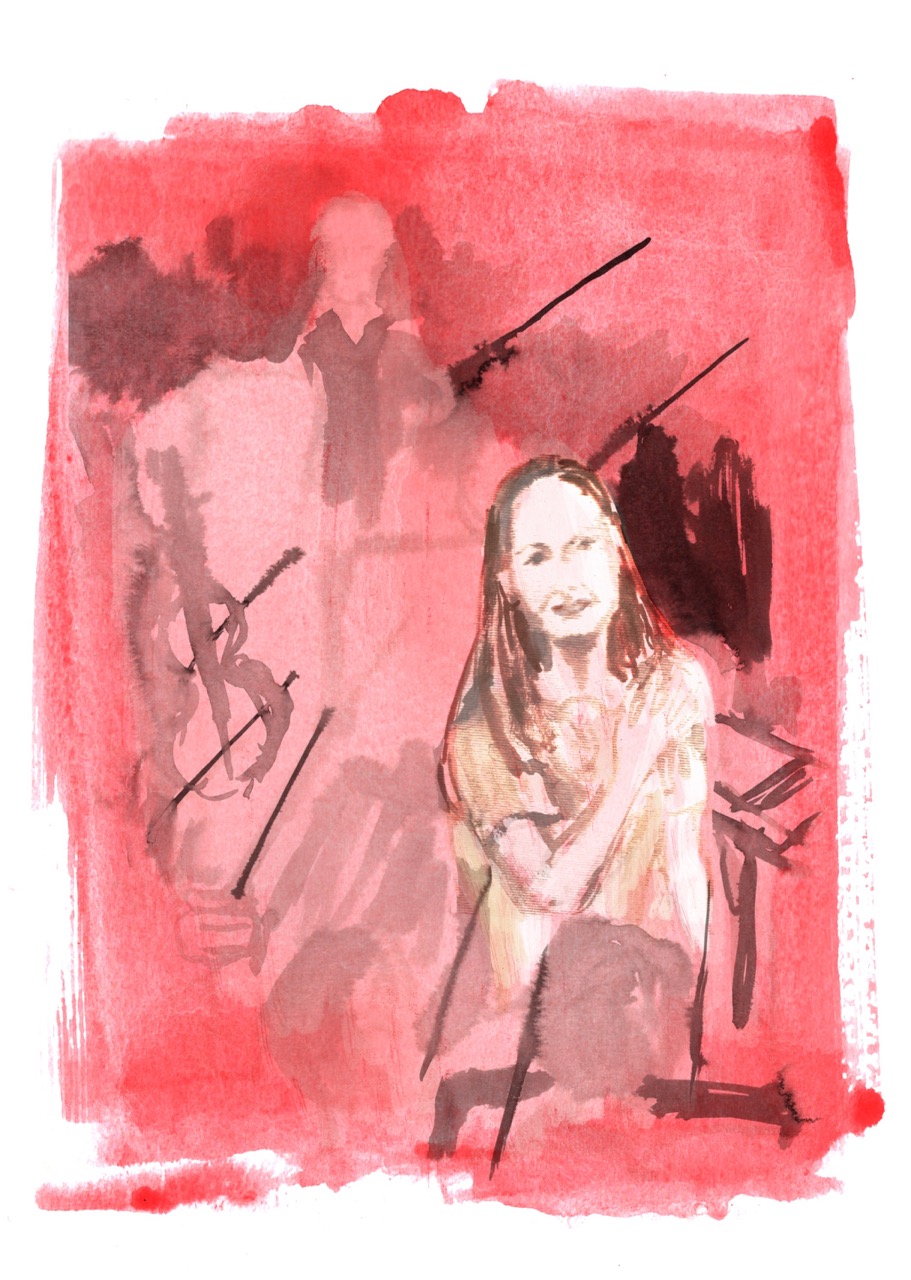
Sophia Jani is an honest and self-reflective artist. As a female composer in a male-dominated field, Jani is more drawn to understanding what’s missing from the main canon of classical music and how she can contribute to new feelings and expressions in this tradition as a woman writing in the 21st century. This approach creates an urgency and intellectualism in her music that’s exciting and hard to catch in equal measure.
Her music feels tied to her own personal evolution and self-reflection, no better expressed than in the album Music as a Mirror (2022), which feels not only like a personal companion to her own exercise of self-reflection but also an offering for us to use for the same practice. The album almost imperceptibly takes you through many twists and turns—almost like a timelapse. It’s also quite amazing how much ground Jani covers. She has pieces for woodwind quintet, string quintet, piano—instruments are grouped together and released from each other after they’ve been used to express the unspoken thing that might have been missing before.
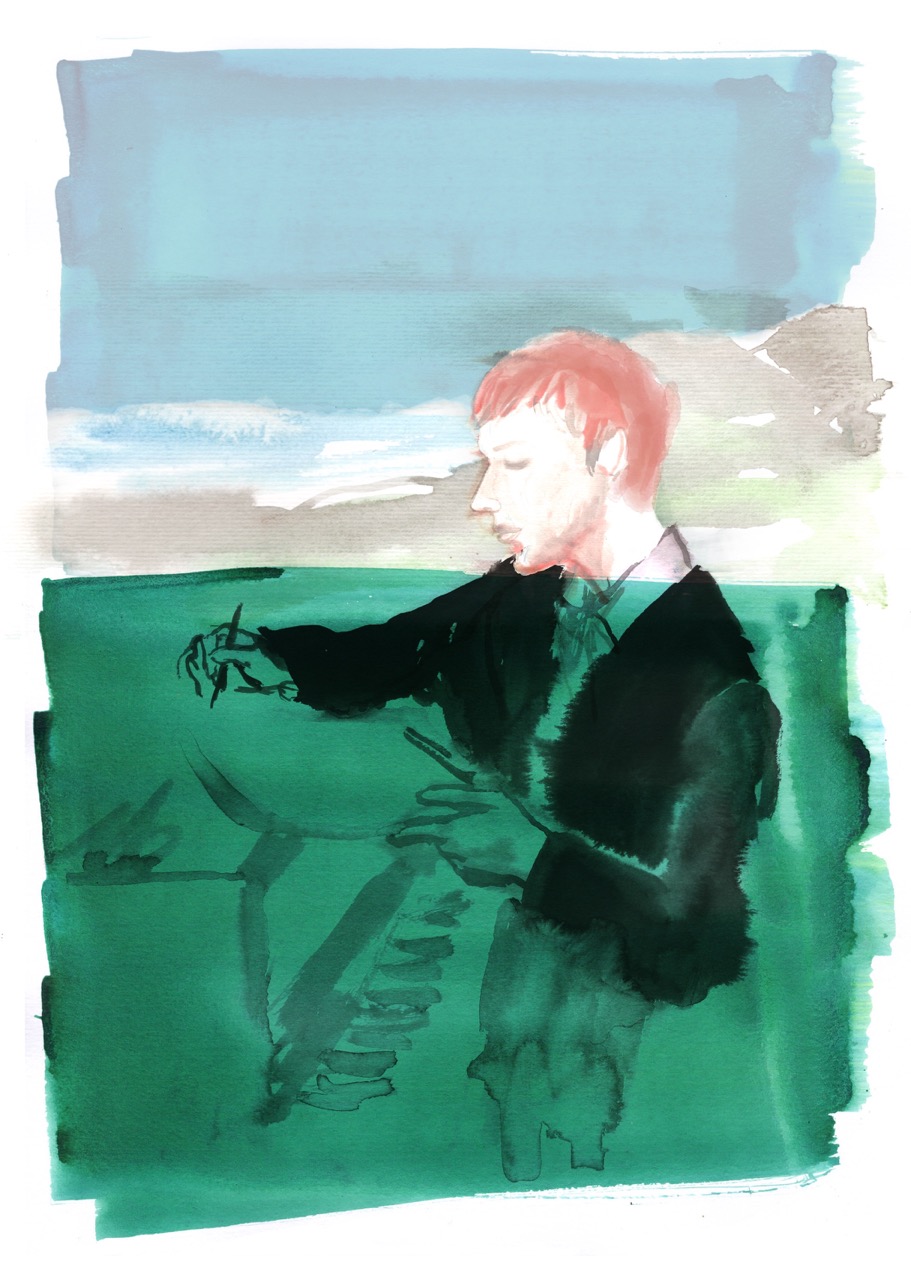
Twenty-six-year-old Icelandic composer Gabríel Ólafs doesn’t just compose music, he builds entire worlds for it to live in. His latest release, Polar (2025), is set in a fictional and potentially post-climate-crisis world inspired by Ólafs’ love of video games. The landscape of this world is mostly made up of tundra and the ocean, and Ólafs wants to transport us here with his “immersive musical world”. Whether that means feeling the wind blowing against your ear or hearing the sounds of whales, he ultimately wants you to feel engulfed by his music.
The music is accompanied by a Traveller’s Log narrated by Icelandic actor Hera Hilmar, which guides you through this world and provides a whole new entry point and passage for an album. And the music is big. The roles and lines Ólafs has created for the organ and large-scale orchestra transform them into living and breathing parts of this world. The album is cinematic and wholly transportative, and, like the best classical music, it makes you feel the vastness of existence and your relative size.
Ólafs has a completely new take on classical music, what it can conjure and be associated with, and how it can exist in our world today. What I love most about Ólafs is his ambition and his hundreds of millions of streams also act as proof that he’s onto something.
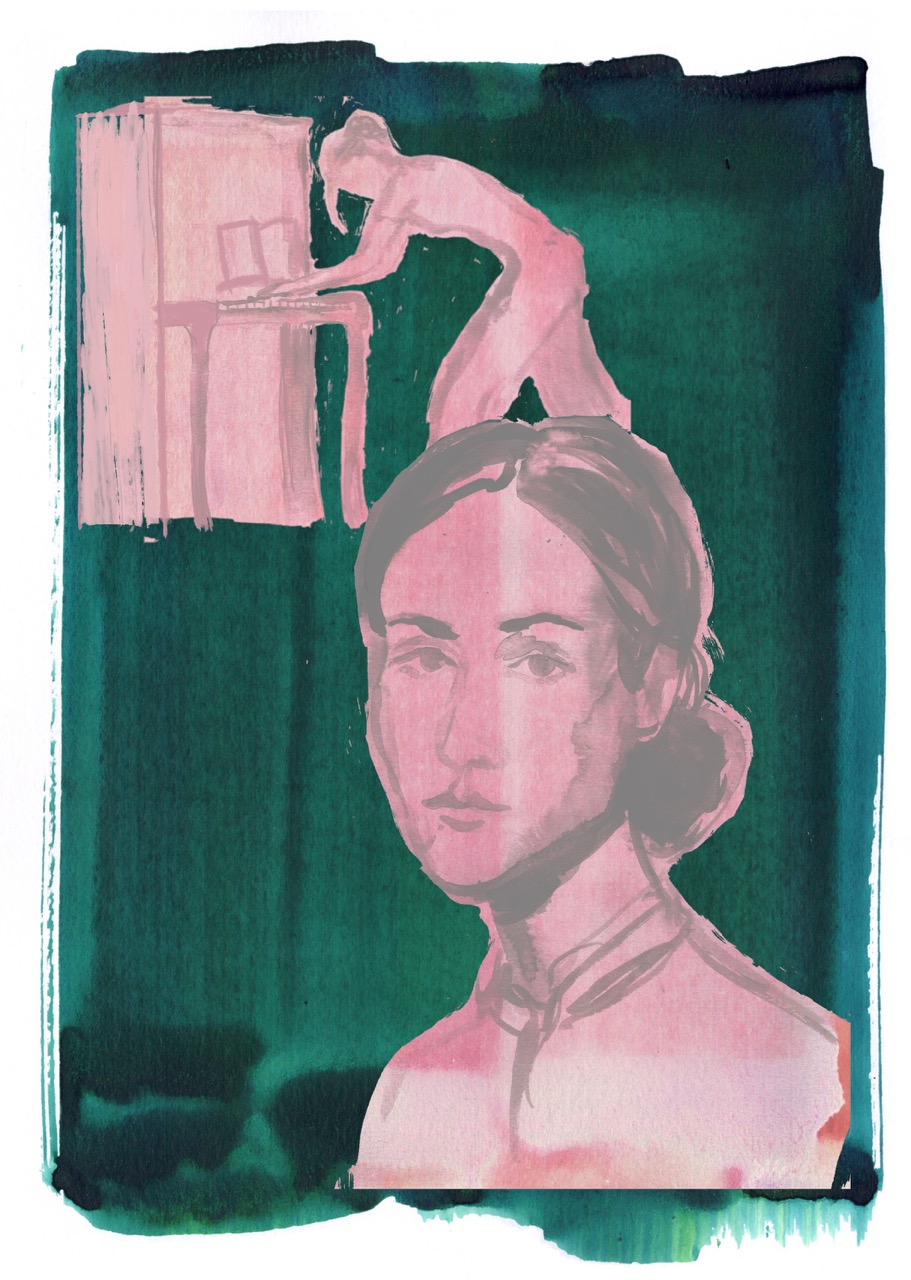
It would be difficult not to include Hania Rani here. She feels like the Phoebe Philo of classical music in her understated, private, and elegant way of being. She has also created a new path for herself in classical music that is both commercially and artistically rewarding, and with that a blueprint for many aspiring composers.
Her love of classical music began when she was still a child. She was given an album of Beethoven’s sonatas played by Daniel Barenboim—an experience that you can hear imprinted on her music and her person. “I really fell in love, I was really inspired and impressed… It was rich and full of many emotions… It was everything all together.” Her own compositional process starts in improvisation, which she records and later listens to, only keeping the passages that stand out. She then develops these passages into full pieces of music. The first of these culminated in a solo album, Esja (2019).
But, for me, her most compelling releases are her collaborative albums with her childhood friend and cellist Dobrawa Czocher. My favourite, Inner Symphonies (2021), explores the dynamics of this collaboration and also friendship in a dance-like way. A musical conversation with all the familiarity and singular dynamic of a friendship and also a fragility, as they open up to each other and become more intertwined through sound.
While Rani has composed for other art forms in the past, she is now making her transition to film composer with the score for Joachim Trier’s new film Sentimental Value (2025)—evolving her practice into a whole new sphere.