Howzat, Sir Jimmy?: Jack O’Connell on playing evil (again) in 28 Years Later: The Bone Temple



The actor talks about his role as Sir Jimmy Crystal in Nia DaCosta’s fresh reimagining of the horror film franchise.
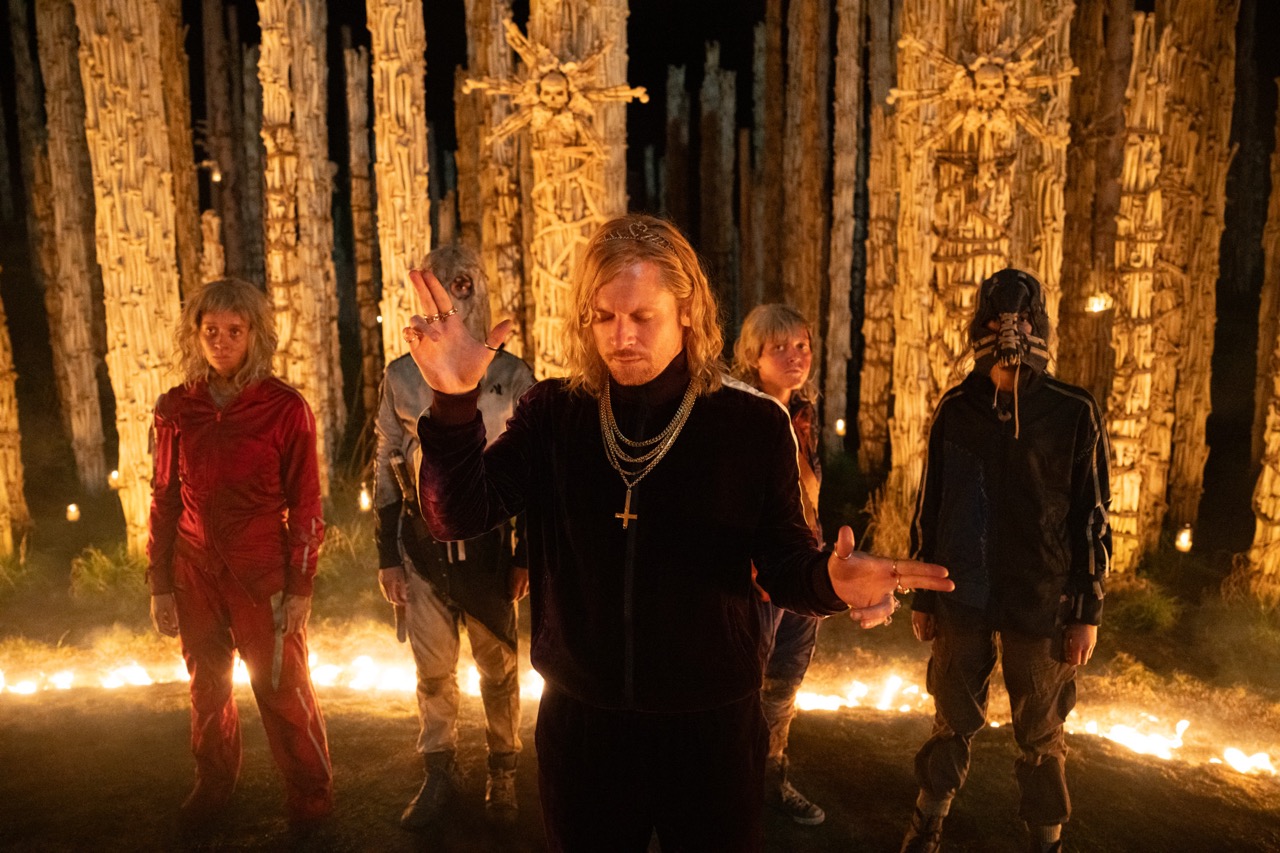
I believe that Jack O’Connell has invented one of the most iconic screen villains since Pearl. Sir Jimmy Crystal is a vicious, tracksuited bastard who is both devilish and hilarious in Nia DaCosta’s brilliant (and perhaps best-in-series) 28 Years Later: The Bone Temple. And all of that is to do with O’Connell’s approach to the character; as he storms the Highlands with his misled band of young Droogs. Here, I speak with O’Connell on becoming Sir Jimmy Crystal.
Chris Cotonou: When you first heard they were making this spin-off, what was your reaction to the direction they took with it?
Jack O’Connell: It felt like they’d created this strange, depraved cousin to what came before – like a deranged relative of the original story. That’s an interesting way to approach a second installment: instead of repeating the same formula, you twist it into something more warped and unexpected. As far as I know, we’ll keep following Spike on that journey… but he definitely took a wrong turn somewhere.
CC: Your character, Sir Jimmy, is incredibly dark on the page. Was he fun to play, or did you have to go into a heavy headspace?
JO: On paper, he can easily put you in a grim mindset – the torture, the violence, the way he operates. But the key for me was realizing that Sir Jimmy is having an absolutely brilliant day. He’s in his element. The joy he feels is perverse to us, but to him, he’s doing what he does best. That was the main guidance for me: show the joy.
The difficult part wasn’t so much the psychology as the physical environment. The torture sequences were properly grim. The special effects team did such a convincing job that you’re looking at what feels like real torsos without skin, with these horrible folds of “skin” at their feet. It’s very believable to the eye, and that messes with you more than you’d think. I’m glad I don’t have that job.
CC: Did you feel free to improvise and go off script, or was this a character you felt you had to play exactly as written?
JO: When the writing is this strong, the script gives you a lot right away. But there’s always a point where things start to present themselves to you in the moment – just through habit and instinct. That’s the sweet spot for me, when you feel completely in the saddle.
Having a director like Nia DaCosta who wants to harness that energy is a gift. Everyone in the cast was throwing ideas in. So you honor the text, but you allow those spontaneous bits of life to creep in when they appear.
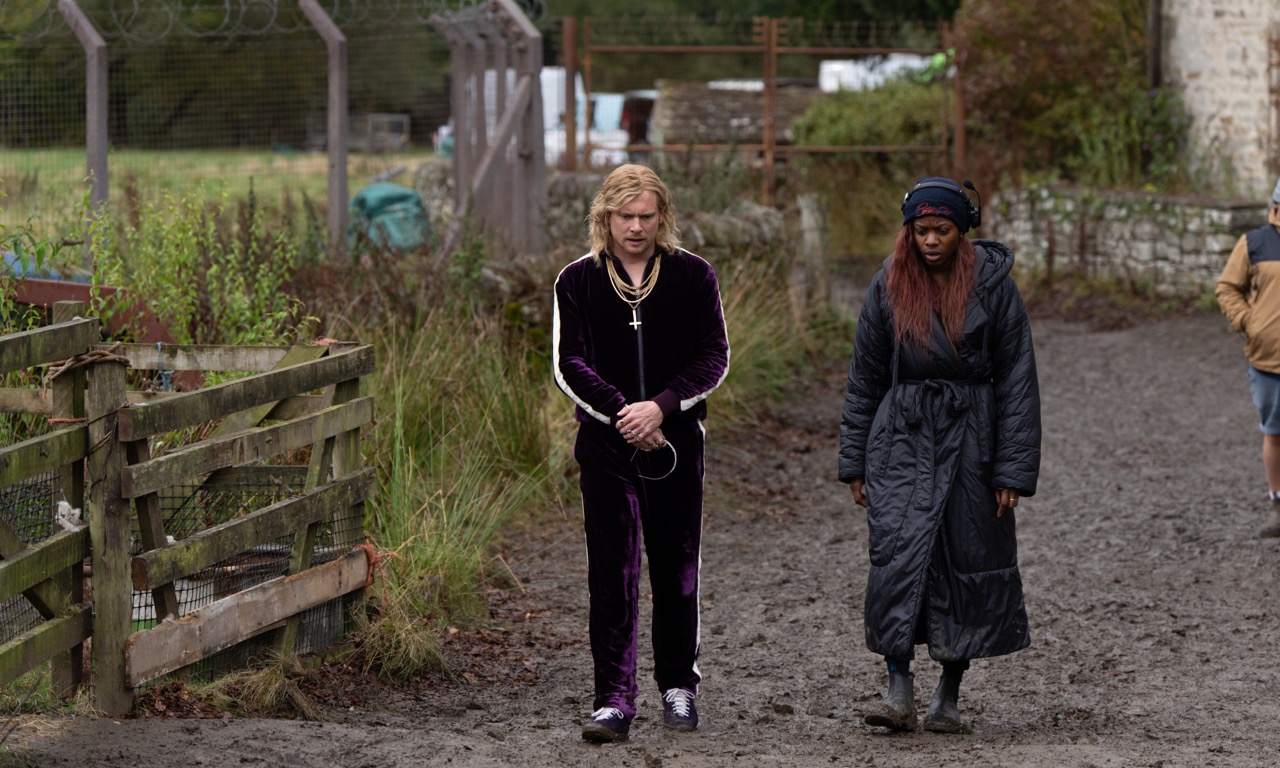
Jack O’Connell in 28 Years Later: The Bone Temple, directed by Nia DaCosta
CC: We learn more about Jimmy’s inner life as the film goes on, especially in his scenes with Ralph Fiennes’ character. Did you build a backstory for him?
JO: Not an entire life story, but enough to fill the gaps in a useful way. One fundamental thing for me was that this gang has survived for 28 years. The script gives you this truth: his crew are athletic, capable, and they dispatch the infected with ease. That realism helps you buy into the idea that they’ve endured for so long.
With Jimmy himself, I wanted to show that he no longer gets his hands dirty because he doesn’t need to. The operation has worked for nearly three decades. That history is embedded in how he carries himself – he’s someone for whom this system has worked, so he can afford to be flamboyant and distanced from the actual killing.
CC: Your gang of young actors feels like a real unit on screen. Did that bond exist off-camera as well?
JO: Absolutely. By the end, we were tight – a proper little gang. You go through a lot together on a film like this: long hours, punishing weather in the north of England, very intense material. You need team players around you, and we had that. It’s a joy when everyone pulls in the same direction.
I spent a lot of my career as the younger actor looking up to others, so it’s a lovely shift to be in a position where you can pass on a bit of wisdom.
CC: What’s one of those pieces of wisdom you pass on to younger actors?
JO: Above everything, it’s about how you treat people. You can be as talented as you like, but if you’re awful to work with, you make the job harder for everyone. The best actors and biggest stars I’ve met share that quality – they treat people with respect across the board. That’s the main thing I try to emphasize.
I’m not sitting there thinking, “How do I make this guy iconic?” What I’m asking is: how do I make him land with people? How do I create an effect that stays with the audience?
CC: Your big scene opposite Ralph Fiennes in the “bone temple” is riveting. How did it feel acting across from him?
JO: He’s one of the governors, isn’t he? He’s got an extraordinary body of work. Normally you study actors like him on screen; here, I was learning face to face.
In that scene, there’s so much depth in the writing that we don’t have to “do” too much – it’s two complex people having a fascinating dialogue. People are complicated, and you’re allowed to turn on a sixpence emotionally, as long as it feels earned. With Jimmy, he’s usually in control, but there, Dr. Kelson (Fiennes) is forcing him to feel something, disarming him in a kind of intellectual chess game. I’m still learning on the job in moments like that.
CC: Sir Jimmy feels like a character who could become iconic – the look, the catchphrases, the charisma. Do you think about legacy when you’re playing someone like this?
JO: I’m not sitting there thinking, “How do I make this guy iconic?” What I’m asking is: how do I make him land with people? How do I create an effect that stays with the audience?
Given the genre, you’ve got a chance to horrify, repel and also attract. Somehow, there’s something weirdly appealing about him. He explores very dark corners of human nature, and we’ve always been fascinated by evil. You can see that historically – fear of Satan, fear of what’s “evil” has shaped societies for thousands of years. Maybe that’s why we can’t take our eyes off characters like this.
CC: The performance has echoes of A Clockwork Orange. Were there particular influences on Jimmy, conscious or unconscious?
JO: I’d read A Clockwork Orange again within a year of playing Sir Jimmy. I’d seen the film a long time ago, but the book was fresh in my mind. I didn’t consciously think, “I’m going to use this as a template,” but things like that bleed into the work anyway. There were also a couple of real-life figures who popped into my head, but I’m not naming them – that would make it too obvious. They’re reference points rather than models. I’d actually be more interested in who people think of when they watch him.
CC: After a role this intense, were you looking for something lighter?
JO: Funnily enough, yes. After this, I went to Australia to do a Godzilla project on the Sunshine Coast. The scale was big, the catering was great, and we even shot in the same place as Unbroken, so it became a nice reunion with some of the old crew – just with more crow’s feet all round.
CC: How do you leave a character like Jimmy behind when you move on? Do you have a ritual?
JO: A little one, yeah. You definitely take a moment to put them down. You don’t want one character bleeding into another. The preparation for the next project becomes a kind of purge – you infatuate yourself with the new one enough that it takes over your focus.
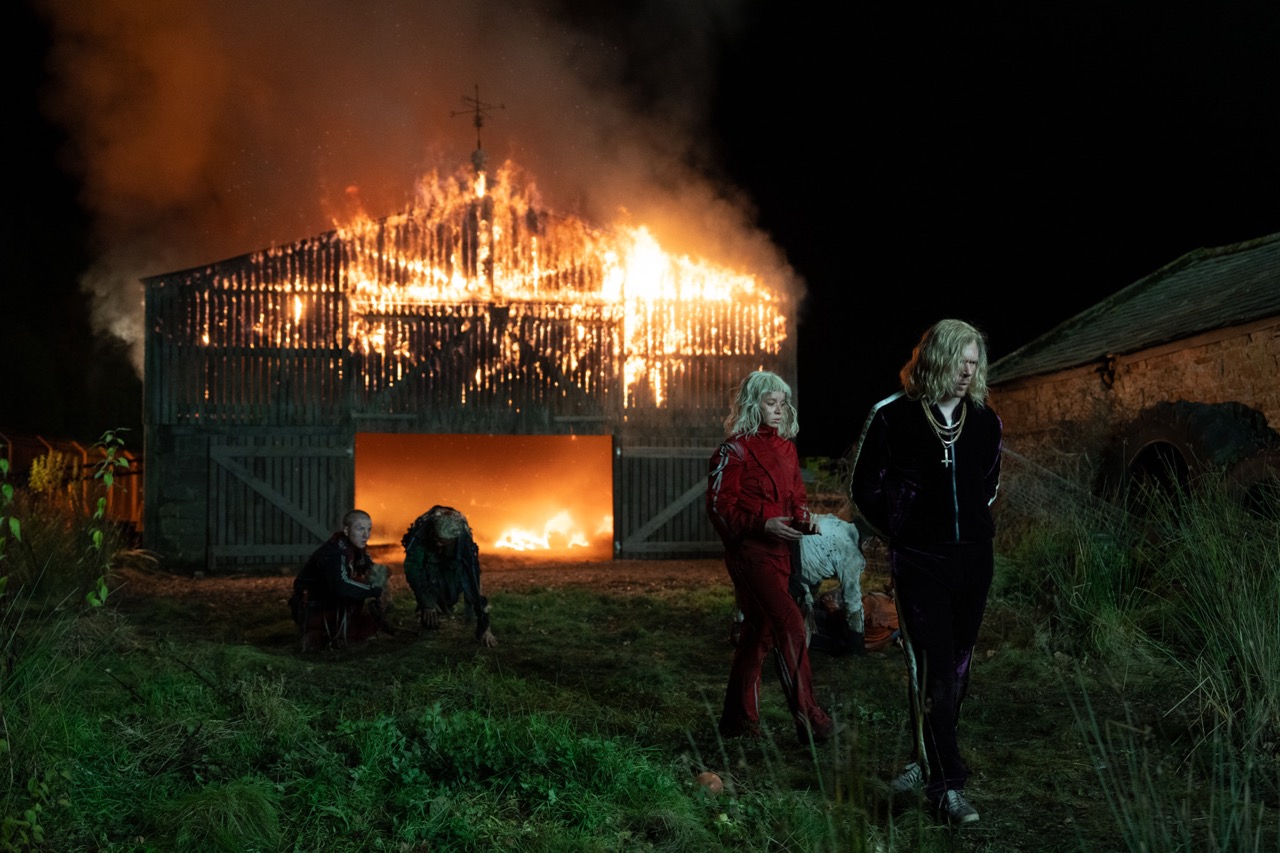
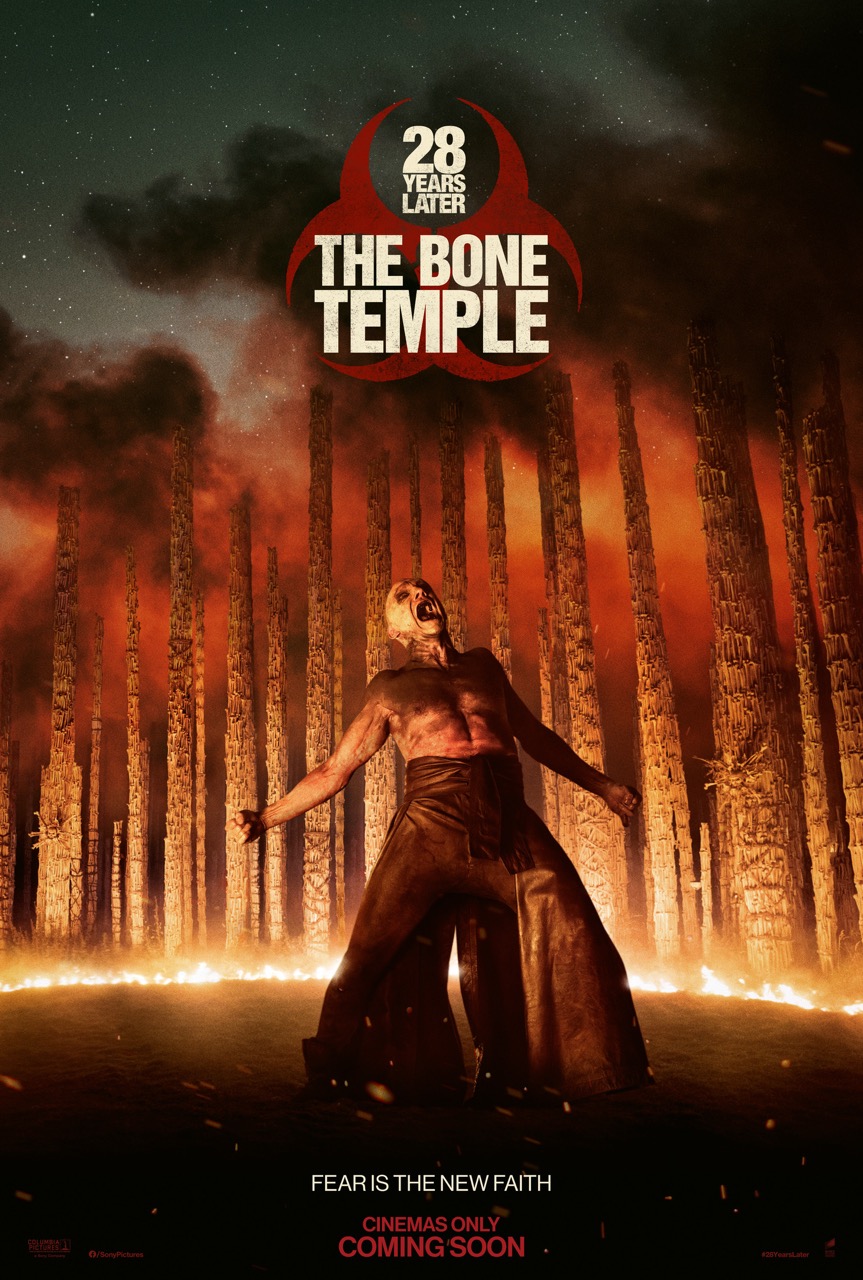
28 Years Later: The Bone Temple, directed by Nia DaCosta
CC: What was it like working with Nia DaCosta, and what sets her apart as a director?
JO: I loved that we’re the same age. Our reference points are the same – we get nostalgic about the same things, and we were the same age when the culture in the film’s world collapsed, so we’re drawing from the same well.
She’s got superb cinematic knowledge. I was learning a lot about the technical side from her; she’s completely on top of that. But what really struck me was how unwavering she was. No matter how punishing the schedule, she stayed right in the trenches. She wasn’t tucked away in some warm, comfy spot – she was out there, in wellies, braving the weather and somehow still looking cool.
CC: You’ve directed a music video before. Do you see yourself directing more in the future?
JO: Definitely. I directed a video for Paul Weller and loved every second of it, even everything outside of the shoot itself. I’m eager to do it again, though I’m the first to admit I’m lost with the technicalities.
In terms of what stories I’d tell, I don’t feel pulled in one specific direction yet. Shane Meadows once told me, “Just tell stories that are familiar to you,” and that makes a lot of sense. There are directors I’d still love to work with as an actor – Mike Leigh, Martin McDonagh, Ken Loach, Andrew Haigh again. The list is long, but I’m chasing them down. Some are retired, but you never know.
28 Years Later: The Bone Temple is in cinemas now