Cinematographer Adolpho Veloso joins A Rabbit’s Foot for an exclusive screening of Netflix’s ‘Train Dreams’



Get unlimited access to all our articles for just £3.50 per month, with an introductory offer of just £1 for the first month!
SUBSCRIBE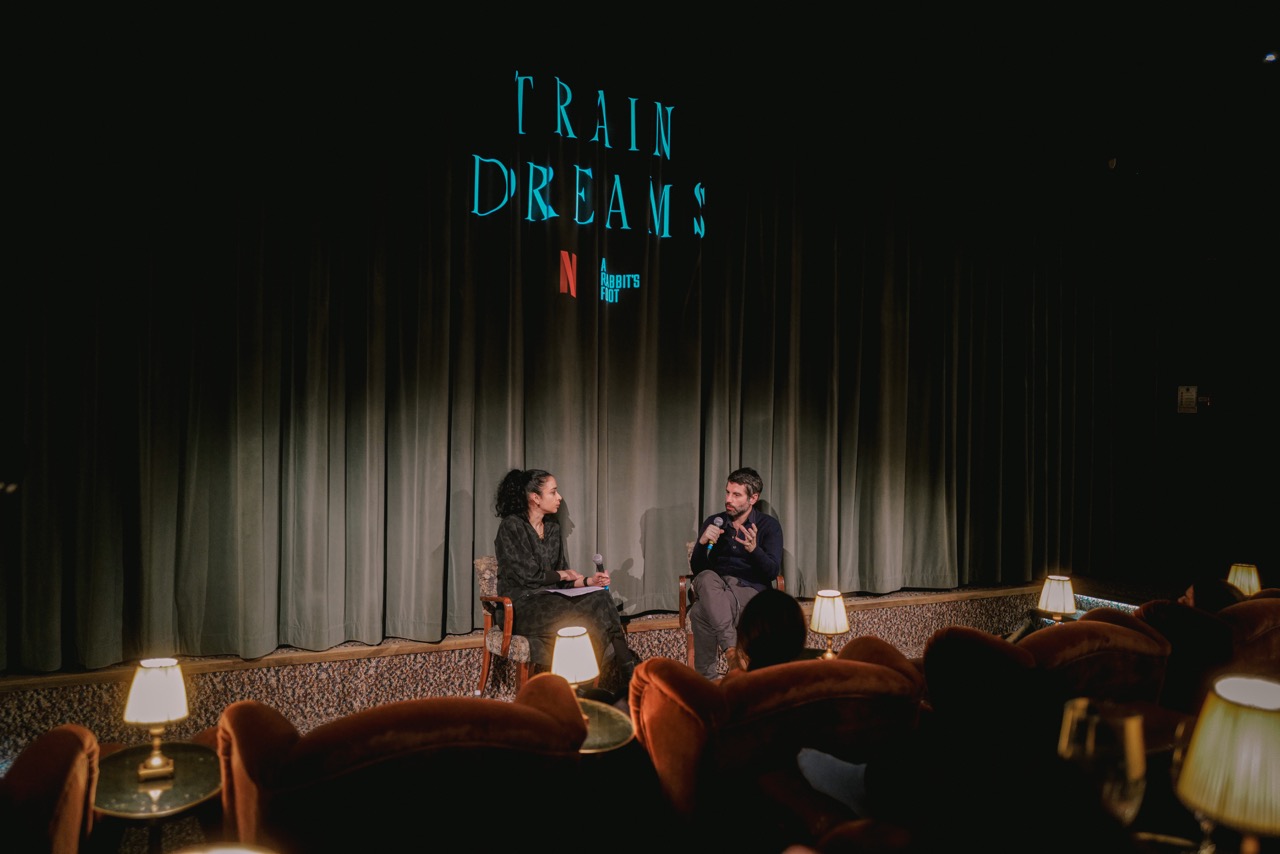
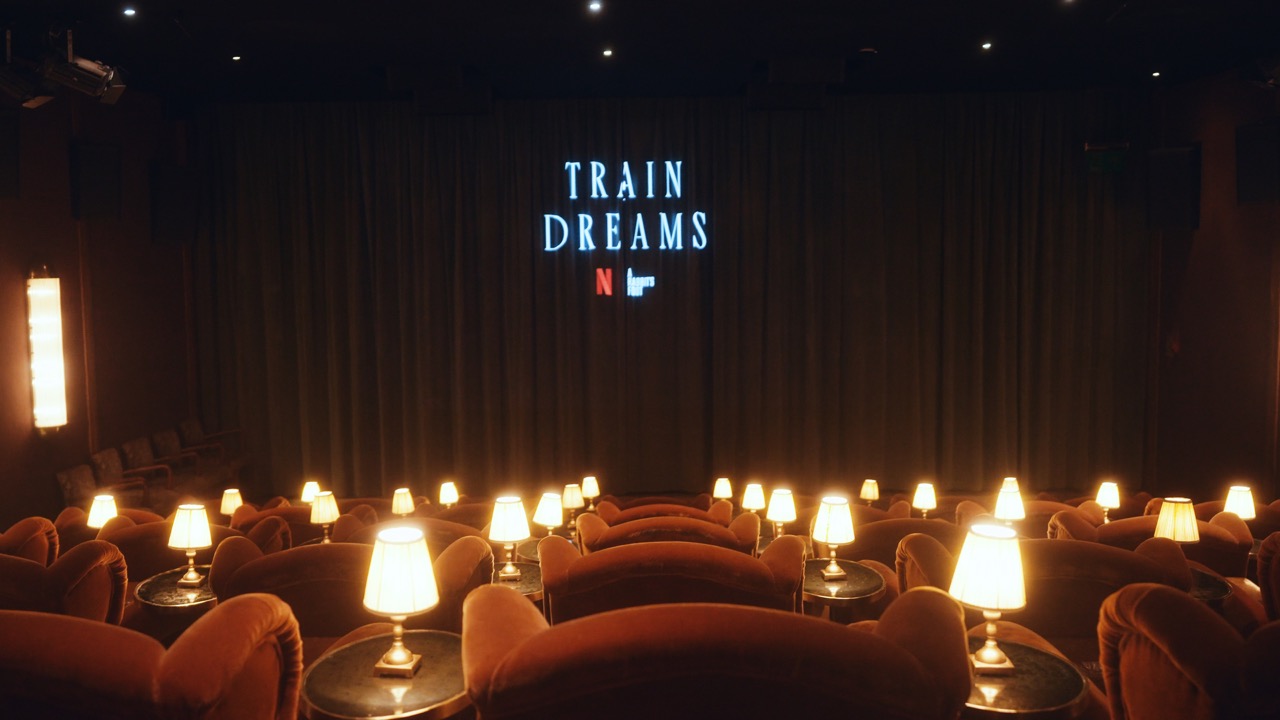
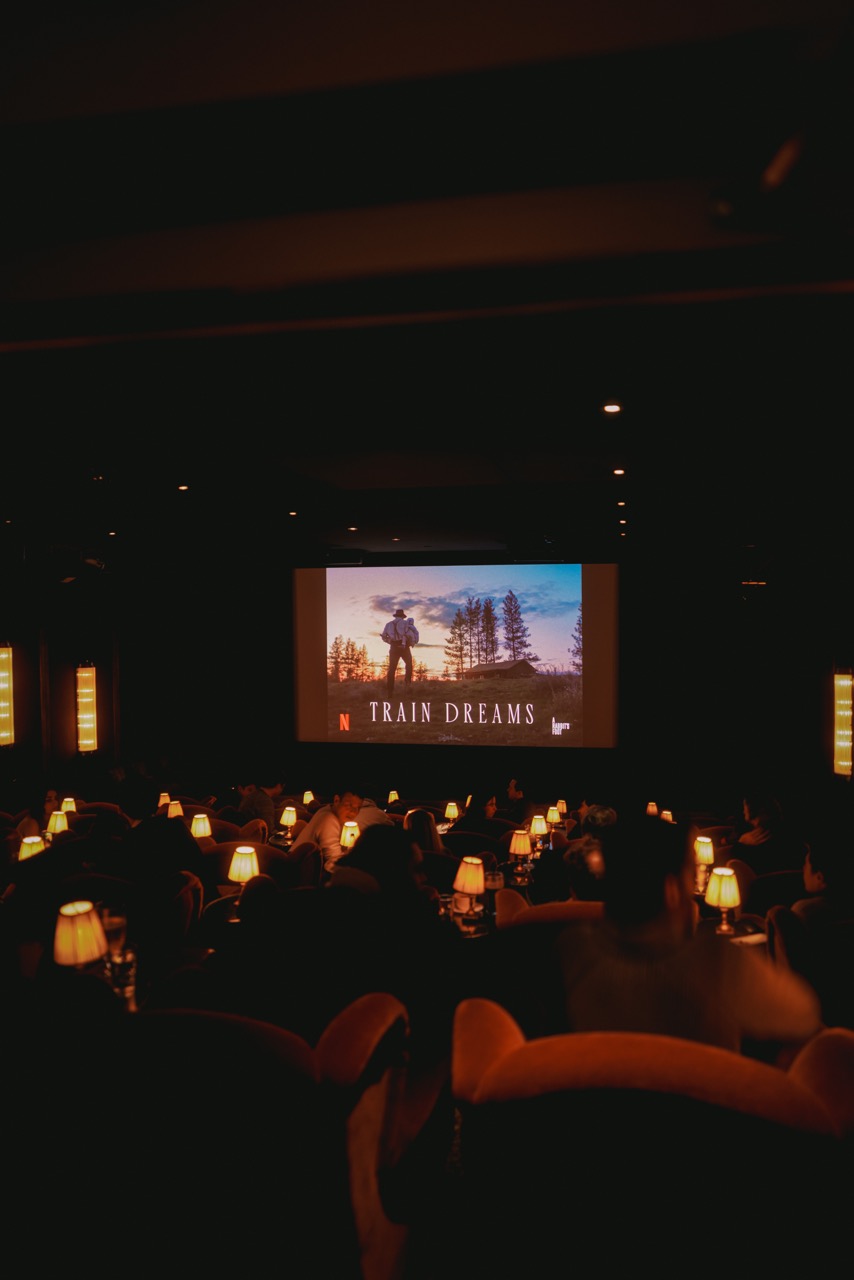
Following Adolpho Veloso’s Oscar and BAFTA nominations, A Rabbit’s Foot gathered some of the best and brightest cinematographers in London for an intimate evening screening of Clint Bentley’s Train Dreams.
Last night at Soho House on Dean Street, A Rabbit’s Foot gathered some of London’s most renowned cinematographers and creatives for a screening of Clint Bentley’s Oscar and BAFTA-contender Train Dreams. The period drama, starring Joel Edgerton and Felicity Jones, was then followed by a special Q&A with Oscar and BAFTA-nominated cinematographer Adolpho Veloso, who arrived to discuss his highly skilled process and take questions from the audience.
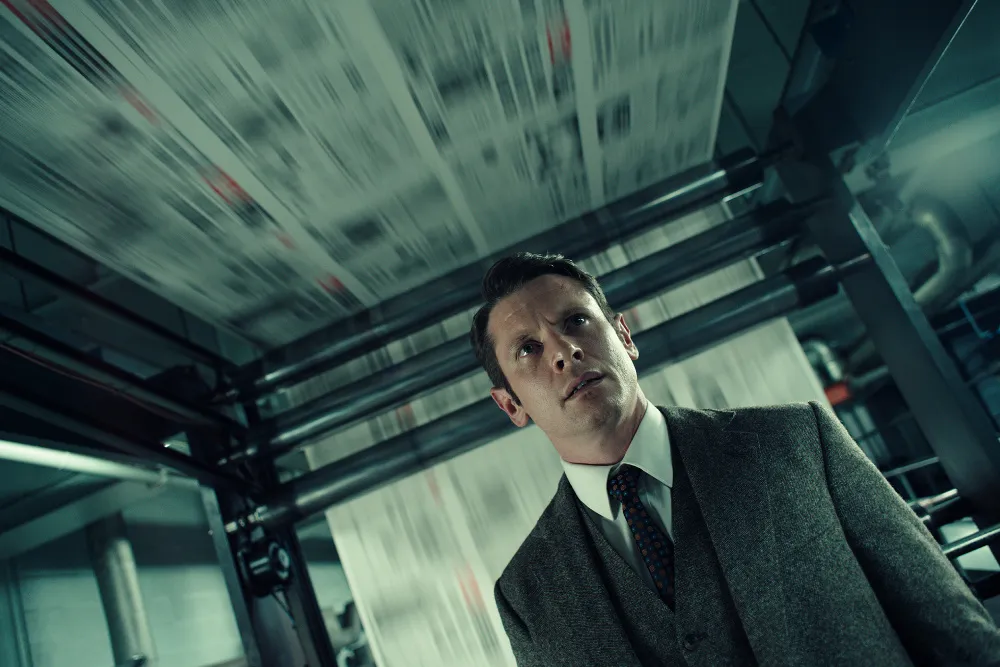
Train Dreams, adapted from Denis Johnson’s 2011 novella, details the life of an American railroad labourer who contentedly lives the life of a hermit… until he marries. It is a tragic, moving work with incredible performances, and deserving of its numerous accolades — including its Academy Award nominations. A Rabbit’s Foot first caught it at the London Film Festival, where there was not a dry eye in the Curzon Mayfair auditorium.
Yesterday — in a more intimate setting — was more of the same. The audience was captivated from start to end, and when the credits rolled everyone was speechless. Much of that has to do with Adolpho’s work; who applied an ethereal, poetic lens to this epic story.
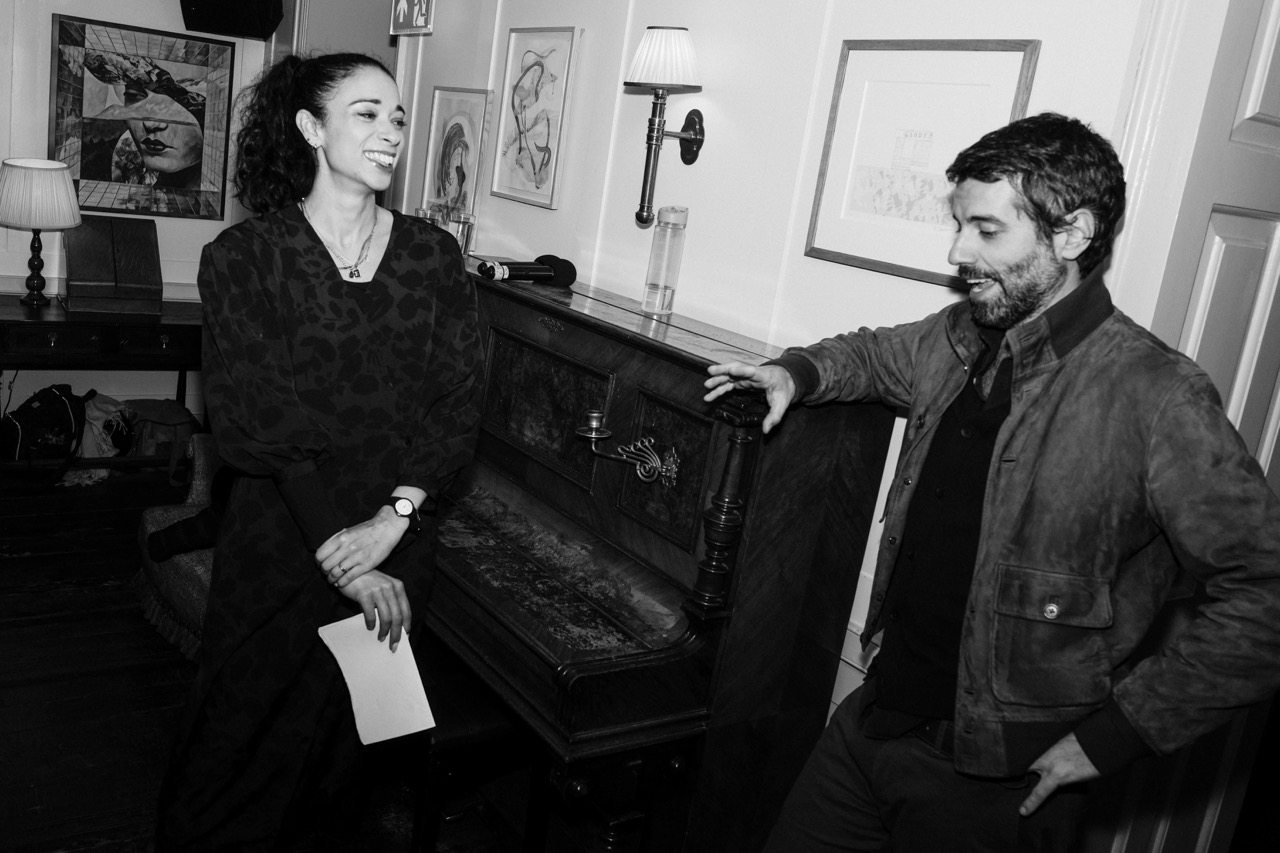
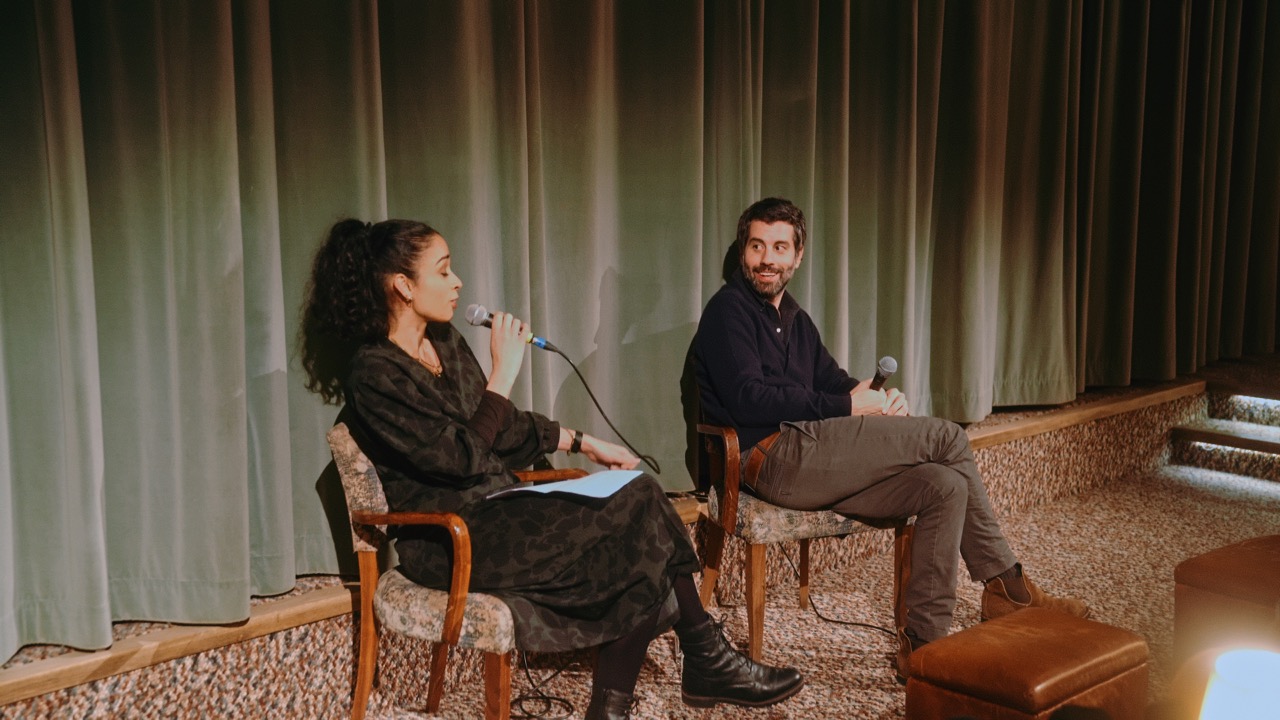
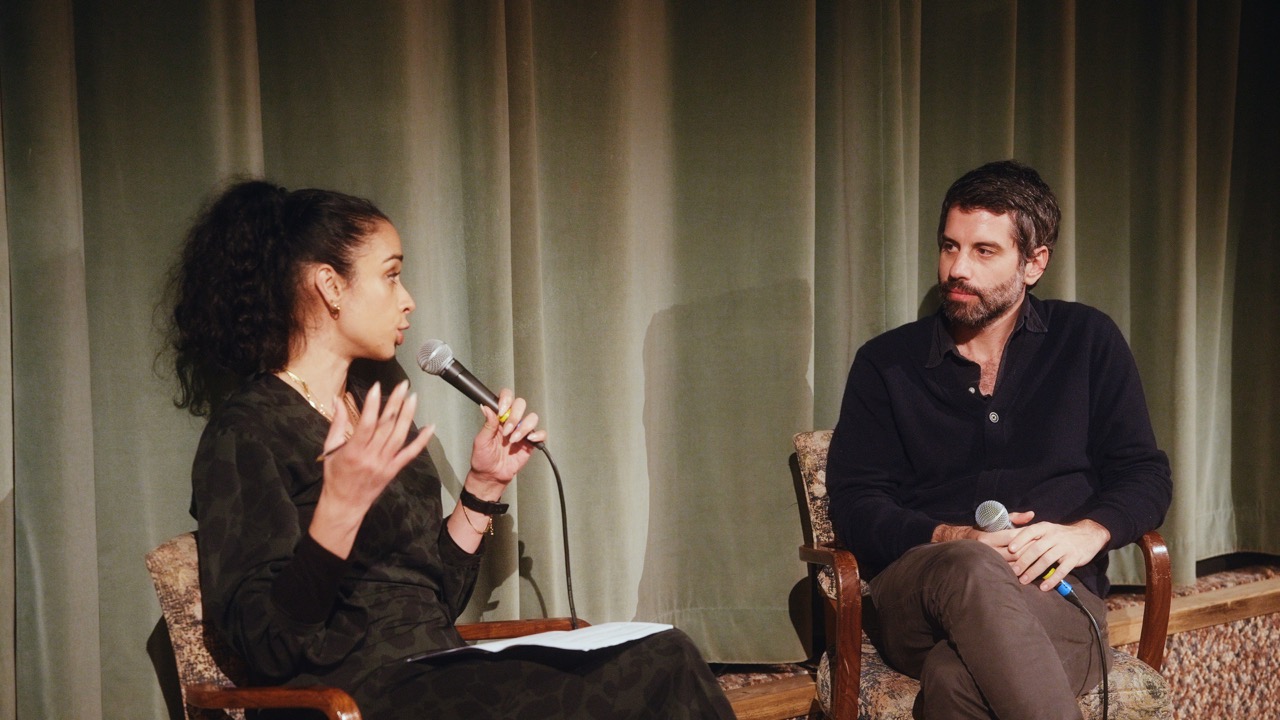


“This is a film about memory. The script was written clearly as a series of memories,” he explained to the audience in the Q&A with film critic Ellen E. Jones. “What we did was find old photographs from the film’s period and try to capture their sensation… “We wanted the movie to feel like you’re walking into a basement and find a box full of pictures… and you’re trying to figure out who that person was through those pictures.”
The answer was using “99%” natural lighting effects, in particular making use of the brief golden hour of sunlight and even scenes shot entirely with candle-light (the only exception was a fire scene, with Veloso joking that producers wouldn’t sign off on a real fire). The result is something wonderfully nostalgic about each frame. And the impact of the light serves as a tool to evoke an emotion. “When the sunlight glares in a blanket of white, it’s supposed to unnerve you,” Adolpho admits, whilst describing how the tightness of the camera crew allowed the performances to sing: “Having a smaller core of people around the camera means it’s easier for actors to move and we’re not catching anyone. The actors can actually inhabit that space.”
“This is a film about memory. The script was written clearly as a series of memories. What we did was find old photographs from the film’s period and try to capture their sensation… as though you’d stumbled onto lost images.”
As a cinematographer moving globally between projects, Veloso also described an unlikely identification with its main character, an itinerant logger. “It’s always hard for me to reconnect with my house and my family and feel like I belong to that place… or the same feeling of misplacement… which is basically a cinematographer’s life,” he smiled.
When the script first arrived at his door, he wasn’t entirely sure how to approach it. This would be his second project with Clint Bentley after the excellent Jockey (2021). That was a much smaller project, with only ten people. This time, Bentley’s ambitions would require a much bigger set and crew. “I would do anything with Clint,” he said, “but I tried to understand how I fit with this character…” Slowly, he began to relate to Robert Granier (Edgerton) as a kind of rolling stone. “Here’s a guy that is always on the go. Always meeting new people, moving on, and never knowing if he will ever see them again.”
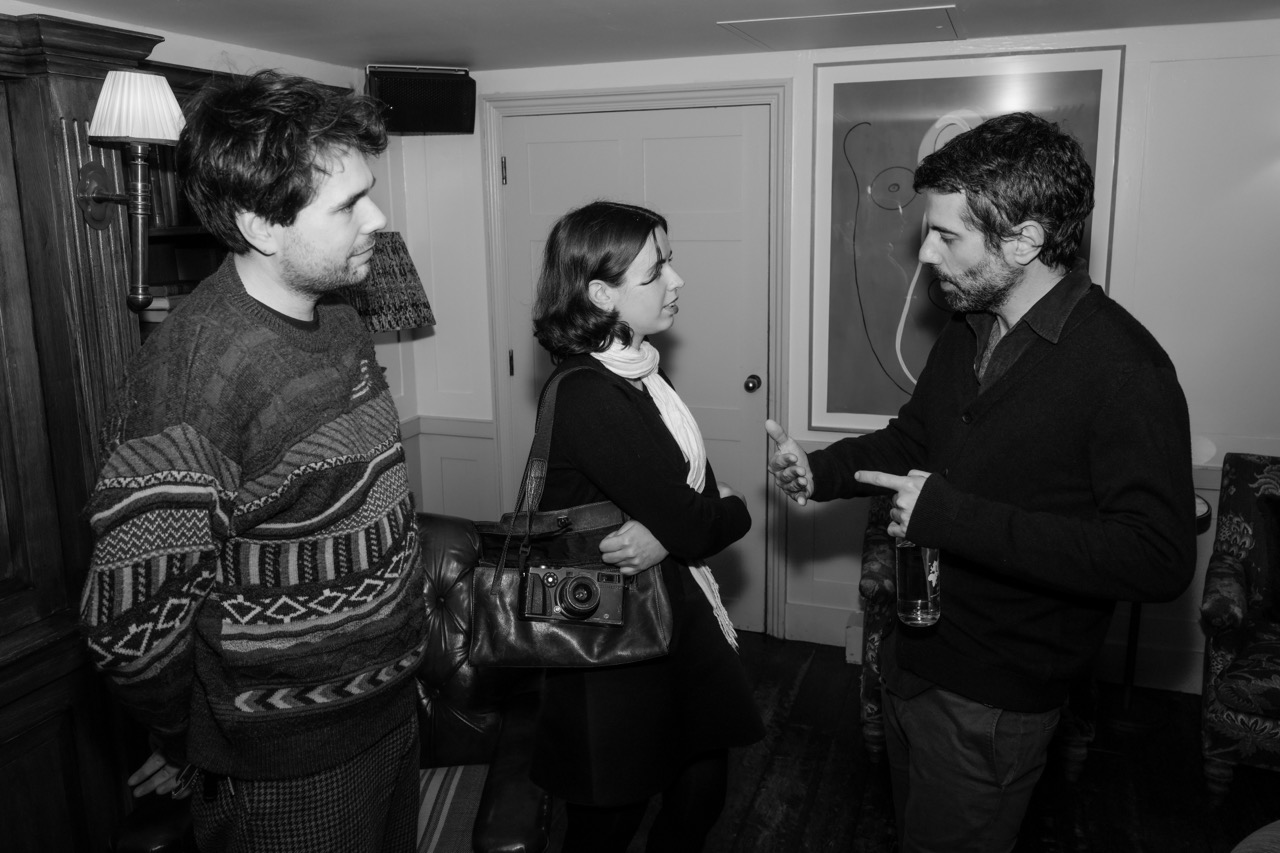
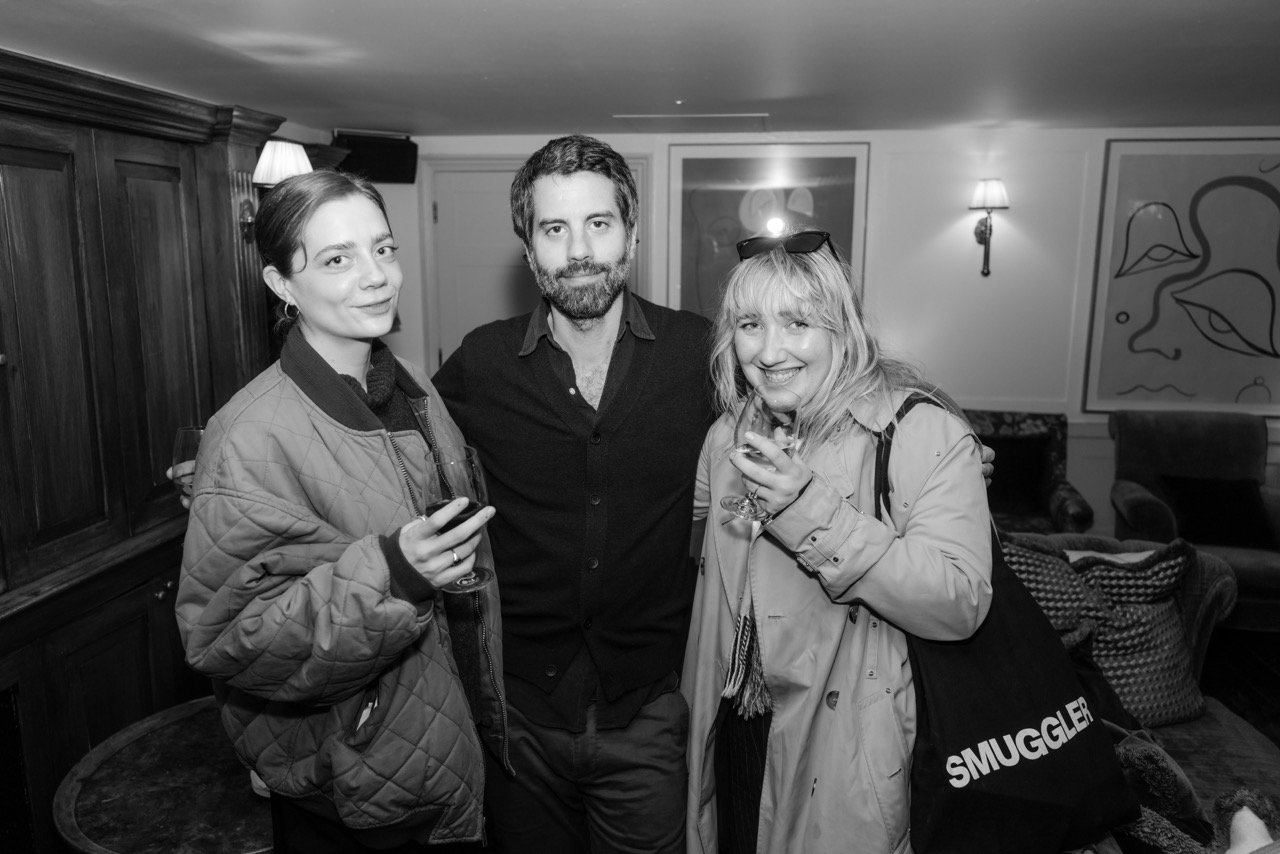
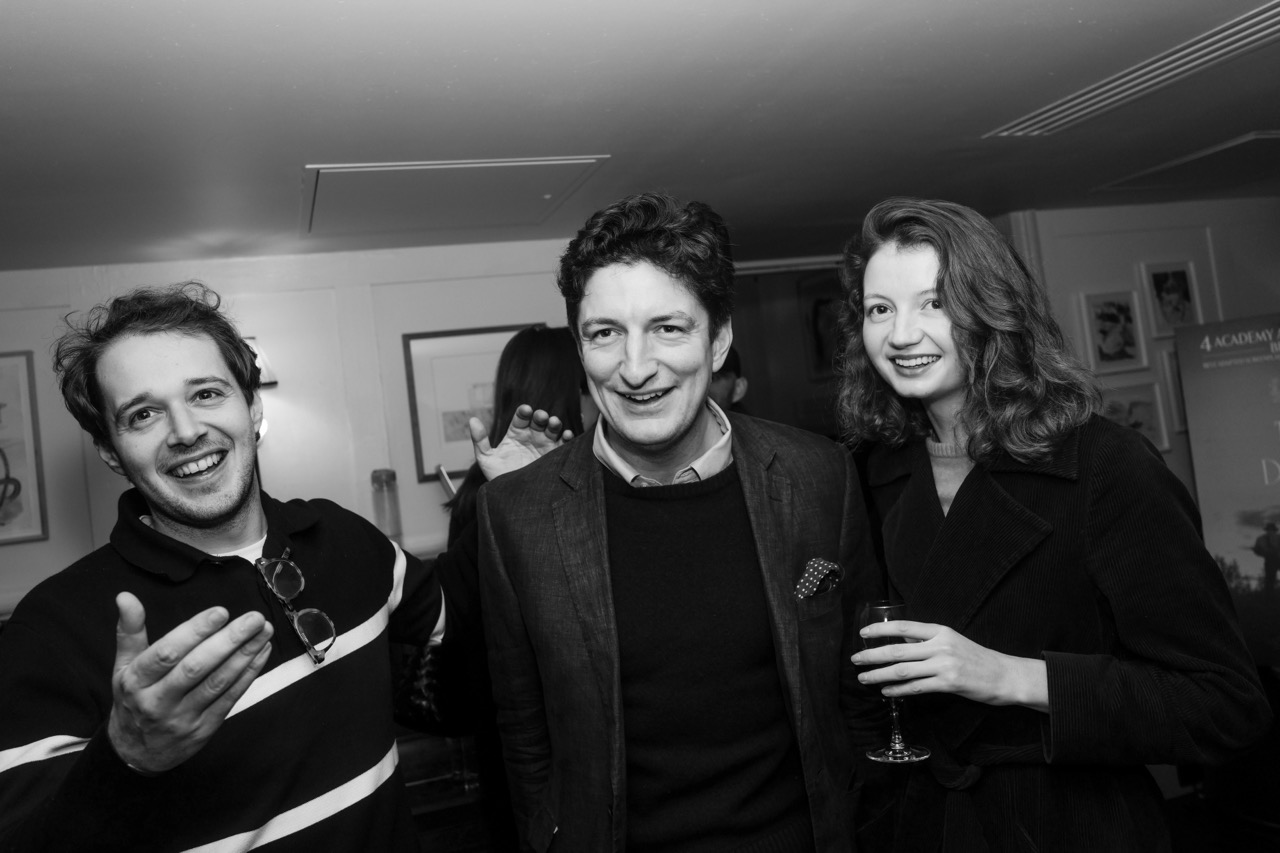
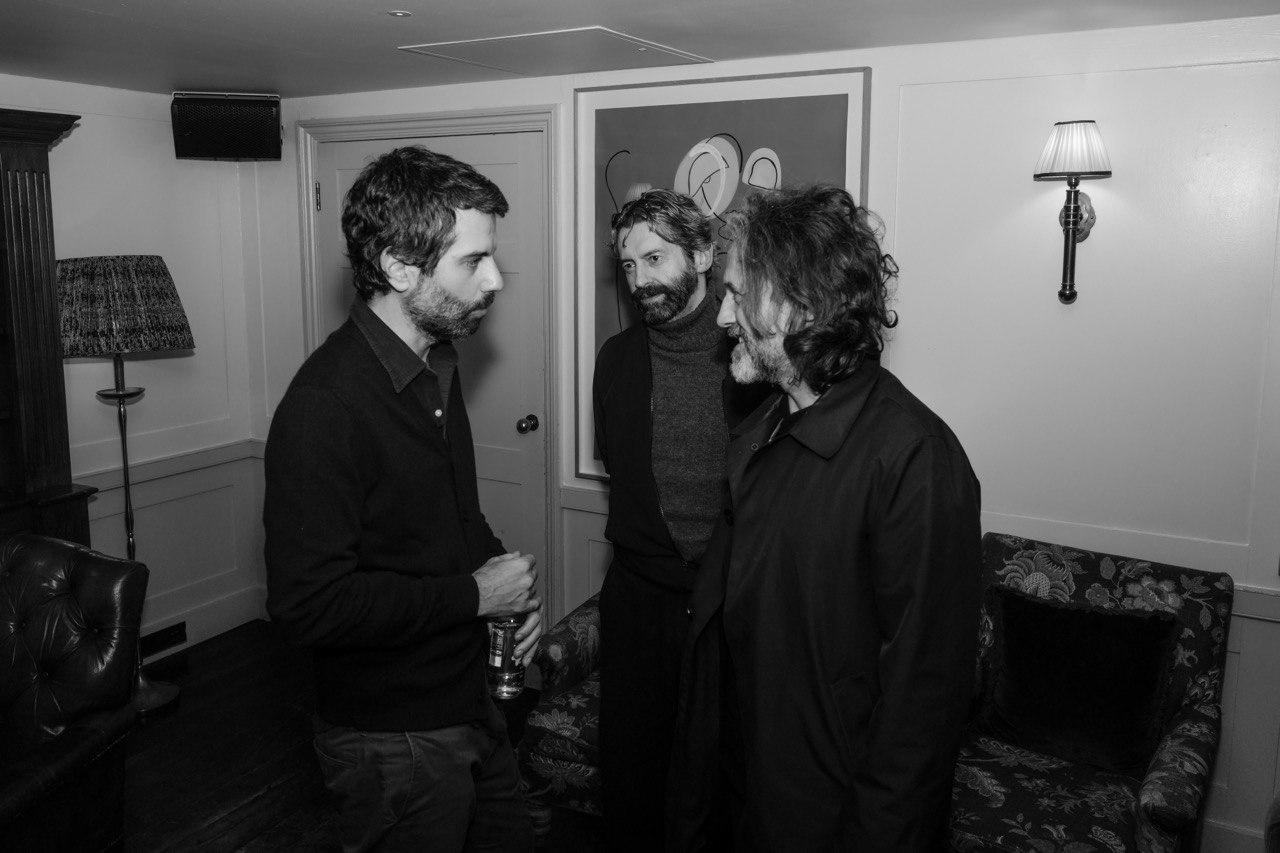
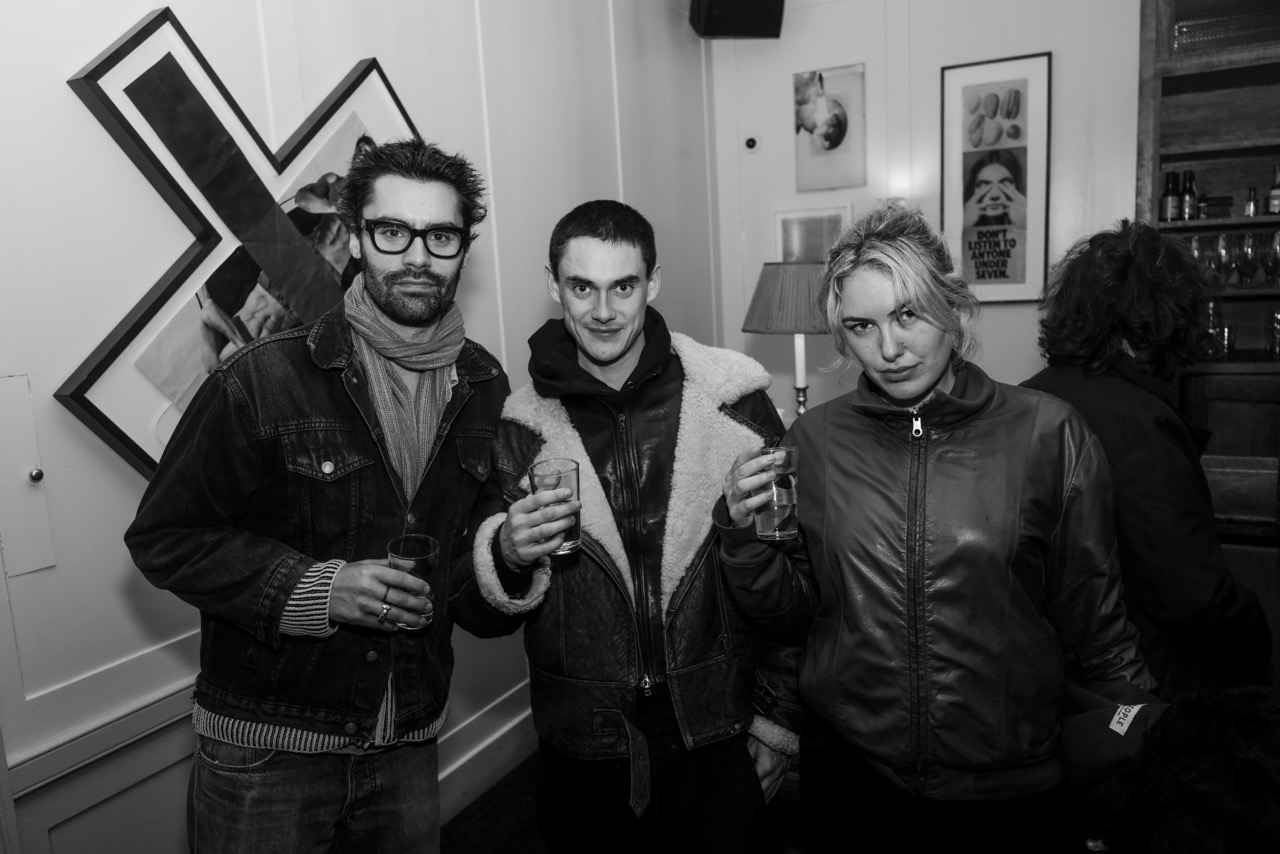
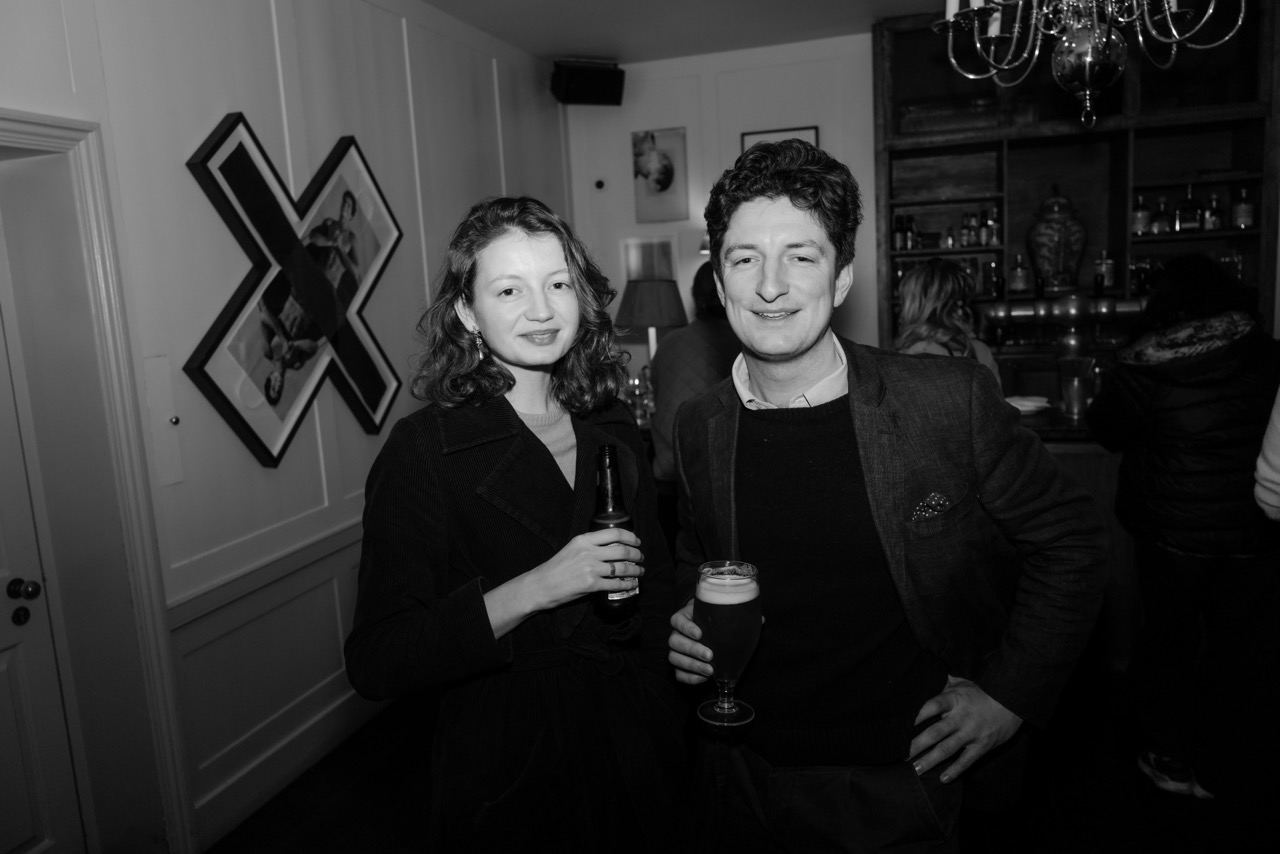
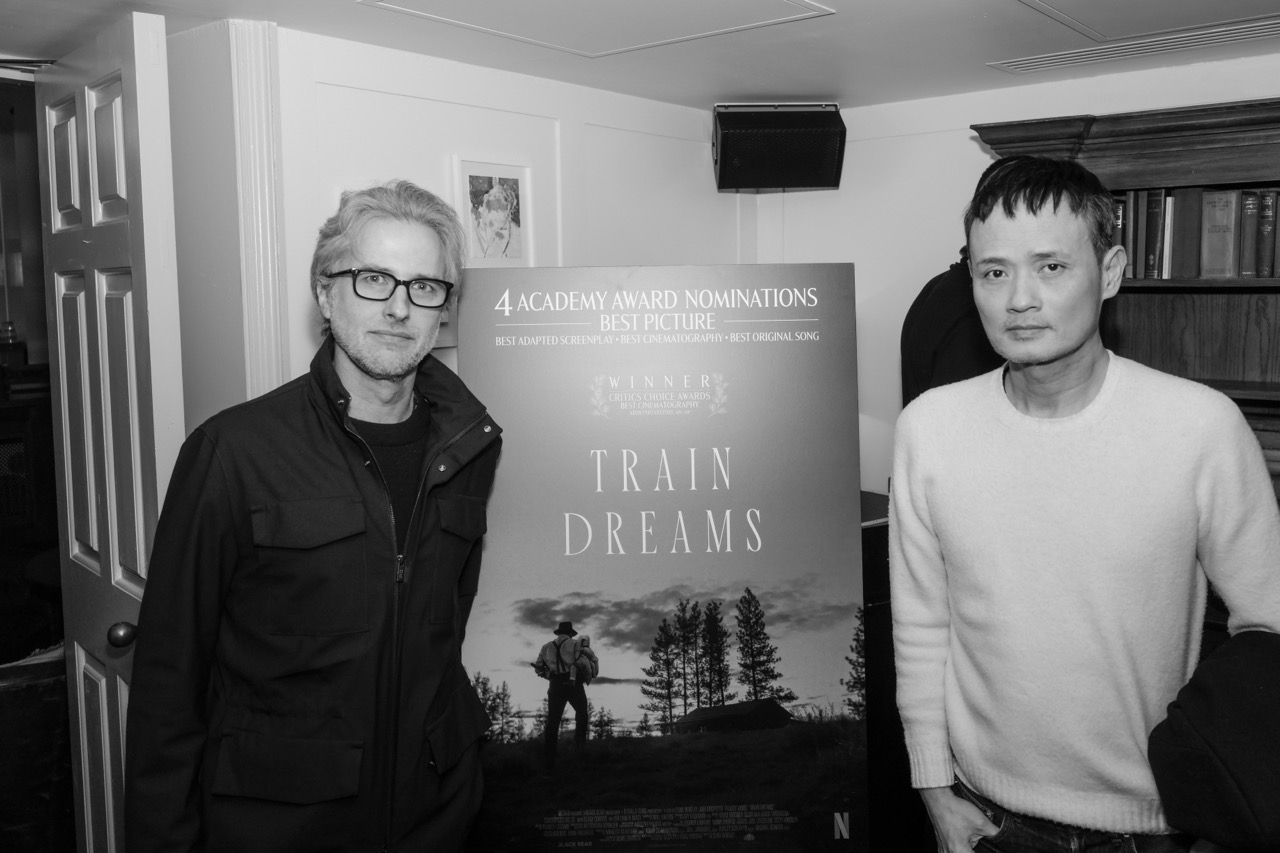
The result — as one audience member pointed out — was a visual language reminiscent of the great Terrence Malick. In the reception after, while nibbling on canapés, other cinematographers (both emerging and award-winning) came to Adolpho to ask about his process, how he shot some of the most captivating scenes, and even gleaned his advice. Among them are a few of the industry’s brightest talents, from Sophie Muzychenko (a Lynne Ramsay and Seamus McGarvey collaborator) to Jermaine Canute Bradley Edwards (My Father’s Shadow), Katya Ganfeld (set to work with Ridley Scott), and award-winning Fenn O’Meally. There were also famous veterans of the industry — BAFTA and Oscar-winning cinematographers — many of whom were there to show Adolpho support.
The evening unfolded as a celebration of the very best of cinematography; a tribute to one of its most dynamic and promising artists and a special, intimate way to experience a film that has rightfully caught the attention of the Film Academies and audiences all over the world.