

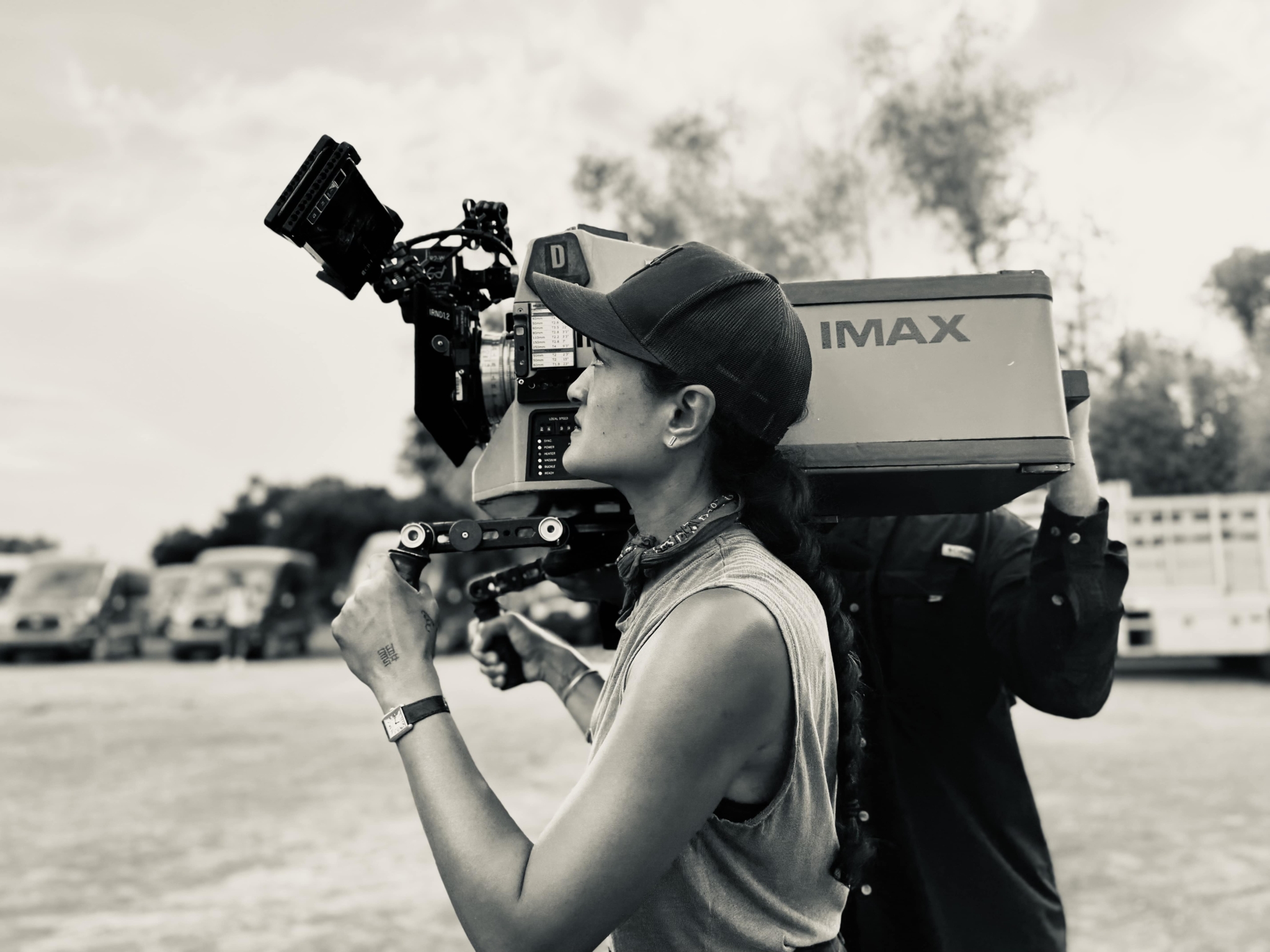
We join the Sinners and Black Panther: Wakanda Forever cinematographer to draw parallels between filmmaking and dining, and determine whether Sinners stayed true to its working title, “Grilled Cheese.”
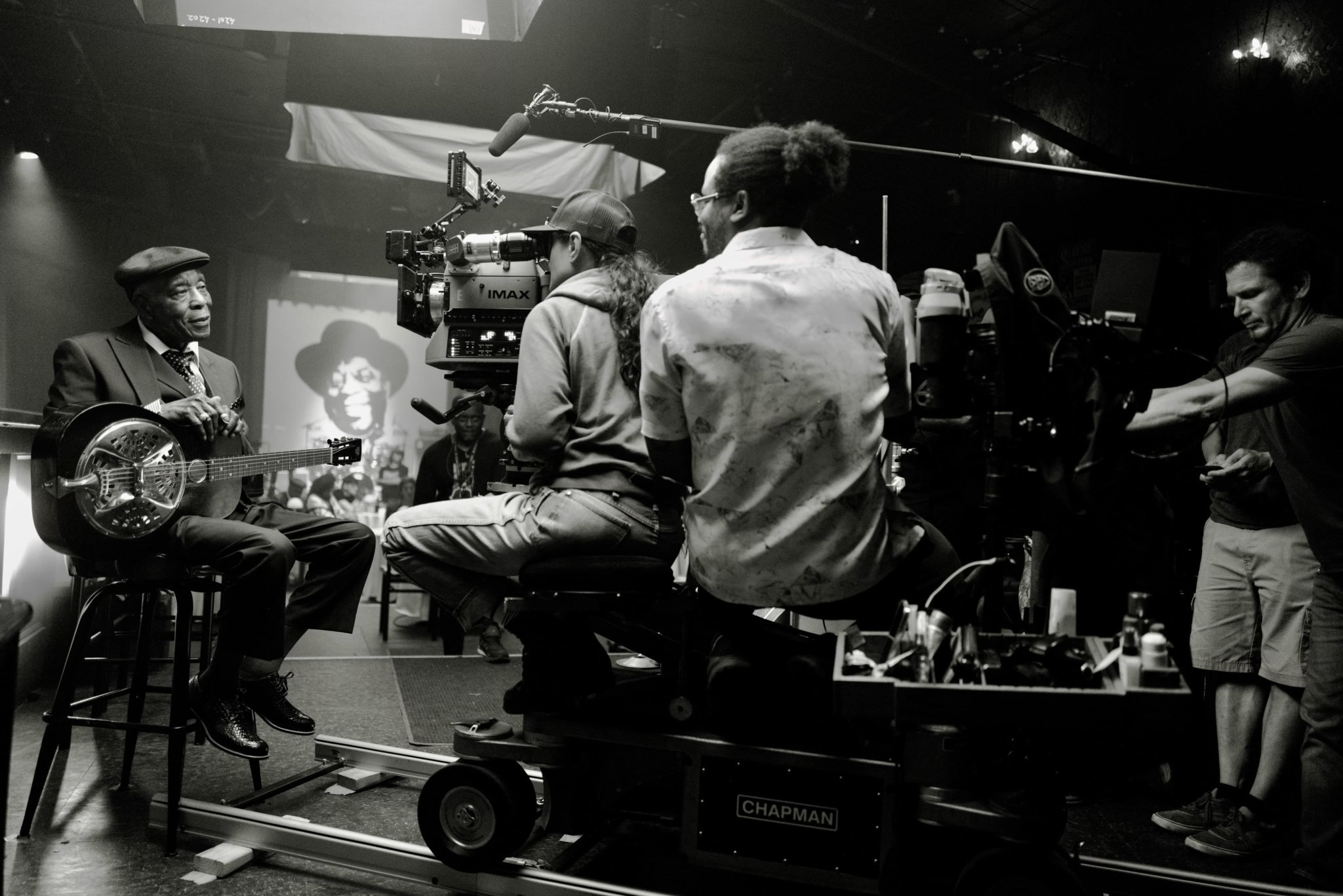
“This room has the best light,” Autumn Durald Arkapaw (née Autumn Cheyenne Durald) says over Zoom, as the sun pours into her Los Angeles home and brightens up my screen. Of course, the cinematographer behind the IMAX hit Sinners is no stranger to observing light. On set, she shapes lights and holds the unique bragging rights of shooting a single film on two large-format films, creating a first-of-its-kind IMAX experience with dynamic aspect ratios.
Before this, Durald Arkapaw served as the director of photography for The Last Showgirl (2024) and Black Panther: Wakanda Forever (2022). While behemoth blockbusters may have brought her wider attention, she still cherishes the world of independent filmmaking. A poster for her first feature, Palo Alto (2013), hangs prominently behind her as evidence. Made with under half a million dollars, Palo Alto eventually led her to Sinners, a 100-million-dollar production.
The contrasting budgets illustrate both Durald Arkapaw’s growth and versatility. Higher budgets require more collaboration across departments, while indie budgets come with time and resource constraints. Her range continues to span Marvel projects, indie films, and music videos—sometimes directing the latter herself. Throughout it all, she’s maintained creative partnerships with directors Gia Coppola and Ryan Coogler. Early in her career, her work on Arcade Fire’s “Porno” music video even introduced her to cinematographer Adam Arkapaw, who reached out to congratulate her and later became her husband.
On the other end of the Zoom call, I listen as Durald Arkapaw reflects, “I’m at the place where I want to be right now.” Over the course of our conversation, she draws parallels between filmmaking and dining, explains how she prepared to shoot Sinners, and determines whether the film stayed true to its working title, “Grilled Cheese.”
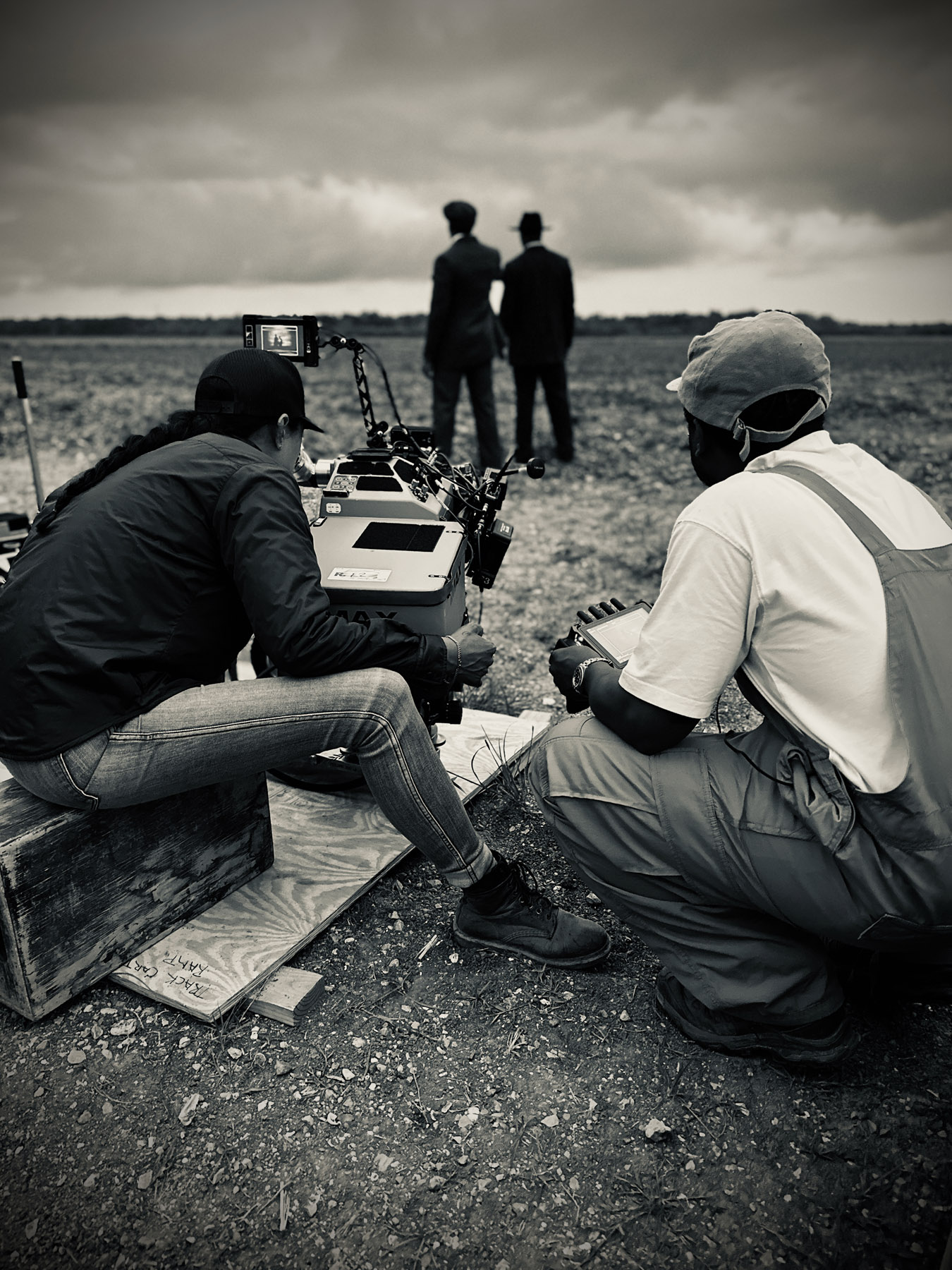
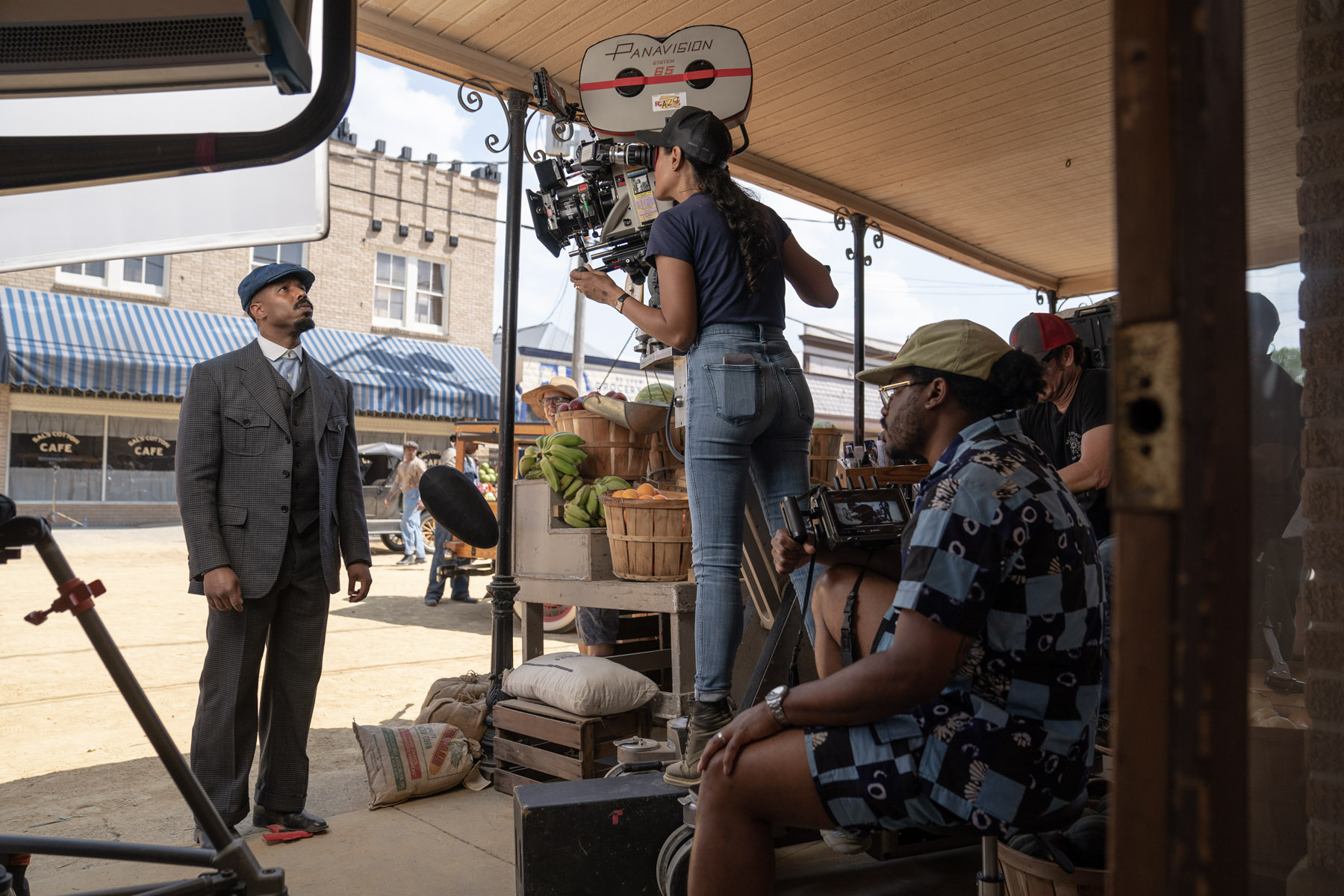
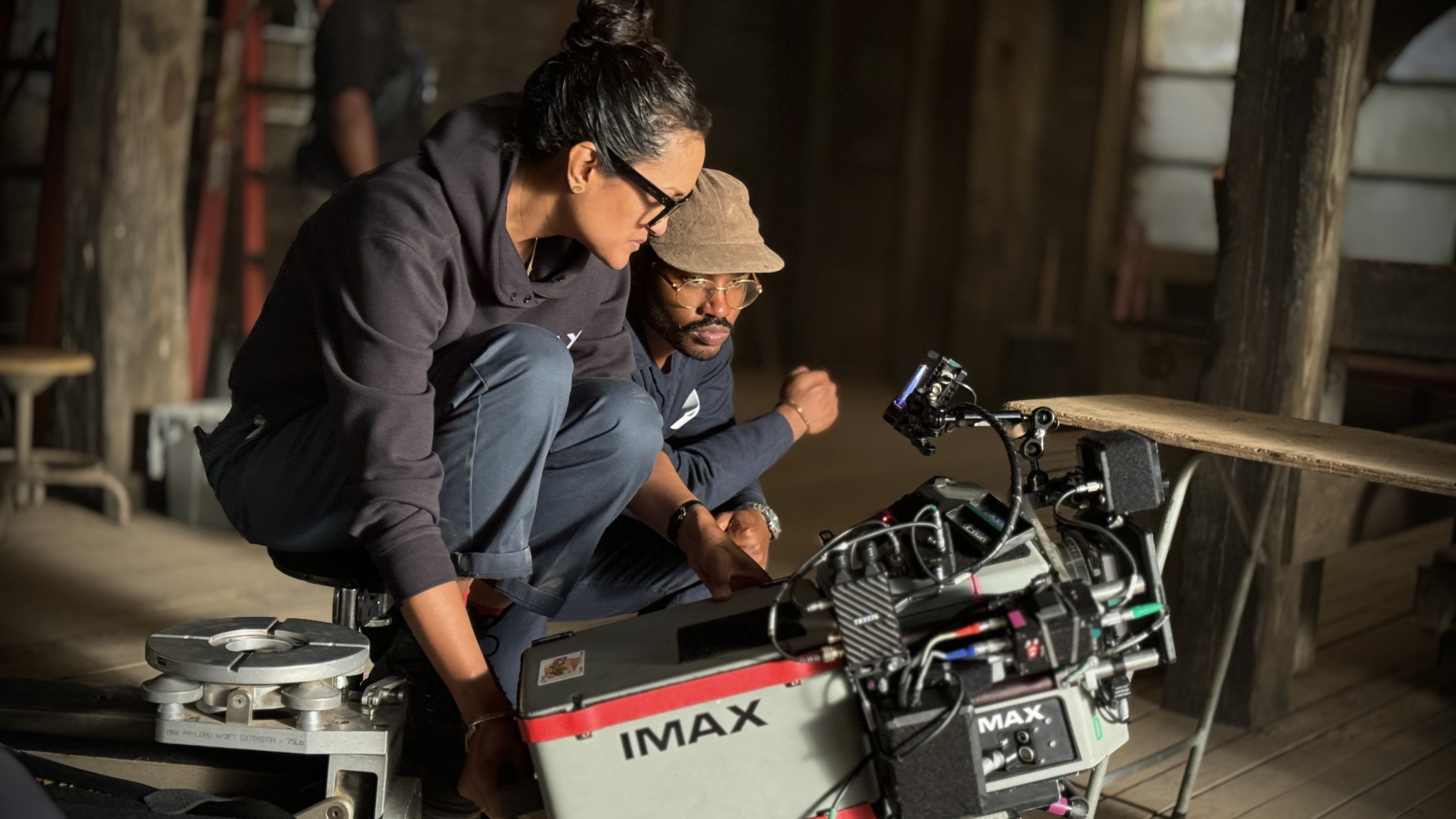


Joyce Keokham: I hear you’re a great cook. Are there parallels between cooking and cinematography?
Autumn Durald Arkapaw: I’ve seen every season of Top Chef with my son. The more I watch it, the more I realise how similar our jobs are. They’re both high-pressure, where time is of the essence. The chef has a sous chef, and together they lead a team. It’s very similar to cinematography in that sense because while the job is creative, a lot of management is needed. You’re not alone. You lead many people to get a concept executed, and for long hours, too.
JK: If Sinners were a meal, what would it be?
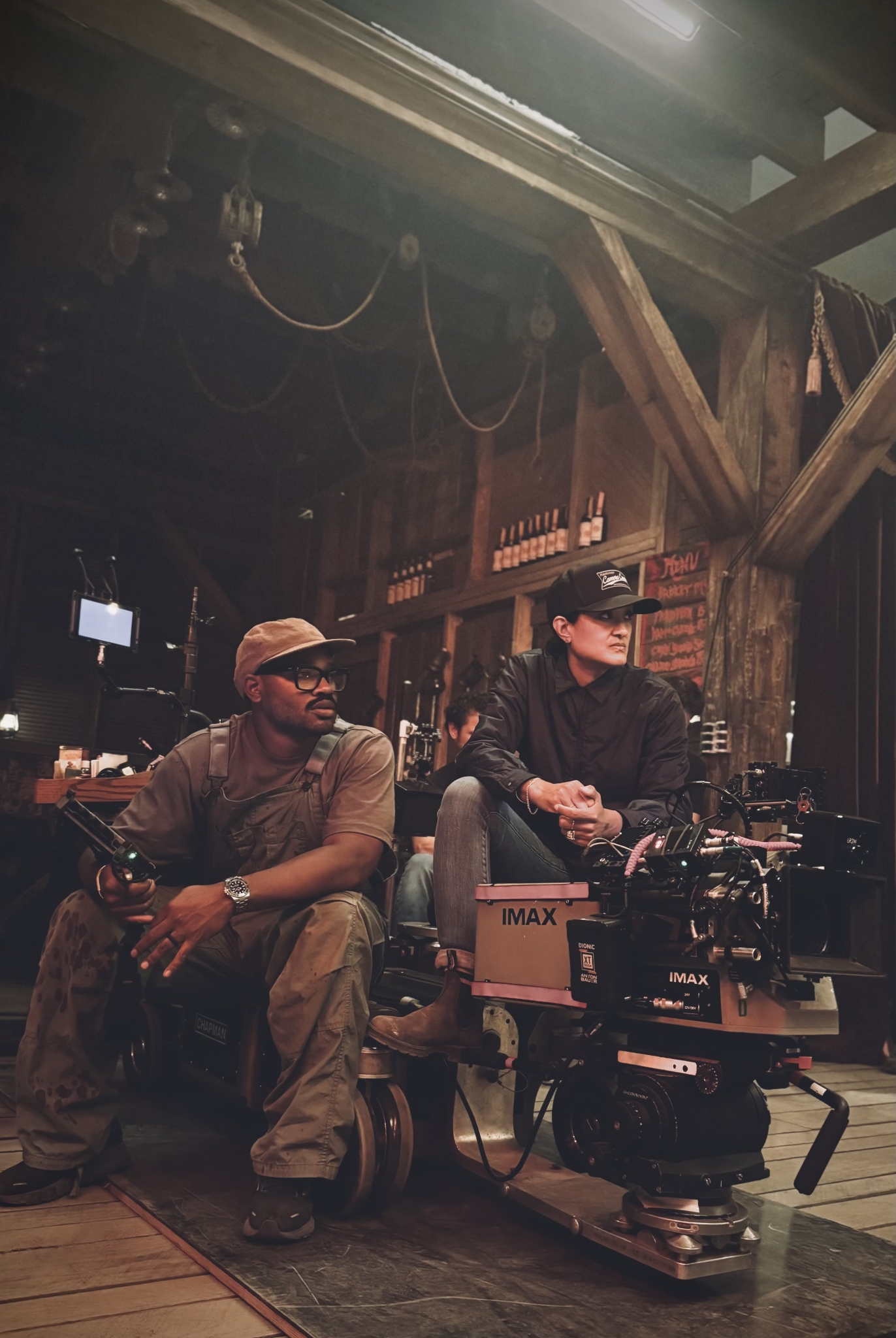
ADA: The code name for Sinners was Grilled Cheese. We were supposed to shoot it on 16mm and have it be really gritty. Something digestible, yummy, and quick. For me, this film was not grilled cheese. It elevated itself, being large format and all, until it became more of a 10-course meal. One that people could enjoy and take their time to eat, because a lot is going on. People have seen it multiple times, and every time they see it, they find something new.
JK: You’re now the first woman to shoot a feature in 65mm and IMAX, the first cinematographer to incorporate 65mm in both its widest and tallest aspect ratios, and the only cinematographer to shoot on IMAX 15-per film using Kodak Ectochrome film stock. Did I miss any accomplishments?
ADA: [Laughs] No, no, that’s it. We never set out for that. We were just choosing the best way to elevate the story. It is interesting to see how many of these were firsts, but that’s how Ryan is. Our last film, Wakanda Forever, had many firsts as well. We do the homework, we do the research, and we figure it out. Most importantly, we’re excited about it.
These projects are hard; they take a long time to make, and we’re taking people away from their families to make them, so we want them to be successful.
JK: It was incredible to watch. Michael has great chemistry with himself. How did that come together?
ADA: With the twinning, Michael played every part twice. He’ll play it as Smoke, then come back as Stack. His acting double, an actor named Percy Bell stands in as his brother every time he plays the opposite. As a photographer, I see it all. It’s a very tedious thing, but we don’t want the technical to get in the way because we don’t want you to see how it’s made. It’s like cooking! It shows up on your table beautifully, but in the back of the kitchen, it’s hectic, and a lot is happening.

“The code name for Sinners was Grilled Cheese. We were supposed to shoot it on 16mm and have it be really gritty. Something digestible, yummy, and quick. For me, this film was not grilled cheese. It elevated itself, being large format and all, until it became more of a 10-course meal.”
Autumn Durald Arkapaw
JK: What was it like to shift from indie films to larger productions that require more collaboration across departments?
ADA: My collaboration with the VFX department has definitely strengthened after working on such VFX heavy projects. Doing things I haven’t done before, I have to be willing to ask questions. My visual effects supervisor teases me because the first time we met, he asked me for something, and I said to him, “Well, why do you need that?” It threw him back because maybe he didn’t know the answer to that either.
I have to have an understanding of what things are going to be used for and how they are incorporated into the real photography. It’s a trial and error process because the ultimate goal is to make everything match the photography and the lensing as well. The lensing should feel cohesive and of the same world. Coming from indies, where I have to make things look good with a limited amount of time, I learned how to respond quickly and make decisions fast. It definitely helps to come from music videos and small features where you don’t always have much to work with.
JK: My favourite scene in Sinners is the dancing scene—it’s so expansive. What was it like to prepare for that shot?
ADA: Ryan enjoys taking the audience on a ride. He does that very well, and it always comes from the heart. He knows what he wants to say by making it one continuous shot, which is important because it’s logistically complex and takes a lot of meetings and prep. How do I light everything we see without revealing any lighting equipment? Will the walls actually burn down as the camera tilts up? He wrote it so beautifully on the page—it had so much imagination. It’s a dreamy, surreal sequence that educates you, introduces you to new characters, and then the movie takes a turn after that. I still get teary-eyed when I see that scene in theatres.
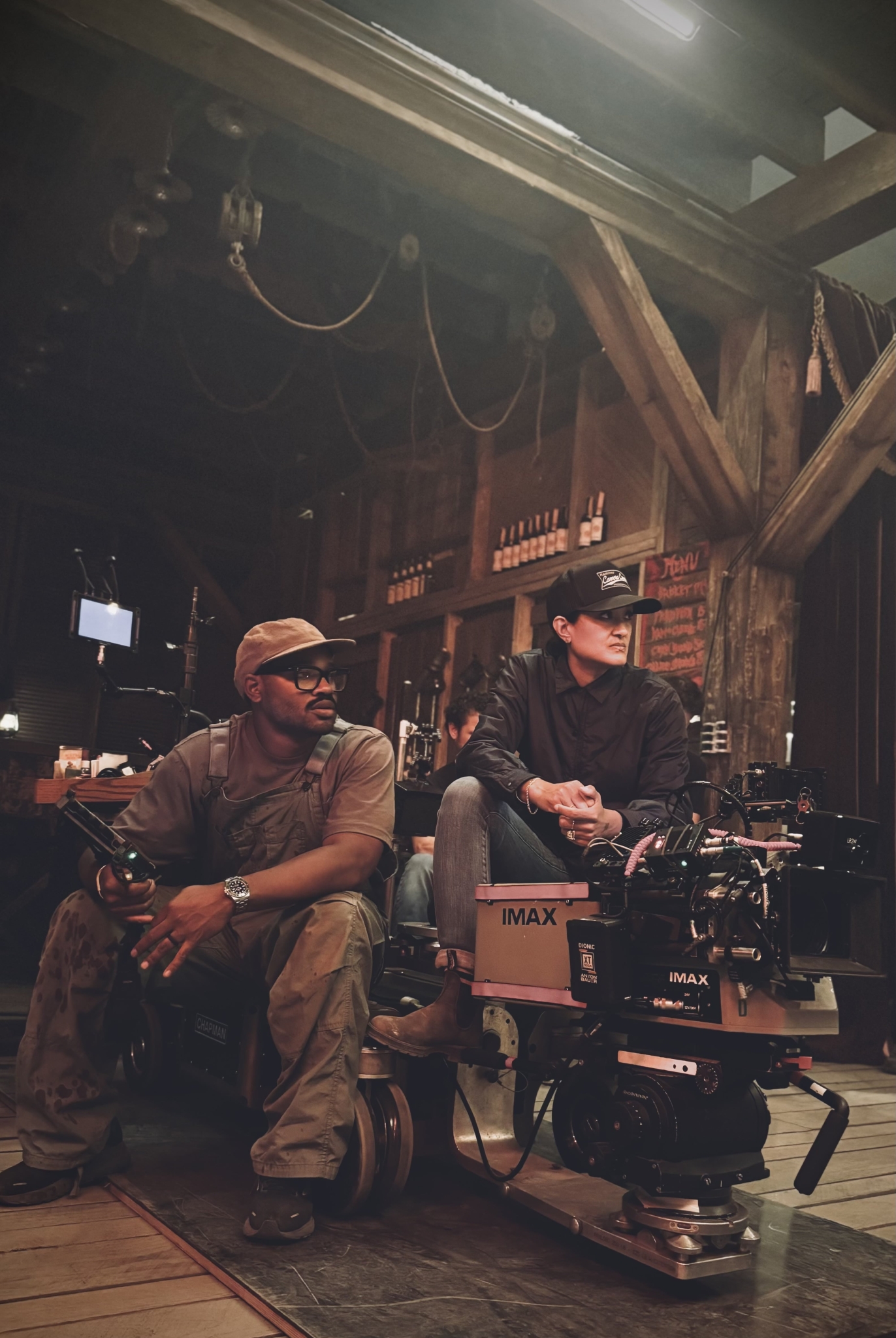
“For women cinematographers, we work very hard to be able to consistently make big-budget films that are distributed to broad audiences. Then, all of a sudden, I’m asked, “Well, are you going to direct now?” It’s like, I just got here! I’m at the place where I want to be right now. I feel honoured to be able to work with my friends and to protect their vision. I see what Ryan does. It’s a very hard job–I have no interest in doing what he does.”
Autumn Durald Arkapaw
JK: I feel lucky to have watched it in IMAX 70mm. Since the movie is available in multiple formats, how does it feel to not have control over how people experience it?
ADA: On a flight, someone was watching it across from me, so I turned it on too. The aspect ratios on the plane matched the Bluray, which is obviously not the ideal way to see our movie, but I’d rather people see it and experience the world than not see it at all. We try to quality control the image as much as we can, but there’s so much we can’t control. Are you watching it in a bright room? What are you watching it on? We drive ourselves mad trying to get a through line in presenting an image.
For me, knowing that when they re-released it, tickets were always sold out, even the front rows, is a testament to the story—people wanted to feel it again. So I’ve put my preference aside—but my preference is the 70mm IMAX print that you saw.
JK: Were there any mistakes that accidentally became a stylistic choice or something that benefited the movie?
ADA: I have a great team, and I’ve been working with my first assistant, Ethan McDonald, for nine years now. I can’t think of any mistakes. There was the weather, but that’s just life. In the South, it’s sunny with blue skies, then all of a sudden, a storm comes in, and we have to put the cameras away. Obviously, I want consistency, so it can be very, very frustrating, don’t get me wrong, but sometimes the rain gives us the most beautiful sunsets that wouldn’t have happened otherwise.
JK: How did your creative partnership with Ryan Coogler begin?
ADA: We met on Zoom. My friend Rachel Morrison, the cinematographer for the first Black Panther, was transitioning into directing, so she recommended me. . Bradford Young also recommended me before, for Creed, but we didn’t meet then.. Ryan and I are both from the Bay Area, so, when we did meet, it felt like I knew him already. Then, I had a call with the production designer, Hannah Beachler, and we felt like long-lost siblings. It felt right. They’re family now.
JK: Shout out to Rachel for tagging you in when she transitioned into directing. Do you have similar aspirations for yourself?
ADA: I get asked that a lot. For women cinematographers, we work very hard to be able to consistently make big-budget films that are distributed to broad audiences. Then, all of a sudden, I’m asked, “Well, are you going to direct now?” It’s like, I just got here! I’m at the place where I want to be right now. I feel honoured to be able to work with my friends and to protect their vision. I see what Ryan does. It’s a very hard job–I have no interest in doing what he does. I can do music videos and commercials; I came up doing that type of thing. But directing a movie like Sinners is a big story. I’m happy where I’m at. We do want and need more women filmmakers, but I enjoy being a cinematographer a lot.
We’re also going to war when we make these films. To go to war for someone like Ryan makes it fun. I’m in a position very few people are in. I don’t take that for granted, and I wouldn’t give that up. It’s a nice place to be. And sometimes I have to leave my family for an extended period of time, when I go shoot these things, which is also hard, so I want it to be for good people.
JK: I’m trying to think of a lovely question to end this on, but I don’t want to ask what you’re cooking next because I want to let you enjoy this moment.
ADA: Well, I know what I’m doing next. It’s with Ryan—He’s retelling the X Files and we’re doing the pilot soon. That’ll be a different course because it’s short. It’s not a full meal. It’ll be nice to execute something smaller but still on a very high creative level. It’s completely different from anything we’ve ever done.